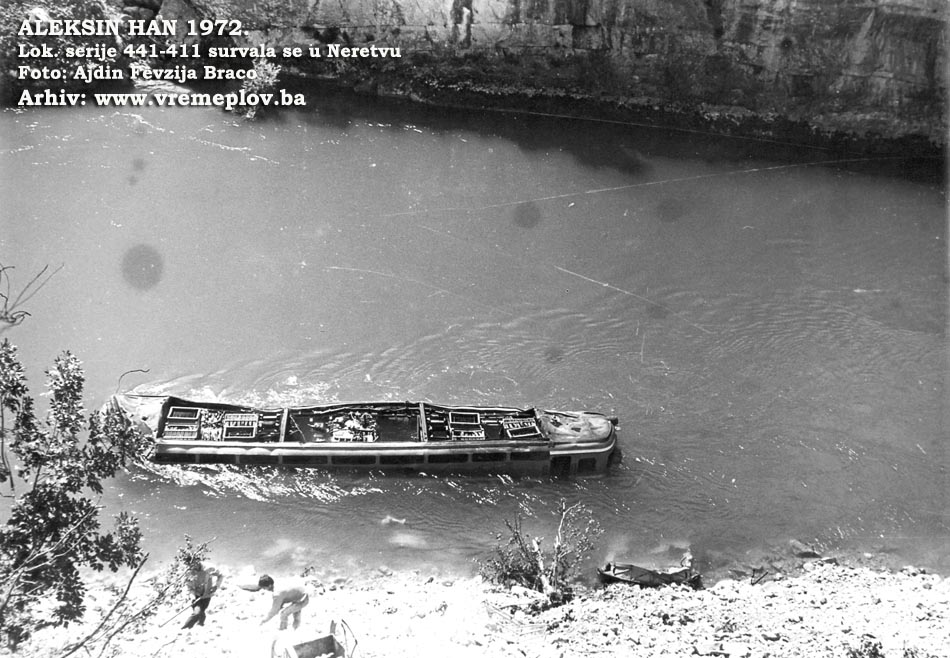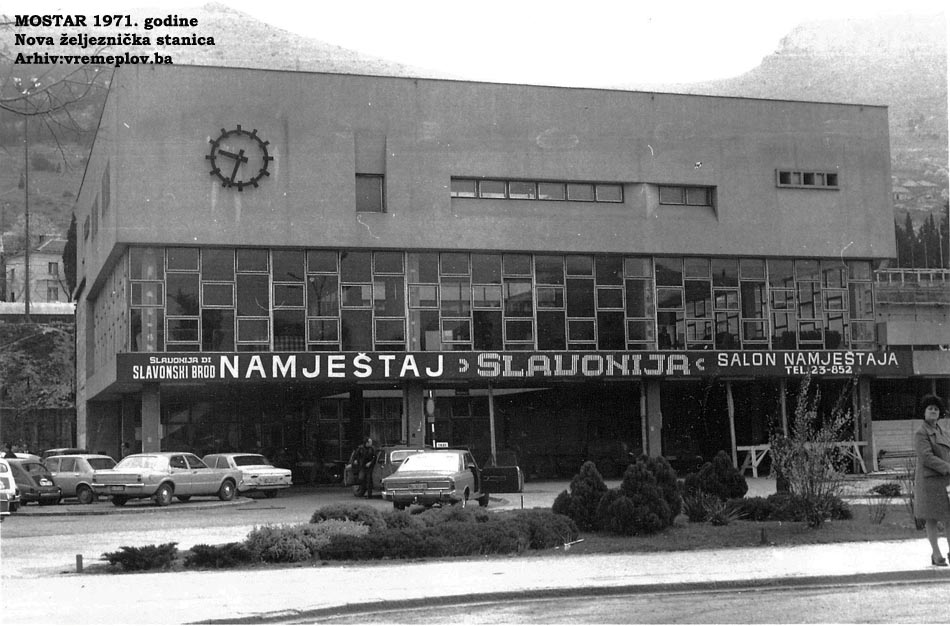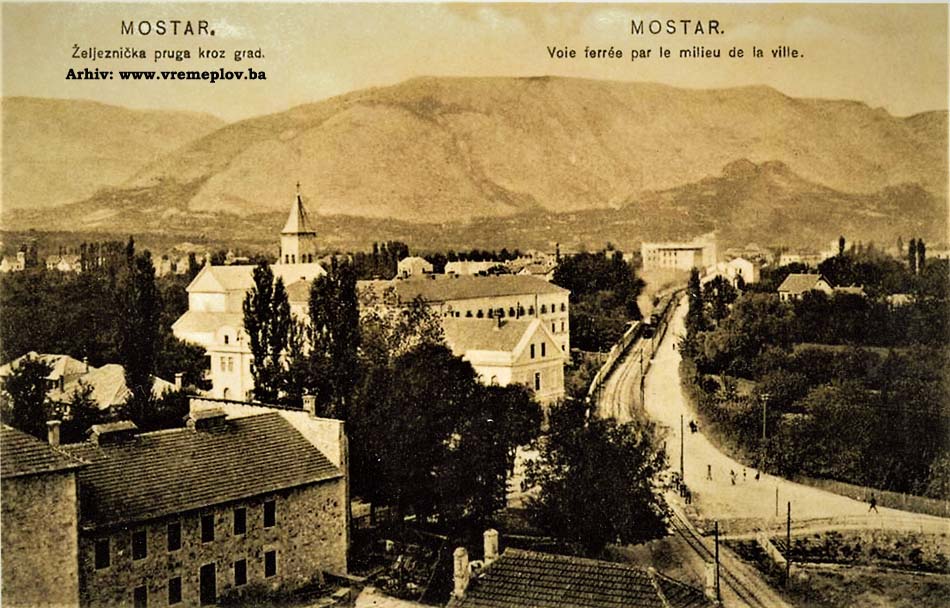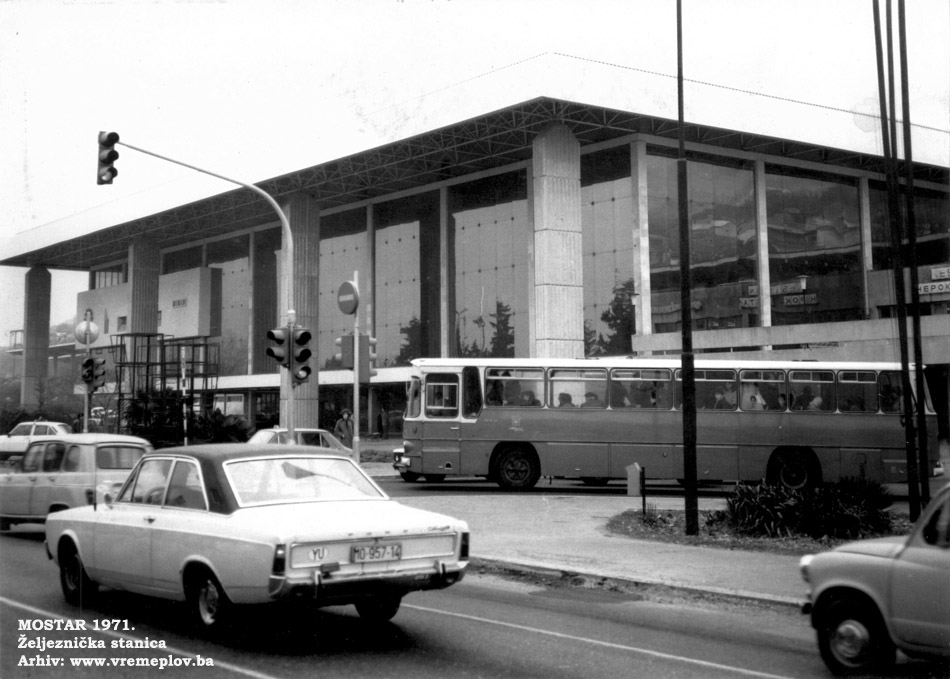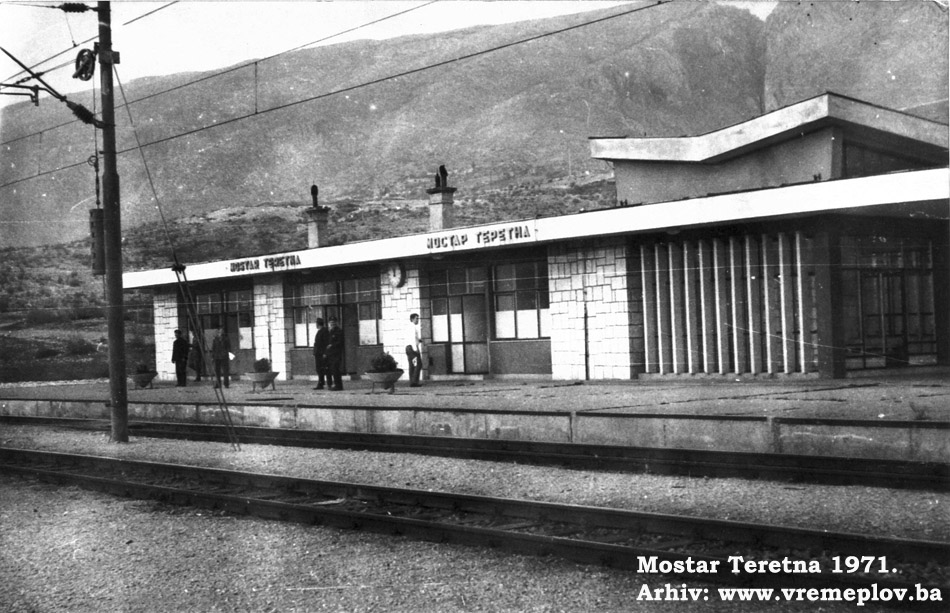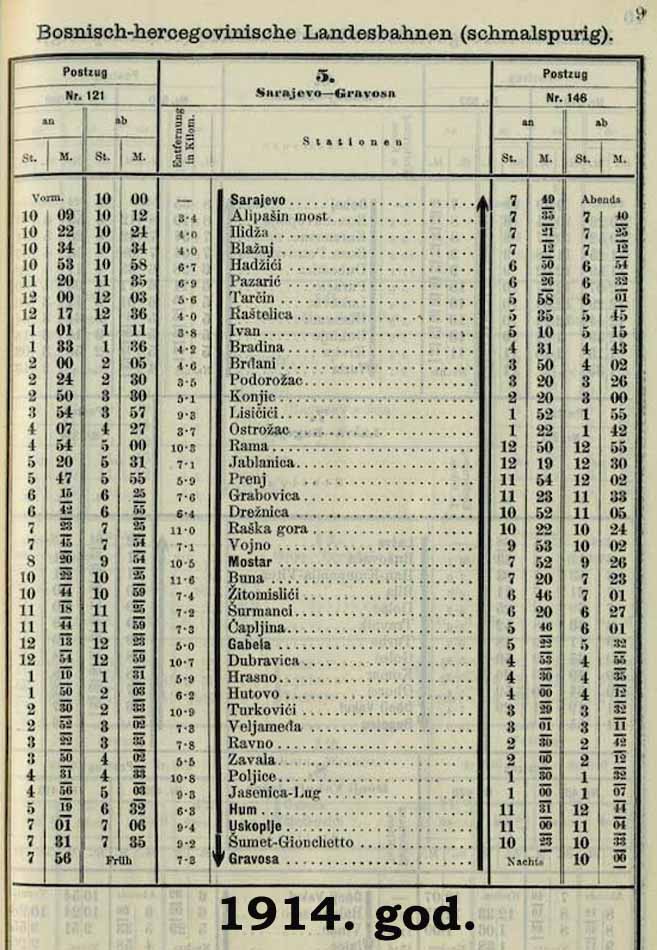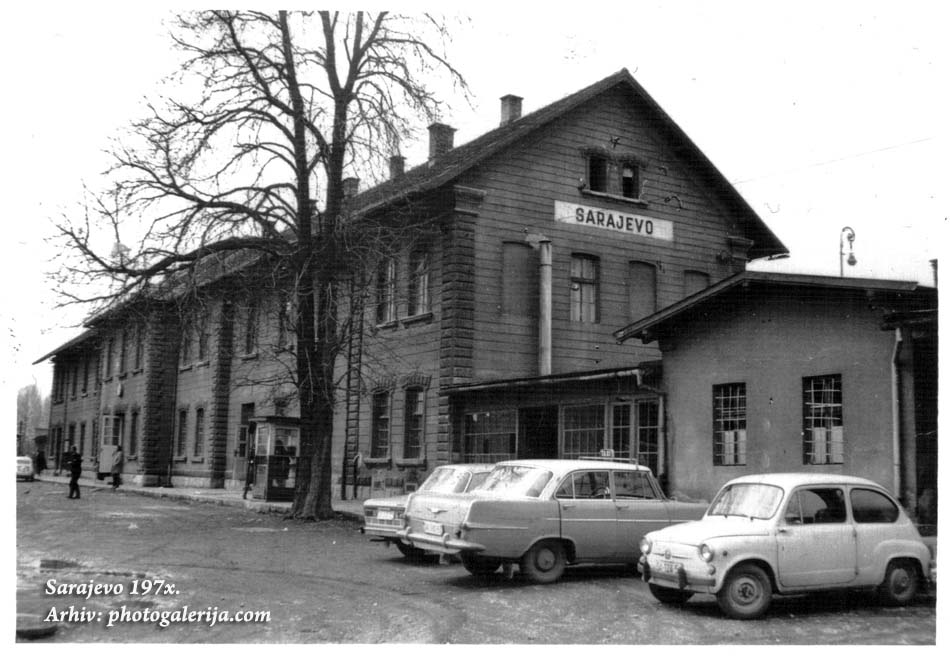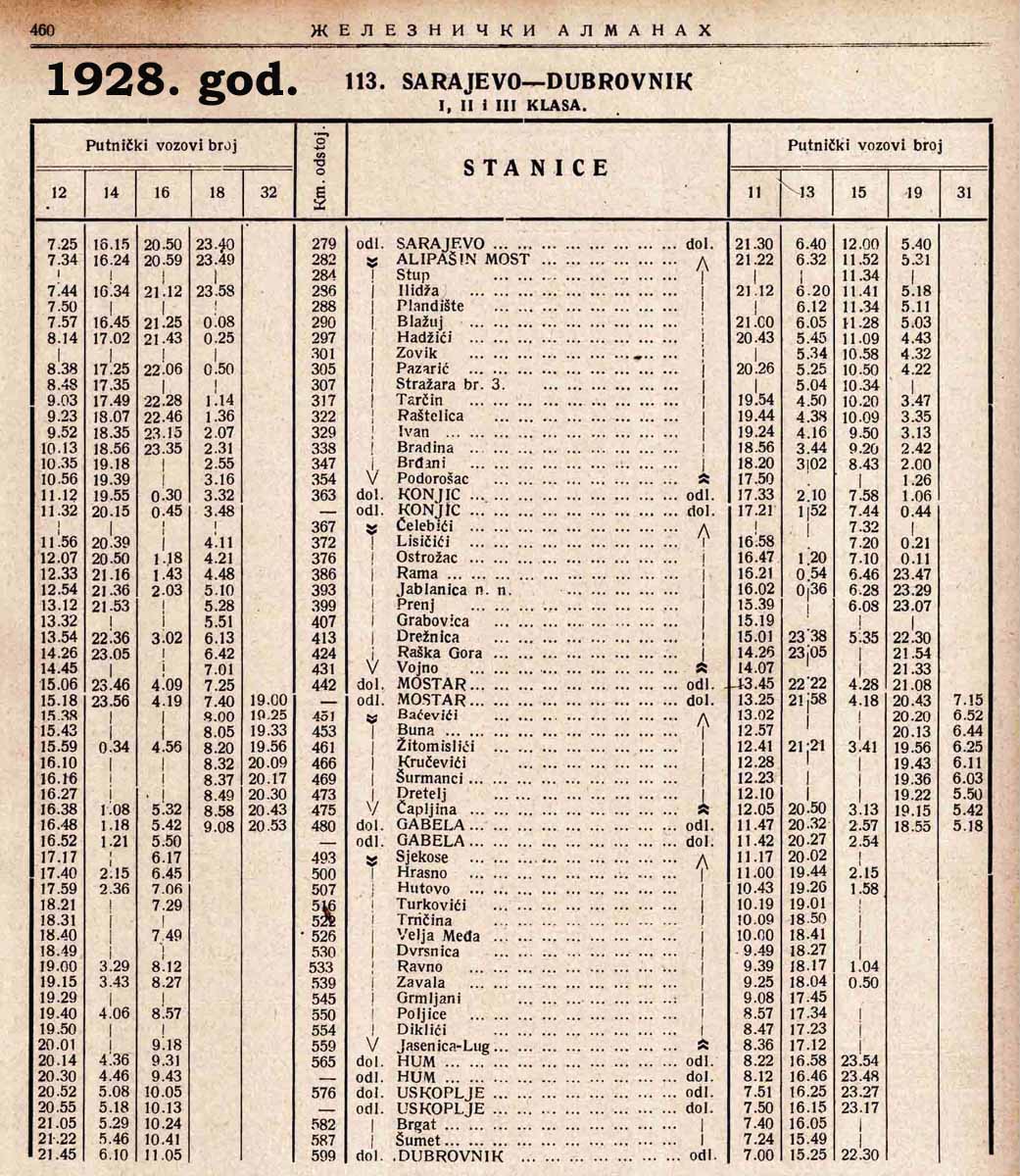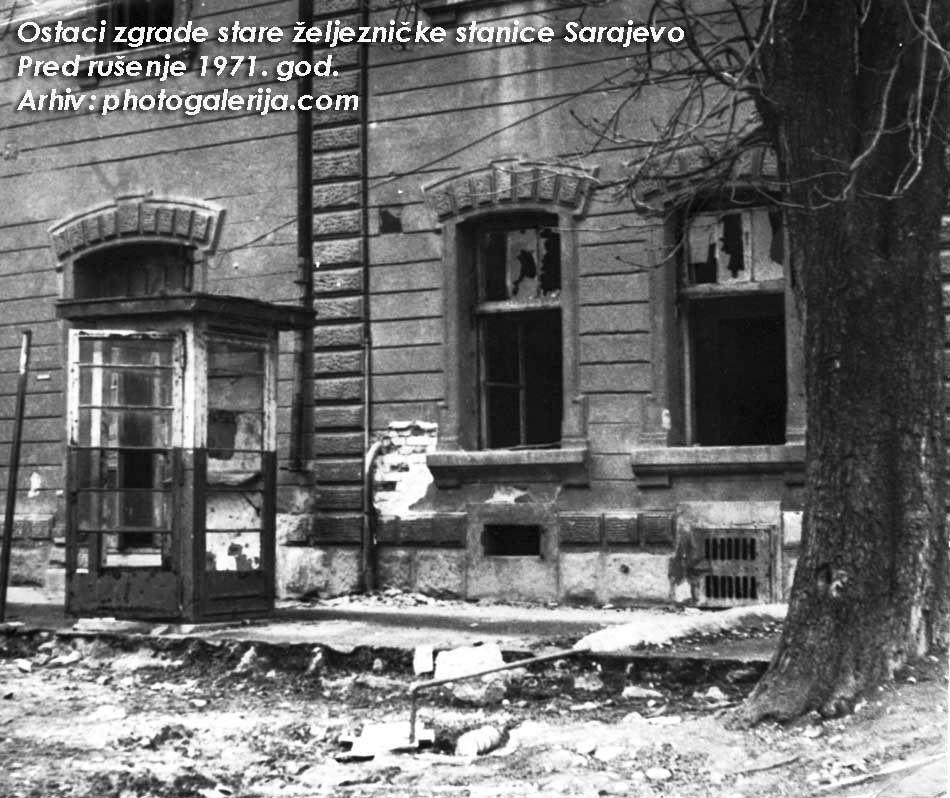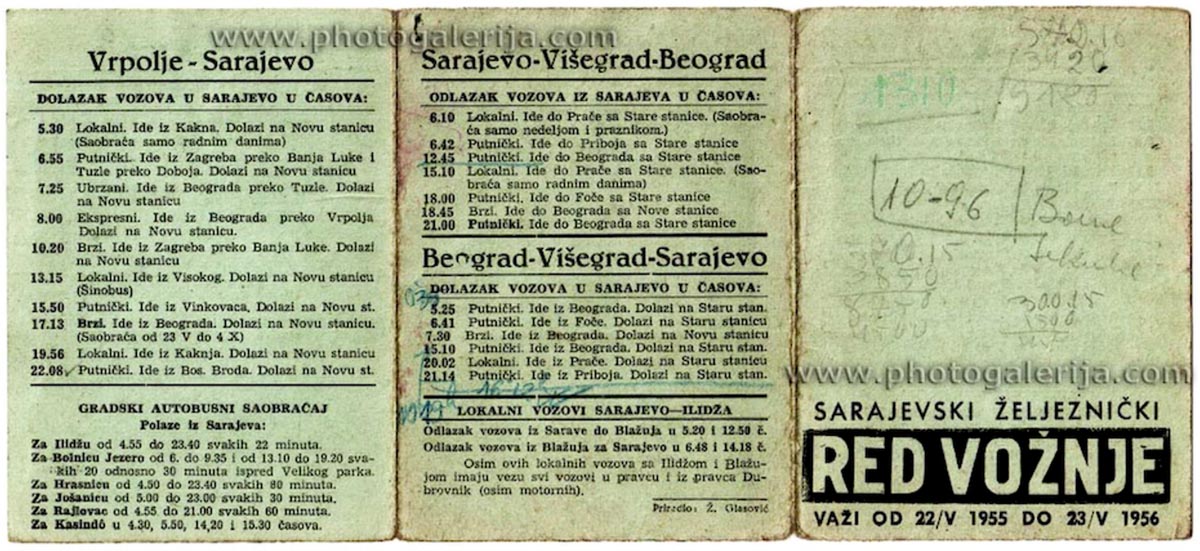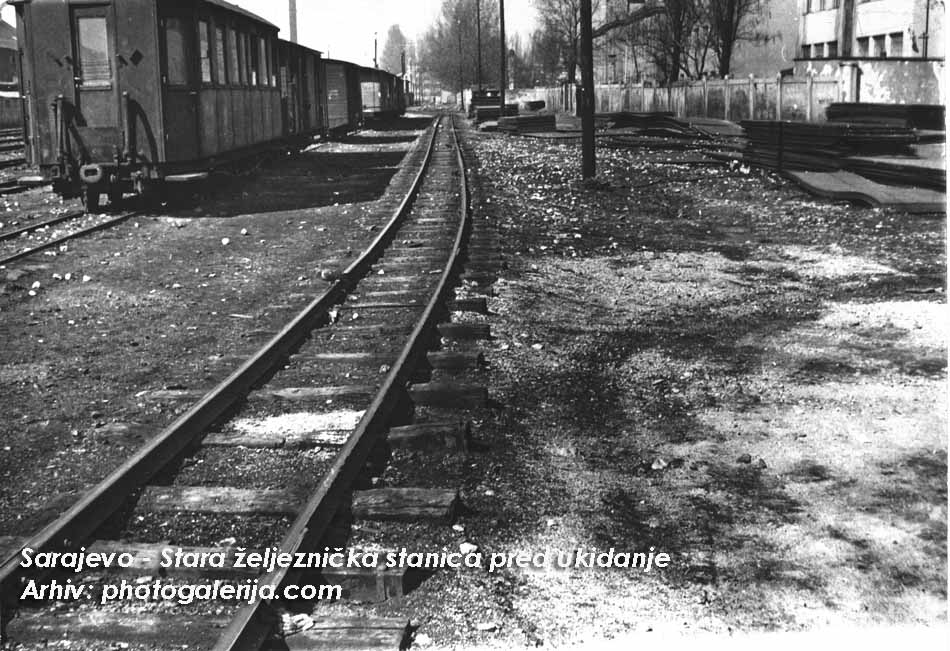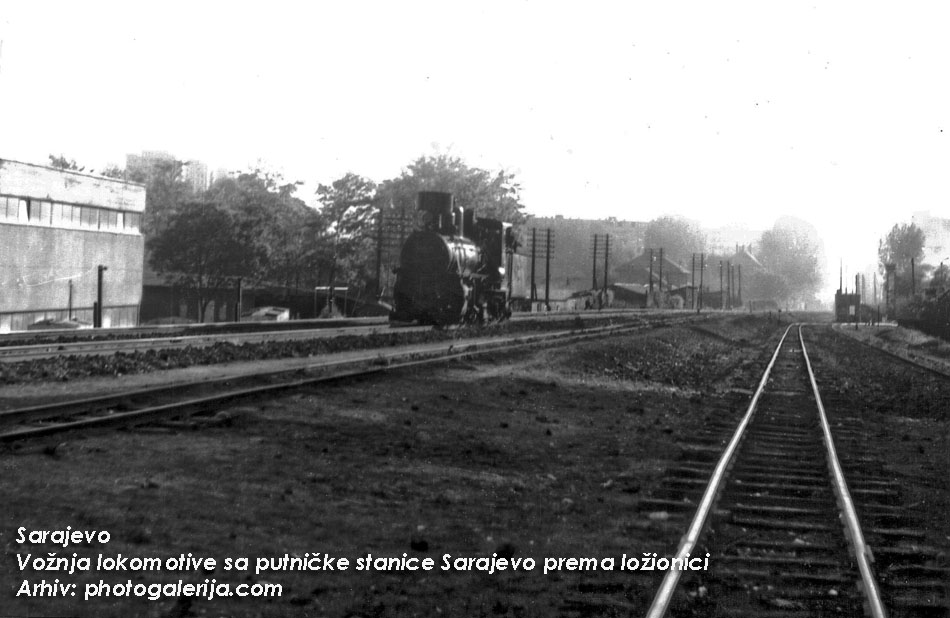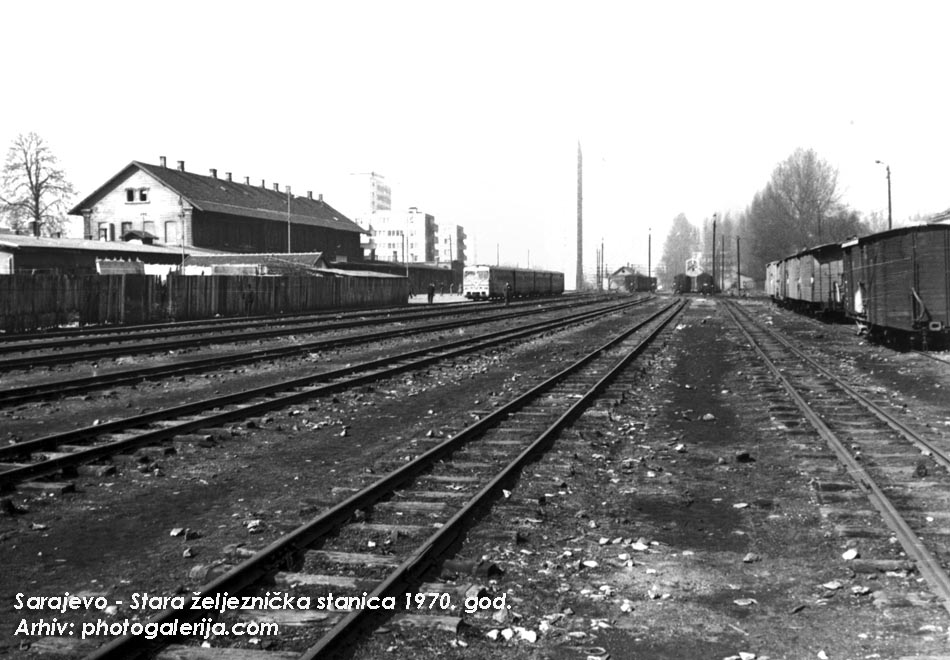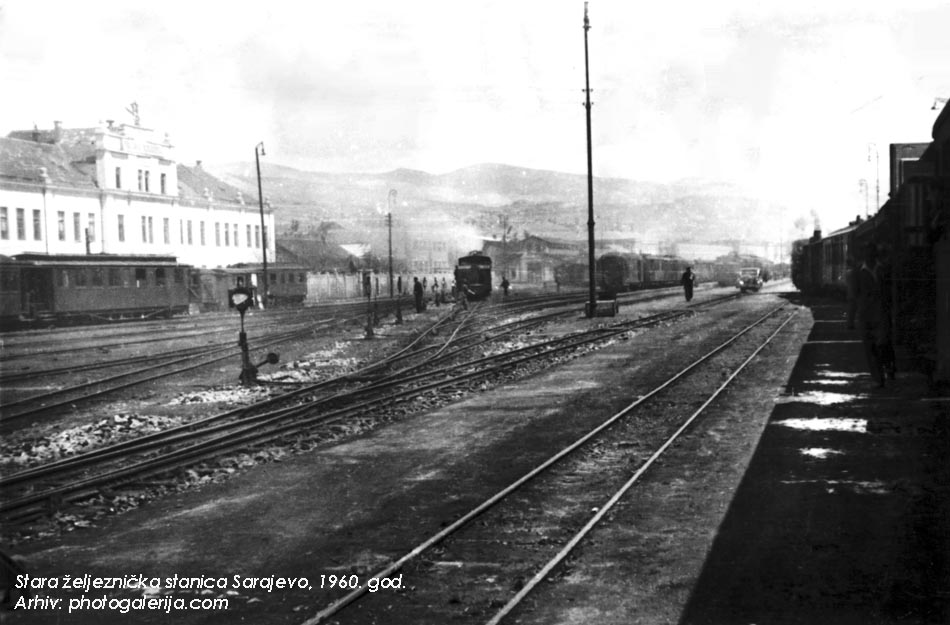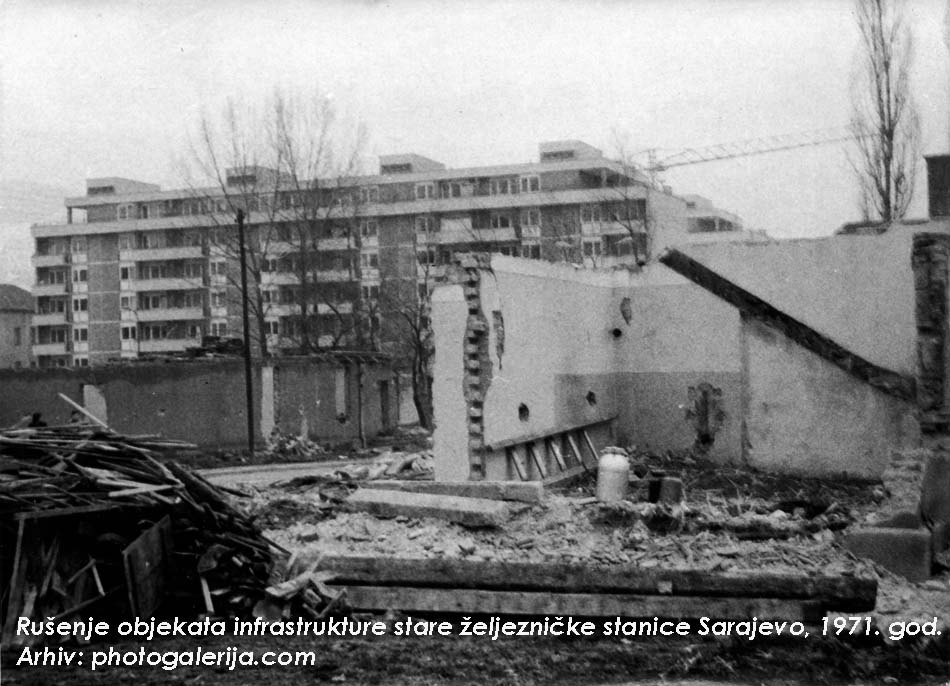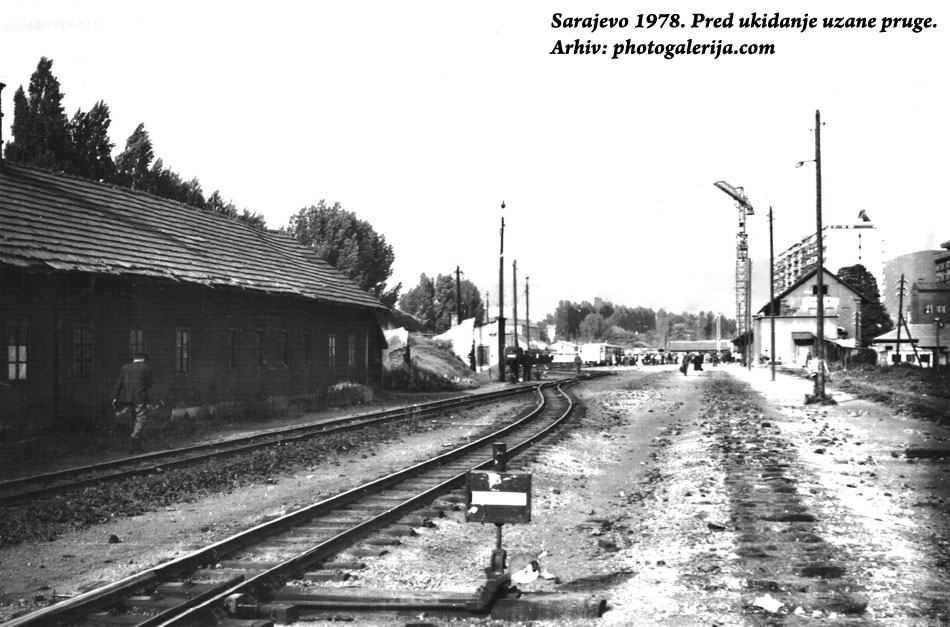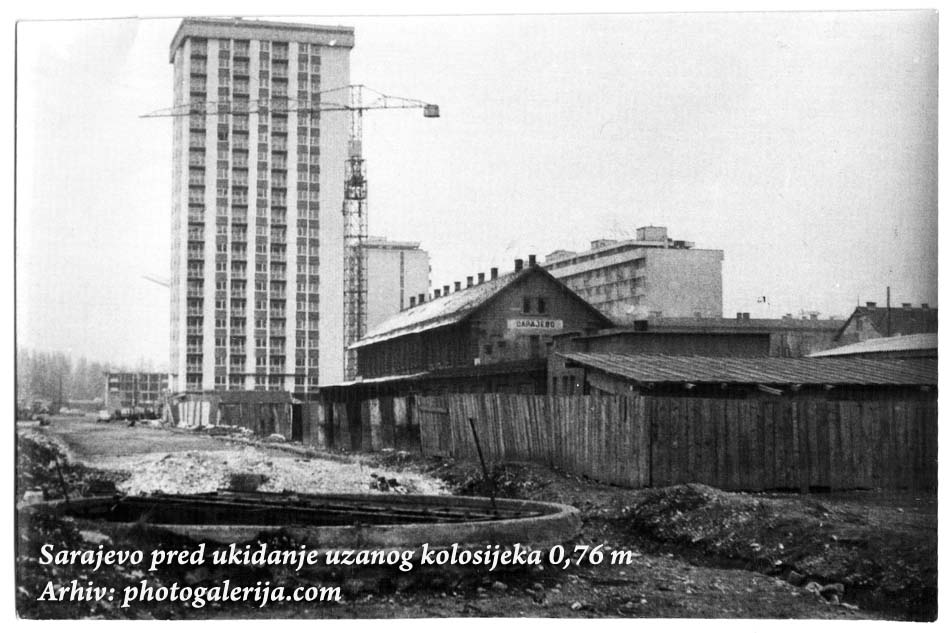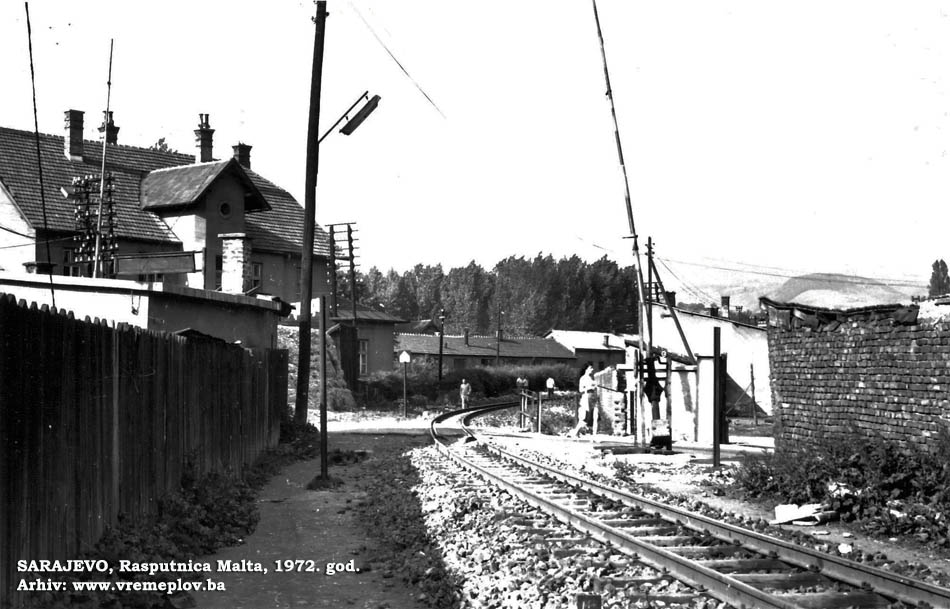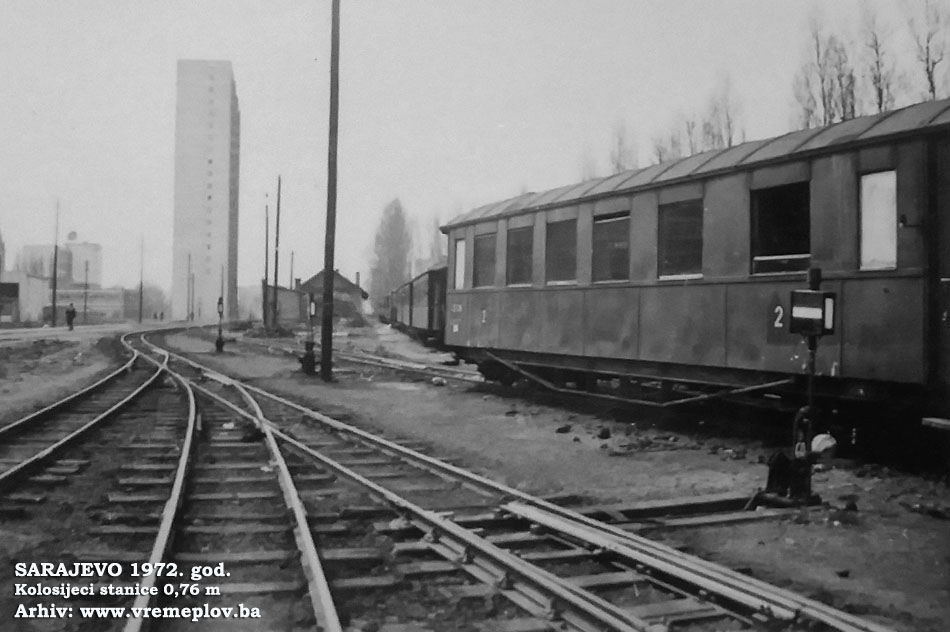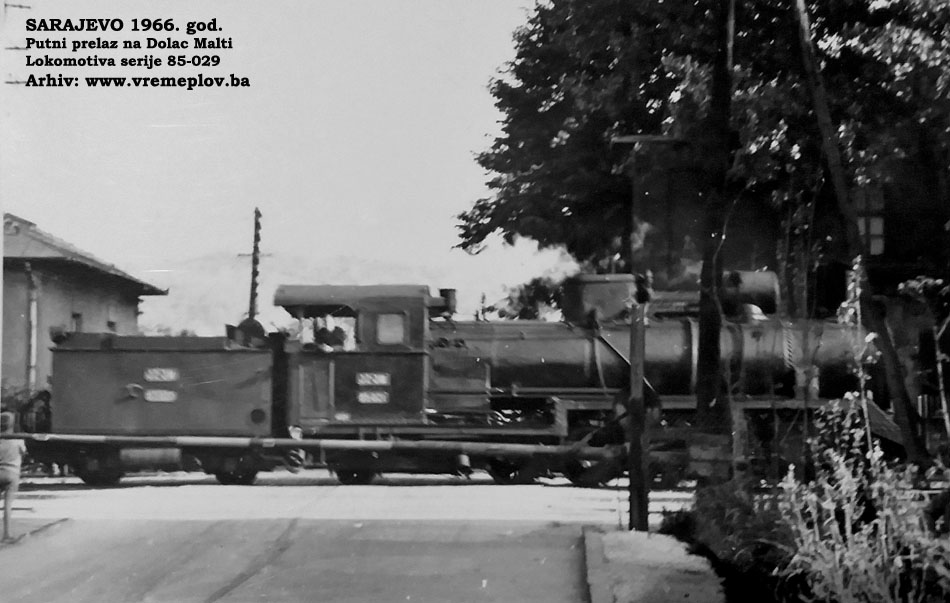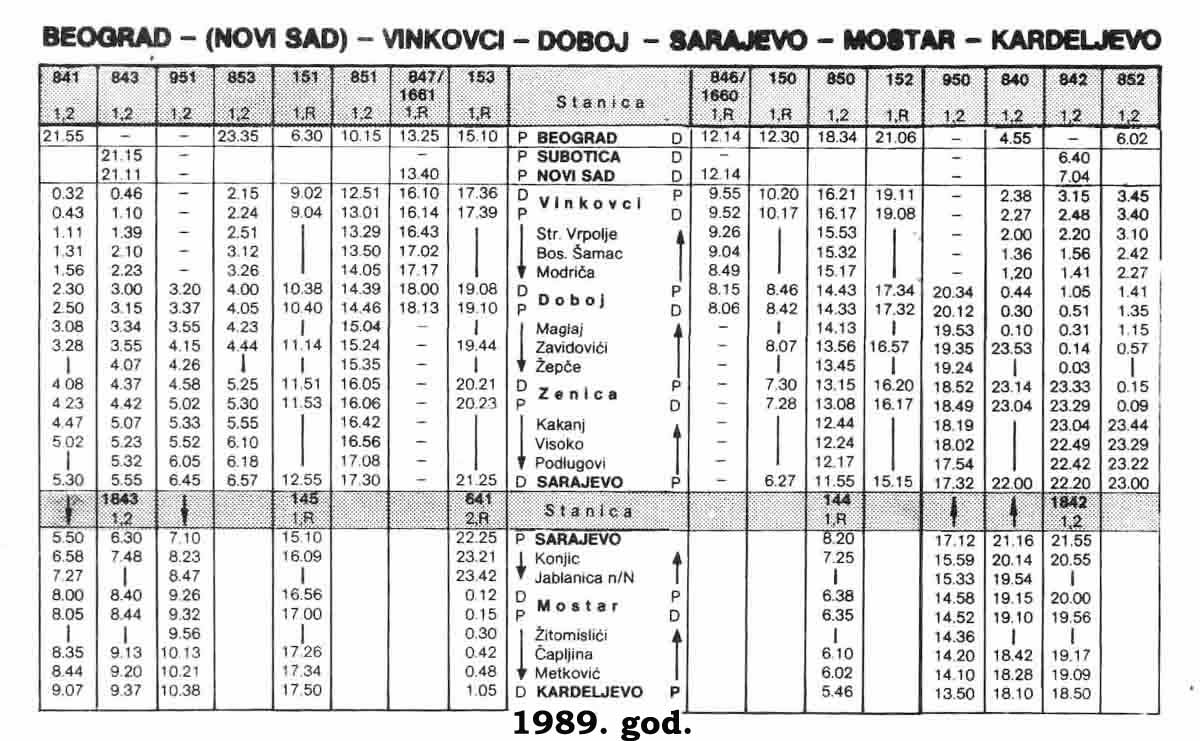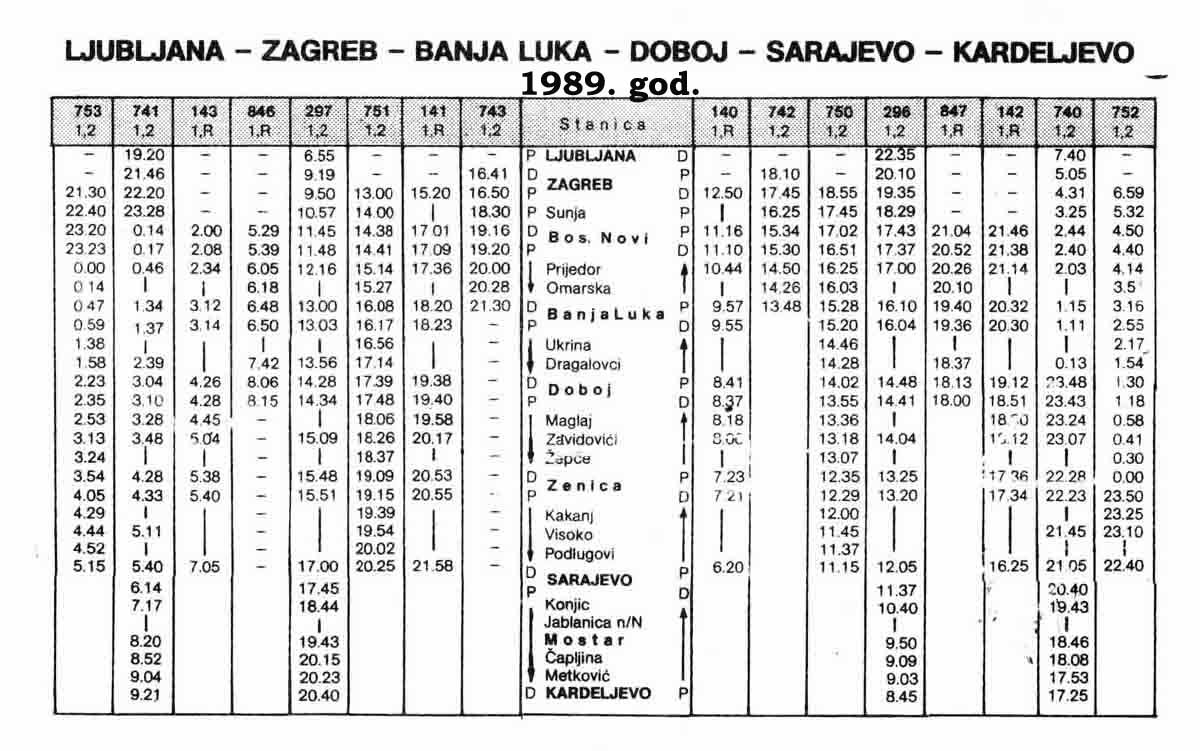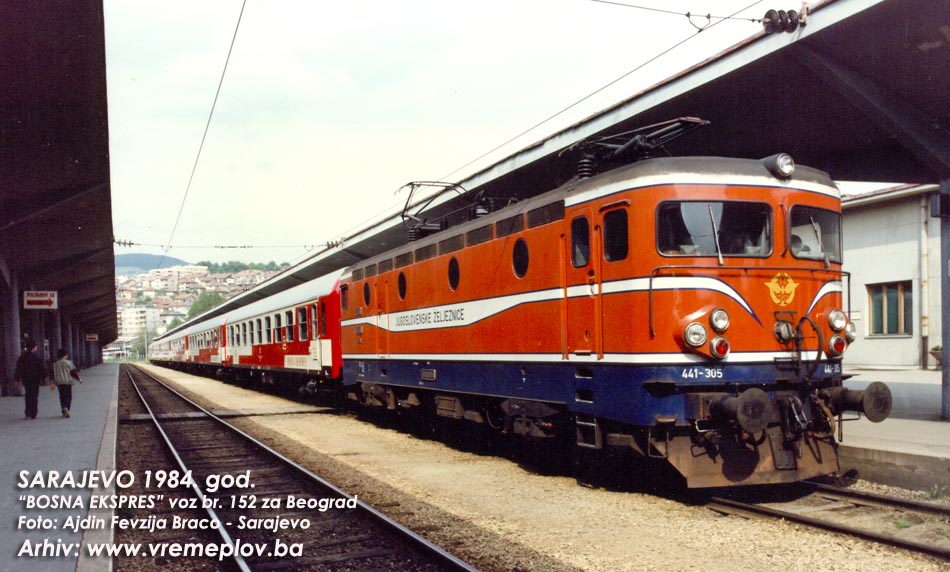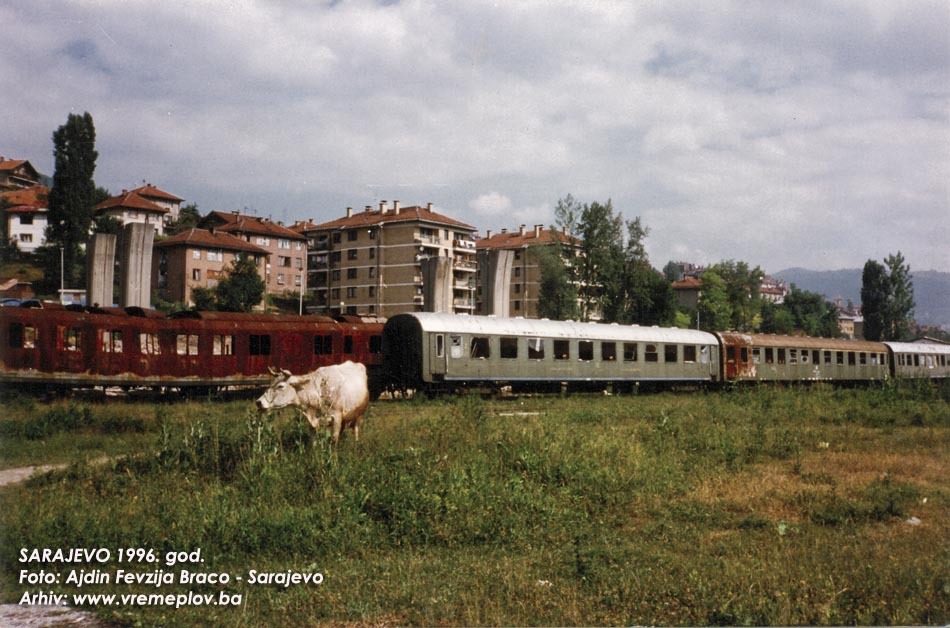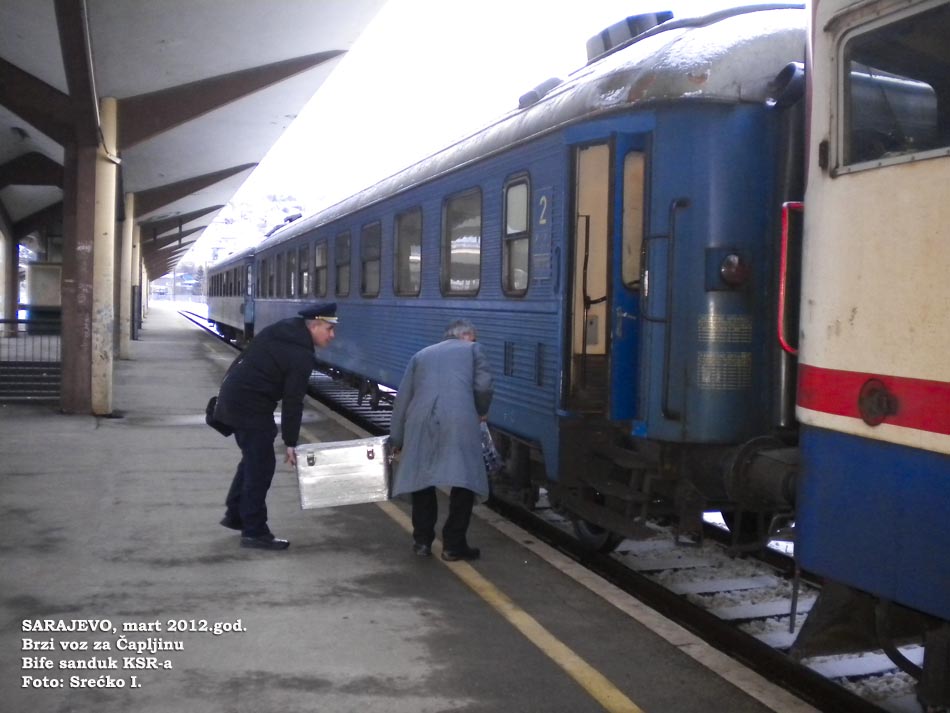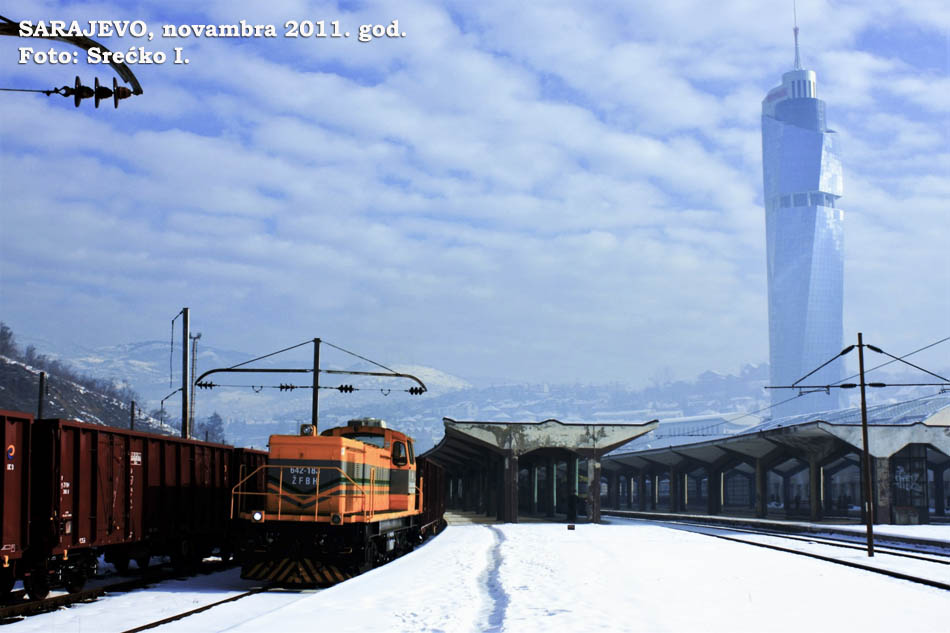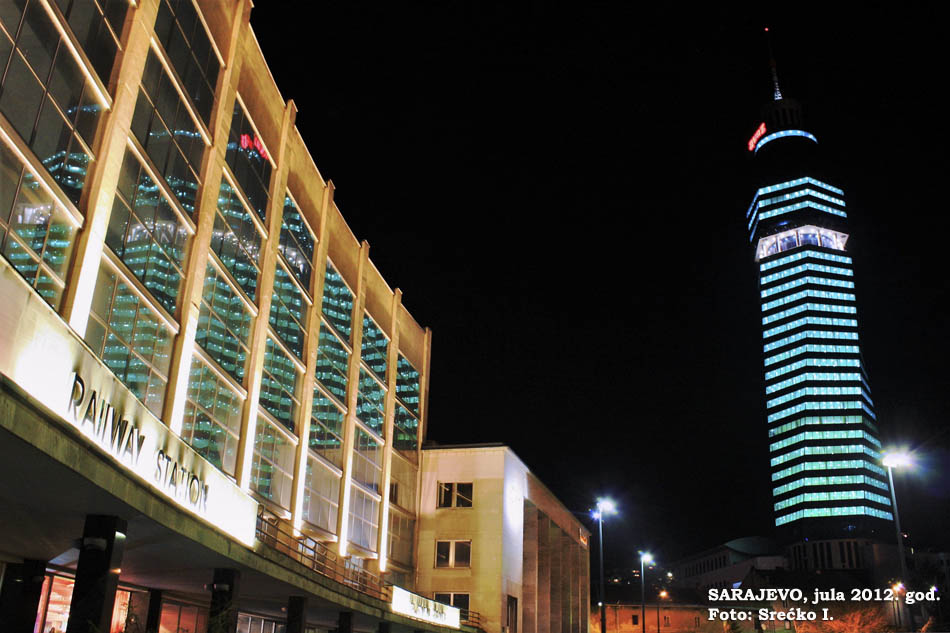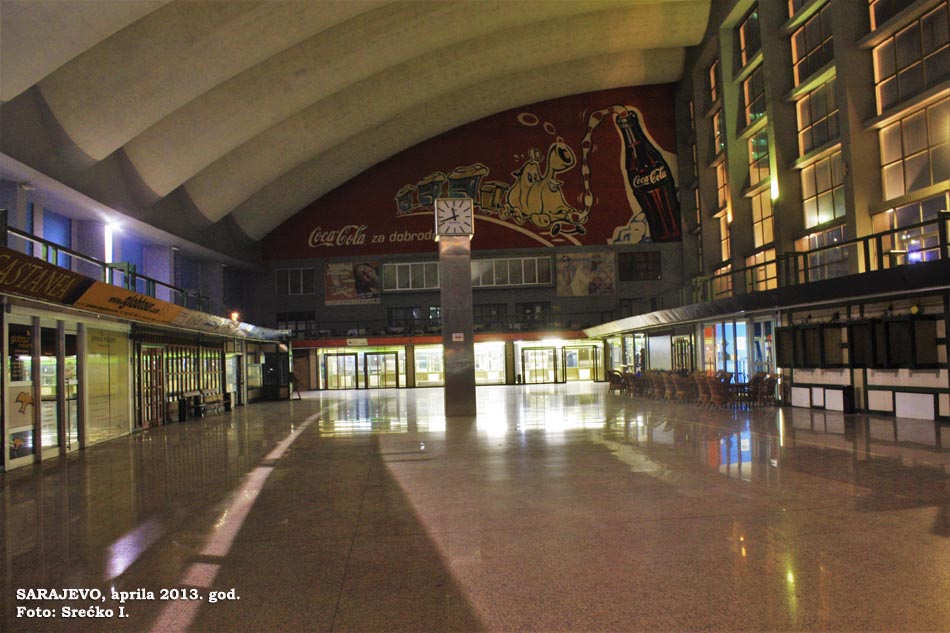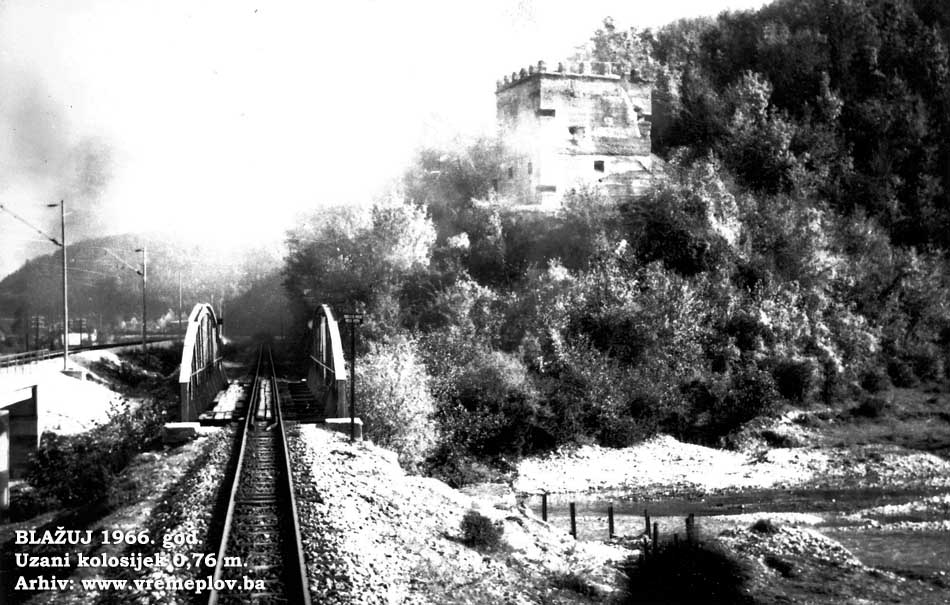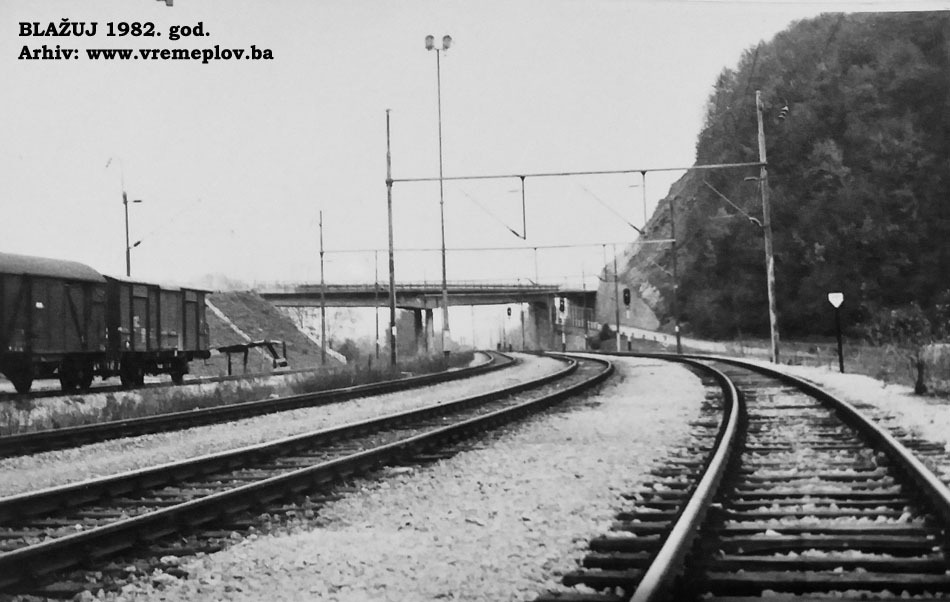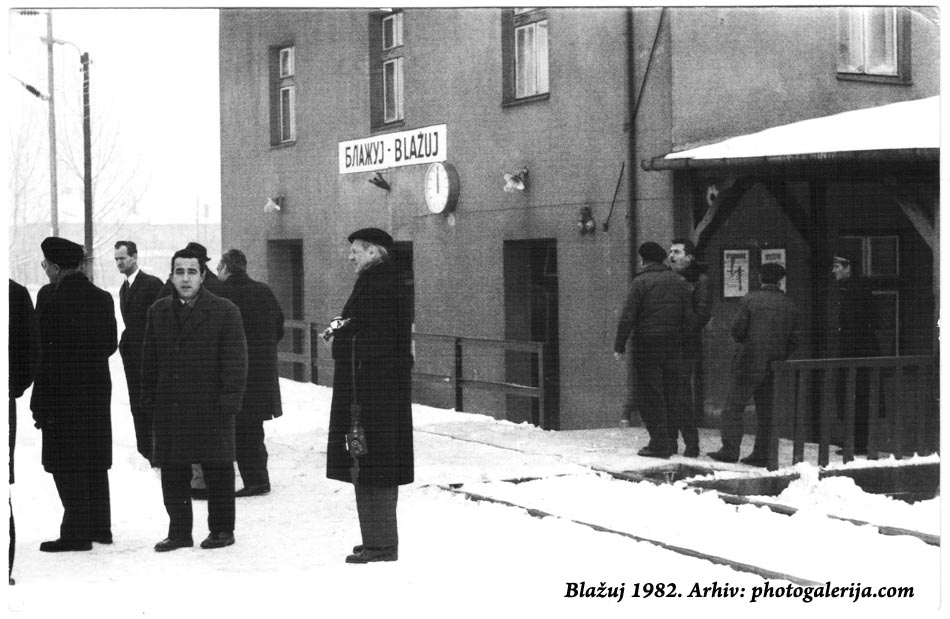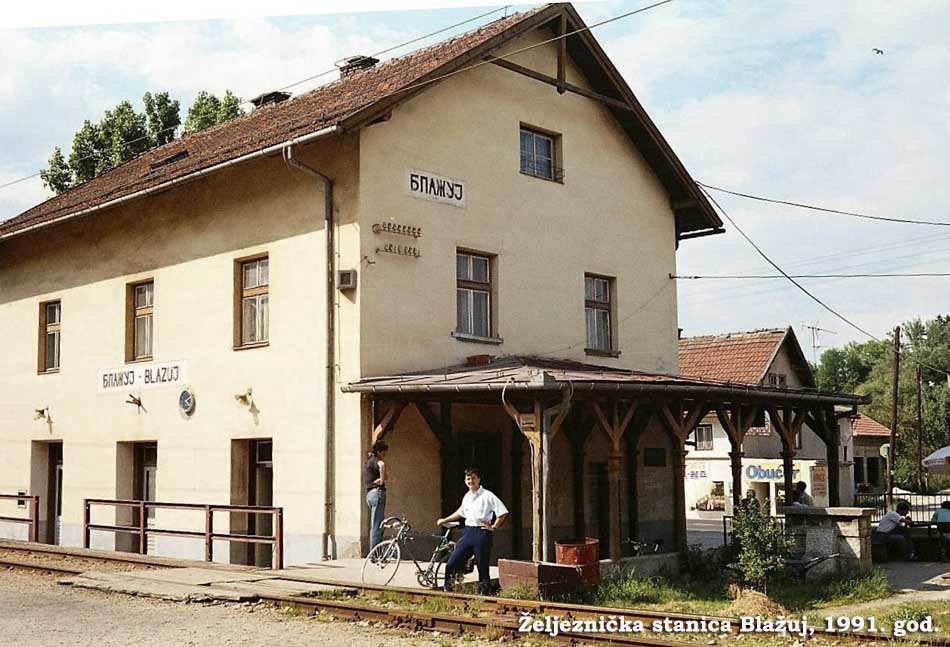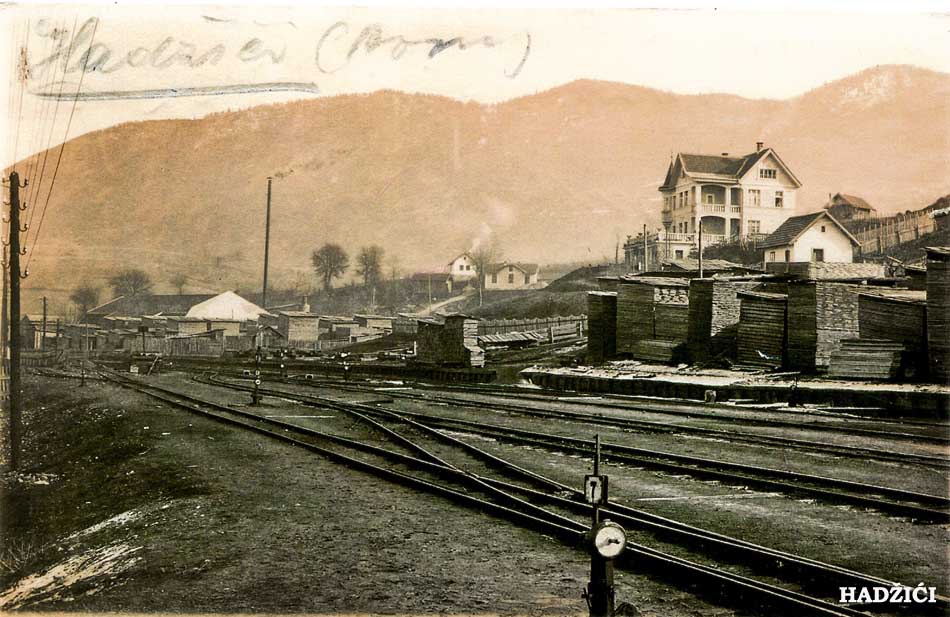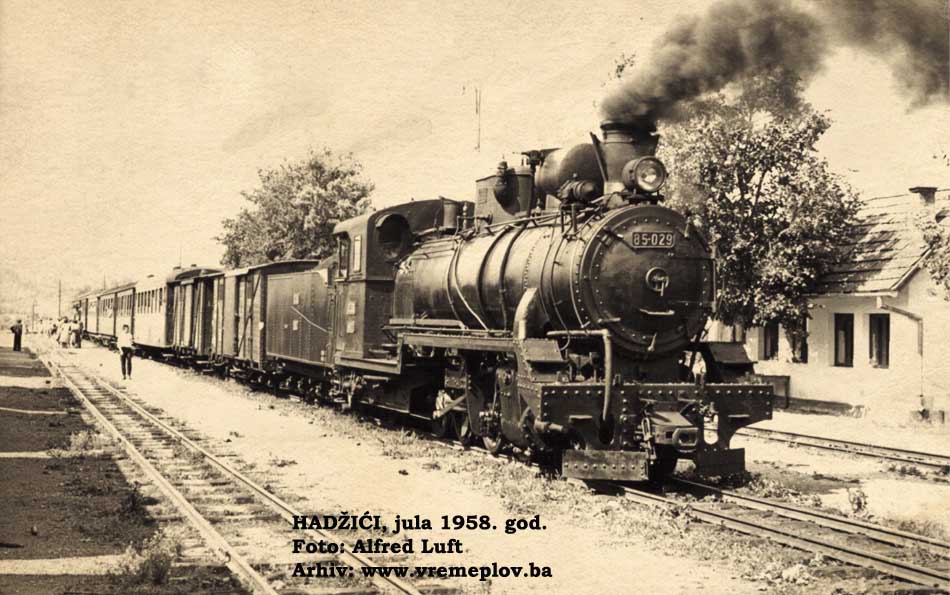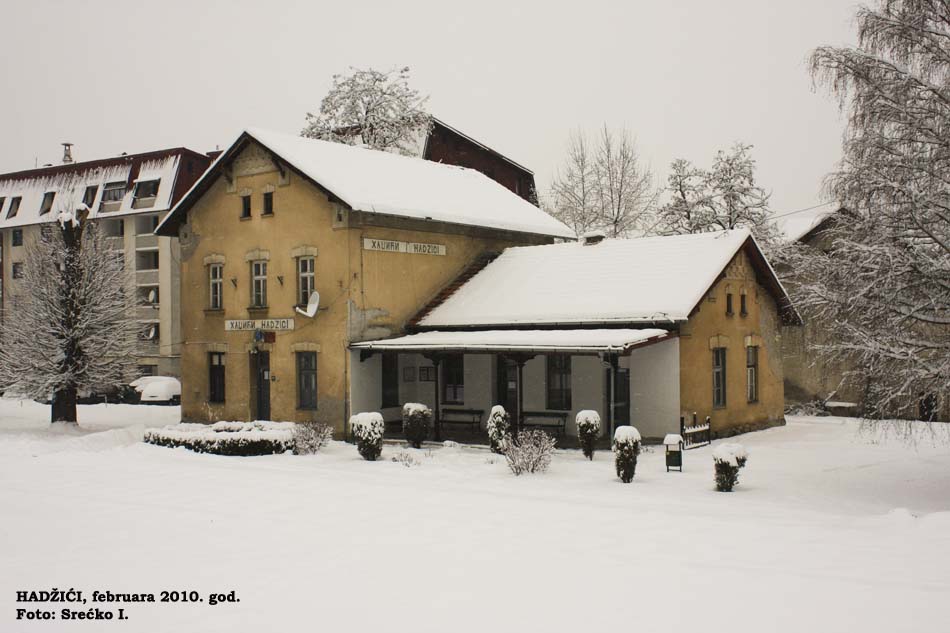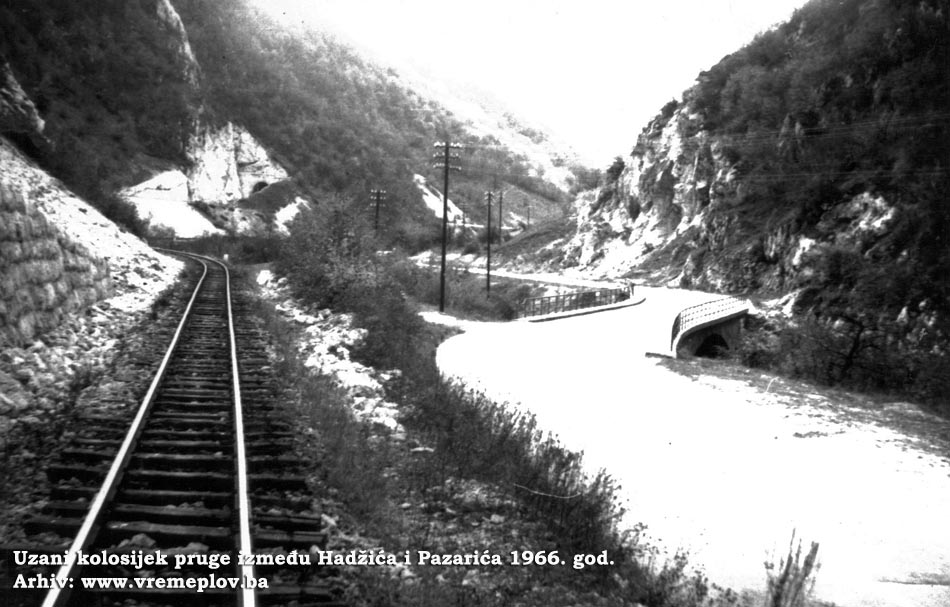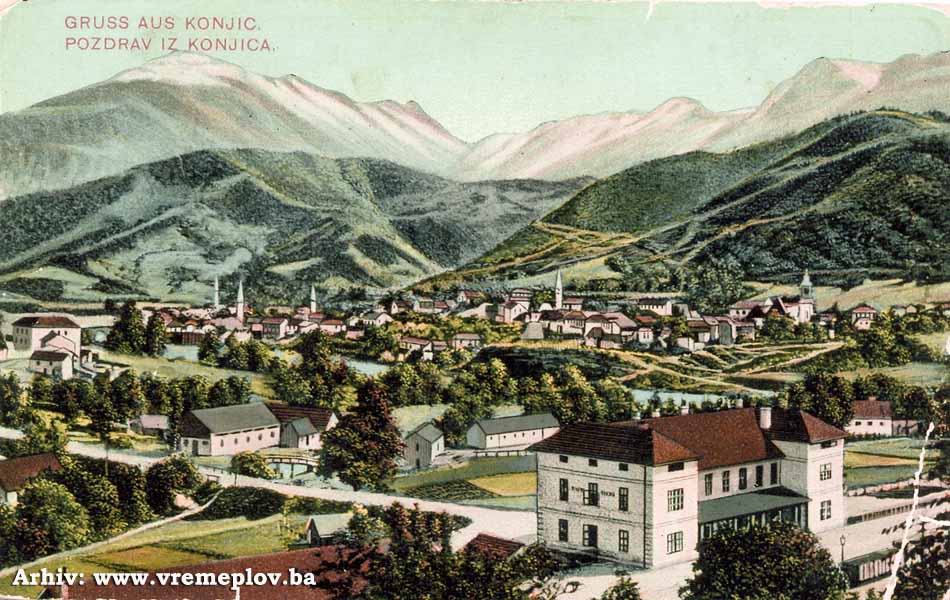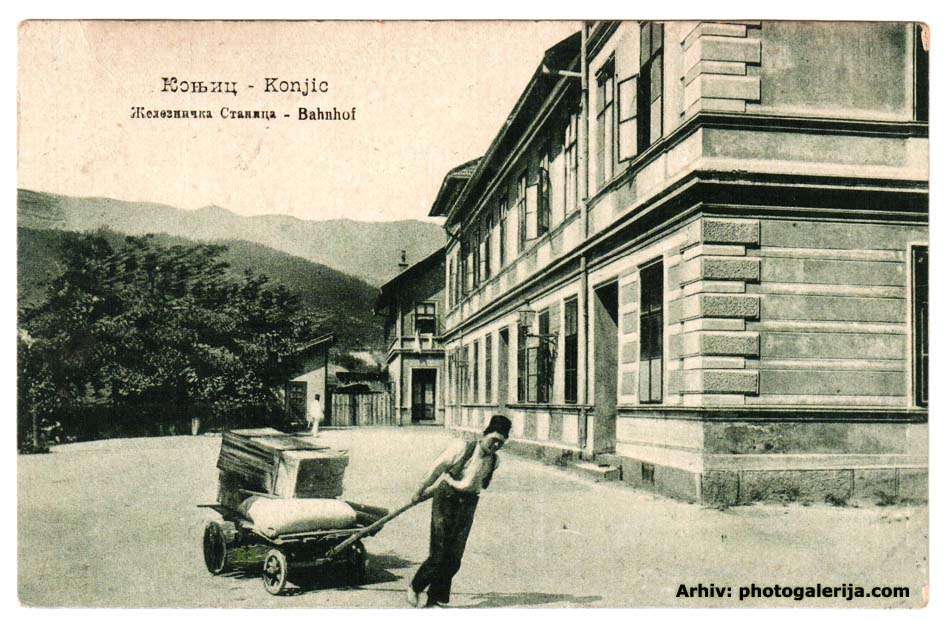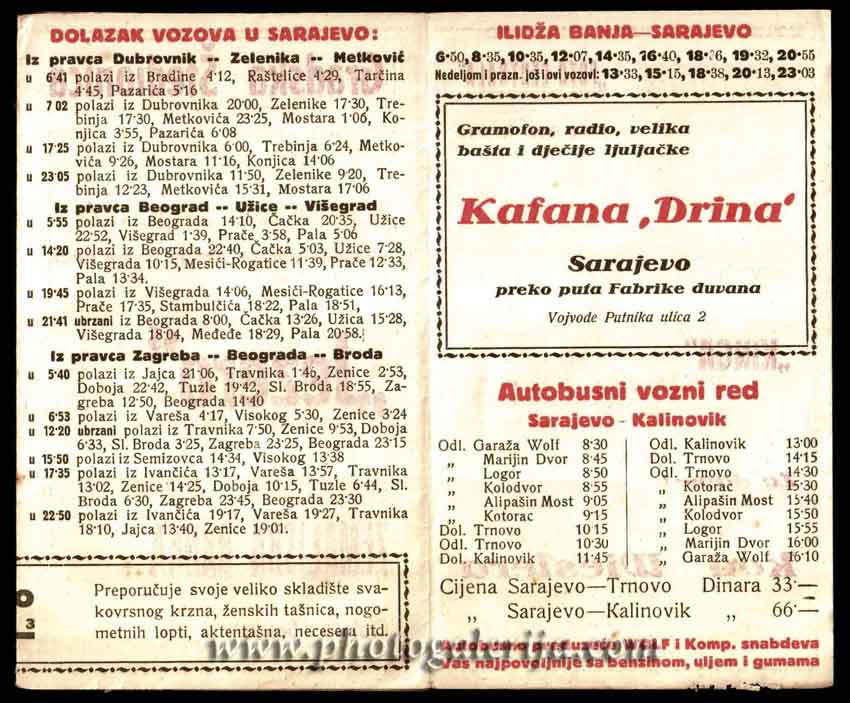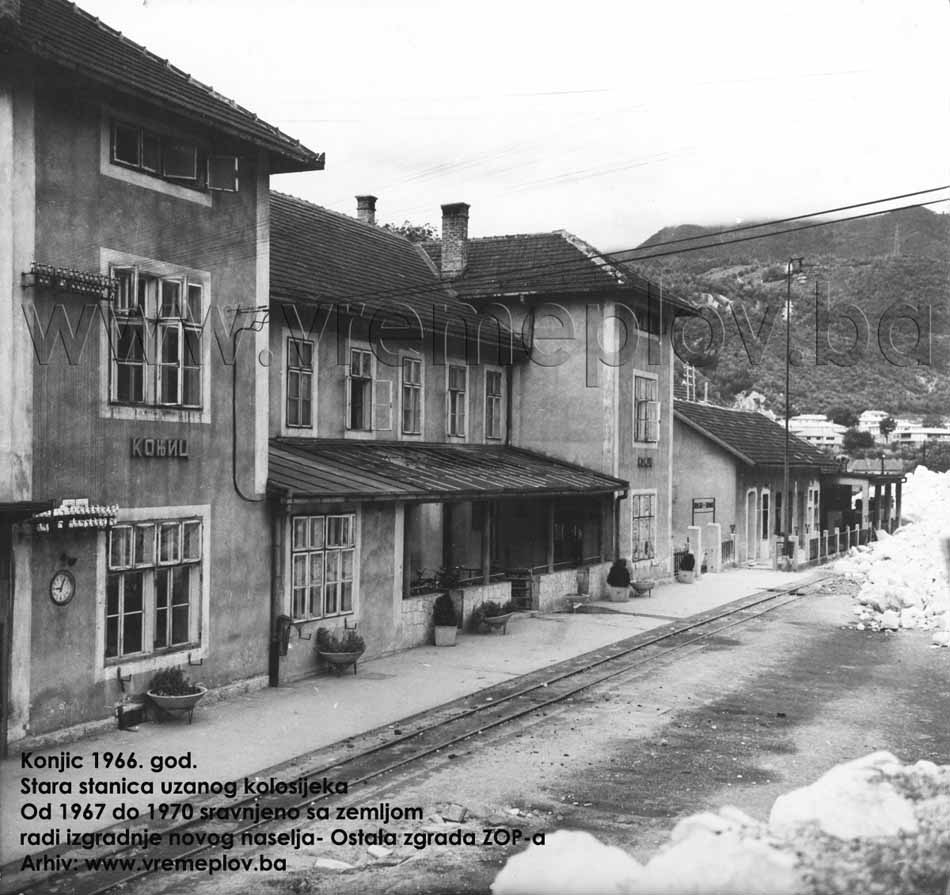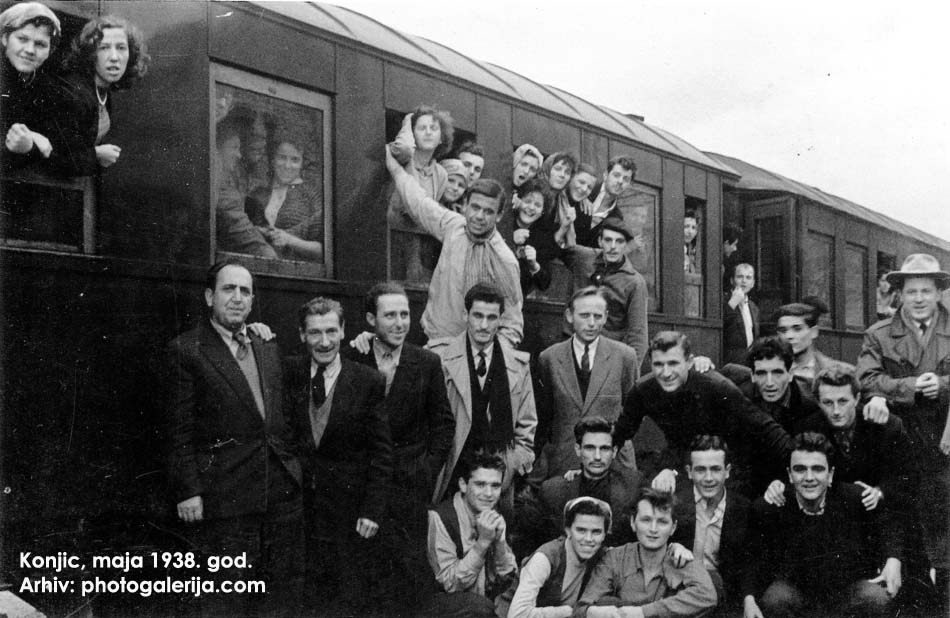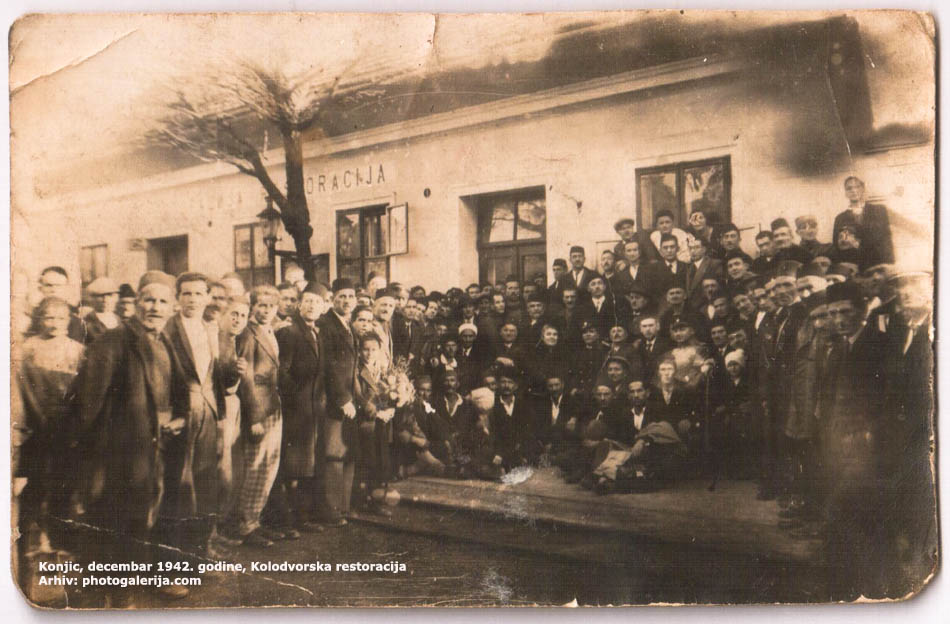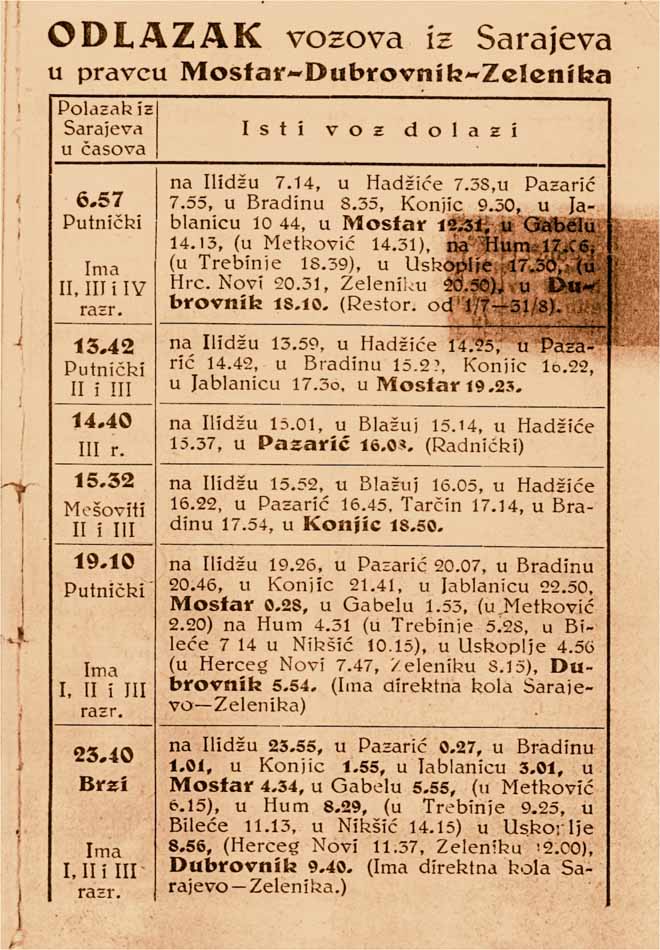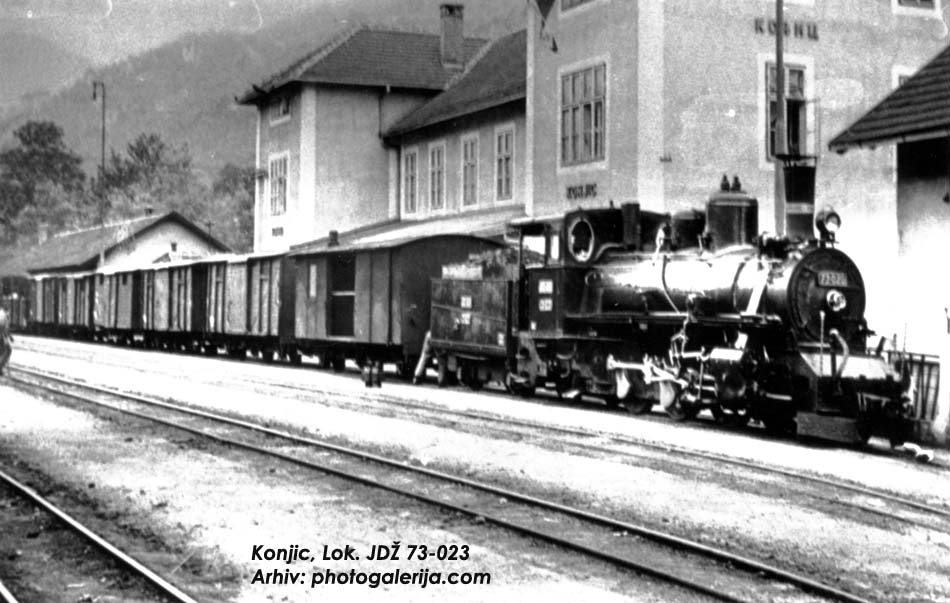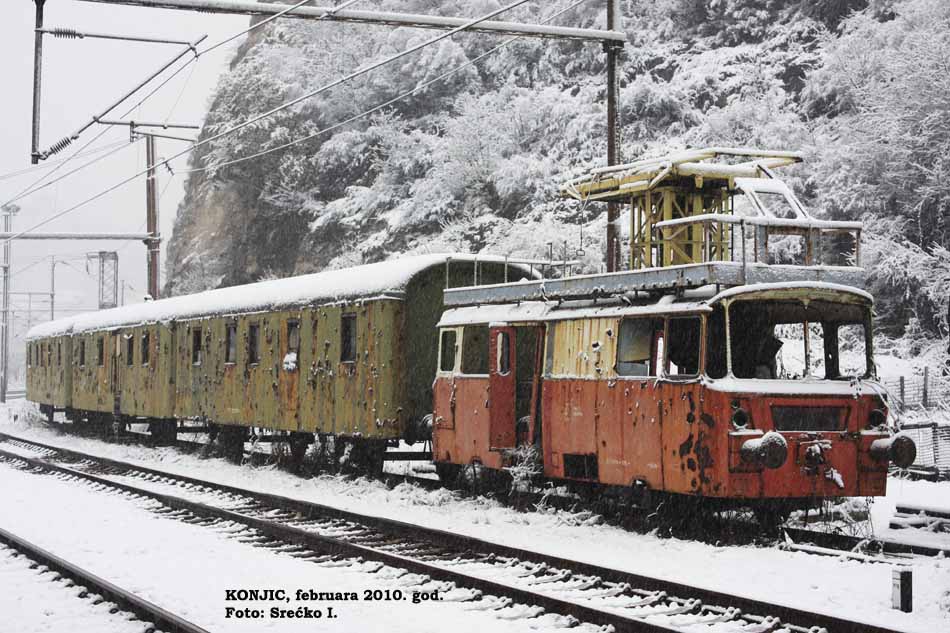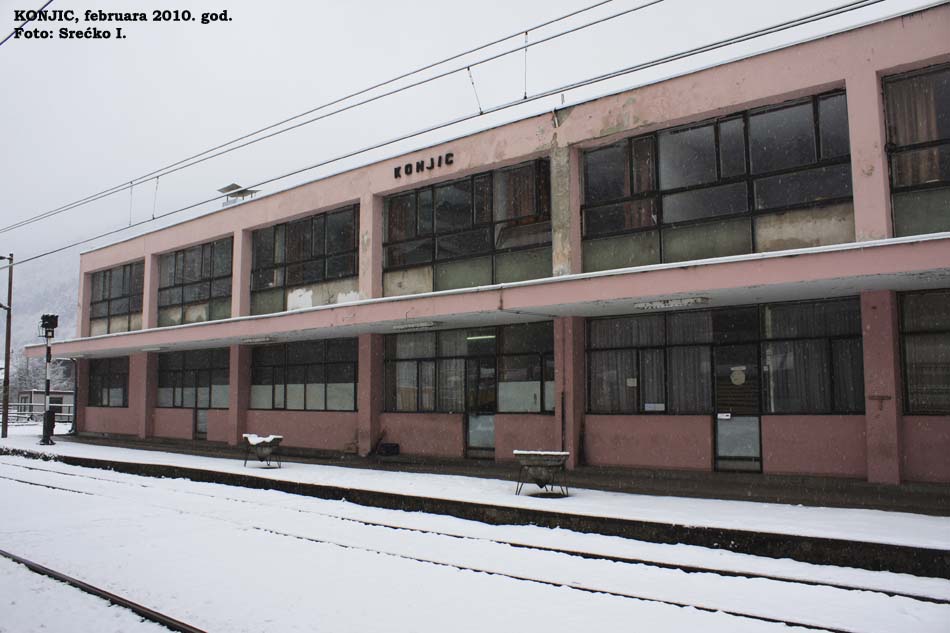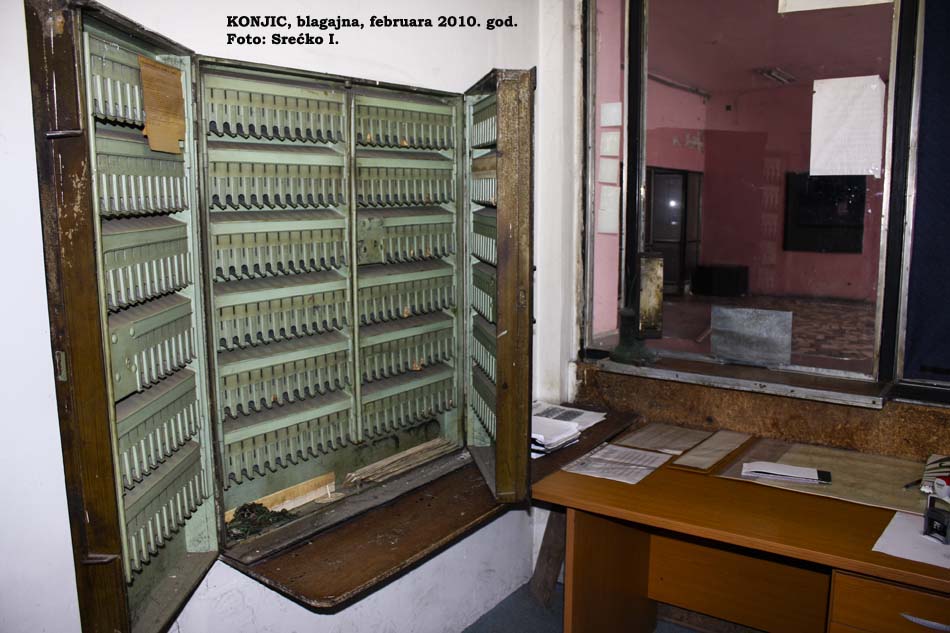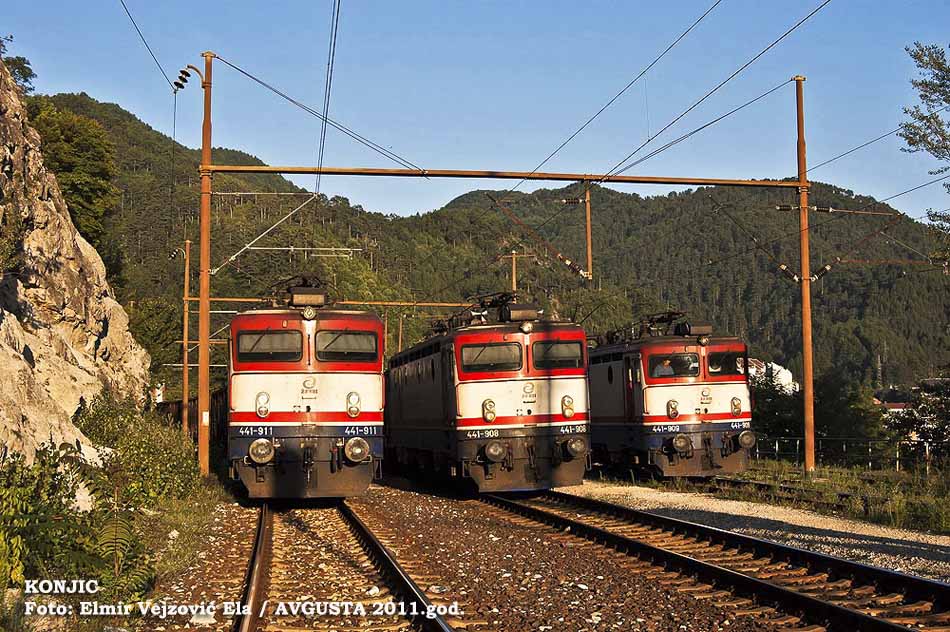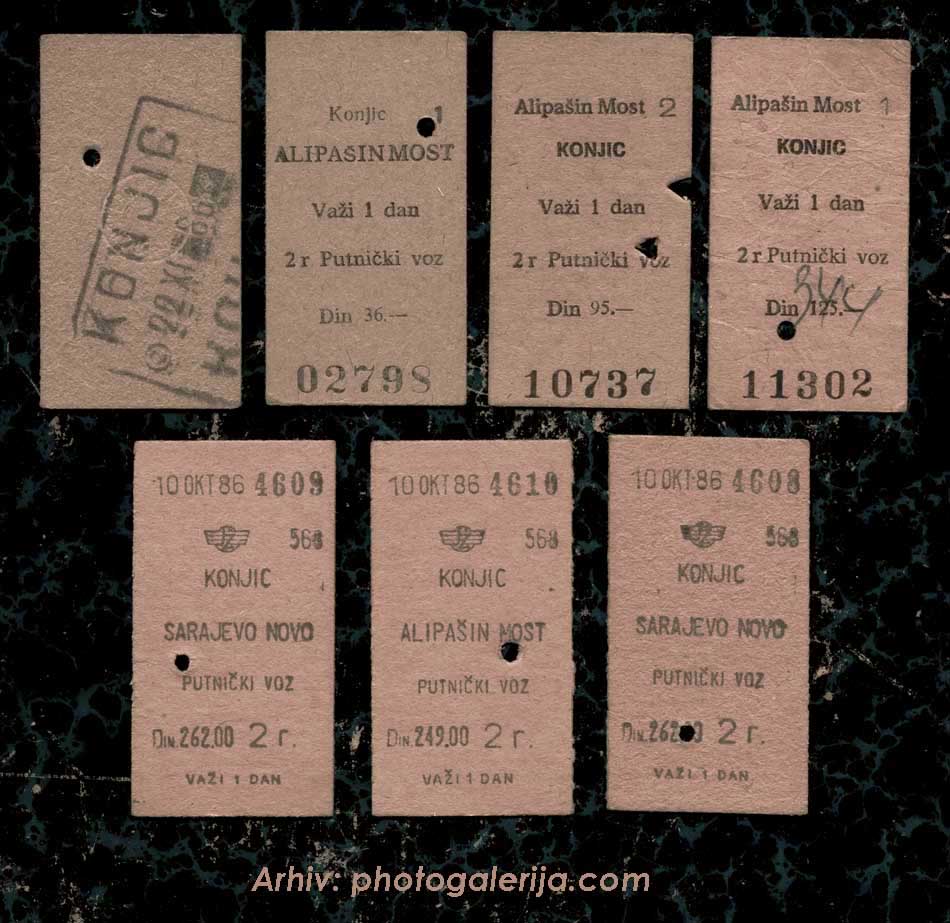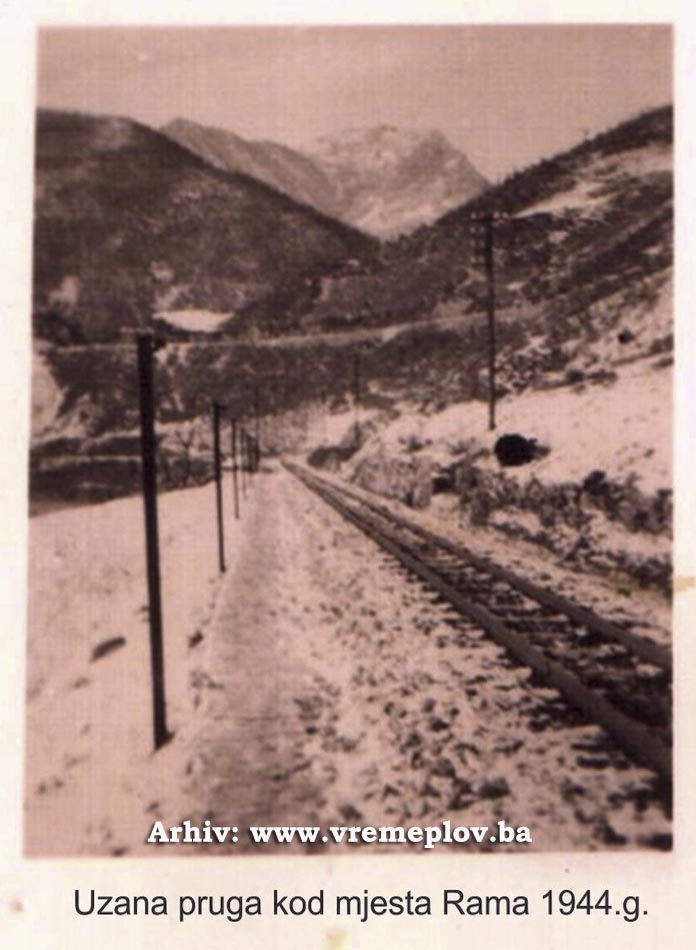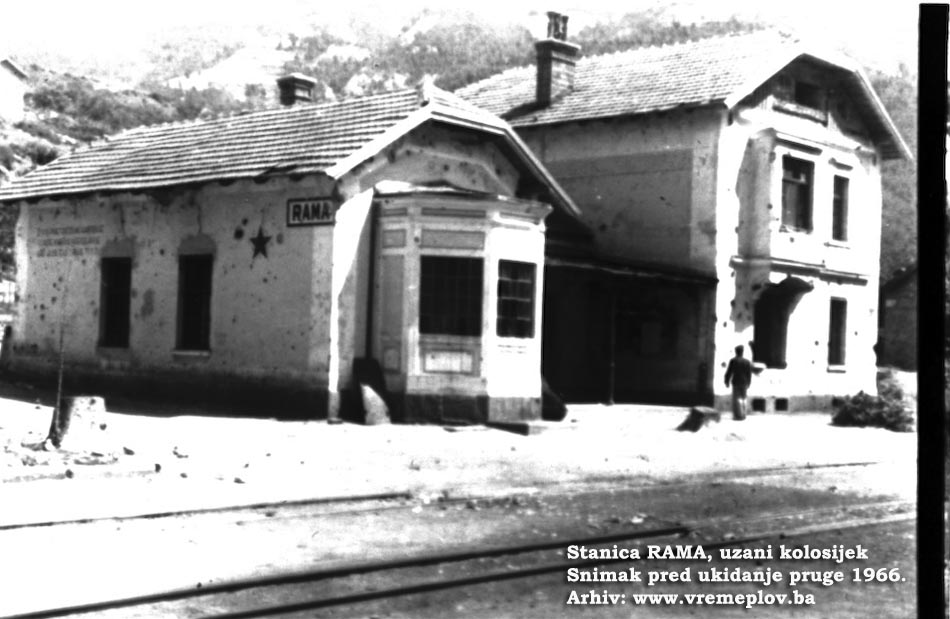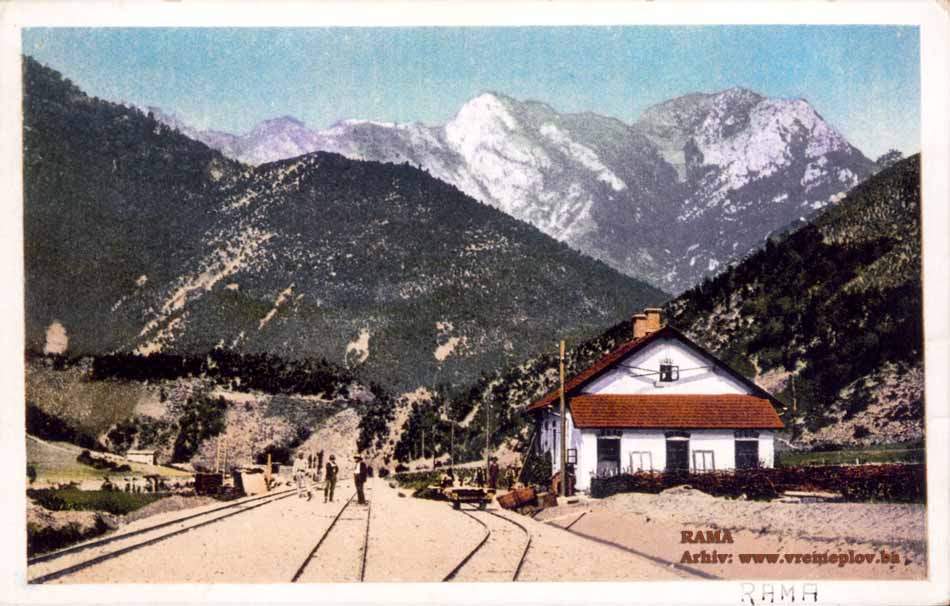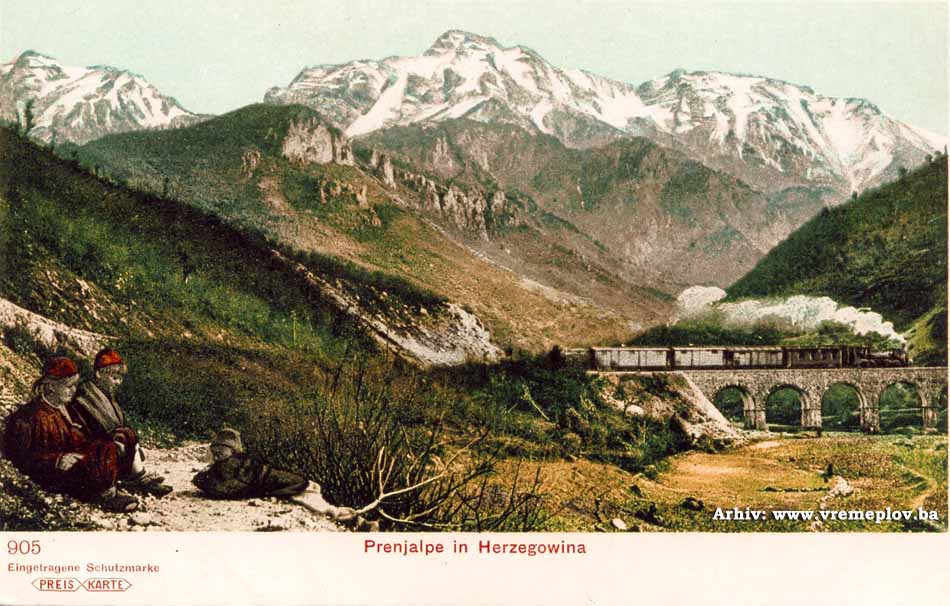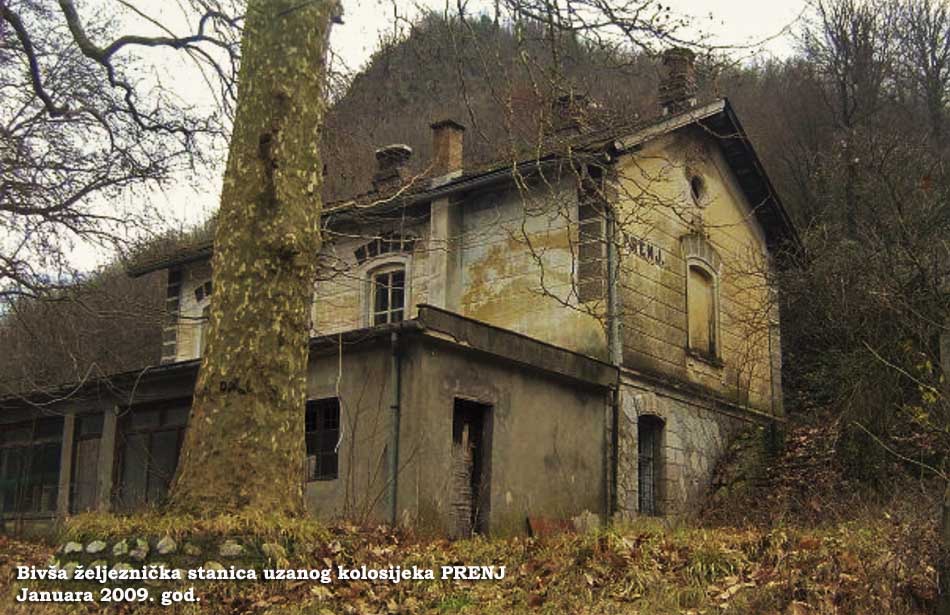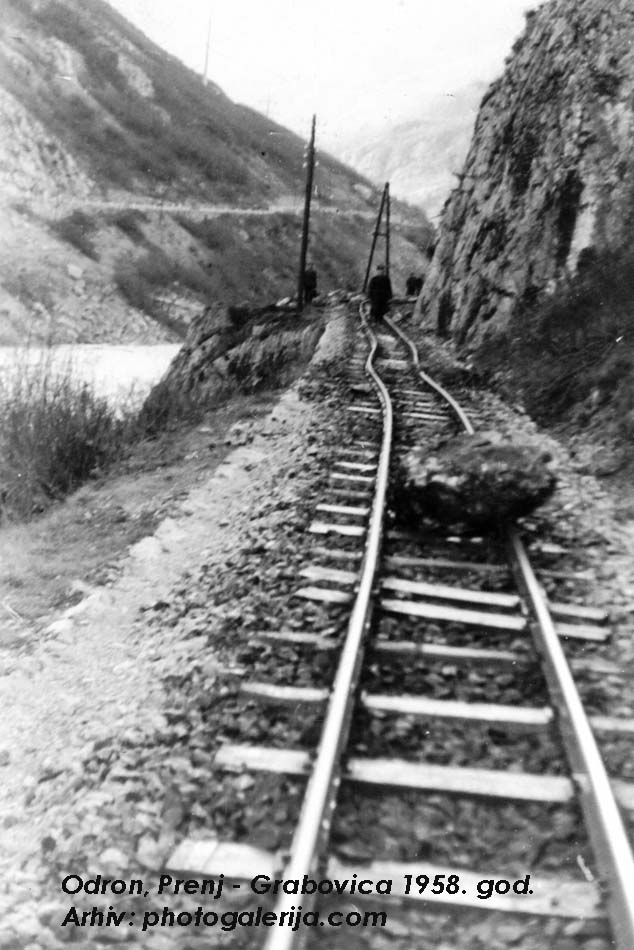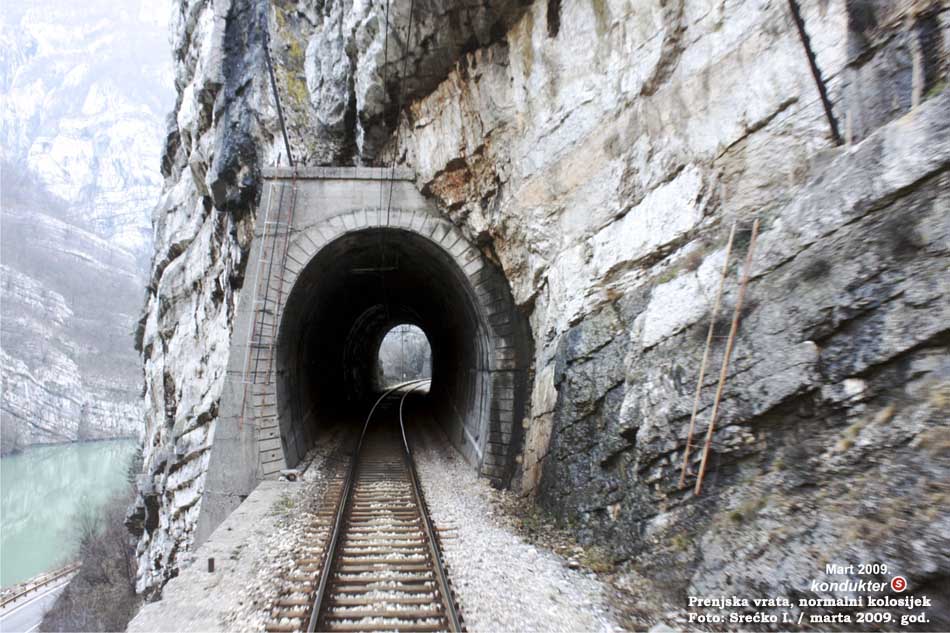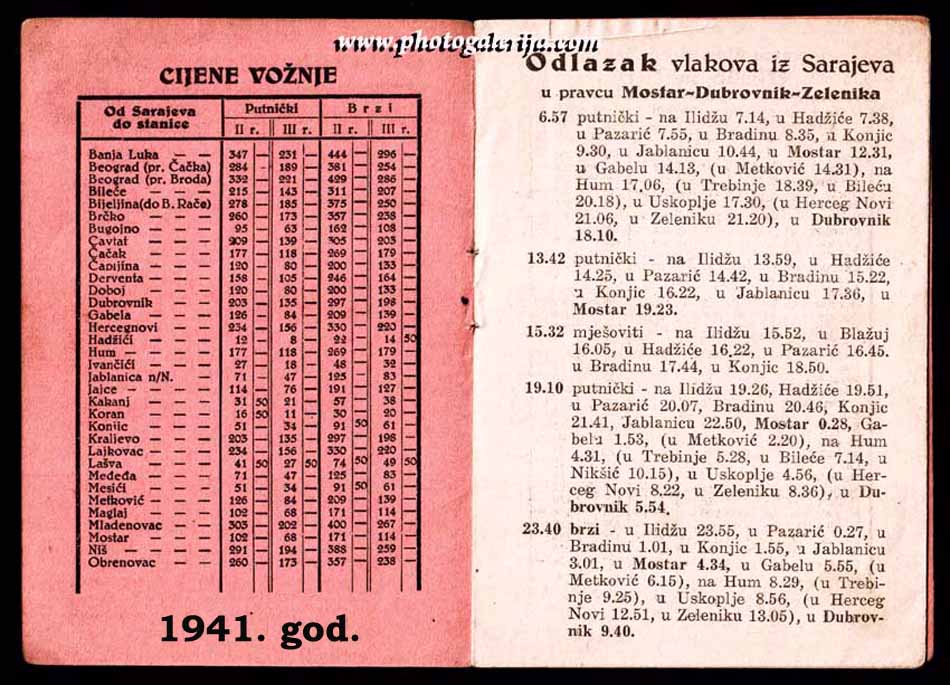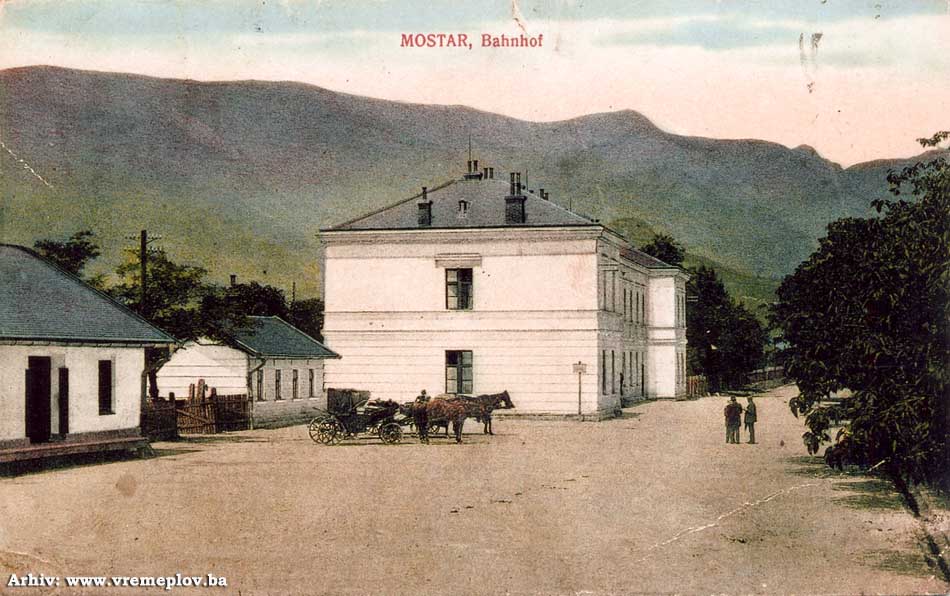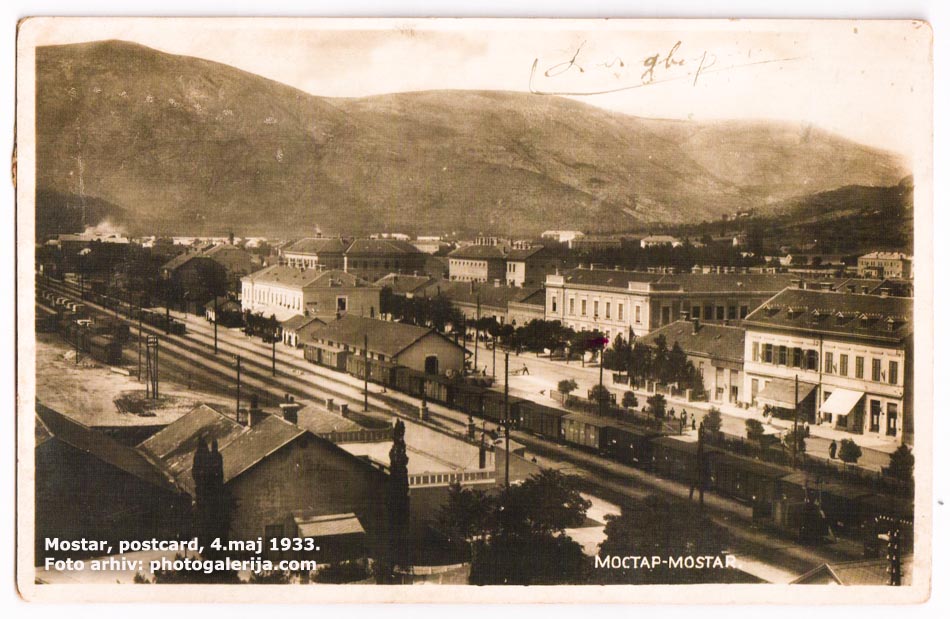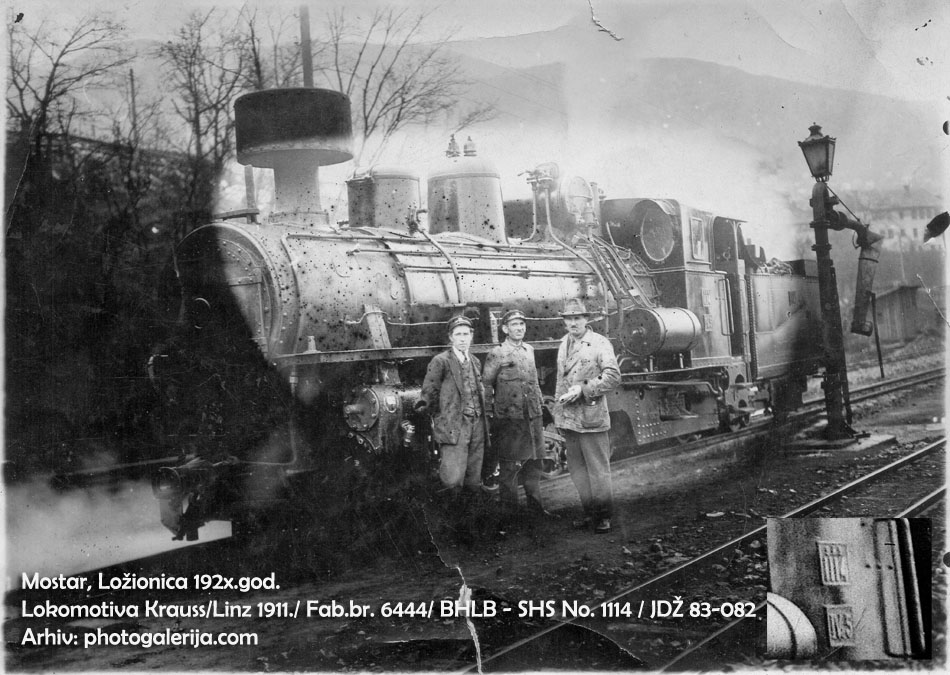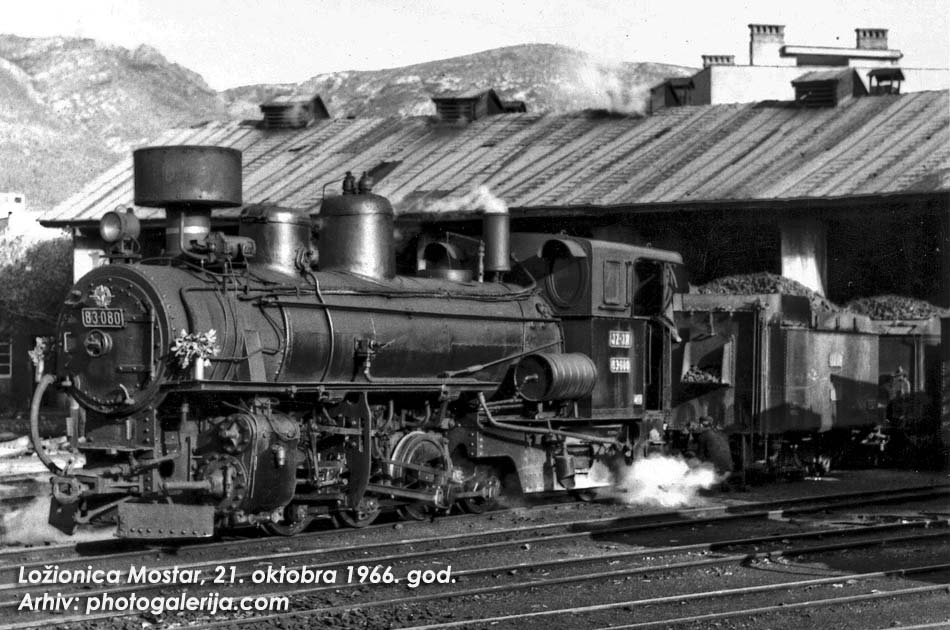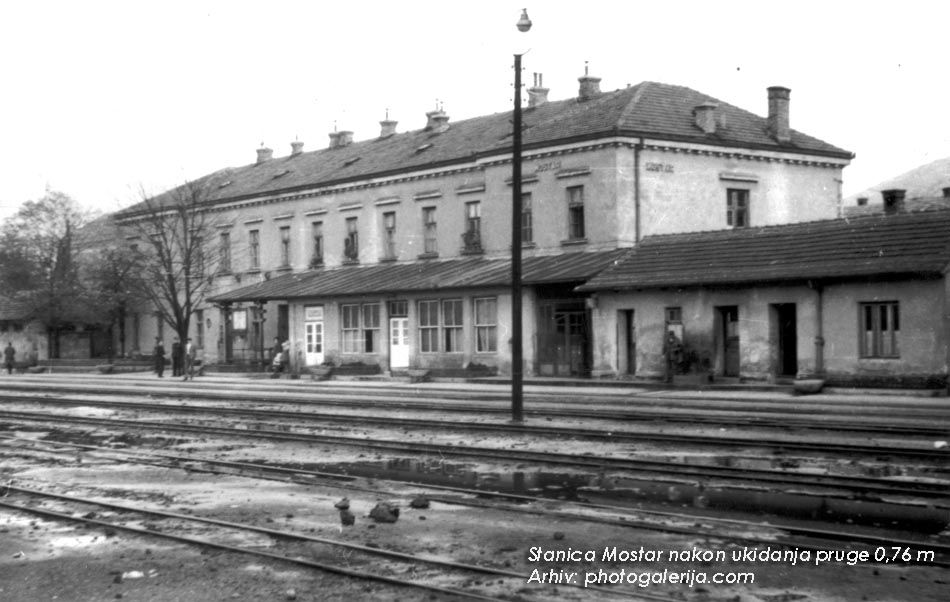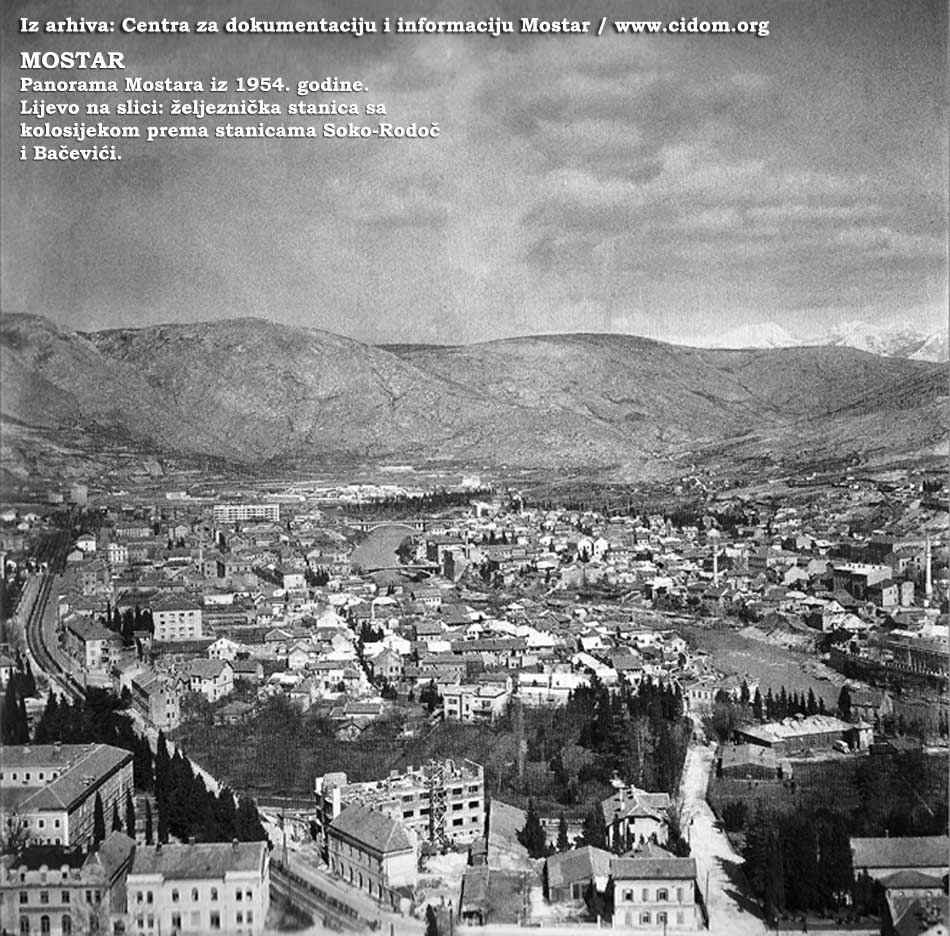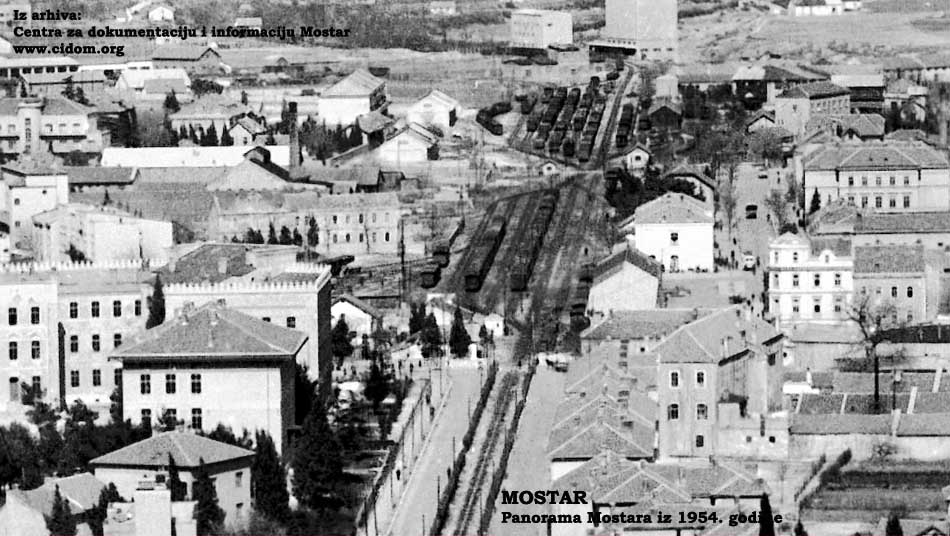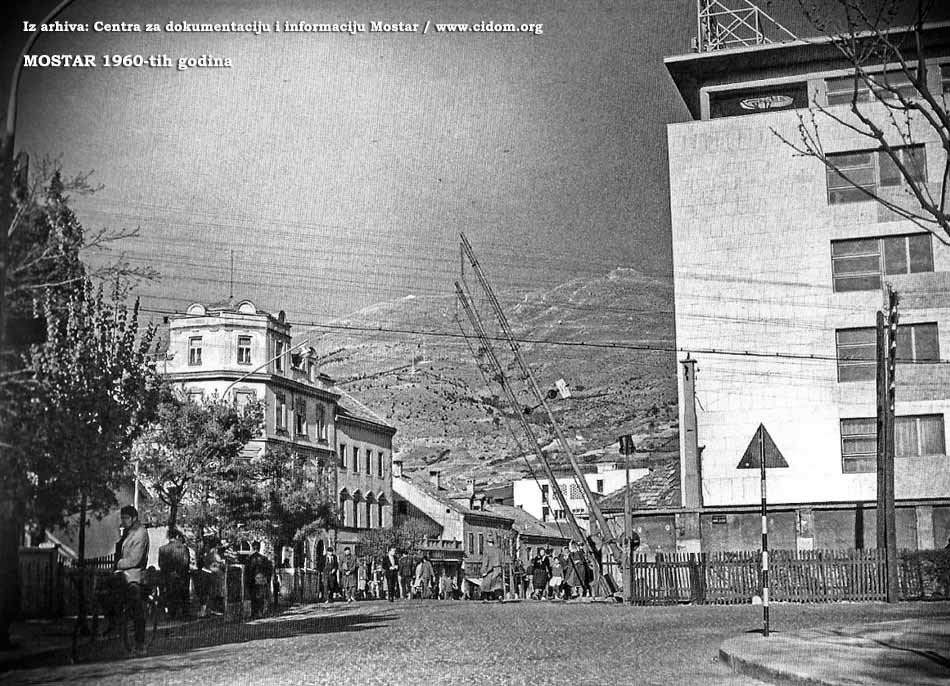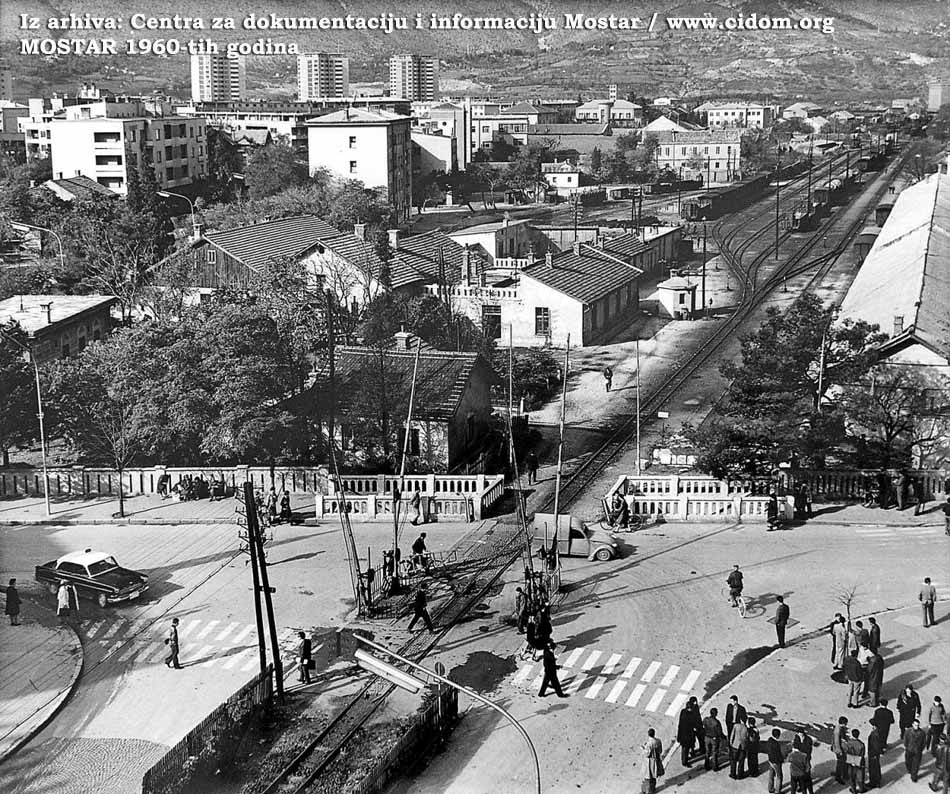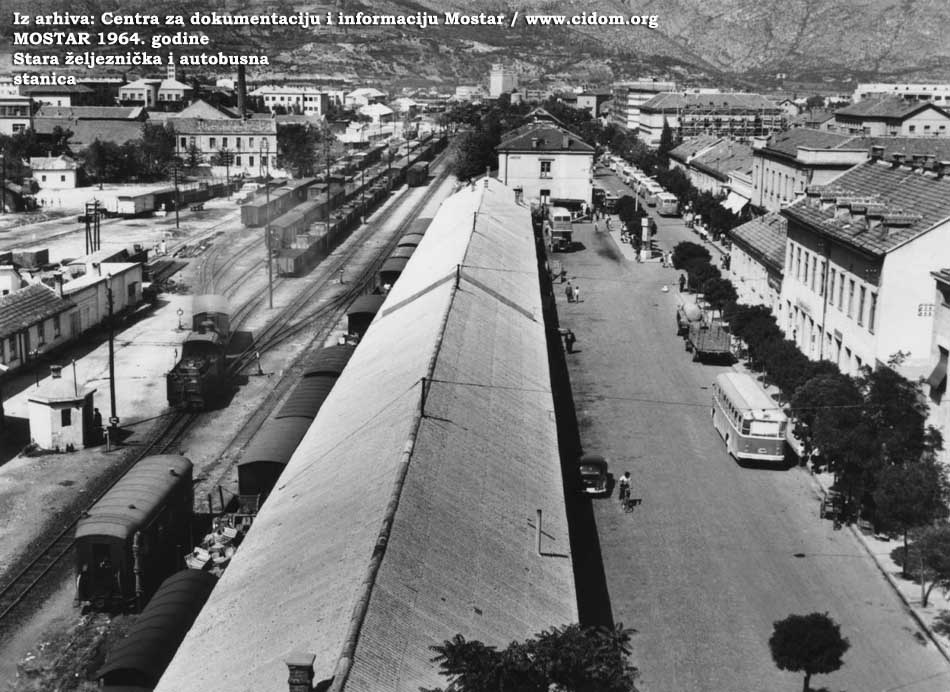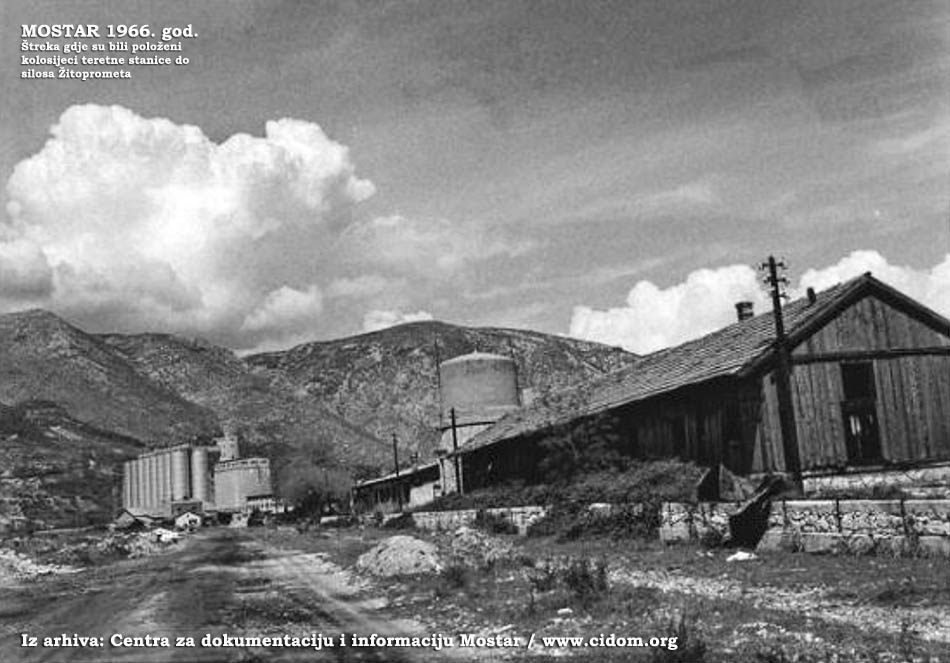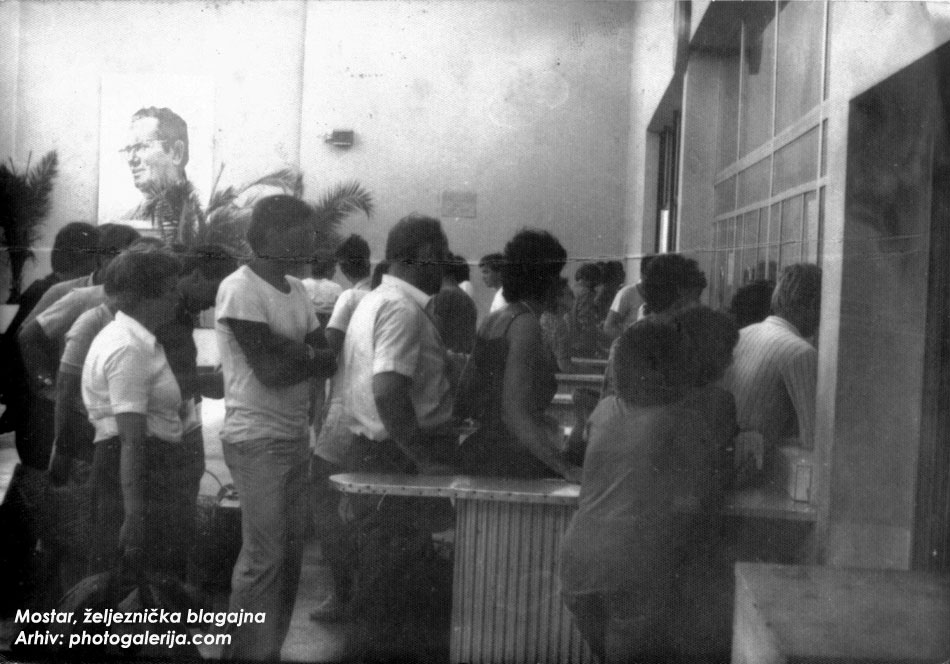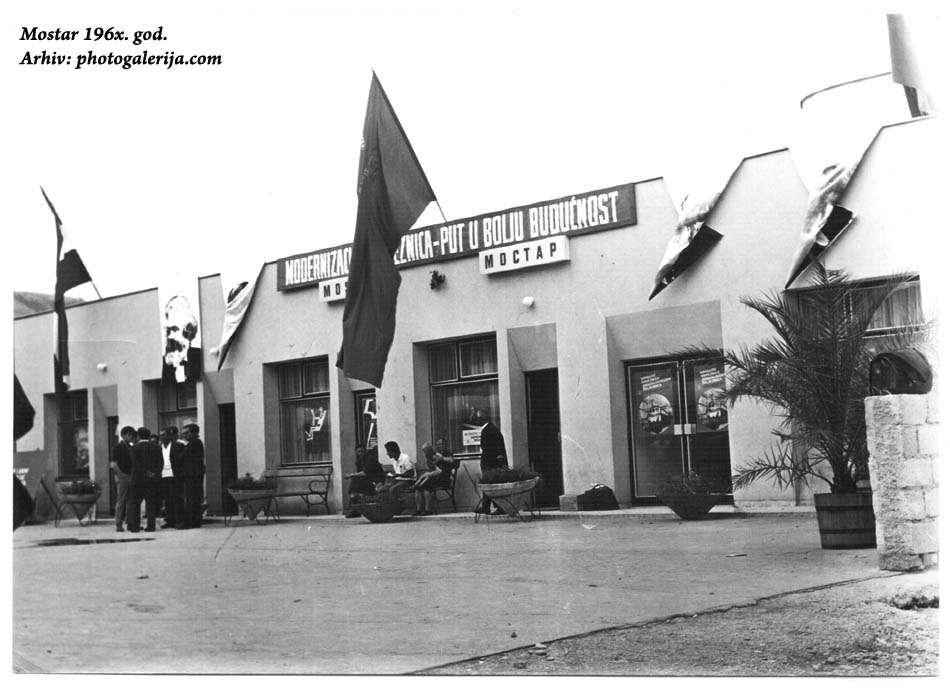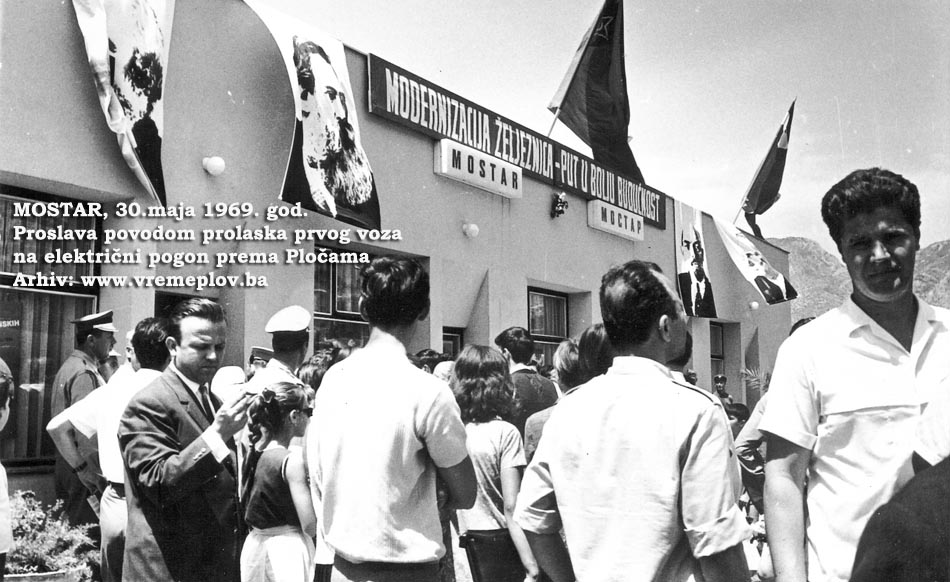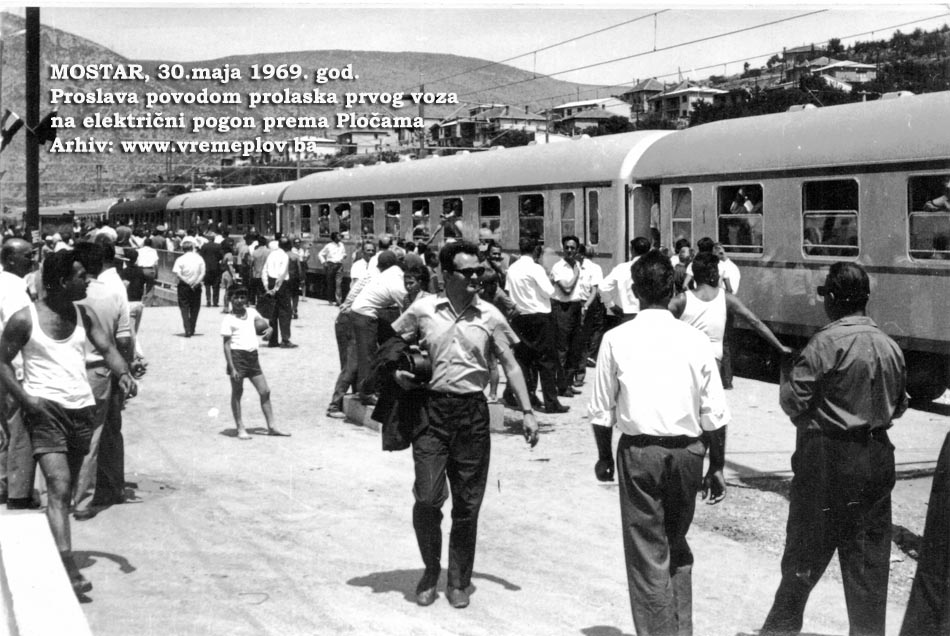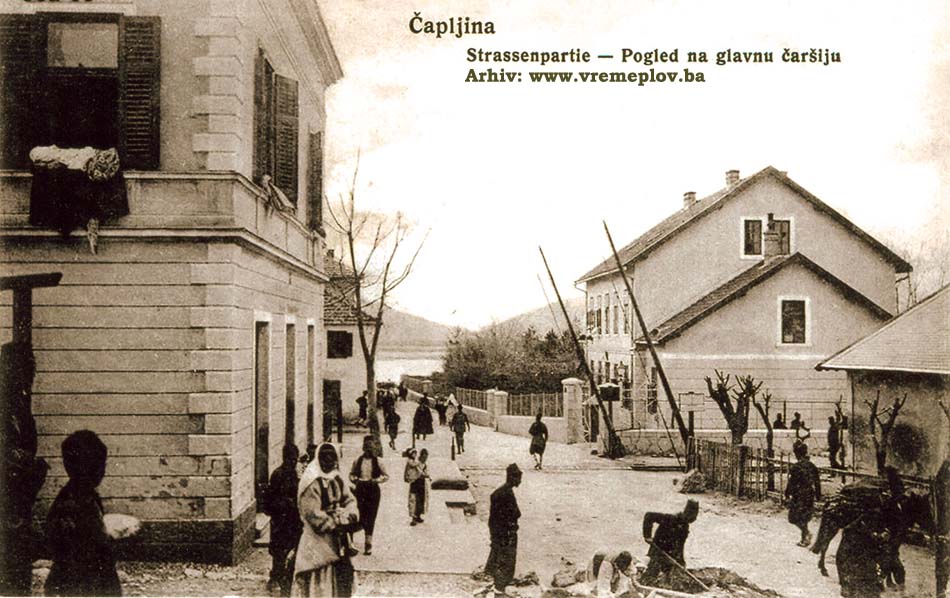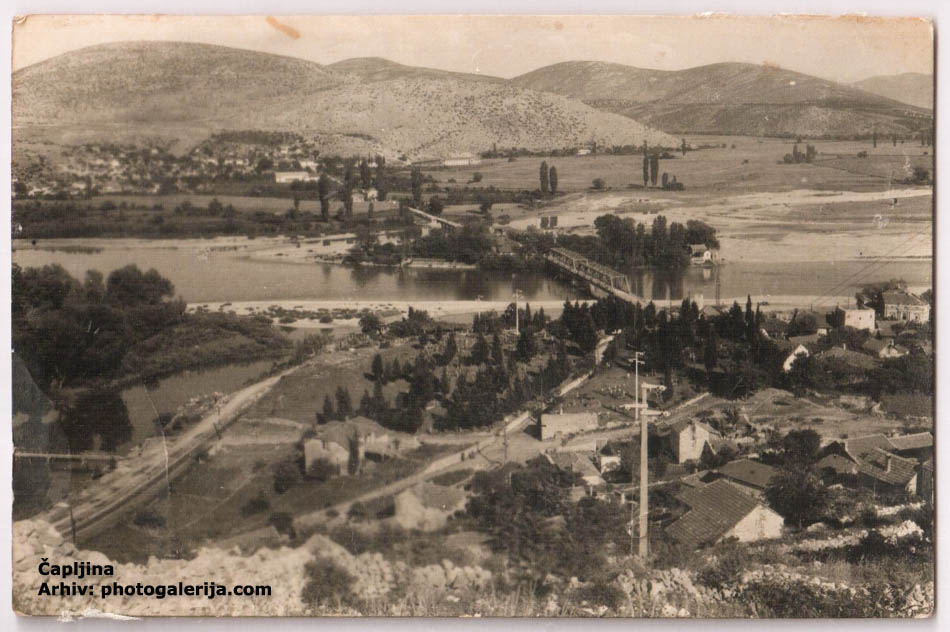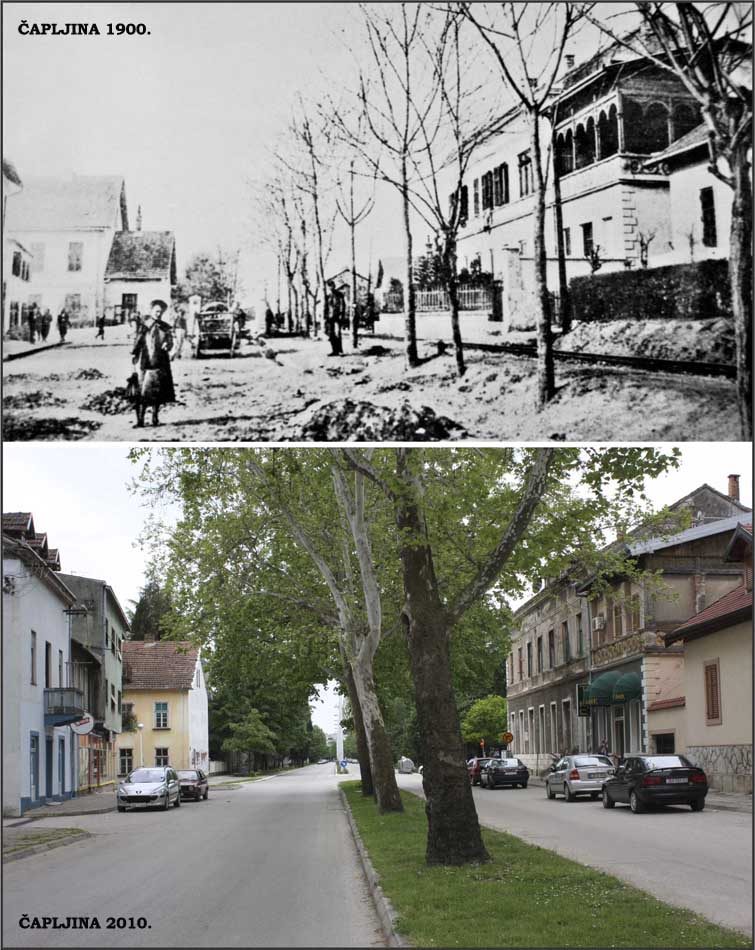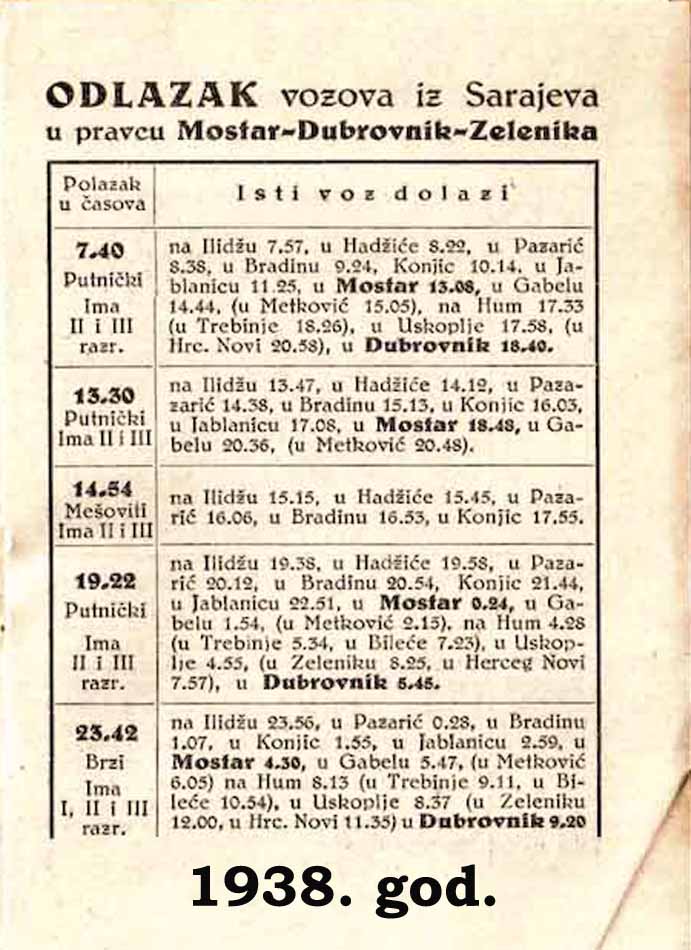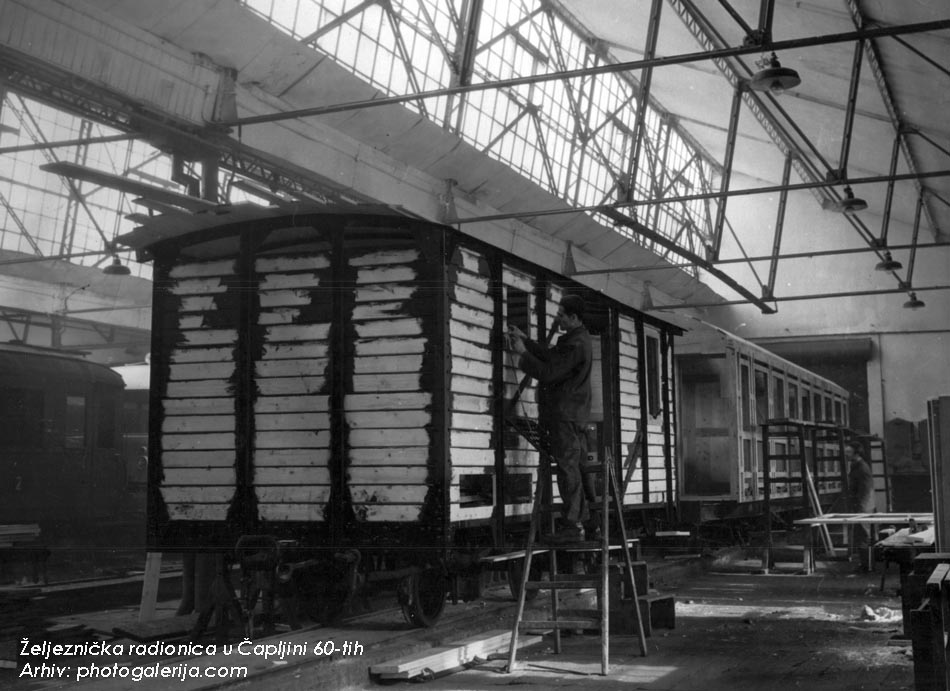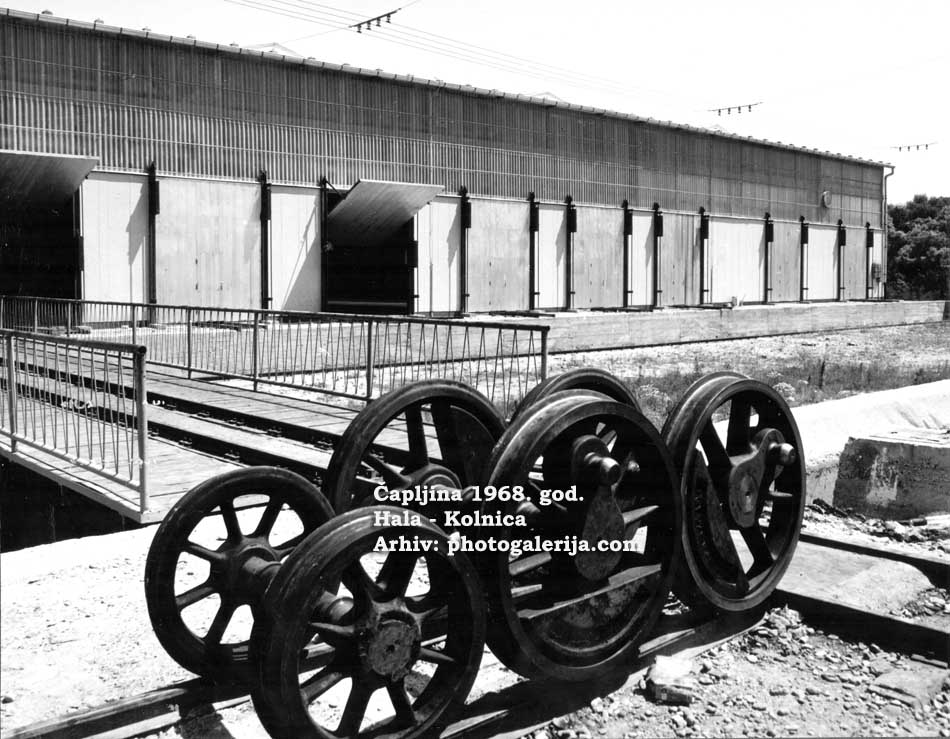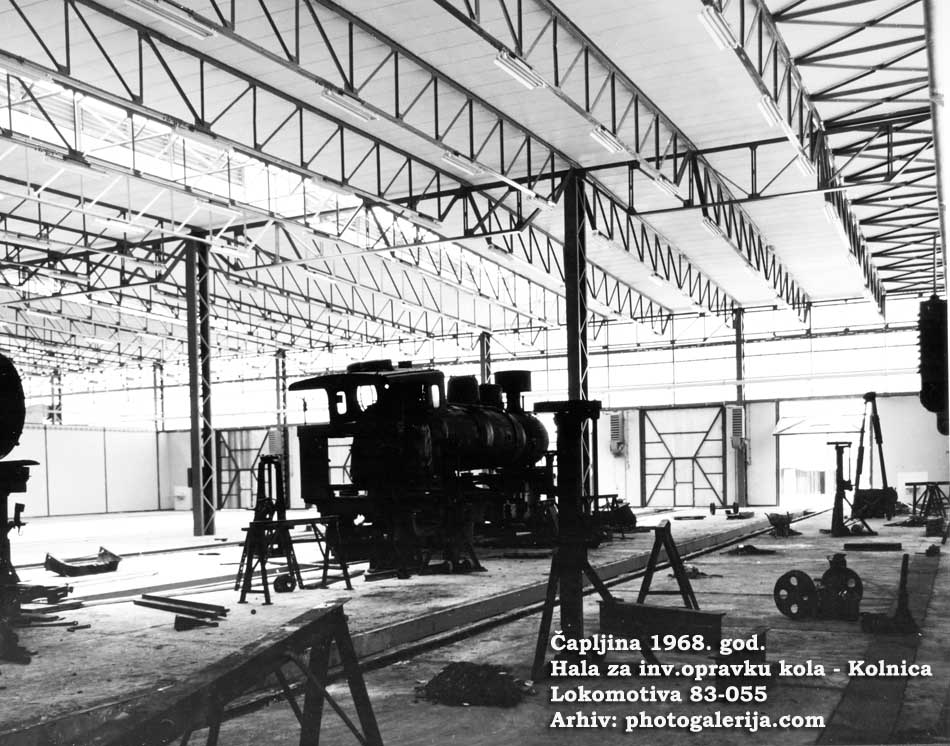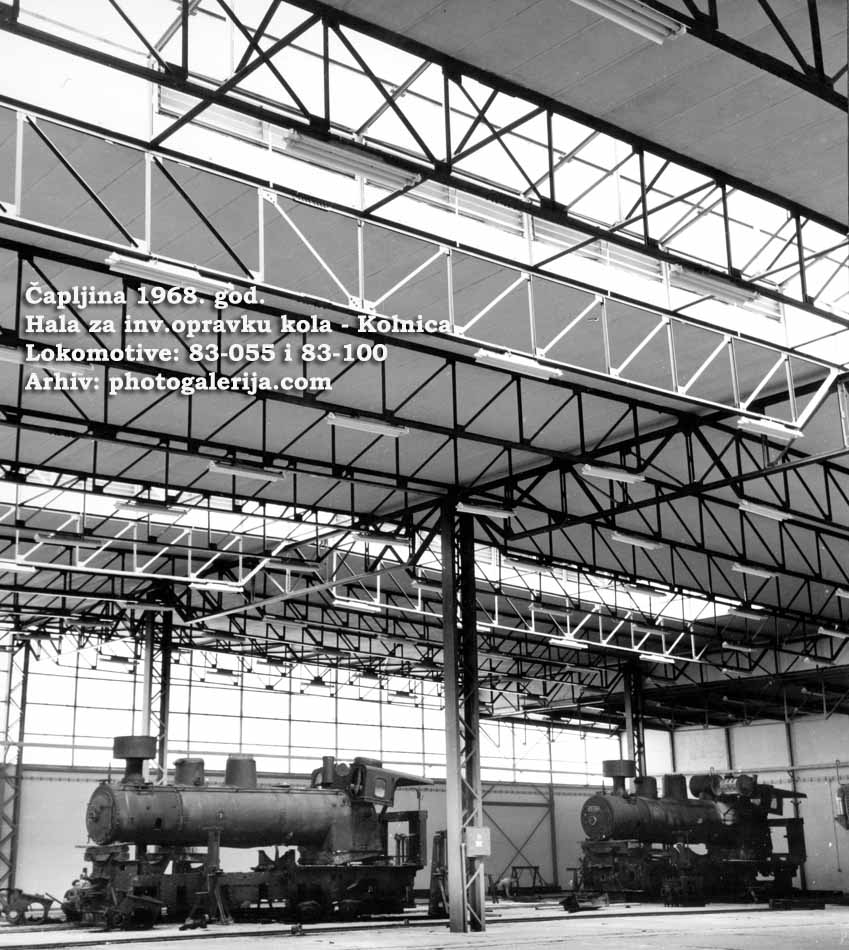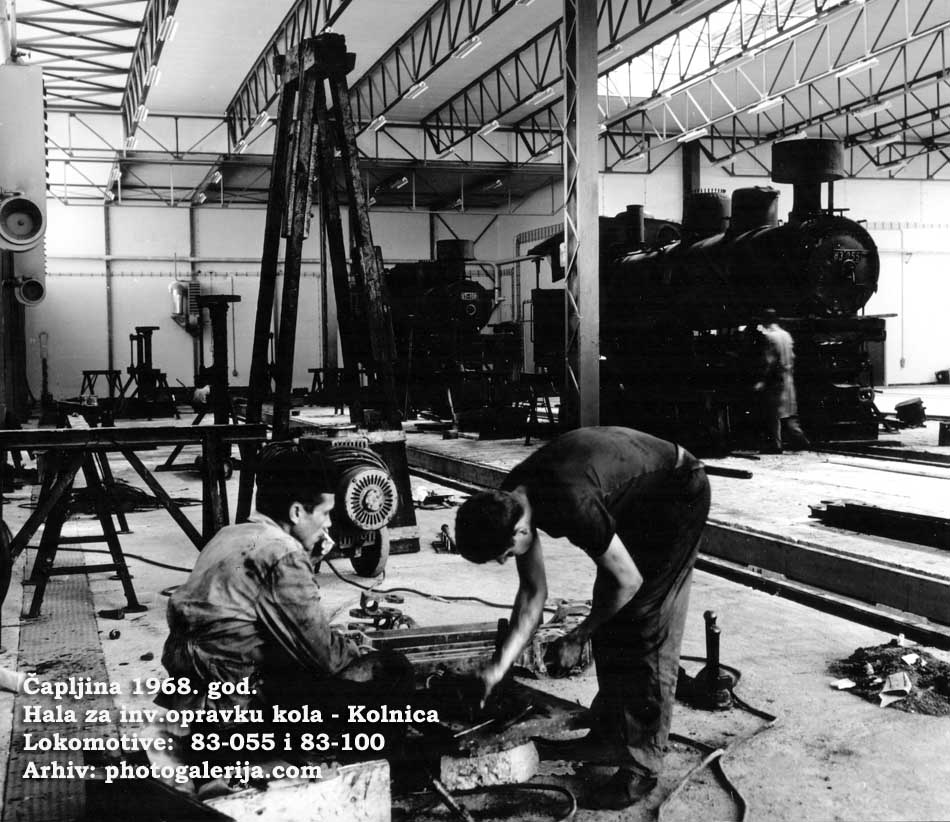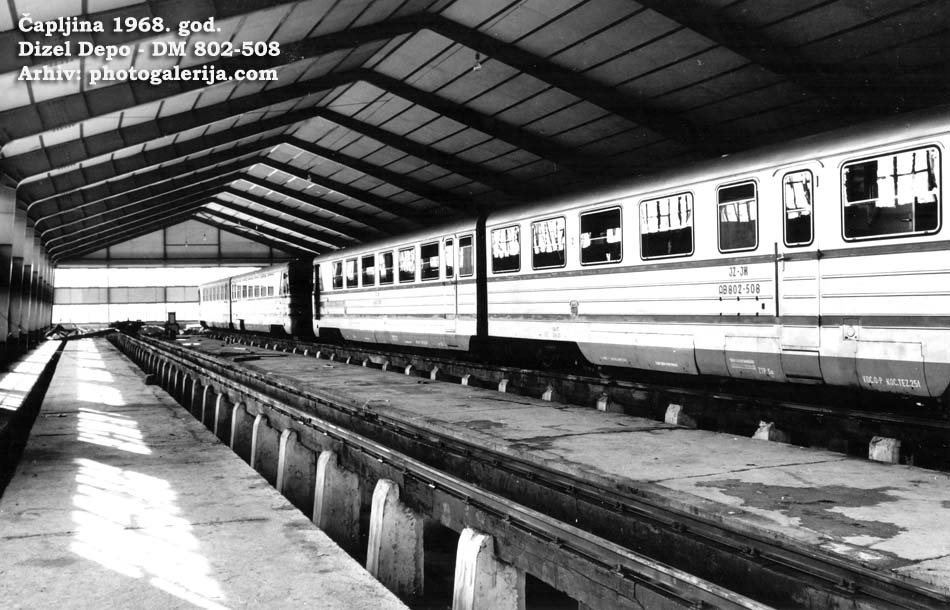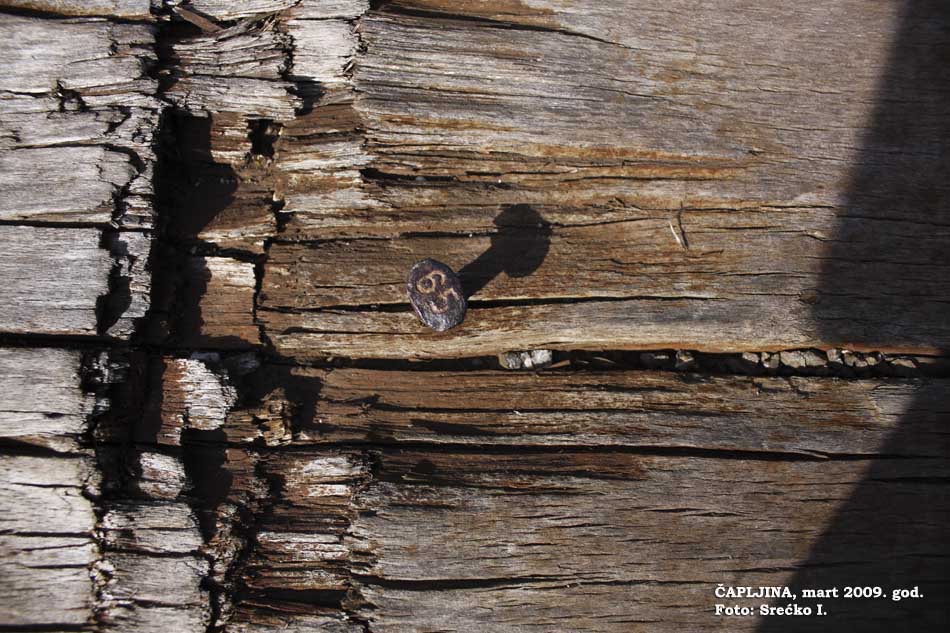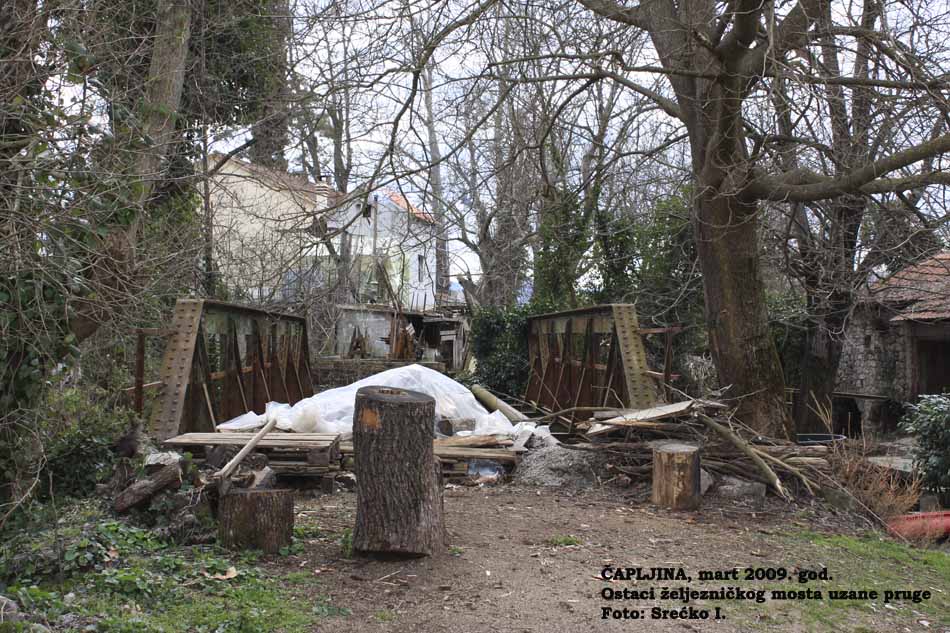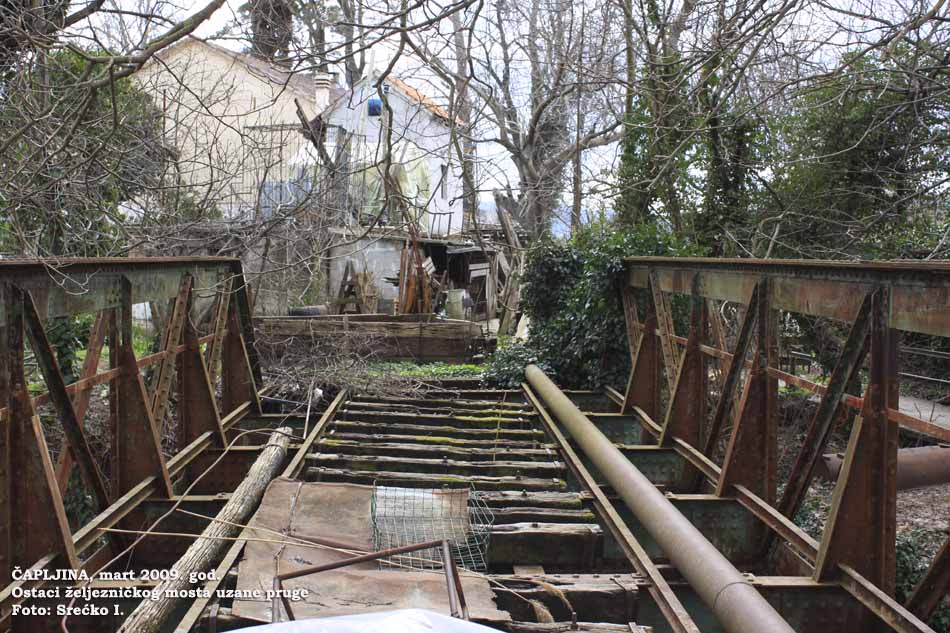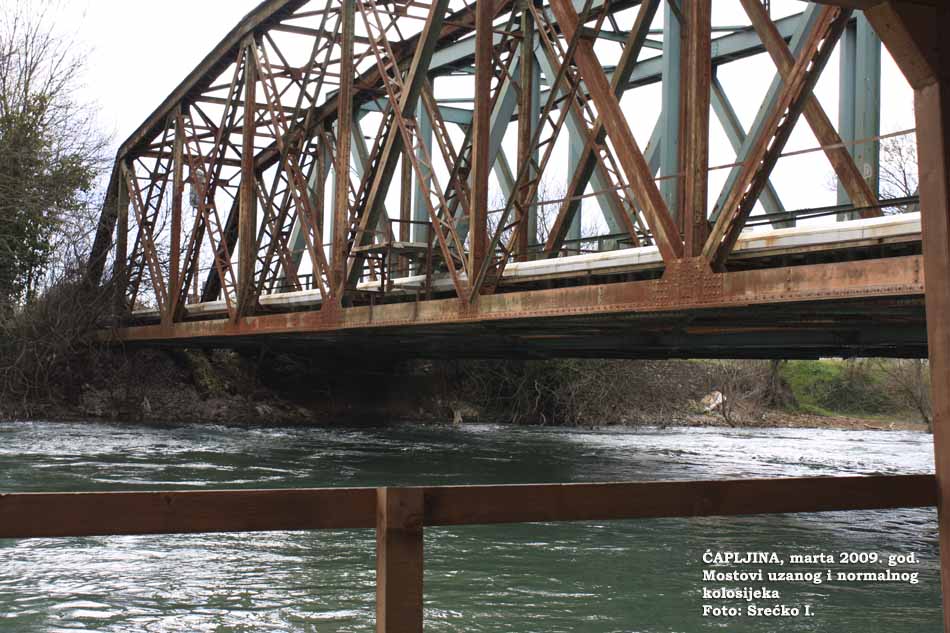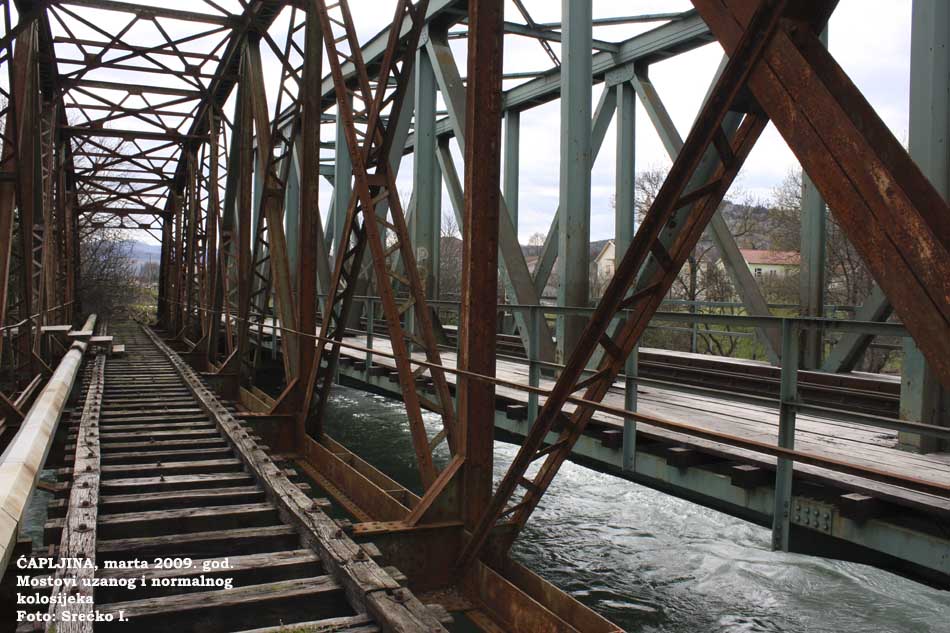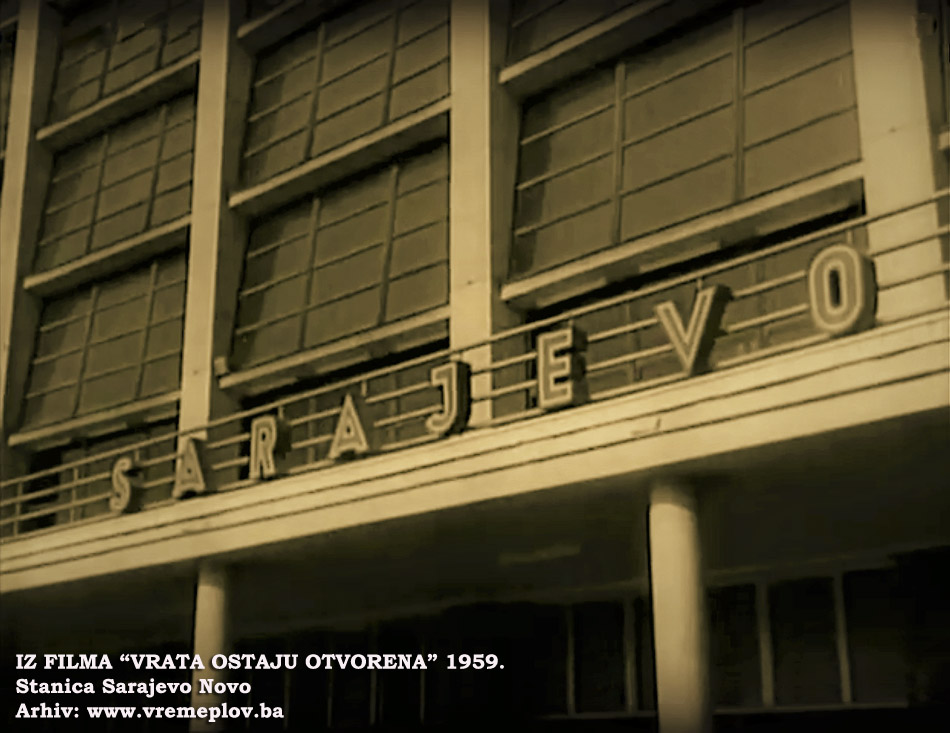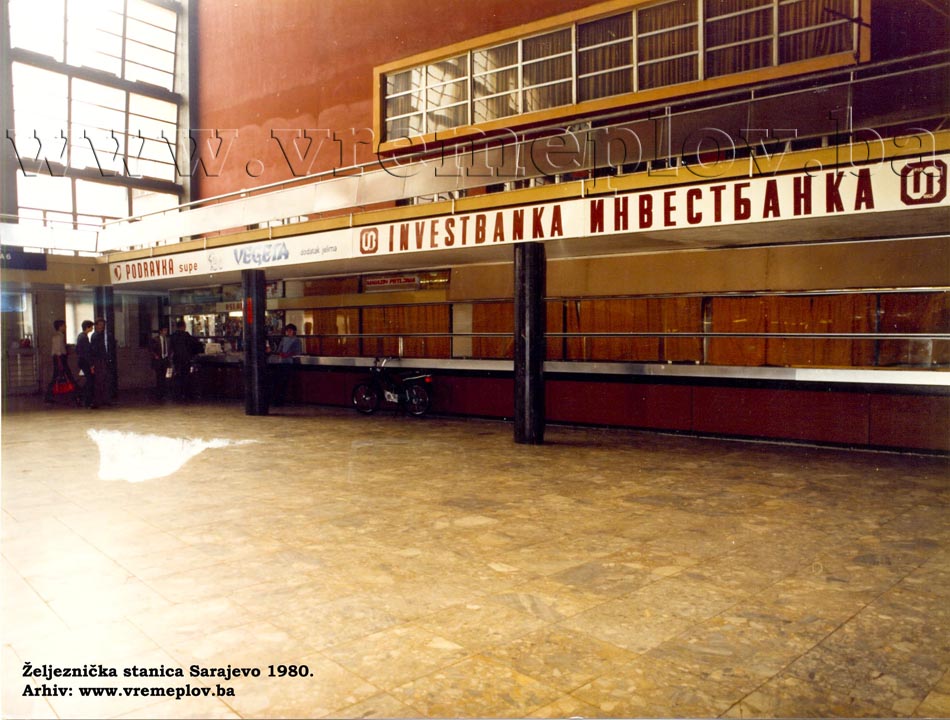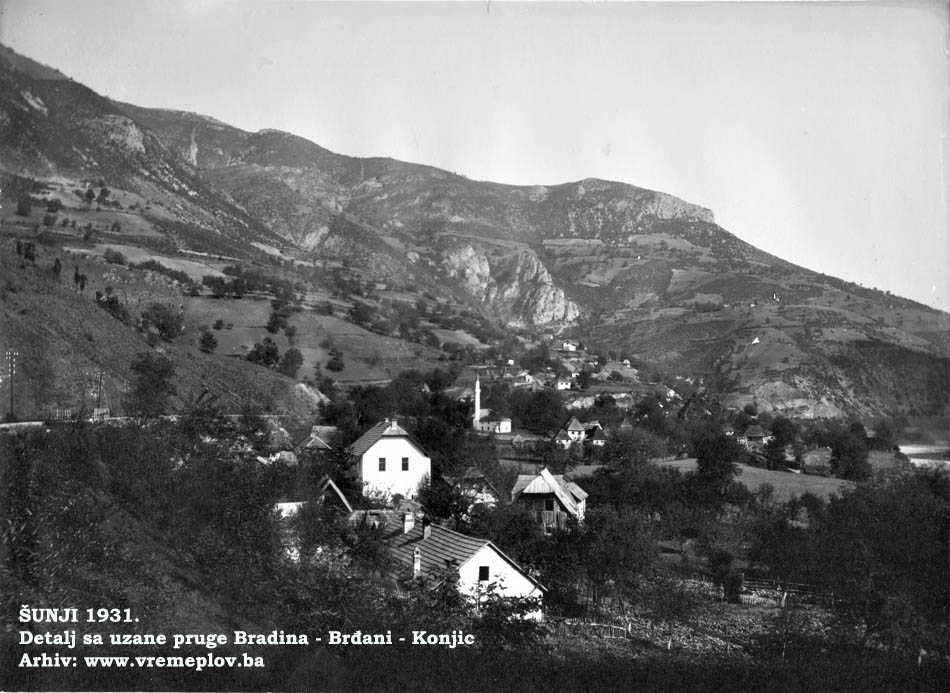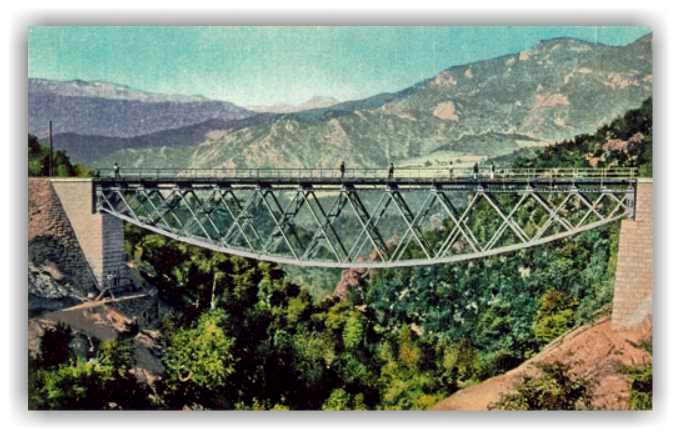
A look into the past is a process that never stops and is always building upon itself. With the whistle of a locomotive on August 1, 1891, during a celebration with cannons firing from nearby hills, the arrival of the first train into Sarajevo from the direction of Metković was marked. With this arrival of the southern railway into the city of Sarajevo, the “giant project” was completed and handed over for the use of the country’s residents. The Neretva line was built over the course of seven full years. In November 2016, the 75th anniversary of the narrow gauge (0.76 m) and the 50th anniversary of the standard gauge (1.435 m) are commemorated, marking a total of 125 years since regular railway operations began on this very important rail connection, counting from the date of the first train’s arrival in Sarajevo.
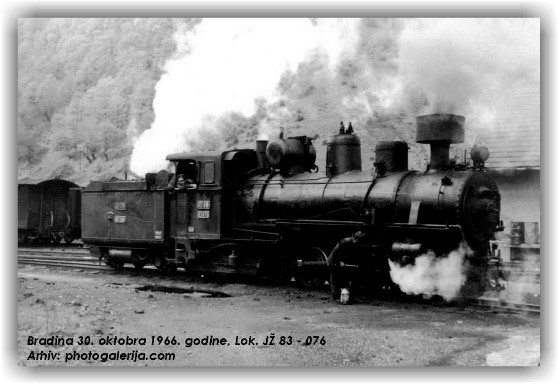
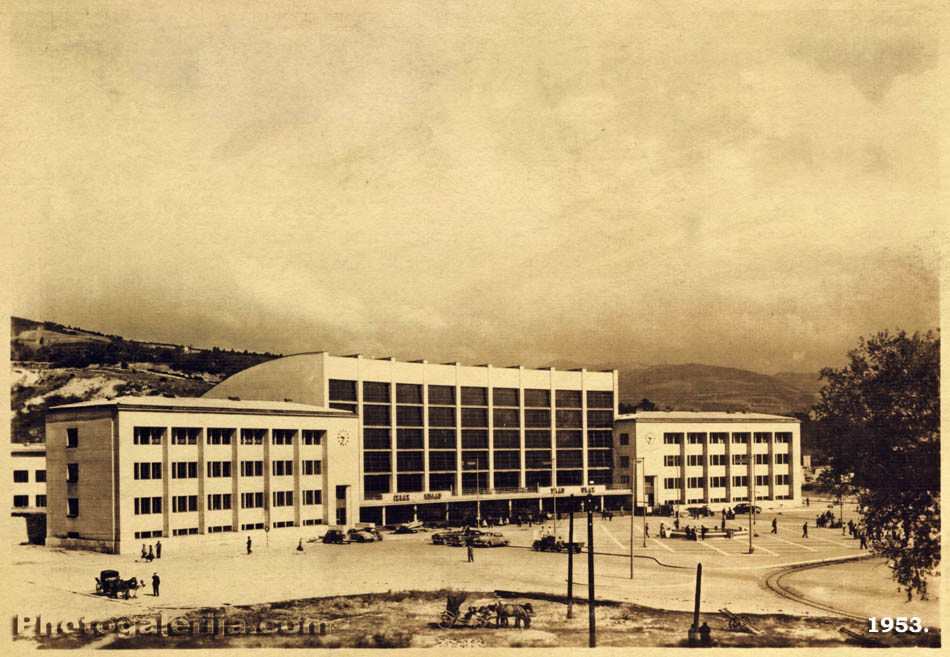
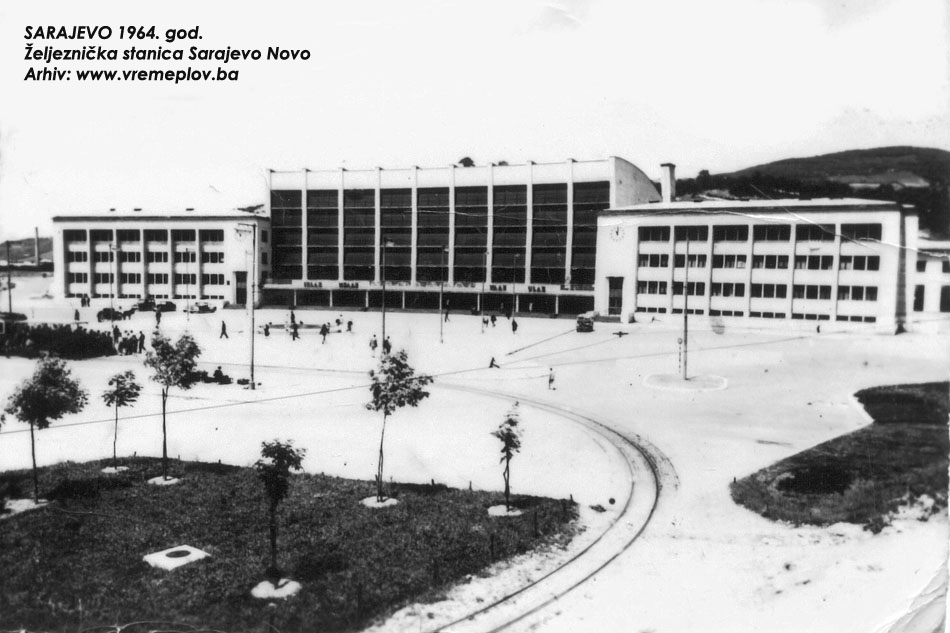
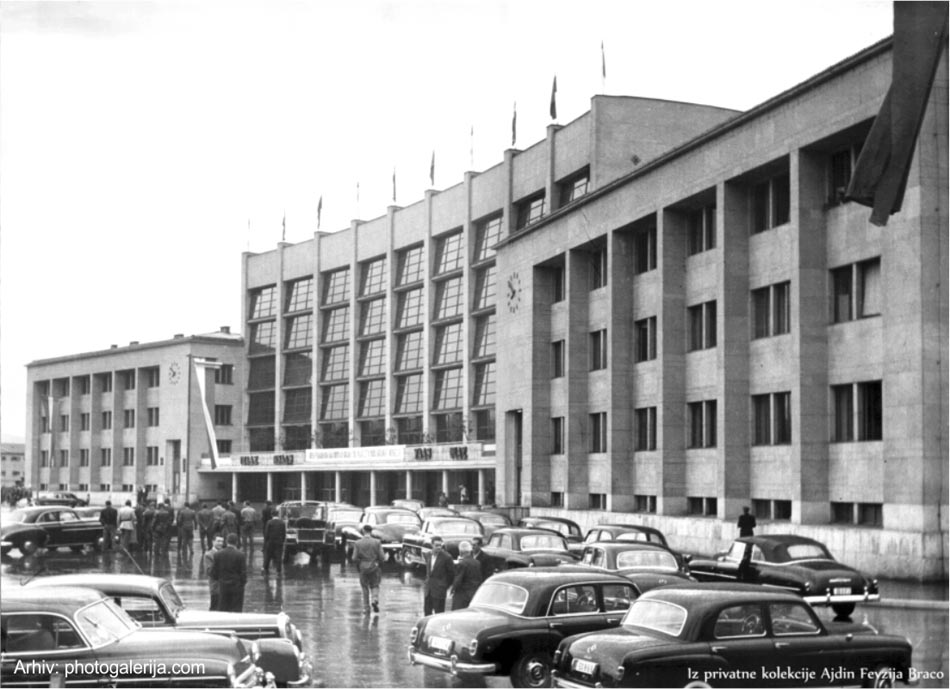
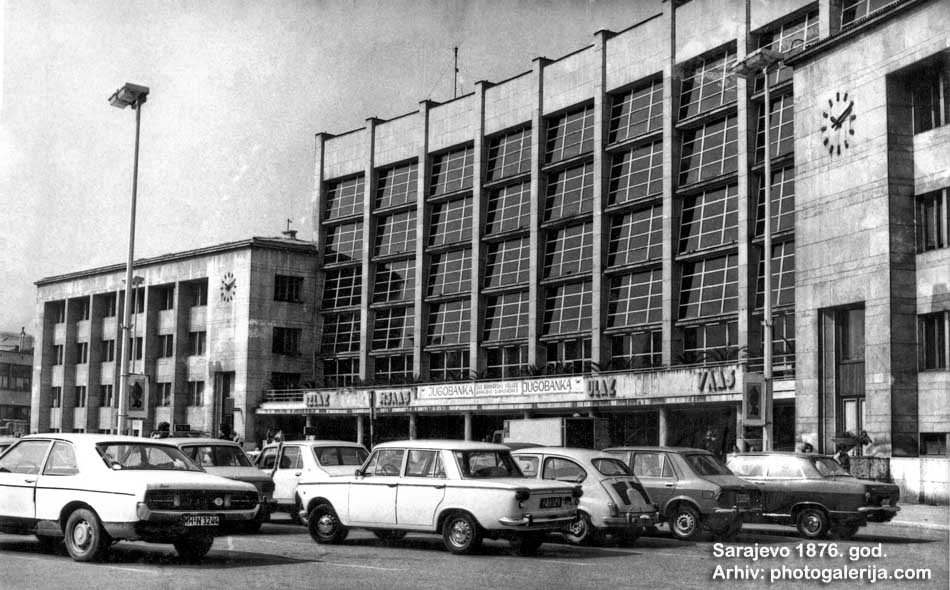
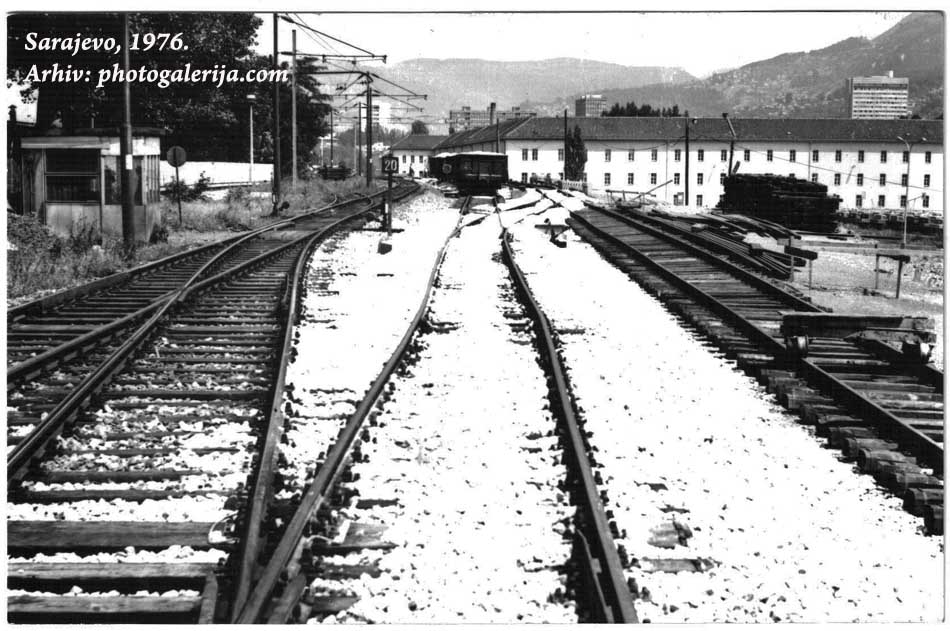
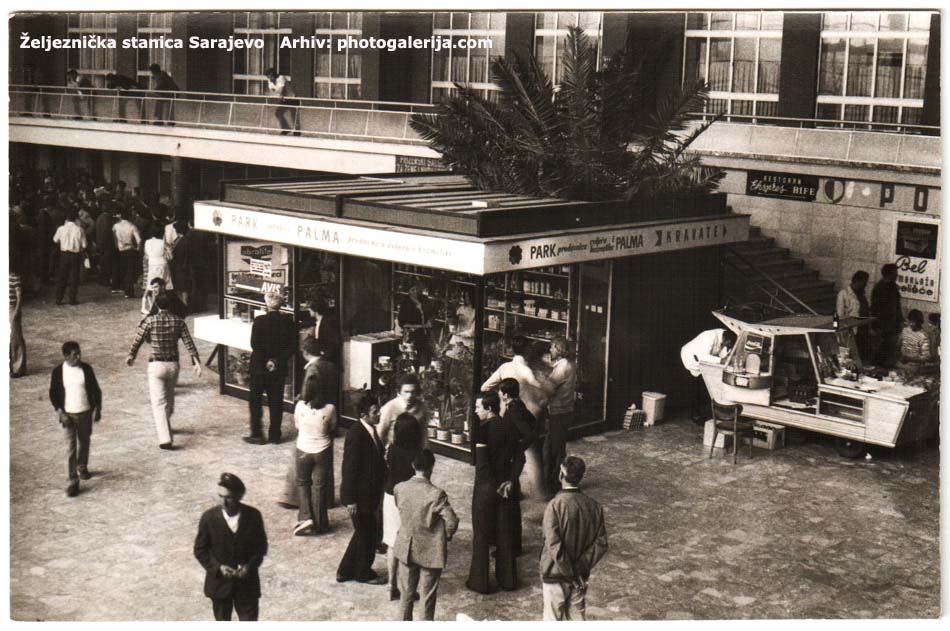
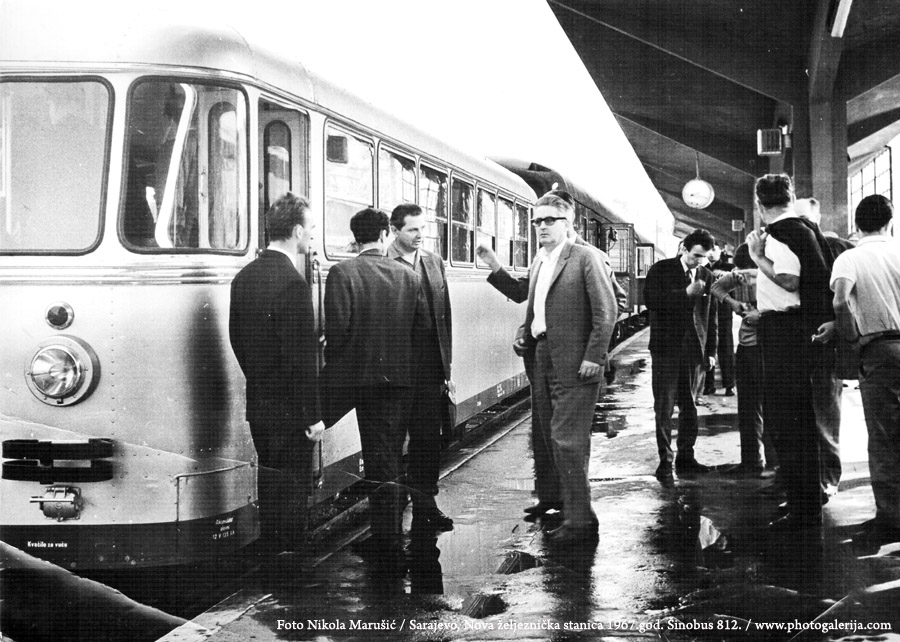
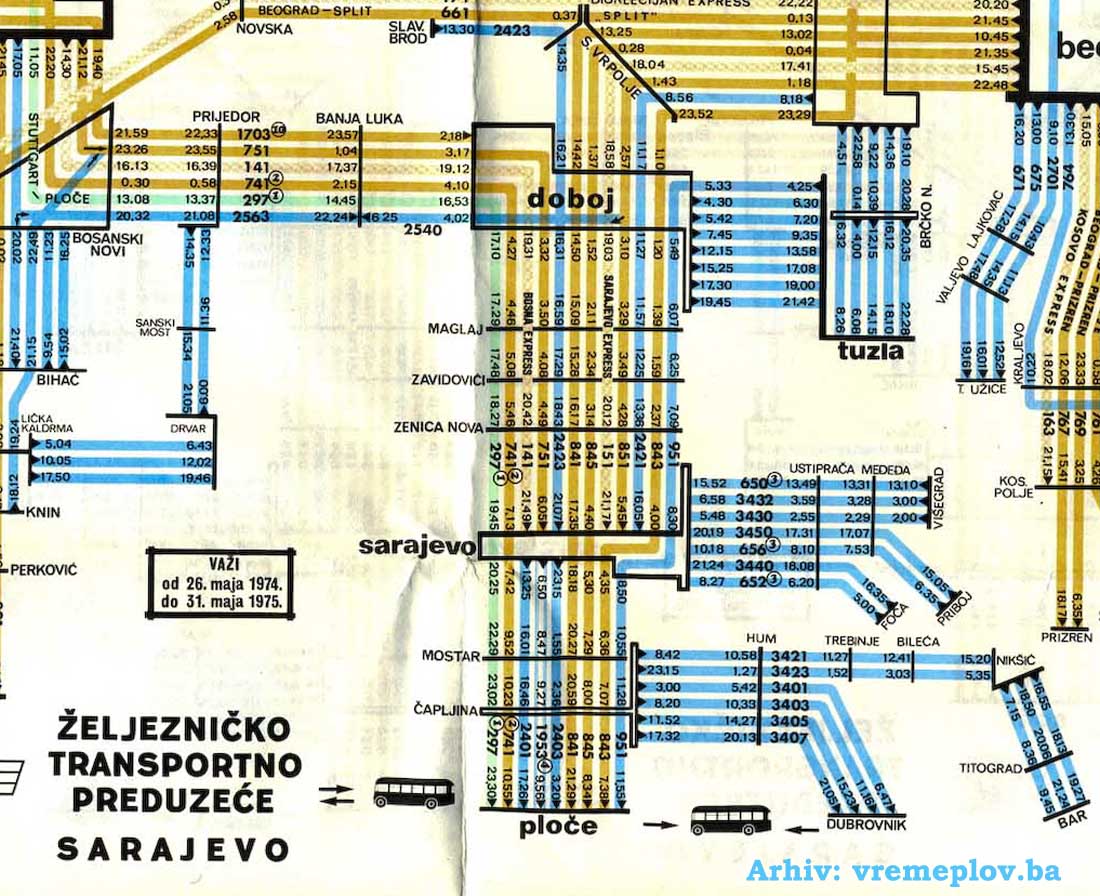
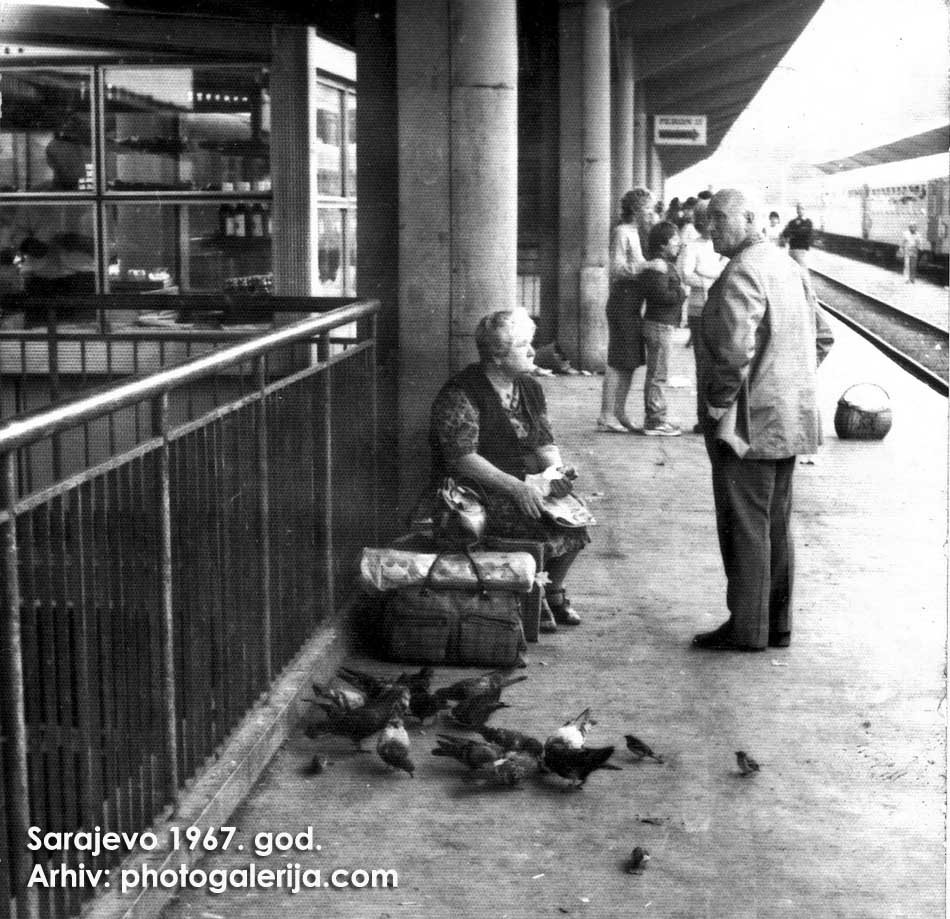
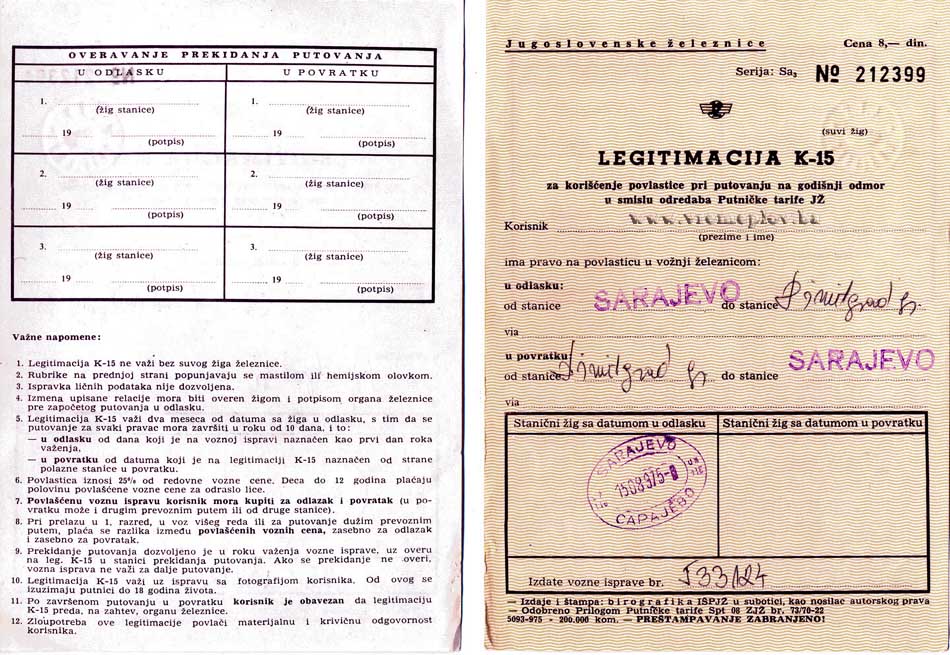
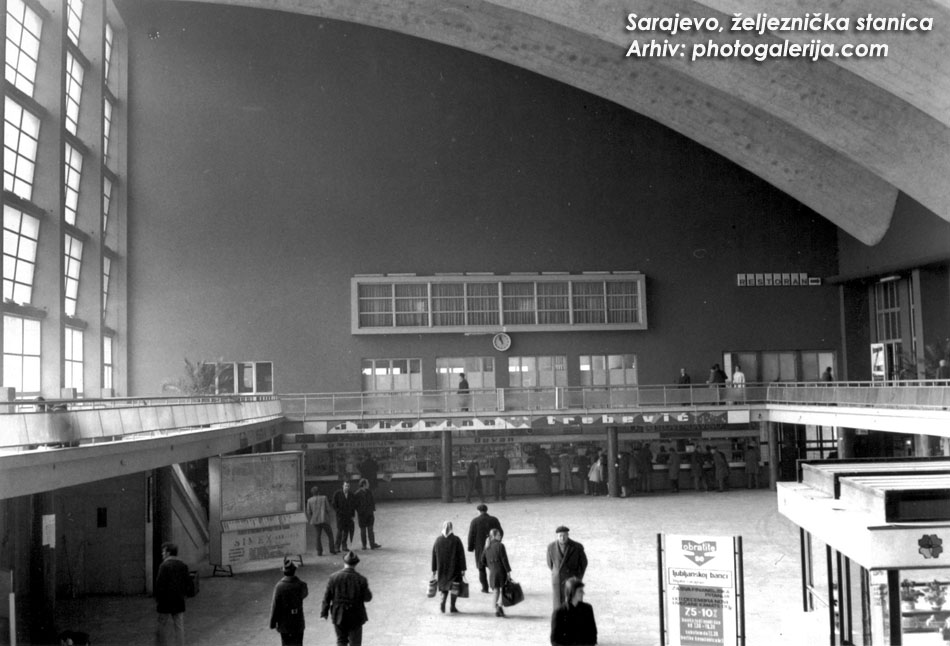
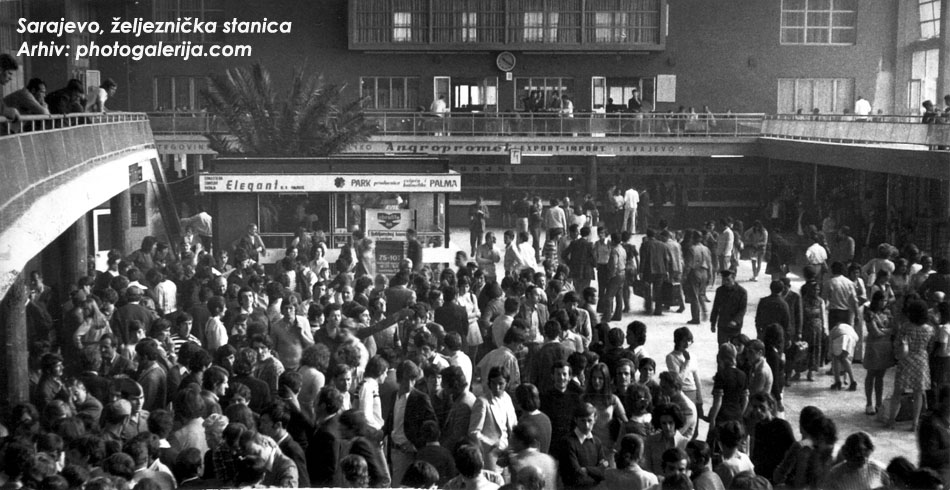
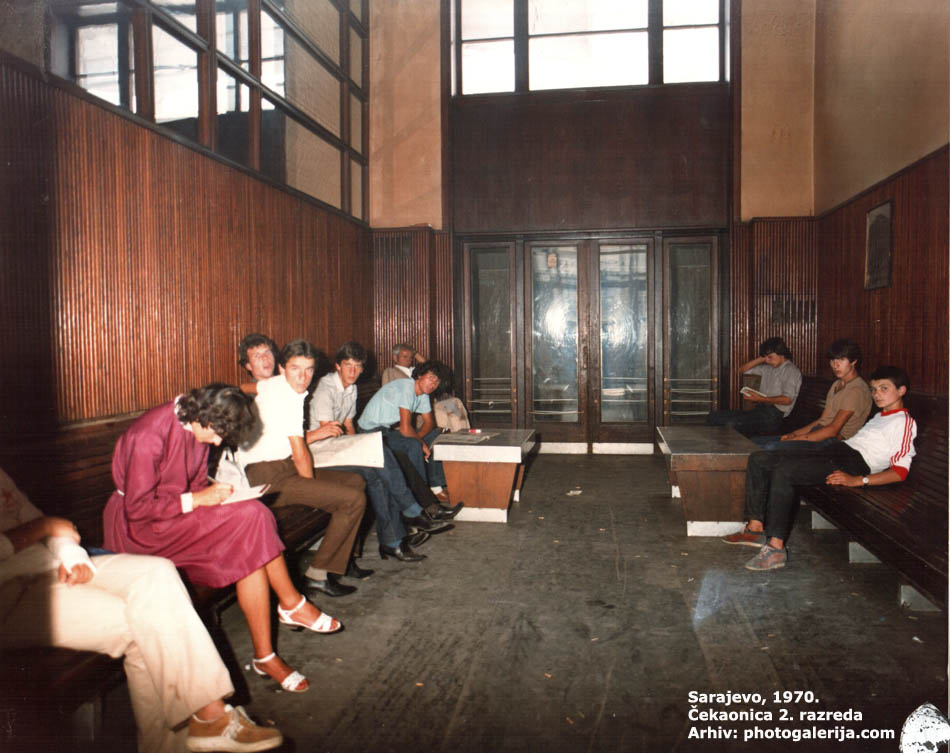
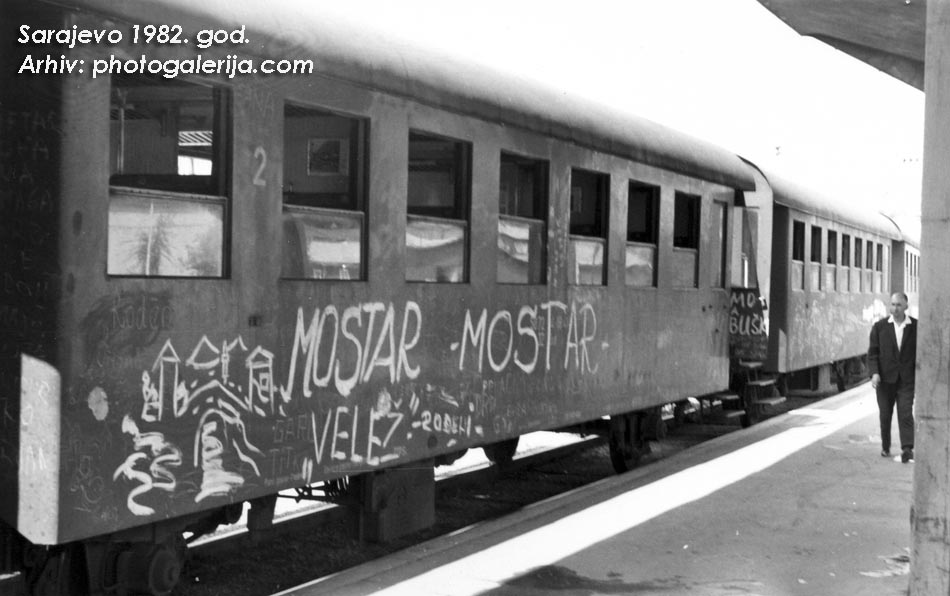
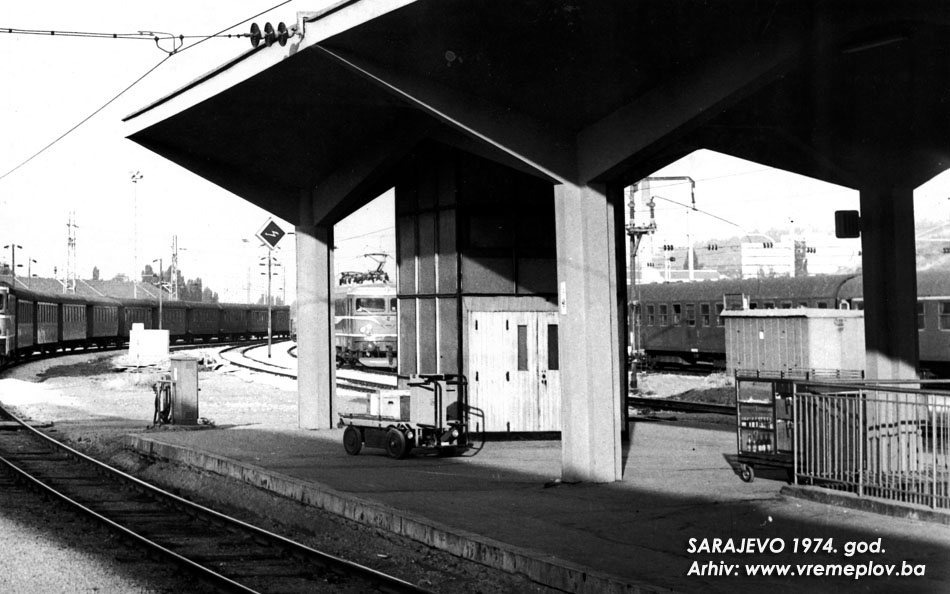
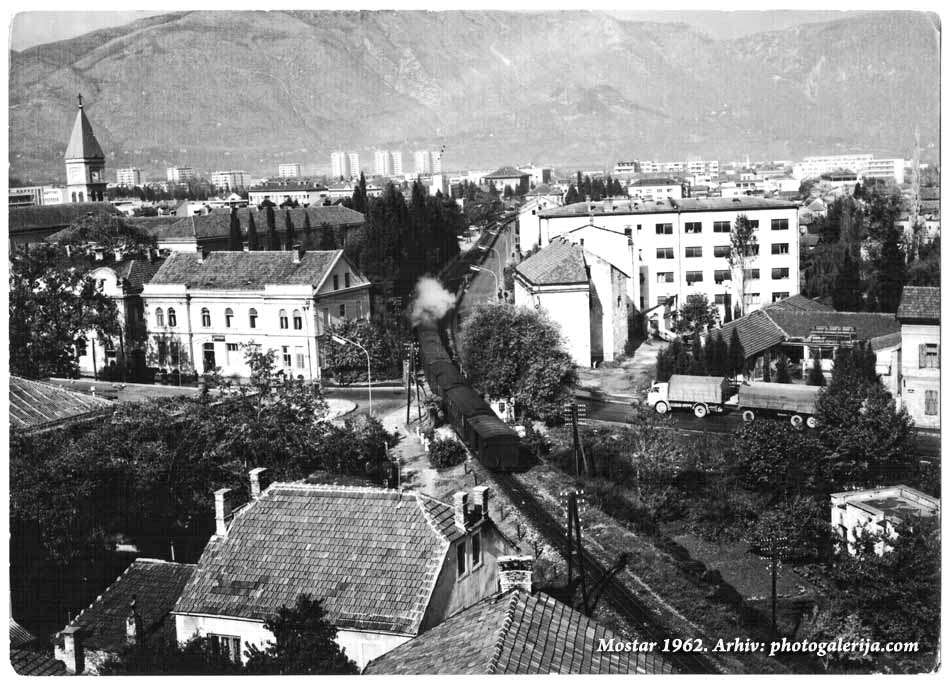
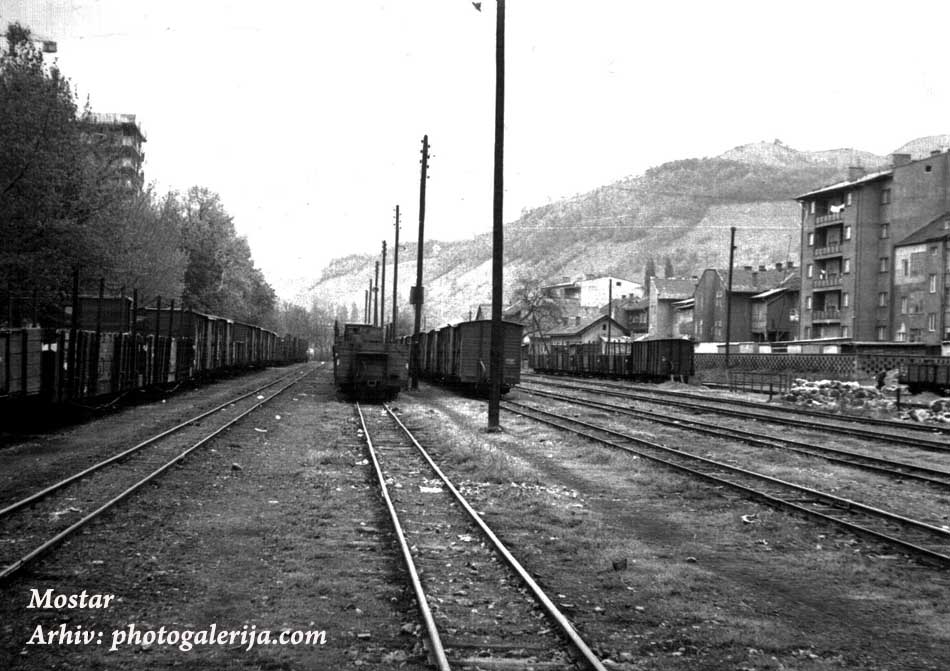
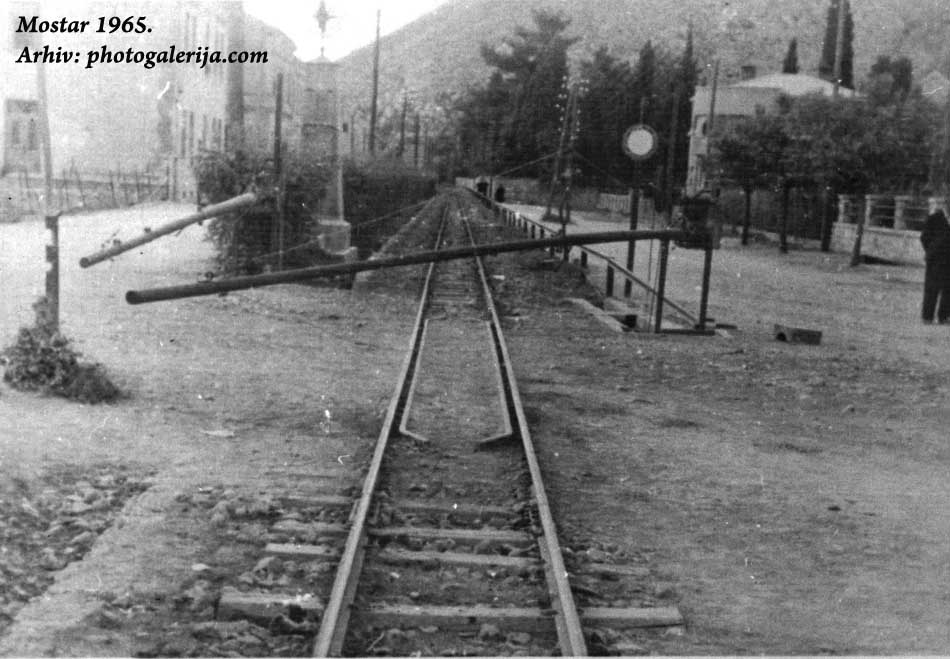
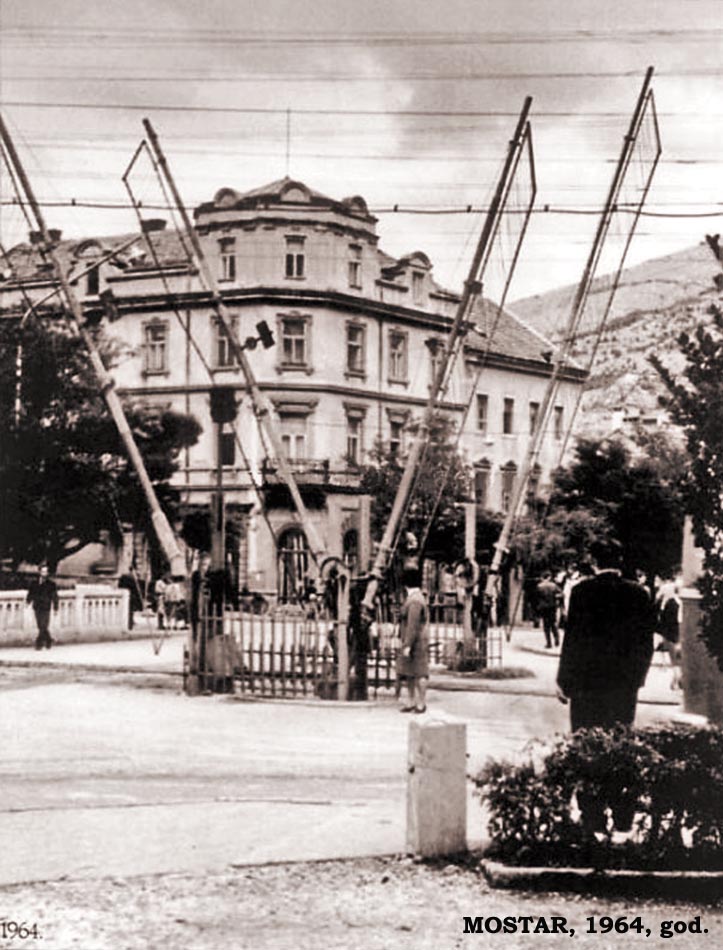
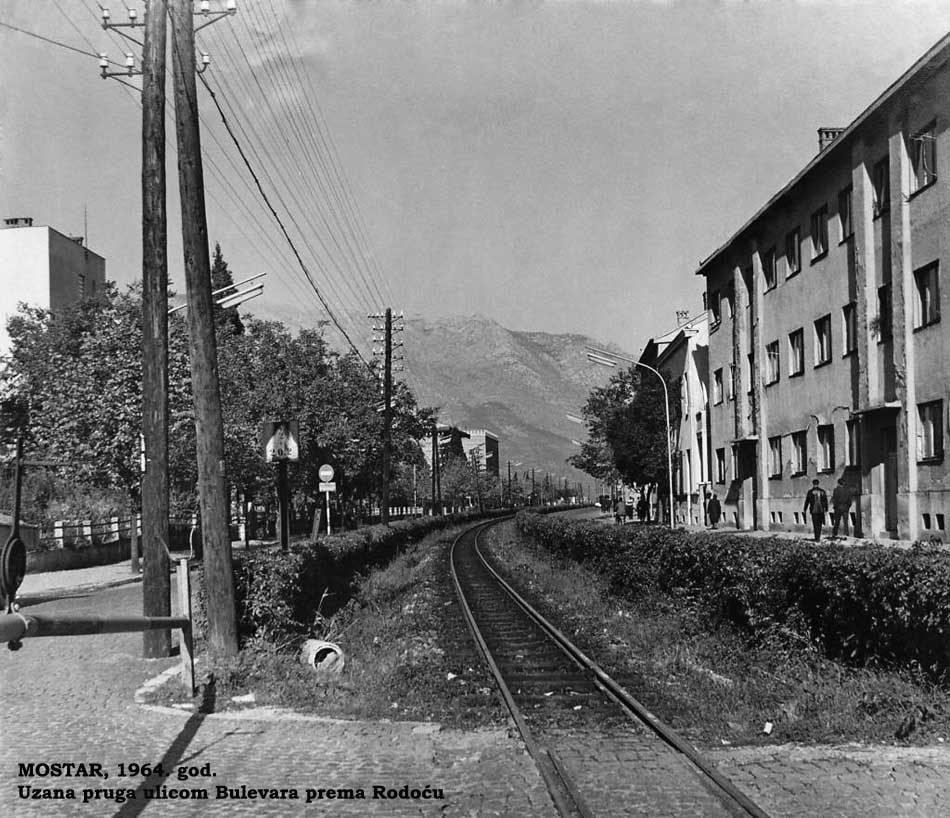
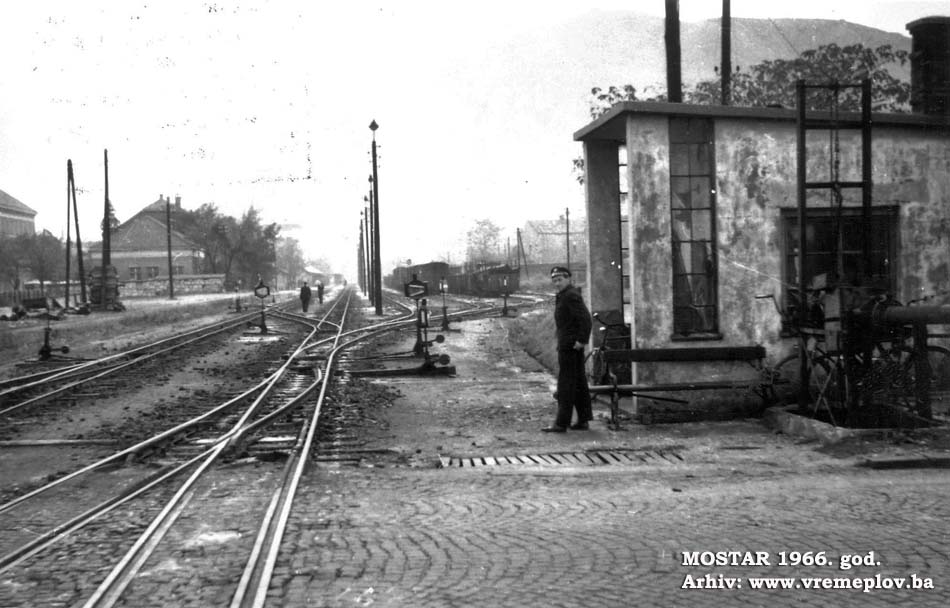
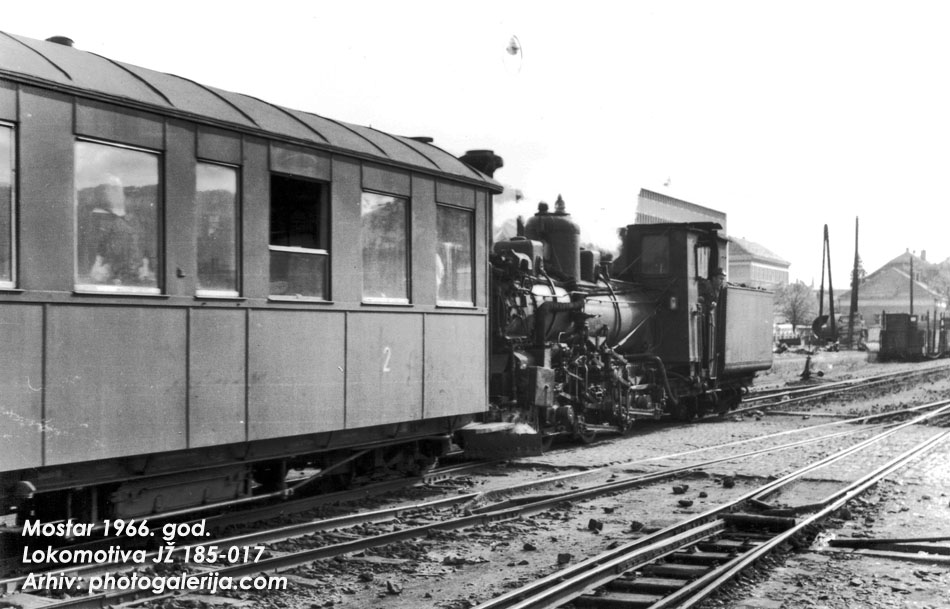
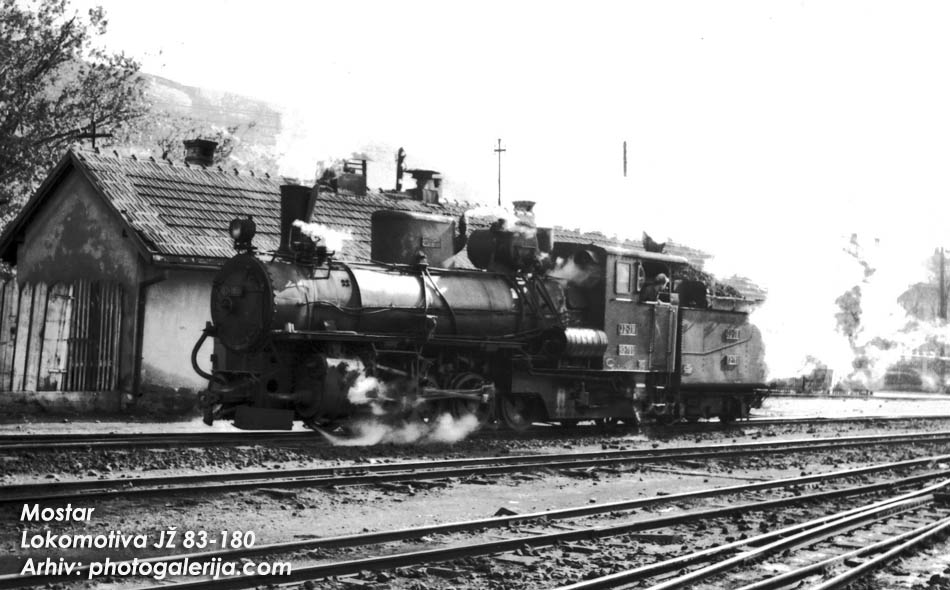
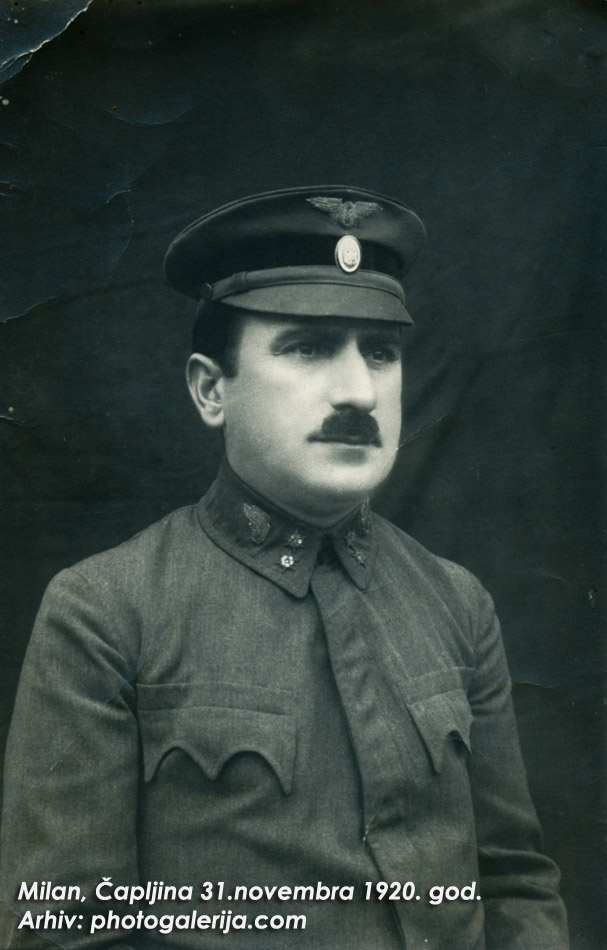
In this article, we invite all generations, for rest and the soul, to learn something, remember childhood and youth, and with the attached old photographs, reflect on the past—truthful, a different and (un)ordinary story about the history of the Sarajevo – Metković – Ploče railway line.
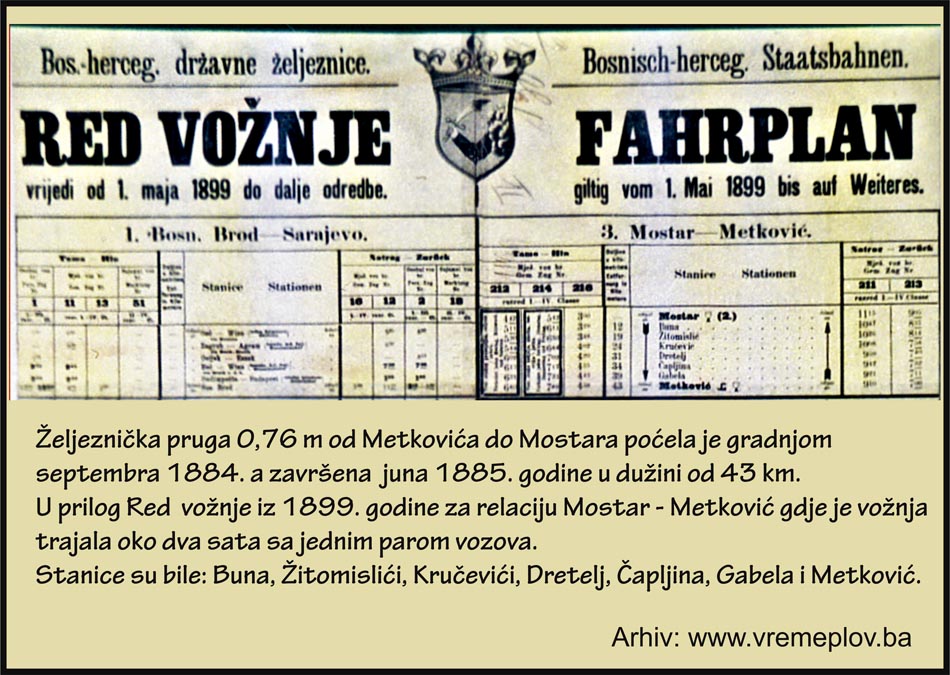
It was announced in a newspaper report published in Mostar’s “Novi Herzegovački Bosiljak” on August 30, 1884: “It is announced that the general construction of the Mostar-Metković railway will begin on the 8th of the next month, and by April 30, 1885, it must be handed over to the state fully equipped.”
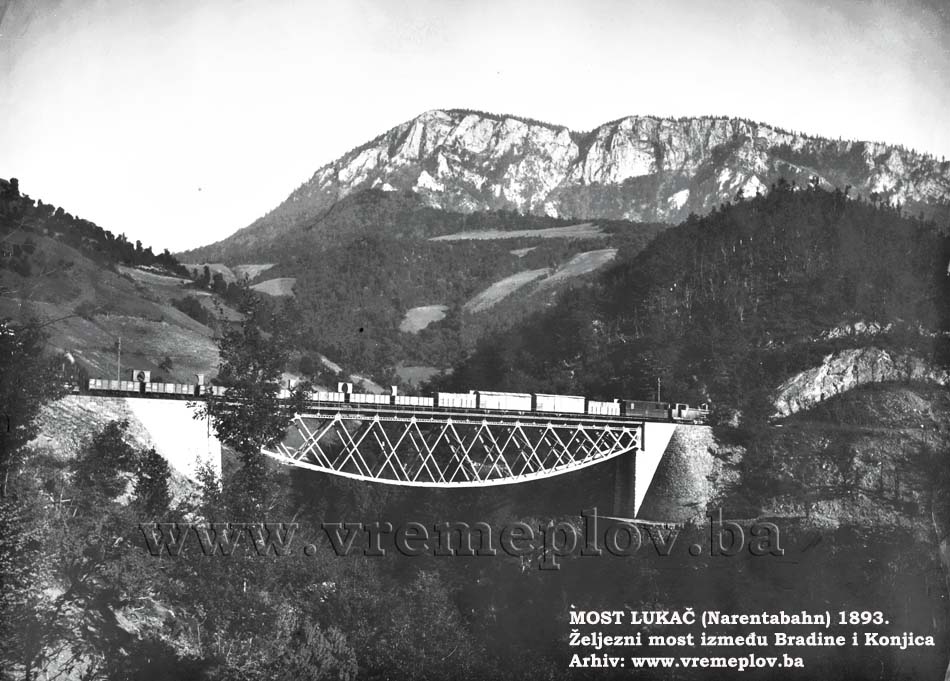
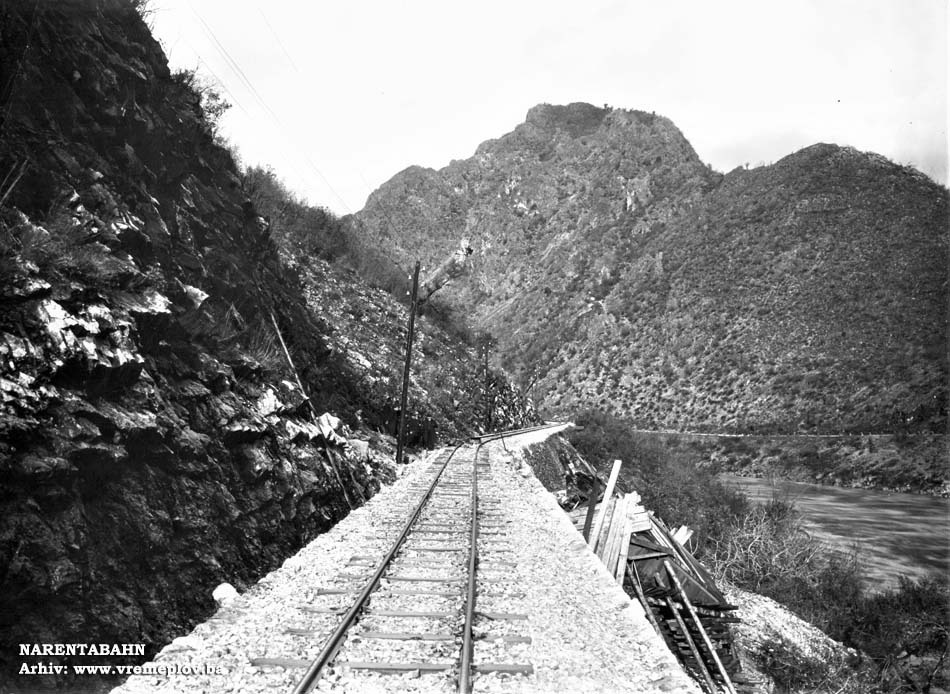
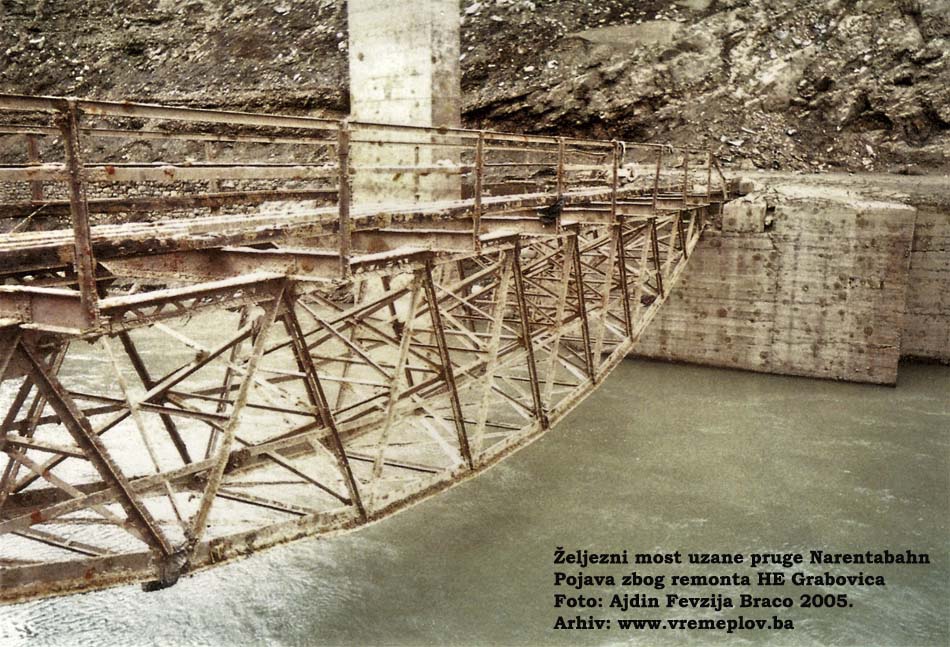
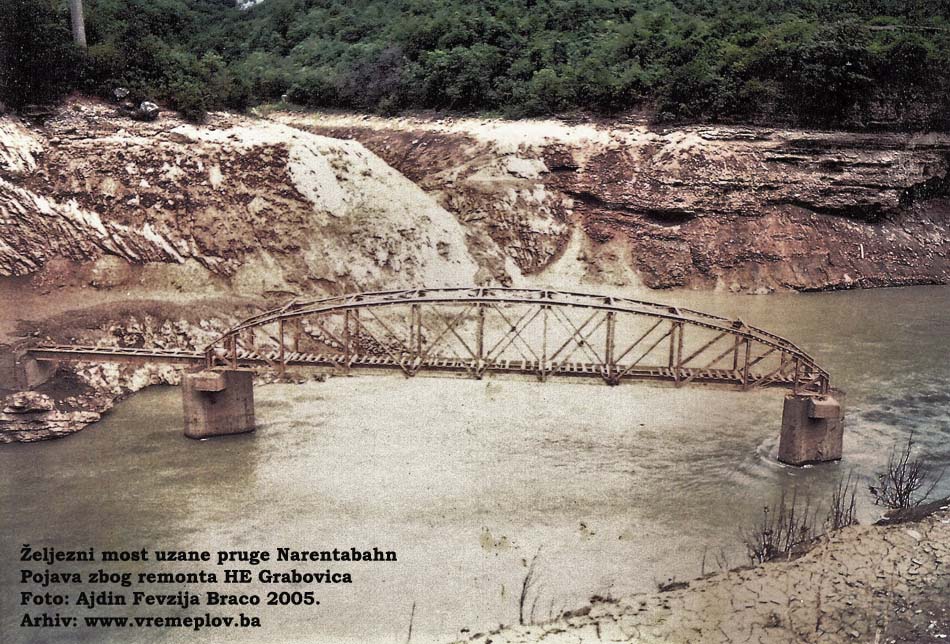
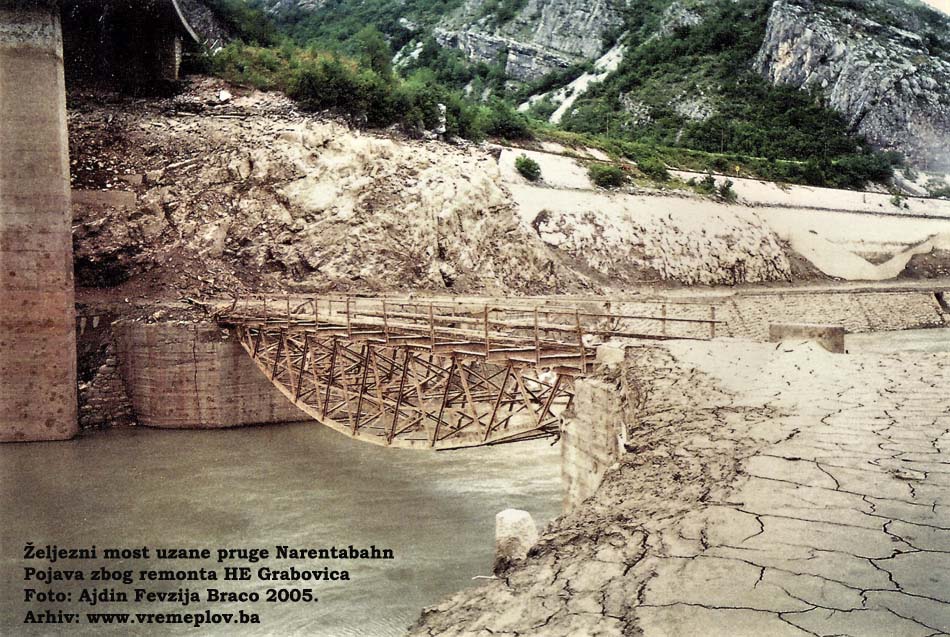
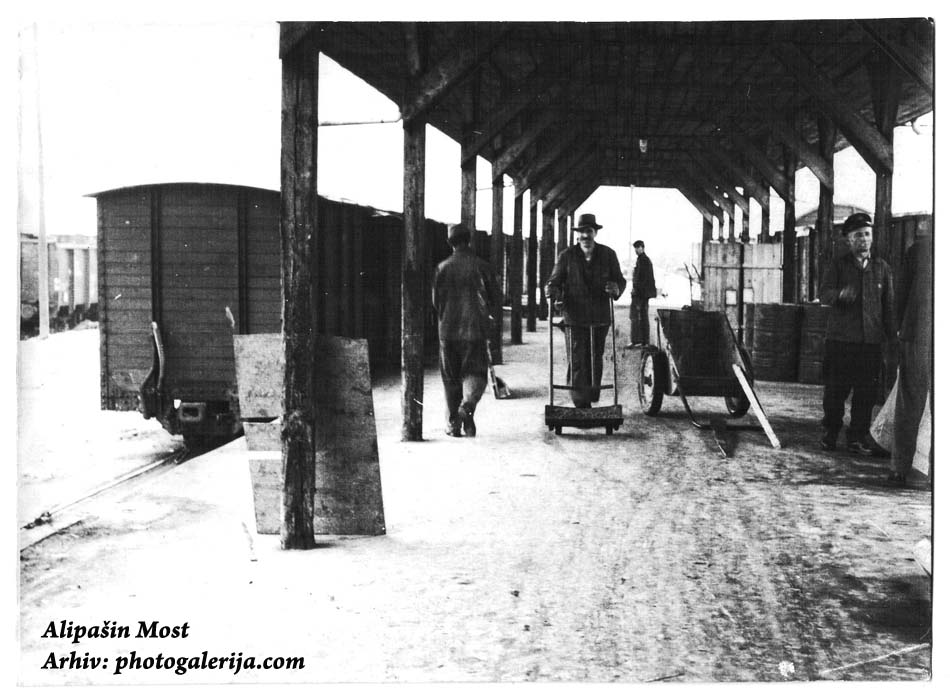
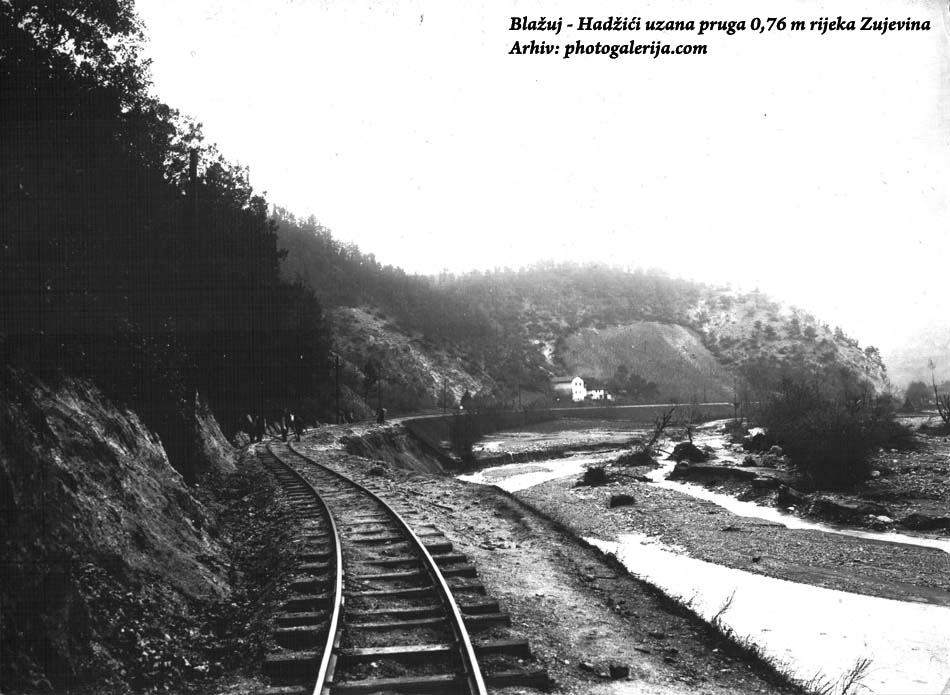
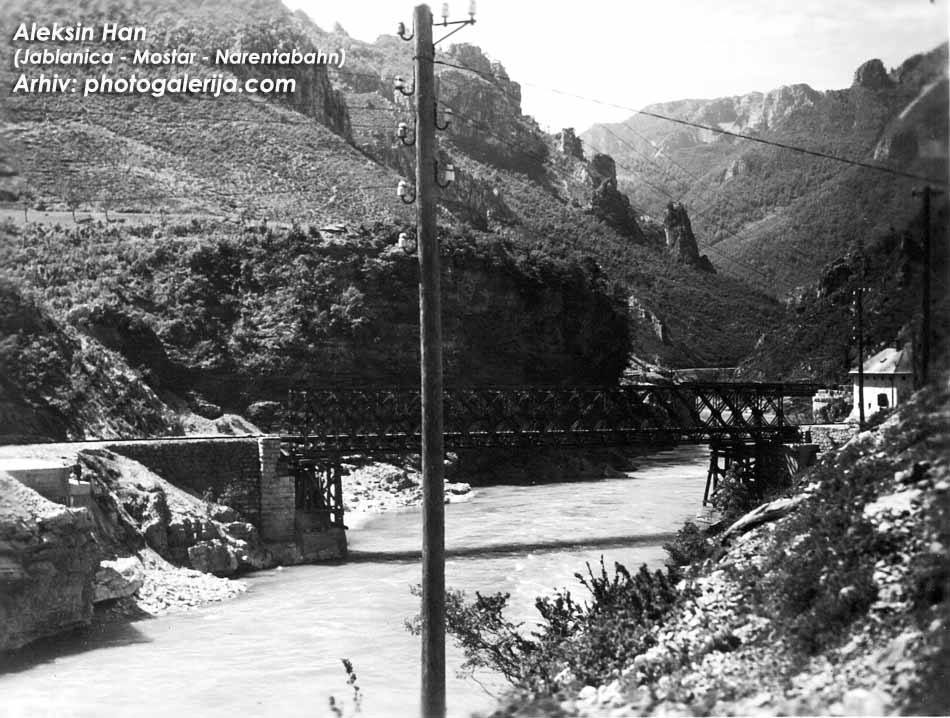
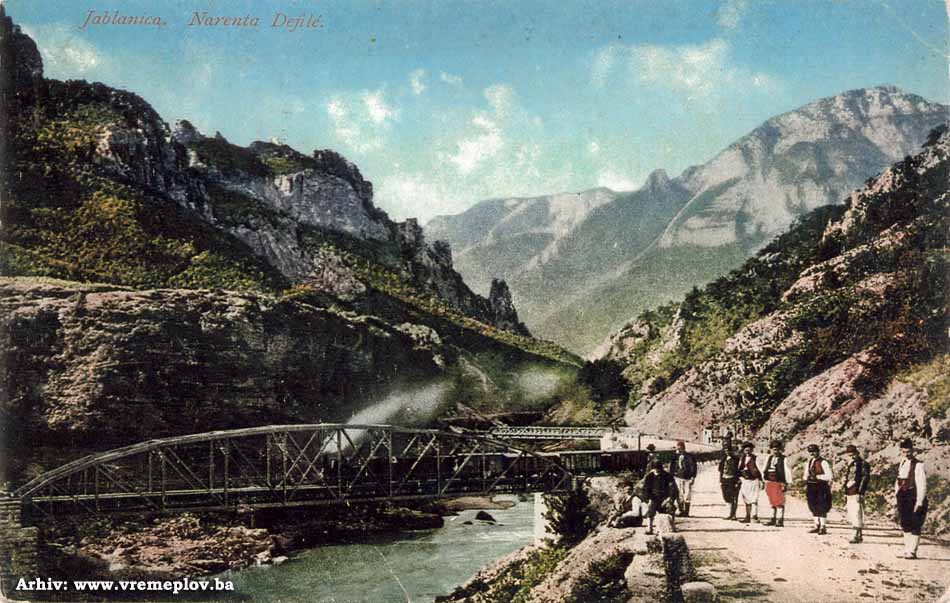
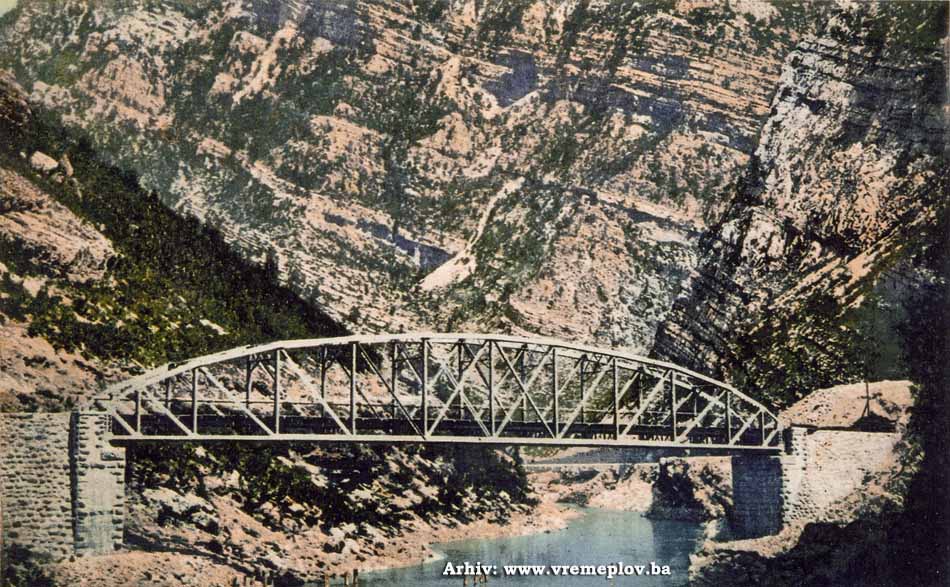
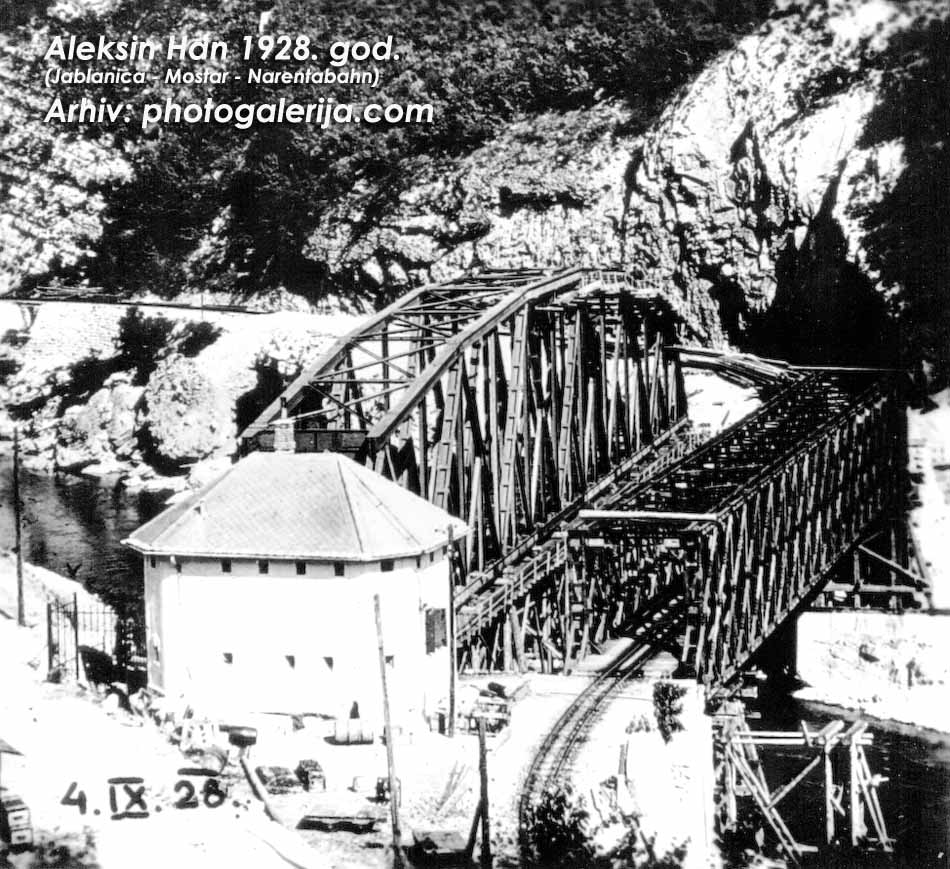
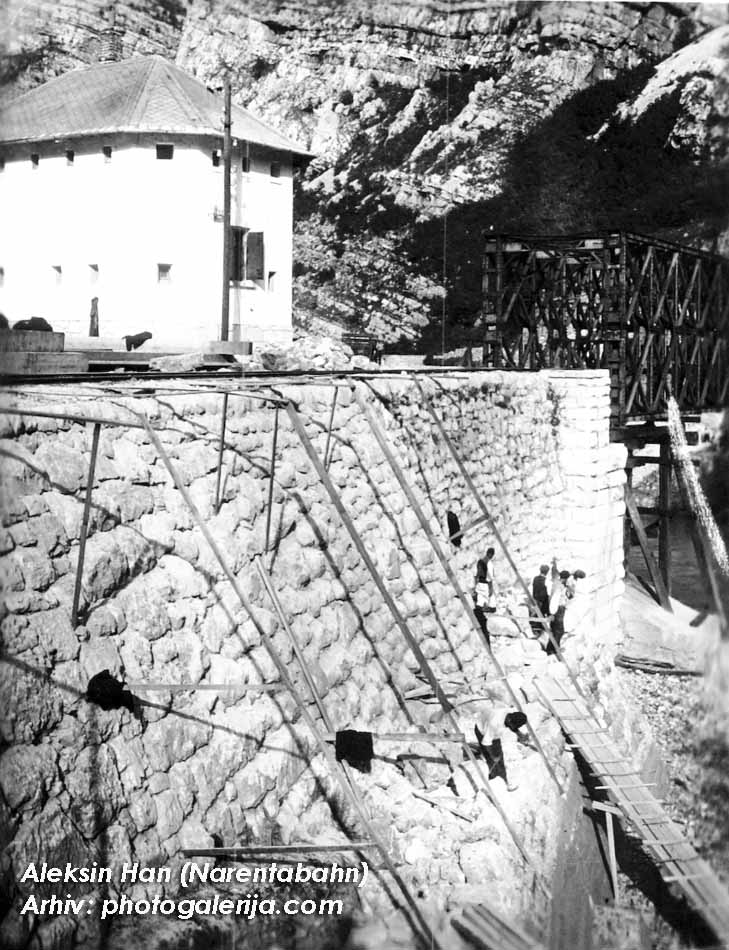
From the sound of the pick and shovel on the hard Herzegovinian stone and the echoing of metal rails from countless driven-in spikes into wooden sleepers begins a turbulent history of the existence of the narrow-gauge railway line from the land port in Metković to Mostar and further all the way to Sarajevo. This railway is recorded in railway maps under the name Neretva Railway or *Narentabahn* in German.
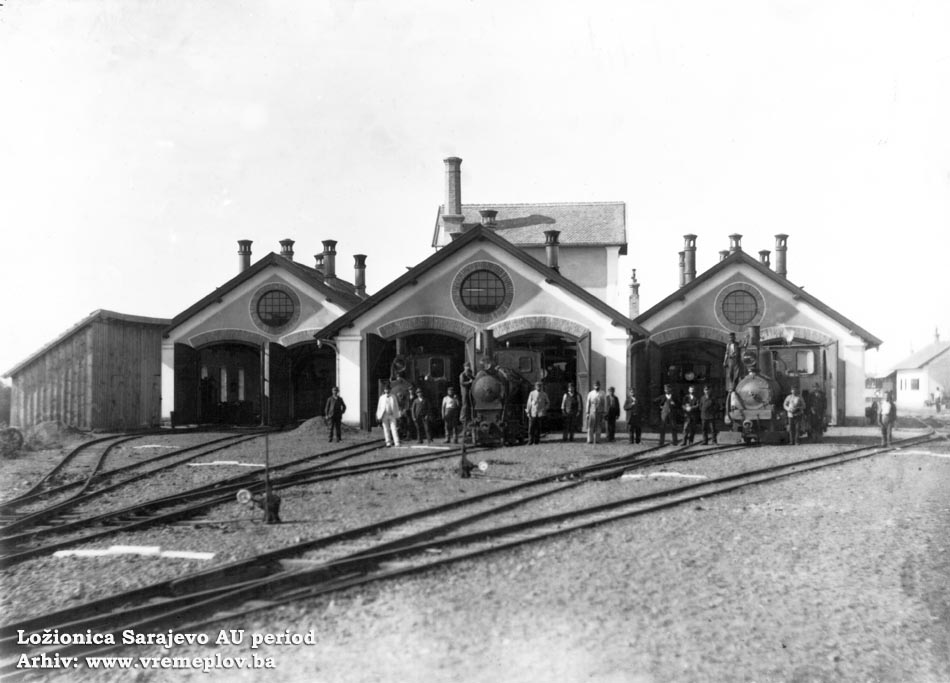
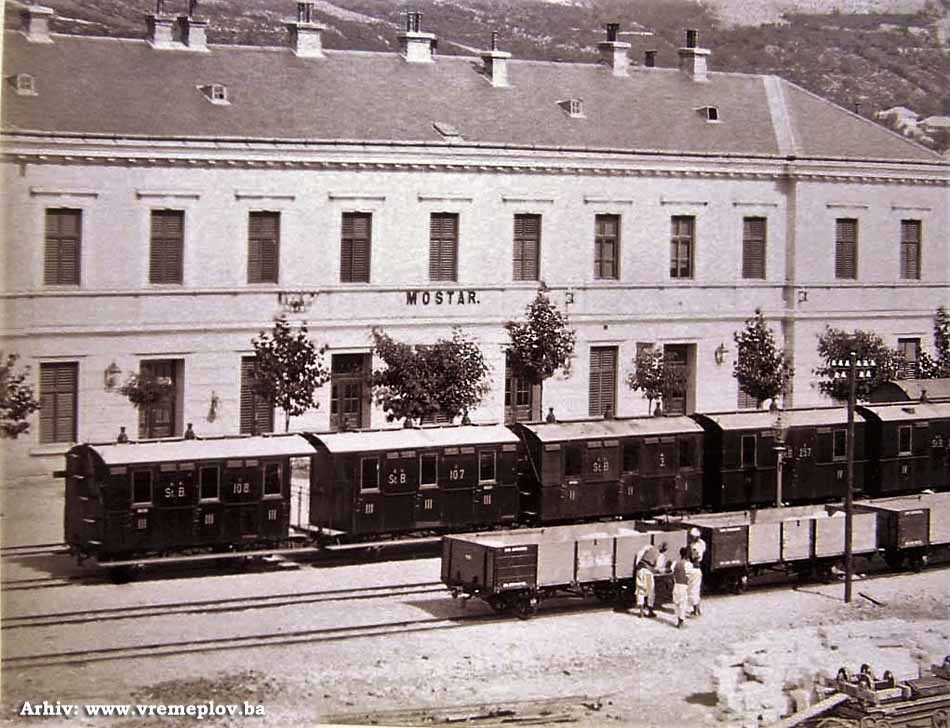
Certainly! Here’s the translation: Namely, on that day, the first works for the construction of the narrow-gauge railway from Metković to Mostar begin. The construction of the railway took about ten months, executed by the company Karla V. Schwarza from Vienna, and was opened to public traffic on June 14, 1885. After the completion of the railway, traffic on it was entrusted by the State Government to a special management based in Mostar, while the extension of the railway to Sarajevo in 1891 was managed by the Directorate in Sarajevo, a predecessor of the Bosnian-Herzegovinian State Railways Directorate established in 1895 (BHStB – Bosnisch-Herzegowinische Staatsbahn 1883-1908).
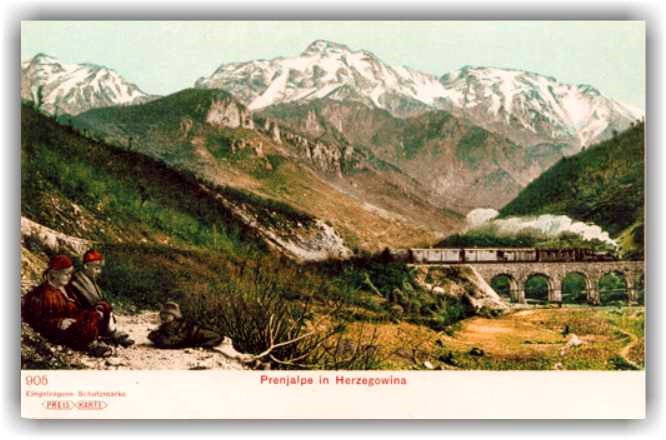
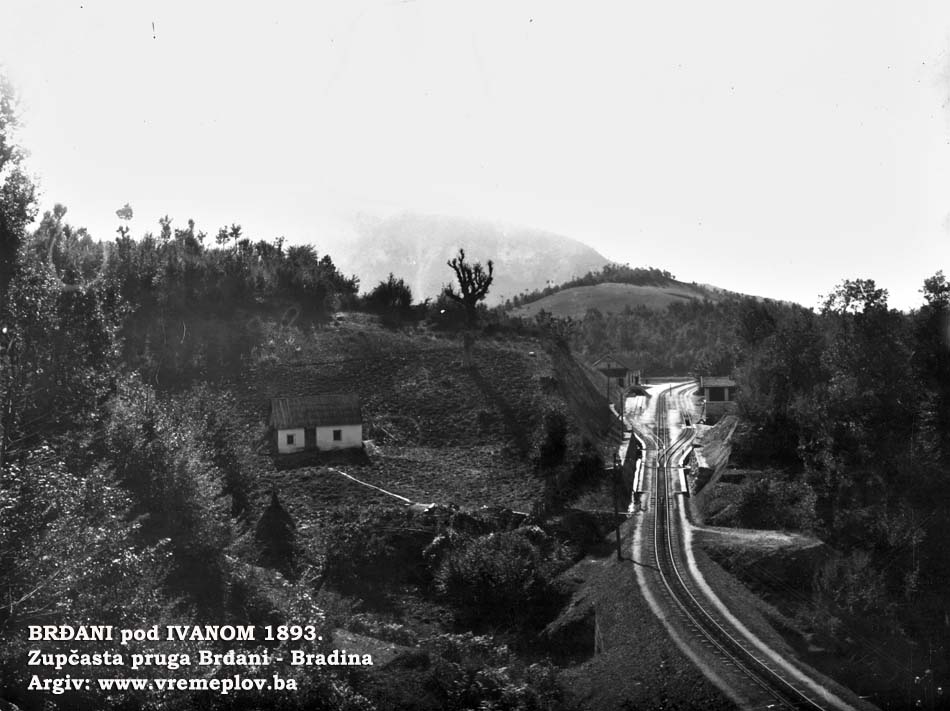
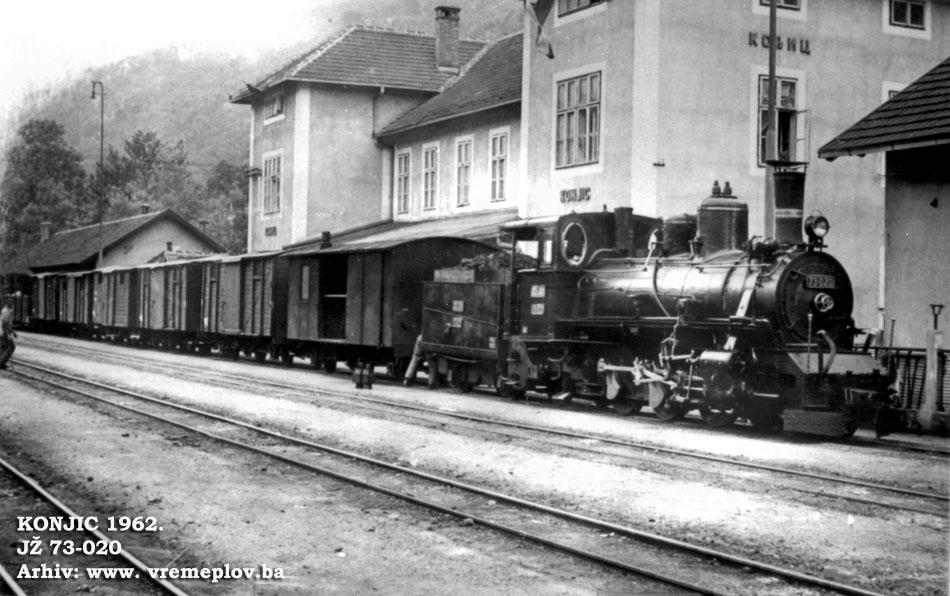
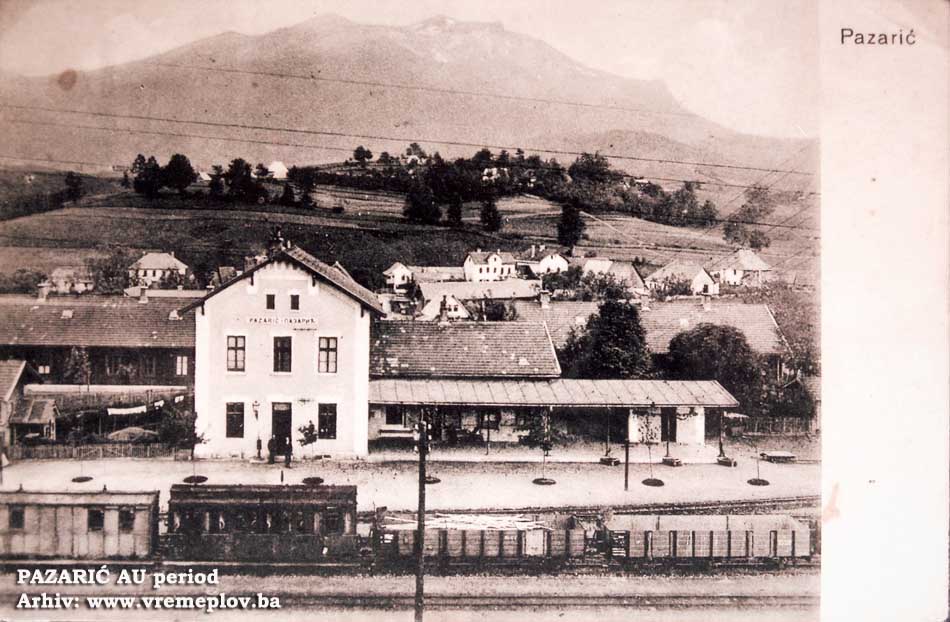
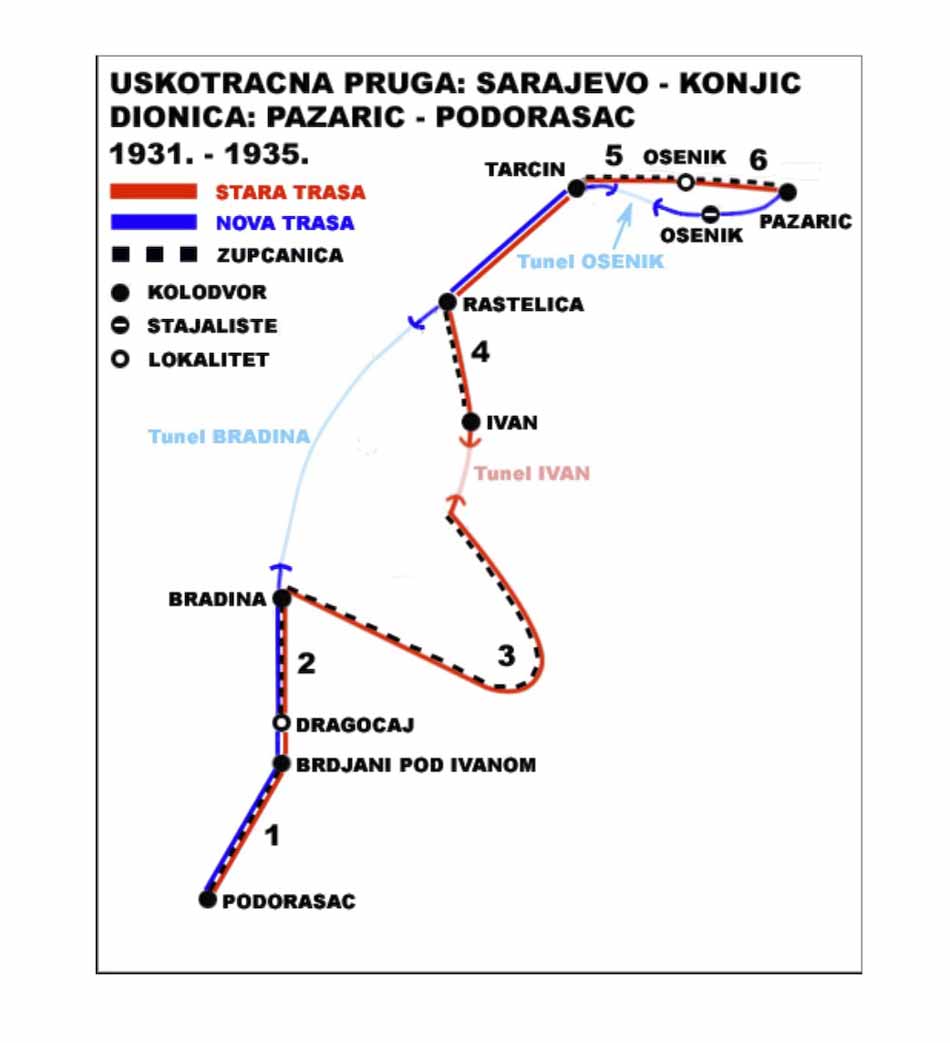
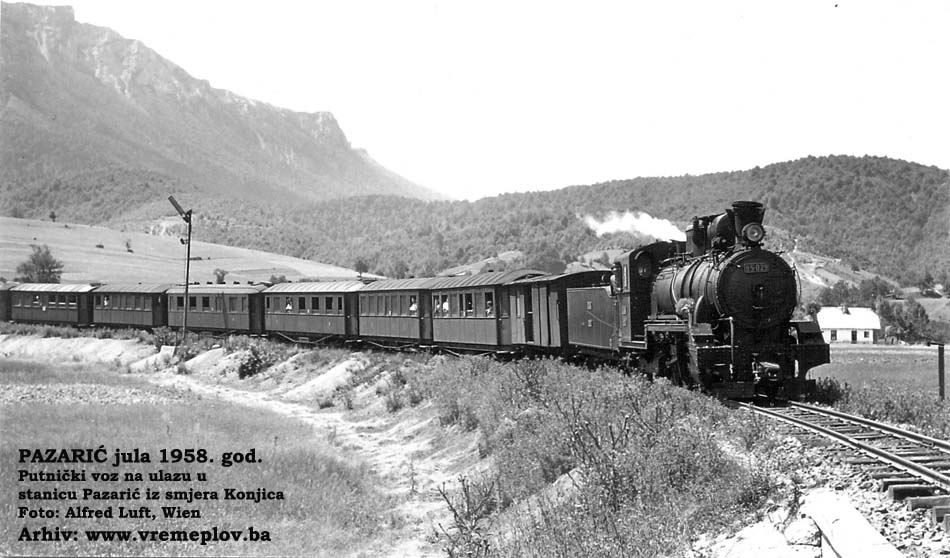
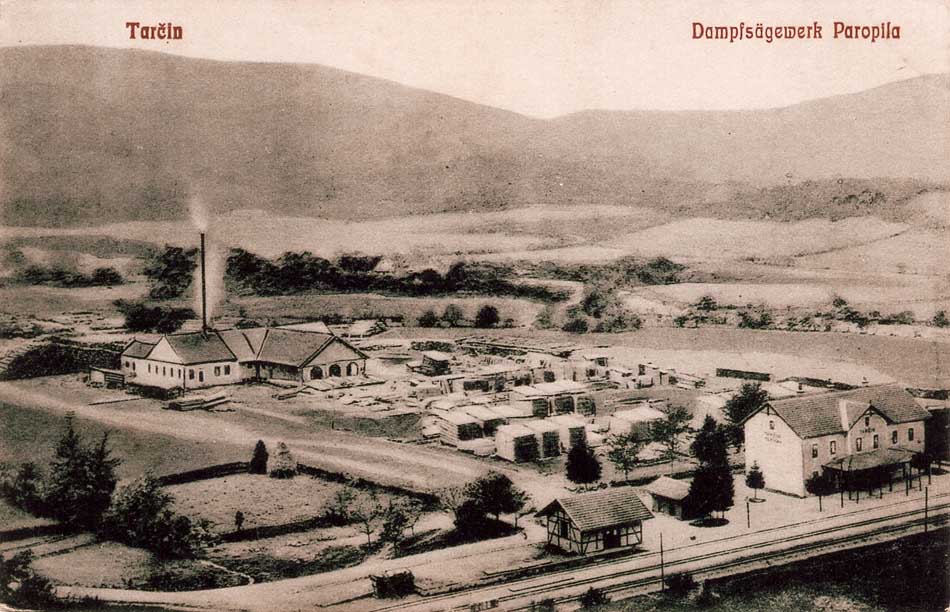
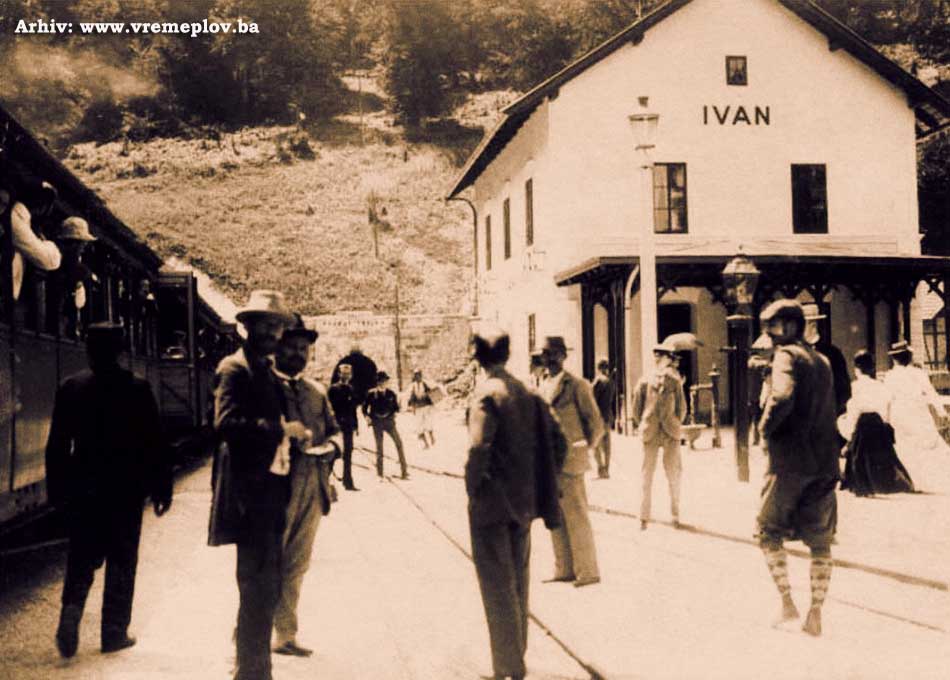
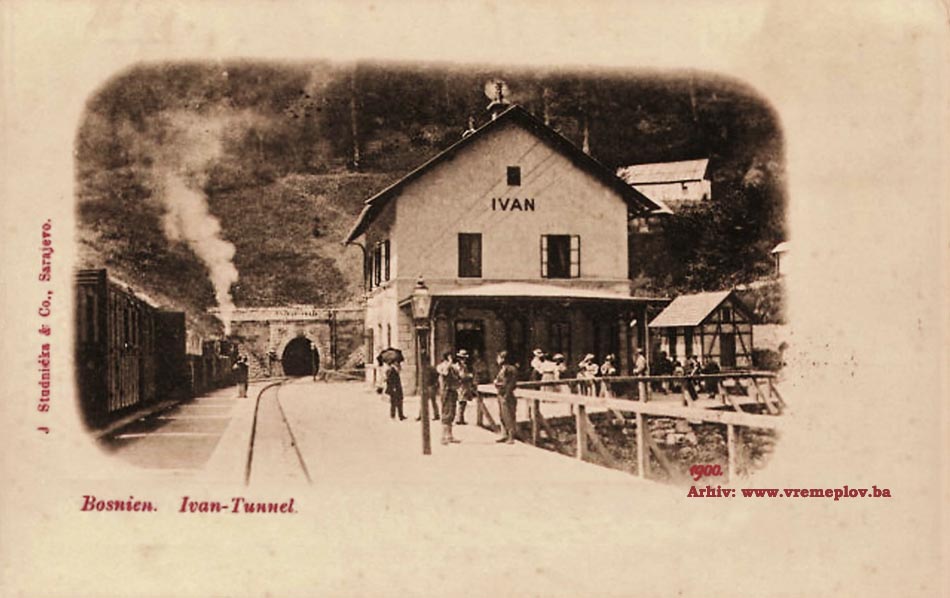
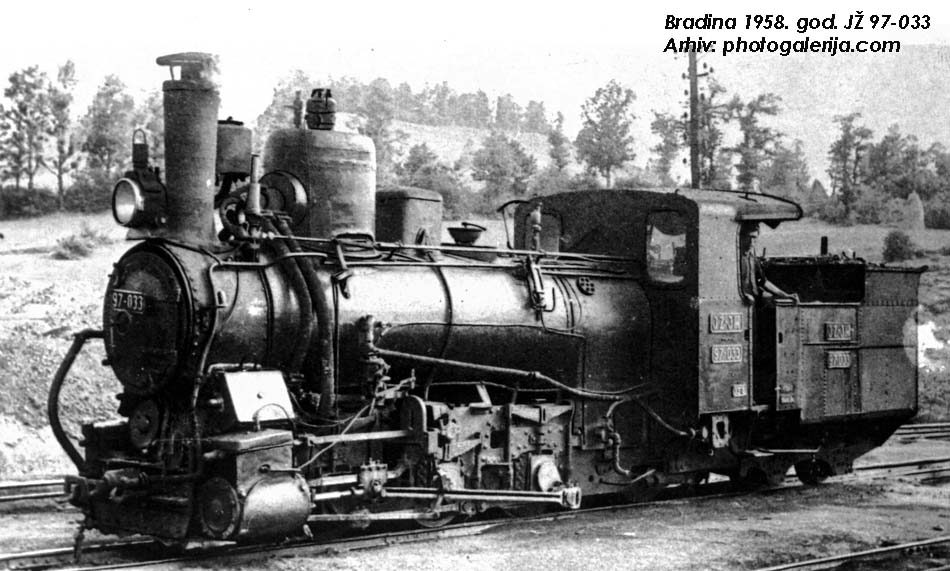
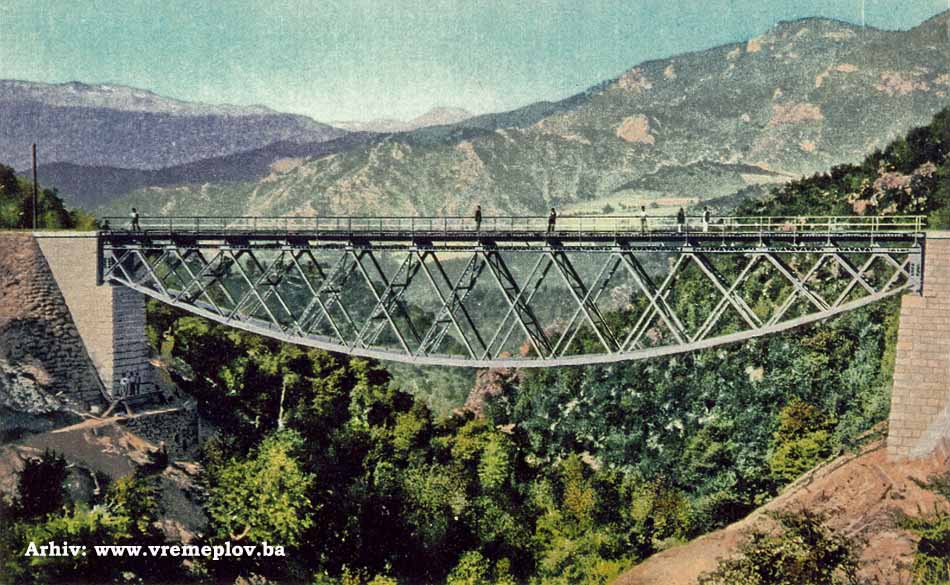
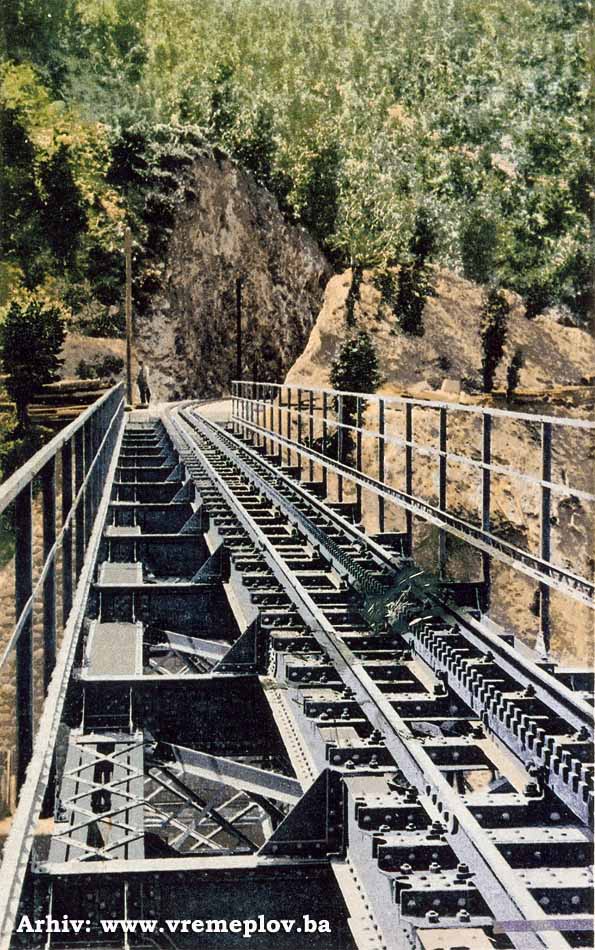
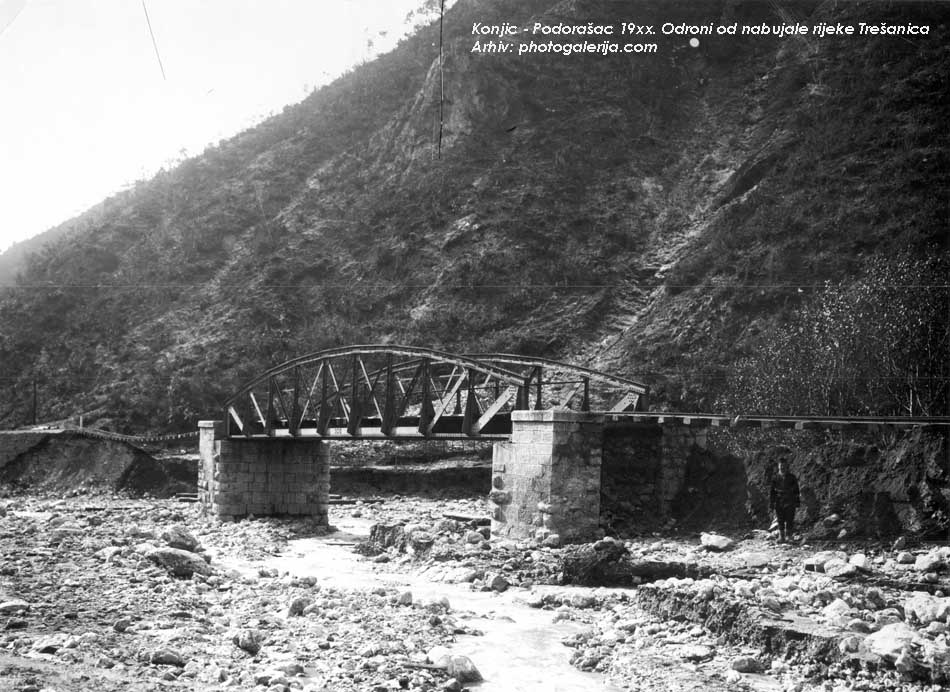
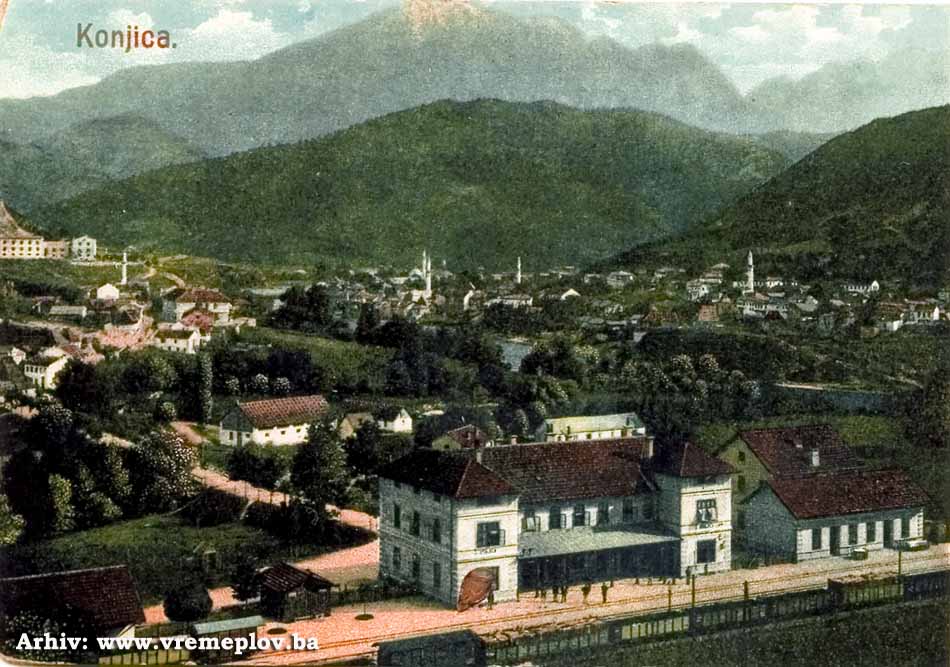
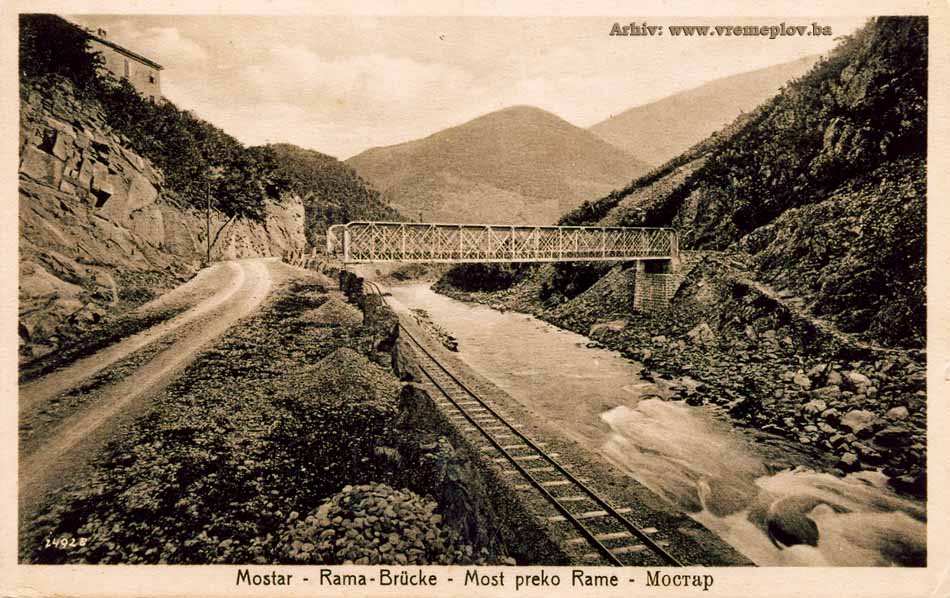
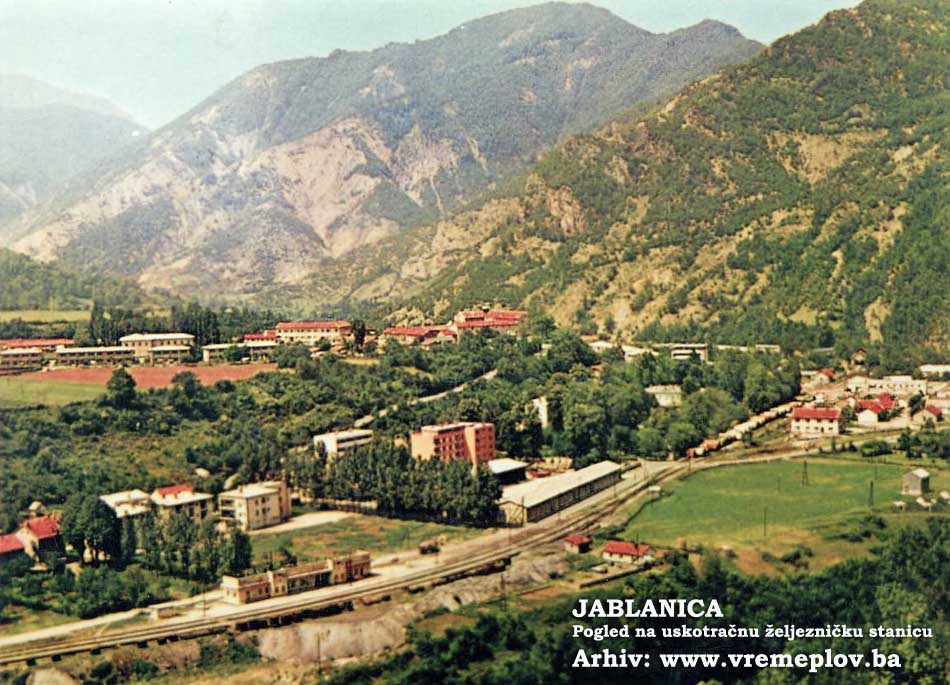
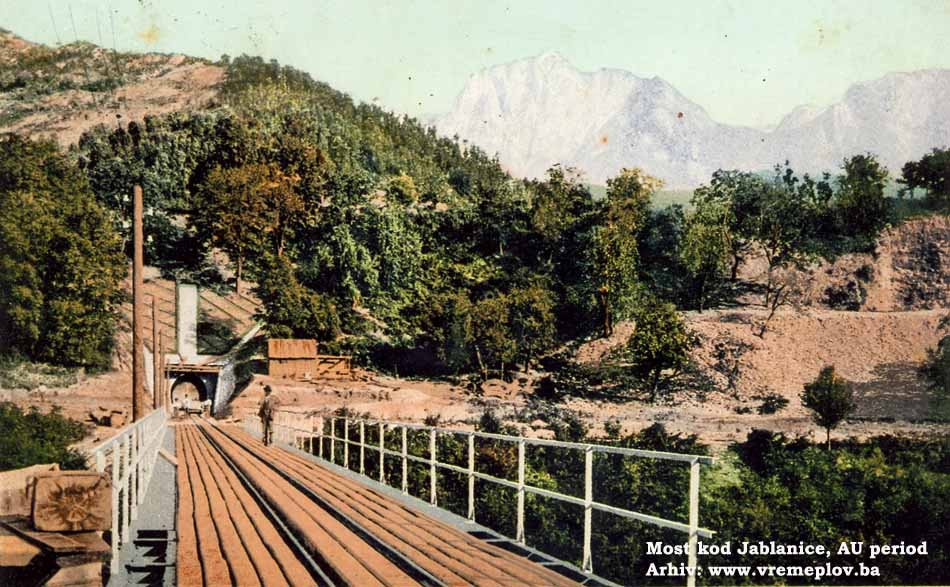
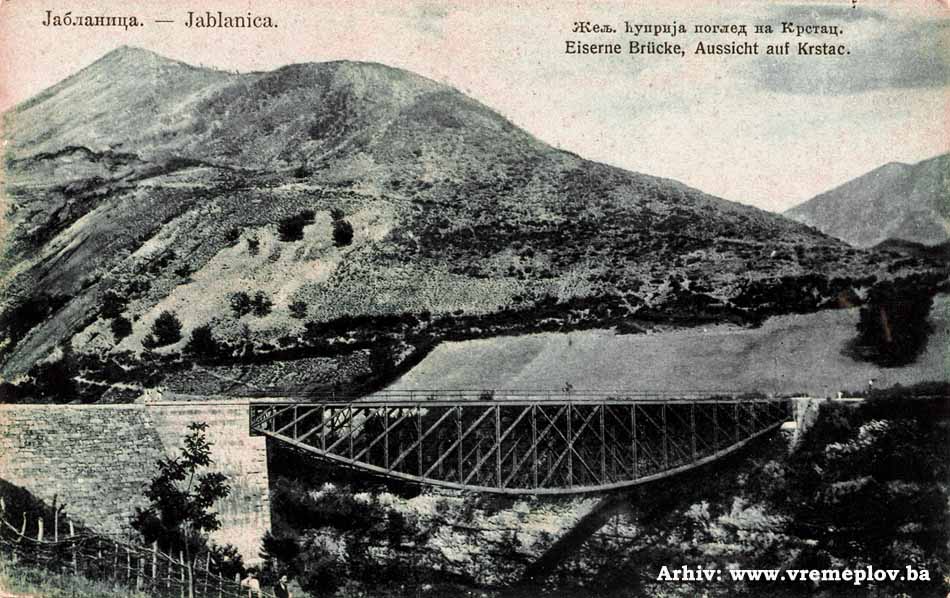
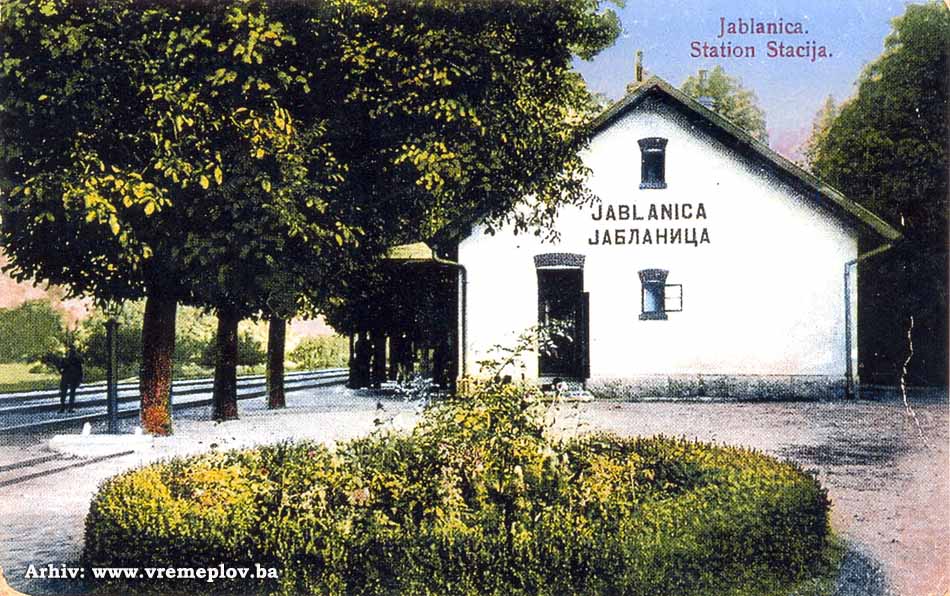
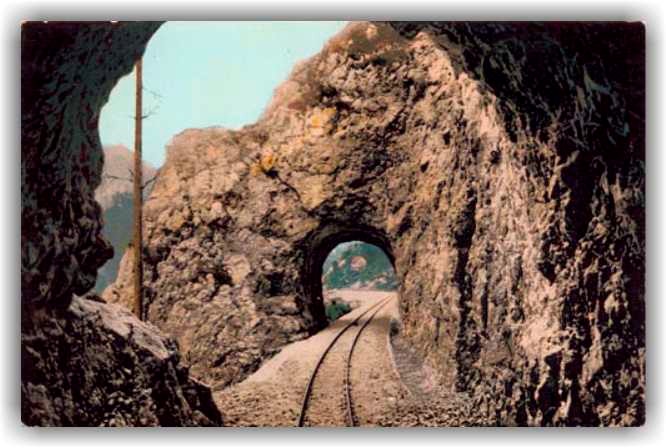
At the beginning of 1887, work commenced on the railway section from Mostar to Jablanica, Rama, and Ostrožac, and it was opened for public traffic on August 22, 1888. A part of the railway from Ostrožac, Lisičići, to Konjic was completed and put into operation on November 10, 1889. The segment of the railway from Konjic to Sarajevo posed a difficult challenge for engineers, who had to solve the problem of crossing the watershed between the Neretva River basin and that of Bosnia. The technically feasible route chosen was over Ivan Sedlo, with a length of 79 kilometers (*the second option over the Pogorelice pass with an 895-meter tunnel, through Fojnica to Visoko, length 96 km, was abandoned*). This route involved a 648-meter tunnel through which a steep ascent and descent of up to 60 per thousand was to be overcome, with the use of rack railway technology planned for the sections from Konjic (*Podorašac – Bradina, 8.1 km*) towards Ivan Sedlo, as well as from Ivan Sedlo to Pazarić (*Bradina – Raštelica and Tarčin – Pazarić, 10.7 km*).
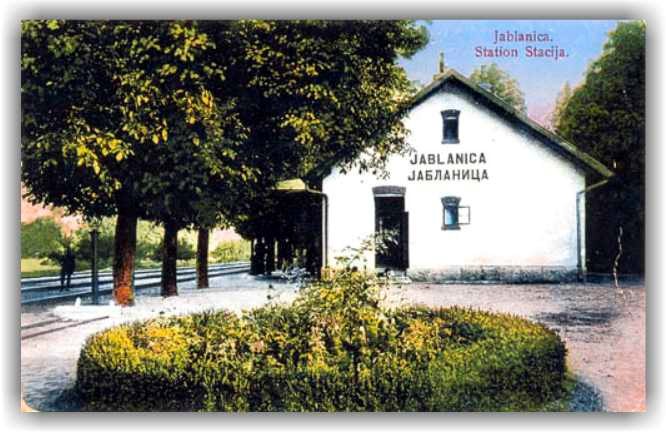
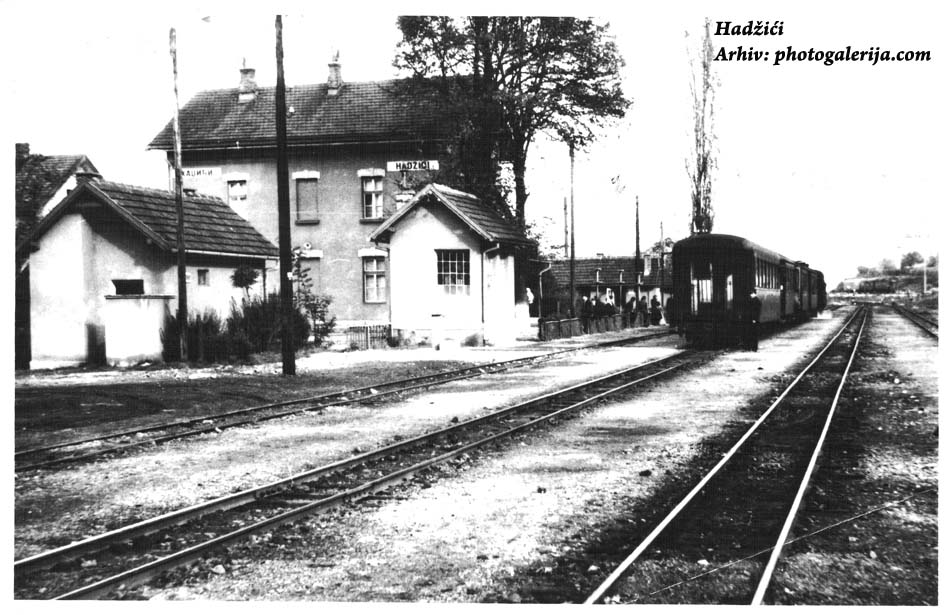
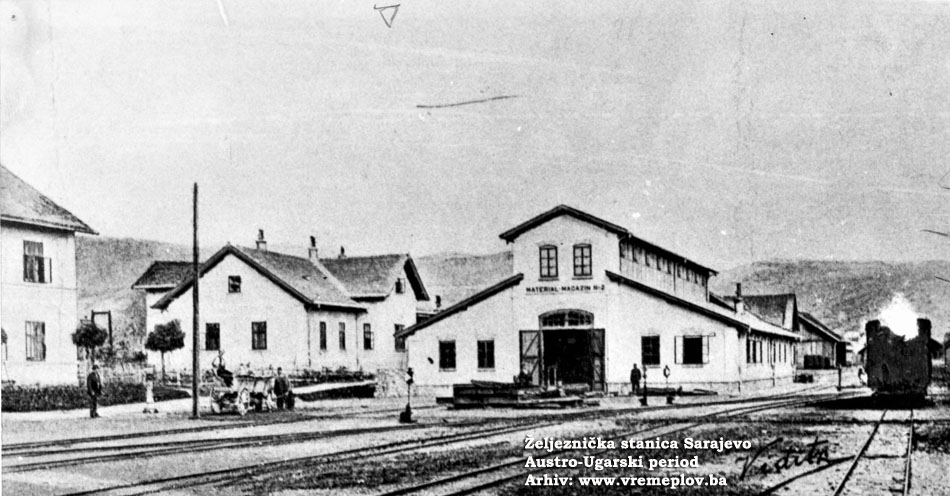
The entire line to Sarajevo, spanning 178.4 km, was completed on August 1, 1891, finally establishing a continuous railway connection between Sarajevo and Metković. With the railway linking Mostar to Sarajevo, travelers from Mostar could journey to Vienna, Budapest, Prague, Paris, and even Istanbul aboard the famous “Orient Express.” It is worth mentioning that Emperor Franz Joseph I, during his official visit to Sarajevo, arrived in Mostar on June 3, 1910, by a special royal train (Budapest – Brod – Derventa – Sarajevo) and returned the same day. Additionally, Crown Prince Franz Ferdinand traveled to Bosnia and Herzegovina by a special train from Metković to Sarajevo during his visit on June 23, 1914. As is well known from history, he was assassinated on June 28, and his body was transported by train to Metković on June 30, 1914.
The Construction of the Dalmatian Railway – Dalmatiner Bahn
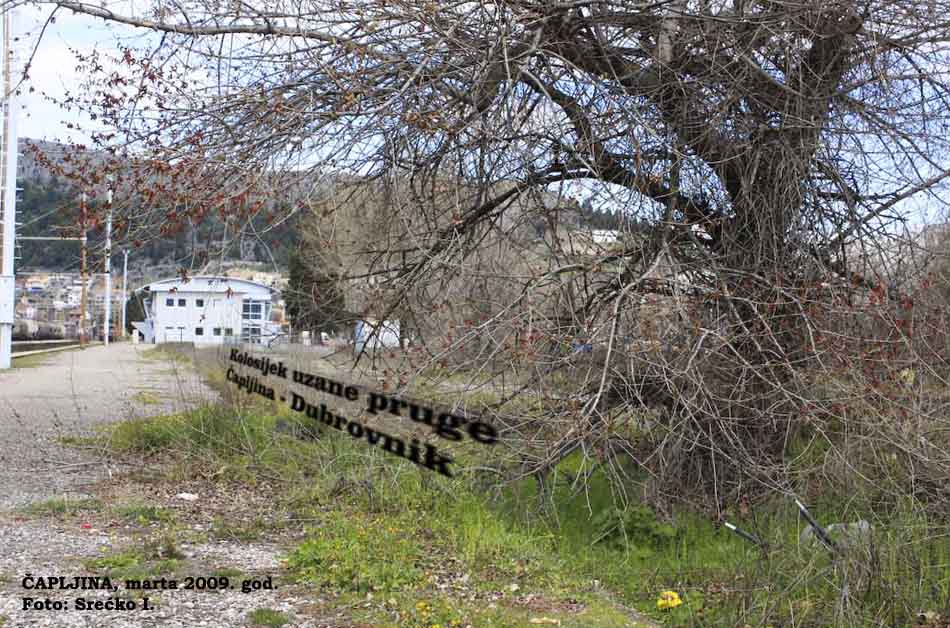
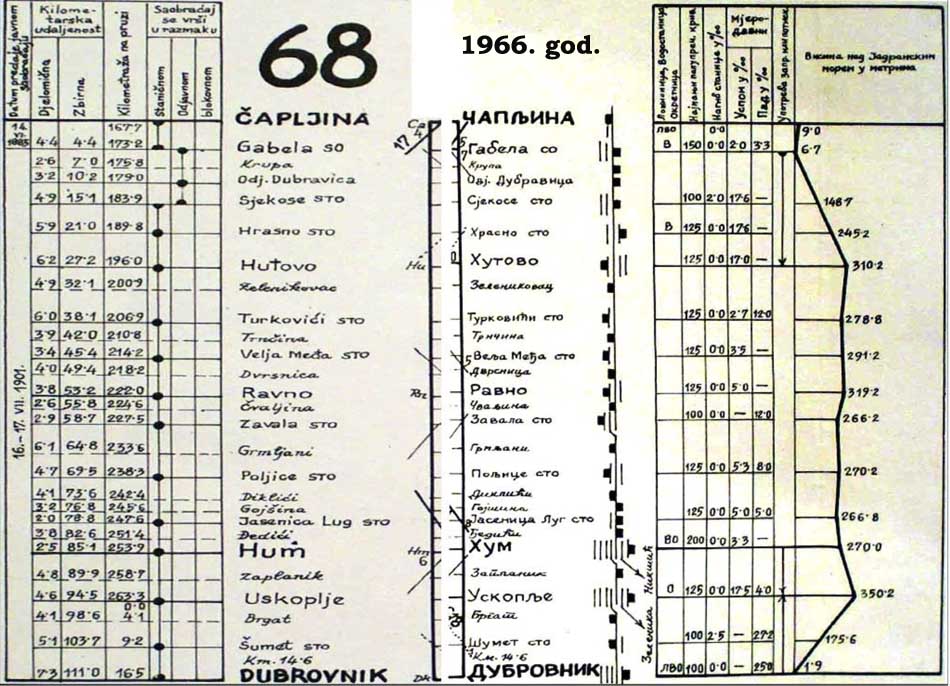
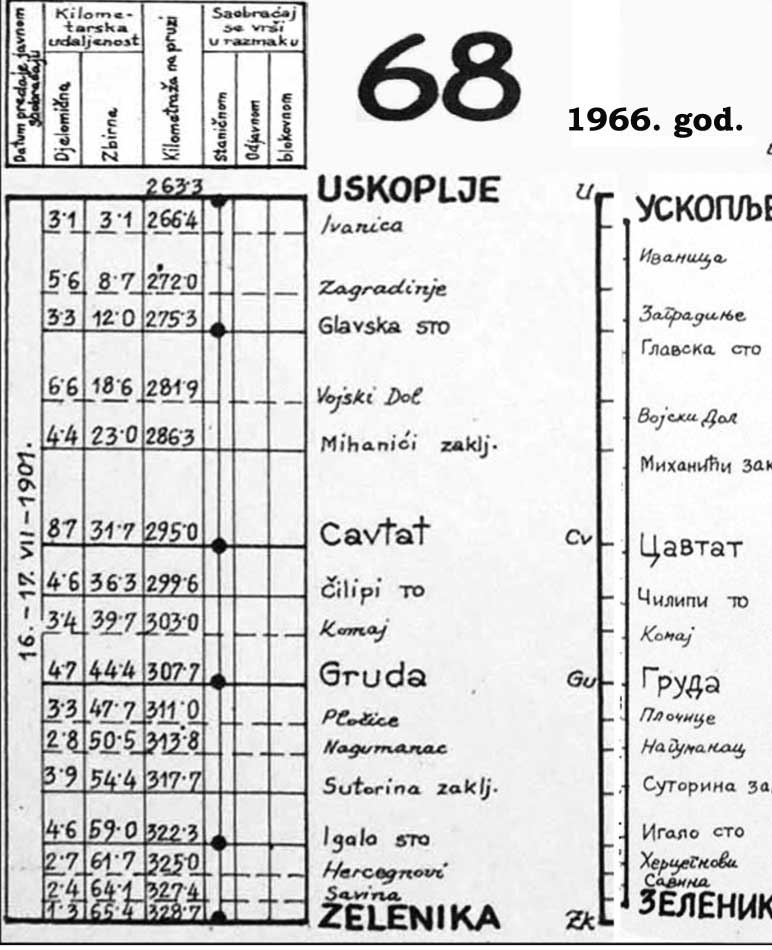
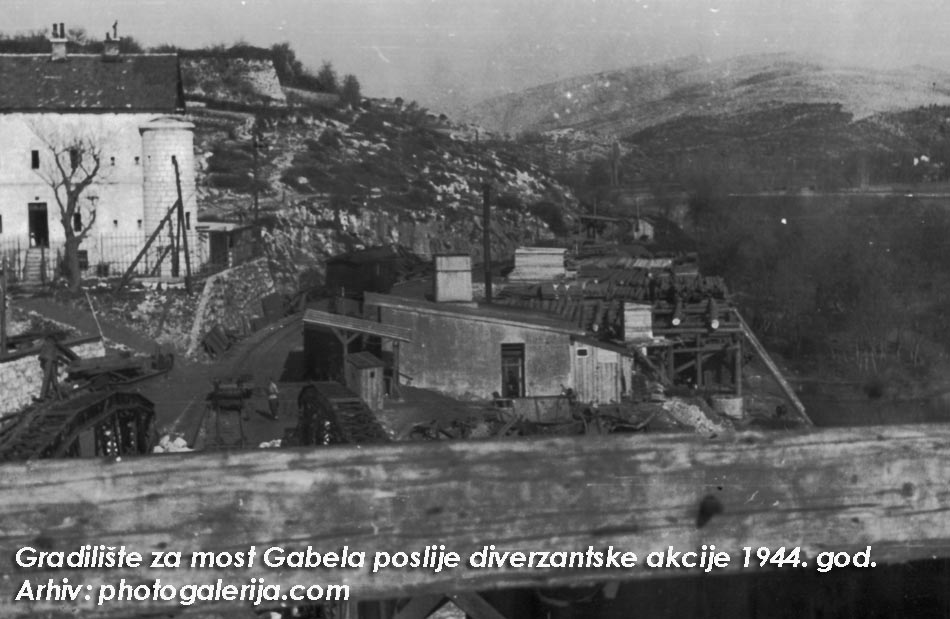
Herzegovina’s desire to connect with Dalmatia via a railway line (Kingdom of Croatia, Slavonia, and Dalmatia 1868-1918) — specifically with Split and Dubrovnik, or Herceg Novi and Boka Kotorska (Austrian imperial possession from 1814 to 1918) — will only be realized in ten years. Namely, after securing the necessary funds and by imperial decree on July 7, 1898, the Bosnian-Herzegovinian administration began constructing the railway from Gabela station to Uskoplie (Herzegovina Railway, 93 km) and to Gruž station (Dalmatian Railway, 16.5 km) by the end of the same year, totaling 109.5 kilometers. From Uskoplie, another branch extended toward Glavska (Herzegovina Railway, 21 km) and was built to Zelenika in the Boka Kotorska Bay (Dalmatian Railway, 53.4 km), with a total length of 74.4 kilometers. It should be noted that this branch of the Dalmatian connecting railway, 7.4 kilometers long, crossed through Herzegovinian territory, as Bosnian land, near Sutorina, and was constructed at the expense of the BH administration. This was because the contractors working on Herzegovinian territory were managed by the Construction Department of the State Government in Sarajevo, while on Dalmatian territory, they operated through their own regime, managed by the Austro-Hungarian Imperial Railway Directorate from Vienna.
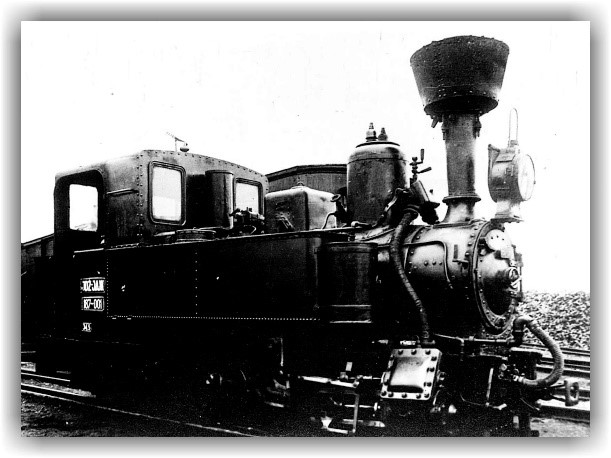
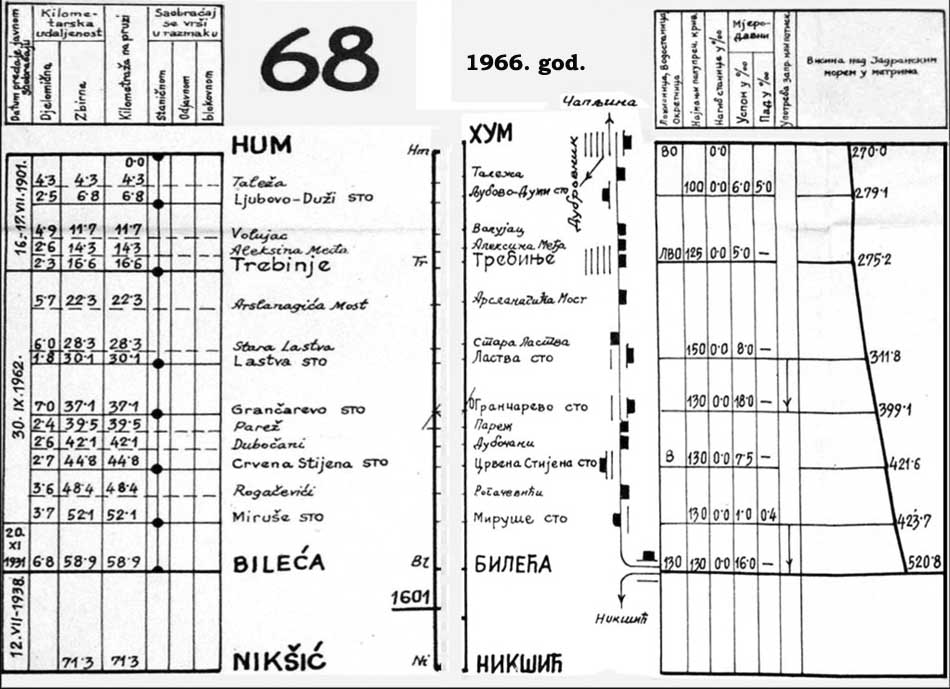
Similarly, the construction of the railway branch from Huma station to Trebinje, measuring 16.6 kilometers, was underway. In mid-July (the 16th and 17th) of 1901, the railway line Gabela – Trebinje, Gabela – Gruž (Dubrovnik), and Gabela – Zelenika was opened to public traffic. Under a special agreement, operation on these lines was managed by the Directorate of the Bosnia-Herzegovina State Railways on behalf of the Austro-Hungarian Imperial Railways.
In his spirit, Benjamina von Kállay (joint Minister of Finance of Austria-Hungary and Governor of Bosnia and Herzegovina from 1882 to 1903) directed his financial and economic policy towards strengthening the economic potential of our country, so these railways (Sarajevo – Metković, Gabela – Hum – Trebinje, Uskoplje – Glavska, and the territory of the Sutorina area) were built at the expense of the provincial Bosnian-Herzegovinian government. Although the construction of these railways was inspired by military motives of the dual monarchy, Bosnia and Herzegovina also held a certain economic and general transportation significance.
**Reconstruction of the Pazarić – Bradina Railway Line**
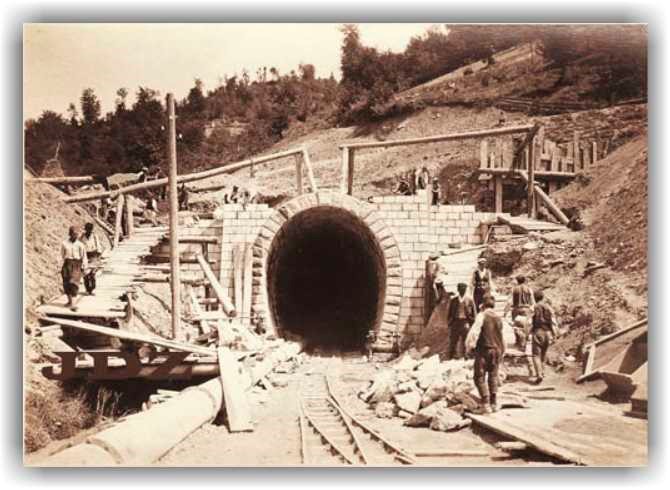
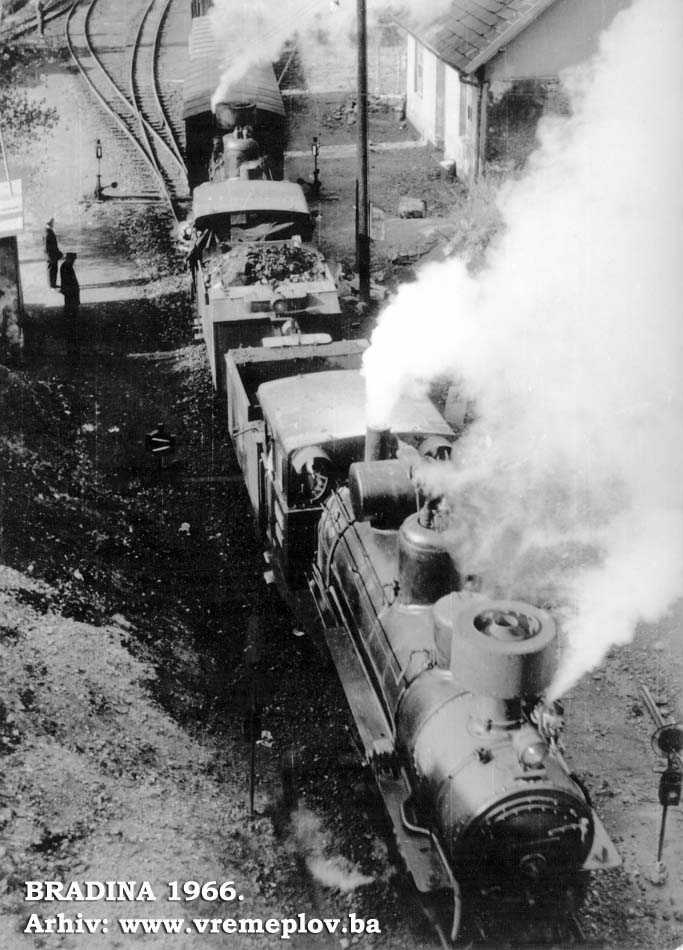
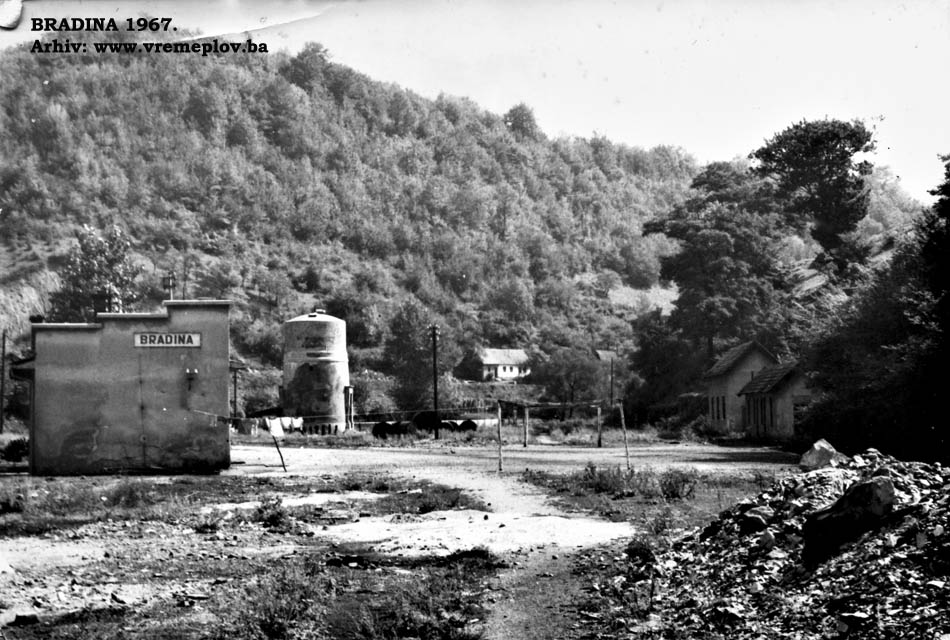
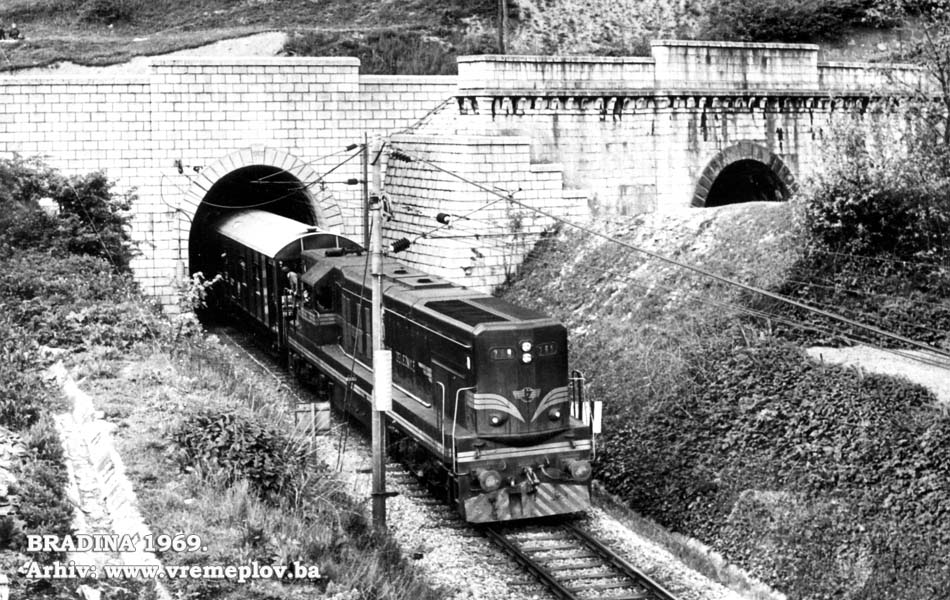
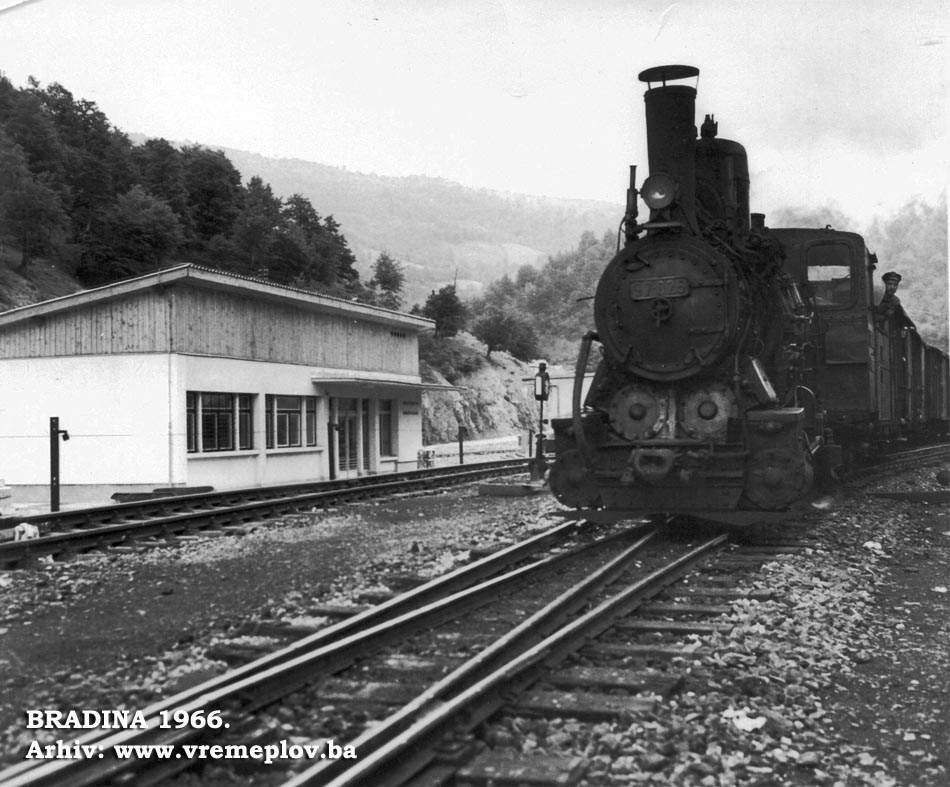
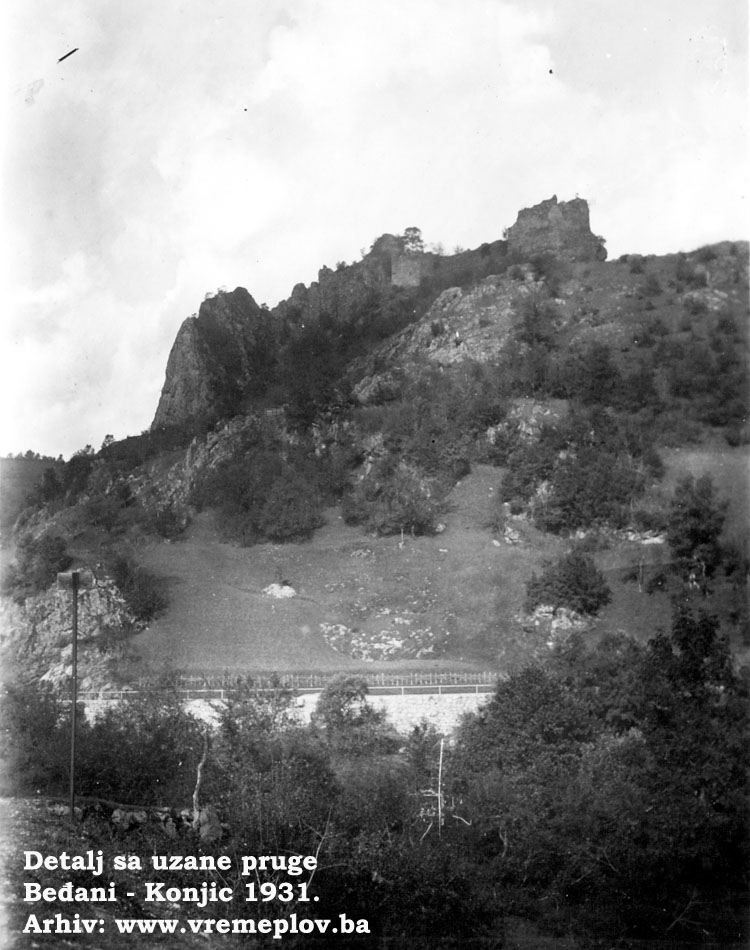
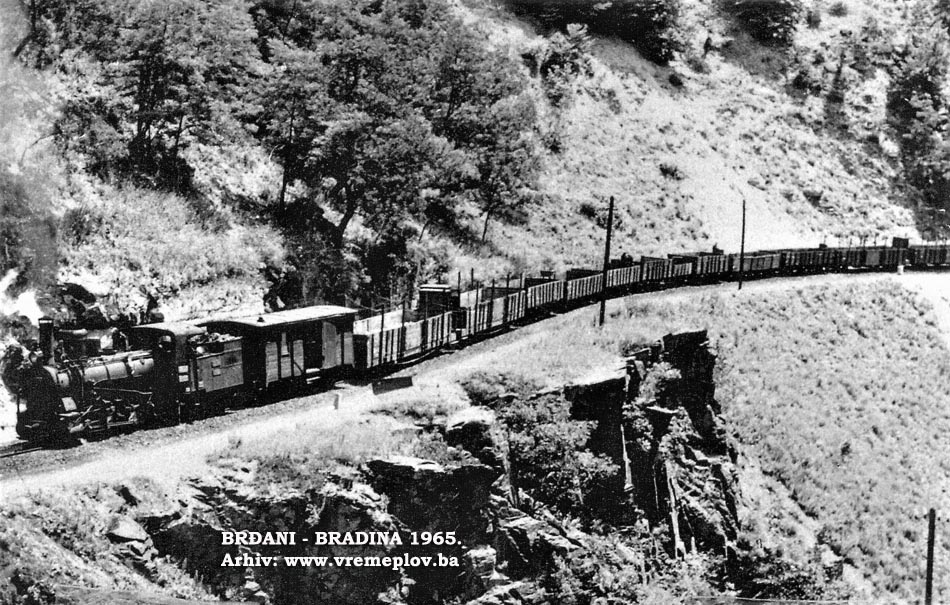
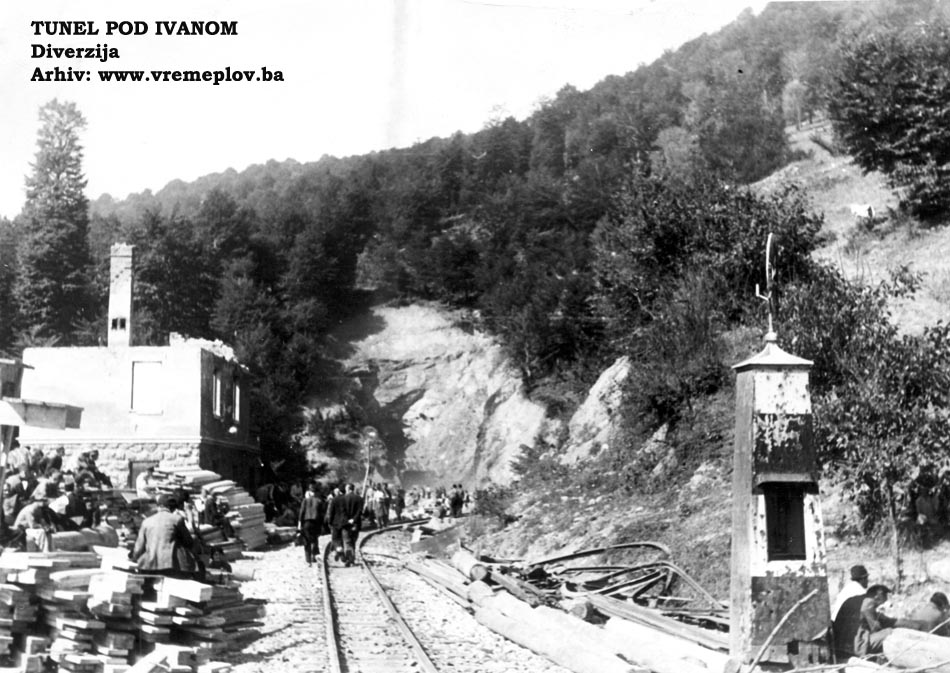
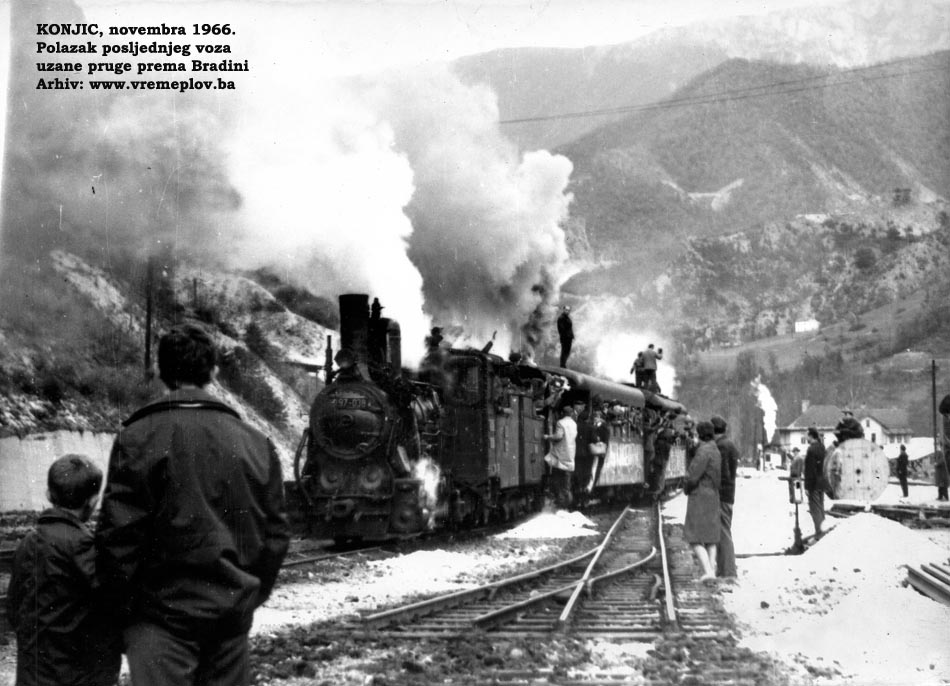
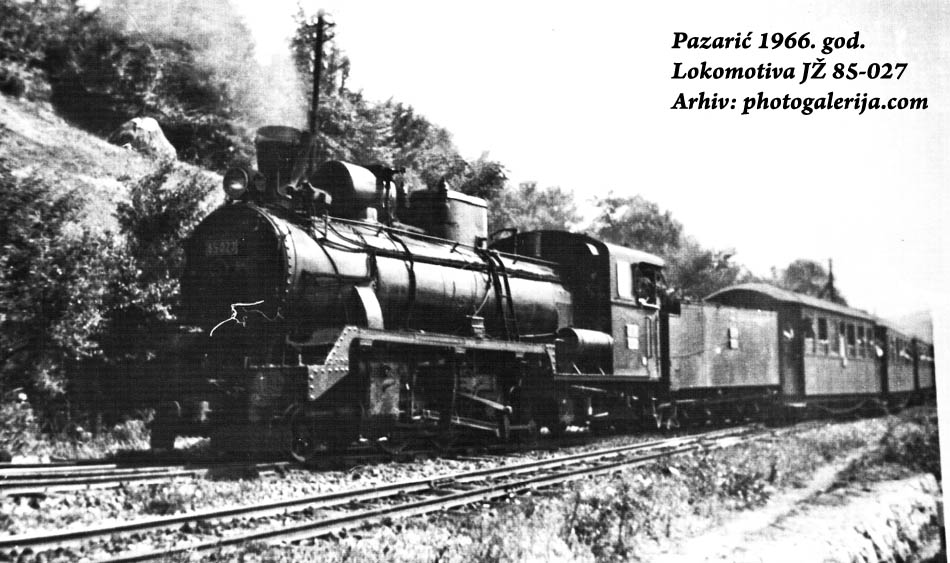
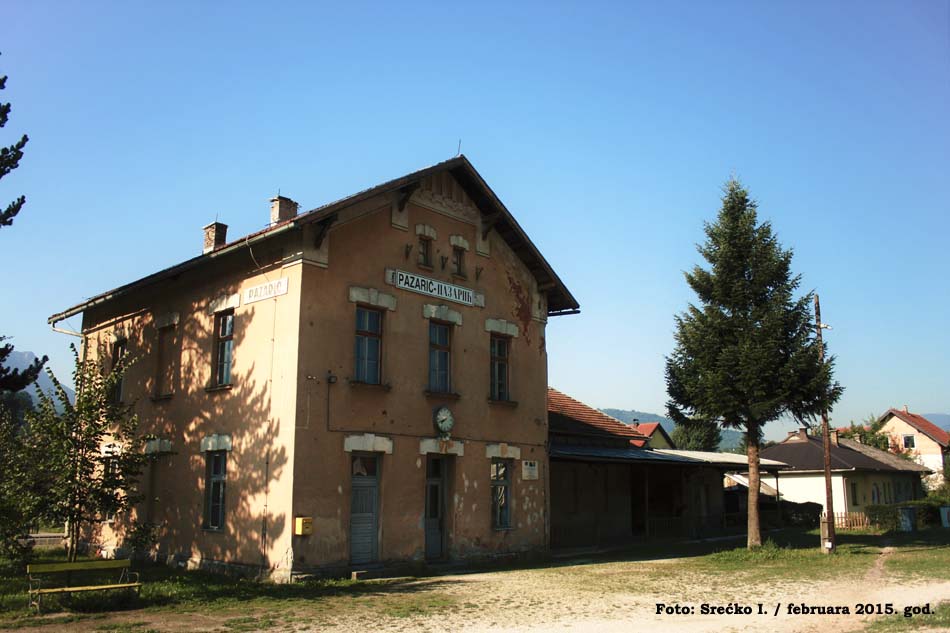
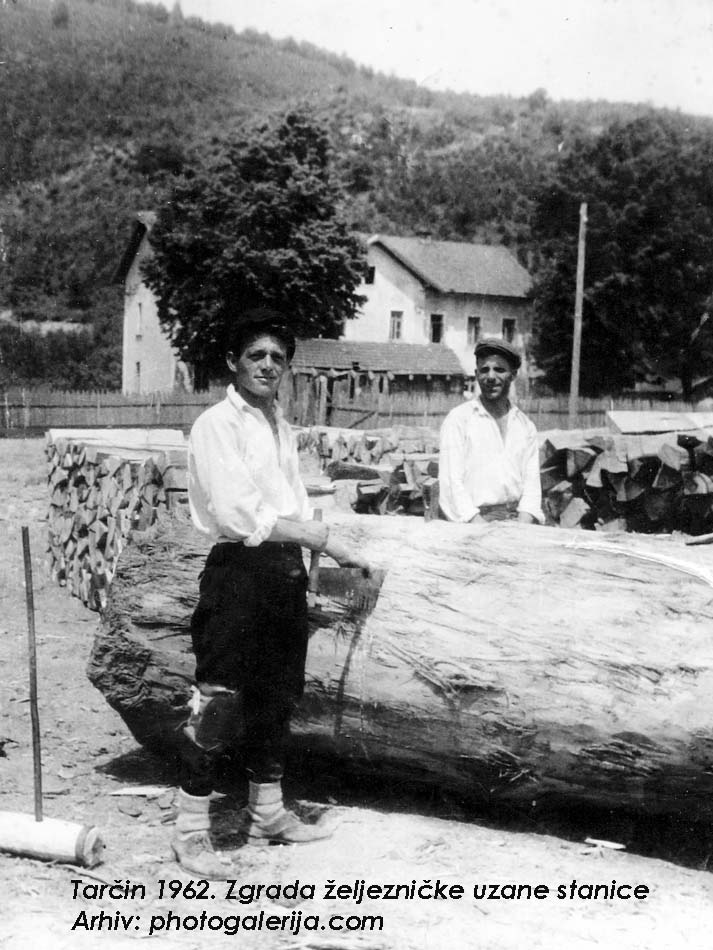
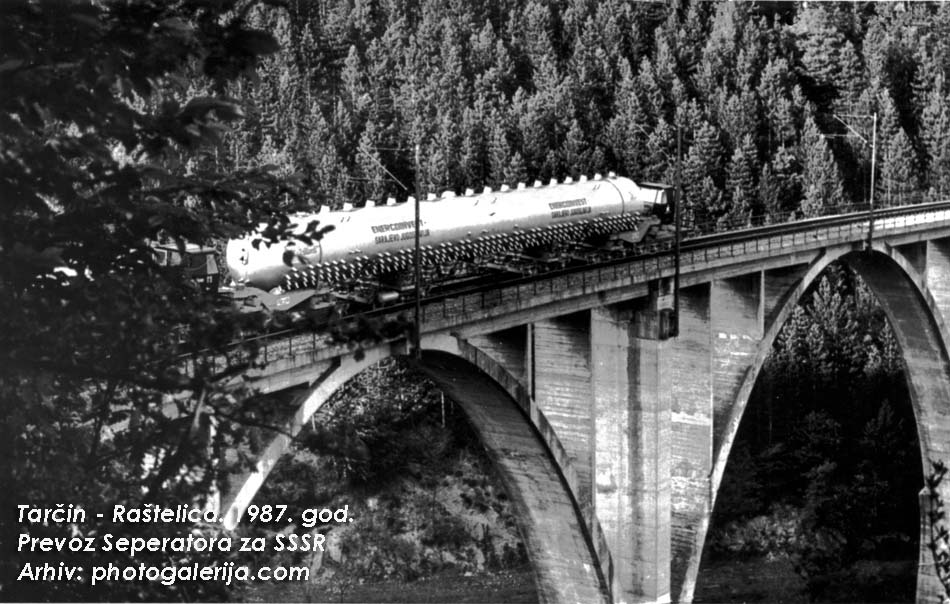
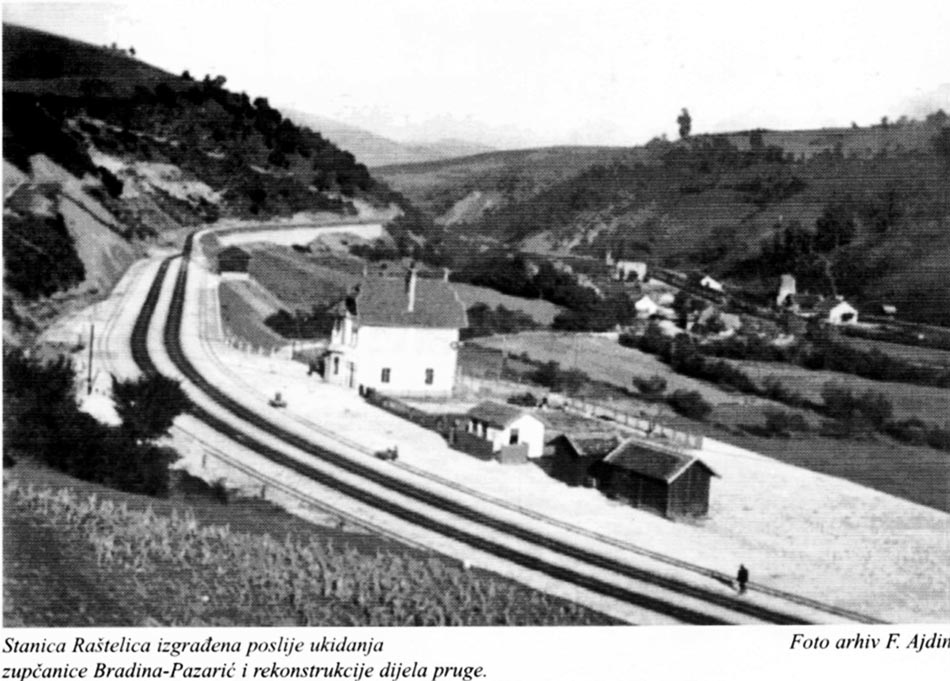
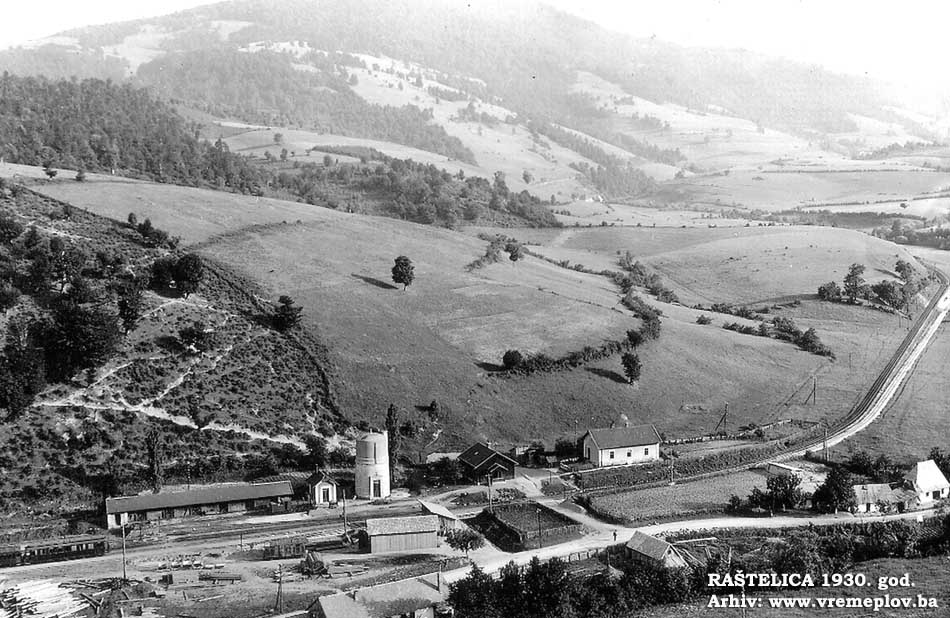
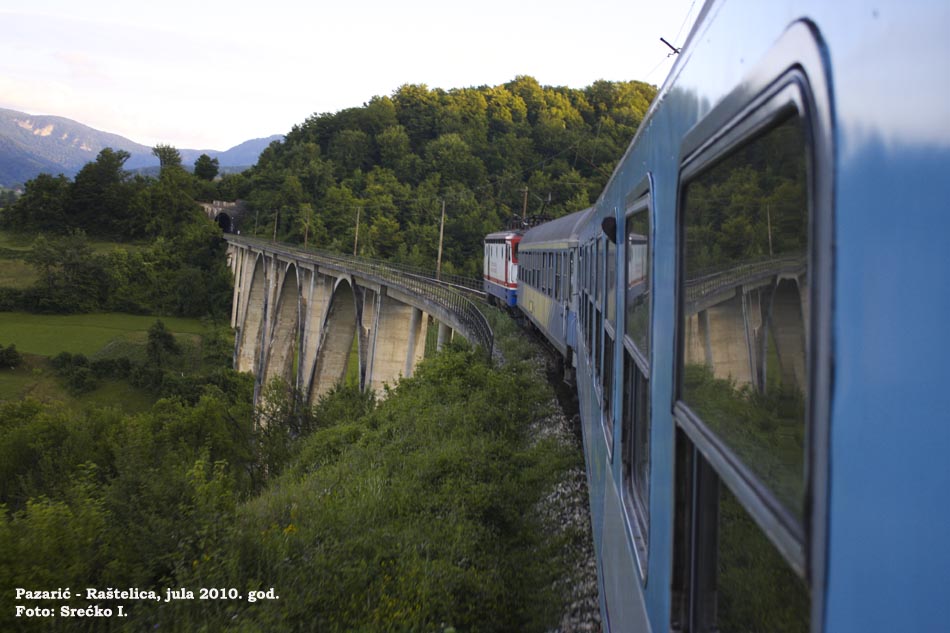
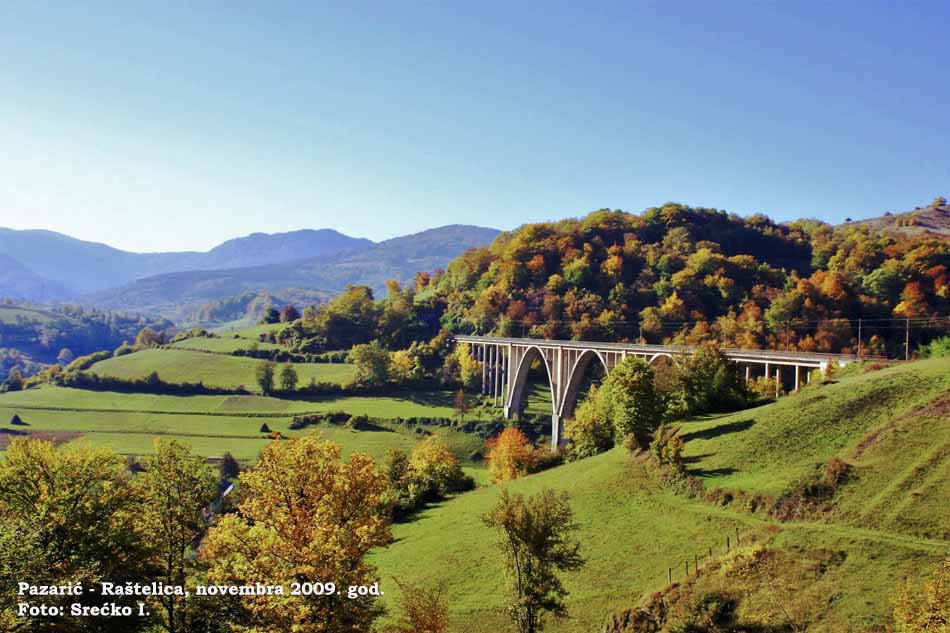
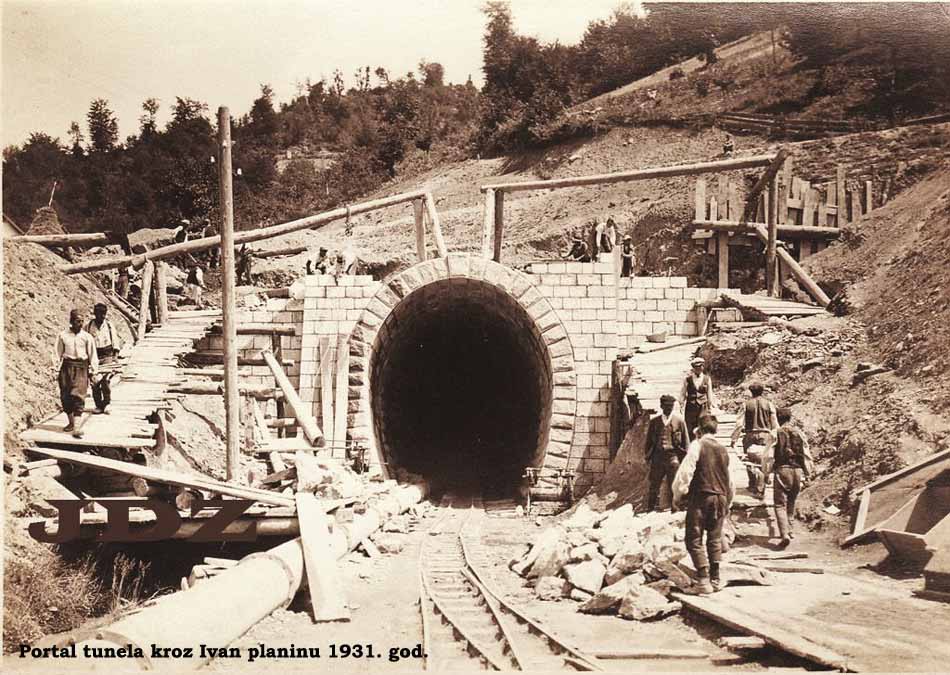
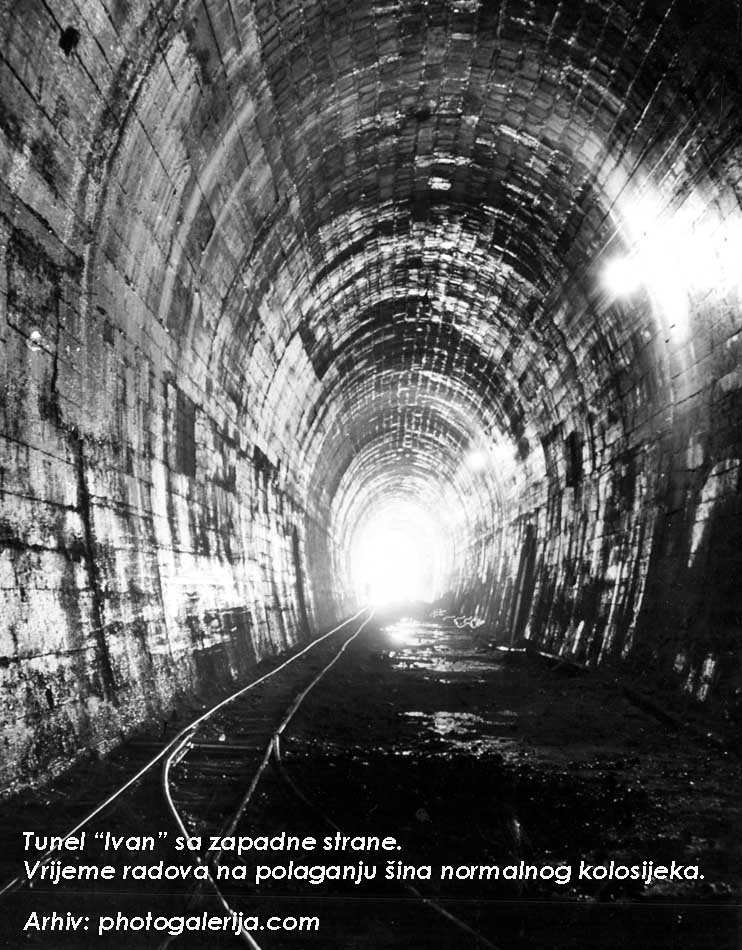
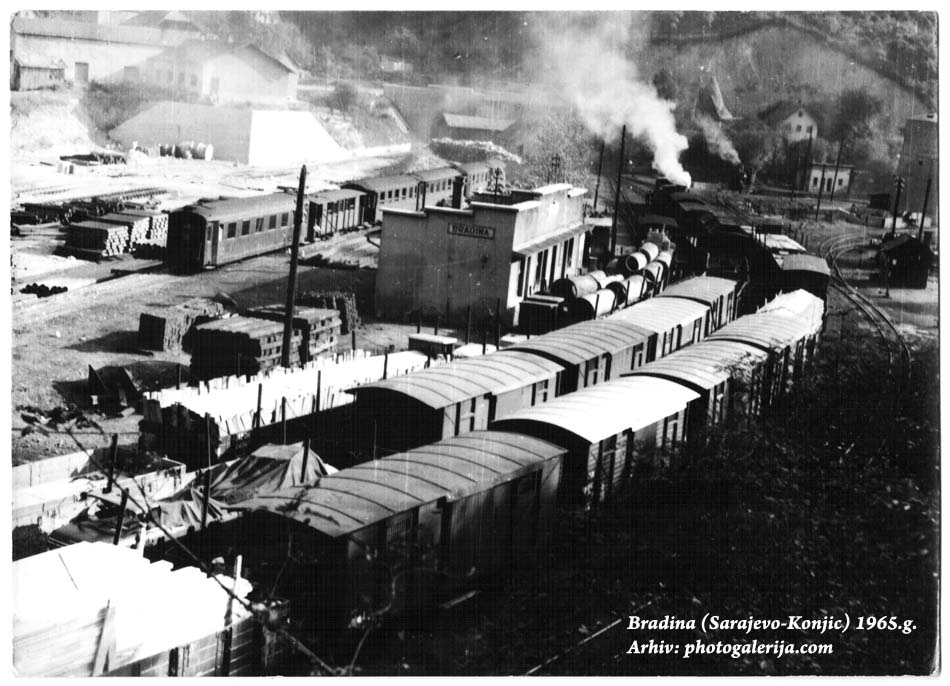
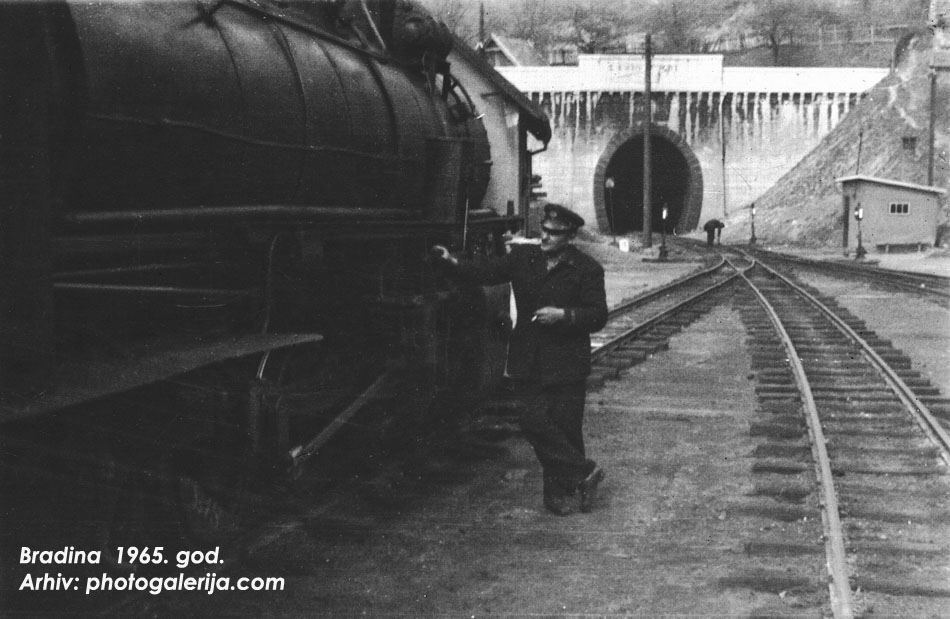
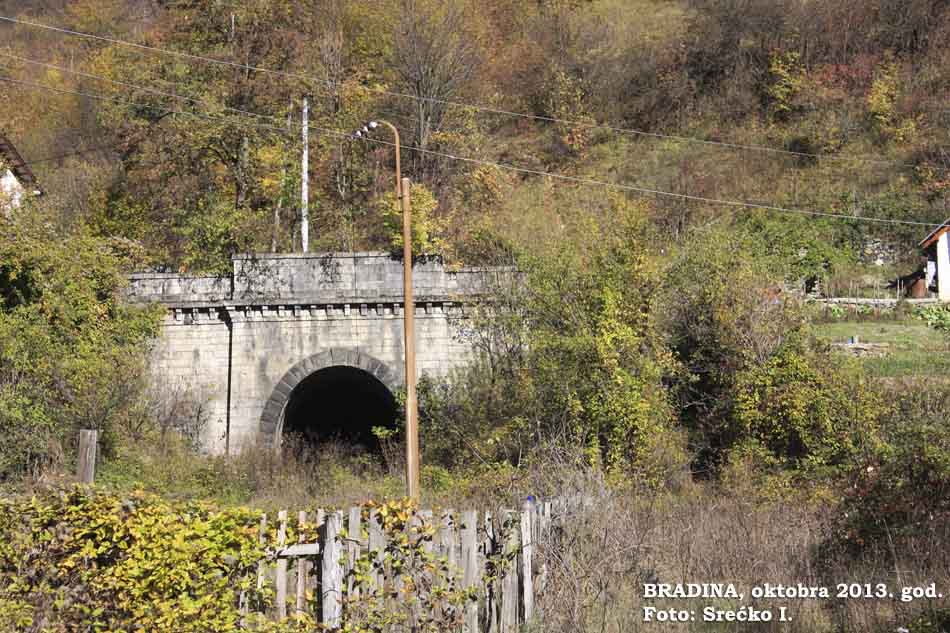
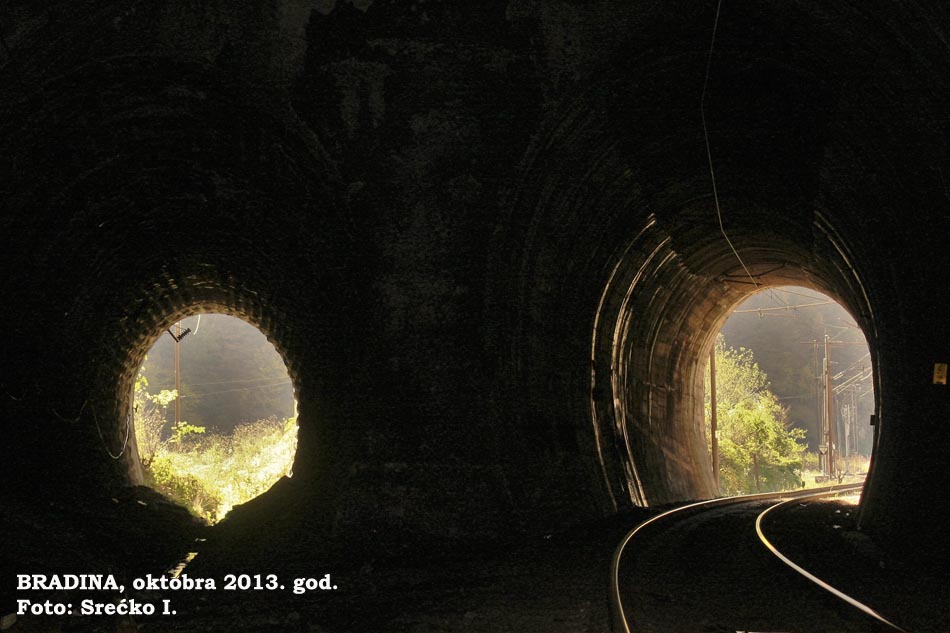
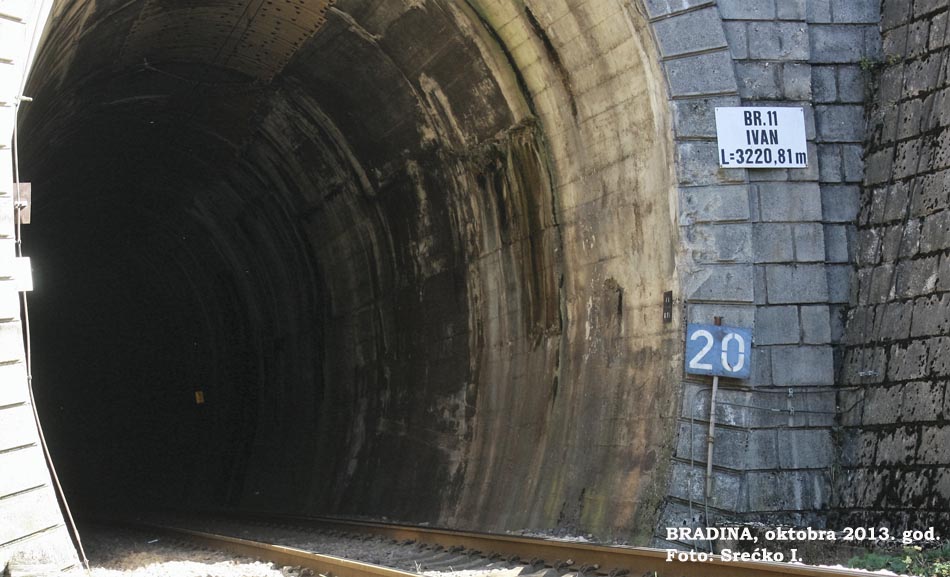
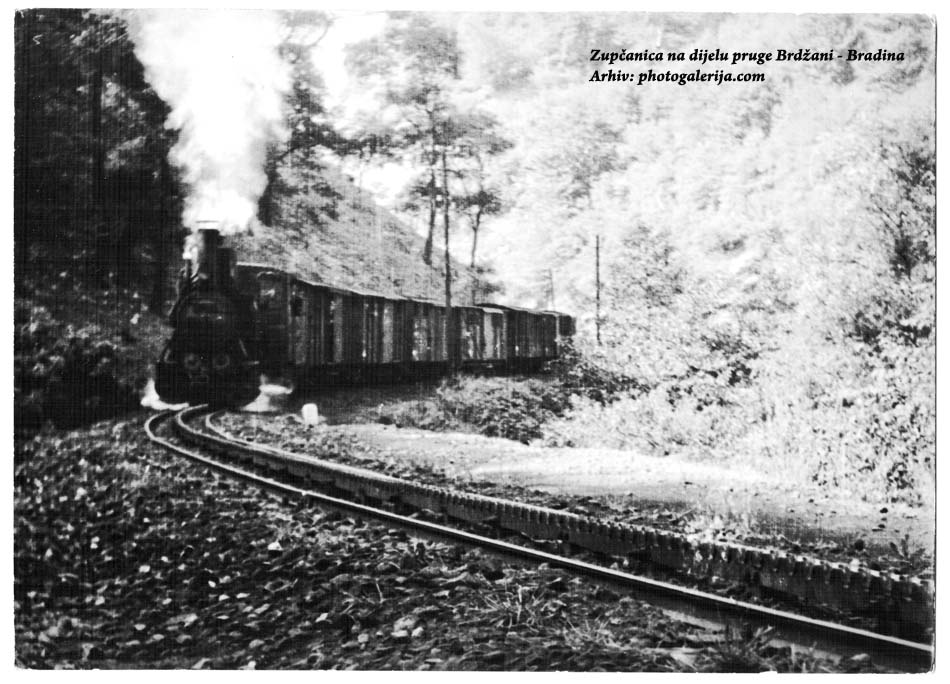
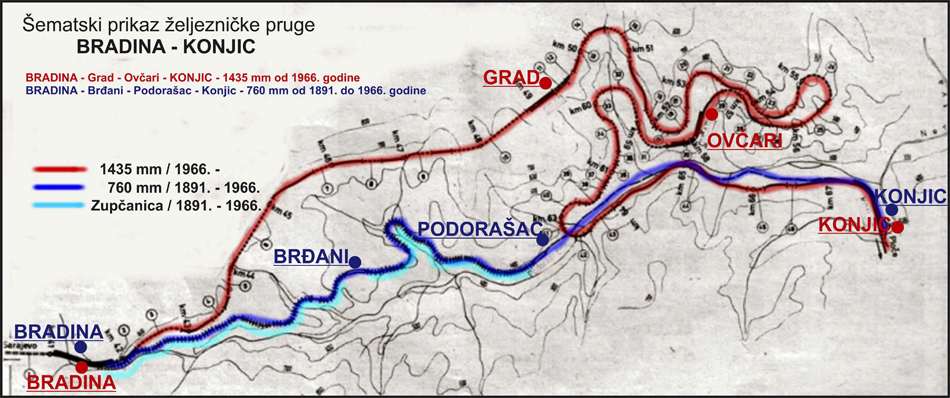
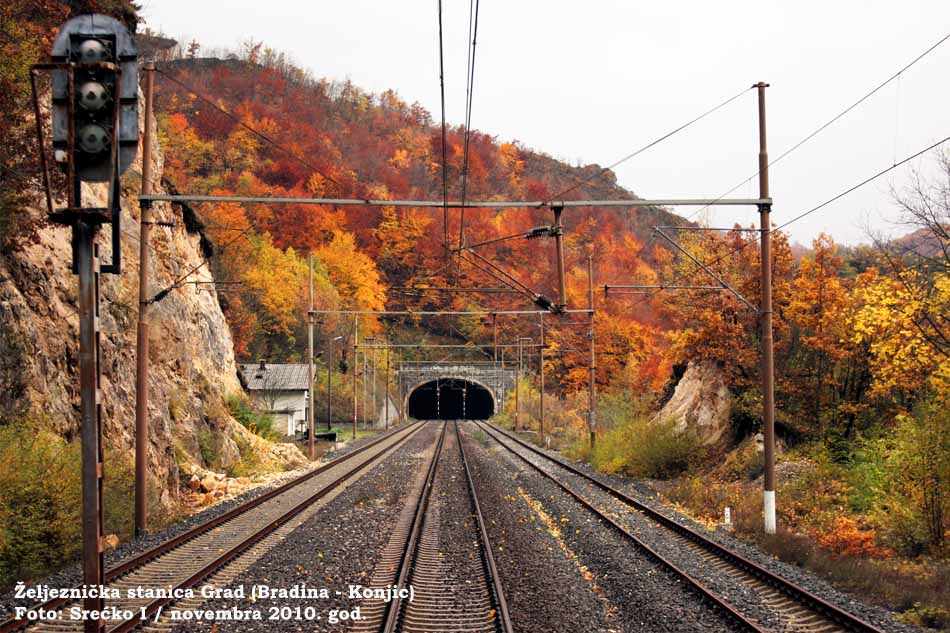
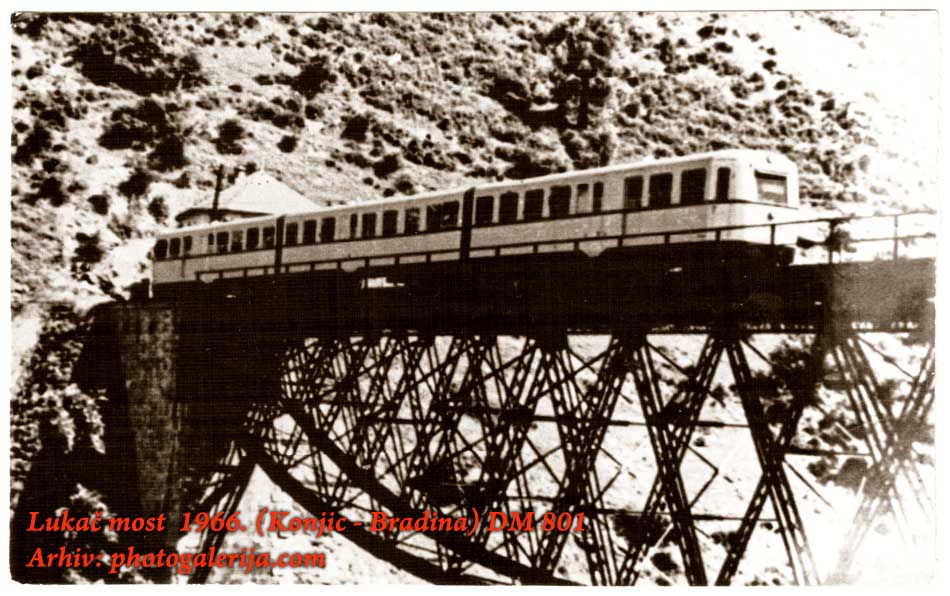
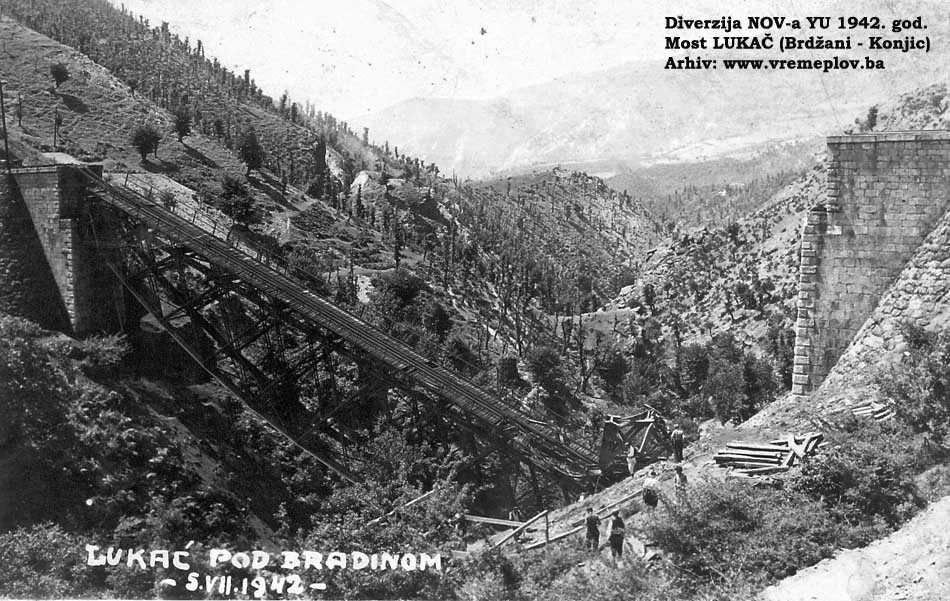
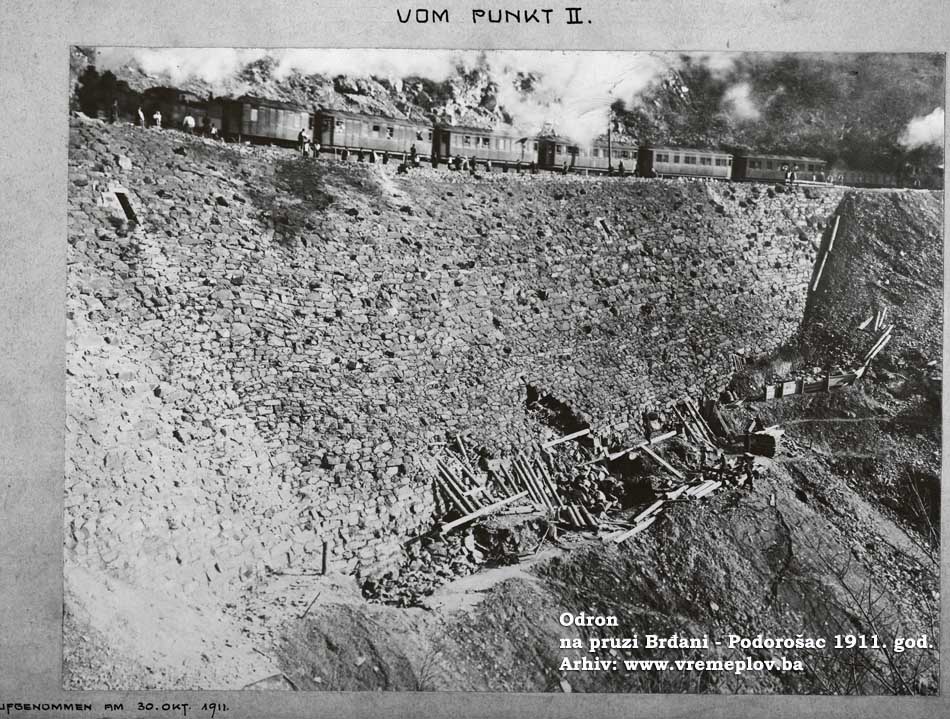
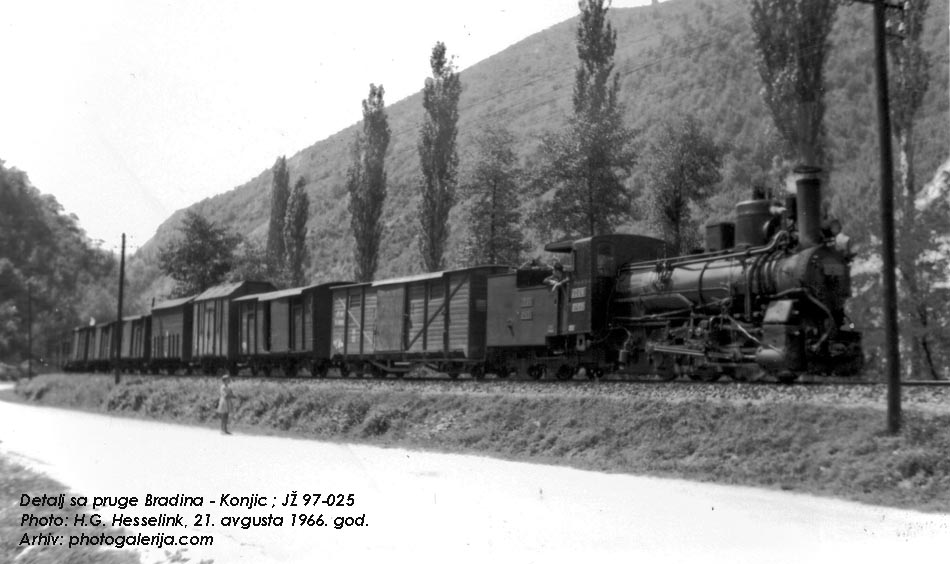
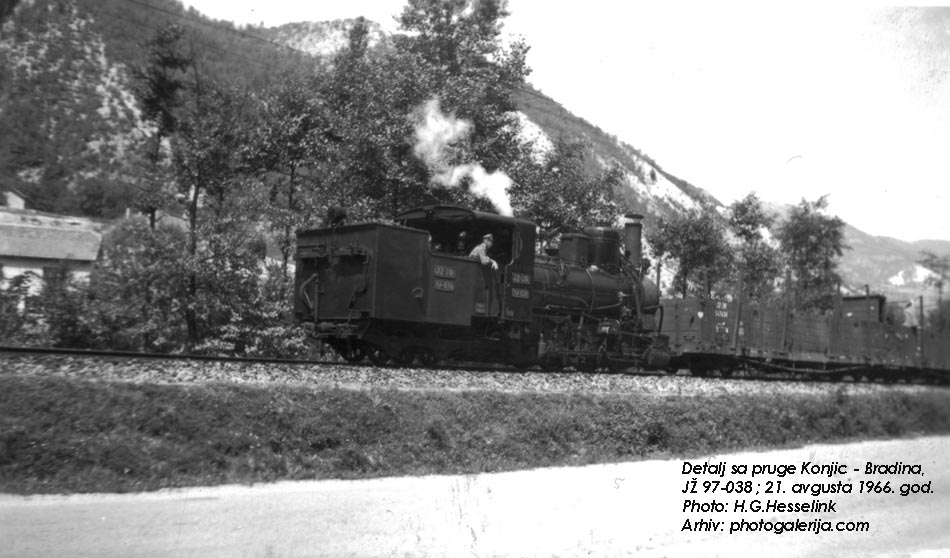
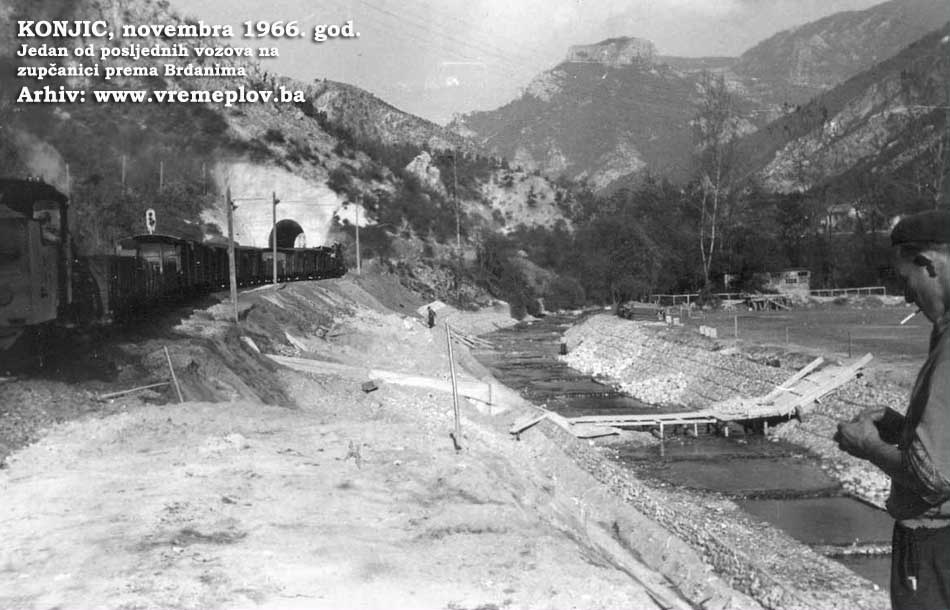
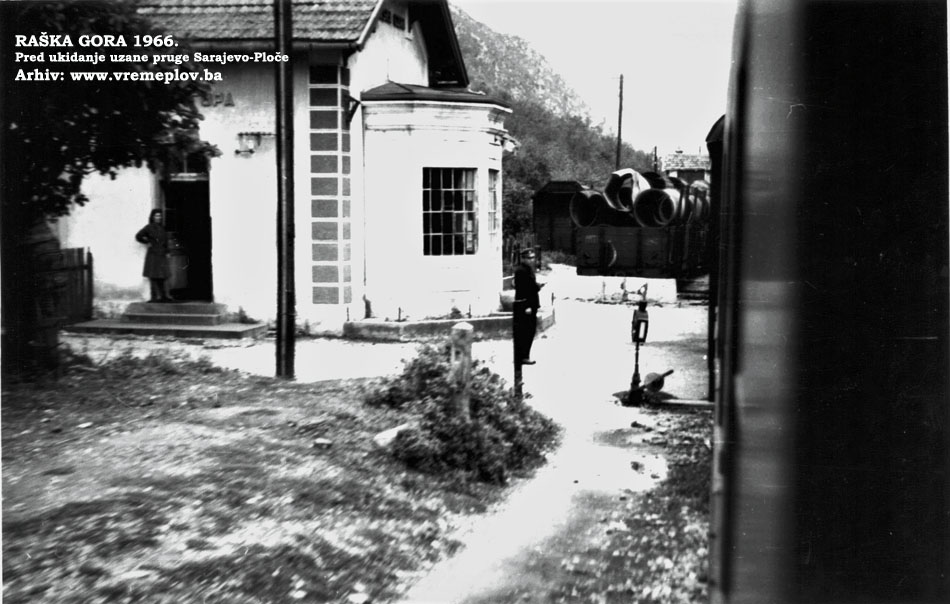
The first reconstruction, or changes along the route from Sarajevo to Metković, took place with the decision made on April 24, 1930, by the Economic Conference of the Drina Banovina regarding the execution of the reconstruction of the Pazarić – Bradina – Konjic railway. The primary reason was to replace the adhesion gear with a adhesion track in order to overcome the elevation difference and the steep incline of the railway, which was about 60‰. The initial works began with the drilling of a new tunnel through Ivan Mountain, measuring 3,221.23 meters, and part of the new route (rerouting) from the Raštelica station to Bradina, which were completed by April 9, 1931. The continuation of the works involved laying out the new adhesion railway Pazarić – Tarčin – Raštelica by constructing the Osenik tunnel, so that the entire section from Pazarić to Bradina was opened for traffic on October 27, 1935. Although the adhesion gear was definitively removed from this part of the railway, a section from Bradina to Brđani to Podorašac was not reconstructed, leaving the adhesion gear in place over a length of 8.1 km until its removal in 1966.
Rail Connection to the Adriatic Sea and World War II
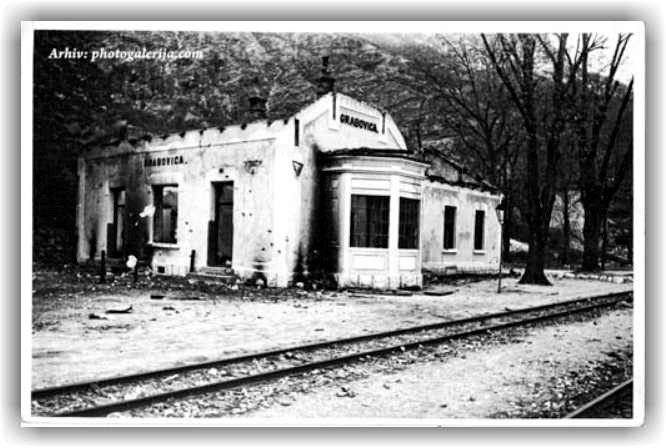
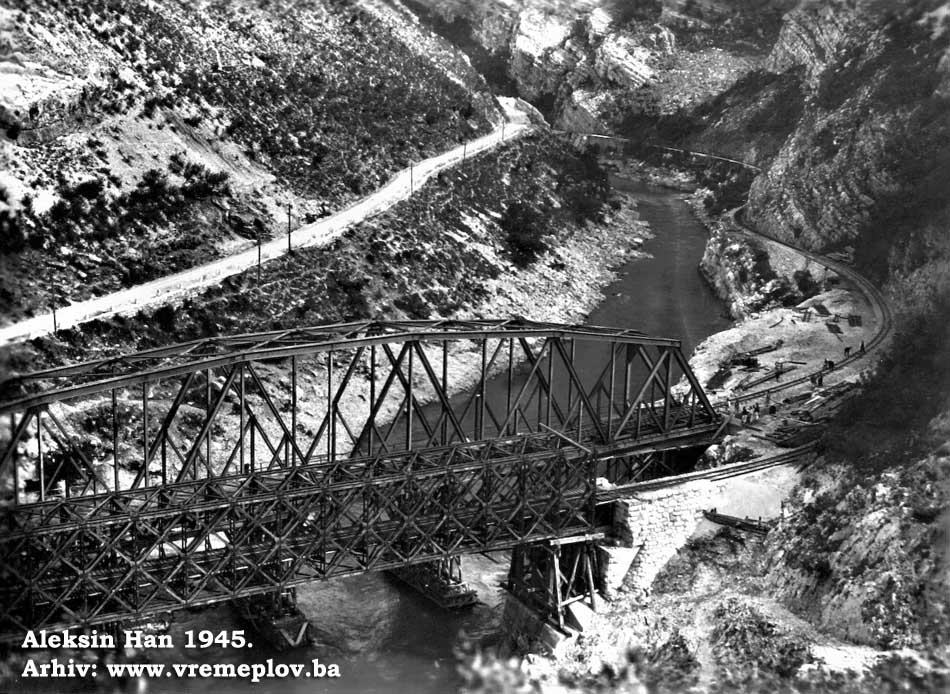
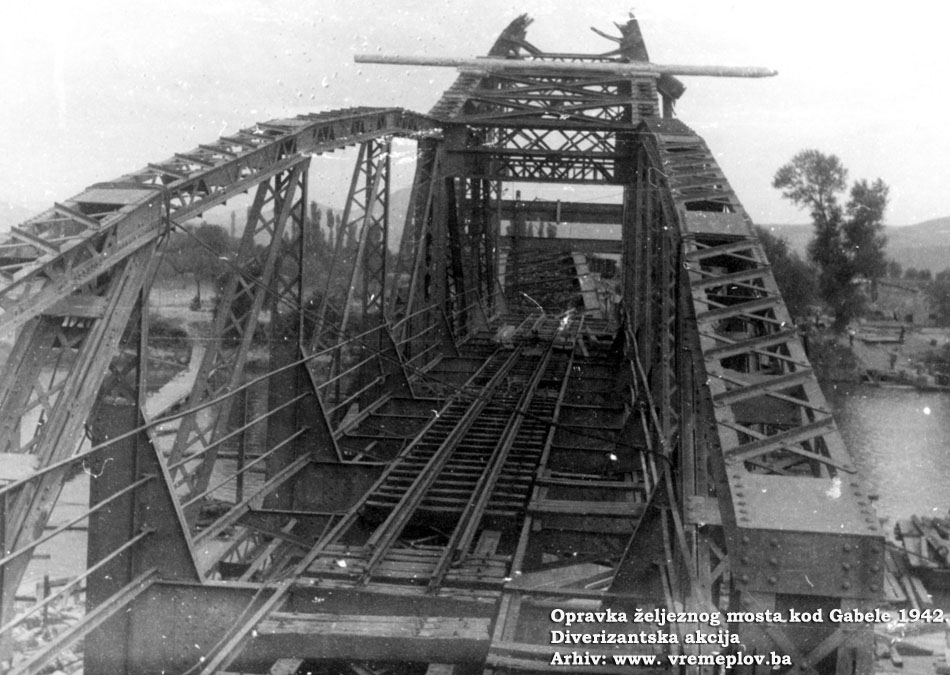
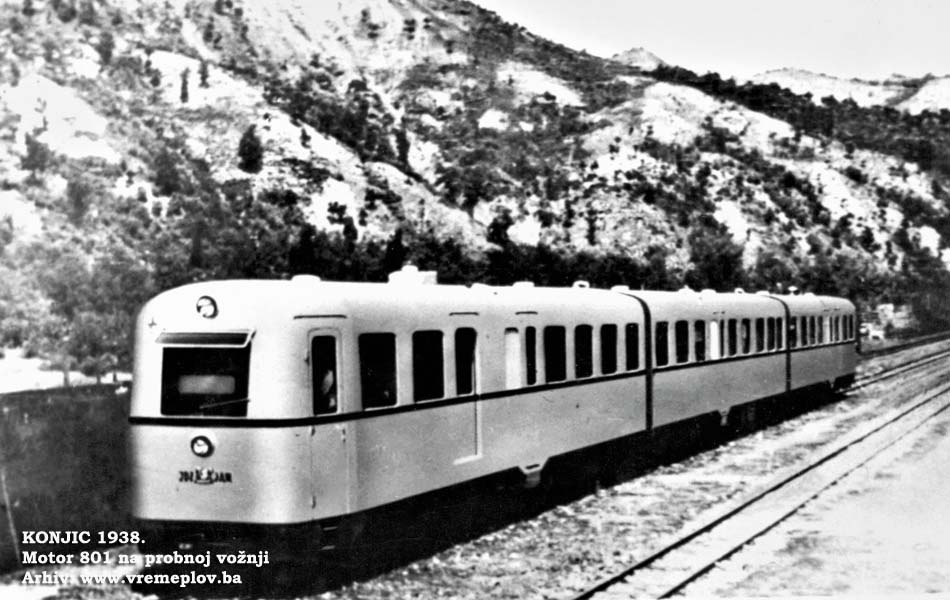
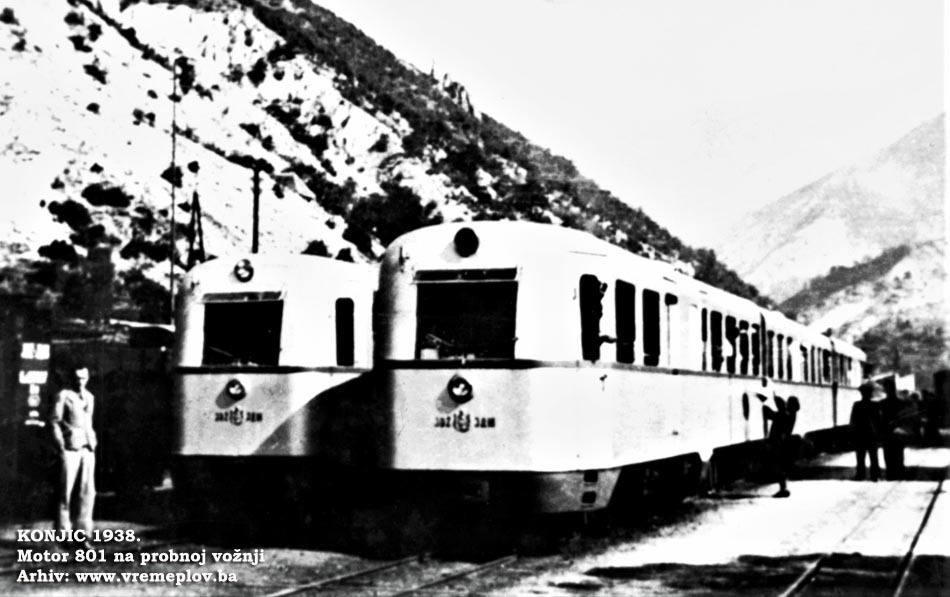
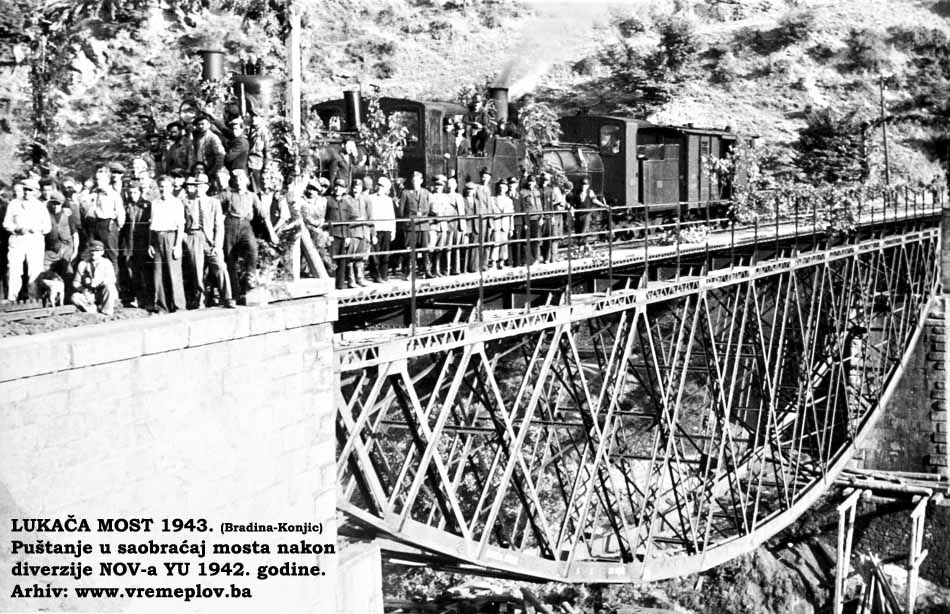
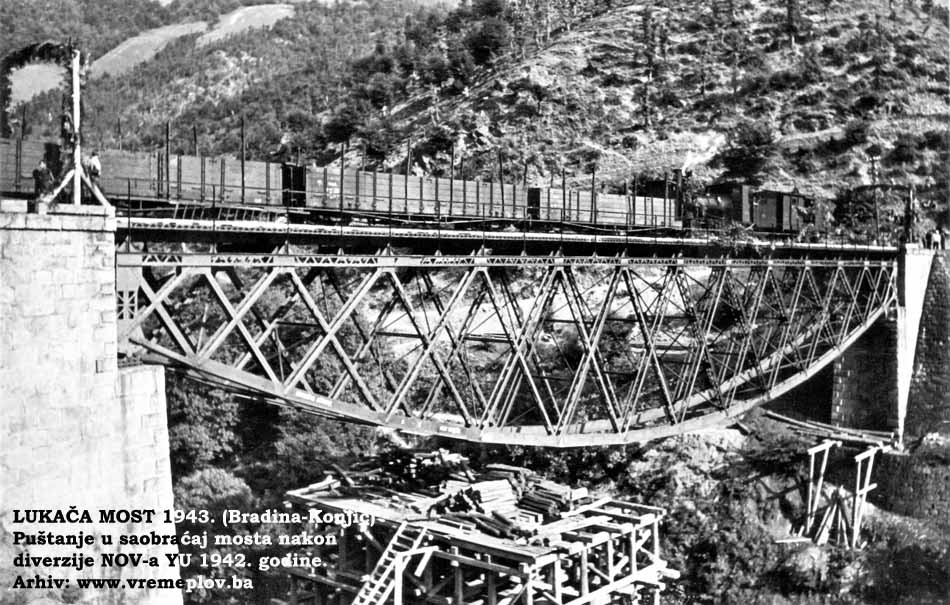
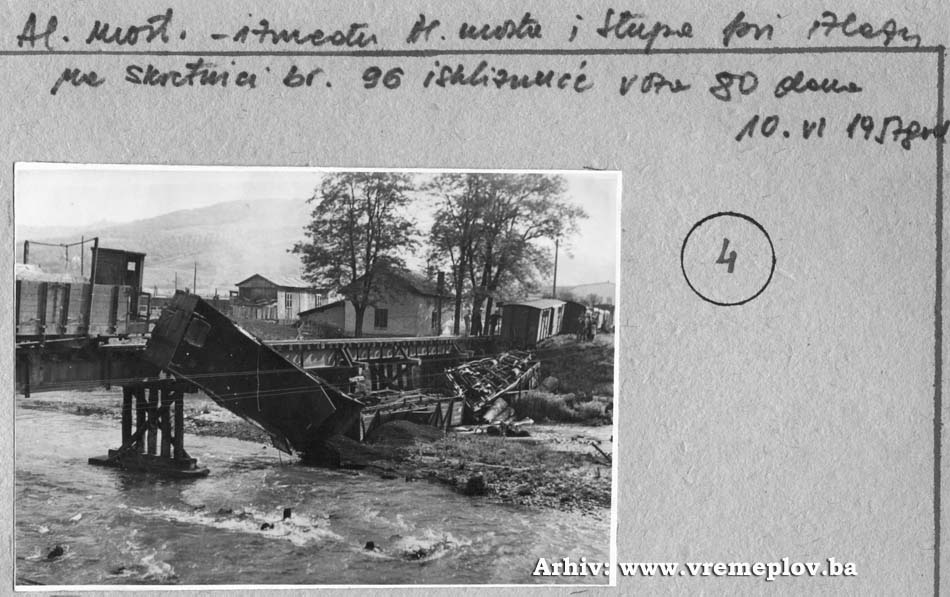
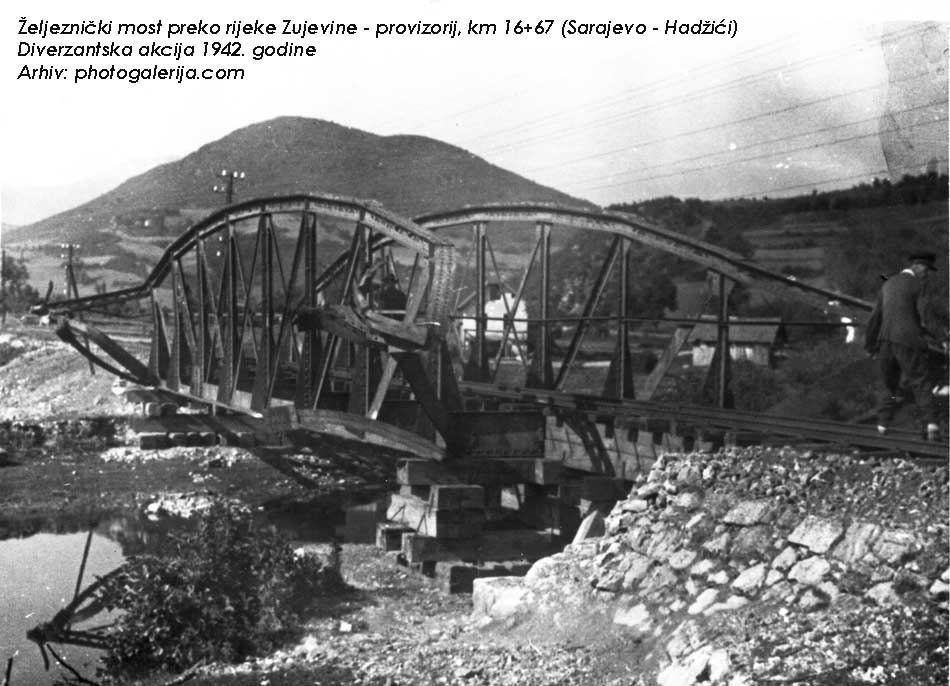
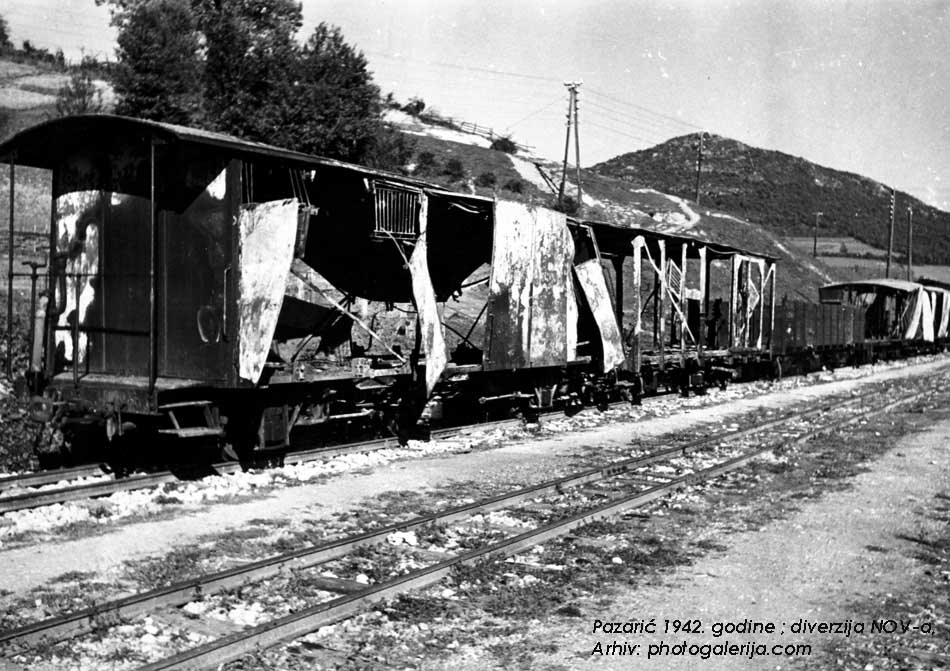
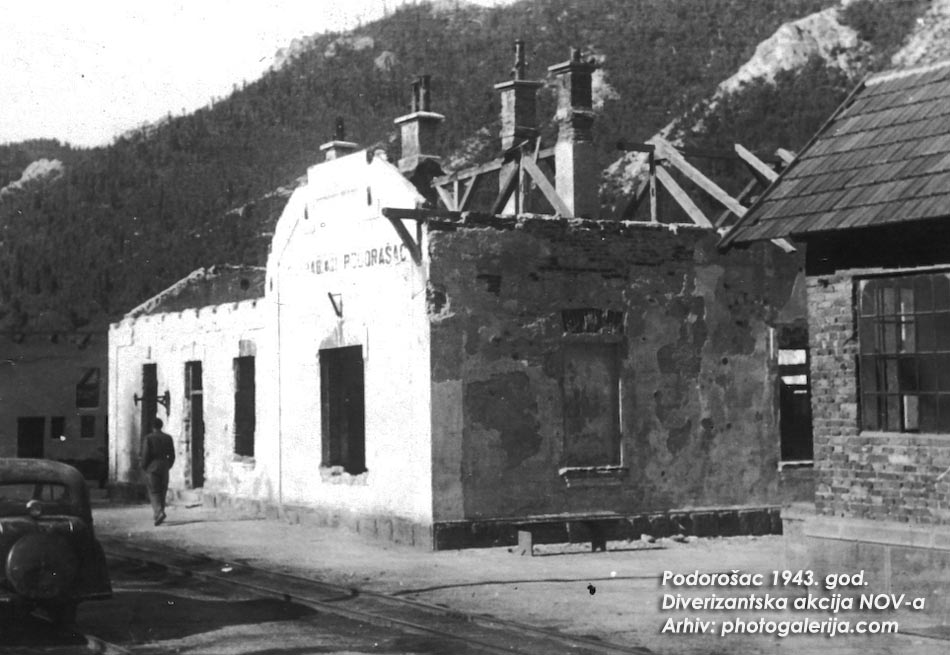
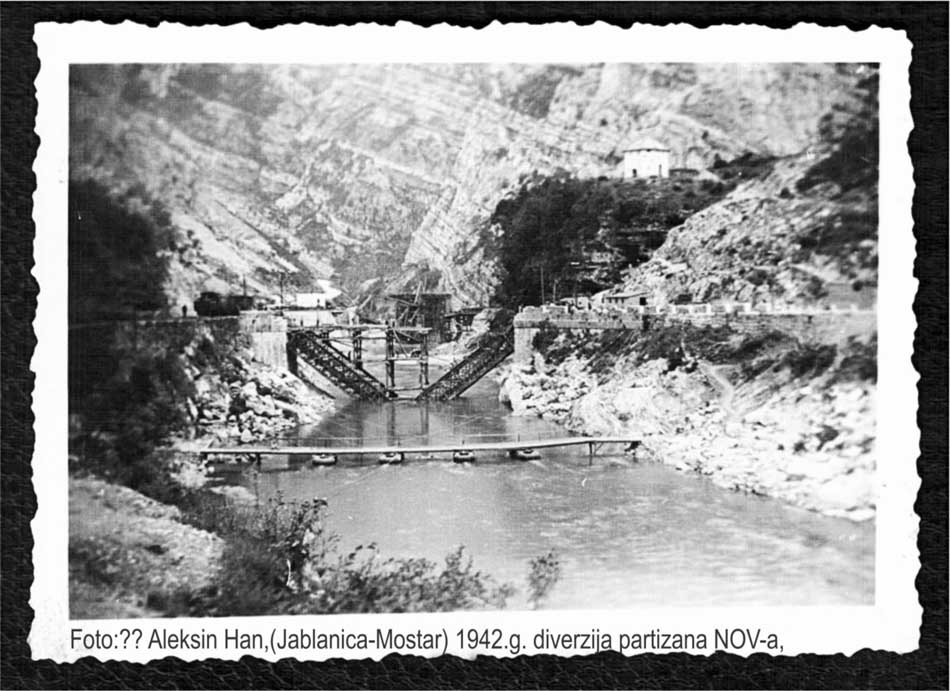
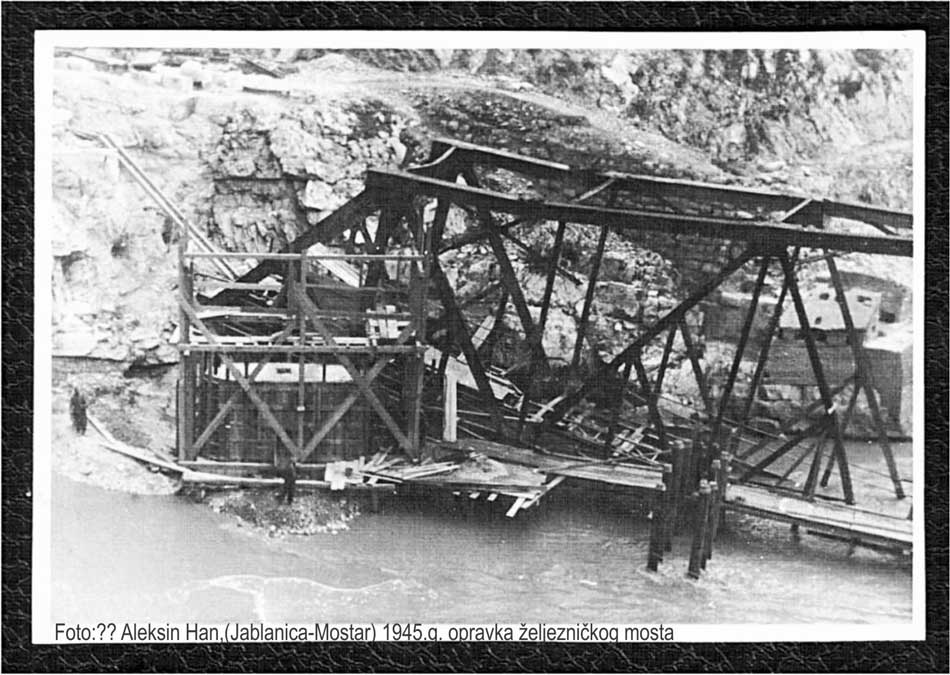
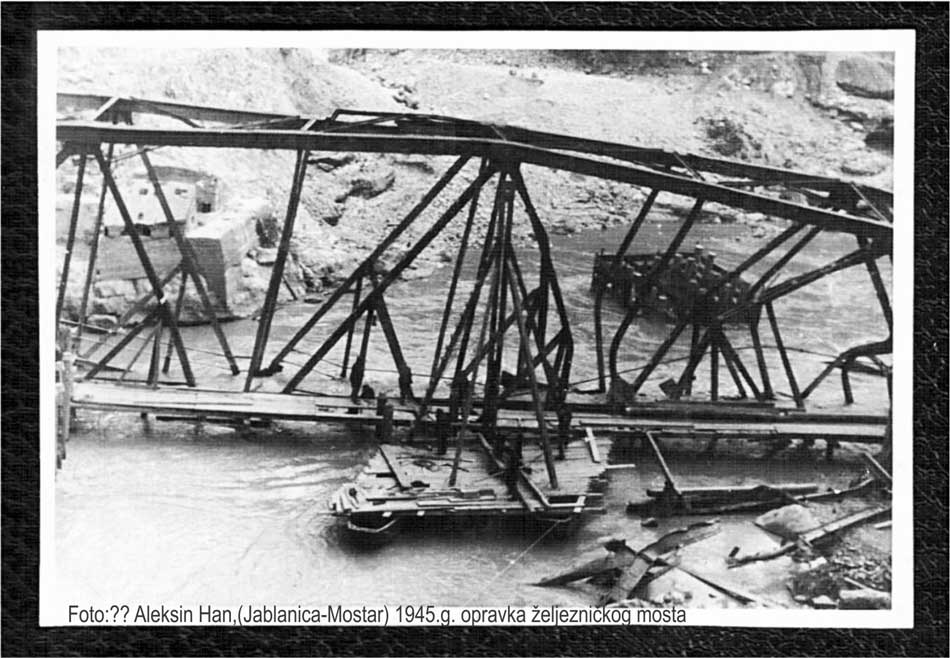
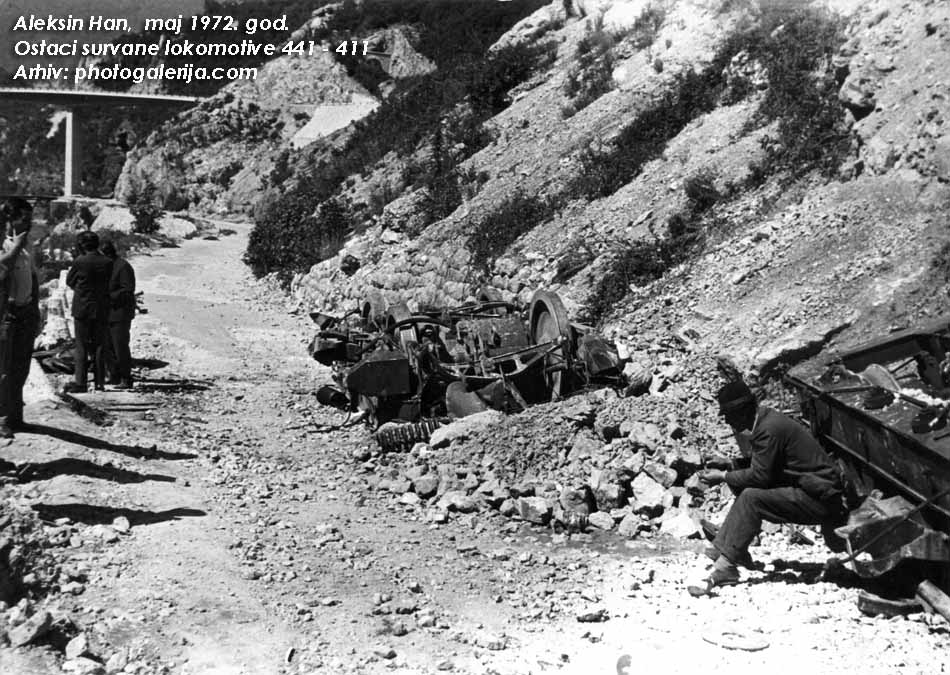
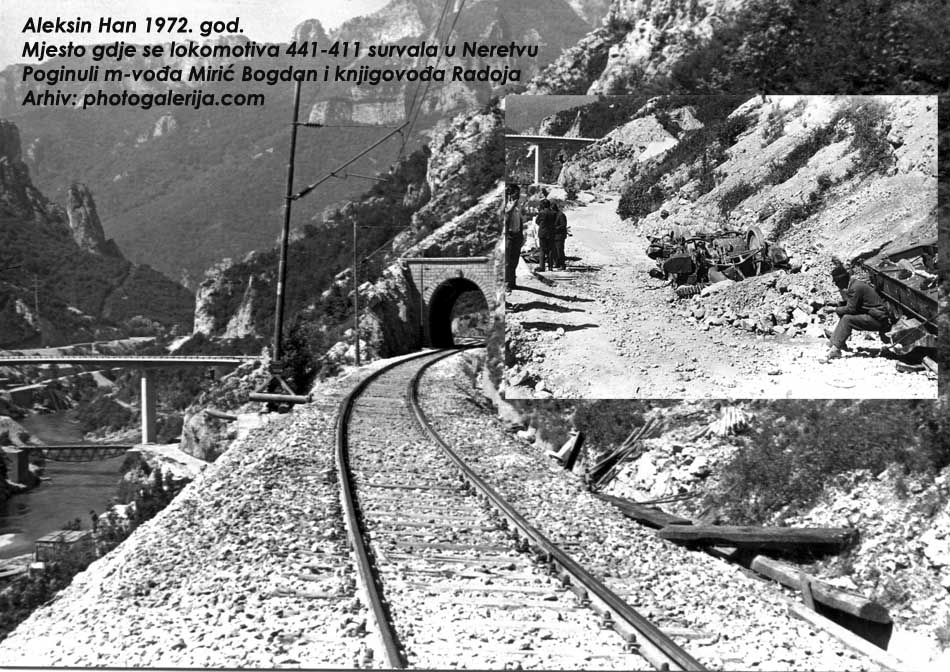
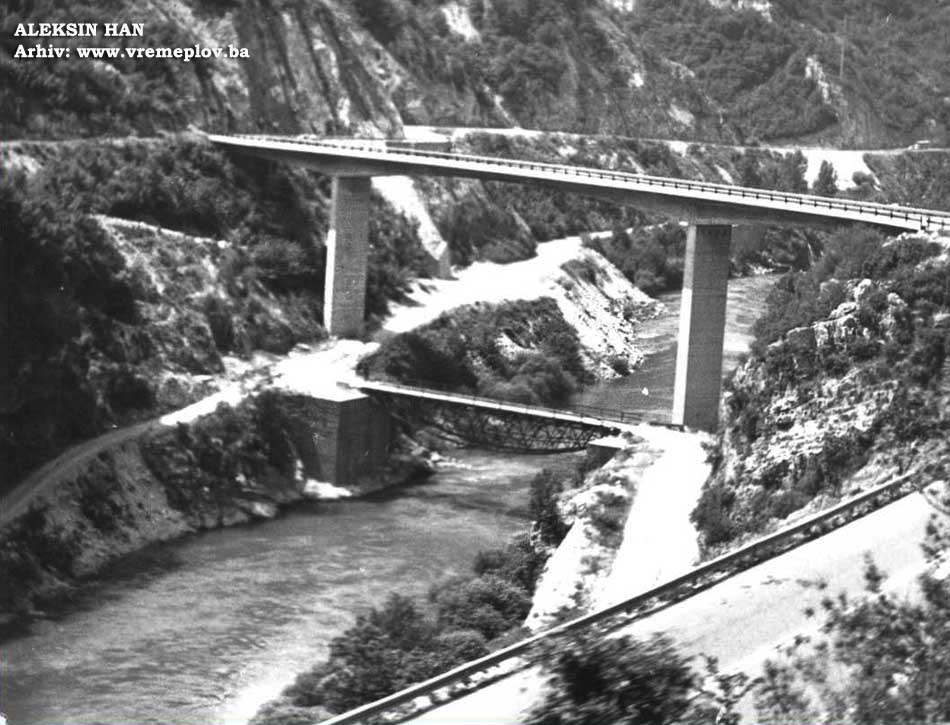
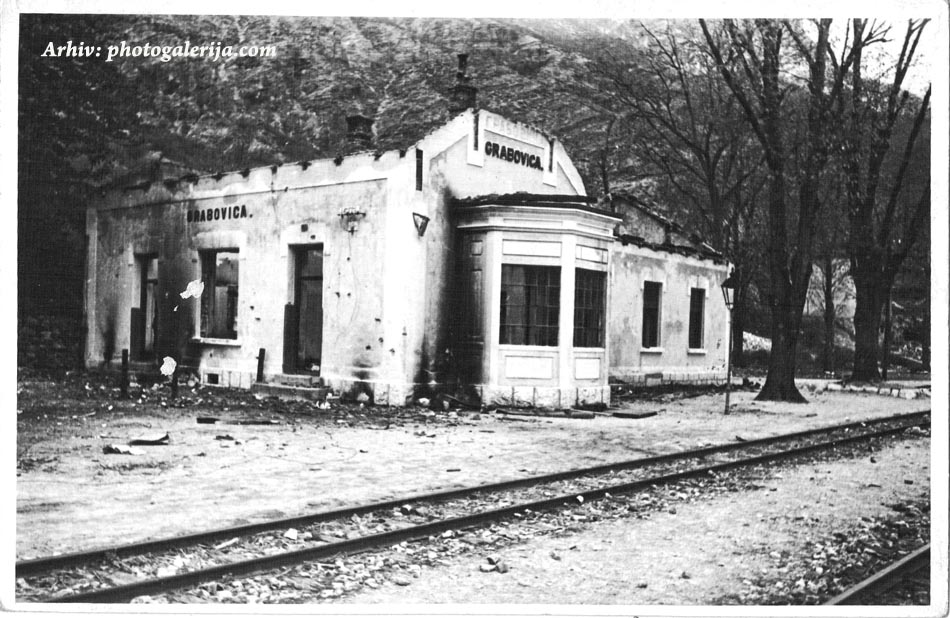
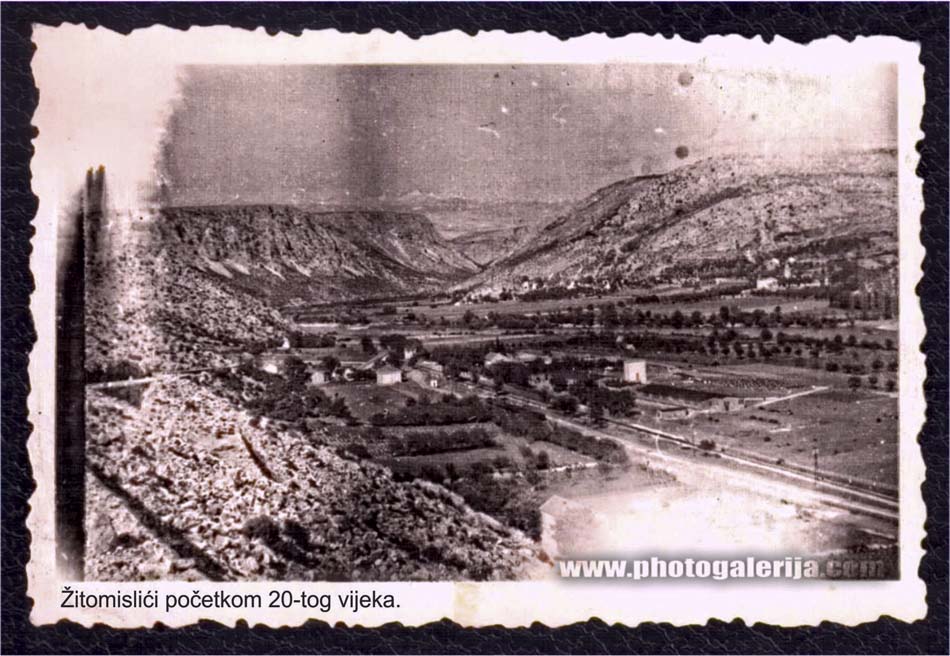
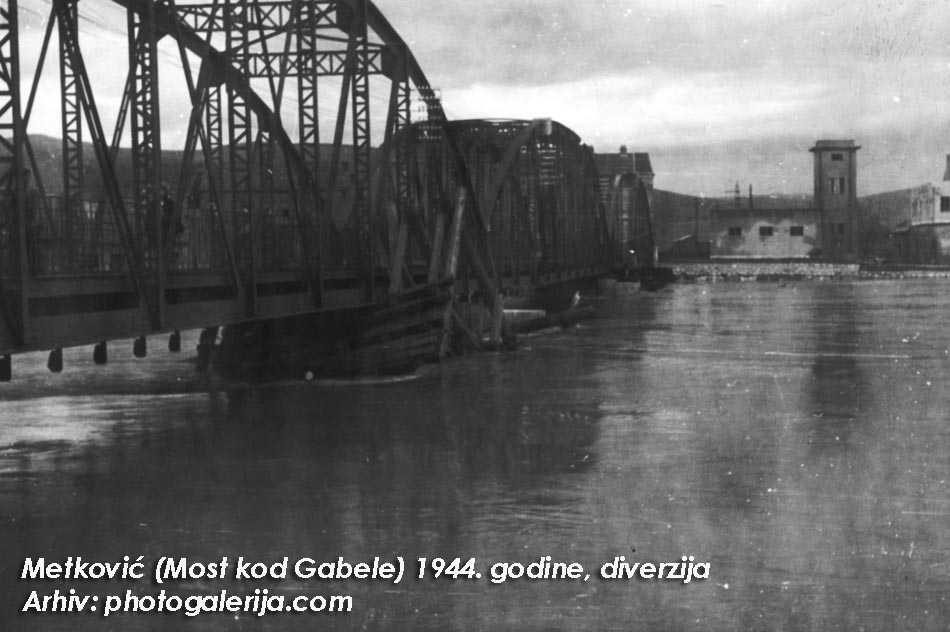
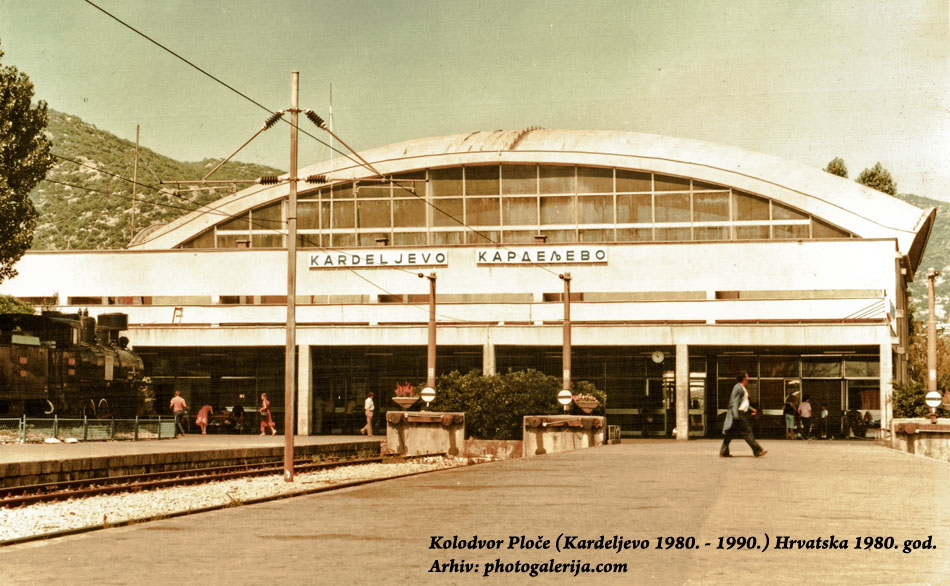
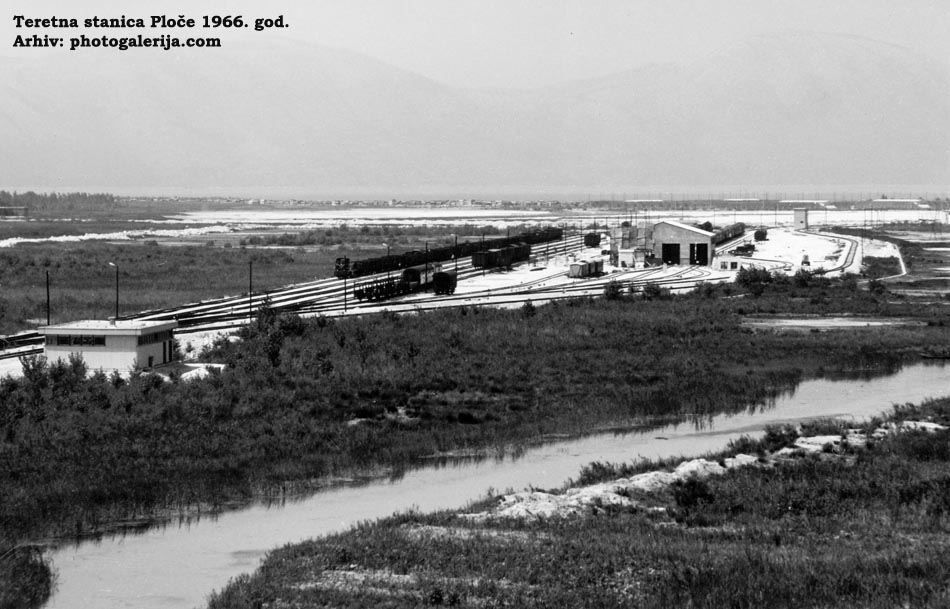
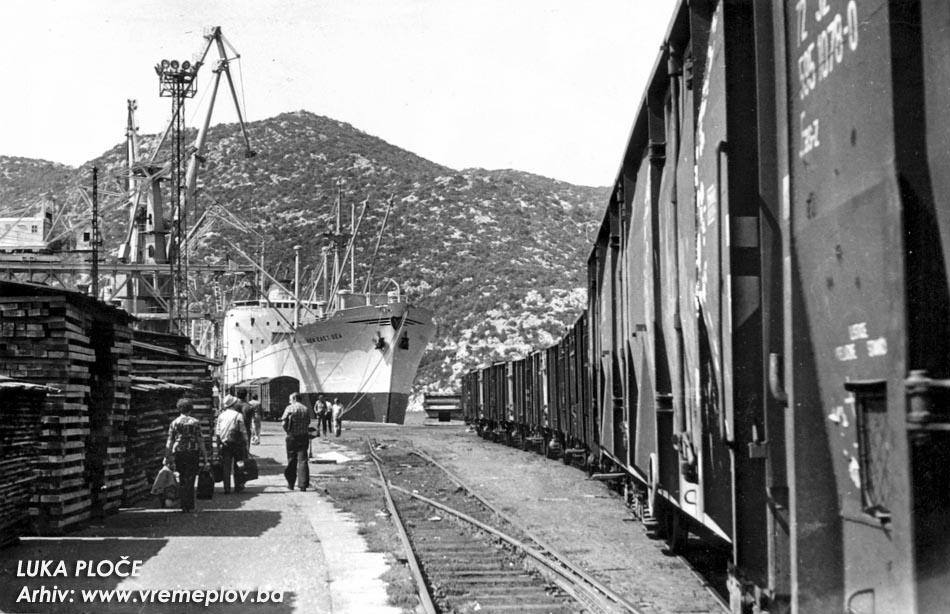
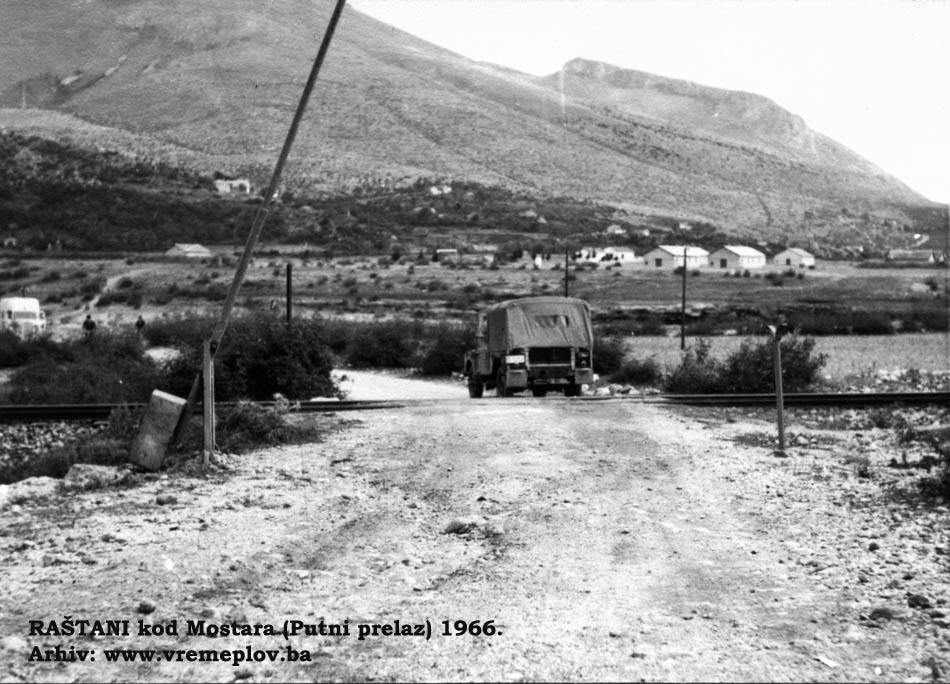
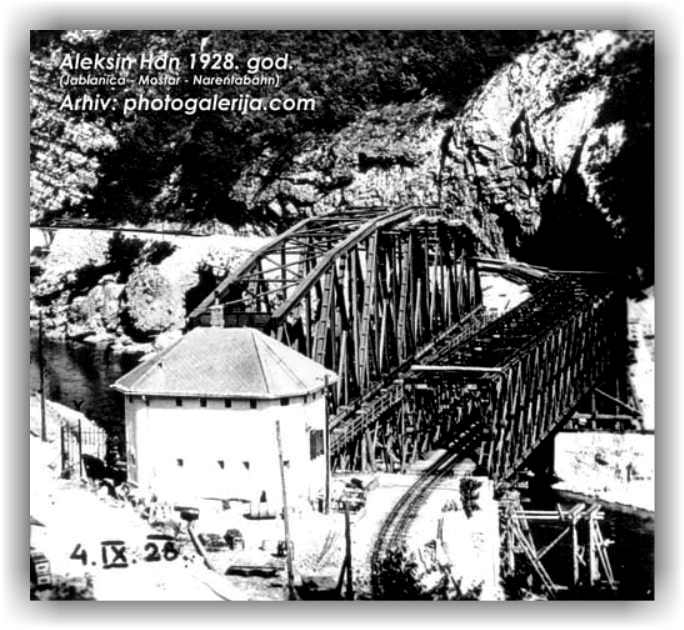
The railway connection with the Adriatic Sea began in 1938 with the construction of the Port of Ploče, as well as the route of the railway line from Metković to Ploče. The length of this route, 21.5 km, was approximately 80% complete by 1940, only to be fully finished in 1942 by the Italian Army, who partially opened it to traffic with interruptions. After its capitulation, Germany restored the partially damaged track, and by mid-June 1944, it was put into operation. With its withdrawal, the German army damaged the track again, and it was reconstructed until July 15, 1945, when the entire line from Ploče to Sarajevo was opened. Additionally, during World War II, significant military operations took place on this route. In order to advance and halt enemy forces, Yugoslav Partisan units of the NOV in 1942 carried out sabotage along the Sarajevo – Mostar section, spanning 70 kilometers, during which they destroyed two large and several smaller bridges, 11 railway stations, and 57 accompanying buildings (Pazarić – Aleksin Han), rendering 32 locomotives and 18 rack locomotives, as well as 76 wagons, inoperative. During the final operations to liberate these areas in 1945, both Allied forces and the enemy, during their retreat, destroyed or damaged about 80% of the Neretva railway line and its infrastructure.
Post-War Railway Restoration
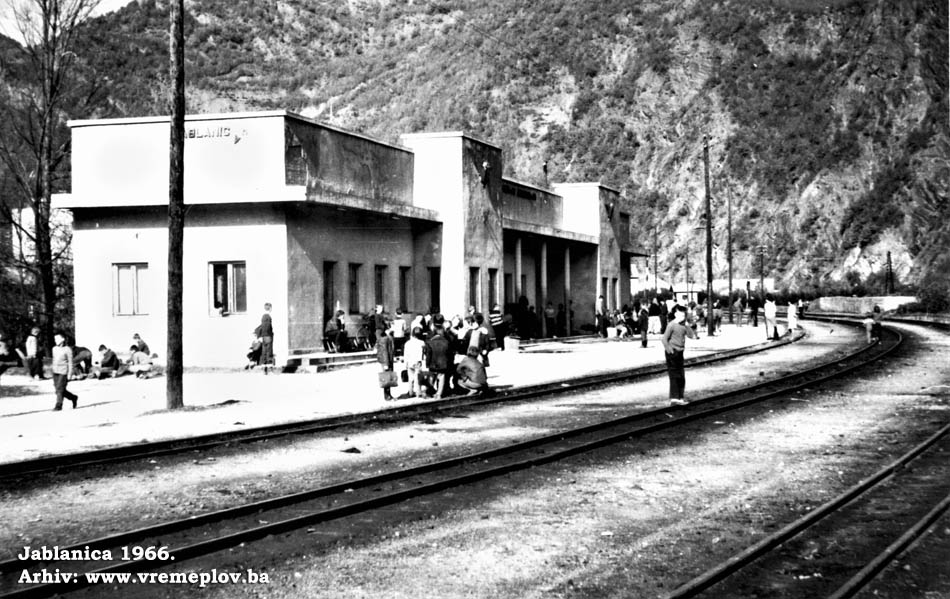
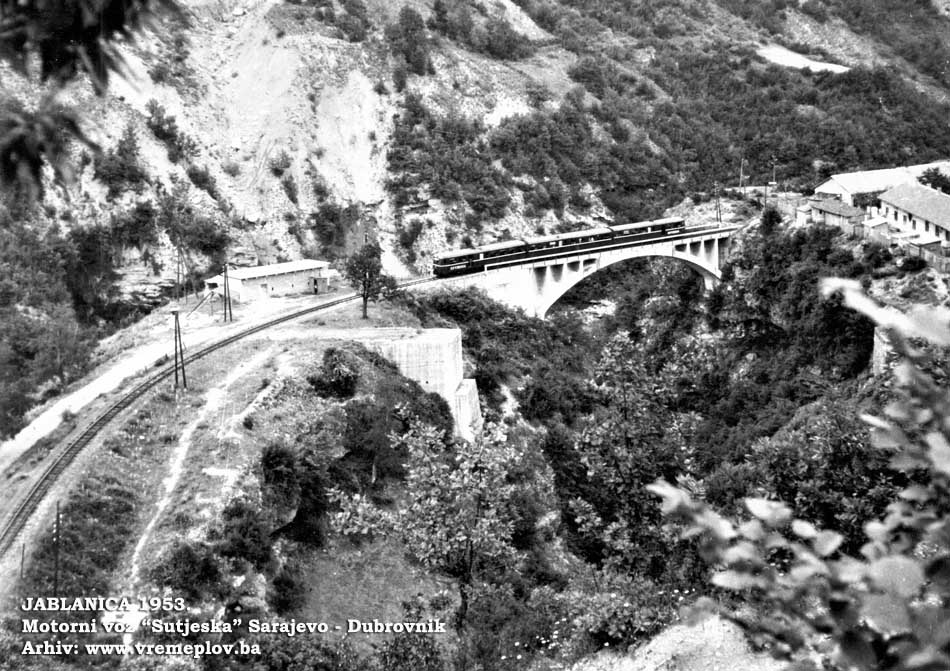
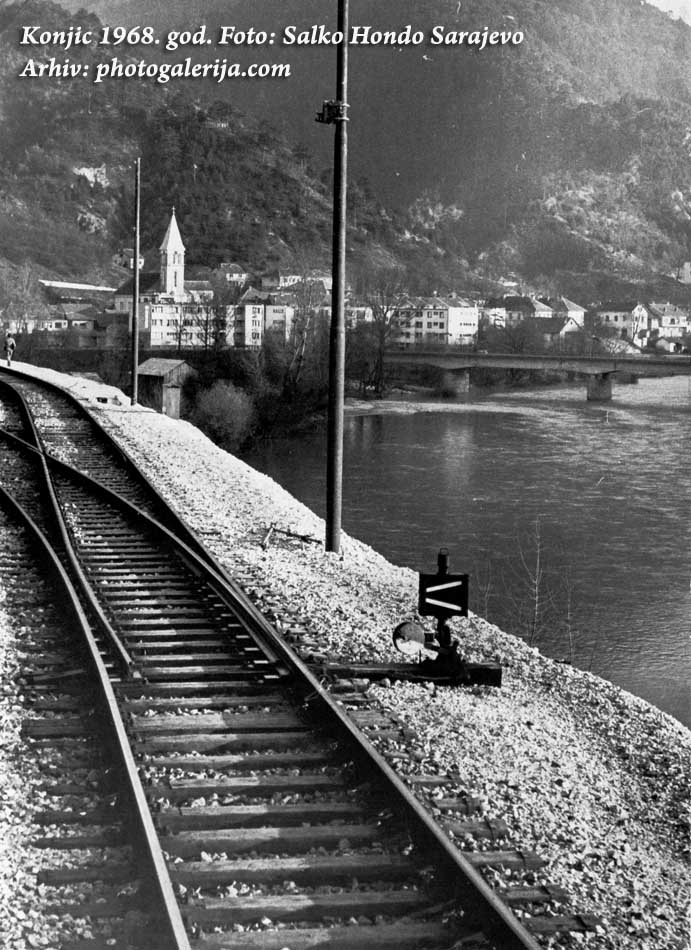
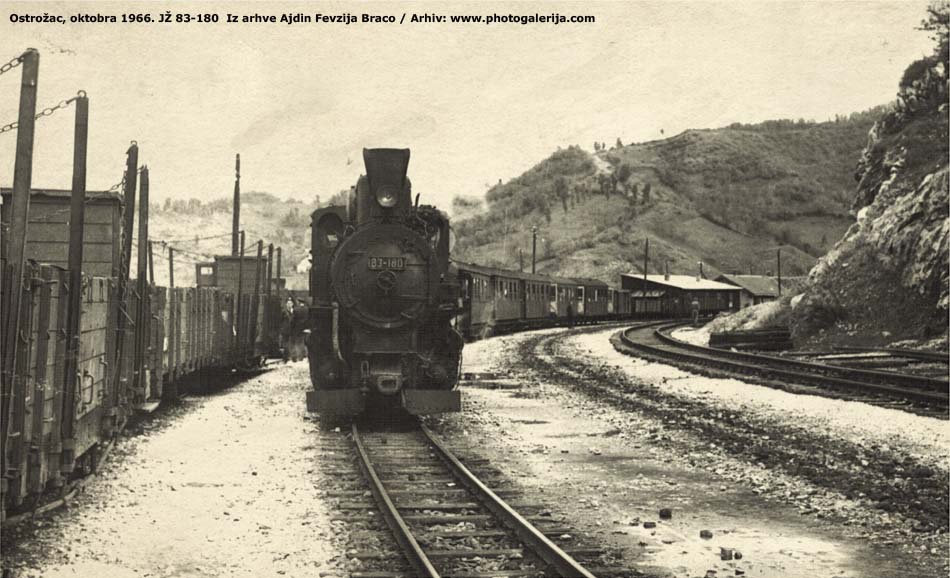
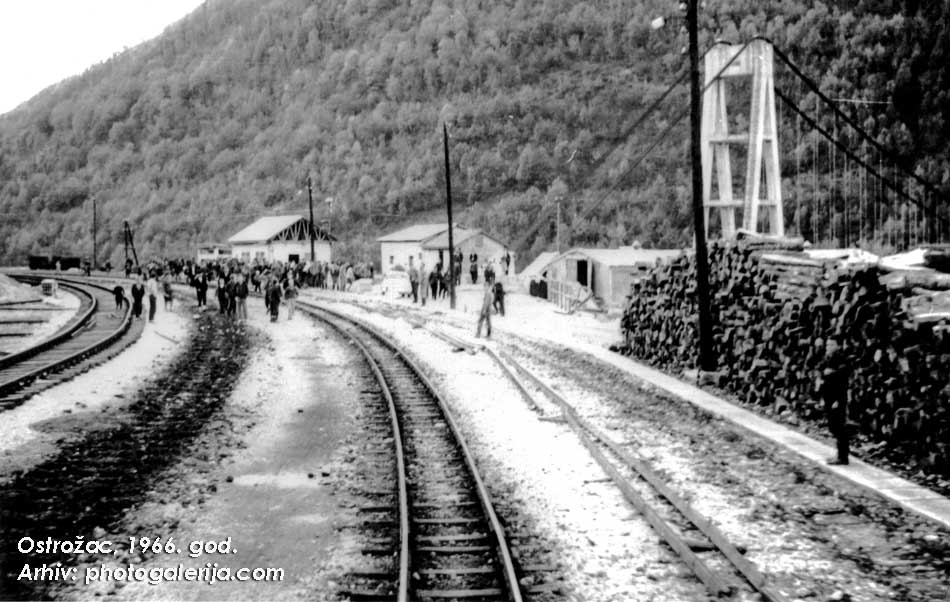
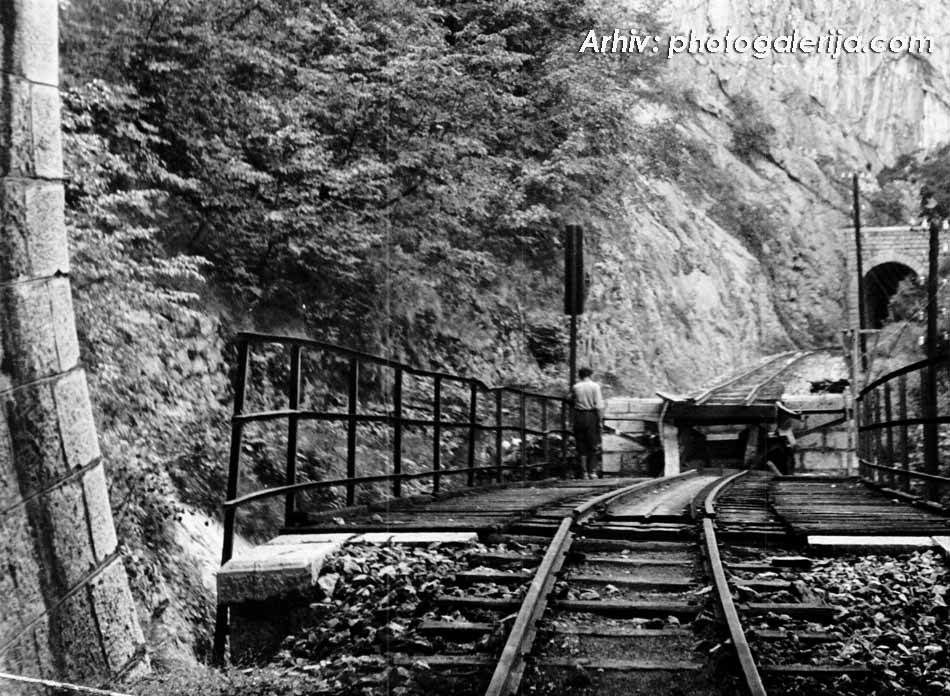
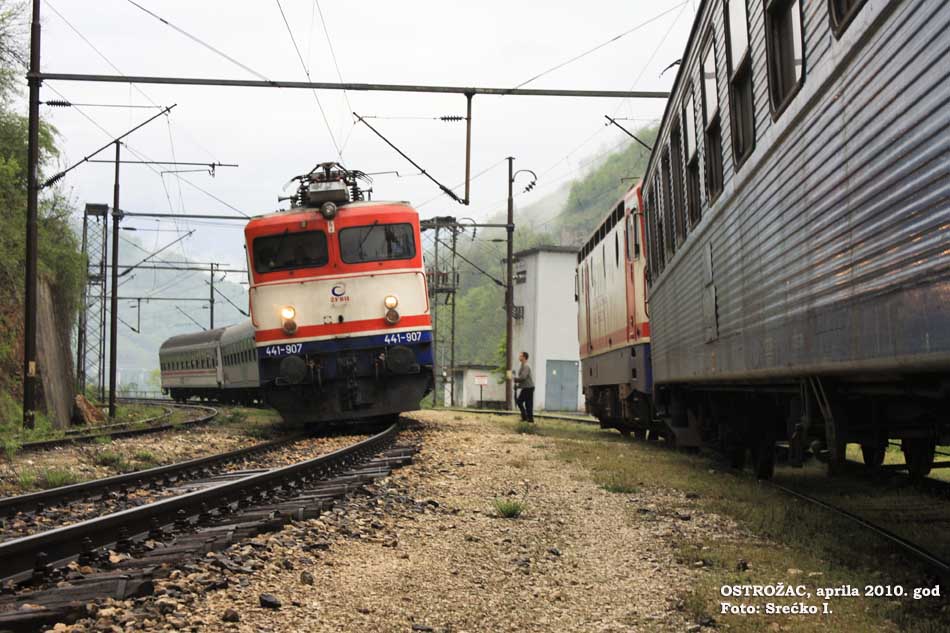
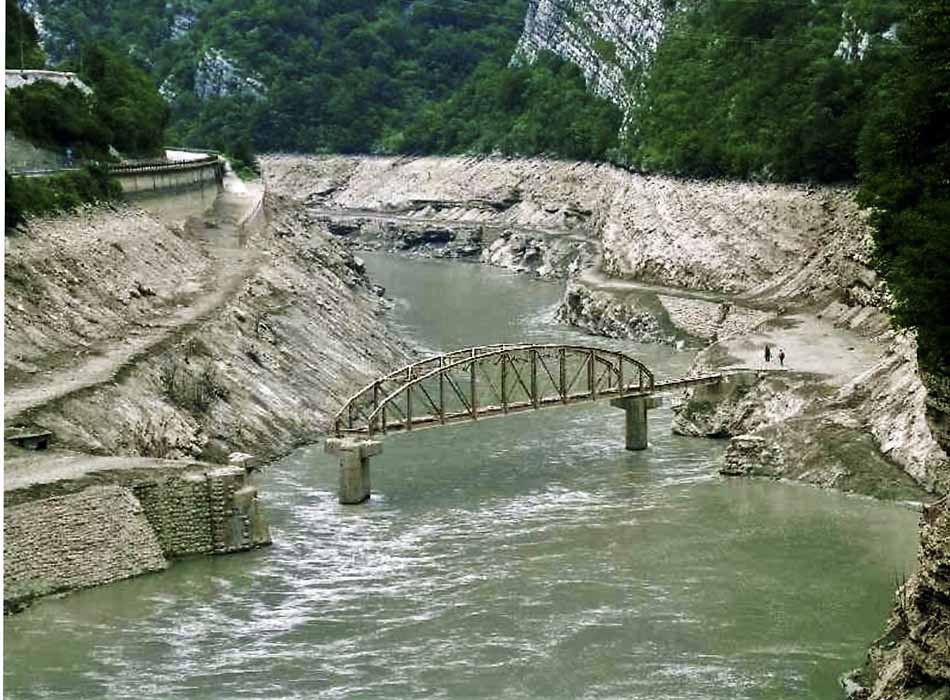
In the post-war period of reconstruction, special importance was given to the planning of economic, industrial, and financial development in the then People’s Republic of (later Socialist) Bosnia and Herzegovina in the segment of restoring and building railway traffic. The primary task was the construction of the standard gauge line Sarajevo – Ploče, and the second was the construction of the Jablanica hydroelectric dam in the valleys of the Neretva and Rama rivers. While studying and preparing the project (1948/49), the most favorable route for the standard gauge was identified, and meanwhile, a significant reconstruction was carried out on the narrow-gauge railway between Jablanica station and Konjic. Namely, due to the formation of an artificial lake and the consequent flooding of a significant portion of the mentioned section (stations Lisičići, Ostrožac, and Rama), a new narrow-gauge route was built on the left side of the Neretva River, approximately 22 kilometers long, with new railway stations at Čelebići, Ribići, and Ostrožac. This new section was opened for traffic on April 28, 1954. During 1949, with the construction of the Jablanica tunnel, and also from Ostrožac (four Kukovi tunnels built in 1950), the initial works to move the narrow-gauge rail line towards the standard gauge Sarajevo – Ploče line began in construction terms.
Construction of the Normal Sarajevo – Ploče Line
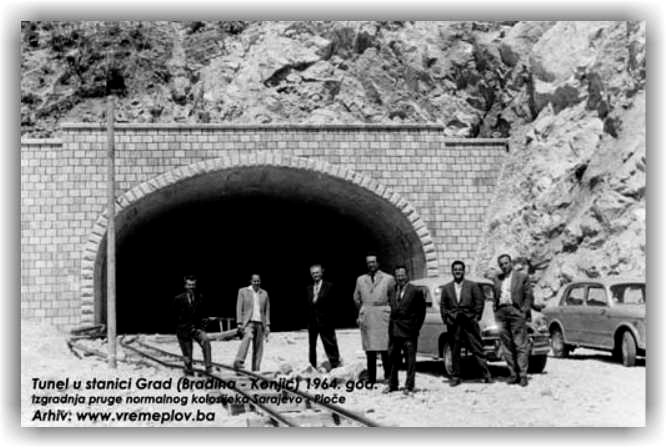
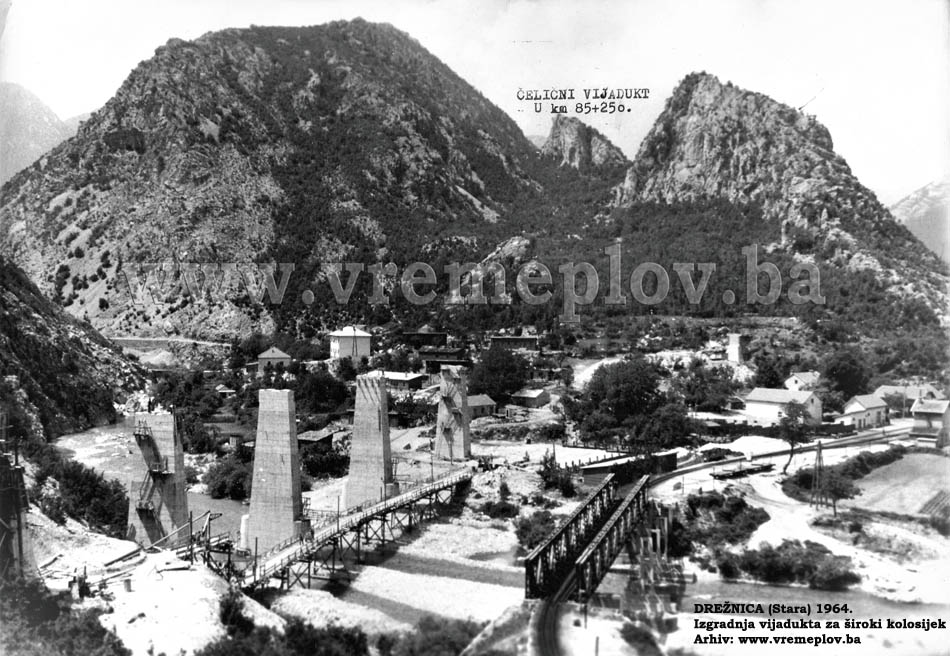
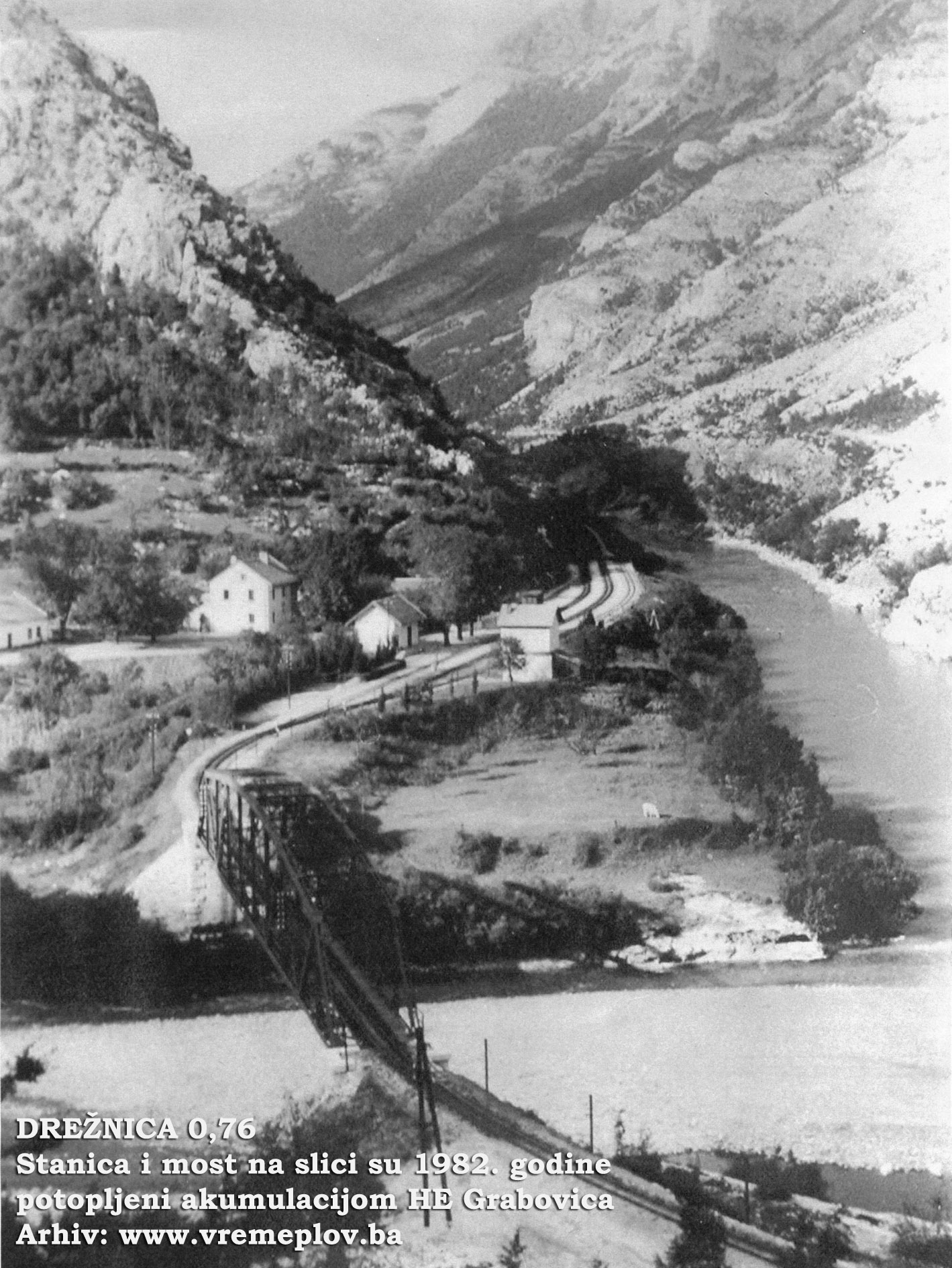
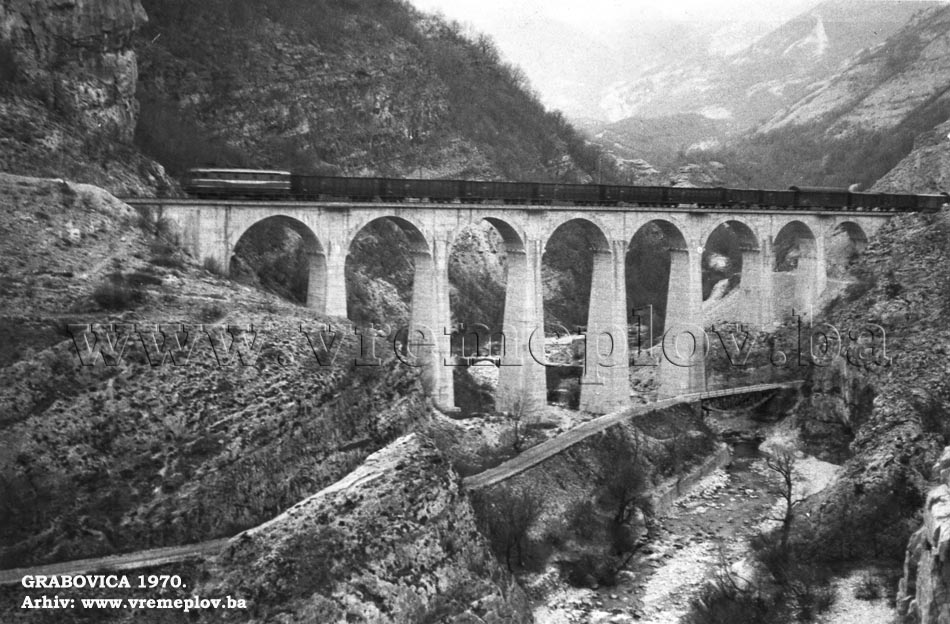
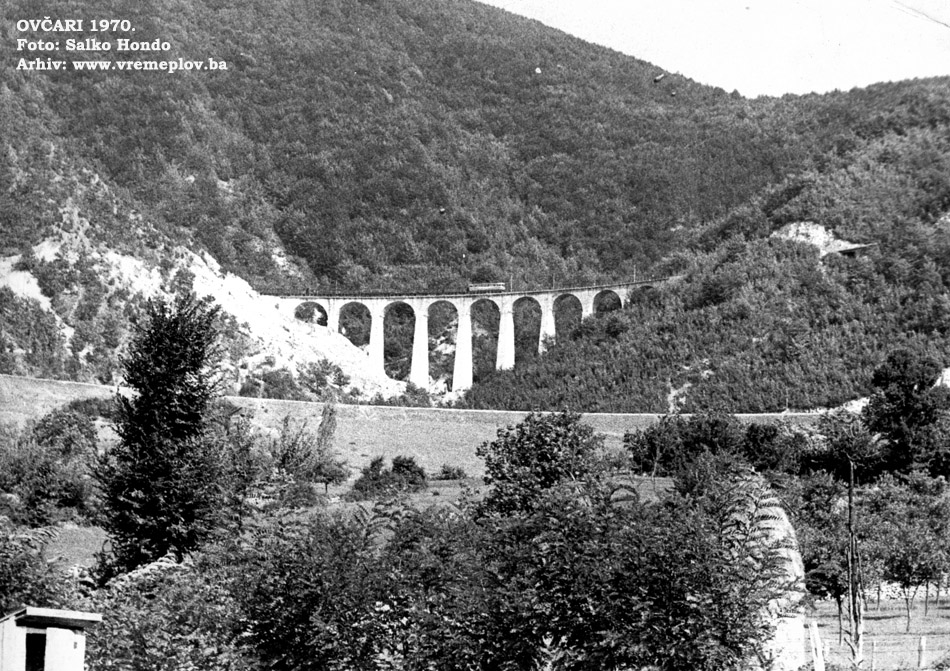
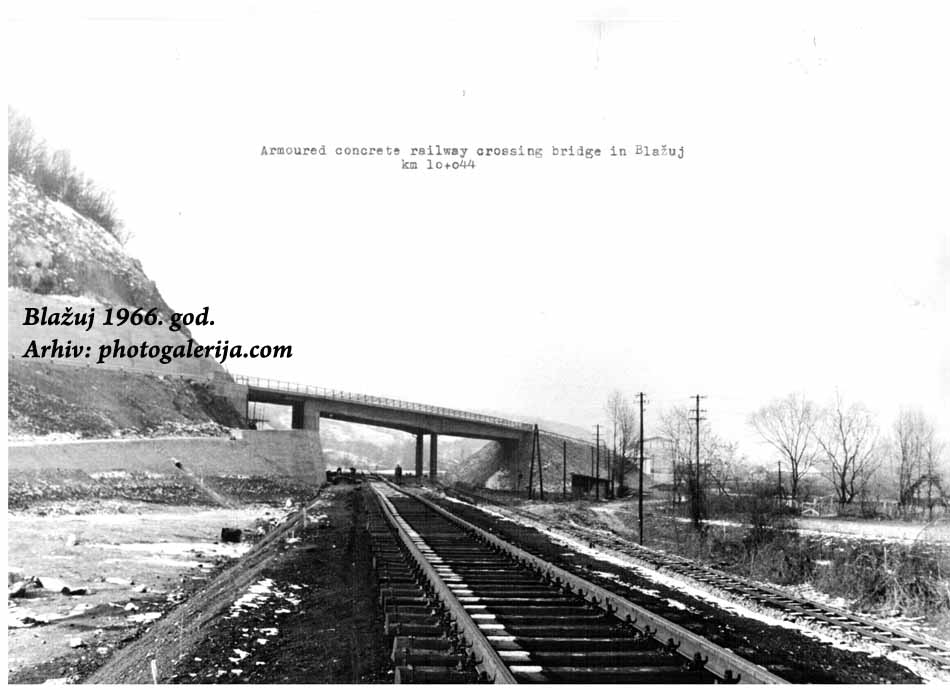
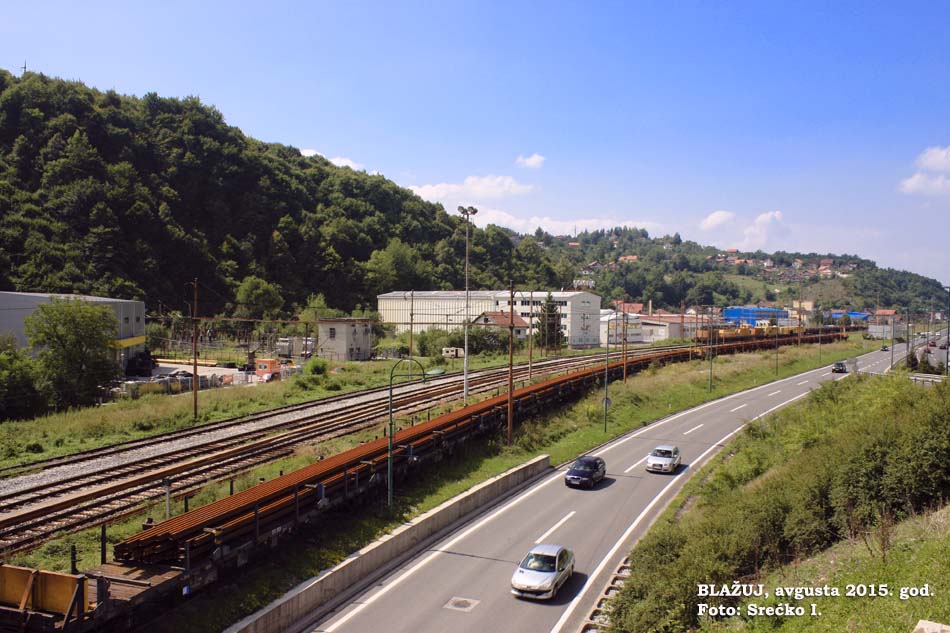
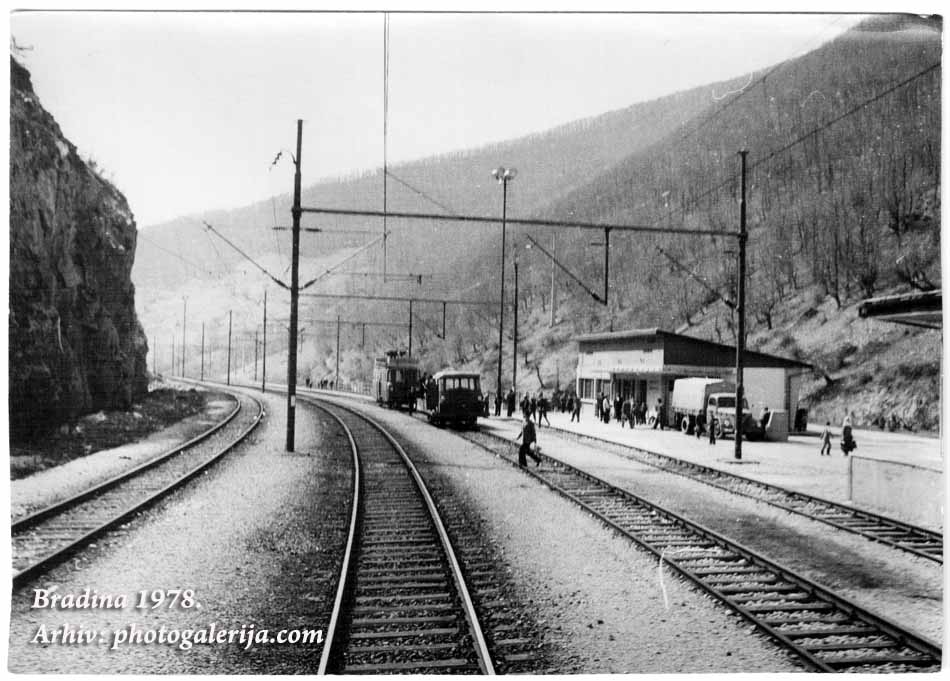
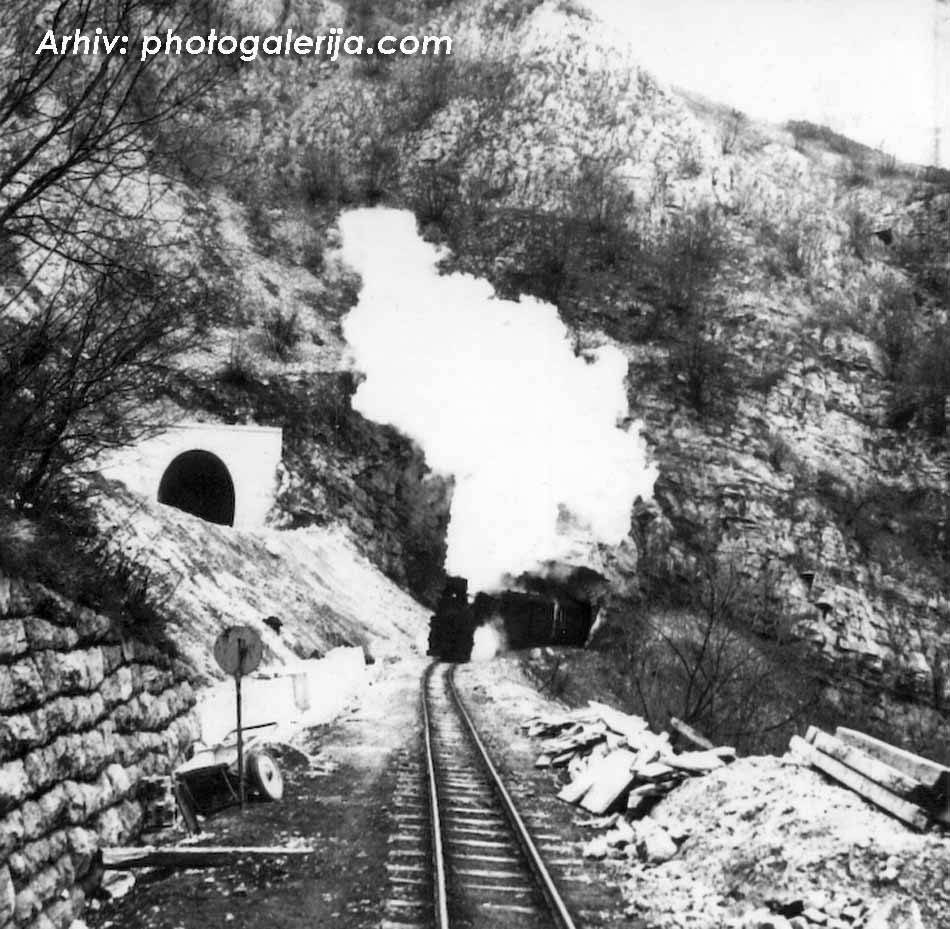
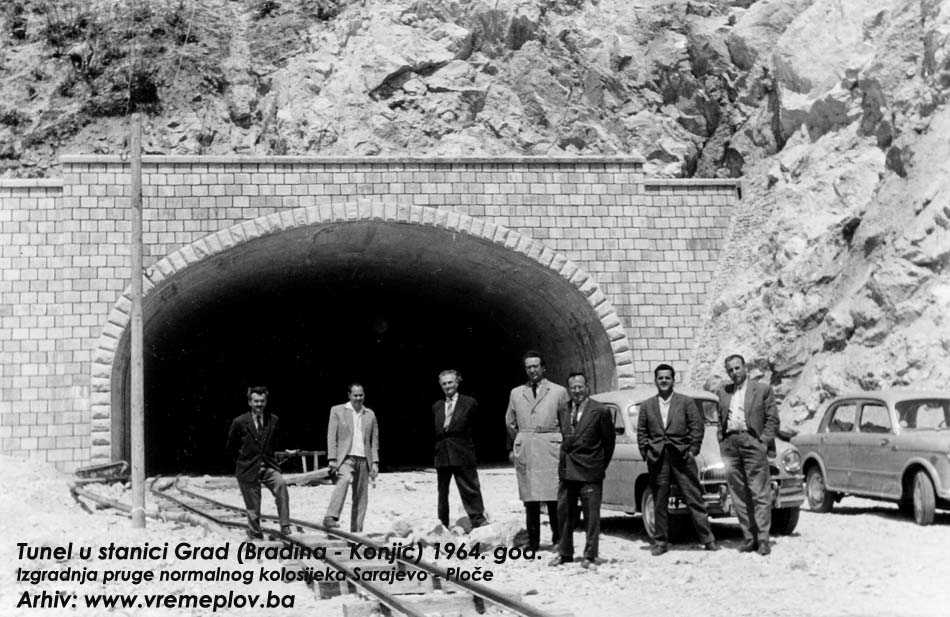
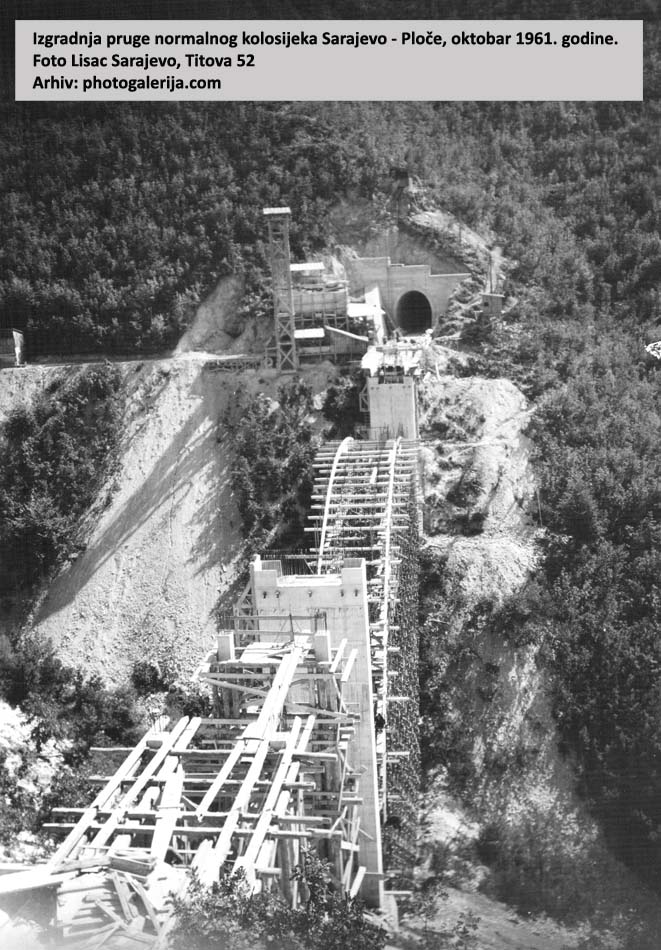
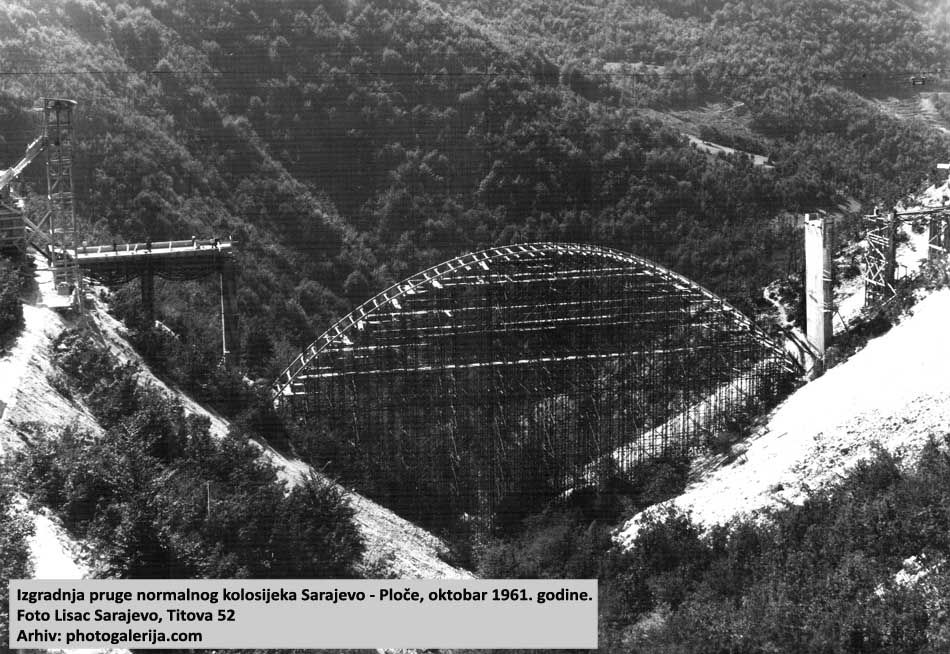
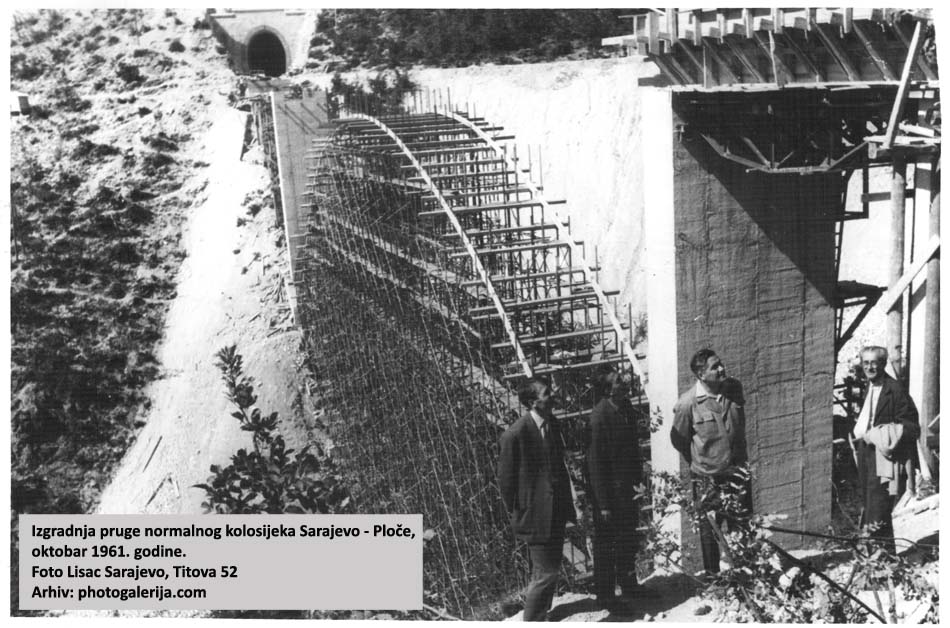
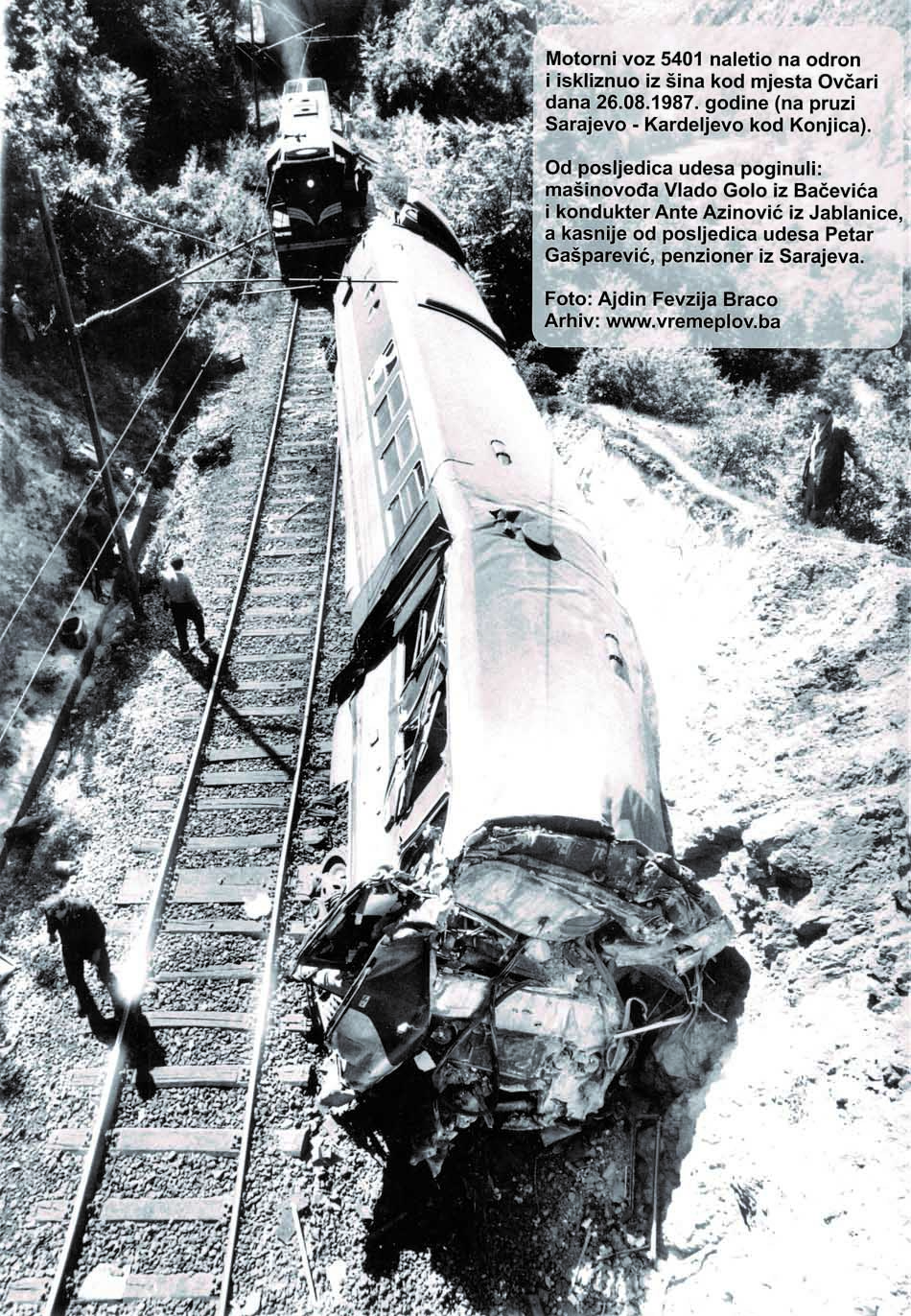
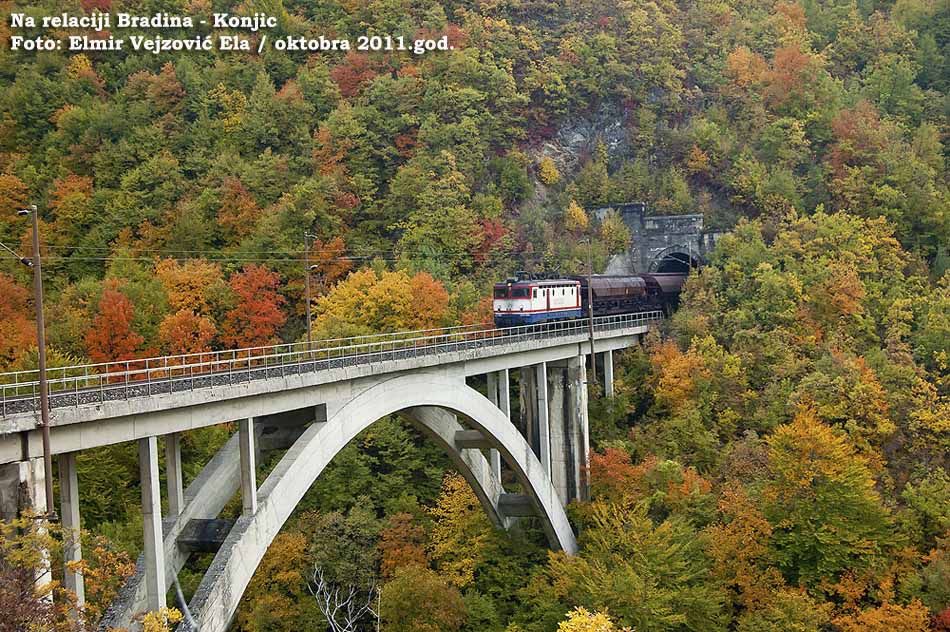
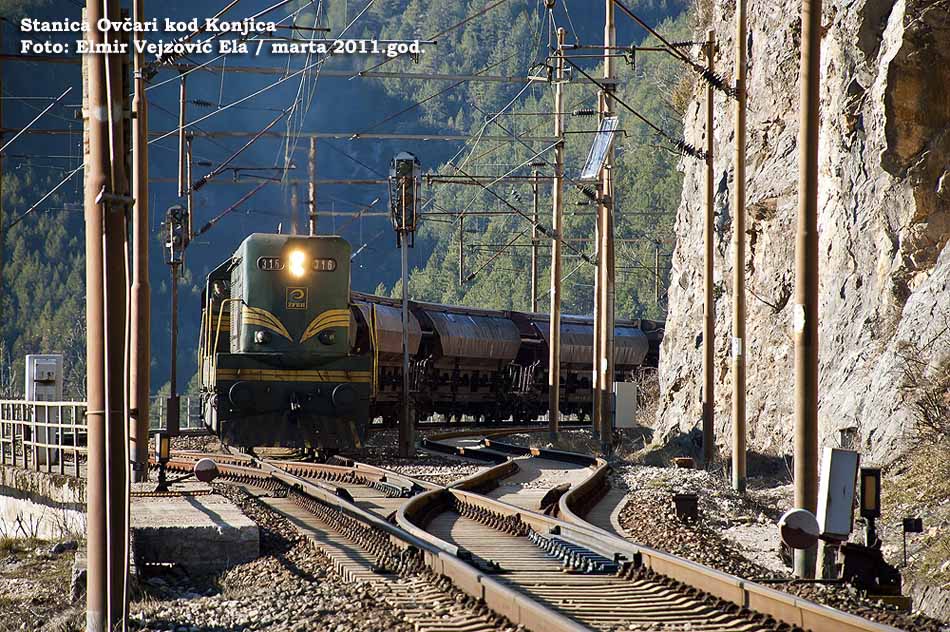
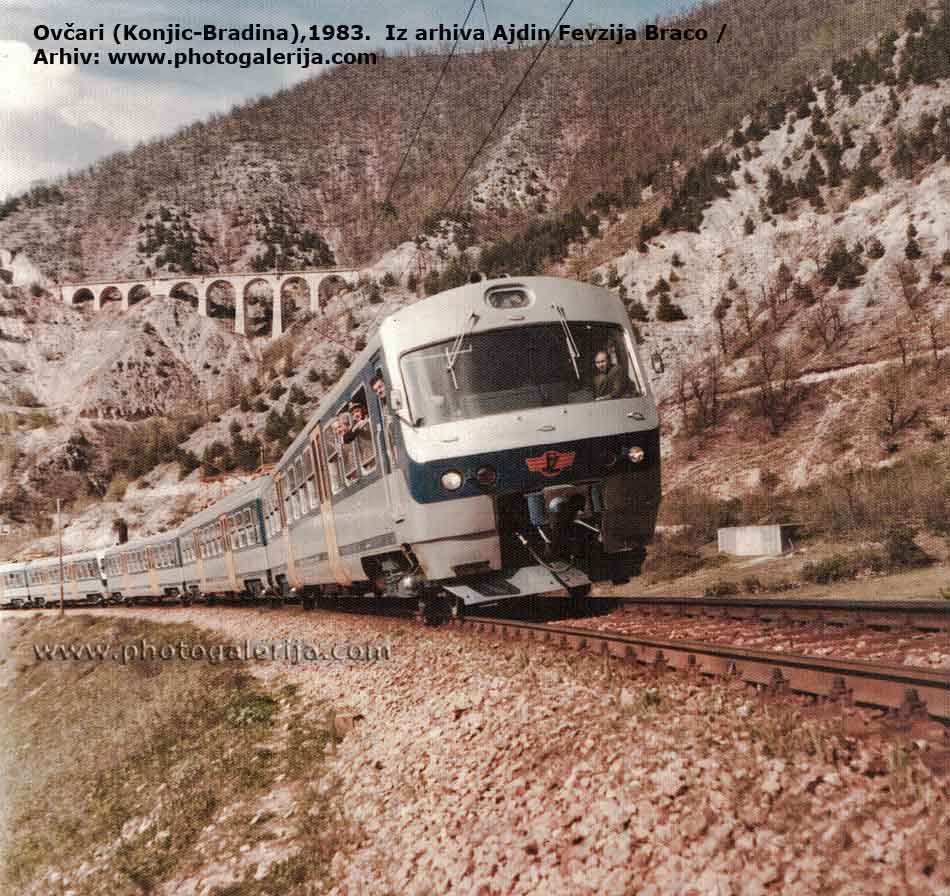
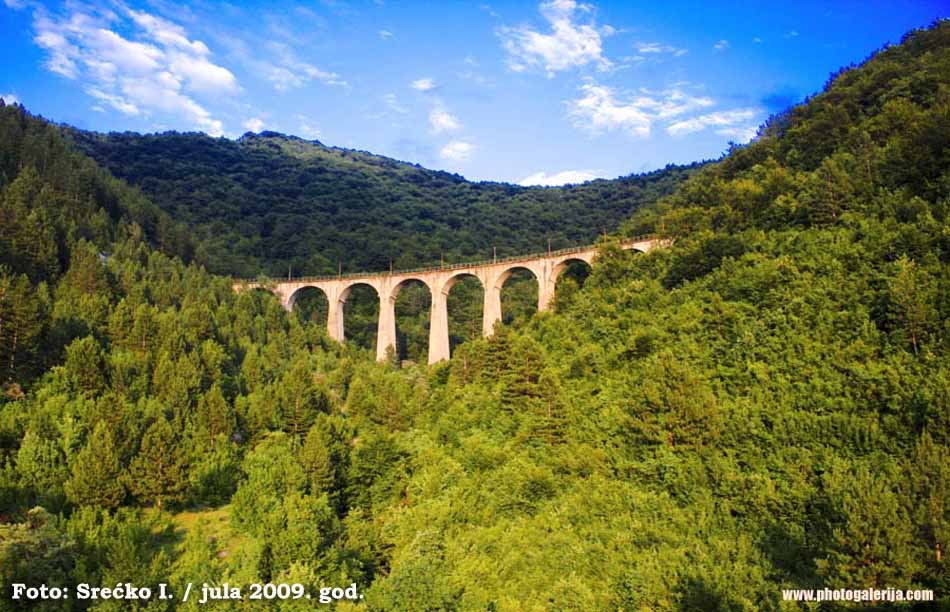
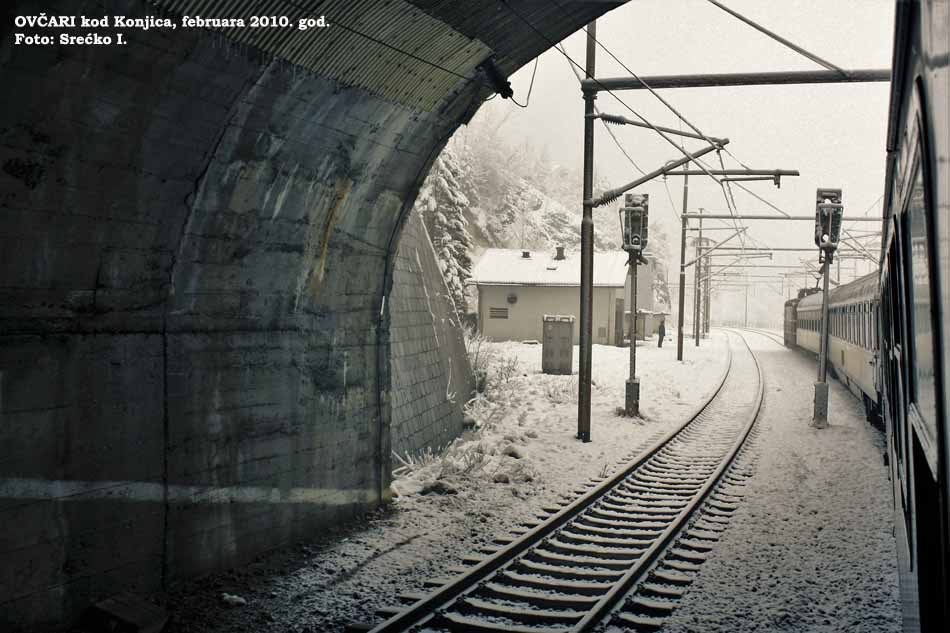
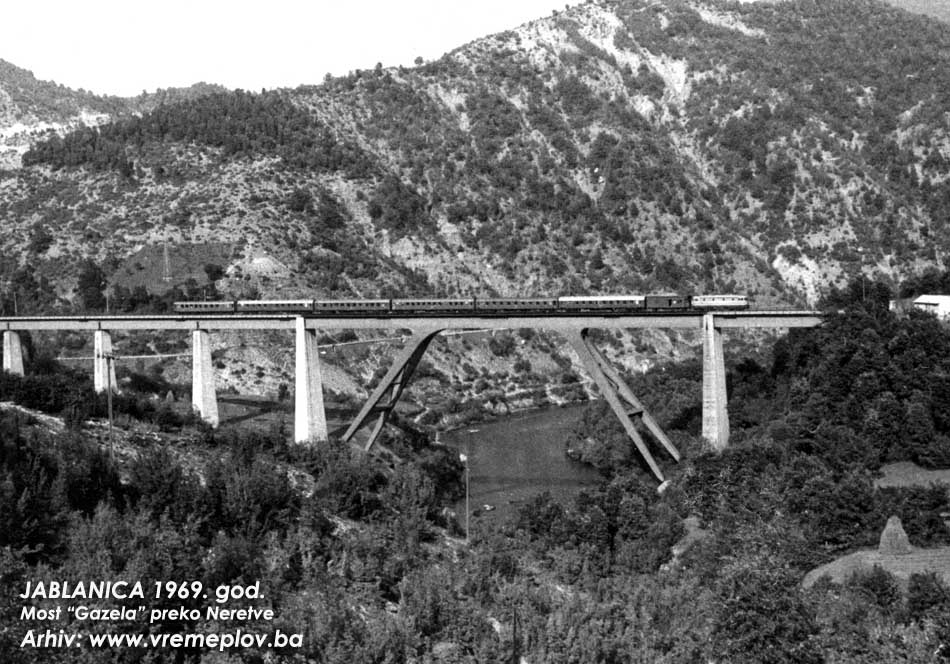
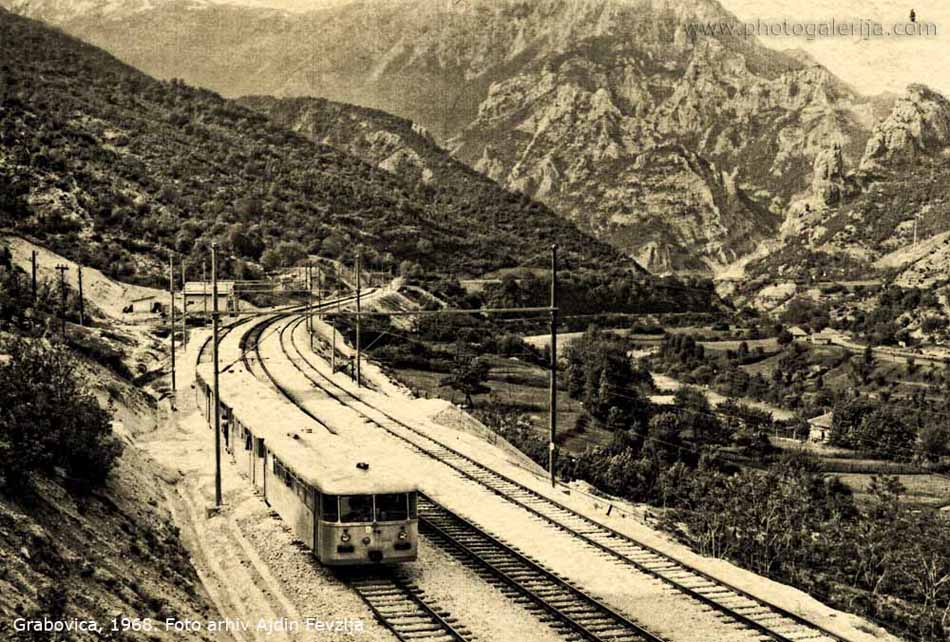
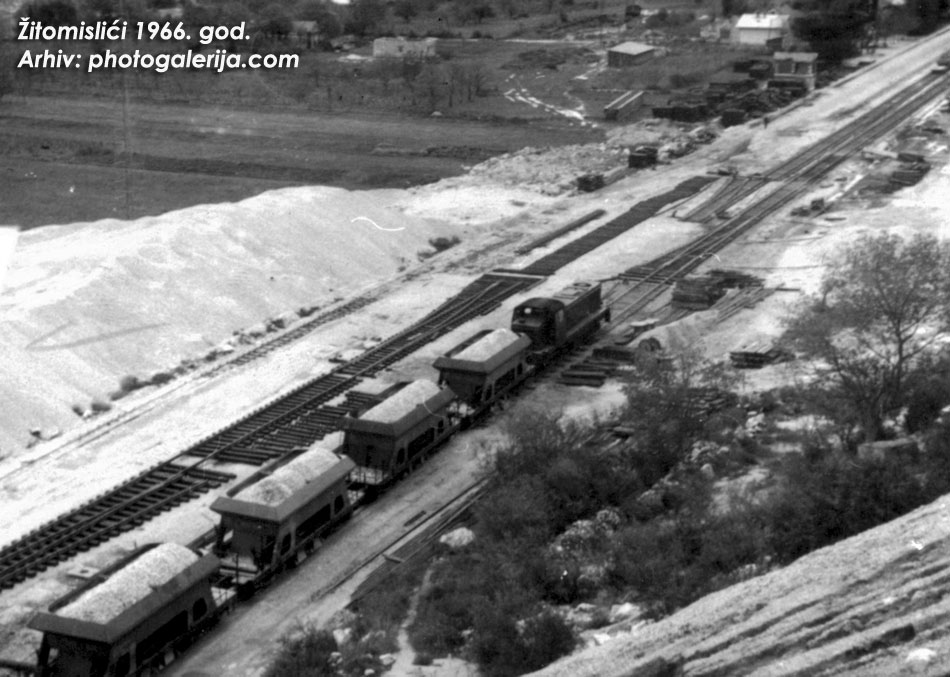
By 1954, preparatory works began first, followed by the main construction on the tunnels near Čelebići. In mid-1958, intensive construction activities started on the segment Blažuj – Pazaric – Raštelica – Bradina – Grad – Ovčari – Konjic to Čelebići (route, tunnels, steel bridges, and viaducts), with completion planned by 1963. Regulating the Neretva Riverbed (Kula Norinska – Rogotin) and the work on the Ploče marshalling station began in 1962 and continued until 1965. Essentially, from 1964 to 1966, the entire route of the railway—the length of 194 kilometers of the lower deck—was “attacked.” The finalization of signaling, safety, and stable installations, and eventually the upper deck, was actively completed during 1966. The route of the standard gauge, with its length, represented a large and complex construction project, as evidenced by these technical elements: The permissible gradient of the Sarajevo – Ploče railway is 15 ‰, and Ploče – Sarajevo 24 ‰; there are 108 tunnels with a total length of about 36 kilometers; 64 viaducts totaling approximately 4.6 km; 10 steel bridges with a combined length of 0.9 km; thus, the total length of the railway, including tunnels, viaducts, and bridges, is about 41.5 kilometers. The most challenging sections for builders included: the construction of the “Osenik” tunnel near Pazarić station, 1.887 km long; landslide repairs between Bradina and Ovčari during construction; “Kukovi” tunnels near Ostrožac station; the “Križ” tunnel on the left bank of the Neretva opposite Jablanica station; the “Gazela” steel bridge near Jablanica; crossing the Drežanka River at Stara Drežnica station; the Jedrinje sector in the rugged valley of the Neretva River with 11 viaducts and bridges; 9 galleries; and 6 tunnels, the longest being “Jedrine” at 3.218 km, among others.
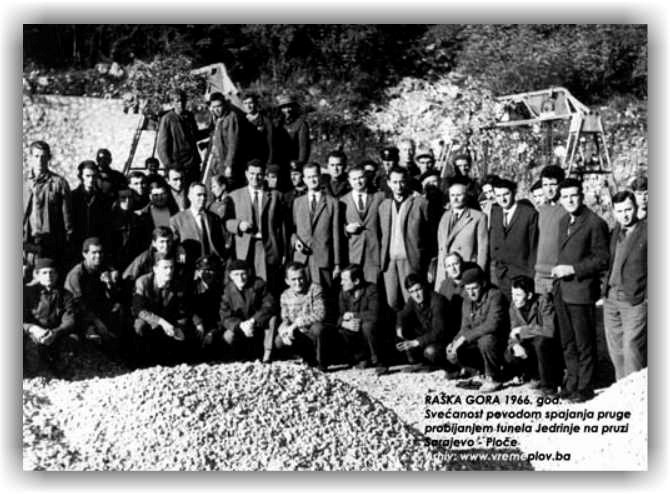
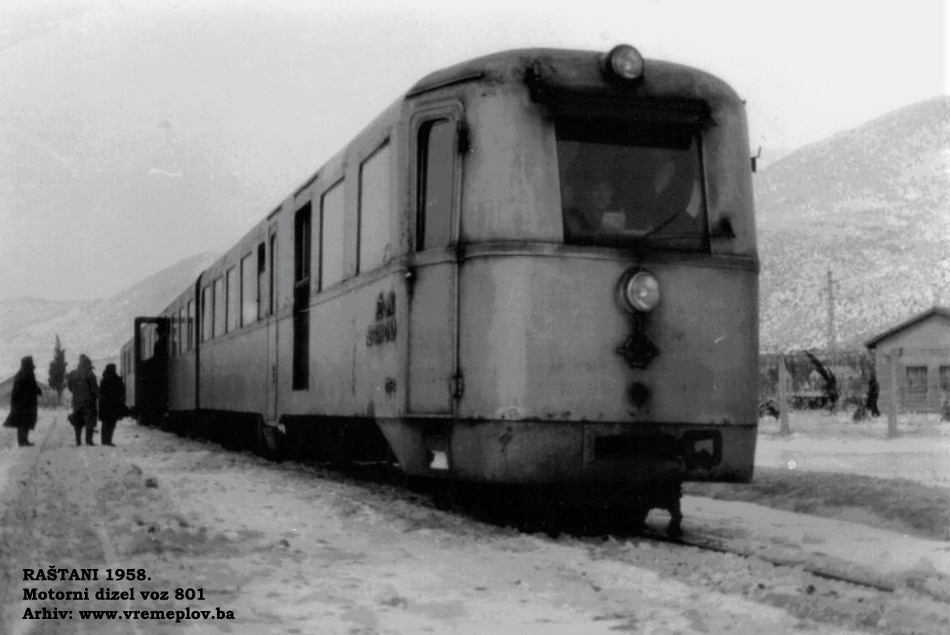
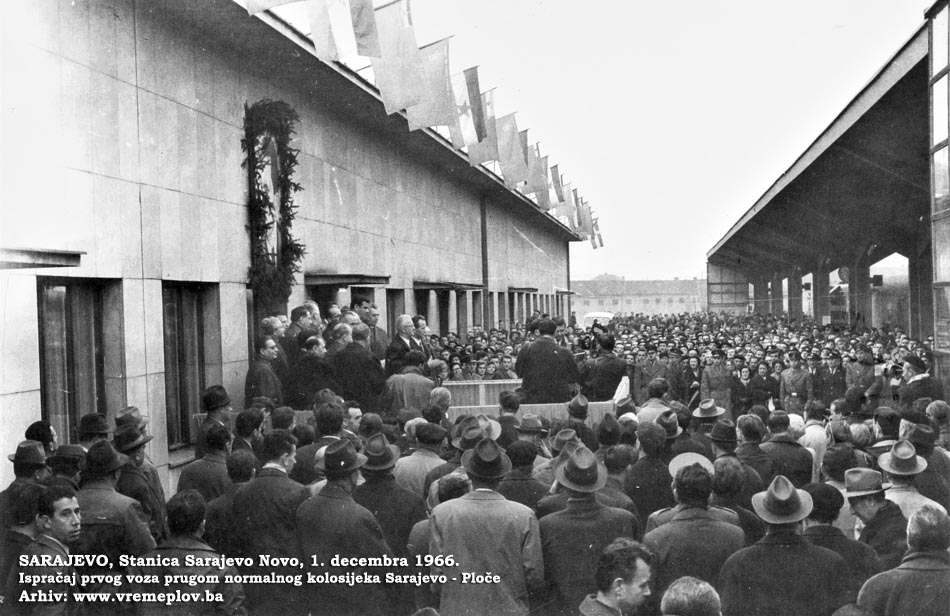
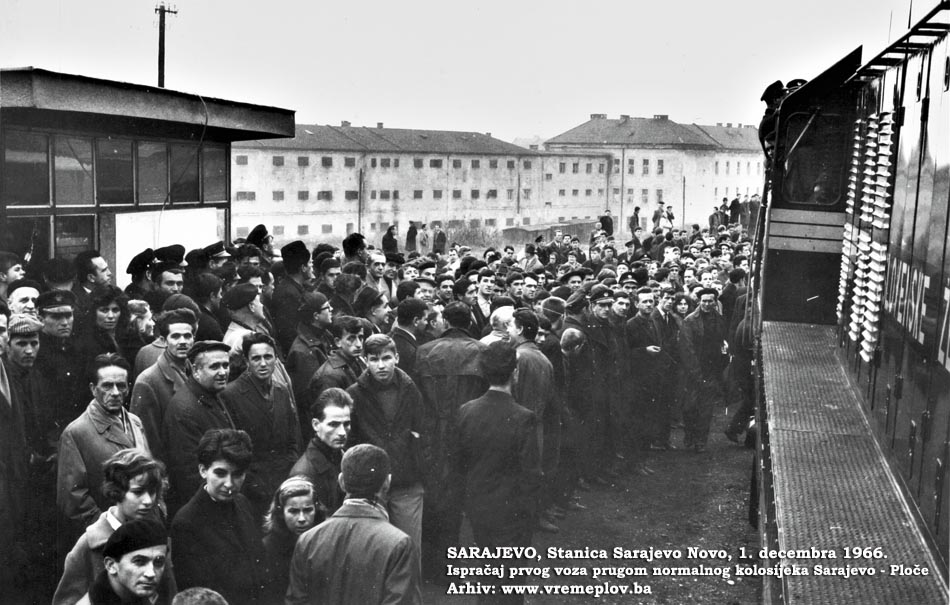
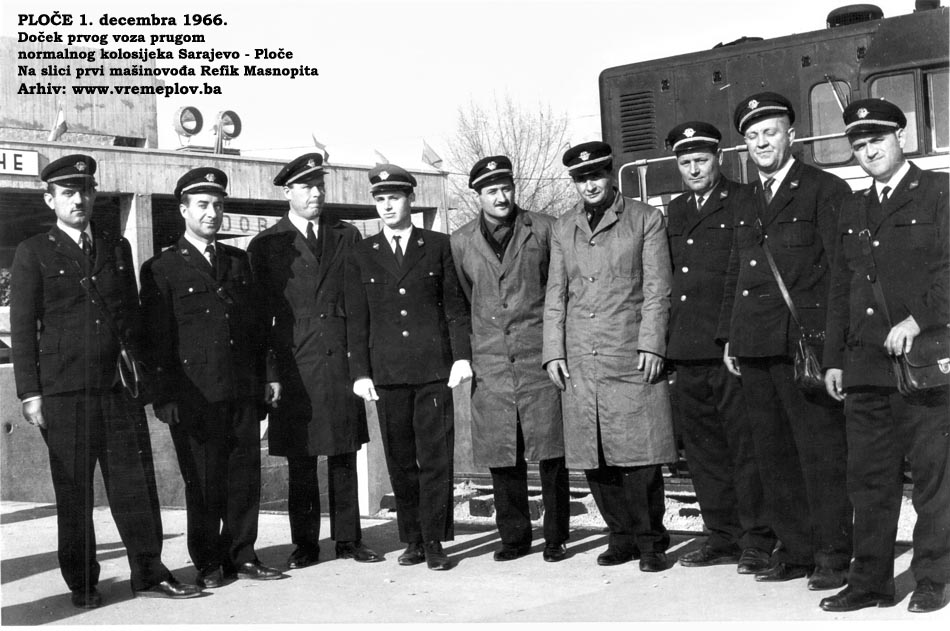
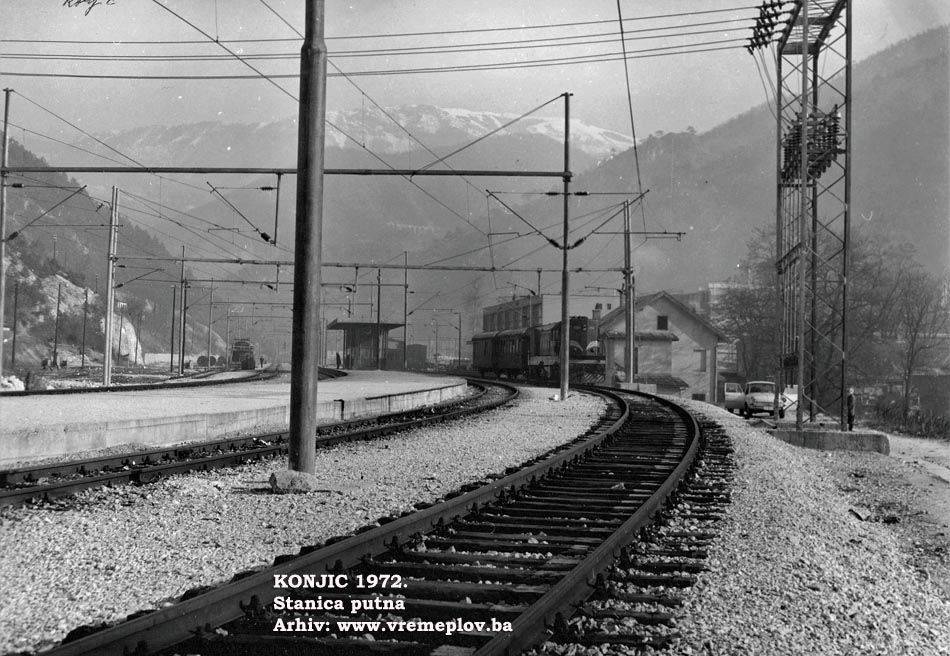
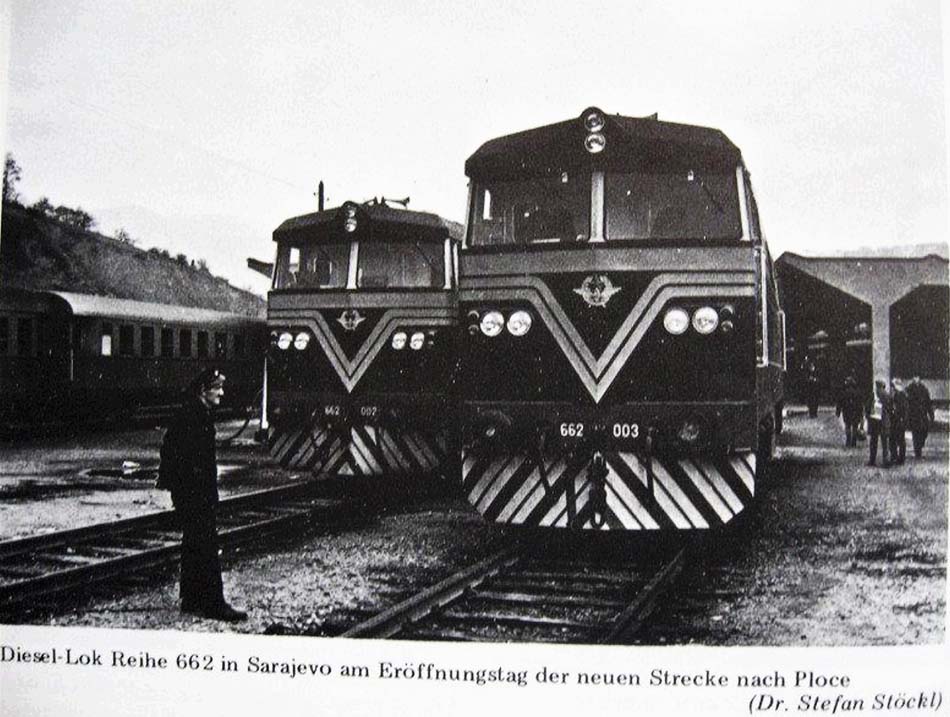
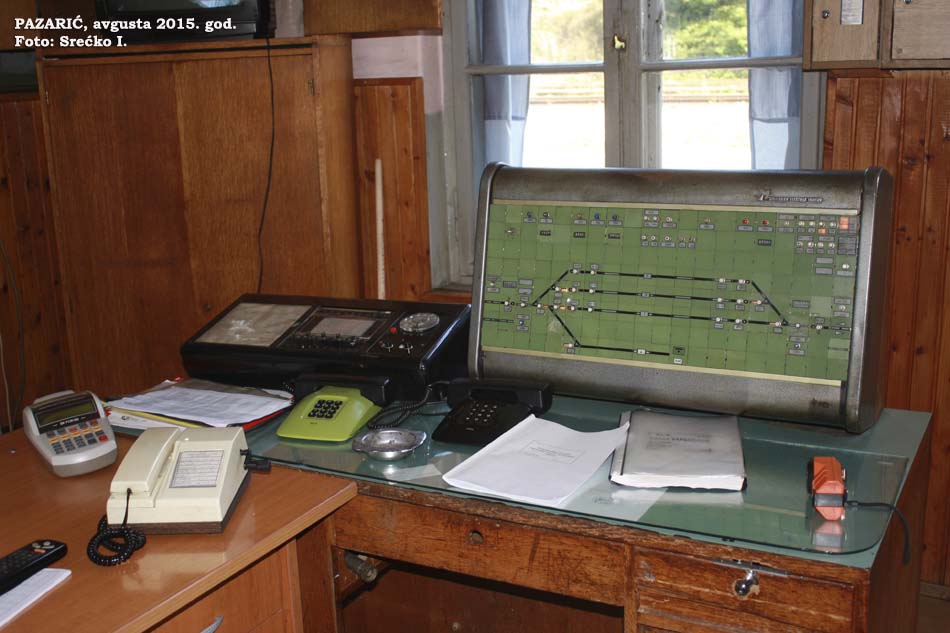
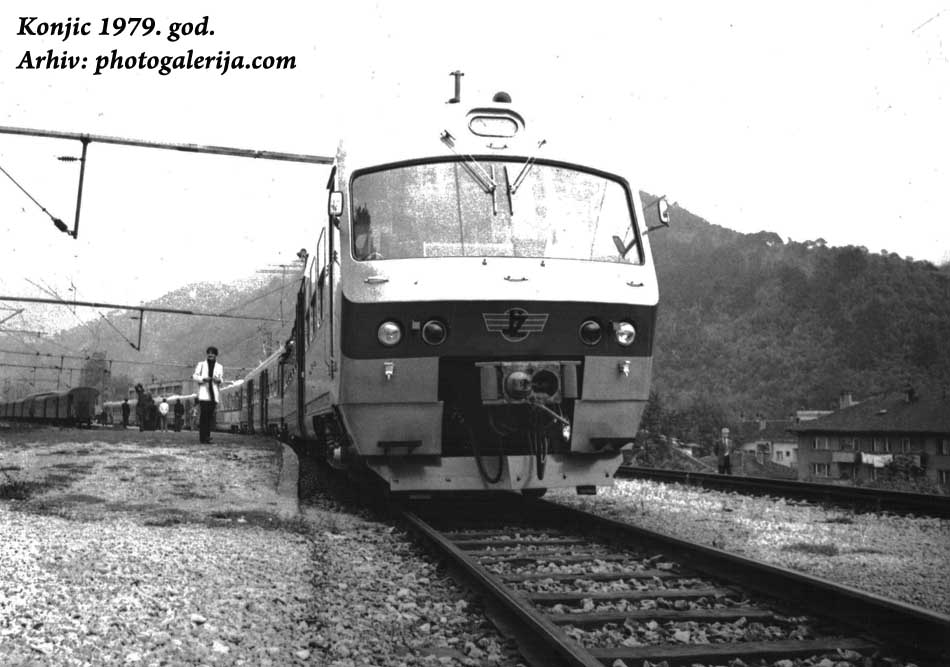
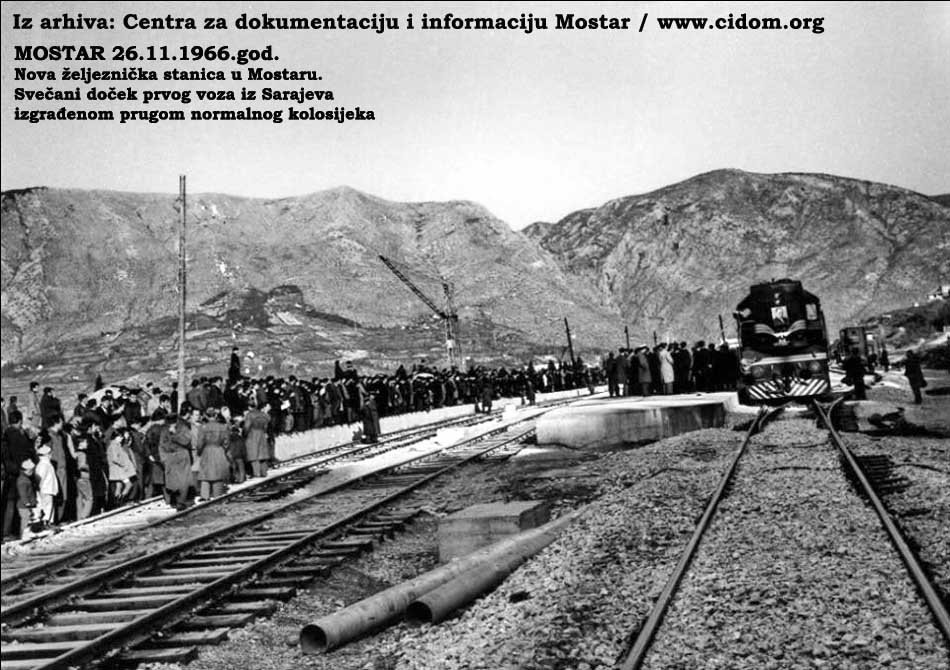
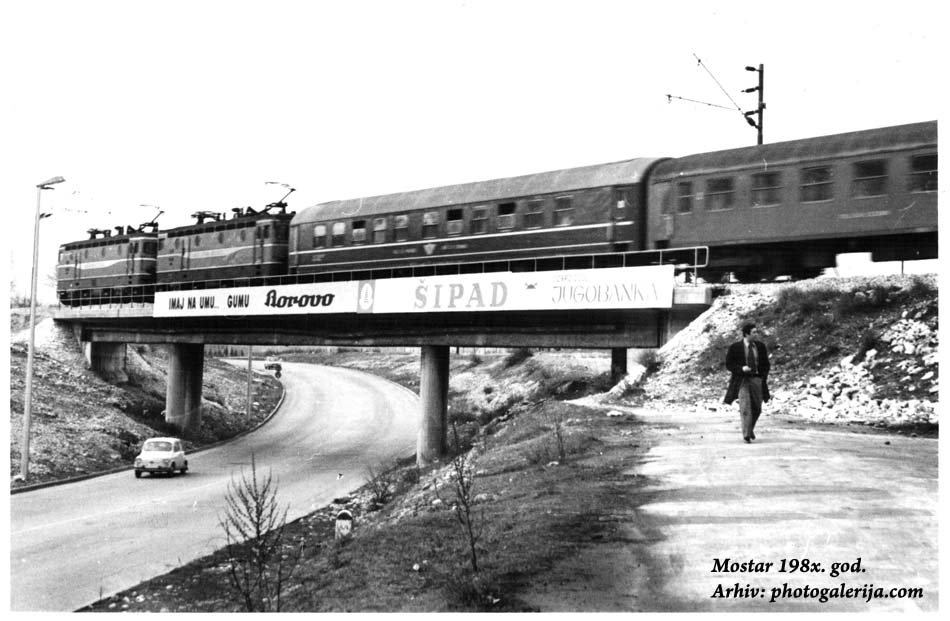
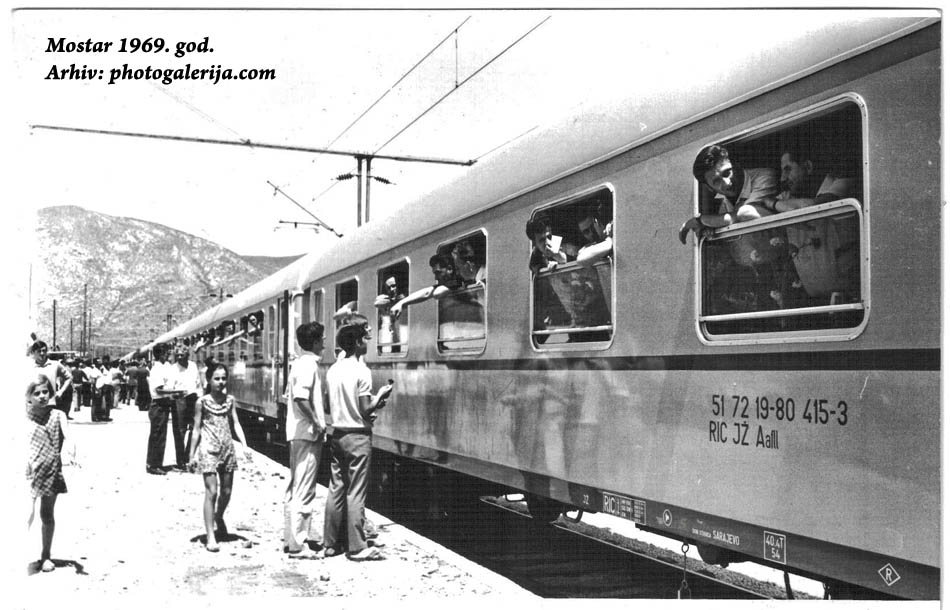
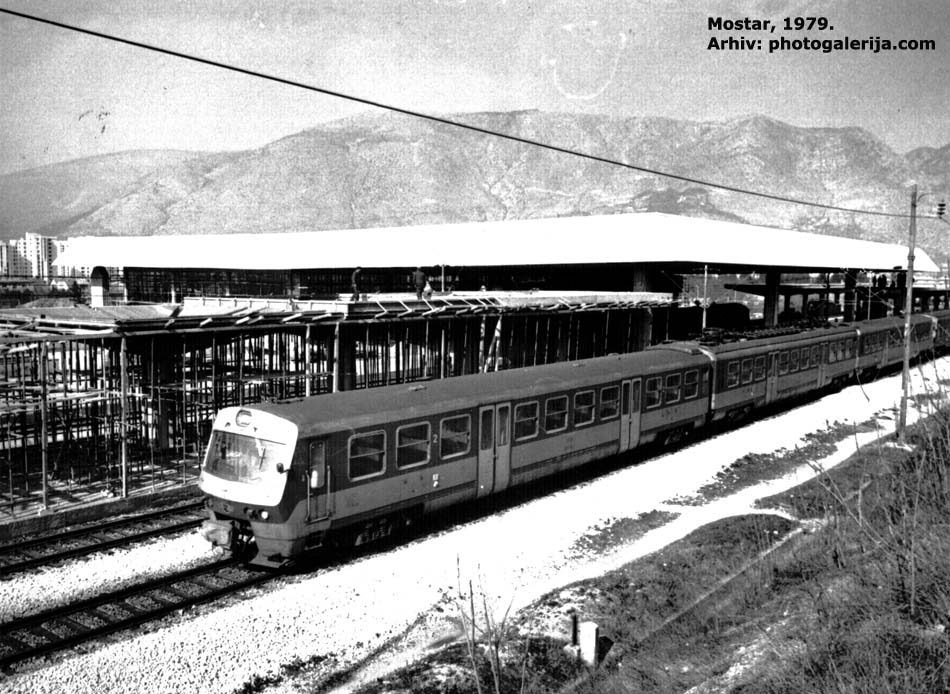
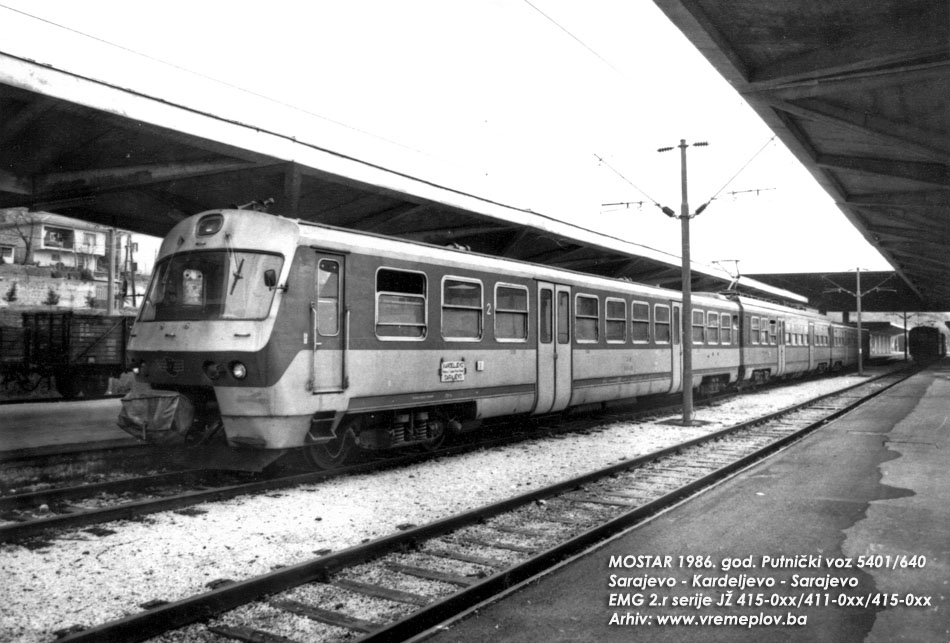
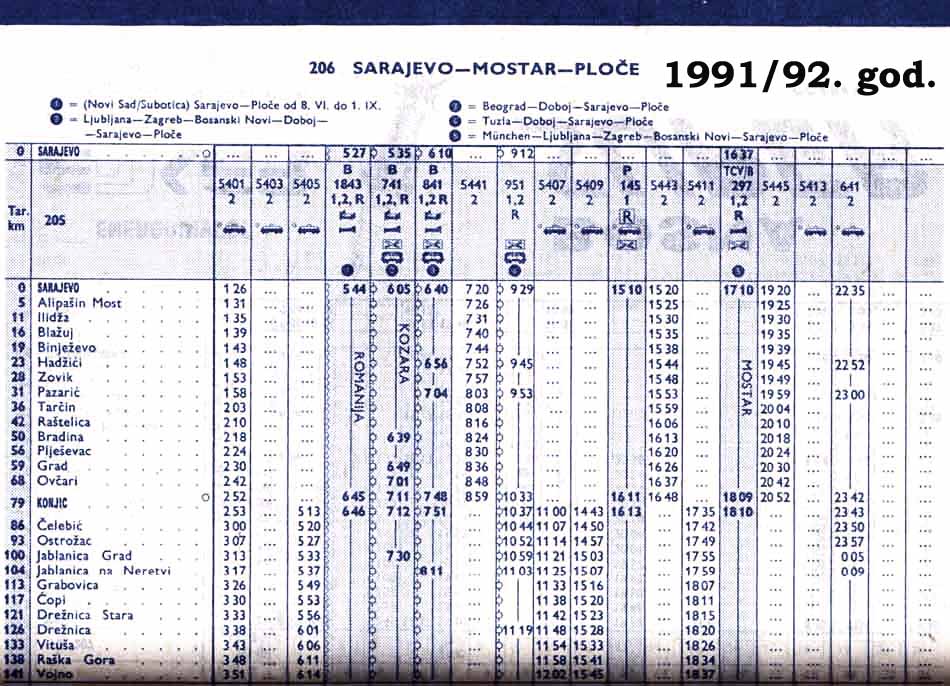
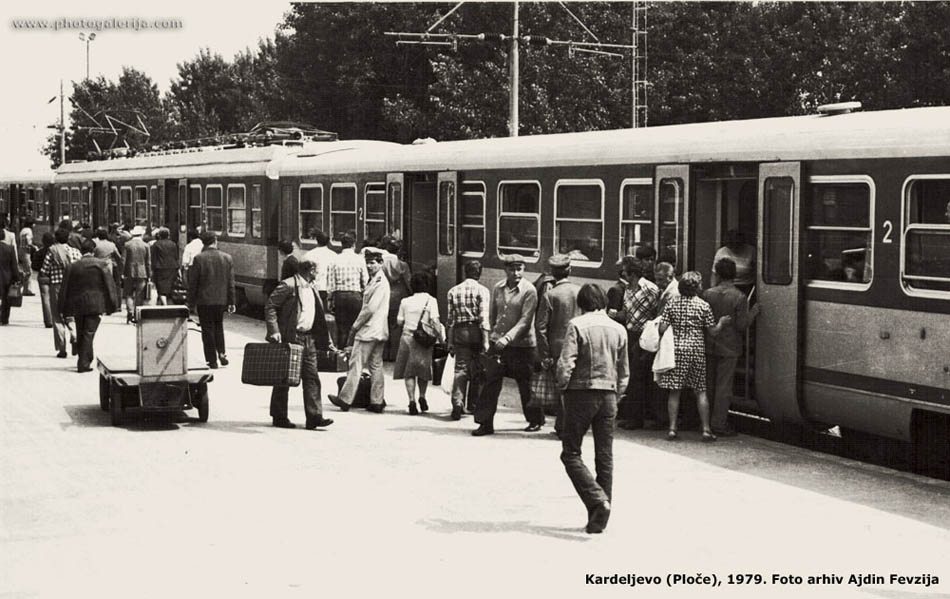
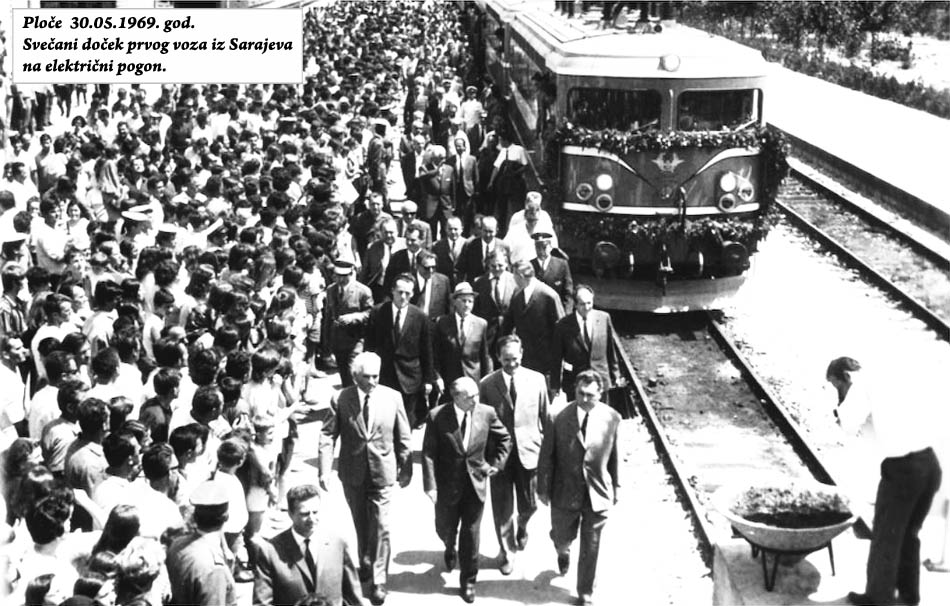
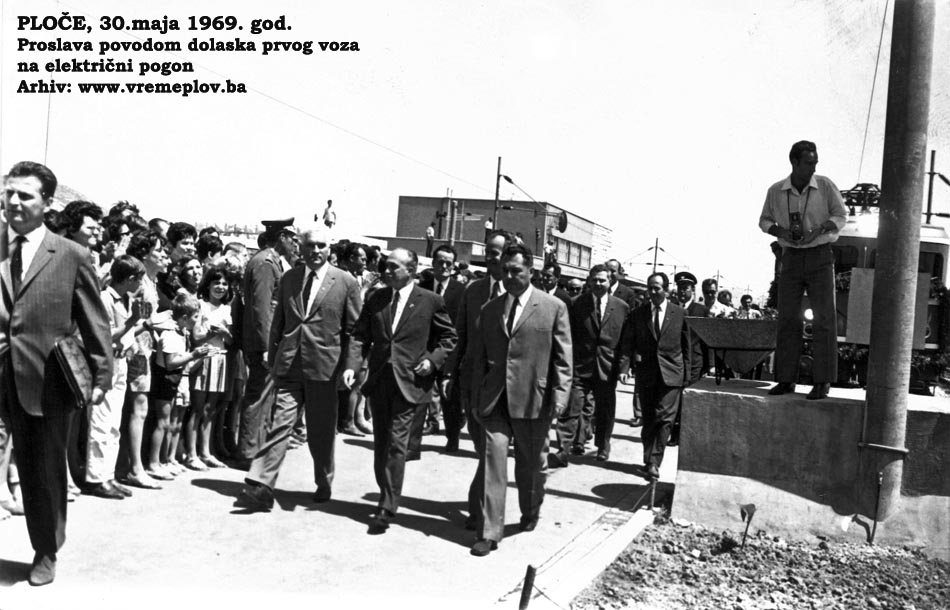
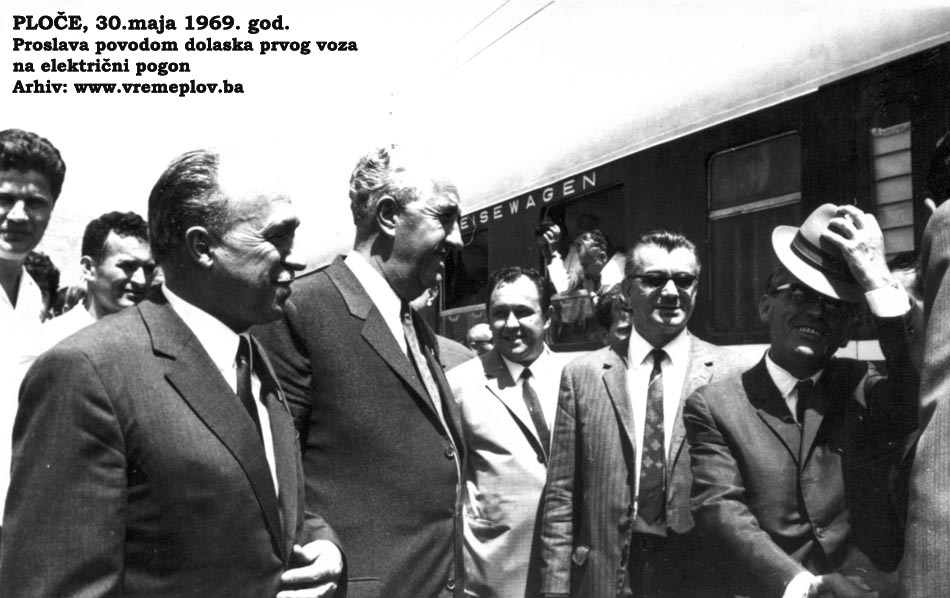
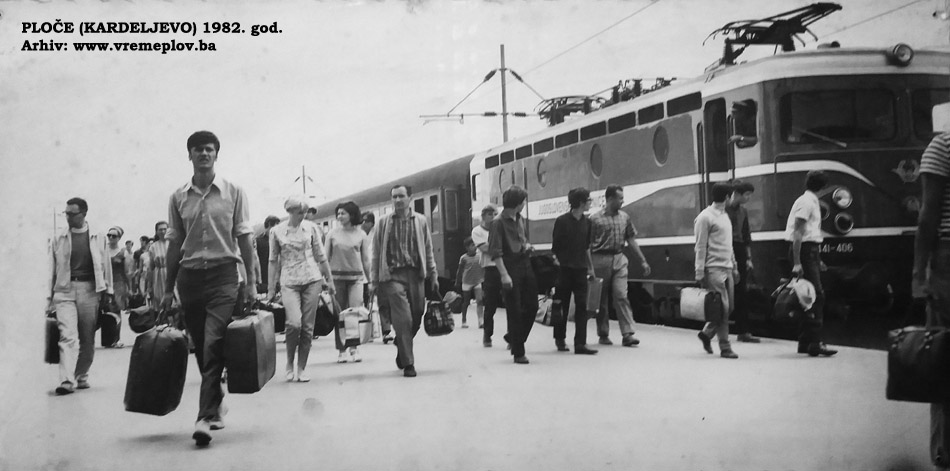
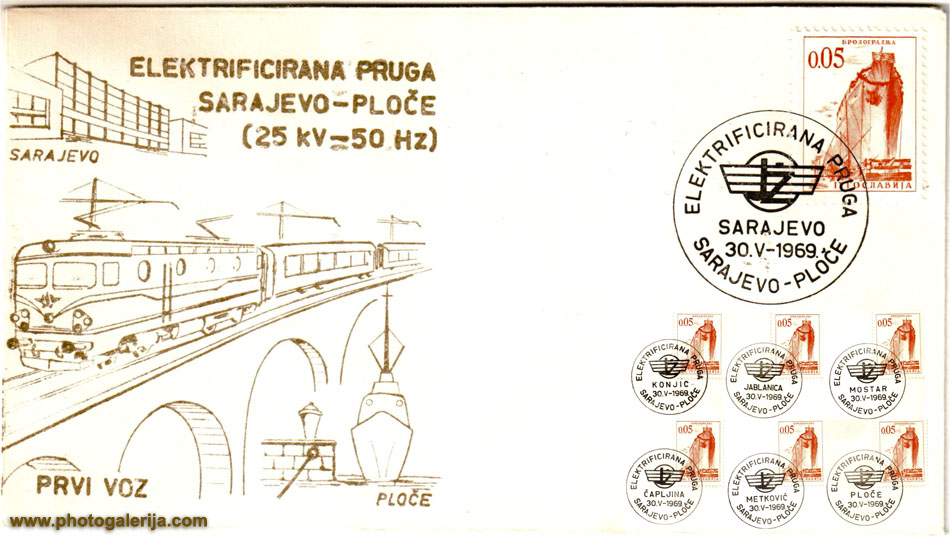
The Sarajevo – Ploče railway will be put into operation on November 29, 1966, to celebrate the Day of the Federal People’s Republic of Yugoslavia, and official traffic with scheduled timetable will commence on December 1 of the same year with a diesel locomotive. From 1967 until the end of May 1969, a monophase contact network of 25 kV – 50 Hz (electro traction with locomotives of 4,000 HP) will be installed, along with embedded electro-relay signaling and safety devices (automatic and centralized control) with a remote control device that allows remote management of traffic located in Rajlovac near Sarajevo. These electrical systems were destroyed during the last war in these areas (1992/95), and as of today (2016), they have not been restored.
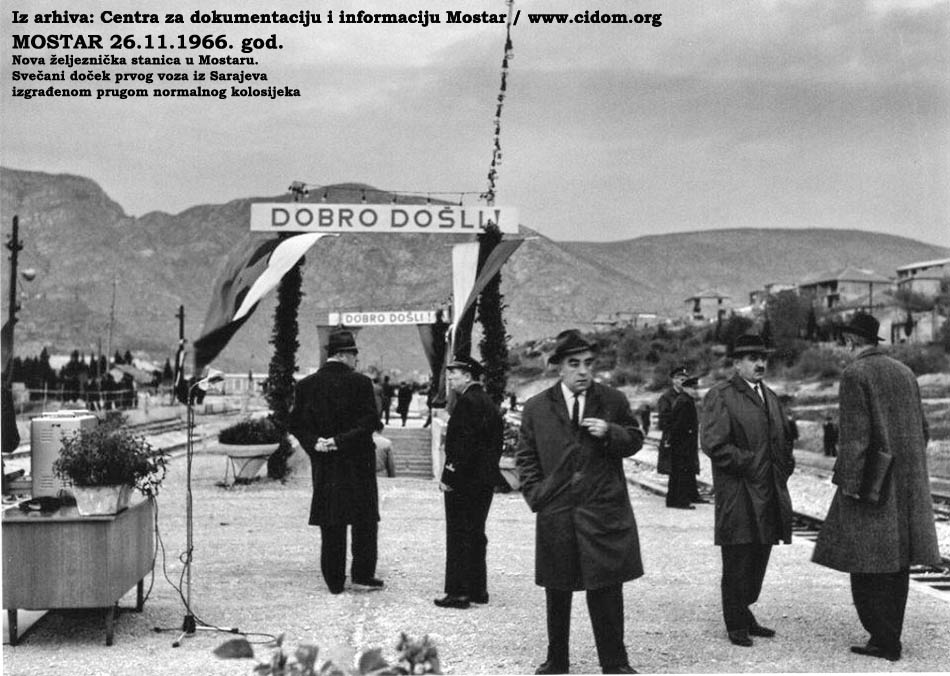
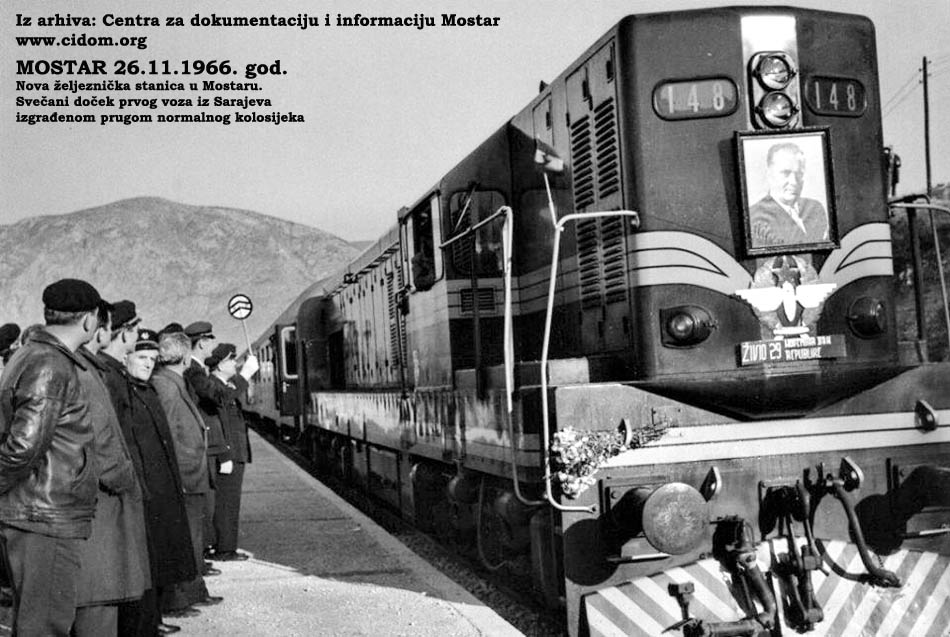
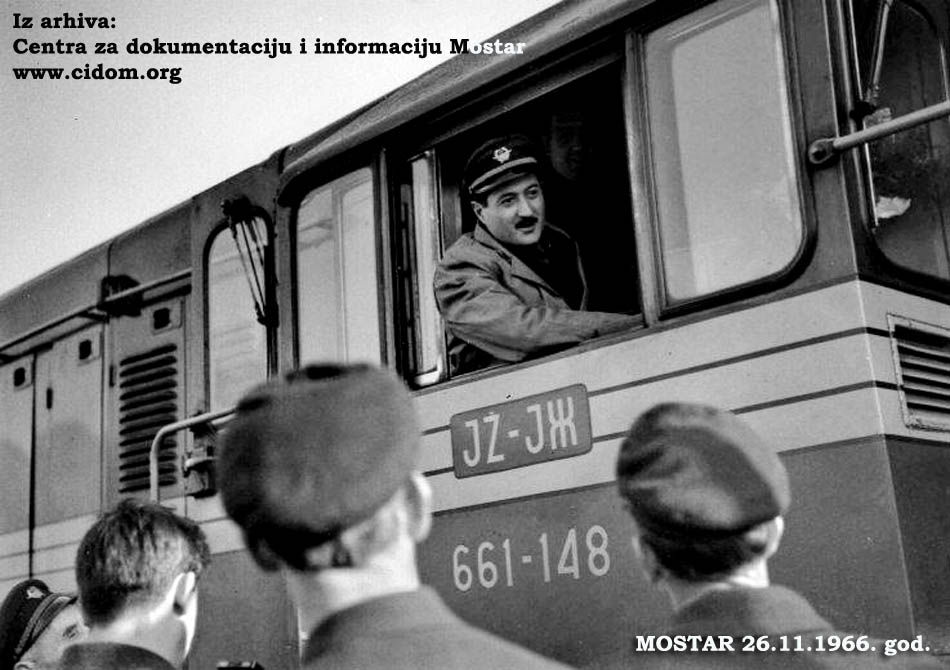
Also, it is worth mentioning that the first ceremonial diesel-powered train (diesel locomotive number 661-148) departed from Sarajevo on the new normal gauge track on November 26, 1966 (to commemorate the anniversary of the First Session of the AVNOJ in Bihać) to Mostar, operated by train driver Refik Masnopita, and from Mostar to Ploče the following day, November 27, under the management of train driver Pero Andrić.
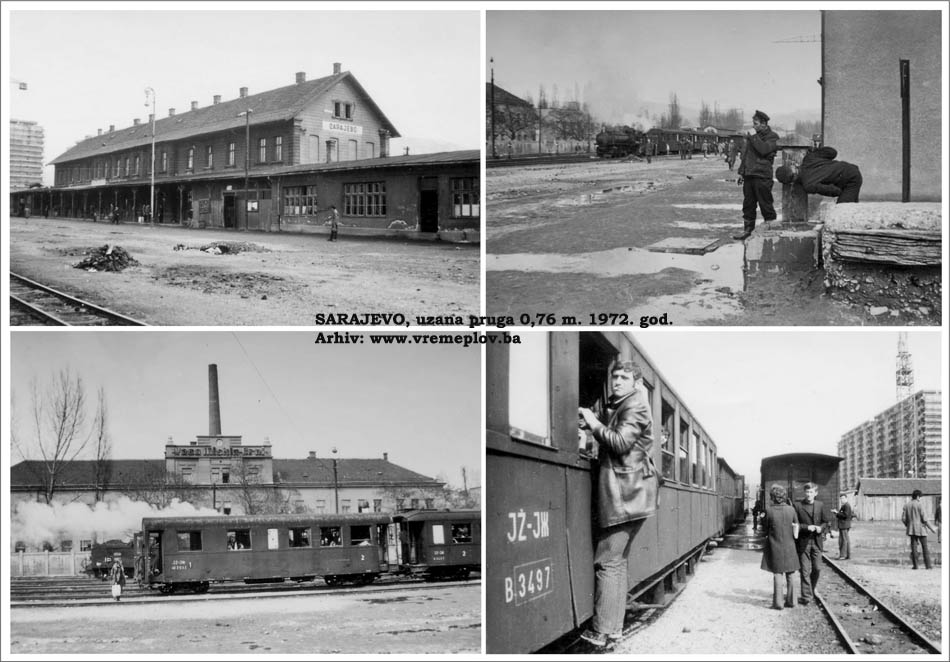
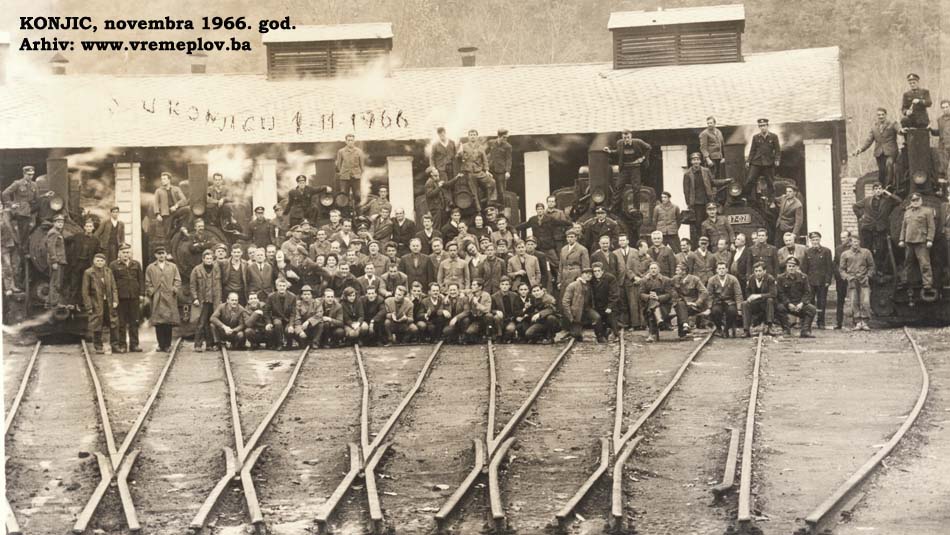
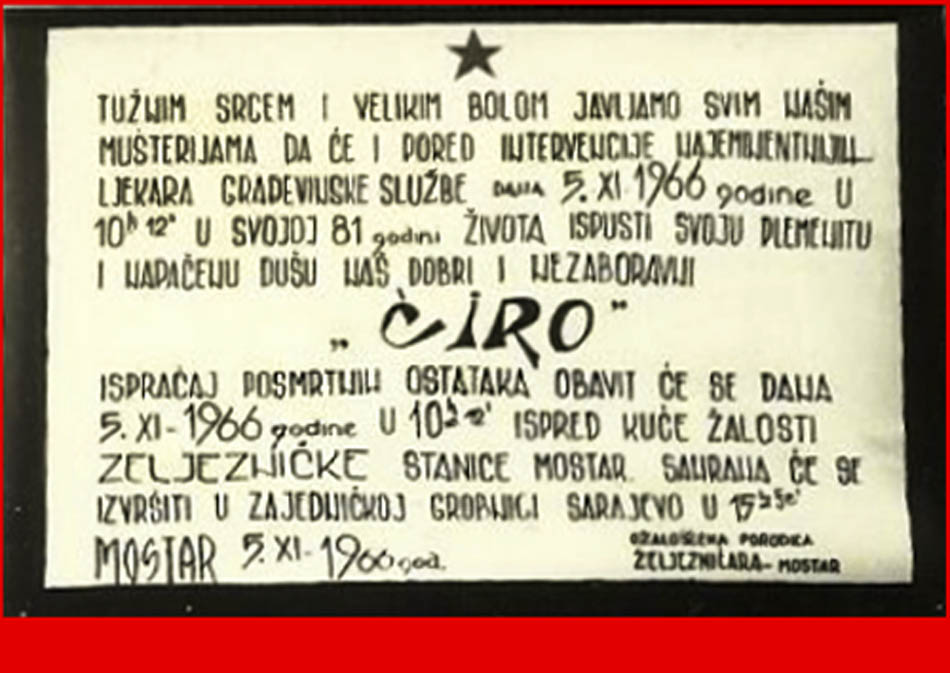
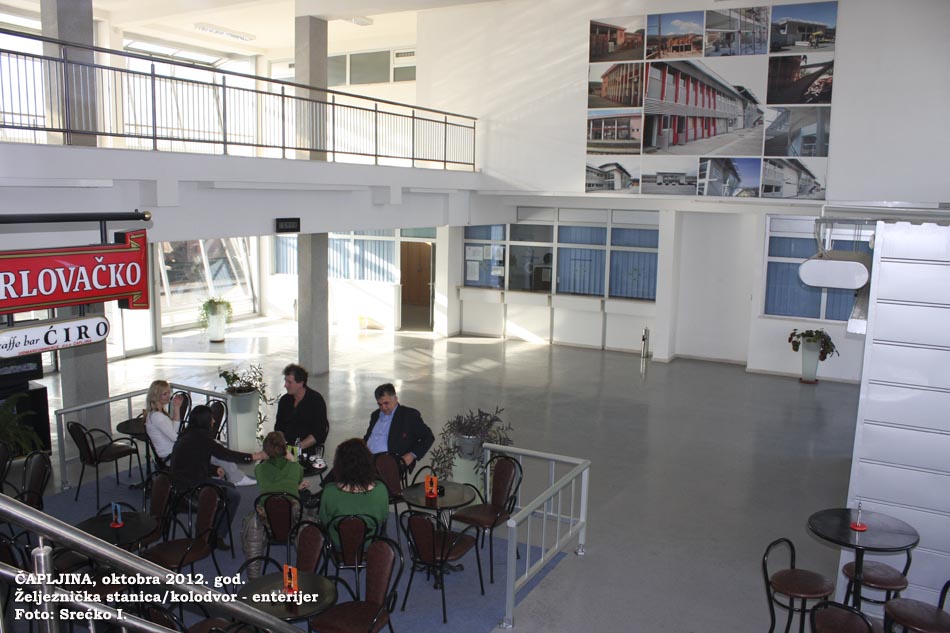
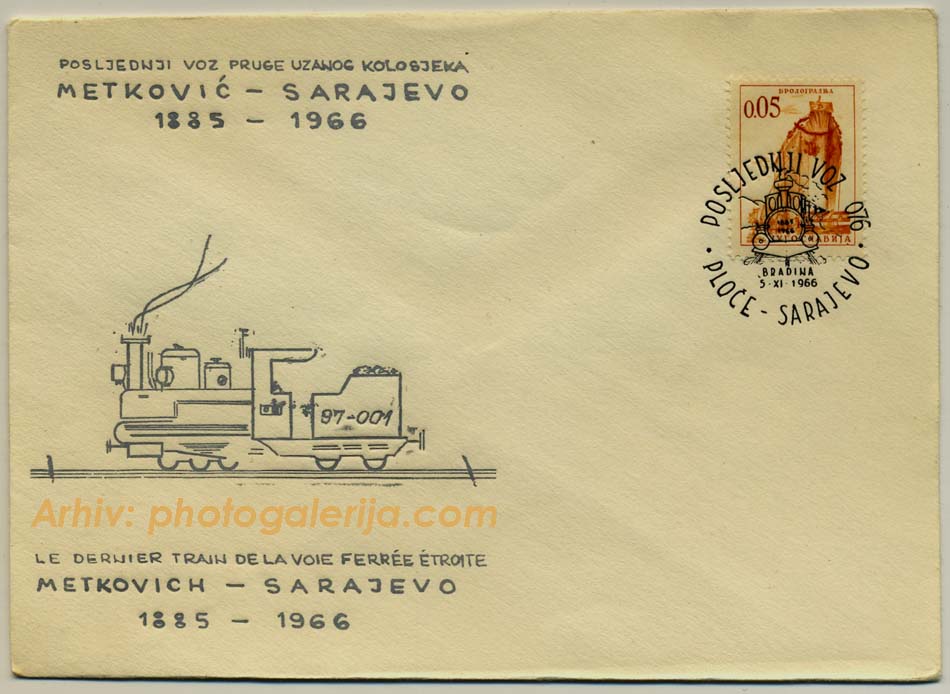
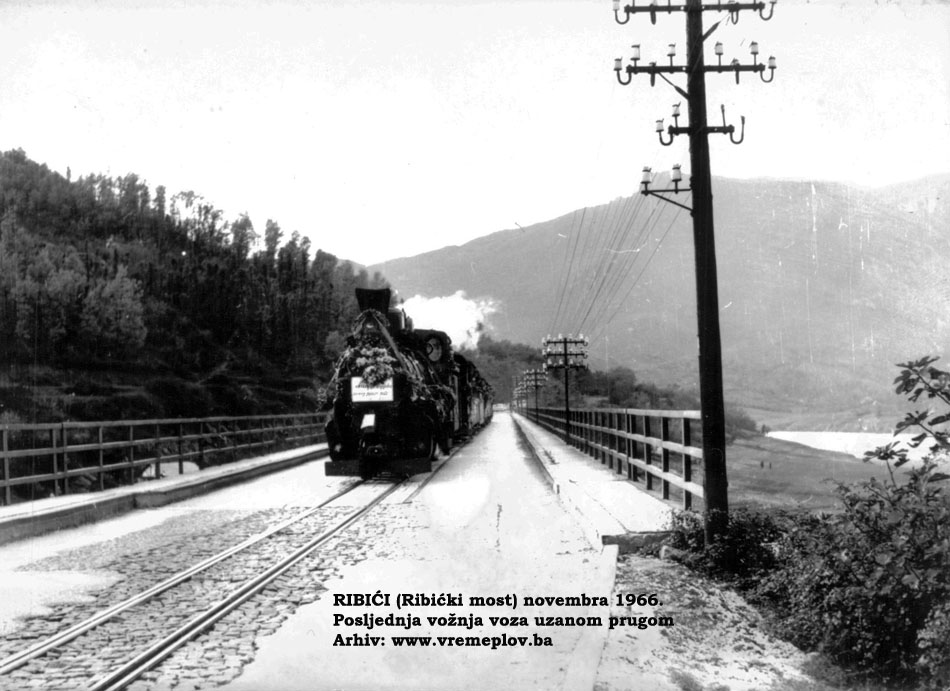
Describing these November festive events of 1966, which remain forever etched in the history of railways in Bosnia and Herzegovina, we must also mention a sad November day, which is the last ride of the narrow-gauge train led by a steam locomotive known among the people as “Ćiro.”
Čiro is leaving, diesel is coming
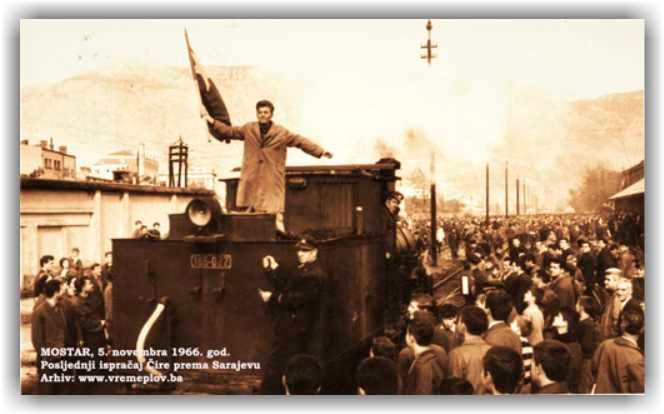
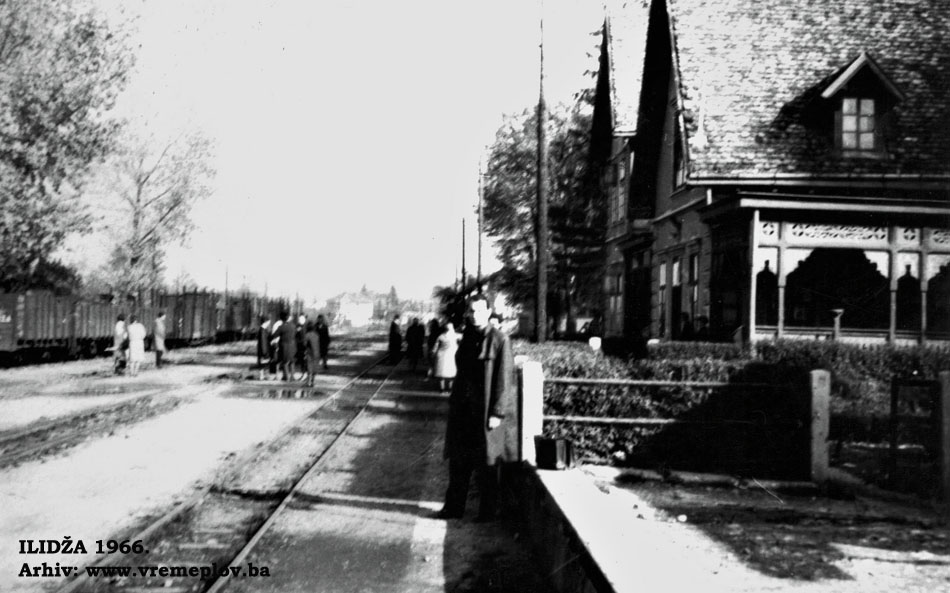
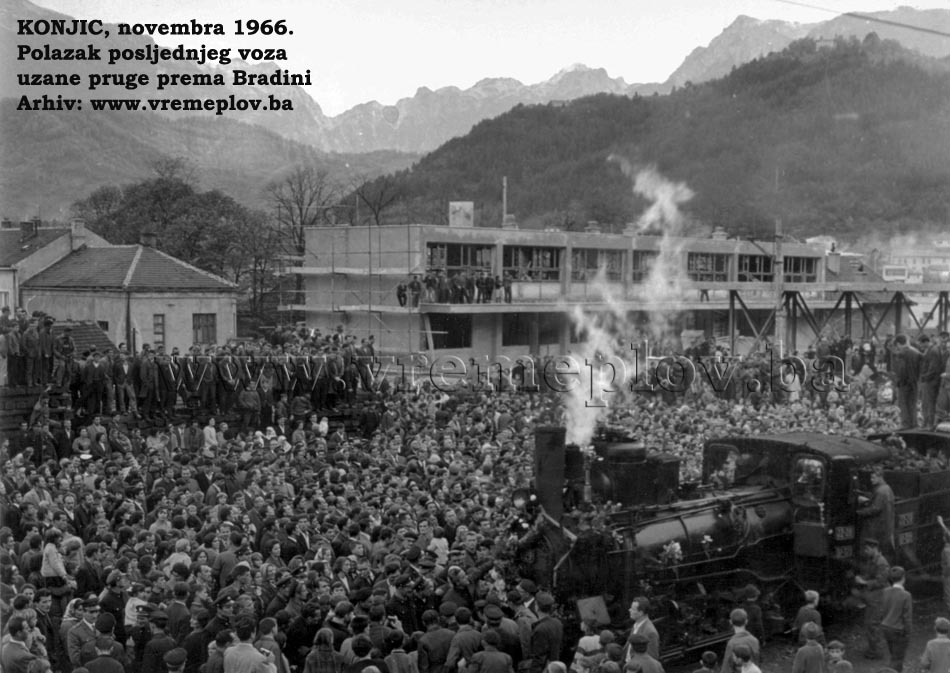
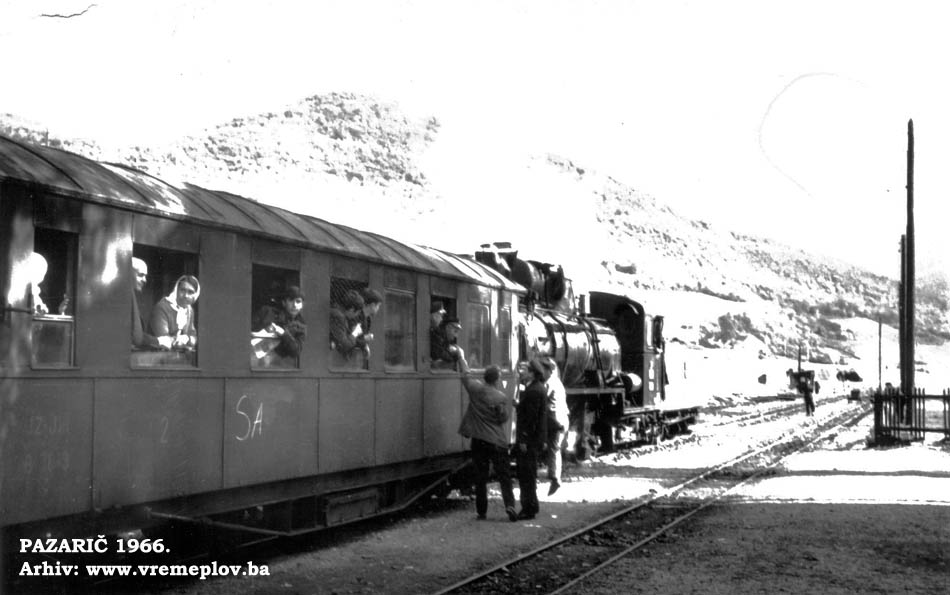
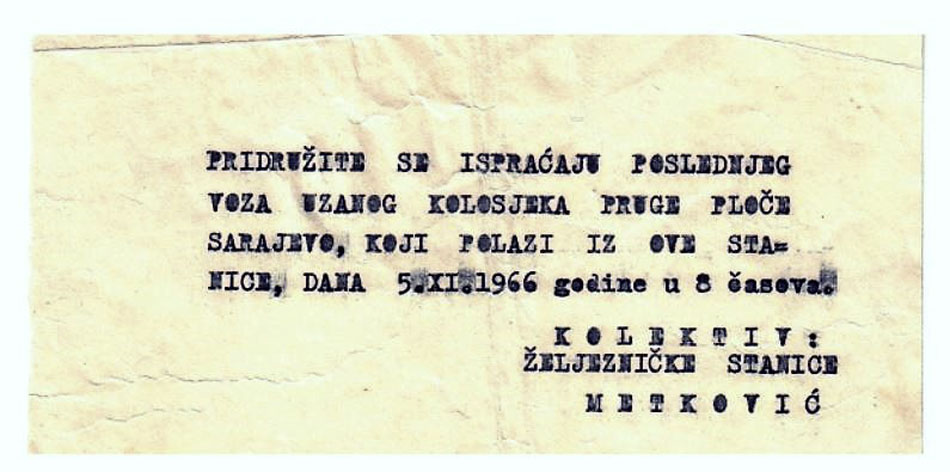
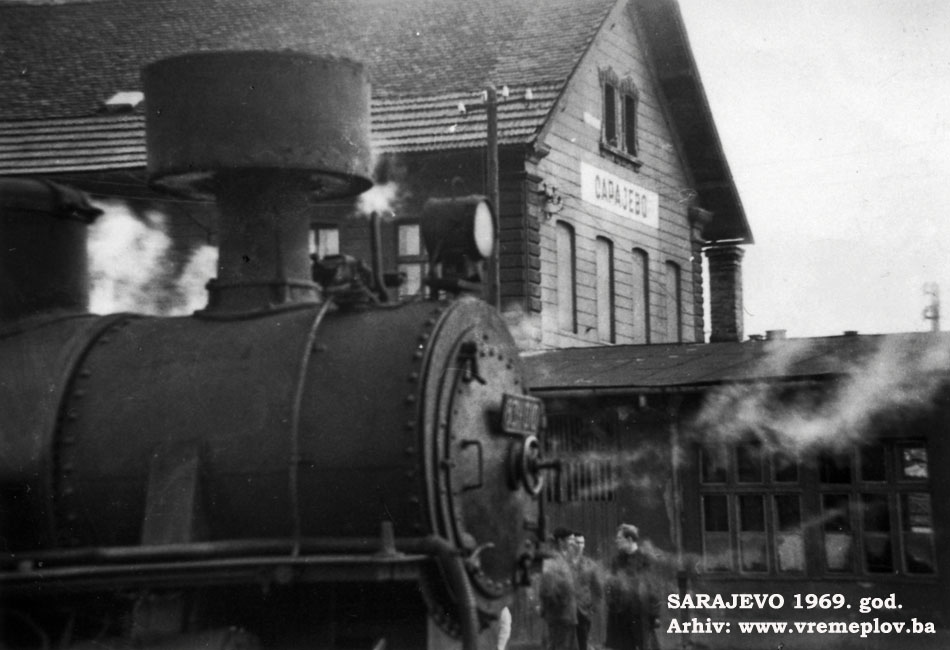
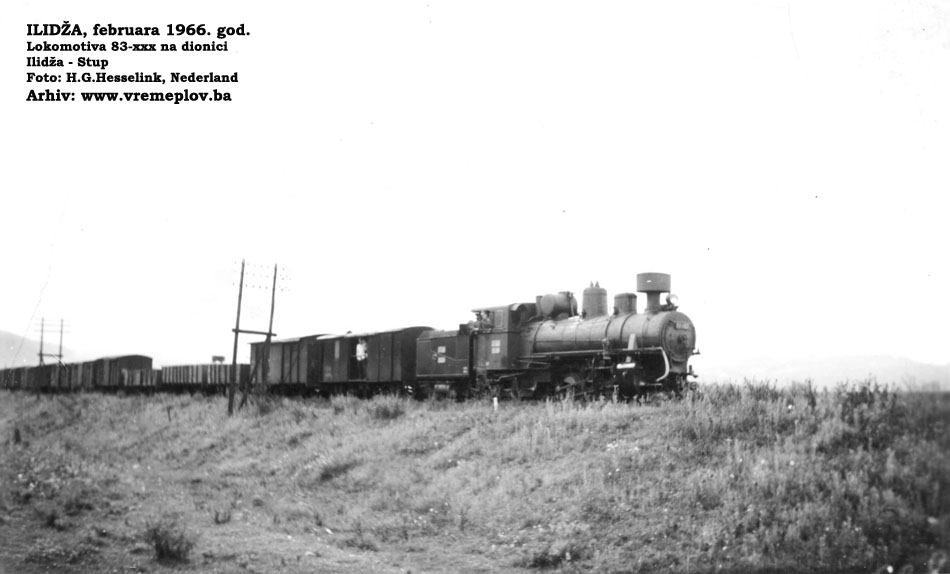
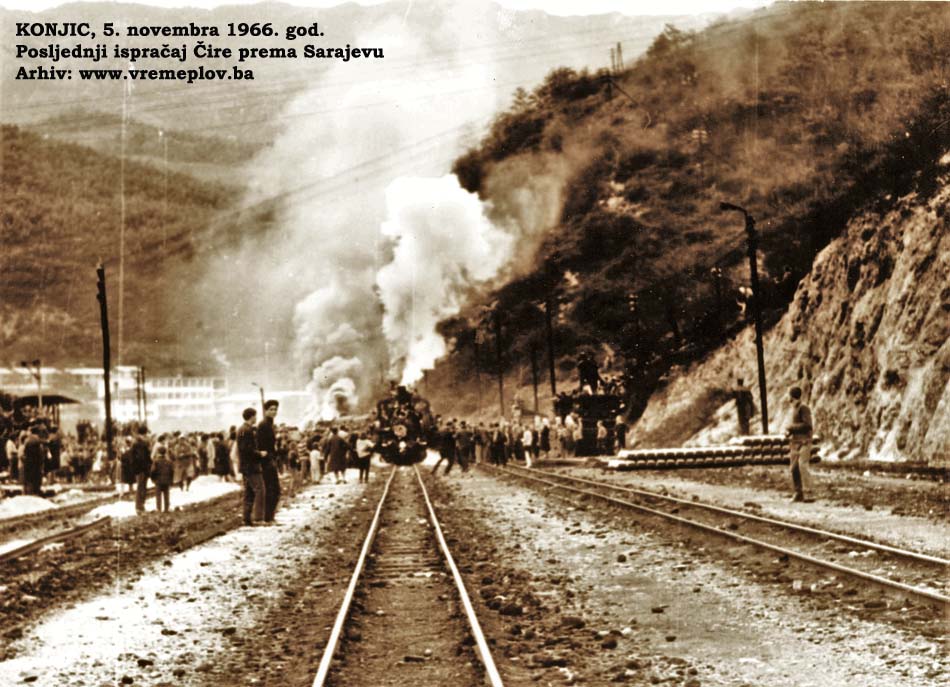
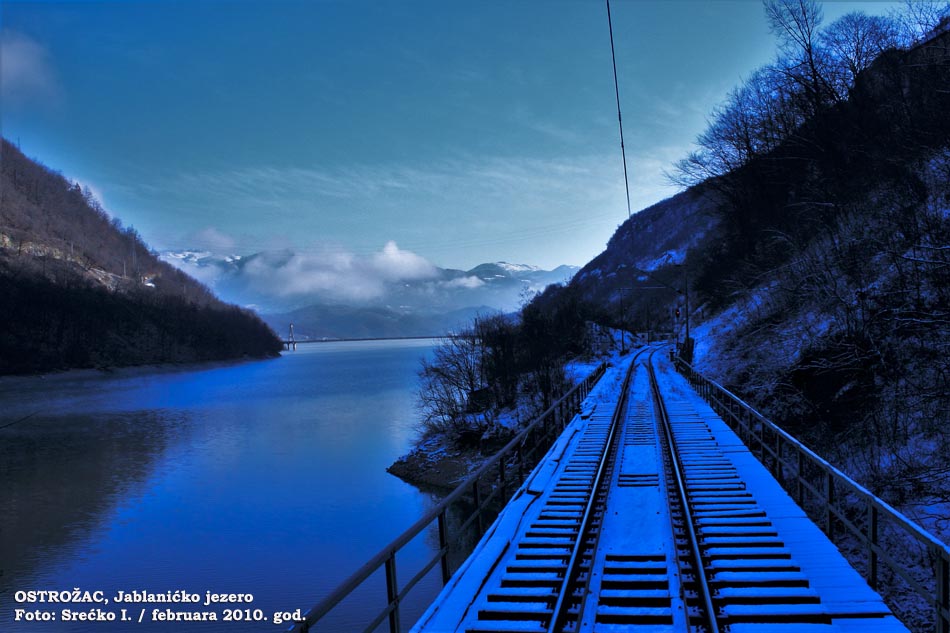
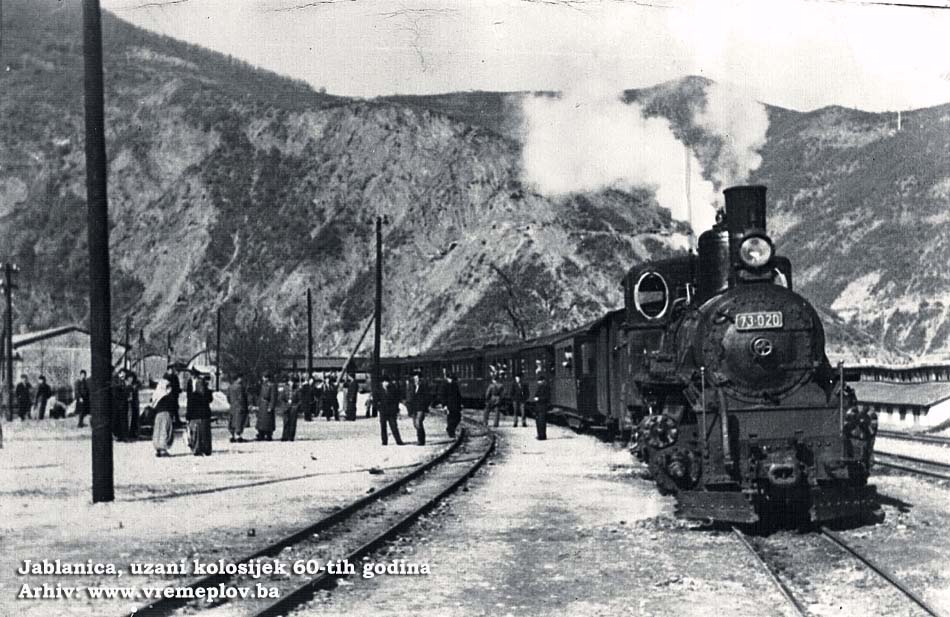
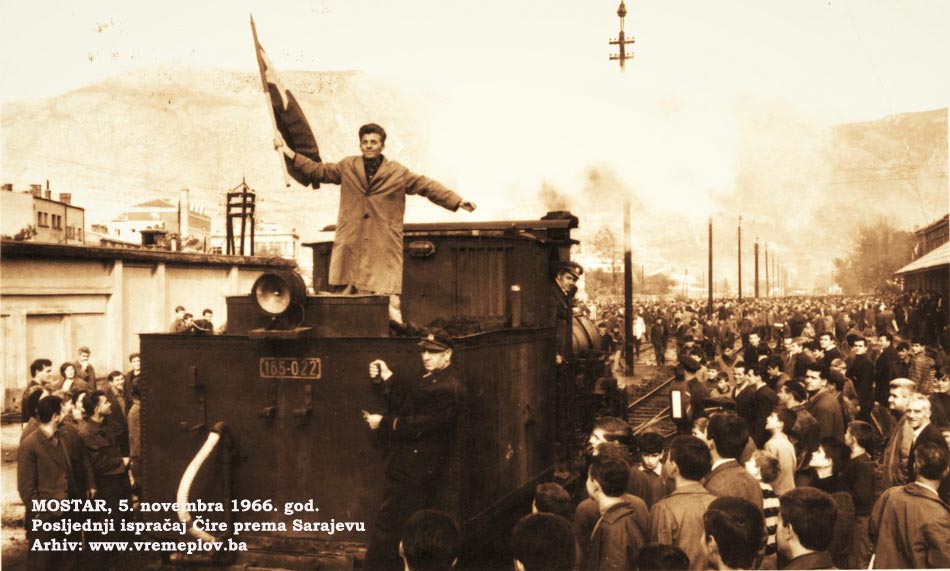
November 5, 1966. The last “Ćiro” train departed from Ploče towards Sarajevo, the good old train that had symbolized eight decades of existence along the narrow gauge track in these regions. The locomotive was the Čapljina 83-146 with a Kobelco chimney. The engineer was Alija Klepo from Jablanica, and the fireman was Zdravko Ljoljić. The journey was somewhat cheerful, somewhat sad. Decorated more than ever before, carrying the slogan “Ćiro is leaving, diesel is arriving,” it rocked at forty kilometers an hour from station to station. Young and old welcomed it, bade farewell, held speeches, and rallies. In Mostar, about 10,000 citizens greeted it. As it entered the station, its long, shrill locomotive whistle conveyed both joy and sobs, and for many, a sense of fear for what was forever leaving. From Mostar, the train was pulled by “Đakuša” series 83-044 with engineer Mata Solda and fireman Salko Hodžić towards Jablanica and Konjic. When Mata pulled the lever, the engine roared, coughs and sneezes followed, and white smoke billowed into the sky under the clouds. Farewell, Mostar. This small composition, covered in smoke from the panting locomotive, zigzagged through the Neretva valley. Soon, it would pass through the canyon of the swift and clear Neretva River and through the gorges under the clouds, where the black eagles soar—one of the most beautiful in Europe. The train’s windows were crowded with people’s heads, providing a pleasant and majestic view of the stunning scenery of Jablaničko Lake, rushing towards the mountainous part of Bosnia.
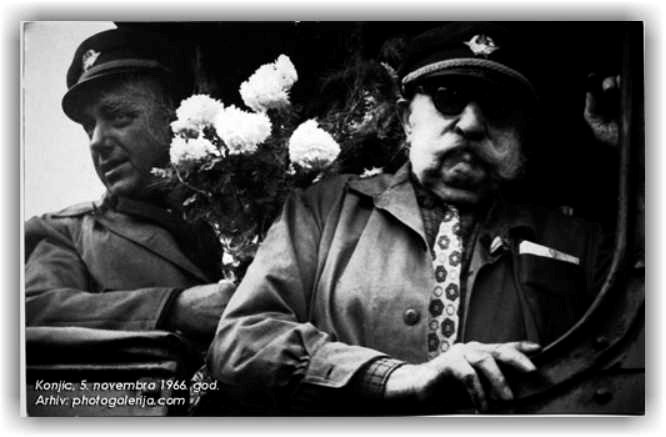
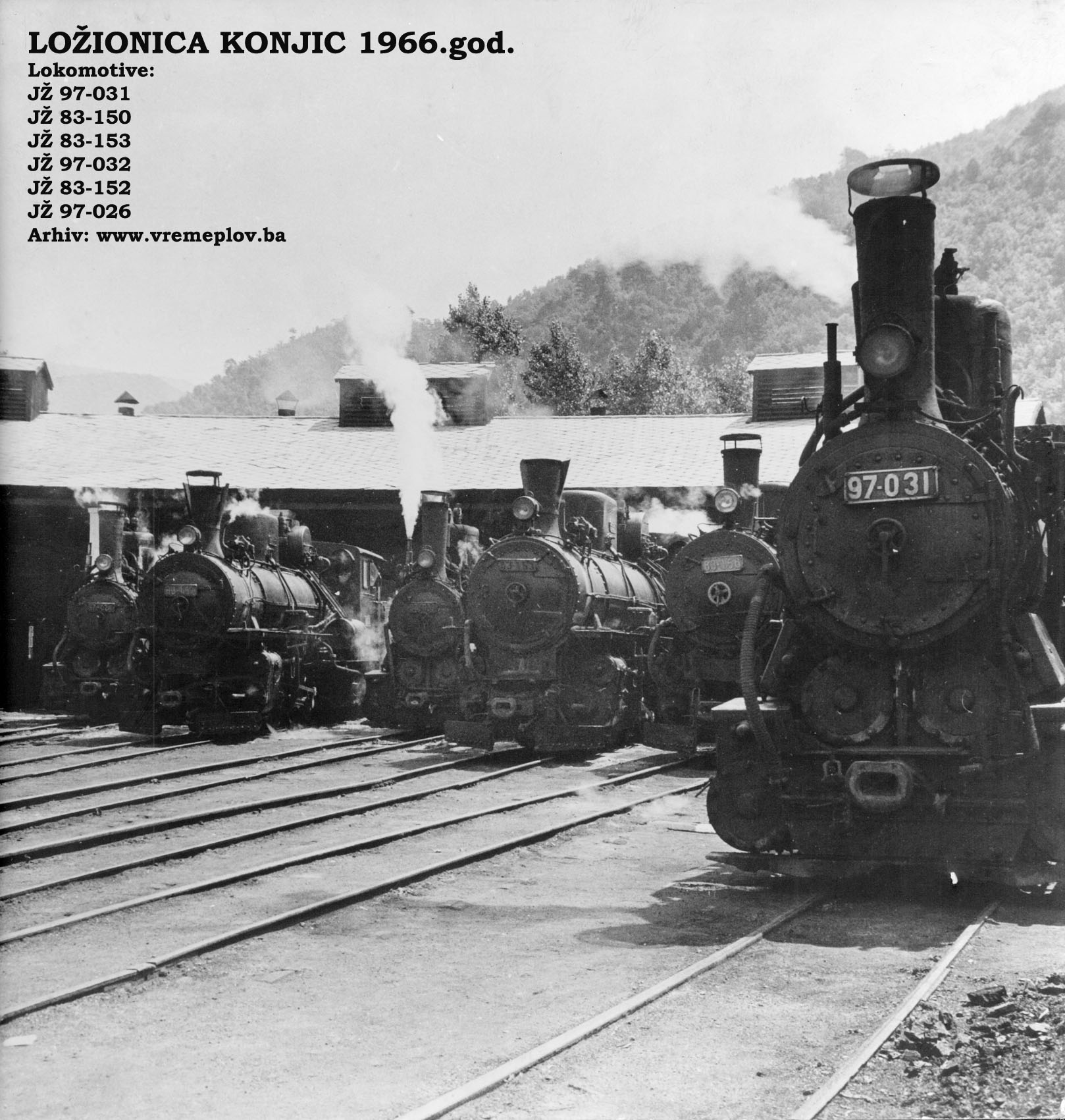
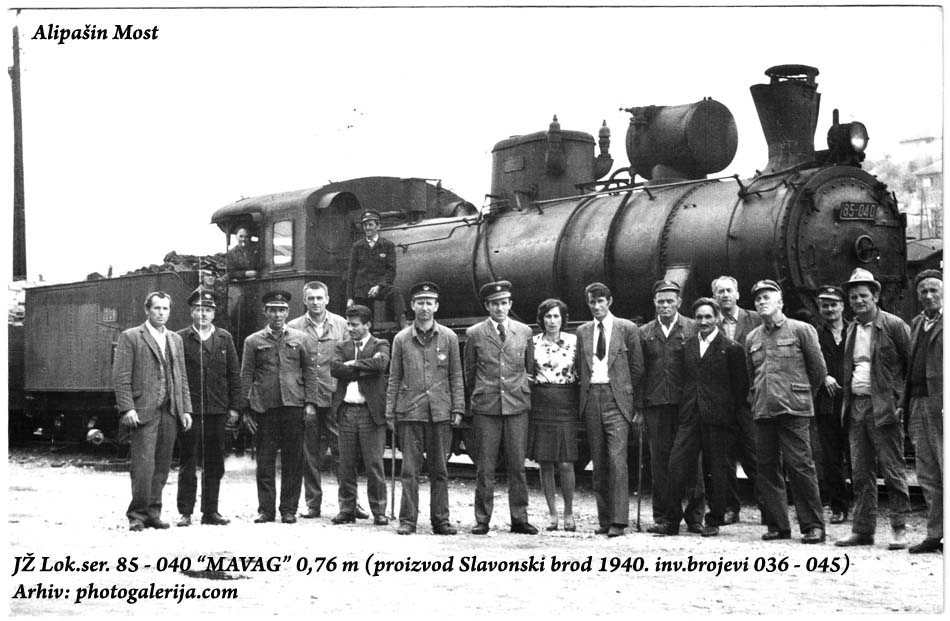
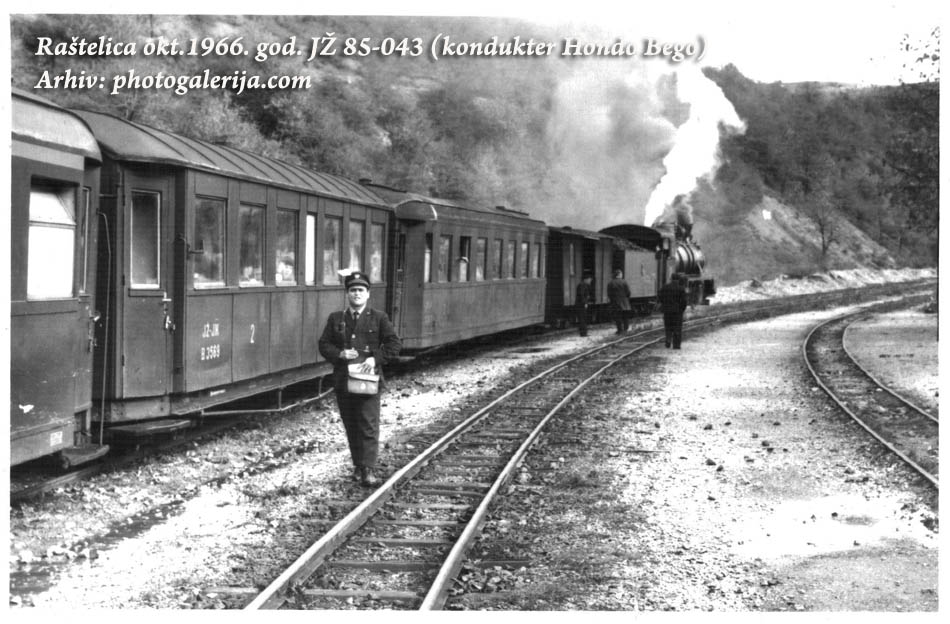
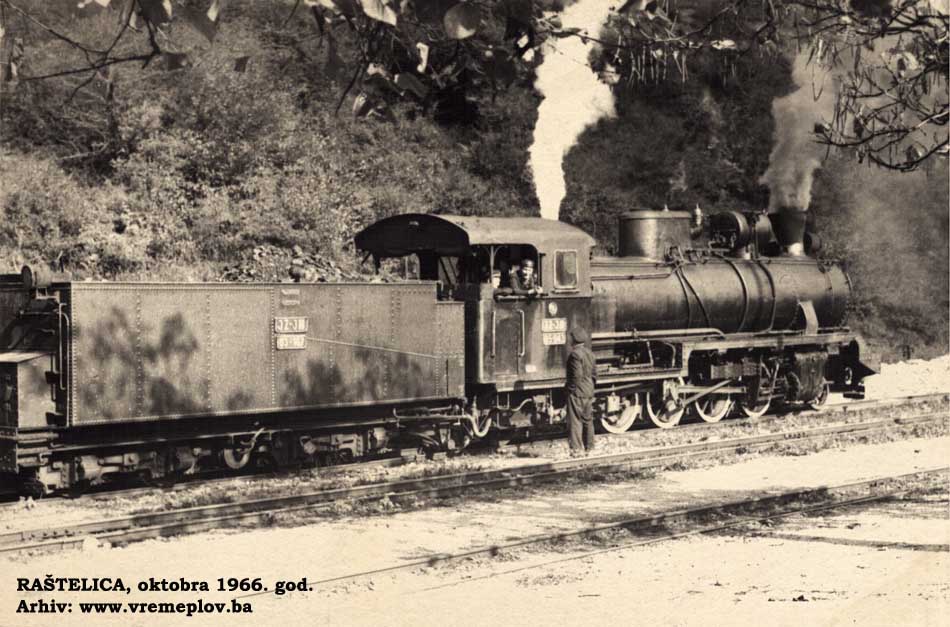
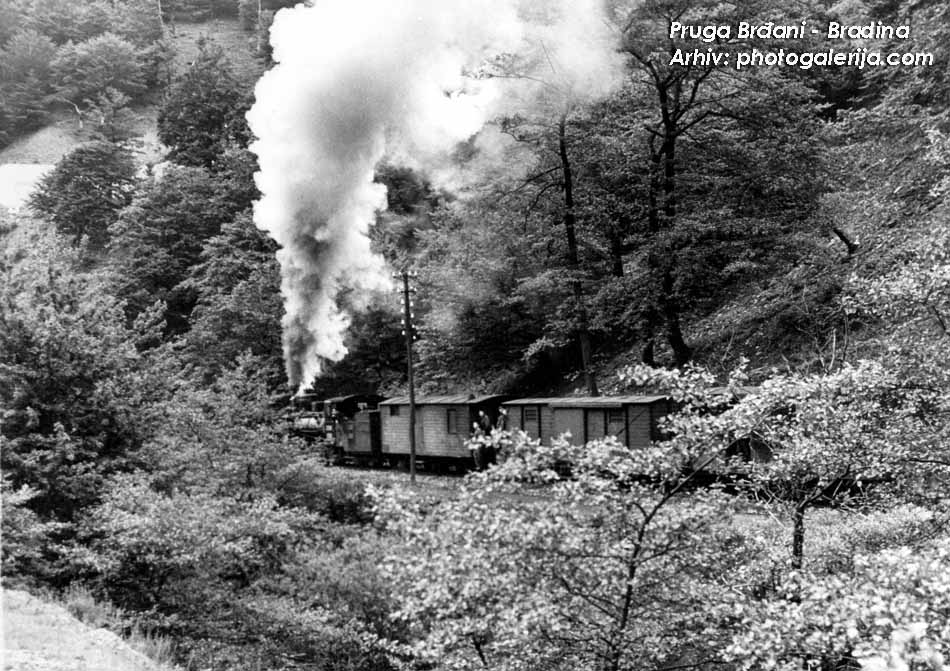
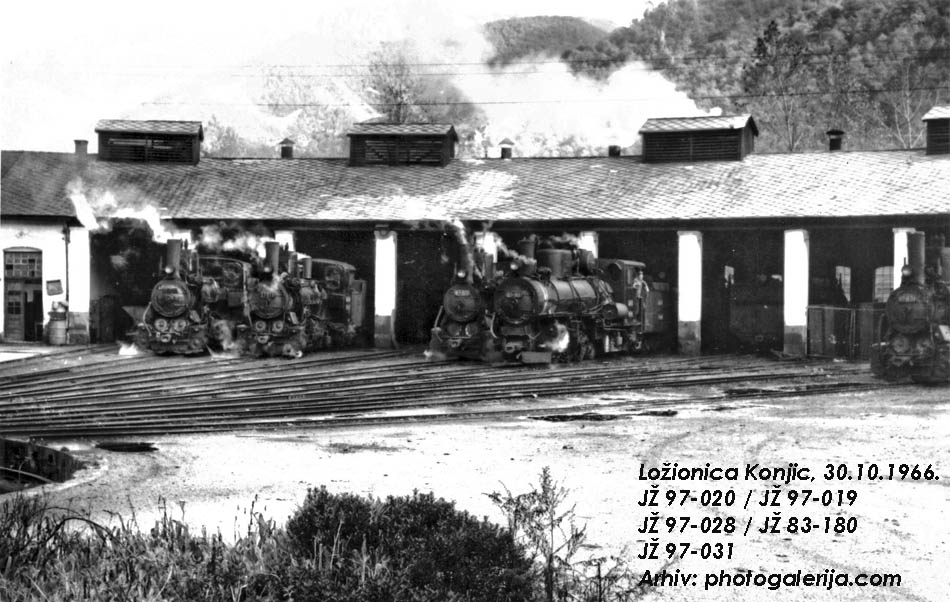
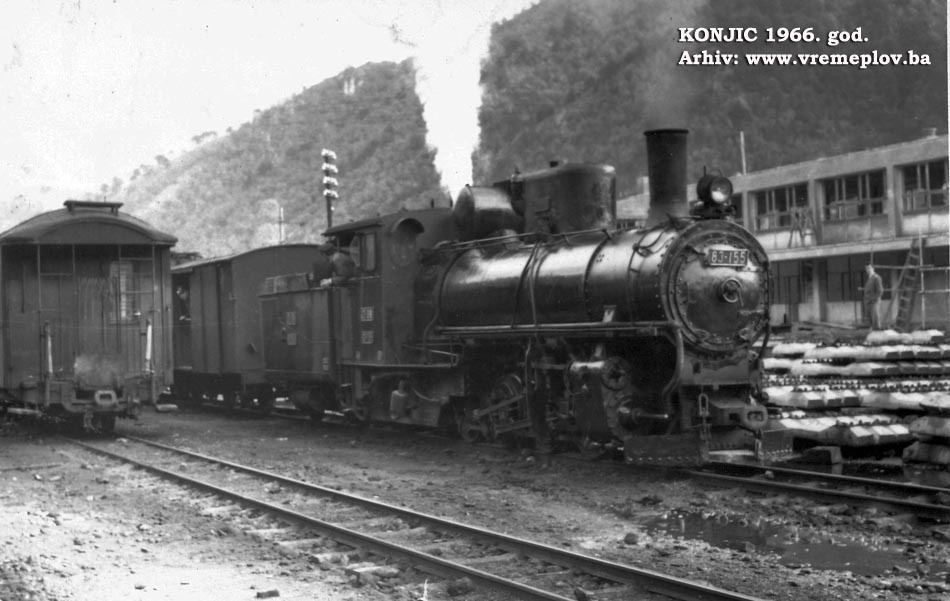
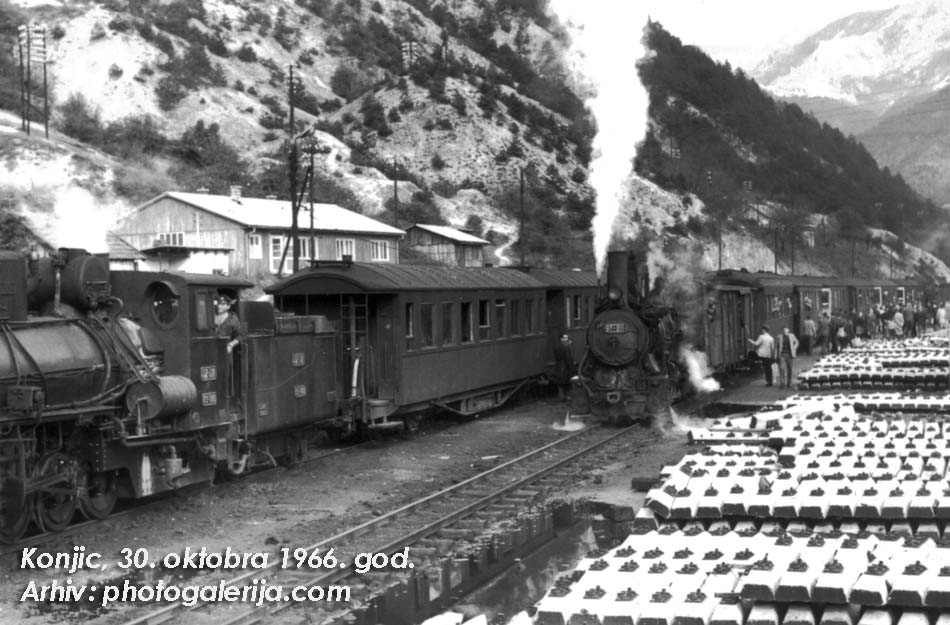
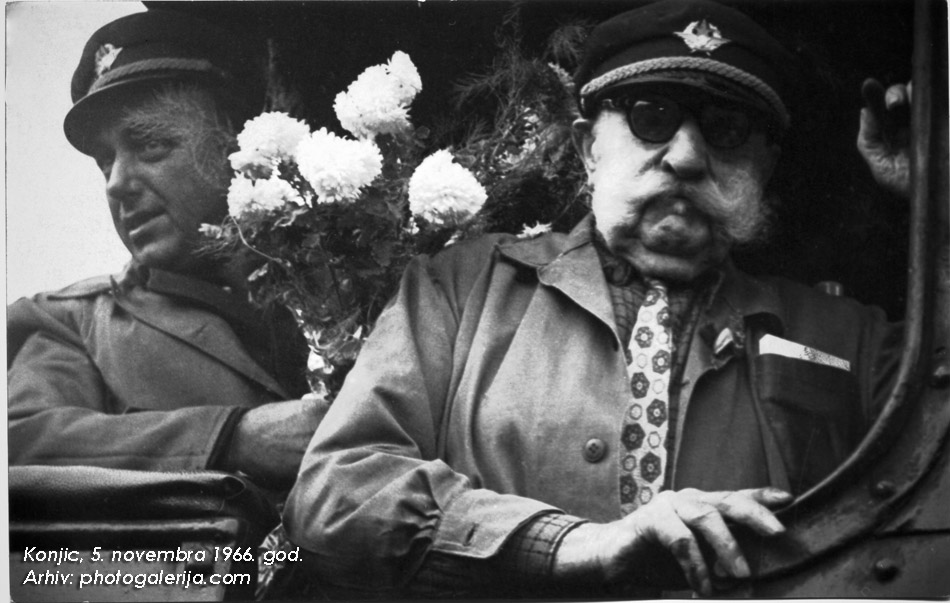
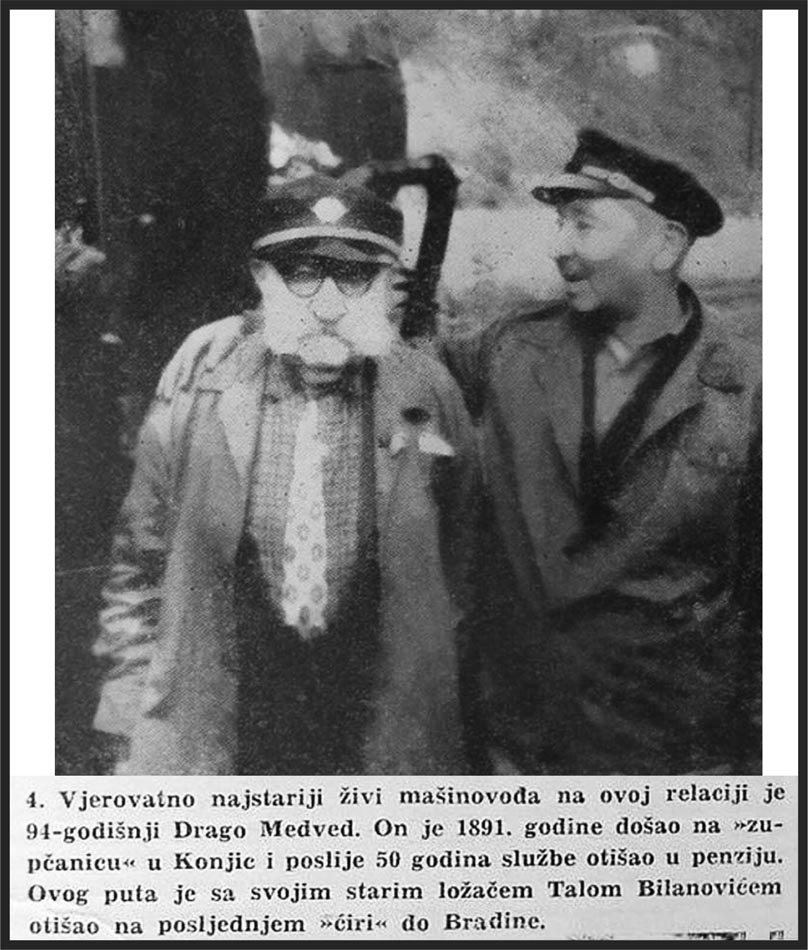
At Konjic, a magnificent farewell ceremony took place with a farewell speech, music, and song. At the head of the train, three series 97 locomotives, known as gear units, were attached. The journey from Podorašac, across Brđani, to Bradina involved overcoming a steep incline of 60‰. The main pulling locomotive was 97-029, operated by the oldest engineer in these regions, Dragom Nedveda, who was 94 years old, along with fireman Tal Bilanović. In fact, this gear locomotive is now housed in the narrow-gauge museum in Frojach, Austria. From Bradina, it was pulled by a series 85 locomotive led by engineer Anton Slatinšek and fireman Mustafa Mujezinović. The last escort in the role of conductor was Miloš Vujević, Nikola Krajišnik, and Osman Hodžić. With some delay, this small train finally arrived at the terminal station in Sarajevo.
From Recent Past
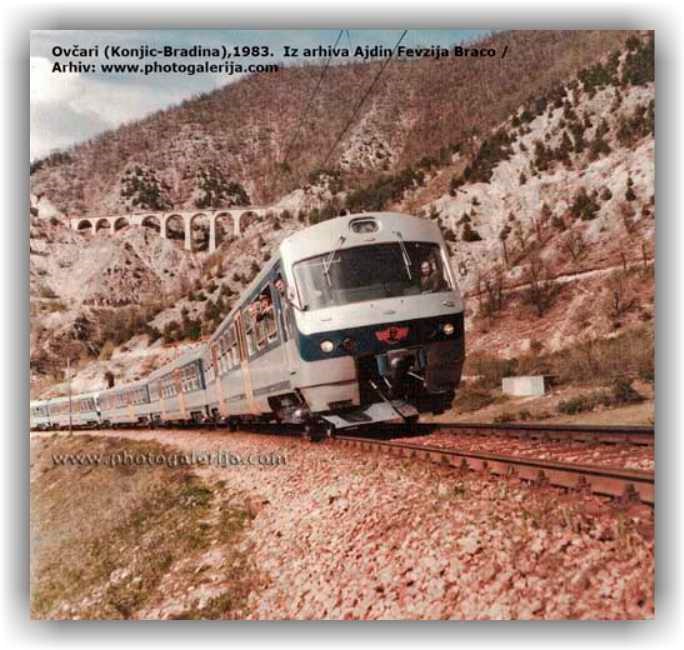
As history is being created every day, the Sarajevo – Ploče railway continues to write its story uninterrupted, so allow us to conclude this small historical adventure with a few more details from recent history.
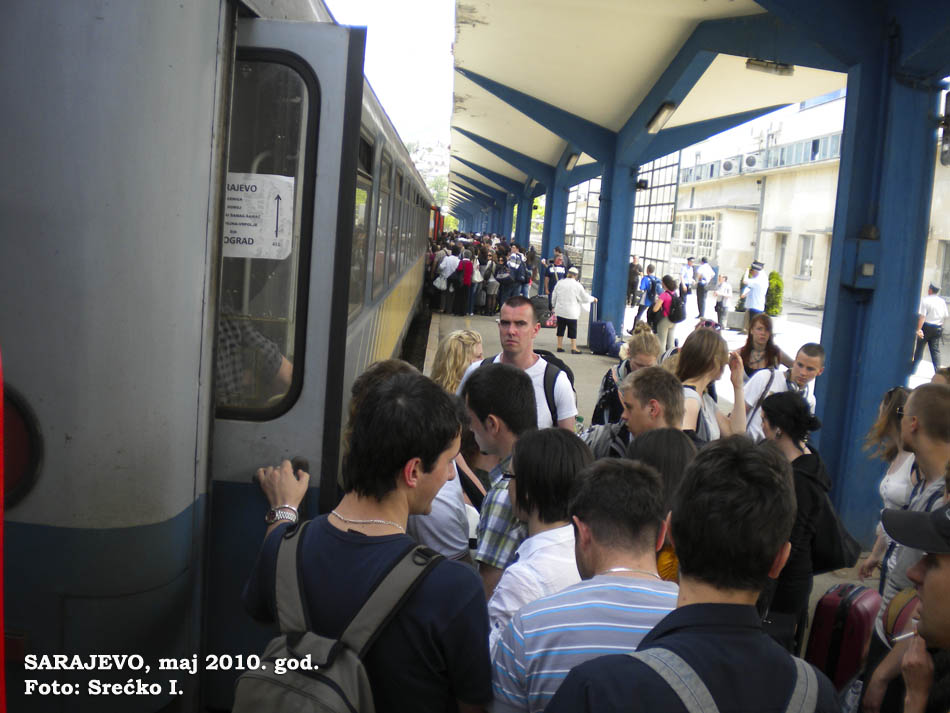
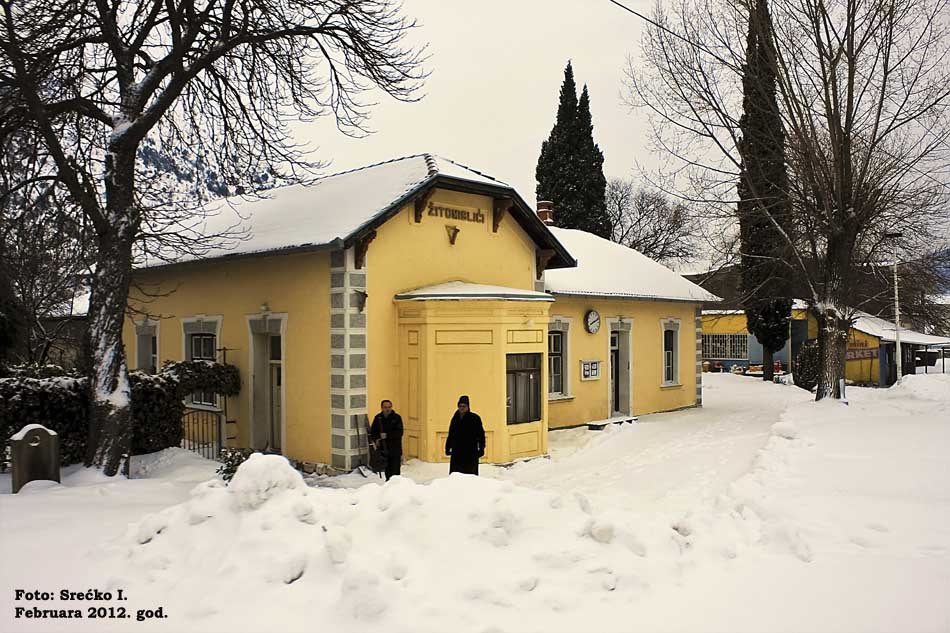
Due to the war events, on April 3, 1992, at 10:42 AM, the last passenger train from Sarajevo (train number 741 Zagreb – Ploče) arrived at the Ploče station, and on May 7, 1992, at 12:45 PM, the last freight train (number 71004) was dispatched towards Sarajevo, after which there was a complete halt of traffic to Mostar and Sarajevo. During the wartime period, local trains operated on the route Ploče – Metković – Čapljina – Žitomislići and back, under the management of Croatian Railways and the Herzegovina Railway (from 1992 until the end of 1998), as well as local trains from Pazarić and later from Raštelice – Konjica – Jablanice and back, under the management of the Railways of Bosnia and Herzegovina.
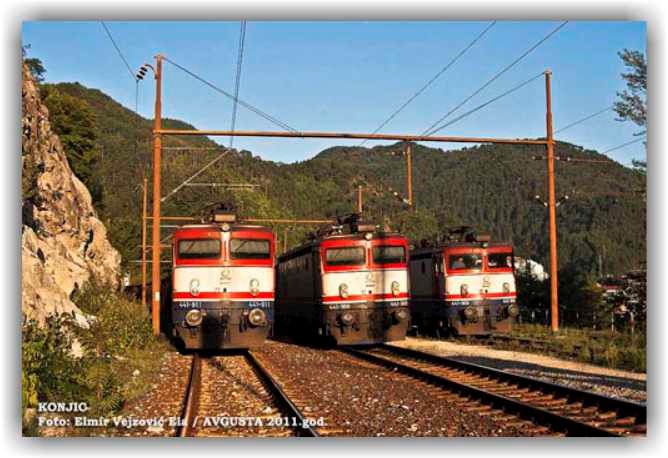
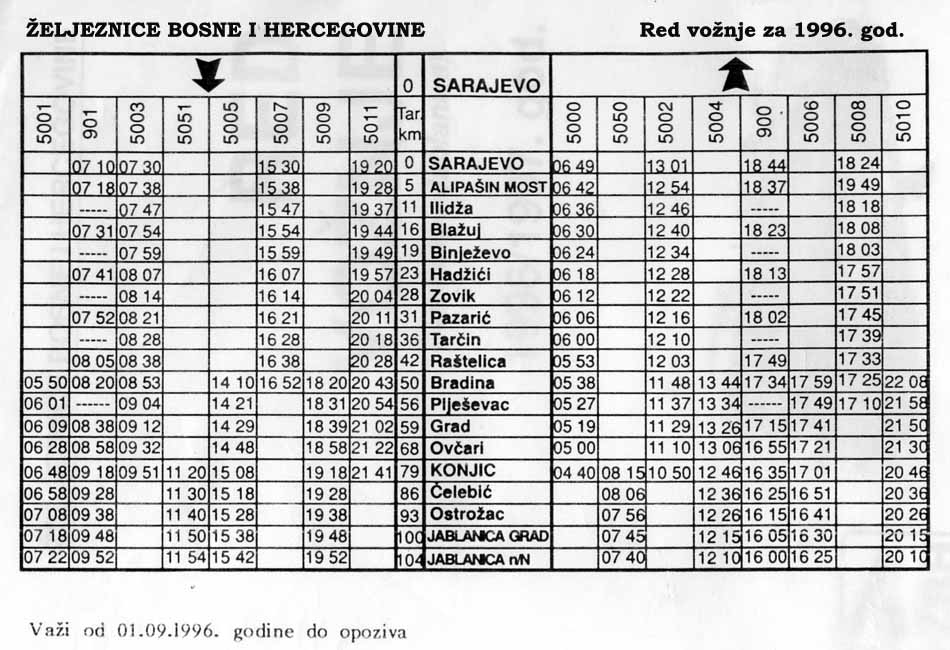
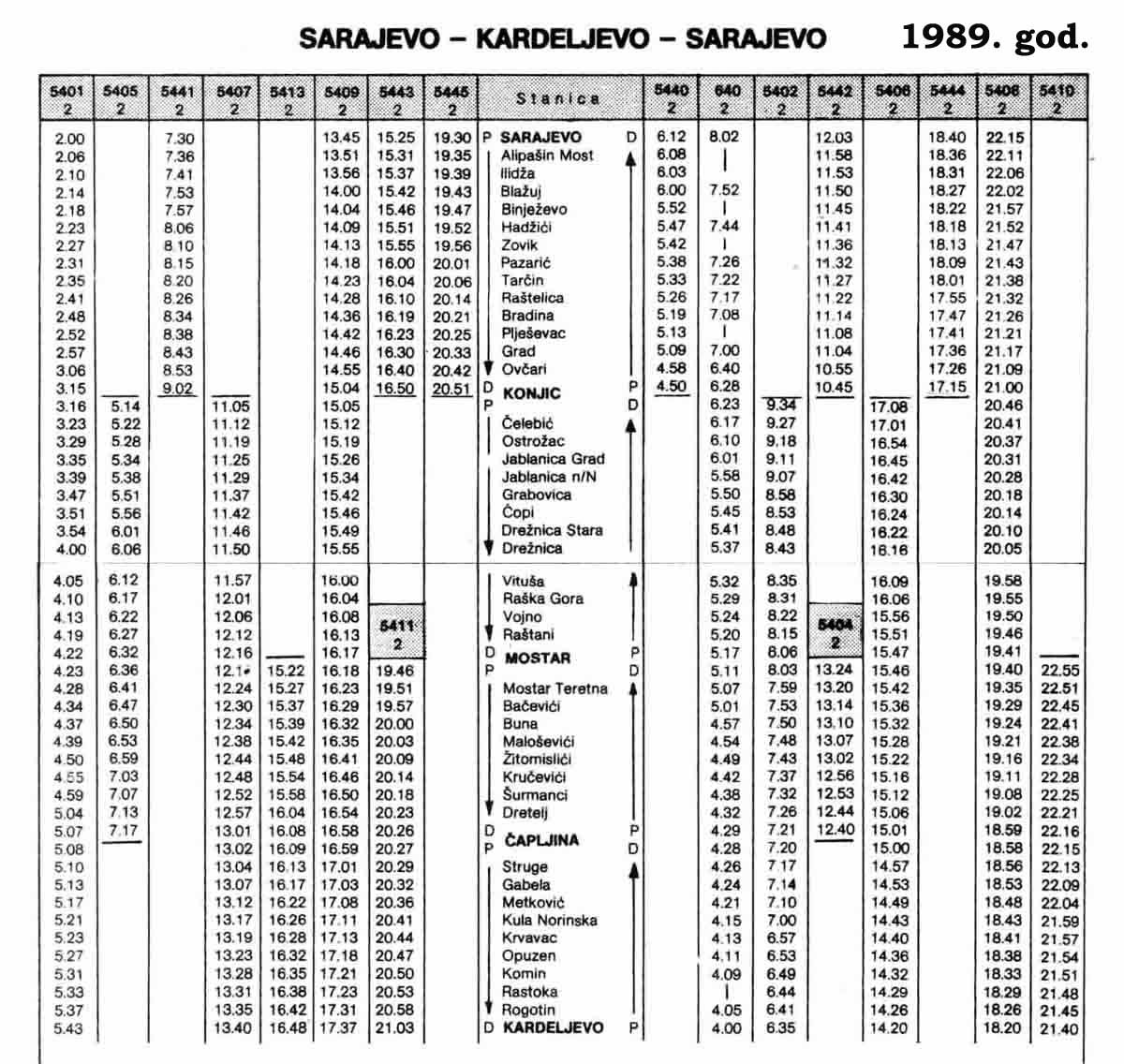
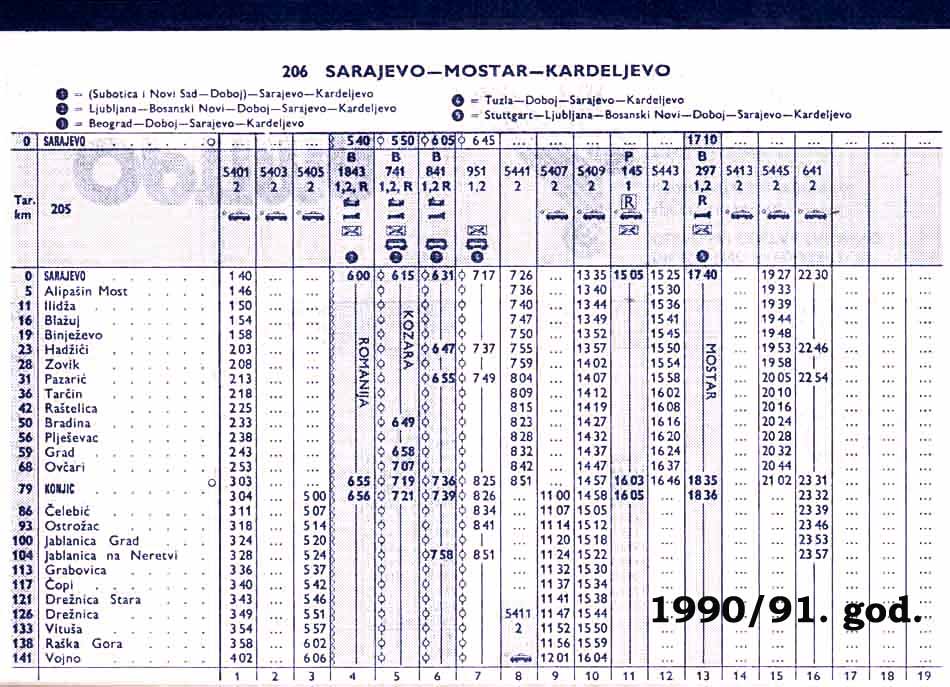
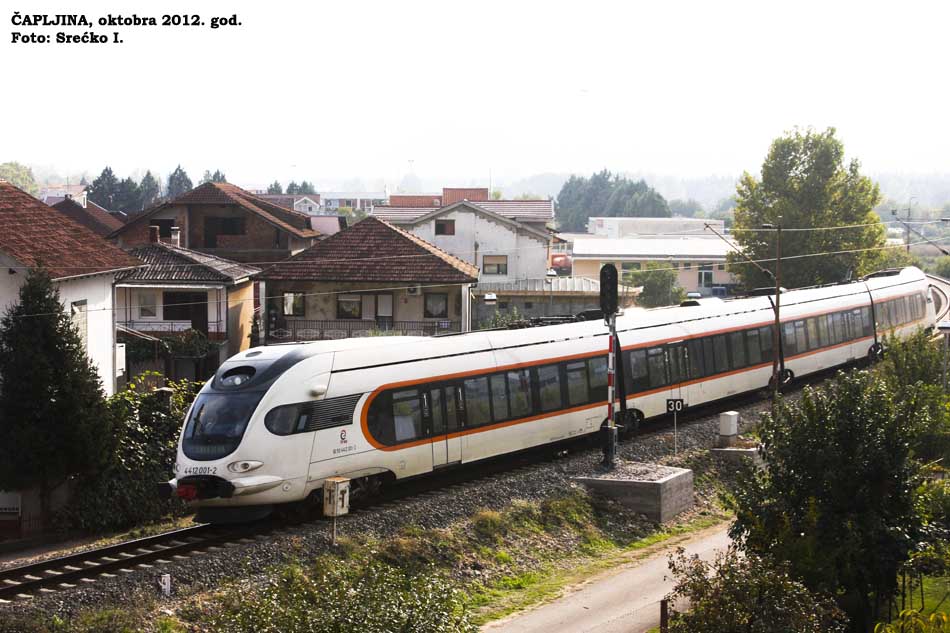
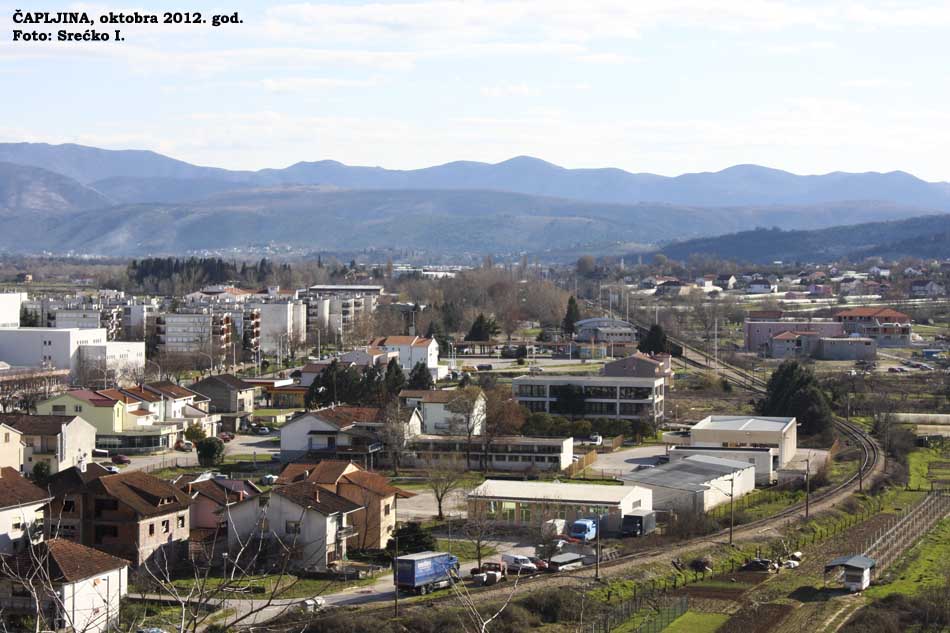
On July 16, 1996, the first post-war “ceremonial” train with diesel traction departed from Sarajevo towards Ploče, marking the beginning of establishing railway traffic on this section. It was not until July 31, 1998, that scheduled train services between Sarajevo and Ploče were officially established through a timetable. On December 15, 2002, the first post-war train was dispatched from Ploče station to Zagreb, thus establishing the line Ploče – Sarajevo – Zagreb. This continued until December 15, 2013, when Croatian Railways completely canceled passenger train services from Ploče to Metković, i.e., to the state border with BiH, and trains heading to Sarajevo and Zagreb started departing from Čapljina station.
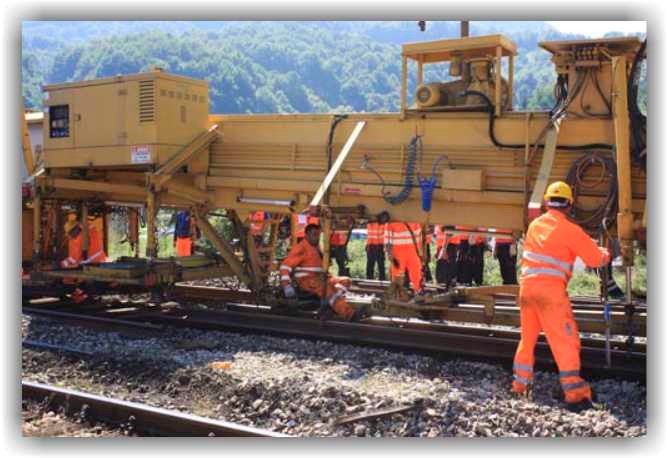
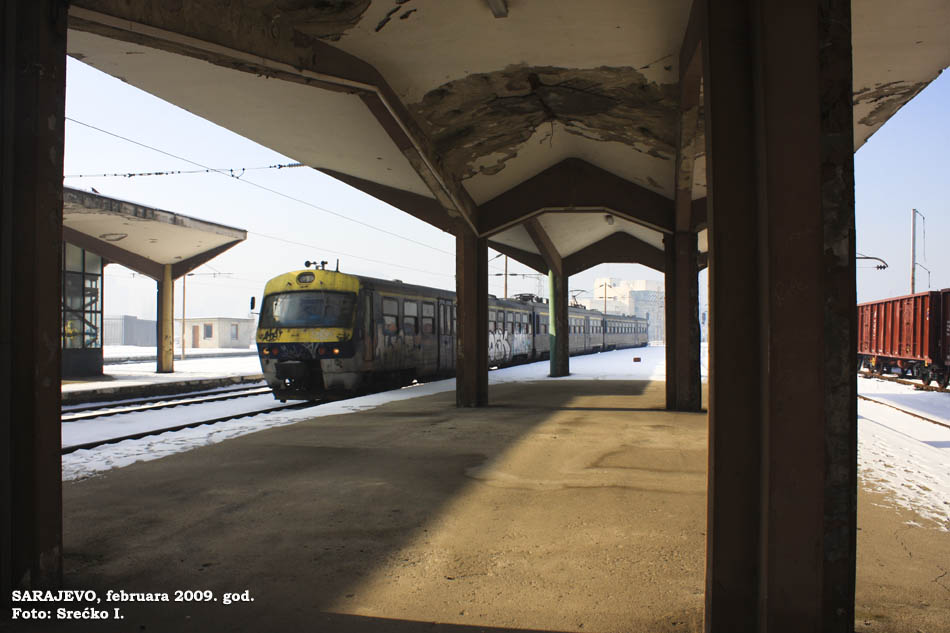
The first renovation of the track was carried out from Ploče to Čapljina in mid-2003. The rehabilitation, or overhaul, of the railway continued at the beginning of 2009 (Bradina – Konjic) and in 2010 (Čapljina – Konjic), so that by the end of 2010, the track section Ploče – Sarajevo was officially reopened for traffic. On the section from Bradina to Sarajevo (Bradina – Miljacka Rasputnica), the overhaul of the railway began in October 2015 (October 5, 2015, passenger traffic Sarajevo – Čapljina was discontinued), and the completion of works (scheduled for mid-April 2016 — deadline extended due to difficulties in rehabilitating the tunnel “Ivan”) and the resumption of passenger service are expected on December 11, 2016, when the new timetable will come into effect.
In the end, proud of the tradition of the Neretva Railway, we send heartfelt congratulations in honor of this significant anniversary. Today, we fully support this modernized railway as part of a contemporary European transportation network to make it faster, more efficient, safer, and of higher quality, in the hope of a faster industrial development of Bosnia and Herzegovina.
Related articles:
- Mali osvrt na radove na pruzi Sarajevo-Ploče. Iz arhive Ajdin Fevzija Braco. https://vremeplov.ba/2025/?p=514
- Uzdužni profil pruge Sarajevo – Ploče, 1962. god. https://vremeplov.ba/2025/?p=10269
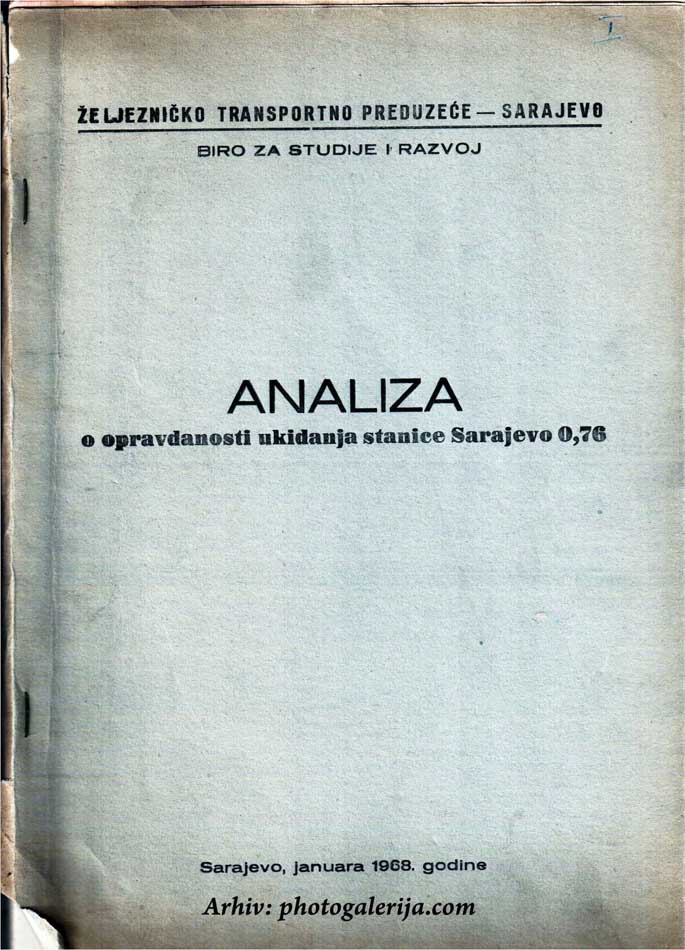
- Analiza o opravdanosti ukidanja stanice Sarajevo 0,76m, Januar 1968.
https://vremeplov.ba/2025/?p=7431 - Šeme stanica uzane pruge Sarajevo – Zelenika, 1960. godine https://vremeplov.ba/2025/?p=8848
- Studija rentabilnosti pruge Uskoplje – Zelenika, 1967. godine https://vremeplov.ba/2025/?p=8241
- Prijedlog mjera za rješavanje saobraćaja na prugama uzanog kolosijeka južno od Čapljine, 1974. godine https://vremeplov.ba/2025/?p=8258
Srećko Ignjatović