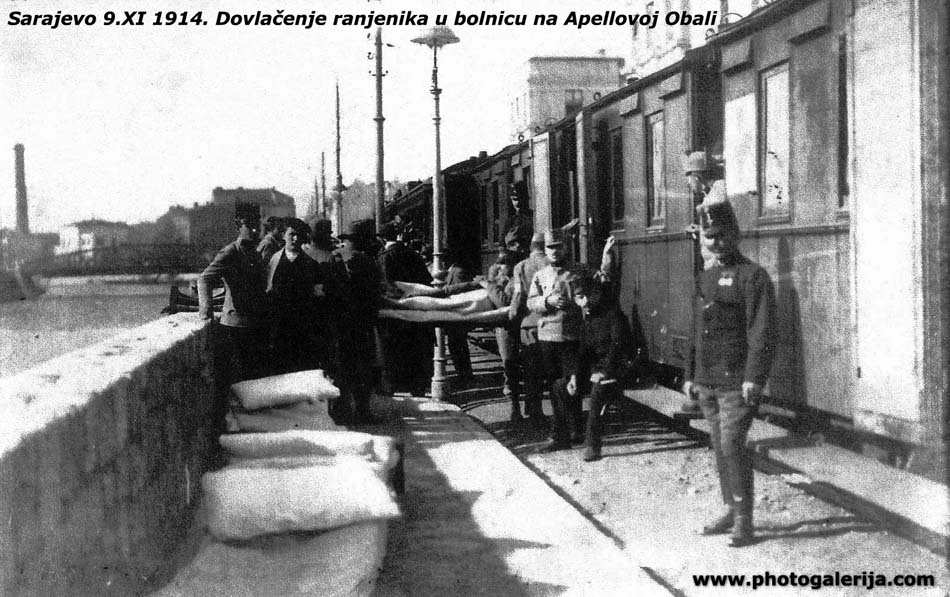
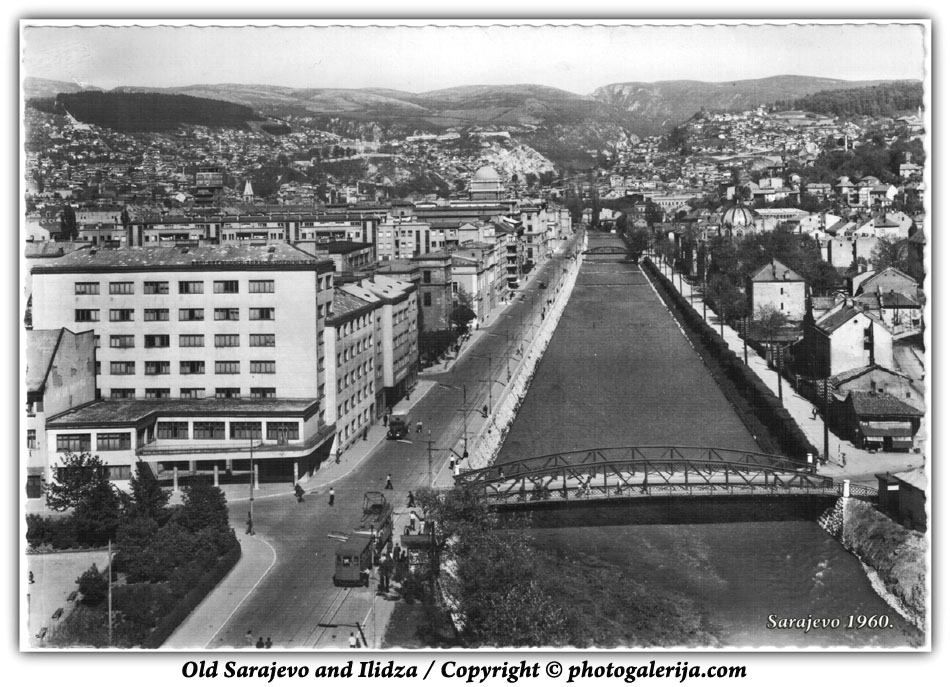
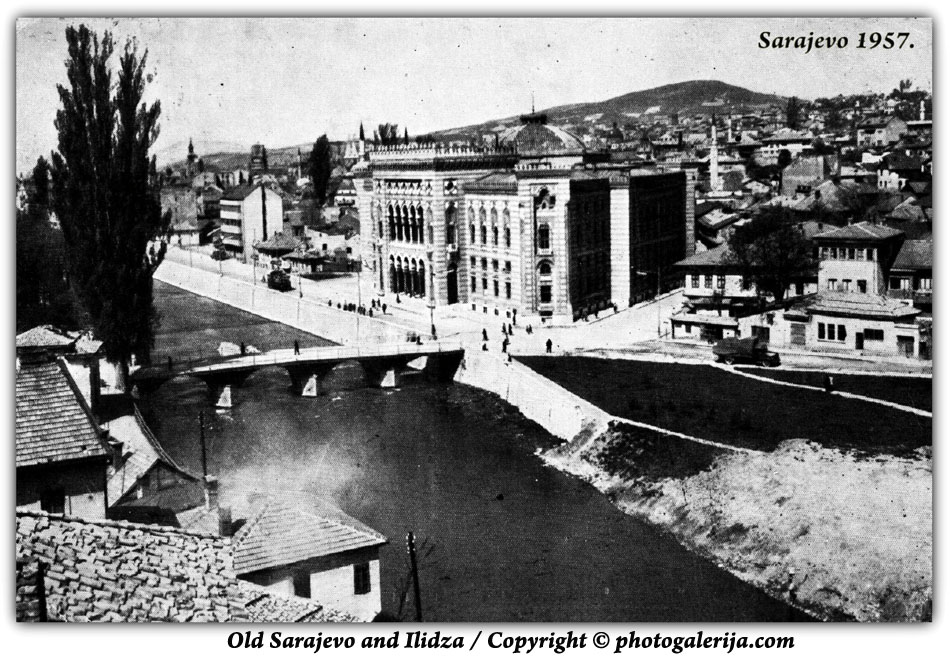
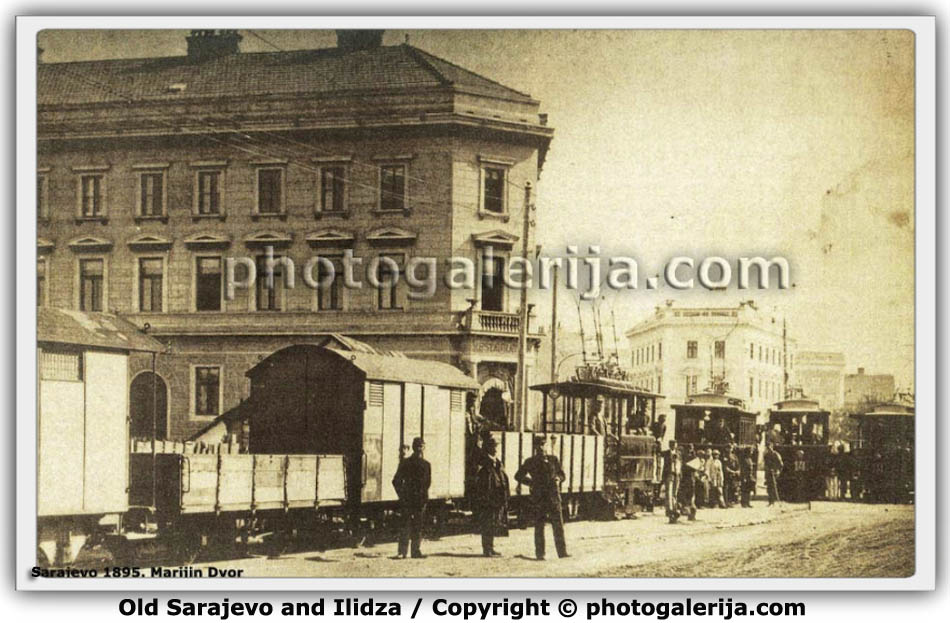
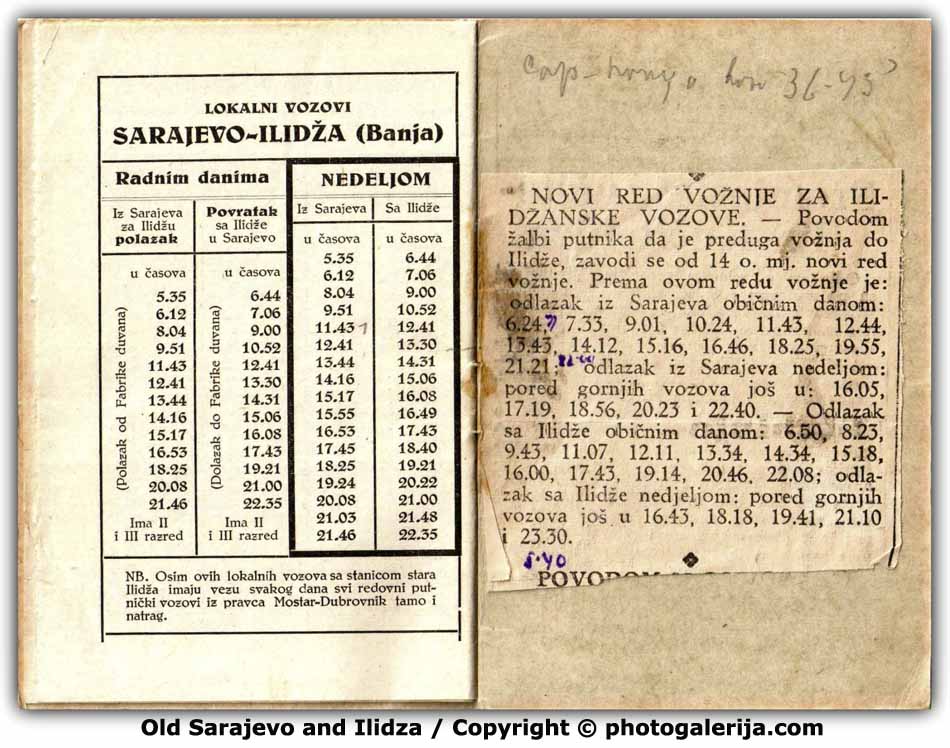
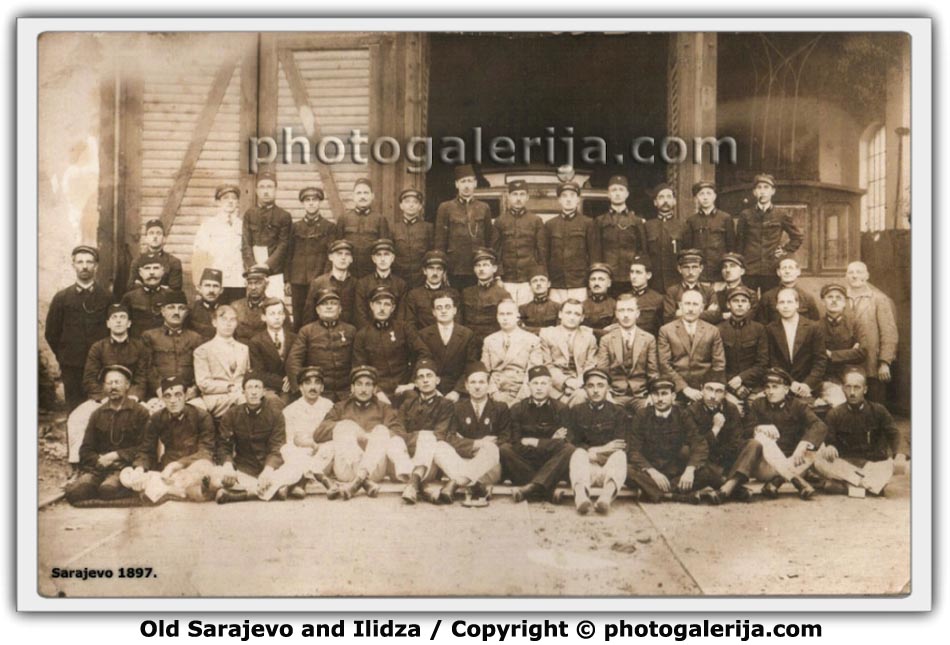
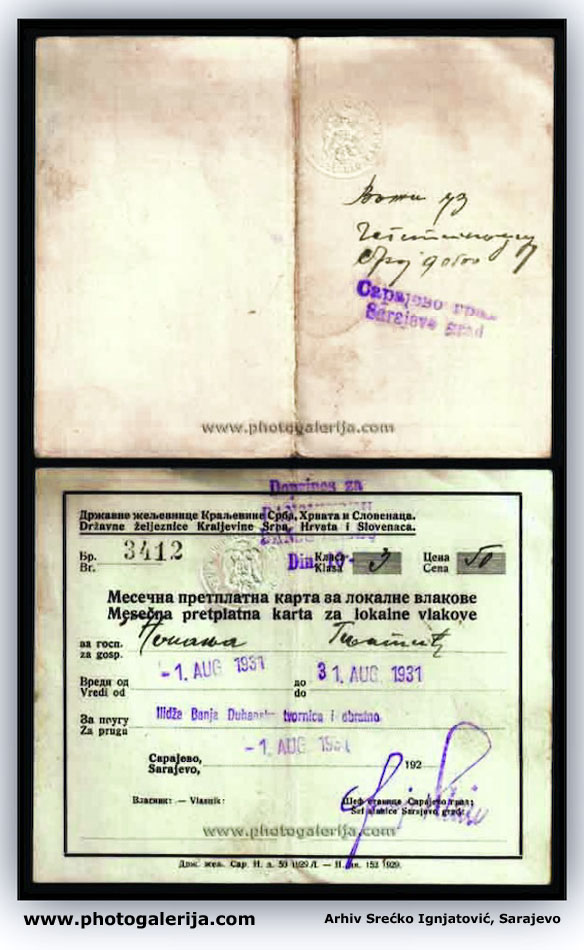
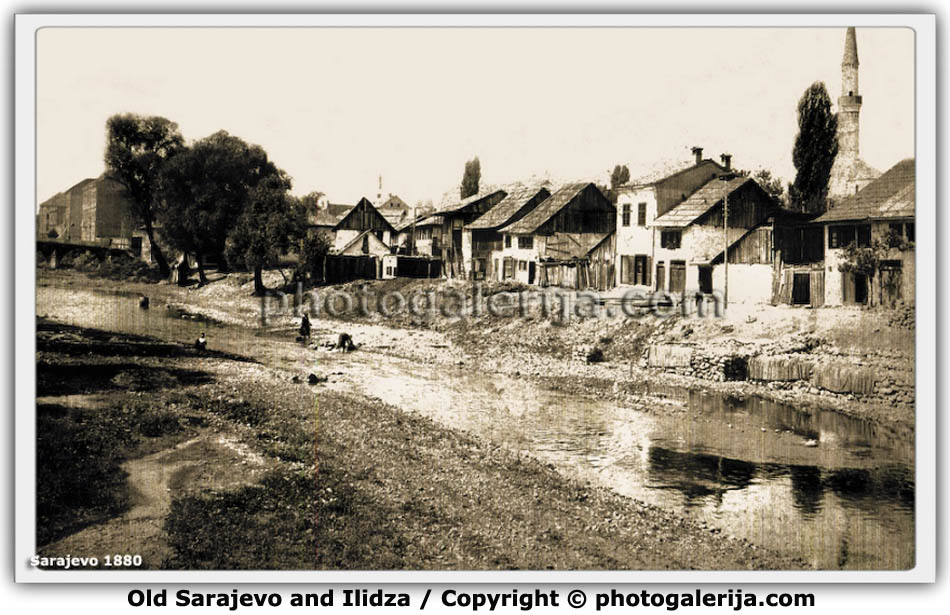
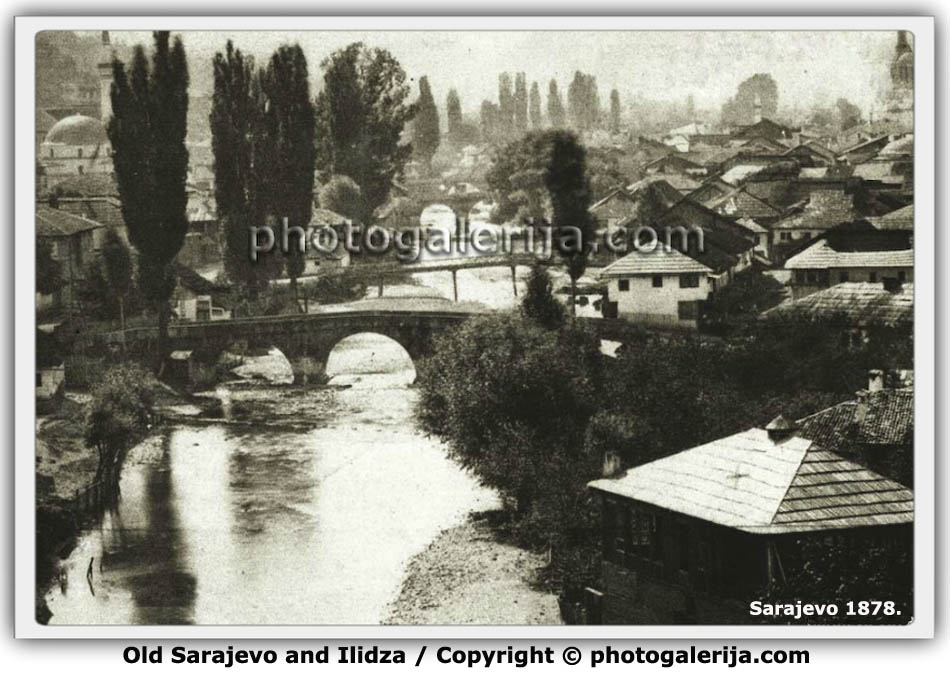
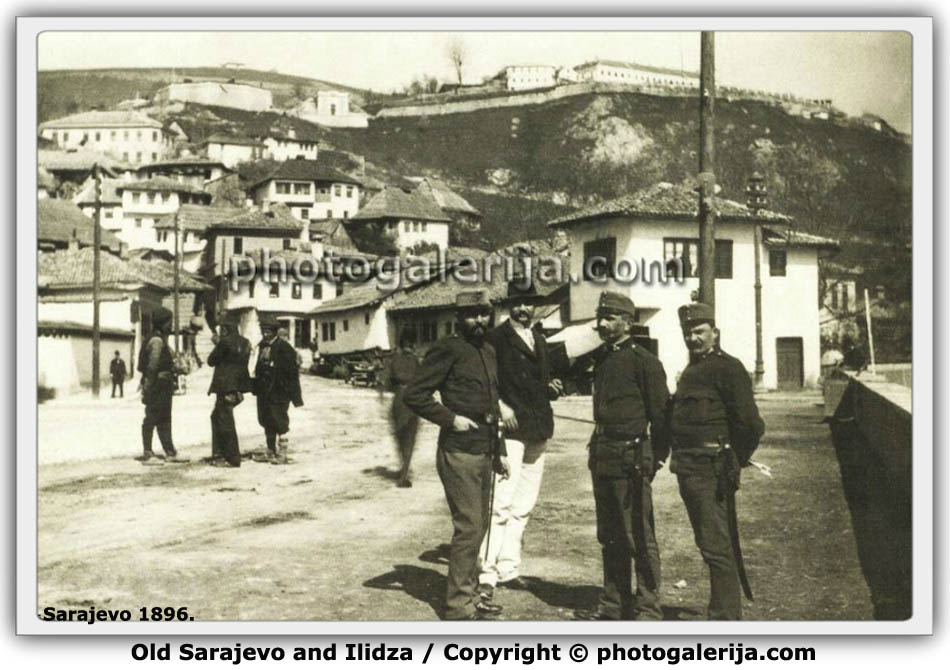
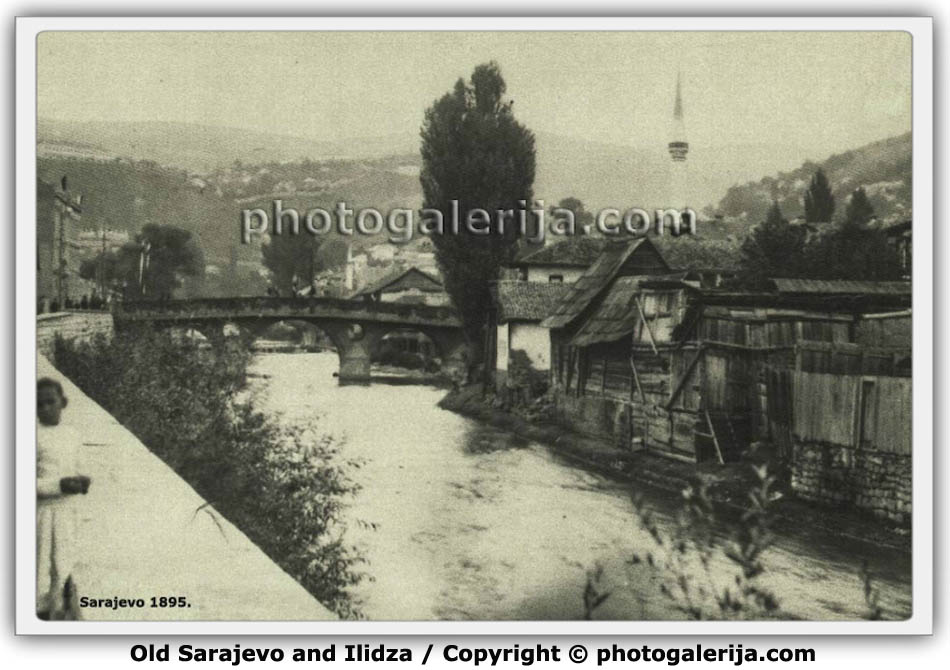
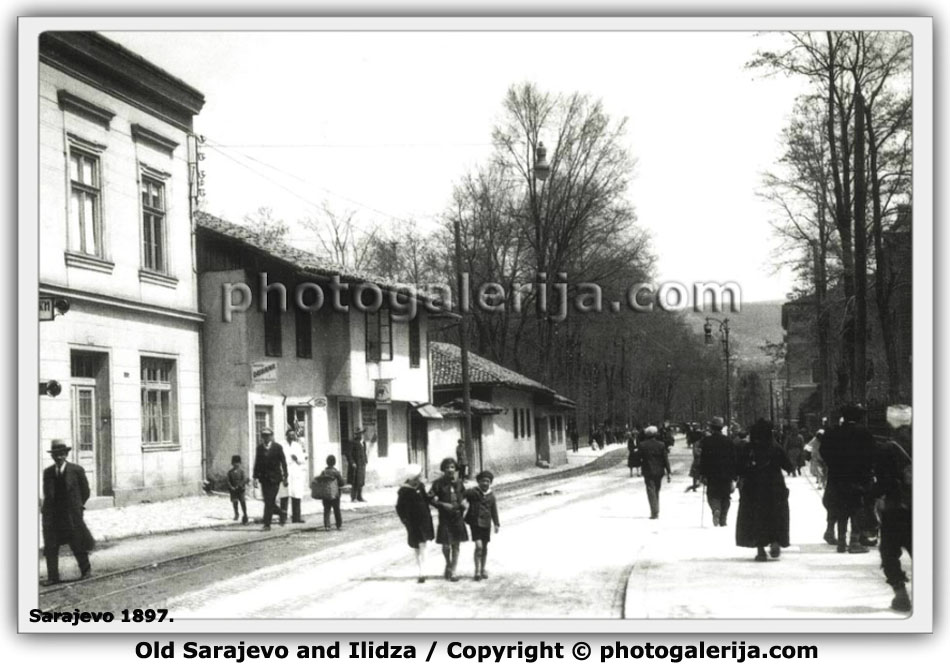
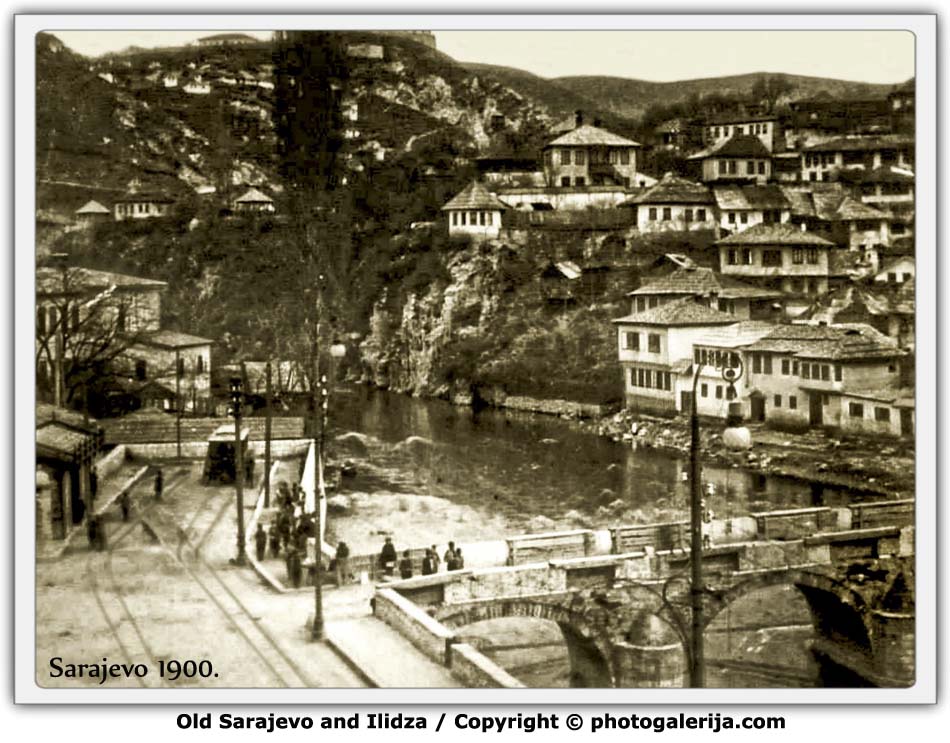
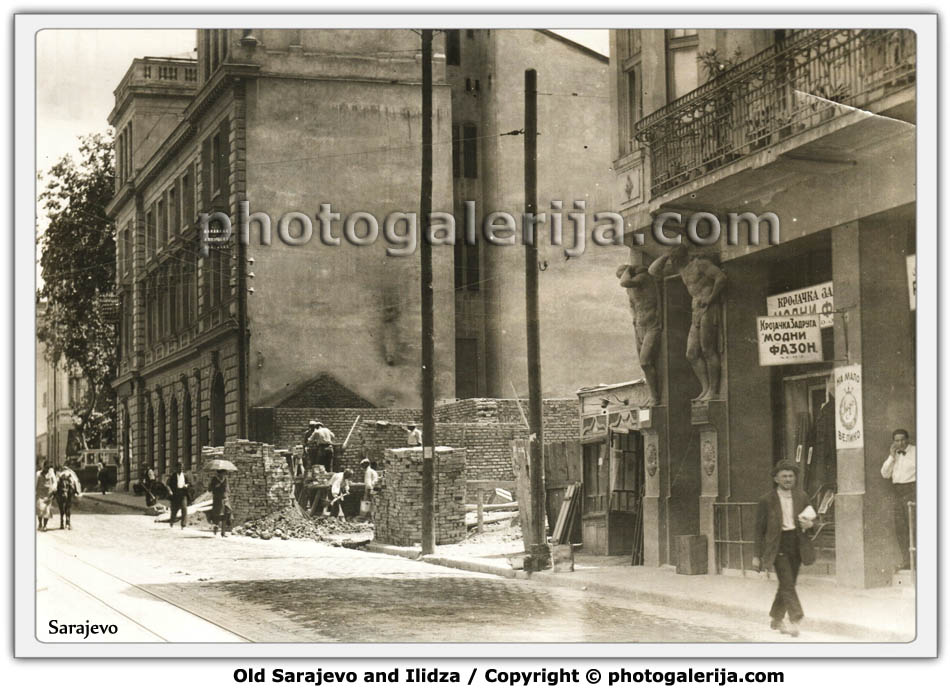
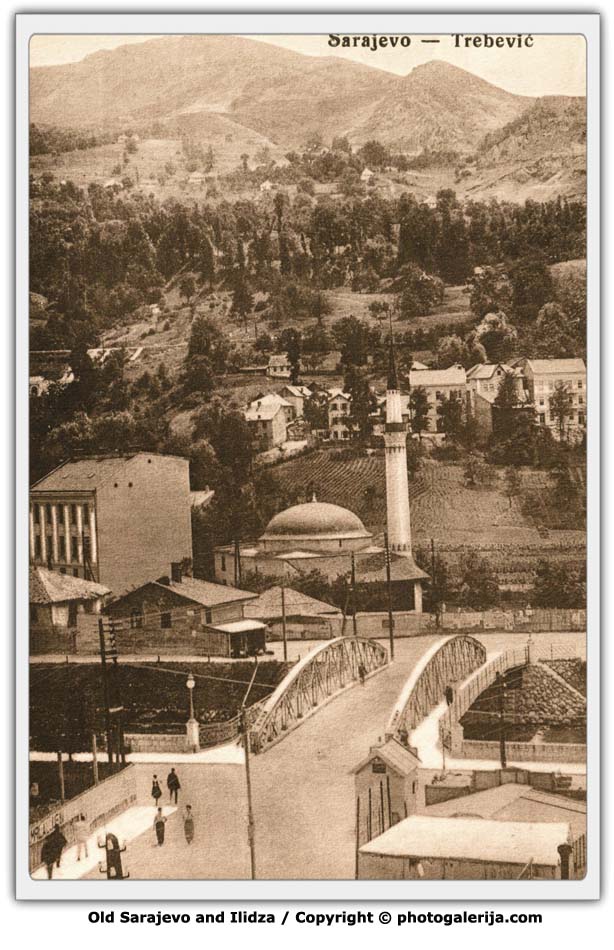
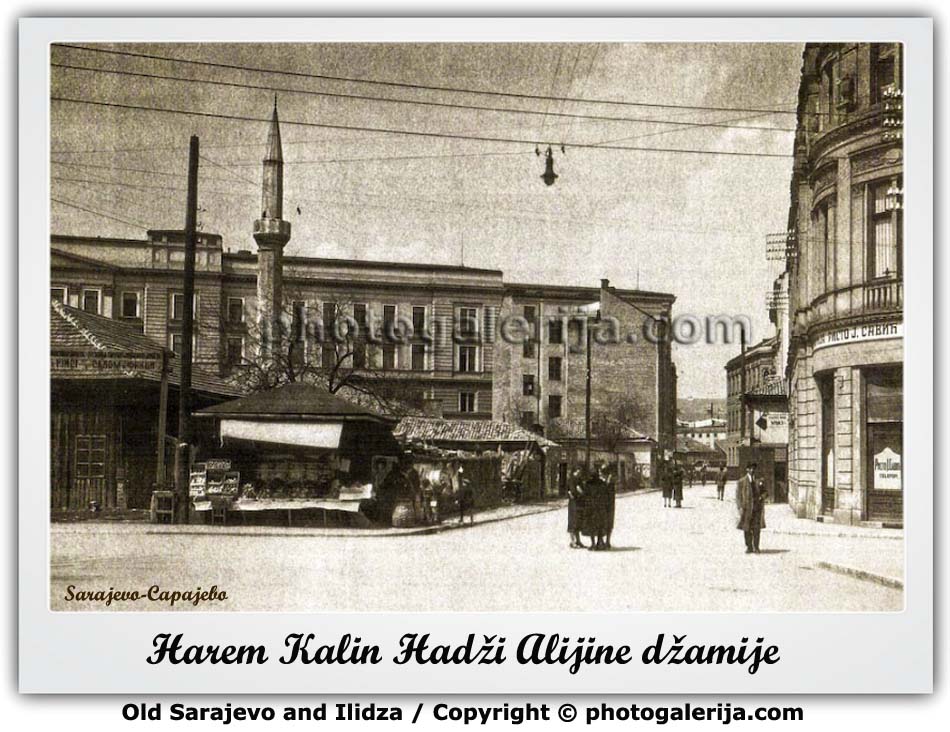
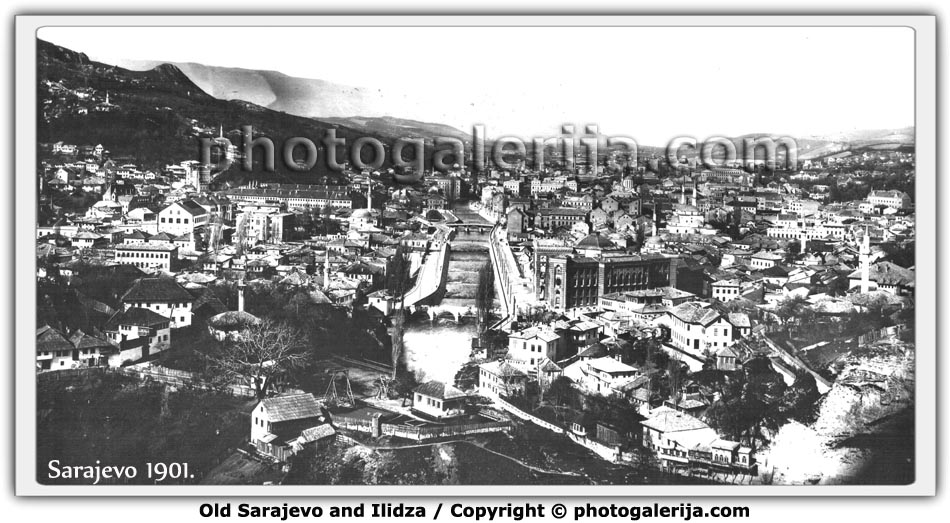
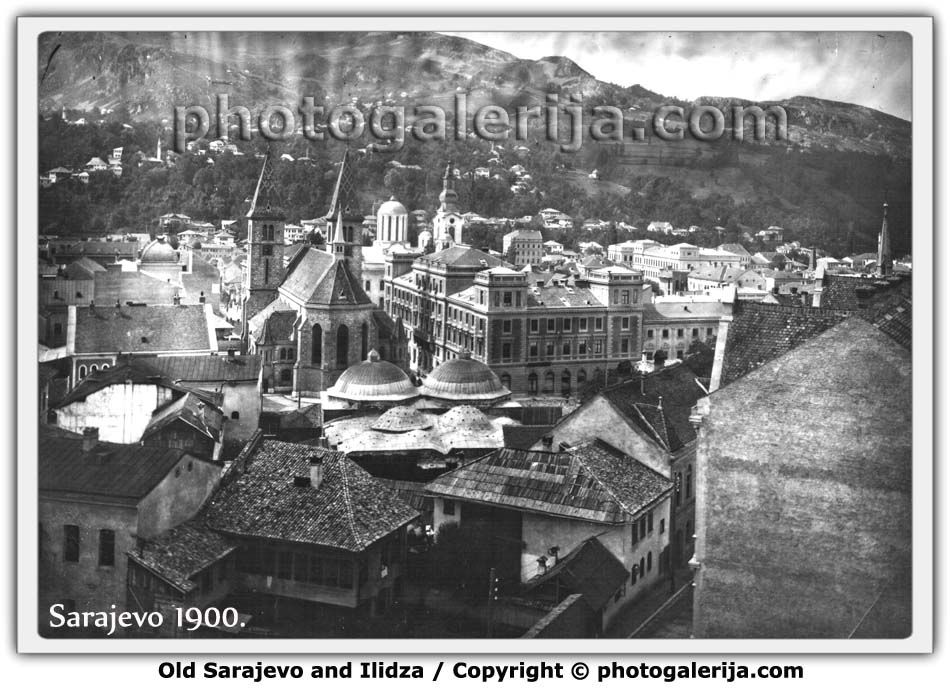
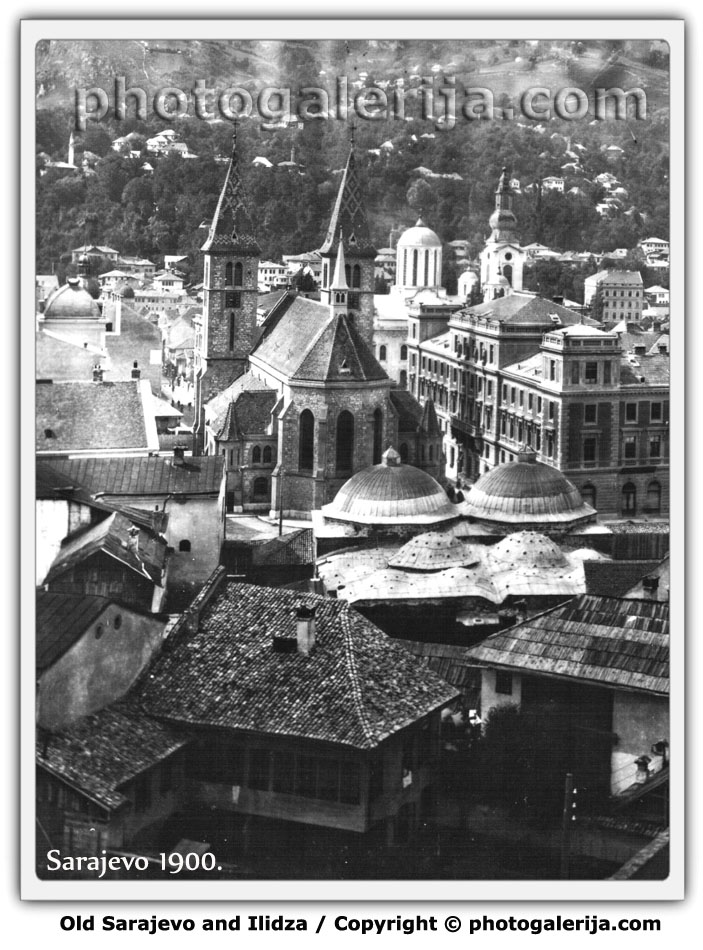
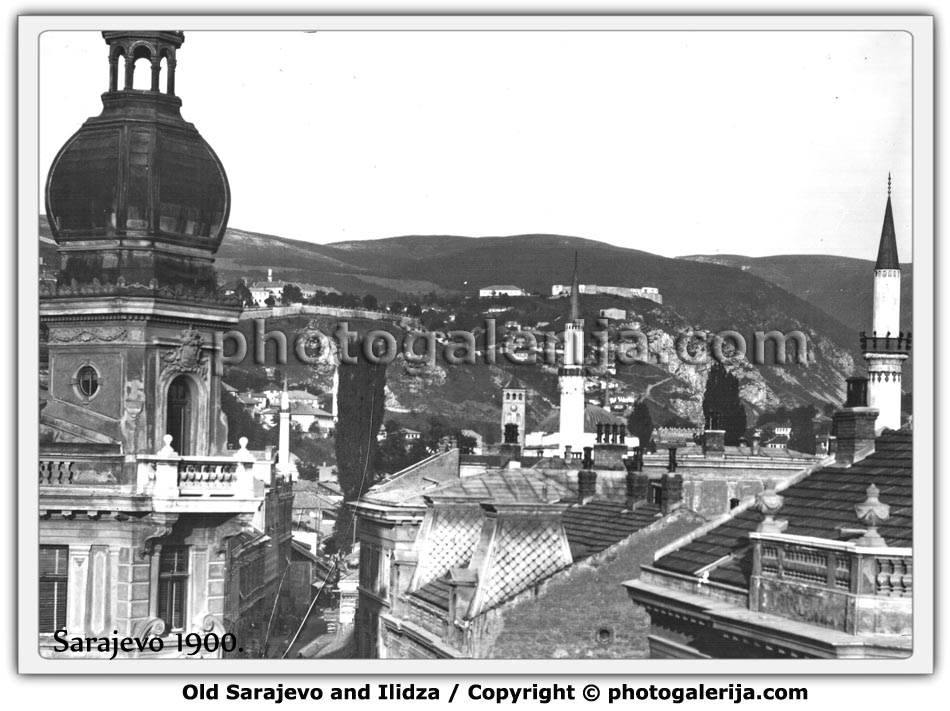
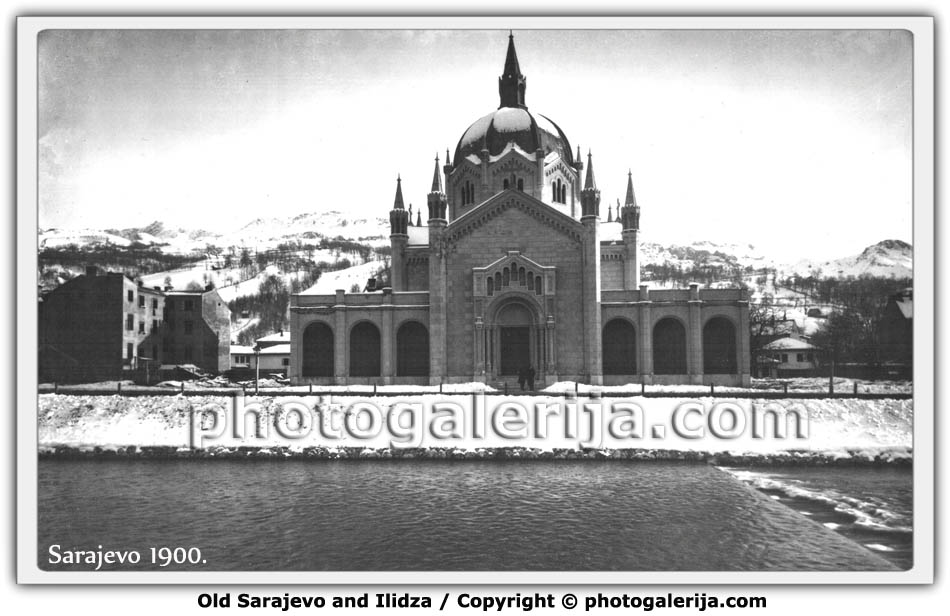
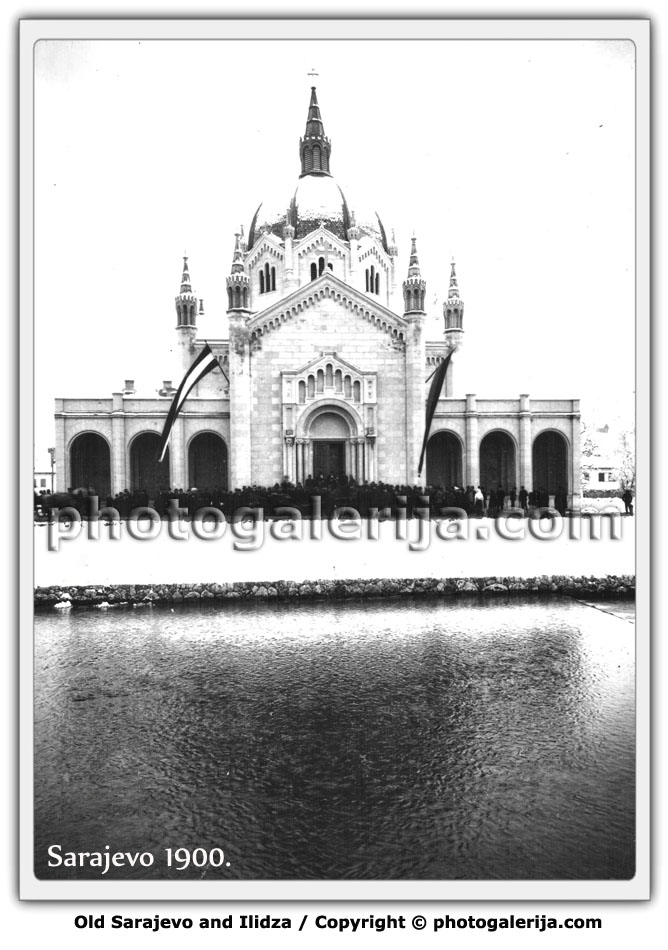
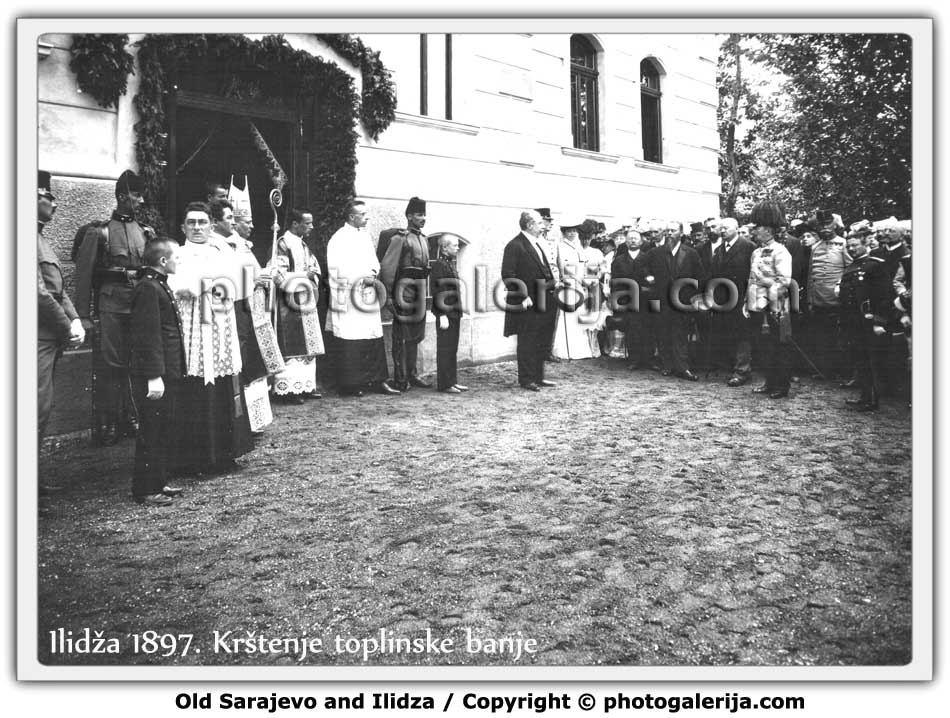
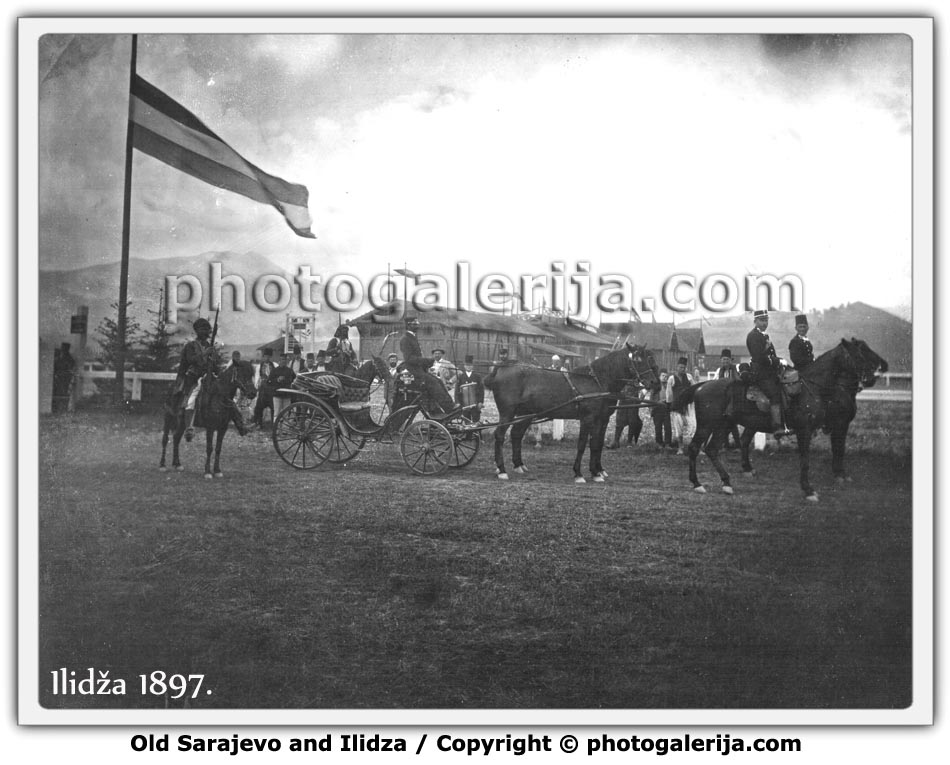
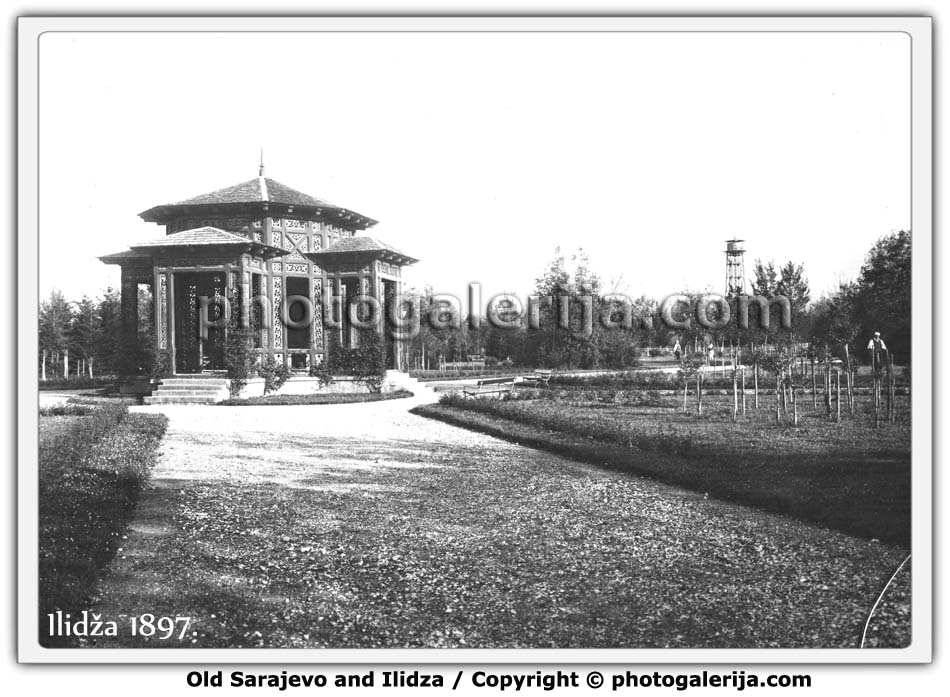
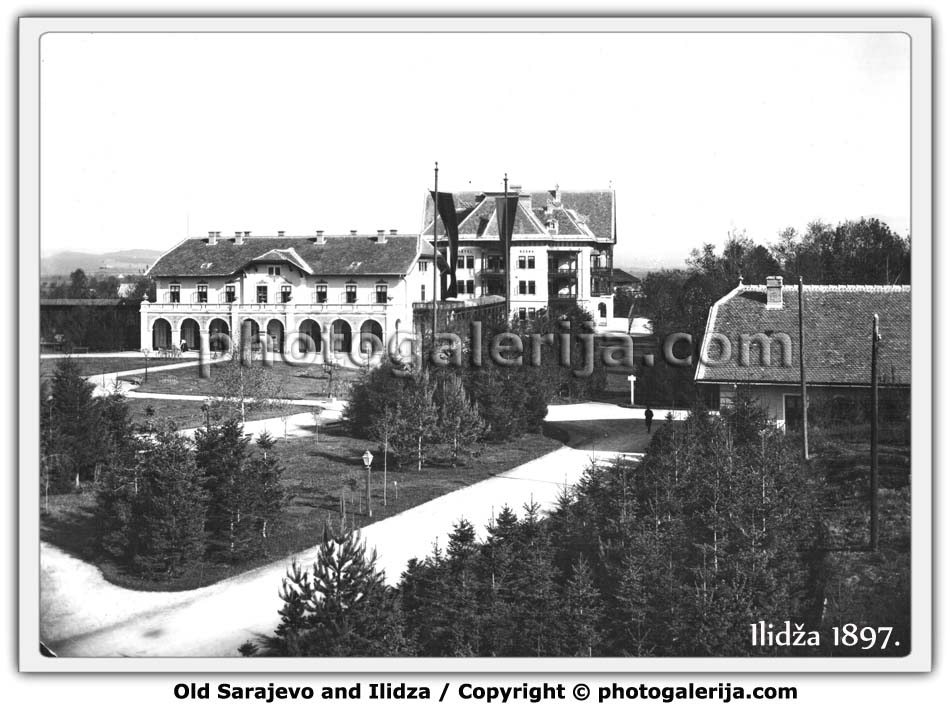
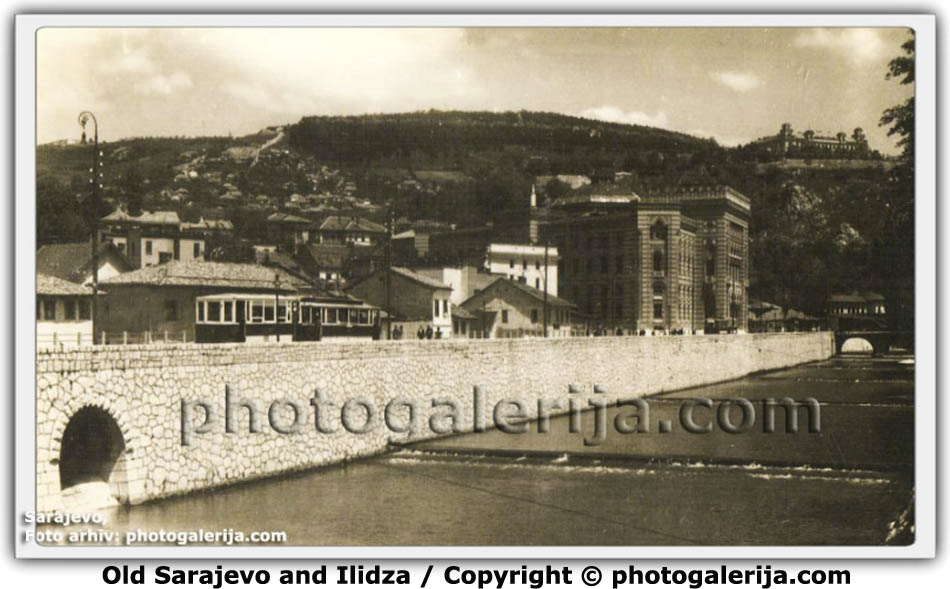
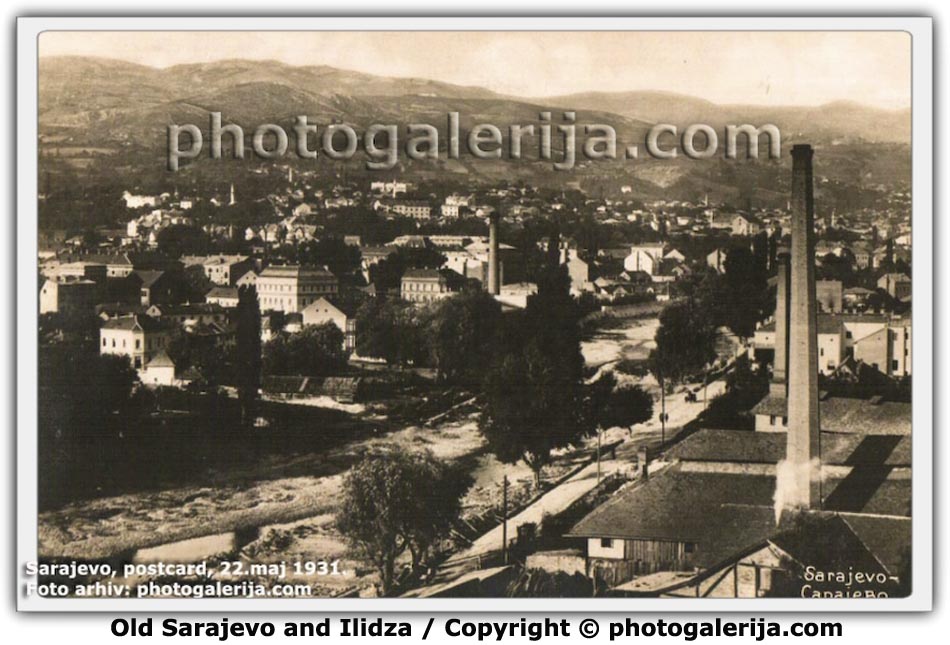
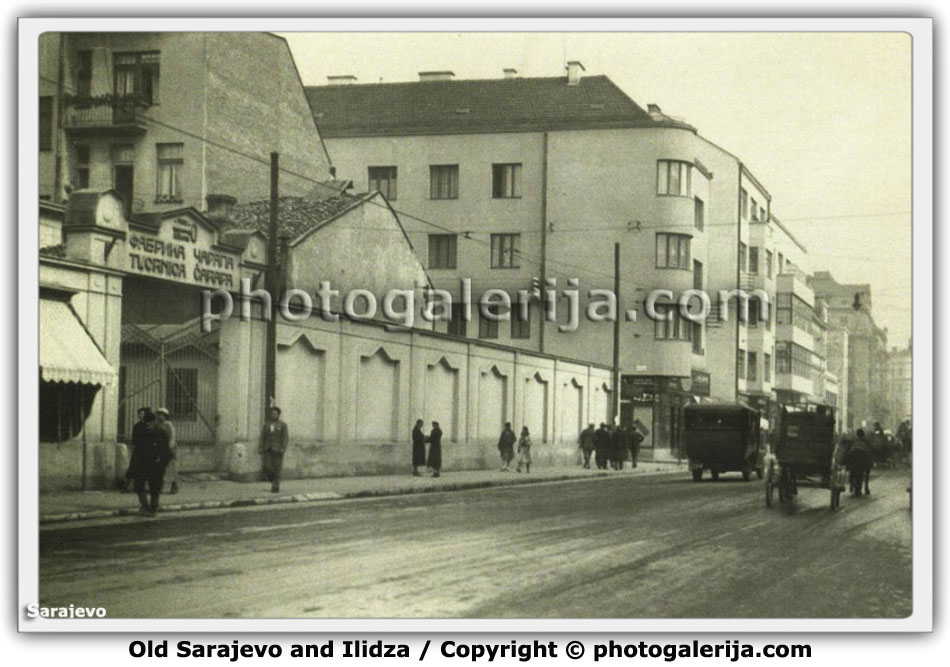
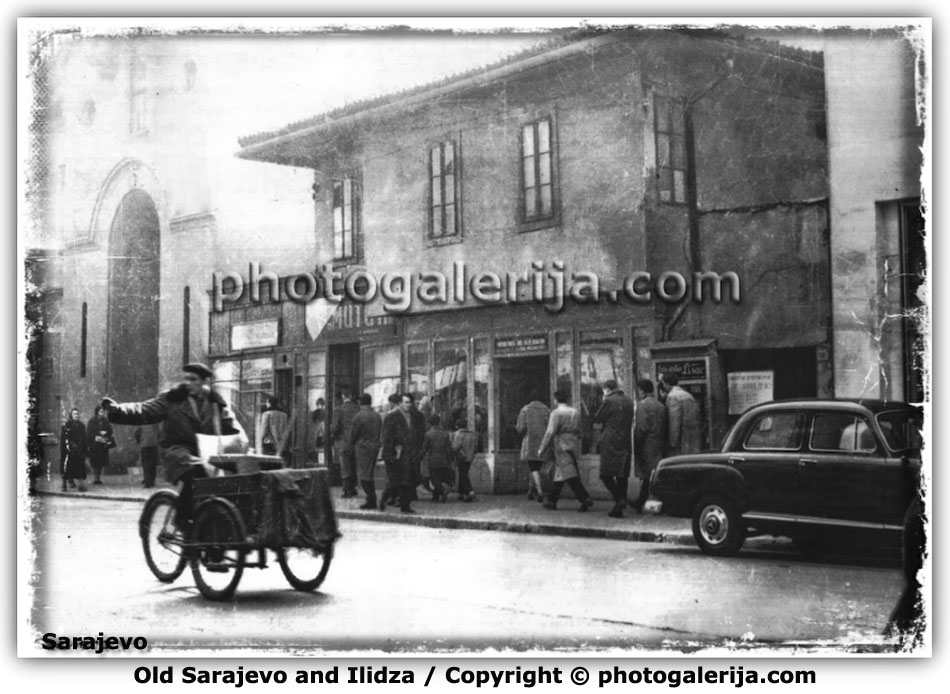
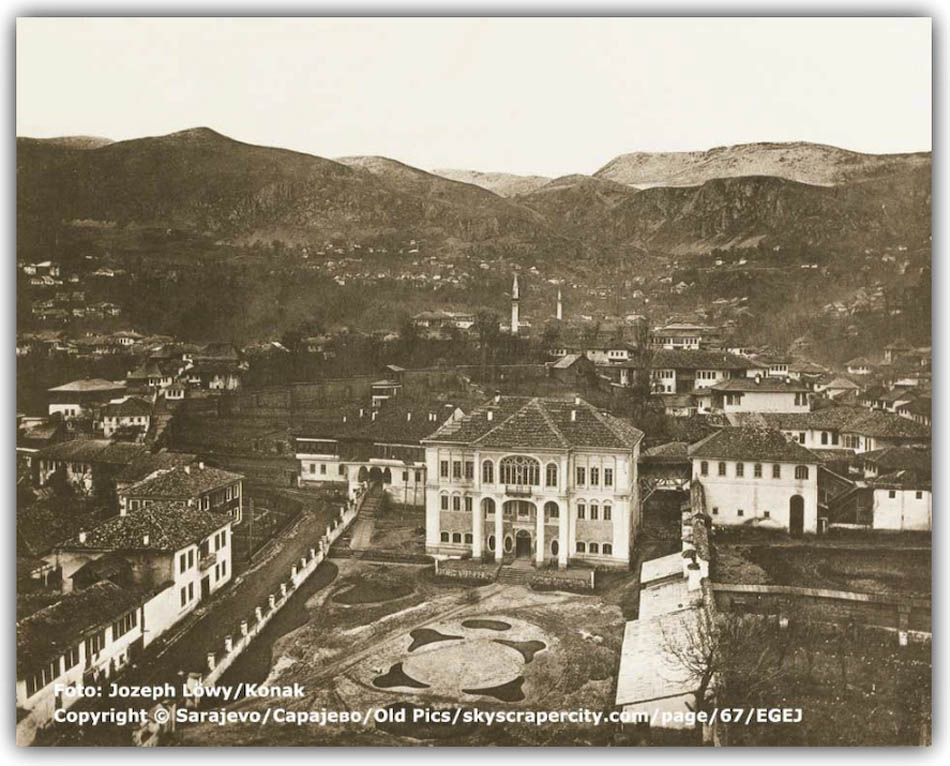
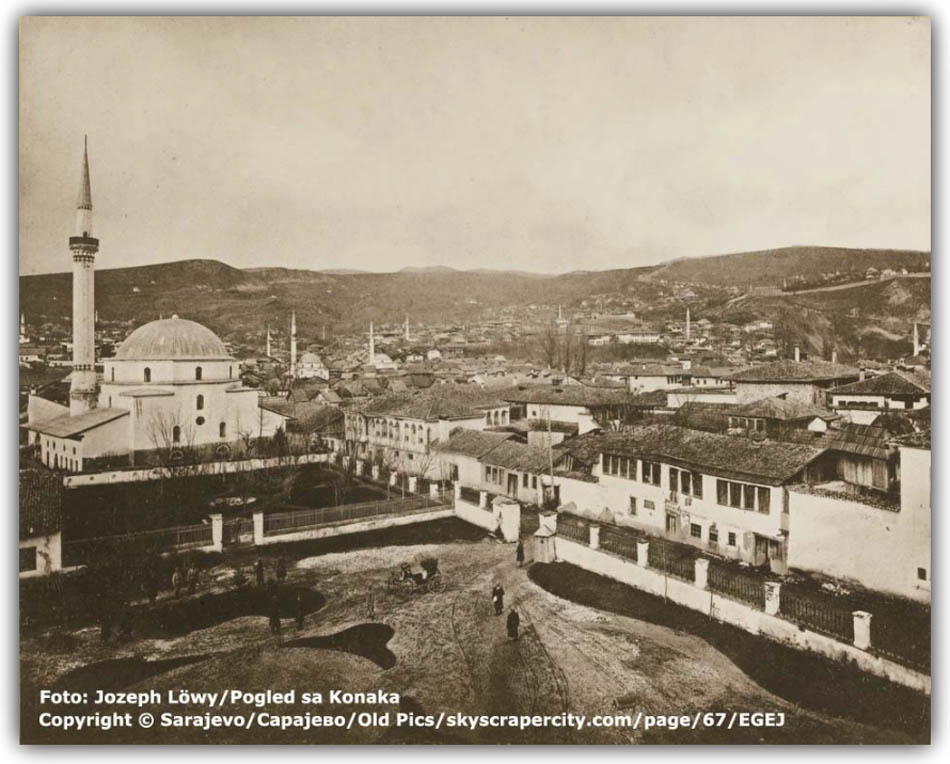
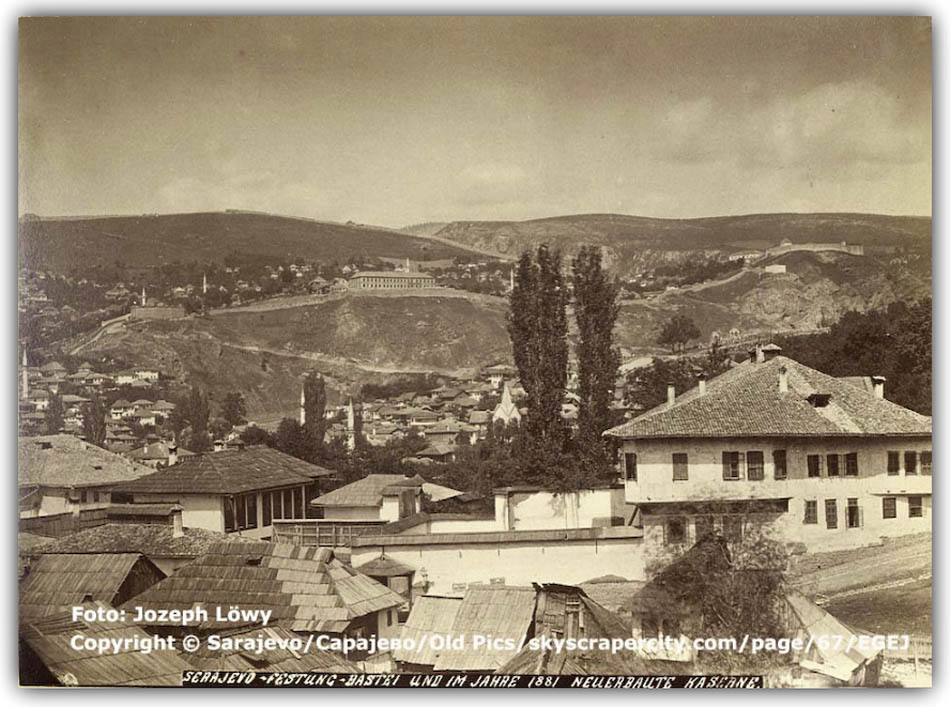
“On August 1, 1978, the last remaining capacities of narrow-gauge railways in the Sarajevo railway hub were abolished, and from that day, the narrow-gauge rails and the ‘Ćiro’ locomotive for all time entered legend, or perhaps oblivion.” (Fevzija Ajdin – “The History of Railways in Bosnia and Herzegovina”). Through numerous conversations with acquaintances, it was concluded that there is no longer any tolerance or understanding, and all that the Sarajevo narrow-gauge trains once had is gone. In addition to the accompanying photographs, readers will receive a brief reflection on life in Sarajevo and the city’s railway after the establishment of Austro-Hungarian administration.
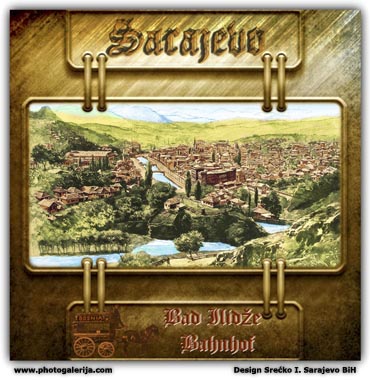
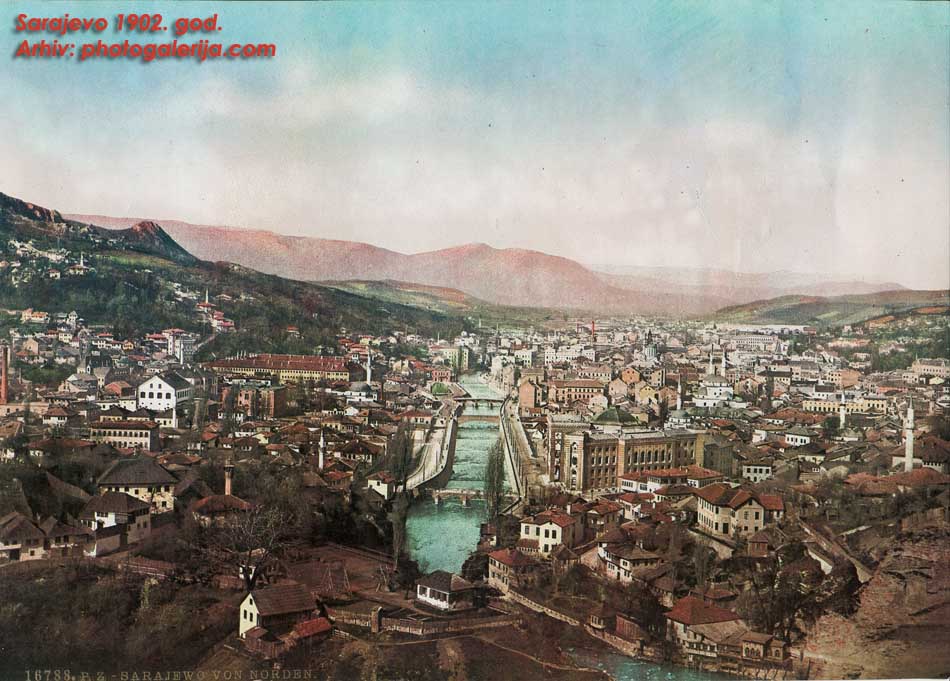
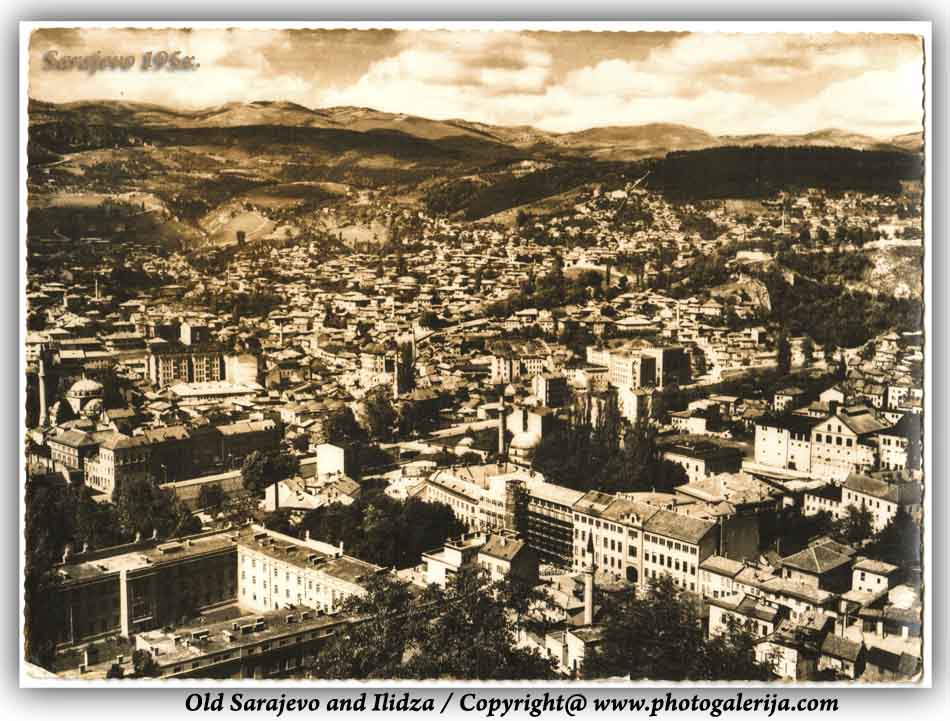
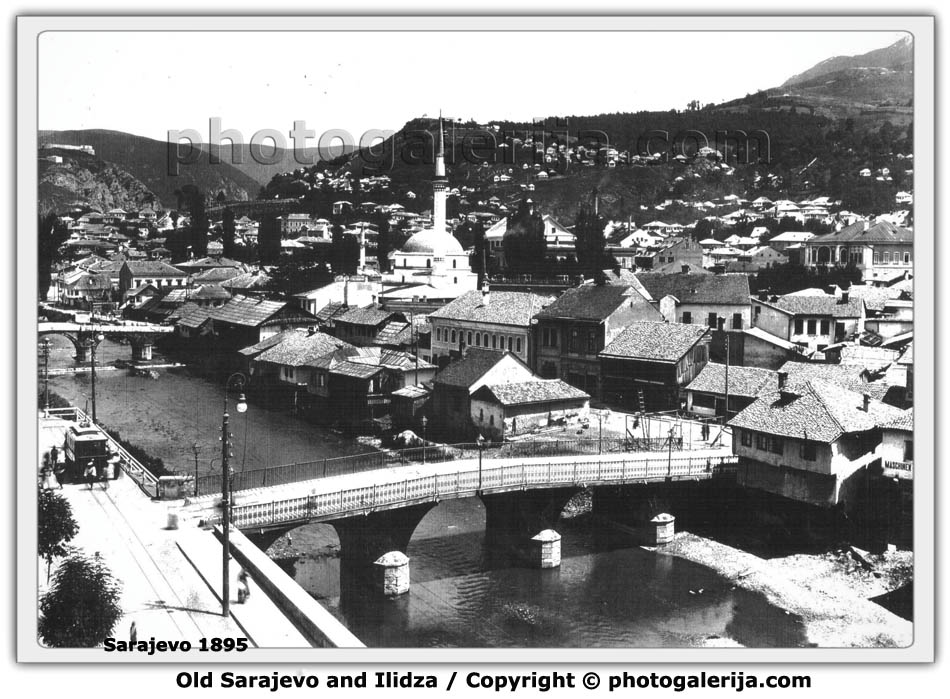
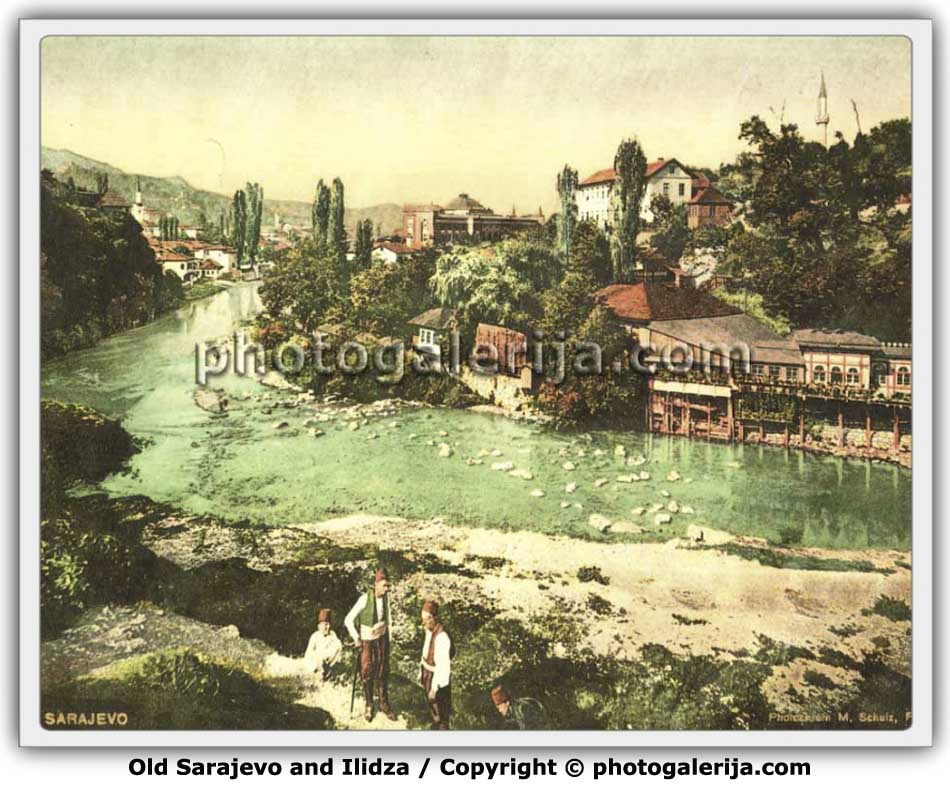
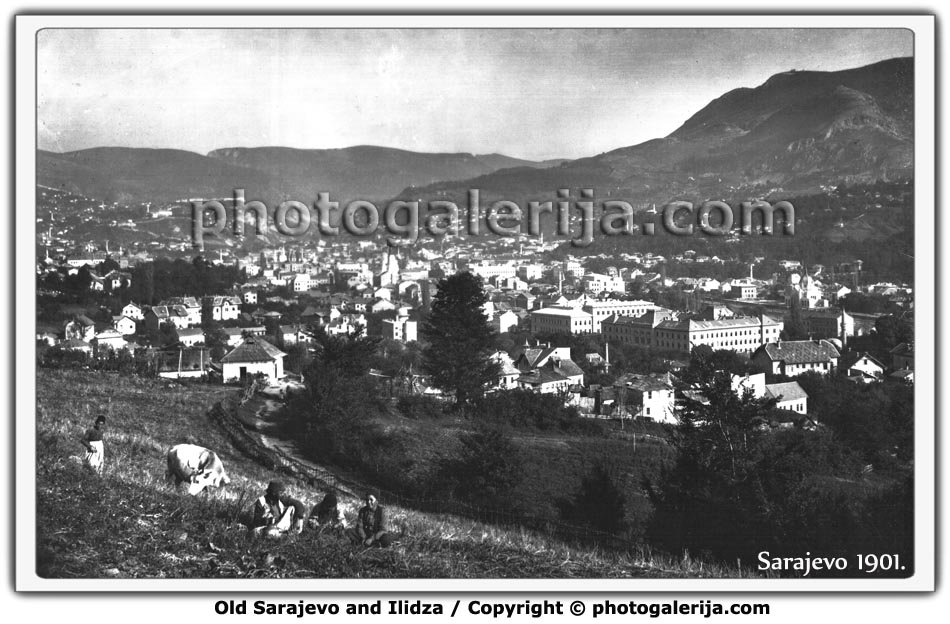
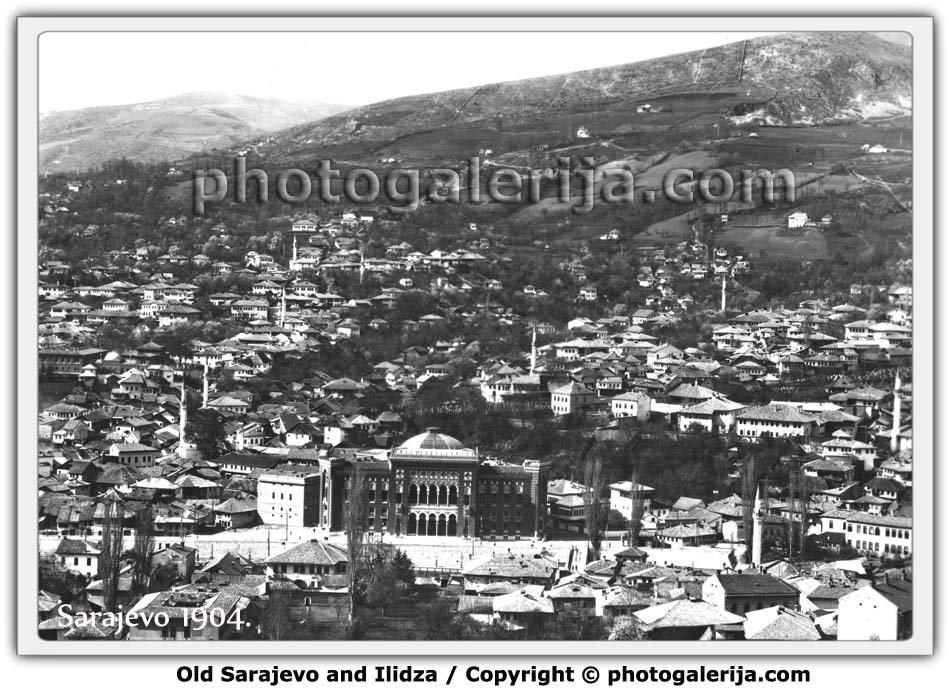
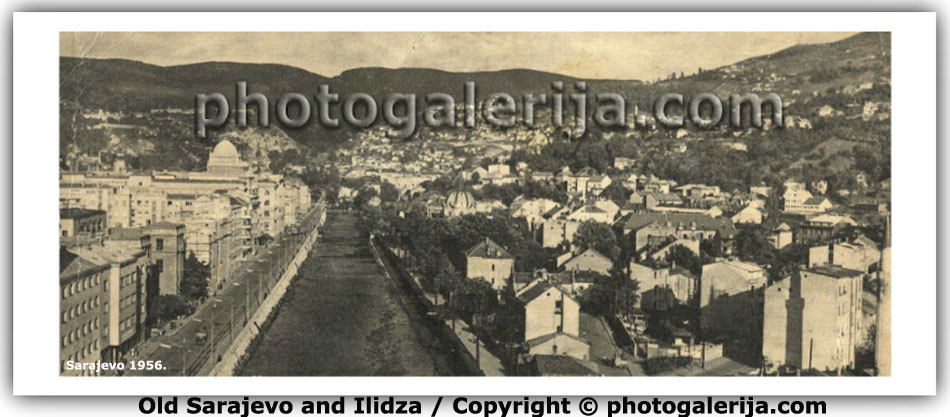
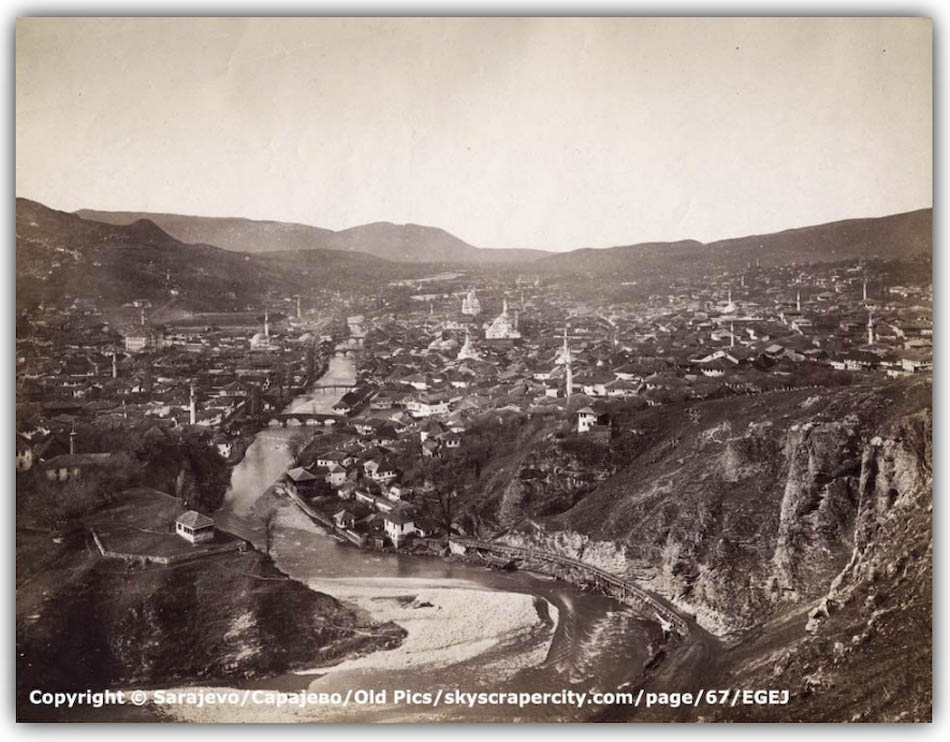
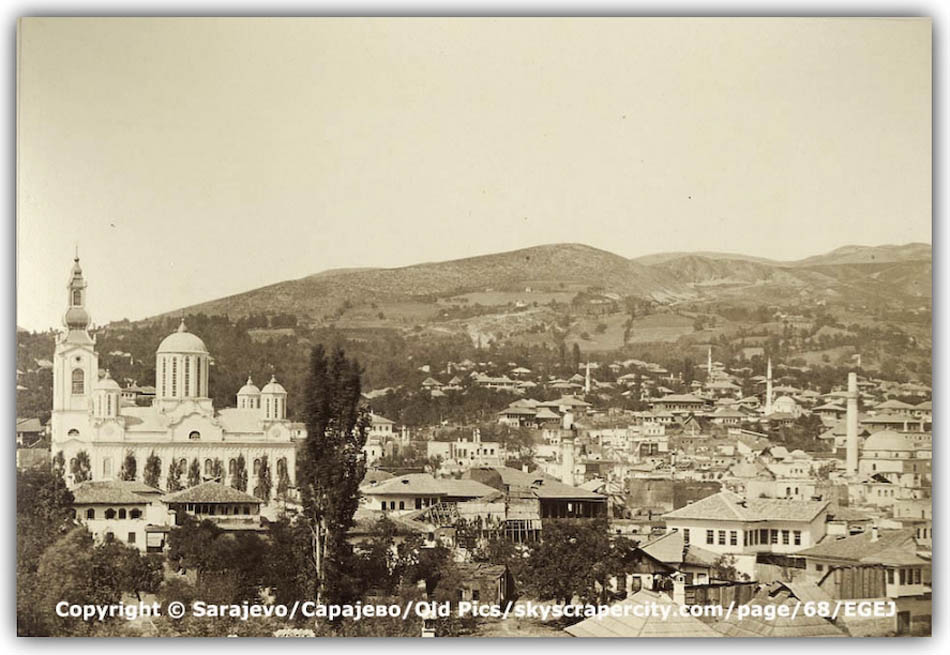
The city of Sarajevo, or Bosnia Saraj as foreigners called it during the year and after the military occupation (1878), had approximately 40,000 inhabitants. At that time, Sarajevo was situated in the center of a basin, surrounded by the mountains of Hum and Mrkva Hill to the north, Bakiya to the east, and Trebević to the south. Seeing Sarajevo from the surrounding hills was priceless; the view of the city center resembled an amphitheater, and the settled foothills looked like terraces. Even today, an old folk saying can be heard: “Whoever has seen Sarajevo, all his wishes will come true.” Sarajevo was the most important trading and political center, with all major Bosnian roads leading to it.
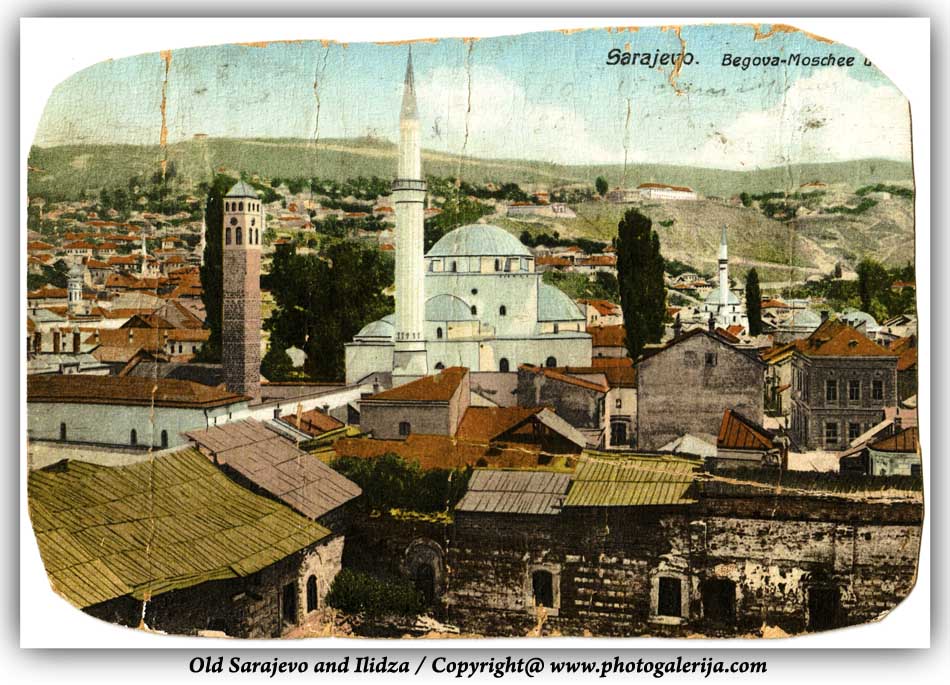
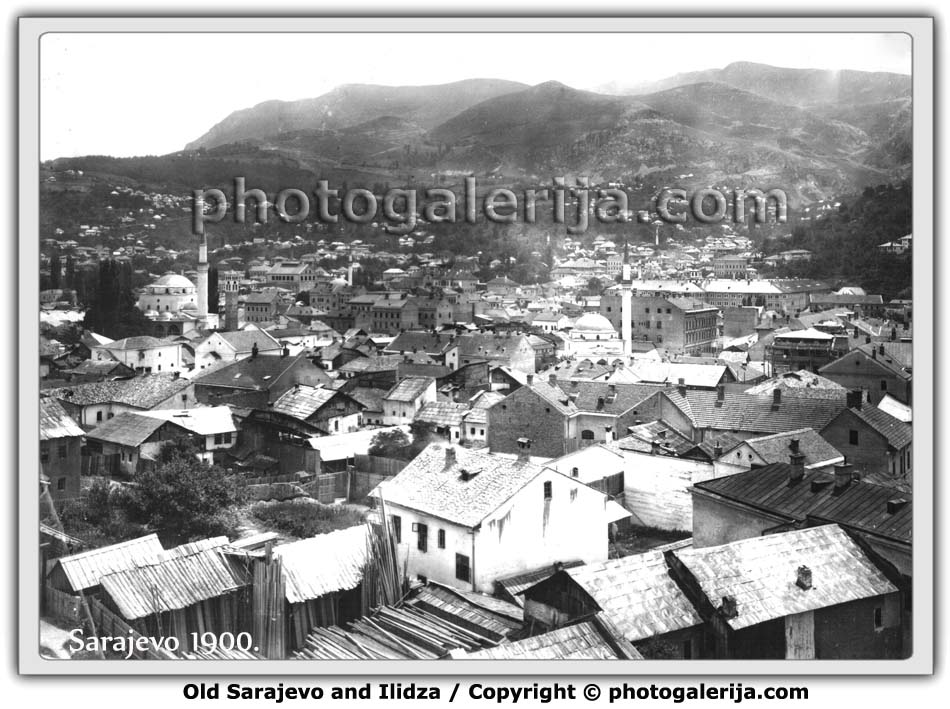
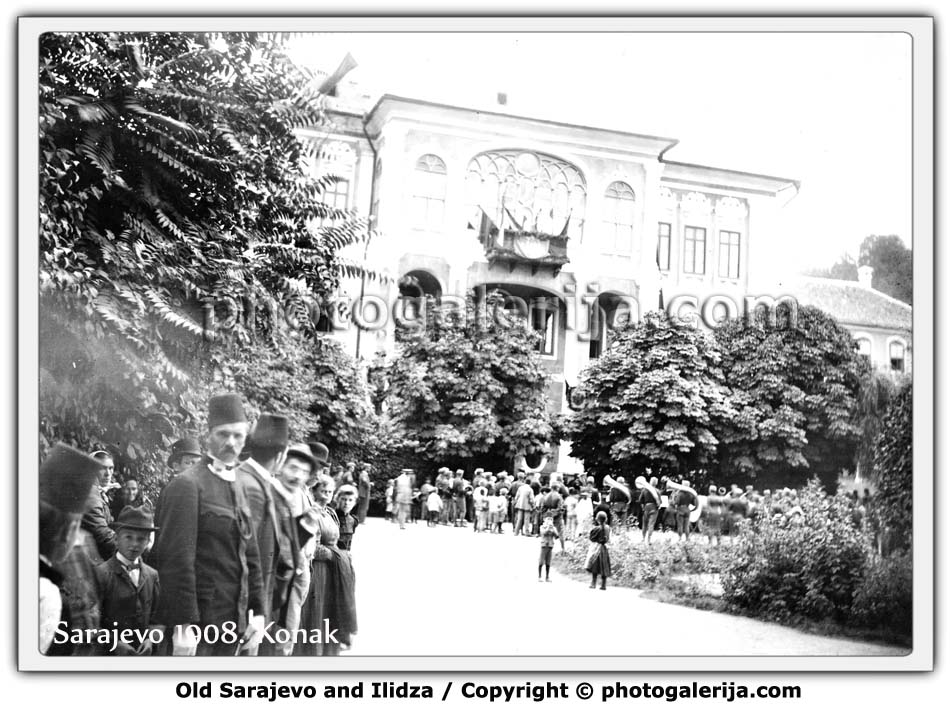
At that time, there were no large buildings in Sarajevo, except for the Governor’s residence, the residence of European consuls, the Konak (Topal-Pasha’s Palace built in 1869), a two-story barracks constructed in 1851 by Omer Pasha (later called “Filipović Barracks”), then a military hospital at the foot of Gorica and Crnog vrh, several han stations, and larger houses of wealthy Sarajevo residents, as well as a few very beautiful mosques. There were about a hundred mosques, of which around 40 were stone, while the others were wooden. Some mosques were owned by certain families.
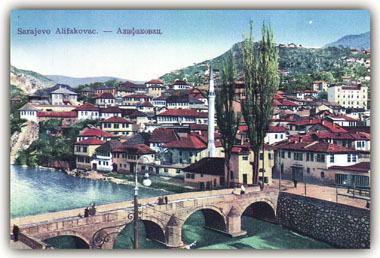
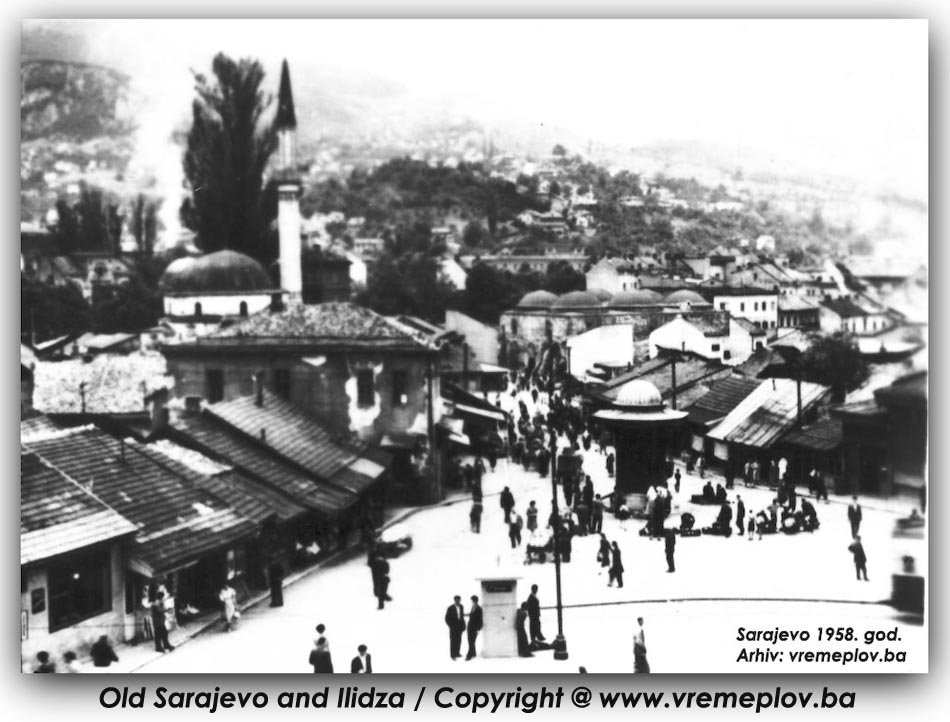
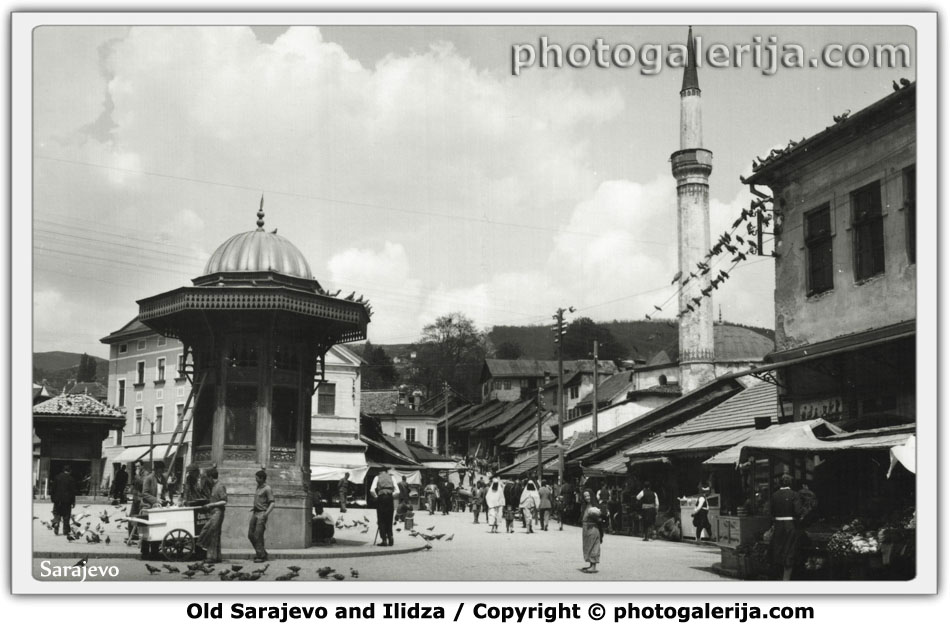
Characteristically for this, like any other Oriental city, is the covered bazaar with various shops, around which alleyways of traders and artisans branch out. On the shelves, goods were arranged, and in front of the shelves was a counter for the seller. Here, all kinds of tools, fabrics of lively colors, tobacco, lanterns, shirts, Turkish slippers, silver trays, mushtikle, chibuks made of jasmine or cherry wood inlaid with gold, carpets, ferežas, and silver trinkets could be found. Those in the bazaar around ten in the morning would get an idea of the trade, craft, and social-production relations of the entire country. Besides selling, production also took place in the shops. Apart from being stores, they were also workshops for opankas, tailors sewing clothes, blacksmiths forging hot iron, bakers baking thin round somuns, coppersmiths making utensils and other copper objects, and skilled craftsmen producing a variety of chibuks. Women covered and selling their handcrafted items such as embroidery, mahramas, and carpets could also be seen. Shrewdly and aggressively, traders of Jewish, Serbian, Greek, and Armenian origin would often succeed in attracting customers, while Muslim merchants sat quietly and peacefully on the floor of their shops, smoking overly long chibuks. Negotiations were not possible with them. If the seller named a price and the buyer was bargaining, the buyer would simply take the goods with the word “jok” (“no”) from his hands, and the conversation would end there.
_____________________________________________________________________________
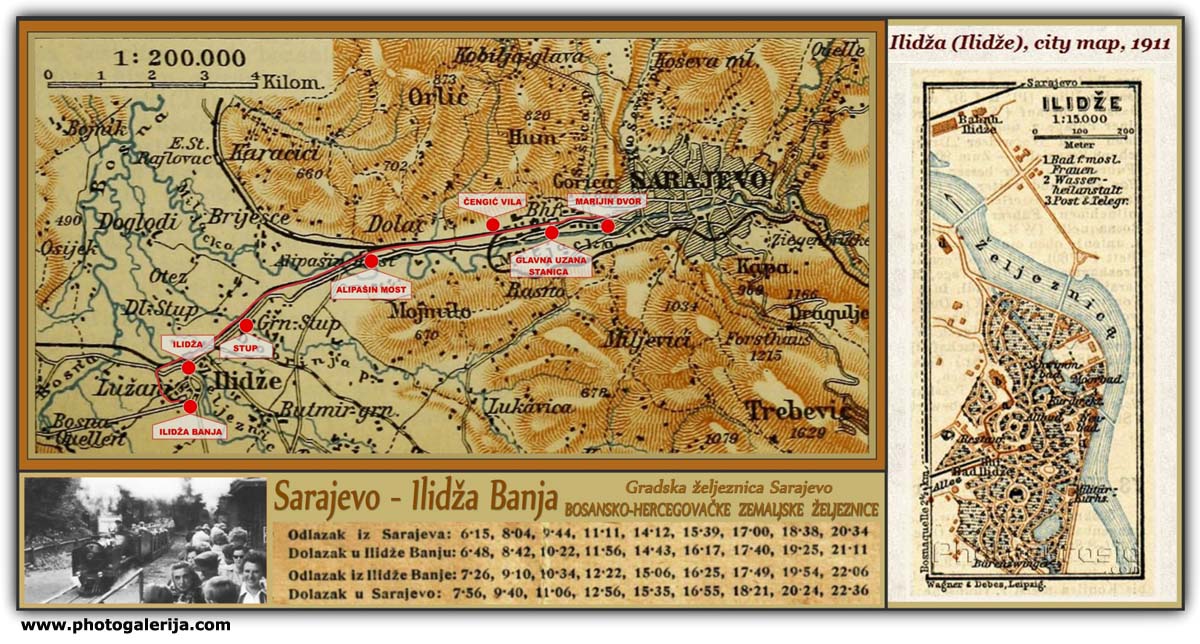
Who still remembers the local city railway in Sarajevo on the route from the Tobacco Factory to Ilidža Spa? It was in 1924 when the second track was built and put into operation (the first laid in 1885 for tram traffic) from the old railway station to Marijin Dvor. Before this construction, more precisely from August 1891, it was possible to travel by train from the old railway station (Bahnhof) to Ilidža (and further towards Mostar), and starting in June 1892 (a branch from the Ilidža station towards the health resort and the source of the Bosna River at a length of 1.28 km) all the way to Ilidža Banja. The construction of the now double-track railway on this section relieved tram traffic, so the residents of Sarajevo could practically begin their journey to Ilidža by tram from Baščaršija with a transfer at the tobacco factory in Marijin Dvor.
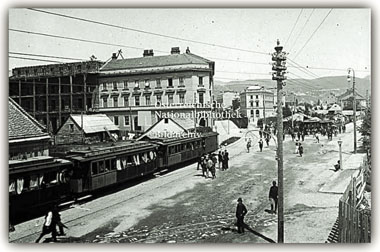
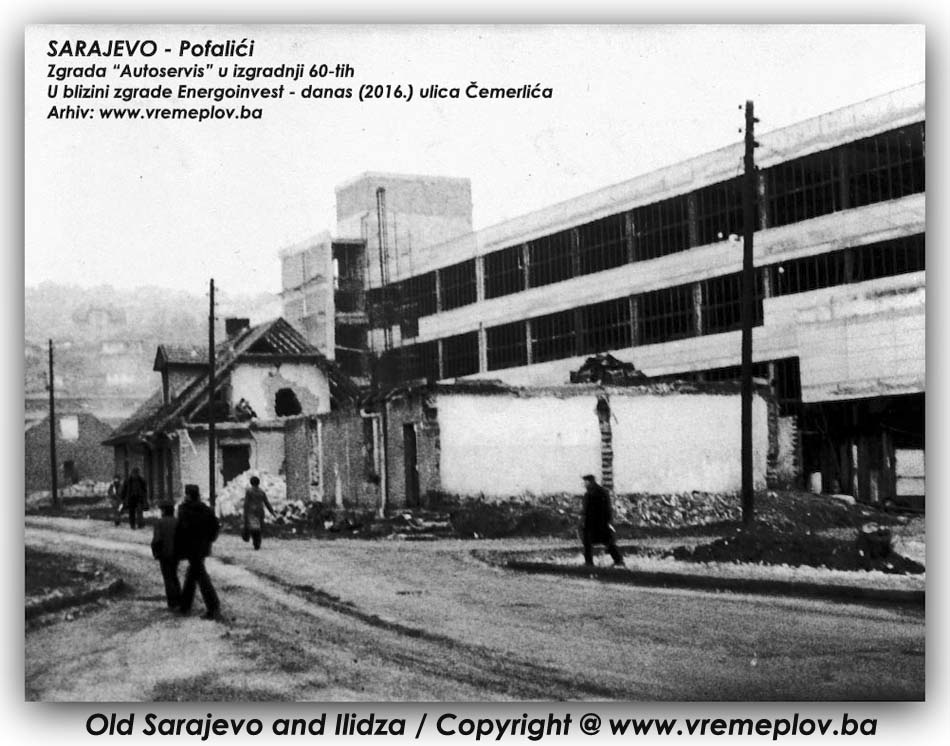
The old railway station of the Bosnian Railways in Sarajevo was far outside the city. Even a few years before its construction (1882), there were meadows and fields, along the road to Ilidža, where some cafes and a few peasant houses in the Pofalići plum orchards could be found. The first train from Zenica arrived in Sarajevo on October 5, 1882. This small ceremonial train was pulled by Krauss’s two-axle locomotive, known from history as “Rama,” which is still housed in the museum in Požega (Serbia) as a valuable exhibit of narrow-gauge locomotives. It was accompanied by several two-axle passenger cars, modified with vertical supports placed at each of the four corners of the car, onto which a roof canvas called “Segeituh” was stretched. The front and back sides of the cars were nailed with planks, and the sides were draped with curtains.
1 August 1891. The first train arrived from the direction of Metković, and on July 4, 1906, from Višegrad. The Sarajevo station—a narrow, quiet station at that time—was the largest rail center for passenger traffic on narrow-gauge tracks in Bosnia and Herzegovina, with trains departing from Sarajevo towards the north, i.e., towards Zenica (from Laševa towards Travnik and Jajce in 1893), Doboj, Derventa, and Brod, southbound towards Mostar, Metković, Dubrovnik, Trebinje, and Podgorica, and eastward towards Goražde, Foča, Priboj, Višegrad, and Belgrade. Nearby, a railway workshop and a boiler room with buildings for technical maintenance of locomotives and passenger cars were constructed, along with electric tram vehicles. In recent memory, older Sarajevans recall this as the Central Workshop “Vaso Miskin Crni.”
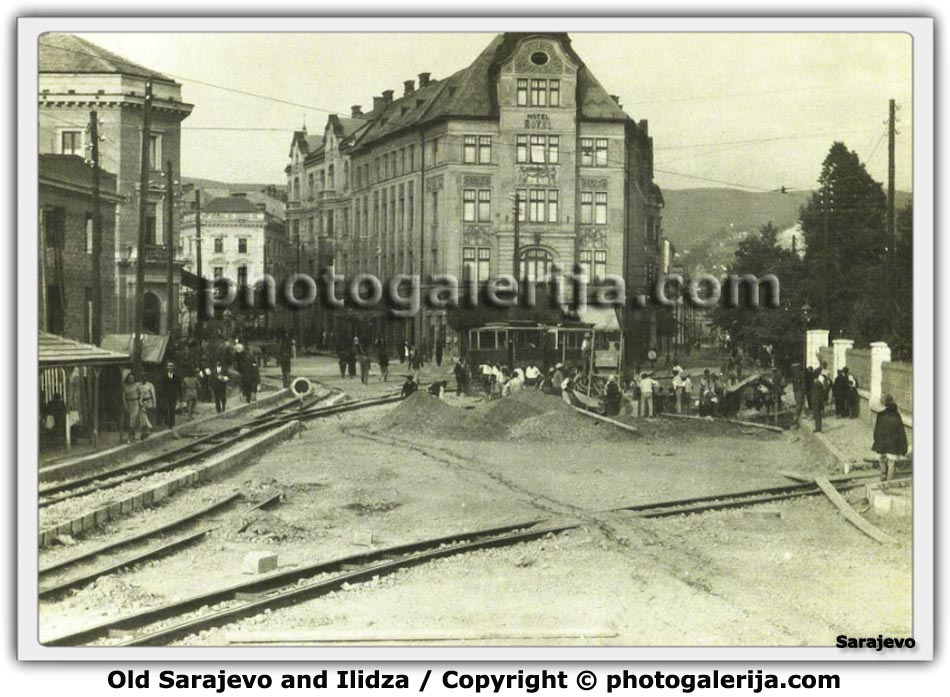
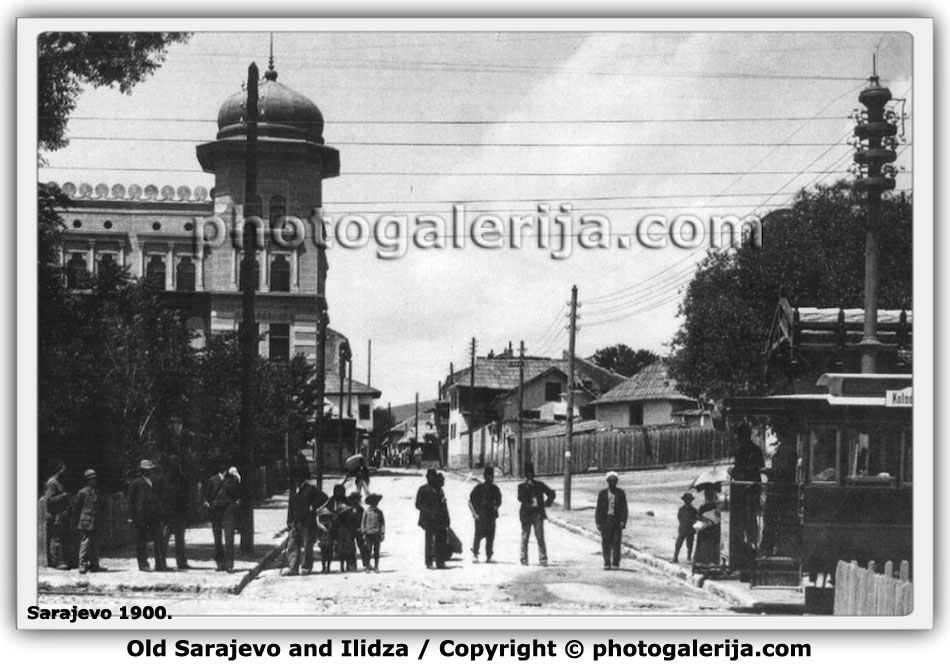
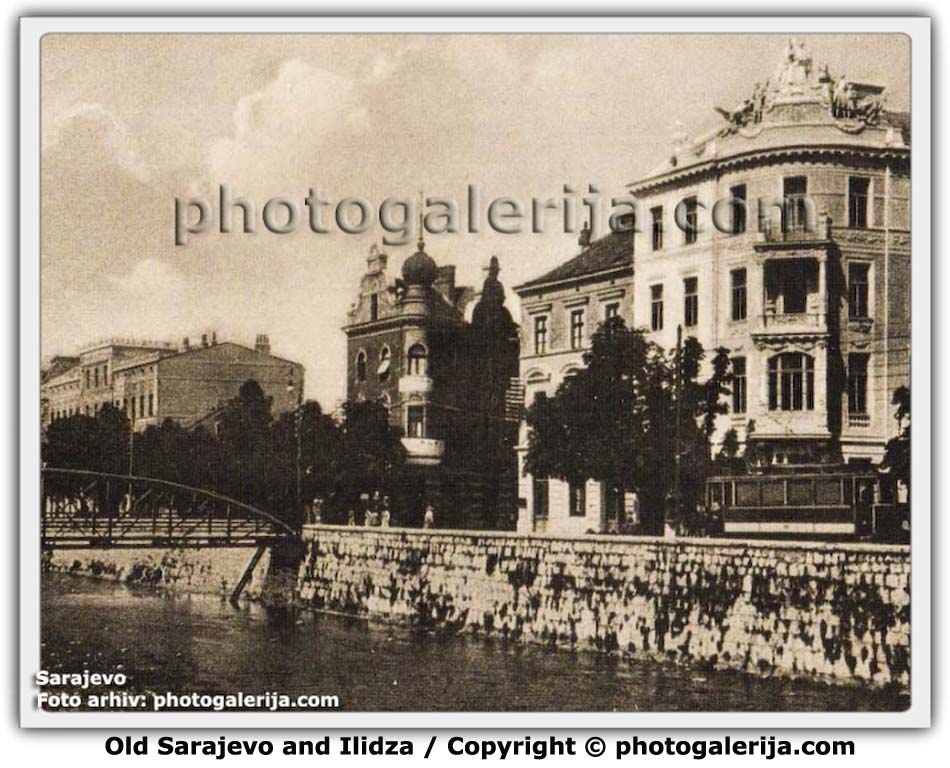
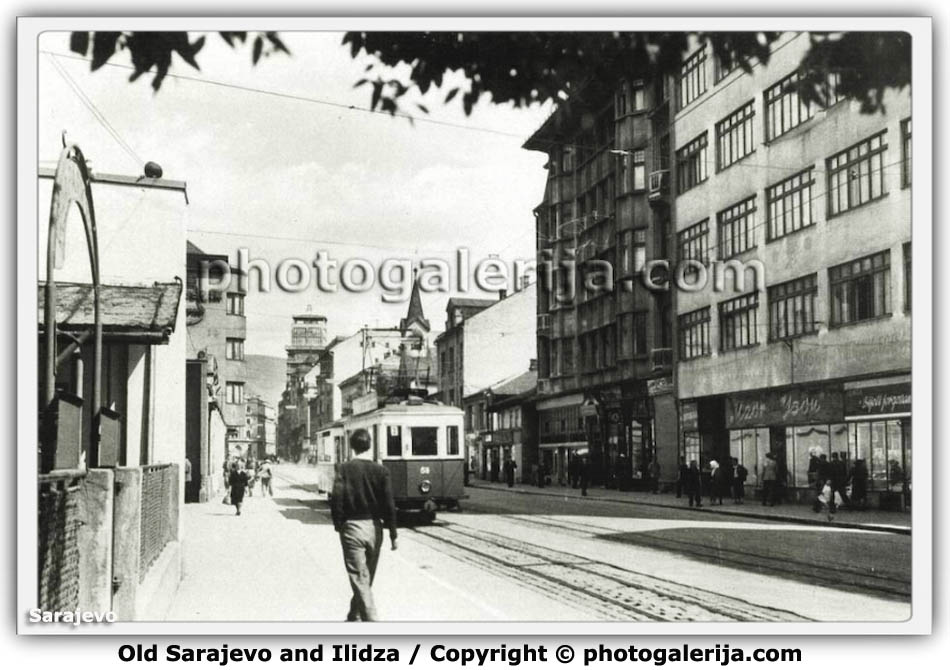
A passport was shown upon every arrival of a foreign traveler into the station building. In front of the station, there were fiacres with the names of hotels written on them. Nearby, there was a wagon with horse-drawn carriage (which operated from 1885 to 1895), and later an electric tram that ran on the route Railway Station – city (Cathedral, Ferhadija Streetcar, Town Hall). The ticket collectors and station officials were dressed in uniforms similar to their Vienna colleagues. From the railway station toward the city, two streets led, one being the main street (Franz Joseph Street). The other ran along the left bank of the Miljacka River (Terezija Street).
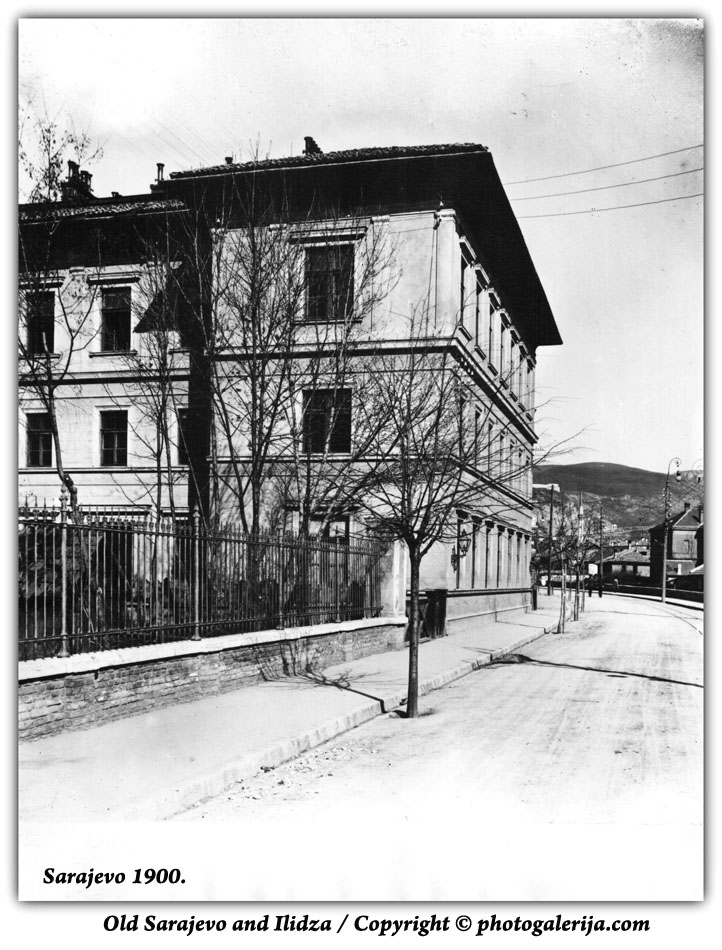
When traveling from the train station towards the town, one initially remains entirely in the European part, always on the right bank of the Miljacka River, which runs through the entire city and bridges eight bridges in the city area, some stone, some iron. After the occupation, the streets were paved with stones. Over time, the main streets acquired a European appearance because, instead of small, tightly packed houses, there are European buildings made of sturdy materials, along with inns, restaurants, and taverns.
_____________________________________________________________________________ Who still remembers the local city railway in Sarajevo on the route from Tobacco Factory to Ilidža Spa? It was in 1924 when the second track was built and put into operation (the first laid in 1885 for tram operation) from the old railway station to Marijin Dvor. Before this construction, more precisely from August 1891, one could travel by train from the old station (Bahnhof) to Ilidža (further towards Mostar), and from June 1892 (a branch from Ilidža station to the spa and the source of the Bosna River, 1.28 km long) even to Ilidža Spa. The construction of the now double-track railway on this section eased tram traffic, enabling Sarajevo residents to start their journey to Ilidža by tram from Baščaršija with a transfer at the tobacco factory in Marijin Dvor. The old railway station of the Bosnian Railways in Sarajevo was located far outside the city. Just a few years before its construction (1882), the area was fields and meadows, with a few cafes along the road towards Ilidža, and a few peasant houses in Pofalići’s plum orchards. The first train from Zenica arrived in Sarajevo on October 5, 1882. This small ceremonial train was pulled by Krauss’s two-axle locomotive, known from history as “Rama,” which is still preserved as a valuable exhibit at the museum in Požega (Serbia) as a relic of narrow-gauge locomotives. It pulled along several two-axle passenger cars transformed with vertical supports at each corner, with a canopy called “Segeituh” stretched over them. The front sides of the cars were nailed with planks, and the sides were covered with curtains. On August 1, 1891, the first train arrived from Metković, and on July 4, 1906, from Visegrad. At that time, the Sarajevo station – narrow gauge – was the largest rail center for passenger traffic on narrow-gauge lines in Bosnia and Herzegovina, with trains departing from Sarajevo towards the north, i.e., Zenica (from Lašva towards Travnik and Jajce in 1893), Dobojs, Derventa, and Brodu, southward toward Mostar, Metković, Dubrovnik, Trebinje, and Podgorica, and eastward toward Goražde, Foča, Priboj, Visegrad, and Belgrade. Nearby, a railway workshop and a boiler house with buildings for technical maintenance of locomotives and passenger cars, as well as vehicles for electric trams, were constructed. In recent memory of older Sarajevans, these were known as the Central Workshop “Vaso Miskin Crni.” A passport was shown upon each arrival of a foreign traveler at the station building. In front of the station building, they parked carriage carriages with hotel names written on them. Nearby was a train with horse-drawn carriages (operated from 1885 to 1895), later replaced by an electric tram running between the Railway Station and the city (Catedral, Ferhadija, Straßenbahn, Vijećnica). Conductors and station officials wore uniforms similar to their Viennese colleagues. From the railway station, two streets led into the city, one being the main street (Franz Joseph Street). The other ran along the left bank of the Miljacka (Terezija Street). When traveling from the railway station toward the city, the entire route initially stayed within the European part, always on the right bank of the Miljacka, which runs through the entire city and bridges eight bridges in the urban area, some made of stone, some of iron. After occupation, the streets were paved with stones. Over time, the main streets acquired a European appearance, with sturdy buildings replacing small dilapidated houses, along with inns, restaurants, and cafes. _____________________________________________________________________________
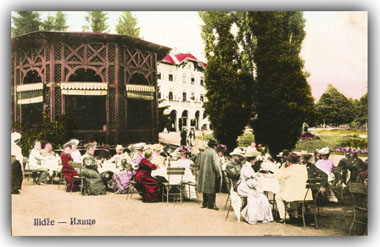
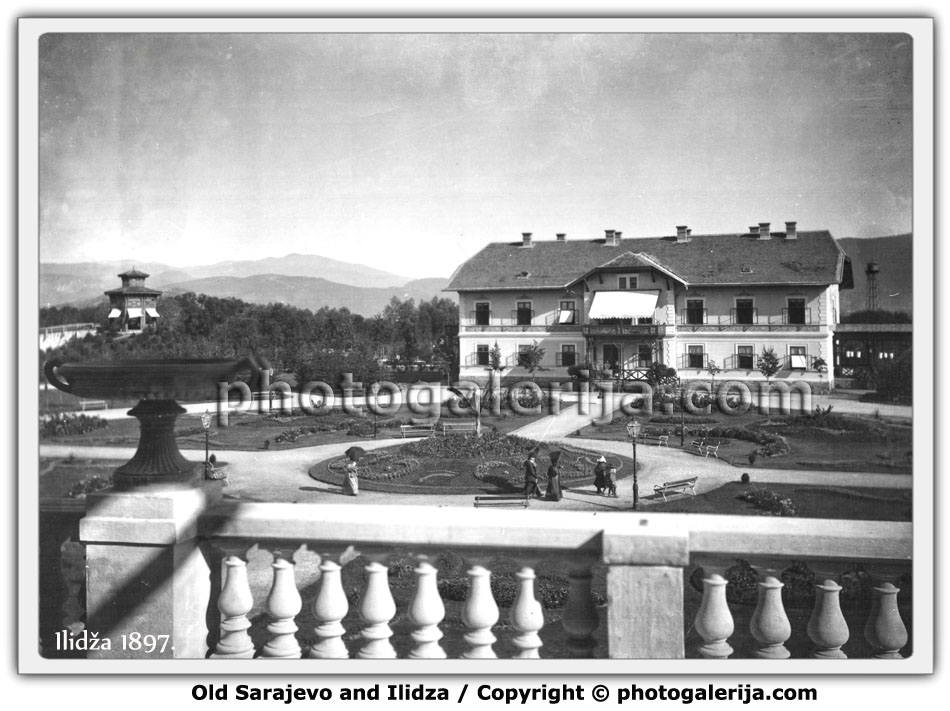
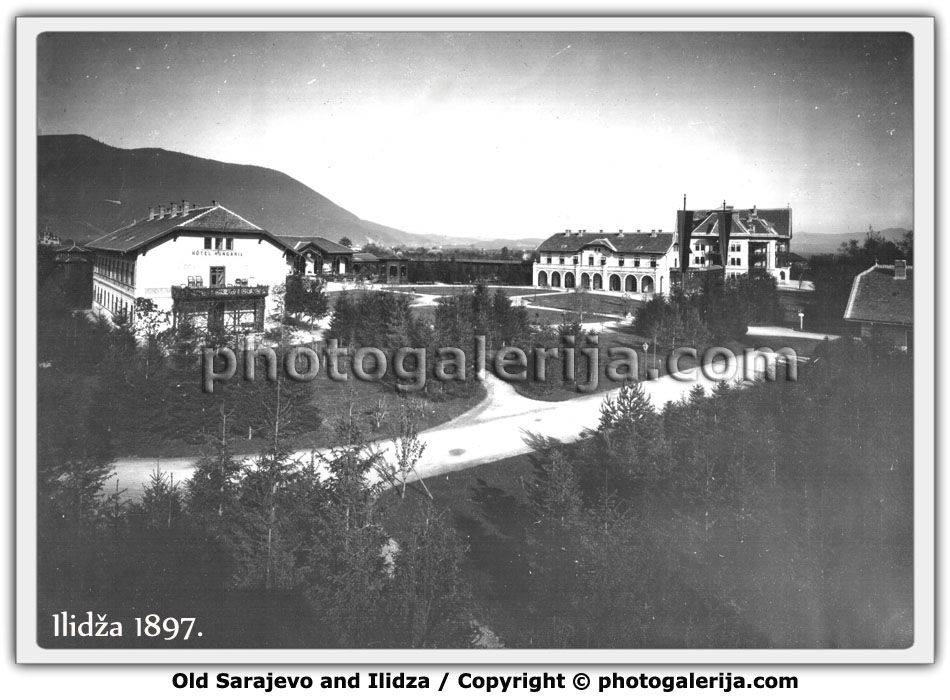
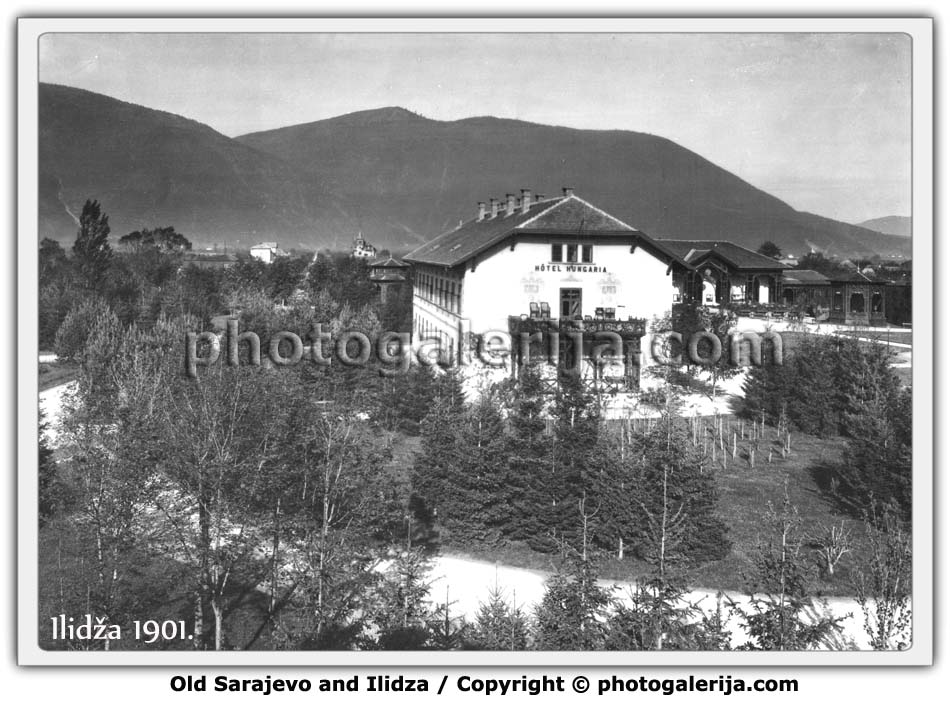
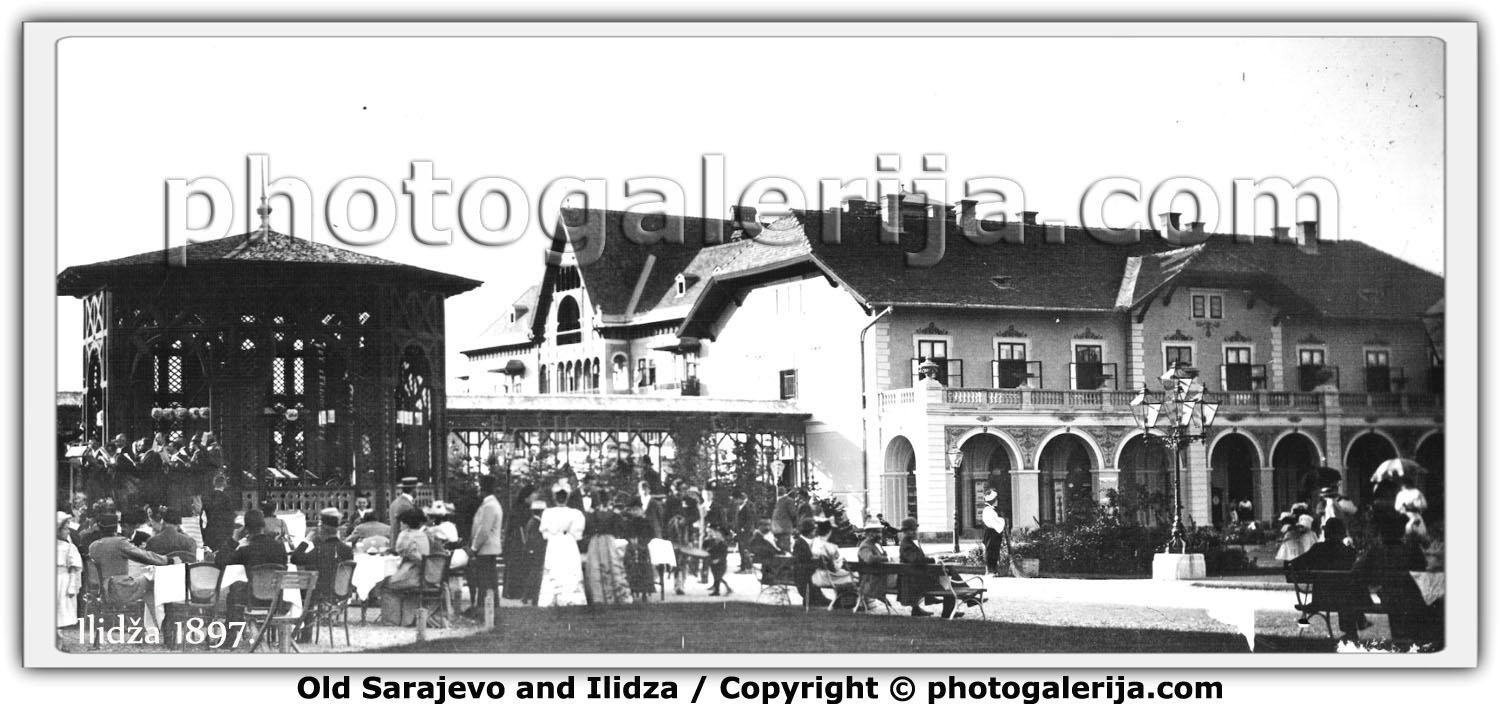
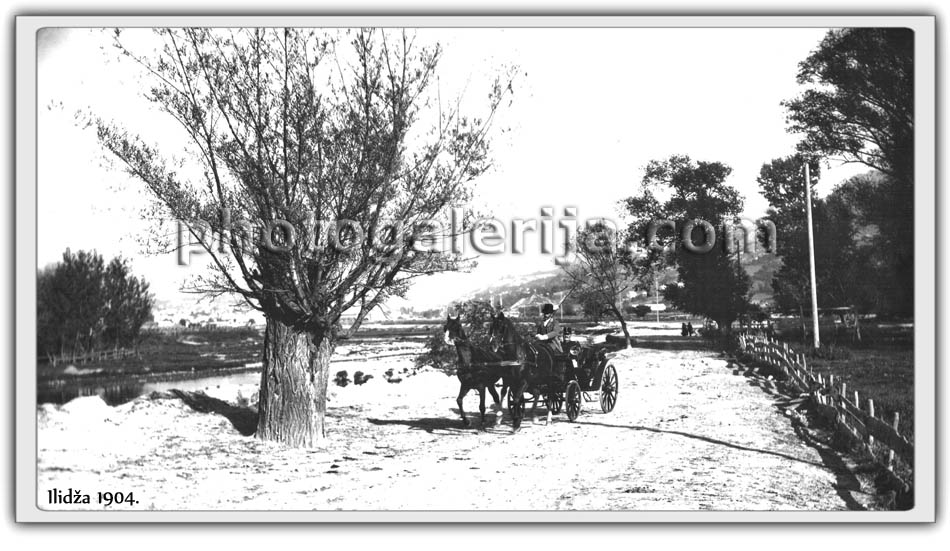
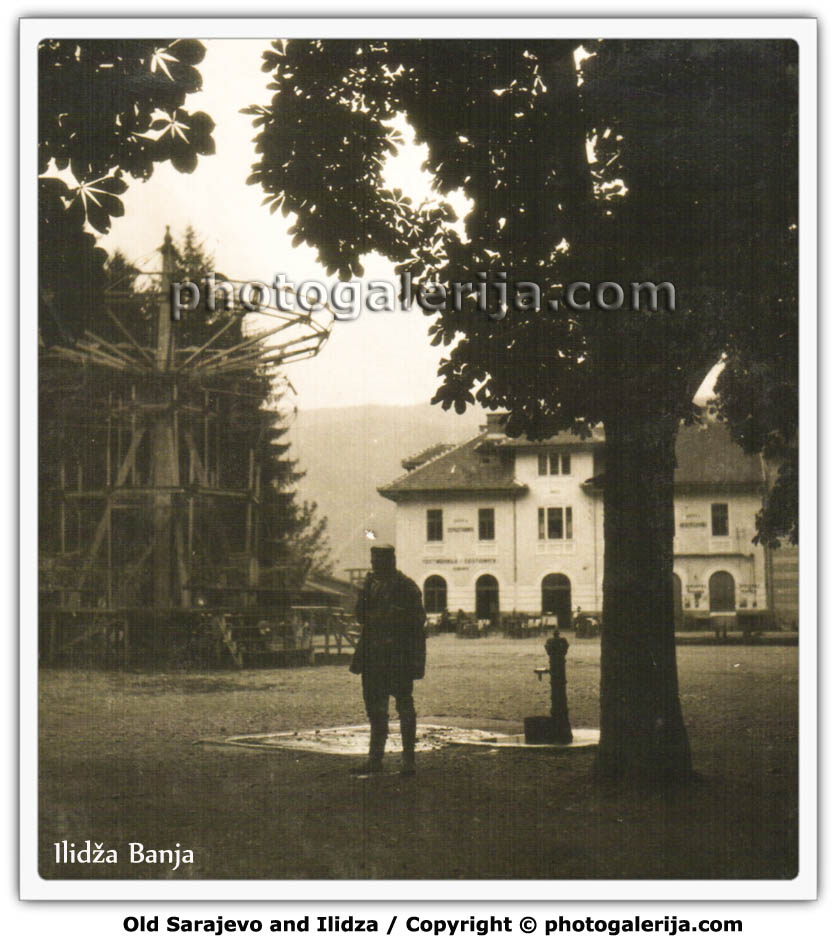
The time when the people of Sarajevo most enjoyed leisure was at Ilidža Spa. Being close to Sarajevo, it was rightly considered part of it. Most often, travel to the Spa was by local railway trains, and the journey lasted about fifteen minutes, while by car (bus or carriage), it took an hour. The first stop when traveling by train from the city was the main station, followed by Čengić Vila, Alipašin Most, Stup, Ilidža (originally called Butmir), and the final station, Ilidža Spa. Passengers on both sides, along the route across Sarajevo Field, had views of endless meadows and mountain slopes, where summer residences were often owned by Muslim aristocracy, small peasant houses, and houses built in a “European” style. The most famous building at the time was a villa or summer house with a harem belonging to Derviš-paša Dedaga Čengić, after whom the settlement is still called Čengić Vila.
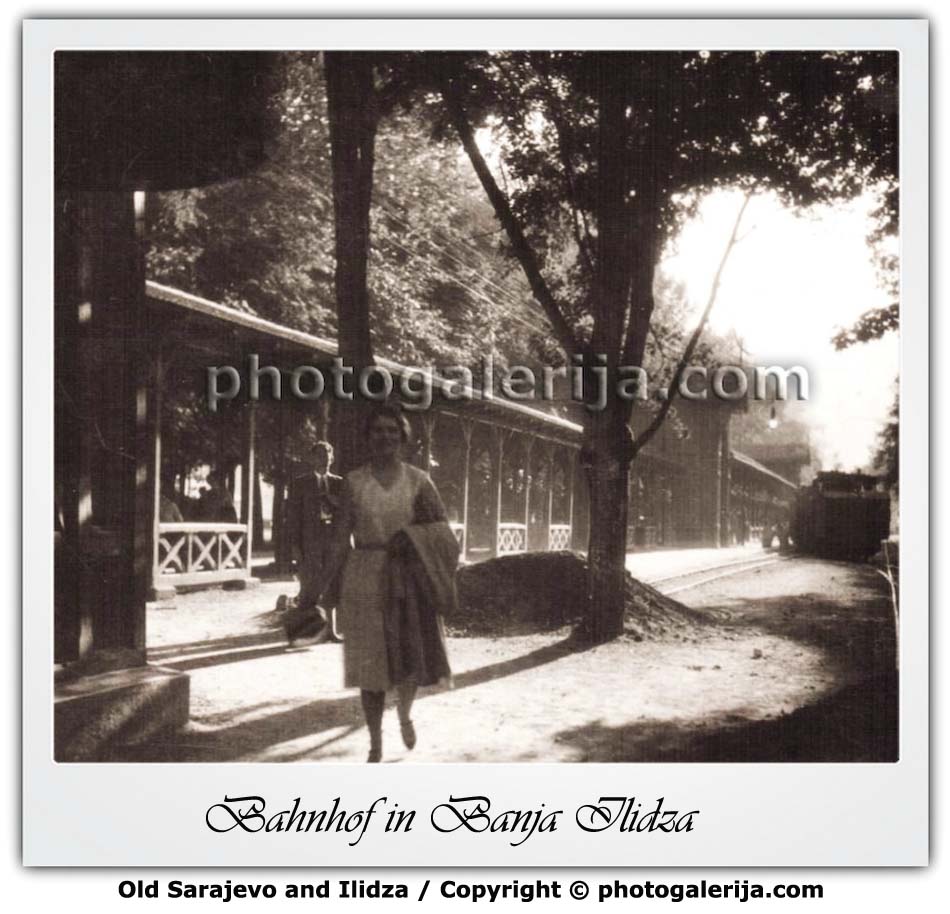
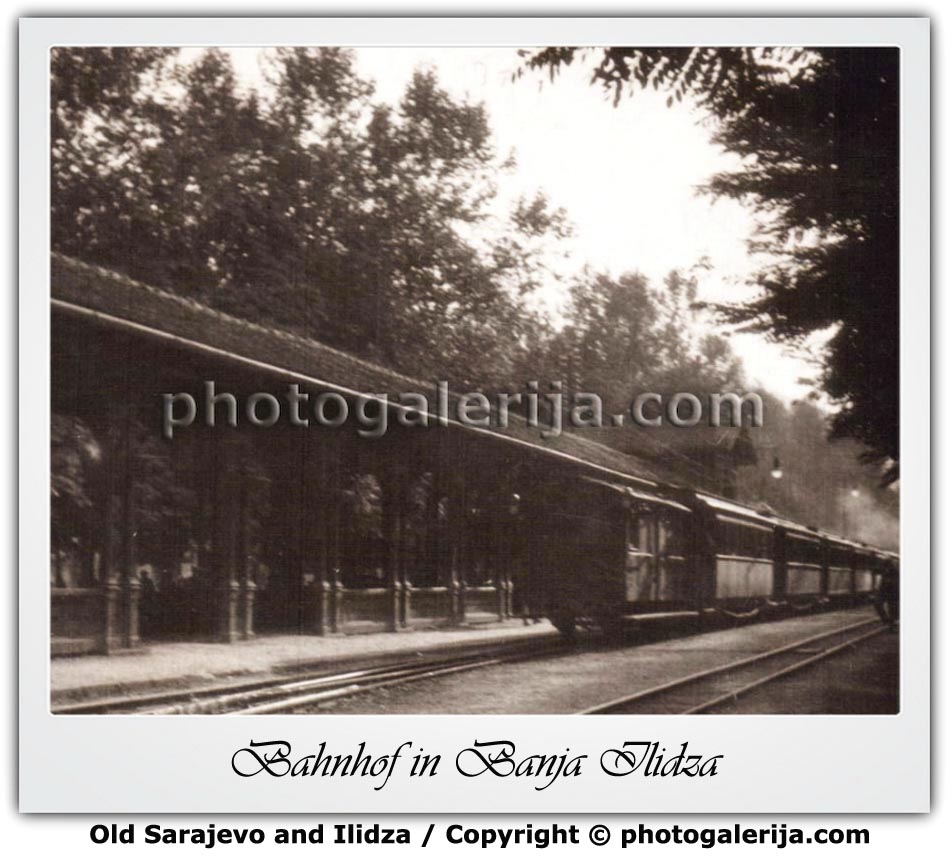
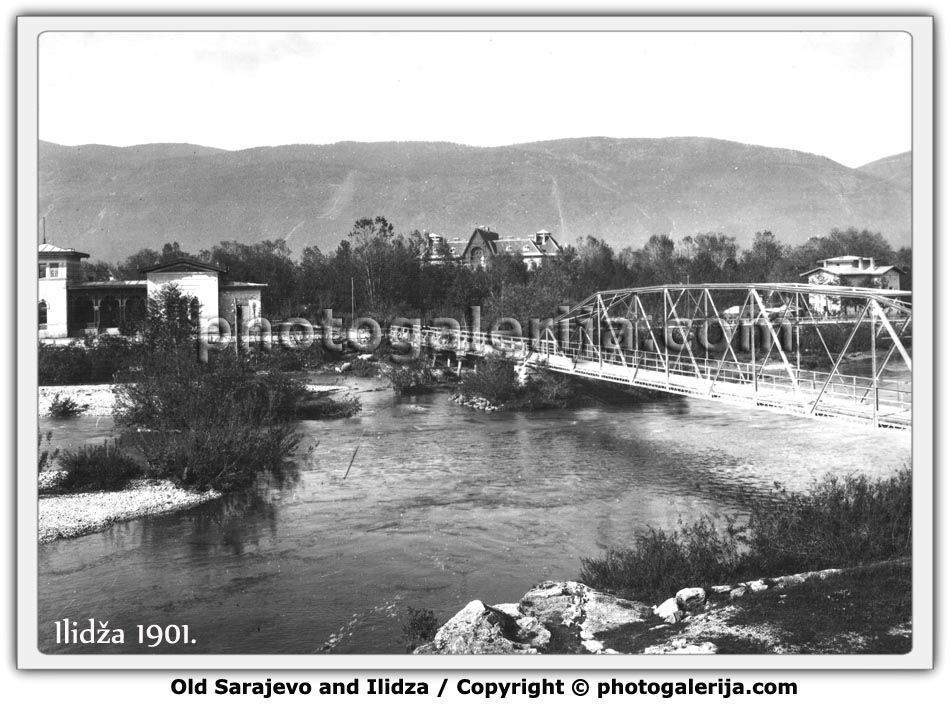
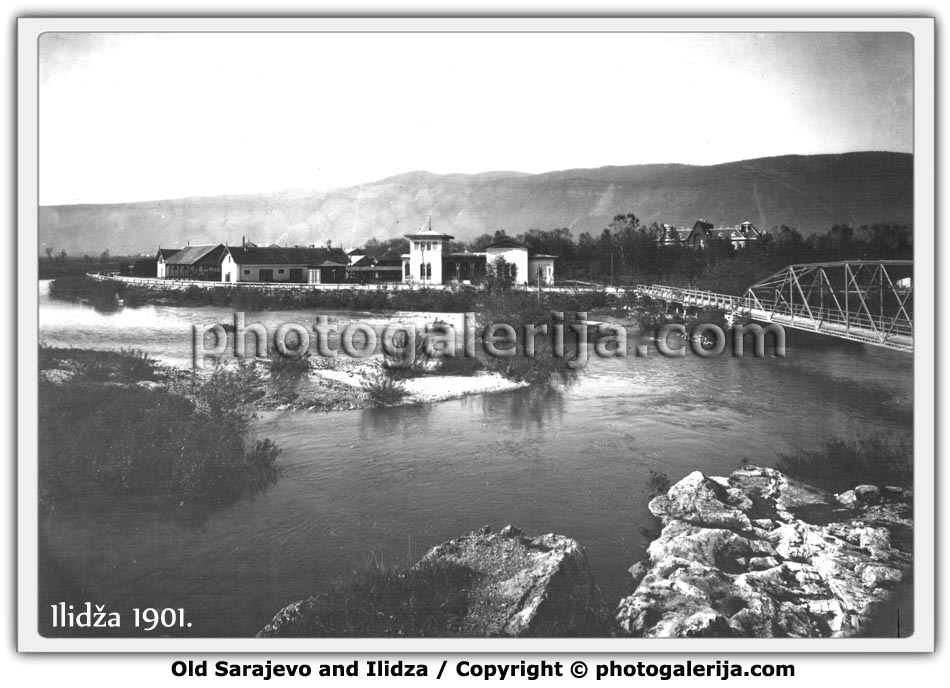
When the train arrives at the Ilidža or Butmir agricultural station, a whole group of houses can be seen, along with two economy buildings with barns and shacks, a dairy with a cold storage and a steam boiler, and water reservoirs. The continuation of the journey from the station begins with crossing the iron bridge and, a little further on, turning onto a branch of the railway toward the Ilidža Banja station.
_____________________________________________________________________________ Who still remembers the local city railway in Sarajevo on the route Factory of Tobacco – Ilidža Spa? It was in 1924 when the second track (the first laid in 1885 for tram operation) was built and put into service from the old railway station to Marijin Dvor. Before this construction, specifically from August 1891, it was possible to travel by train from the old railway station (Bahnhof) to Ilidža (further towards Mostar), and from June 1892 (a branch from Ilidža station towards the spa and the spring of the Bosna river, 1.28 km long) also to Ilidža Banja. The construction of the now double-track railway on this segment relieved tram traffic, allowing Sarajevo residents to effectively start their journey to Ilidža by tram from Baščaršija with a transfer at the tobacco factory in Marijin Dvor. The old Bosnian Railway station in Sarajevo was far outside the city. Just a few years before its construction (1882), the area was pasture and fields, with a few cafes along the road to Ilidža, and several farmhouses in the Pofalići plum orchards. The first train from Zenica arrived in Sarajevo on October 5, 1882. This small ceremonial train was pulled by Krauss’s two-axle locomotive, known from history as “Rama,” which is still on display at the museum in Požega (Serbia) as a valuable exhibit of narrow-gauge locomotives. It was accompanied by several two-axle passenger cars modified with four vertical supports at the corners and a roof canvas called “Segeituh” stretched over them. The ends of the cars were nailed with planks, and the sides covered with curtains. On August 1, 1891, the first train arrived from Metković, and on July 4, 1906, from Visegrad. The Sarajevo Station—narrow-gauge at that time—was the largest passenger railway hub on narrow-gauge lines in Bosnia and Herzegovina, with trains departing toward the north, i.e., Zenica (from Lašva towards Travnik and Jajce in 1893), Doboj, Derventa, and Brod, as well as south towards Mostar, Metković, Dubrovnik, Trebinje, and Podgorica, and east towards Goražde, Foča, Priboj, Visegrad, and Belgrade. Nearby, a railway workshop and a boiler room with buildings for locomotive and passenger car maintenance were built, as well as vehicles for electric trams. In the recent past, older Sarajlije remember it as the “Vaso Miskin Crni” Central Workshop. A passport was shown upon every arrival of a foreign traveler at the station building. In front of the station, there were fiakers with hotel names written on them. Not far from them was a wagon with horse-drawn traction (operating from 1885 to 1895), and later an electric tram running between the Railway Station and the city (Cathedral, Ferhadija, Straßenbahn, City Hall). Station attendants and officials were dressed in uniforms similar to their Viennese colleagues. From the railway station toward the city, two streets led, one being the main street (Franz Joseph Street). The other ran along the left bank of the Miljacka (Terezija Street). When traveling from the railway station toward the city, everything initially remained in the European part, always on the right bank of the Miljacka, which flows through the entire city, crossing over the city area via eight bridges—some stone, some iron. After occupation, the streets were paved with stones. Over time, the main streets acquired a European look, with sturdy European-style buildings replacing small, tight houses, along with inns, restaurants, and cafes. _____________________________________________________________________________
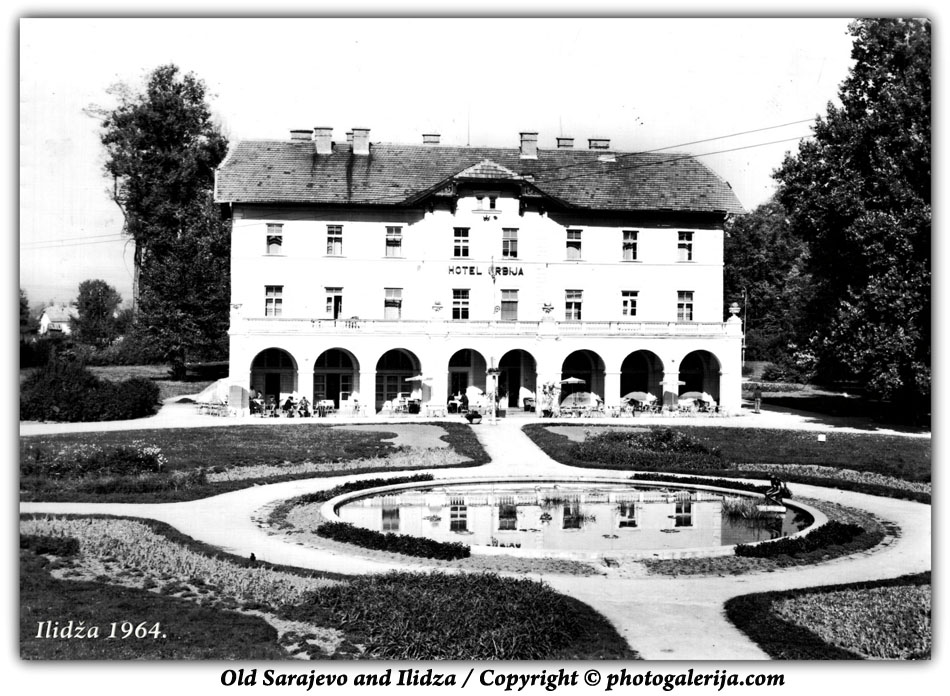
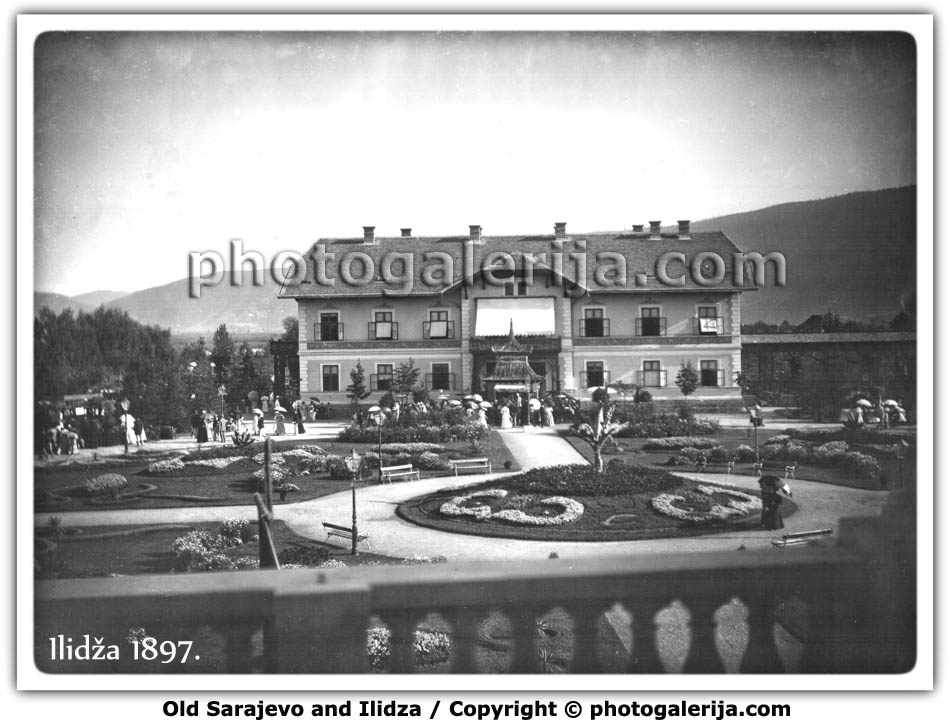
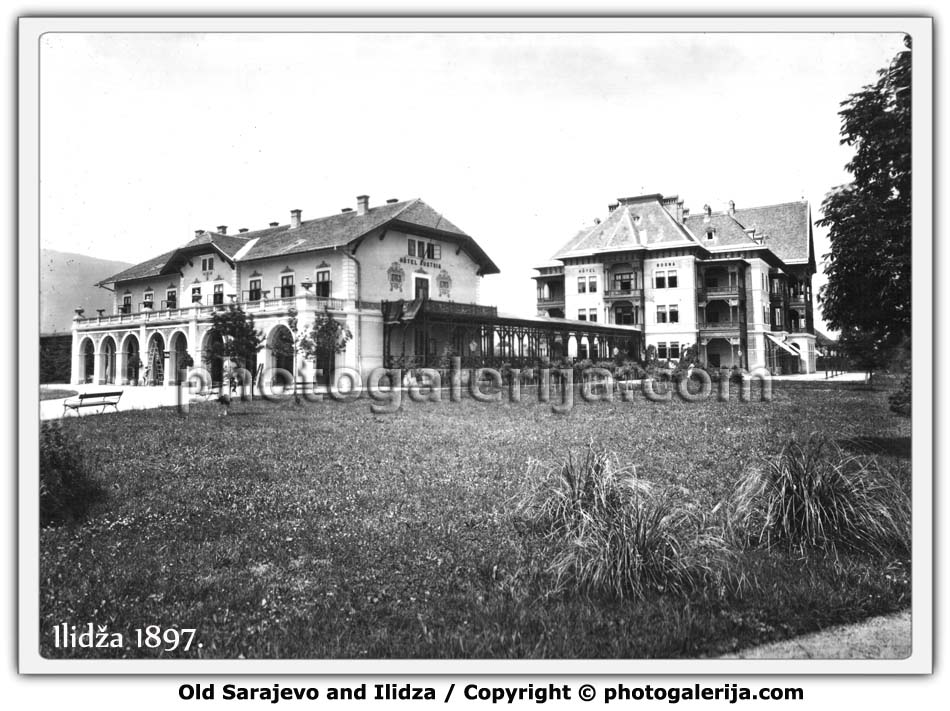
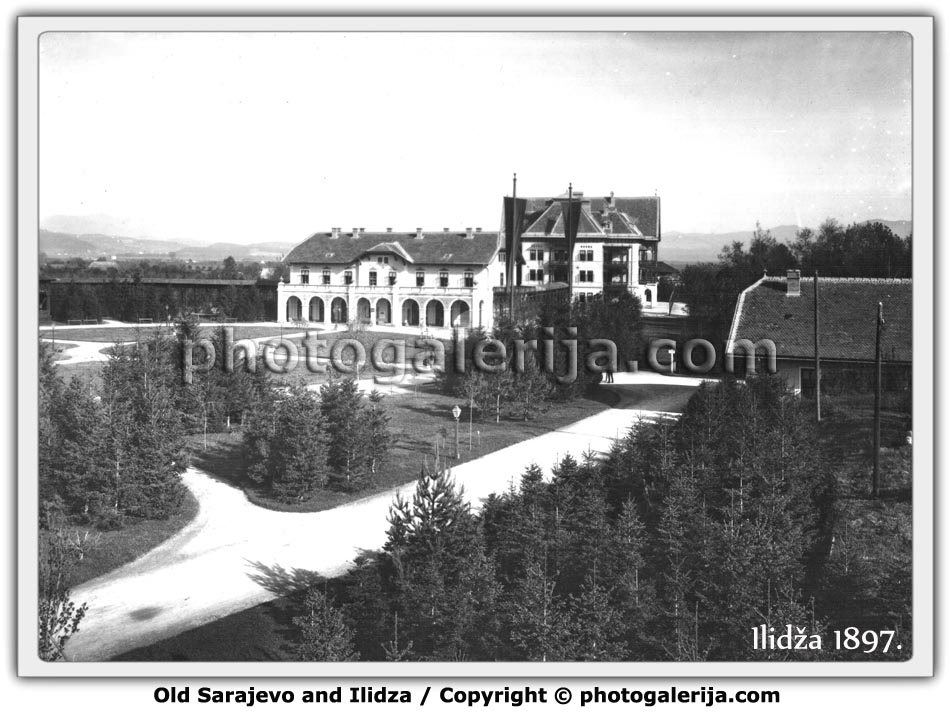
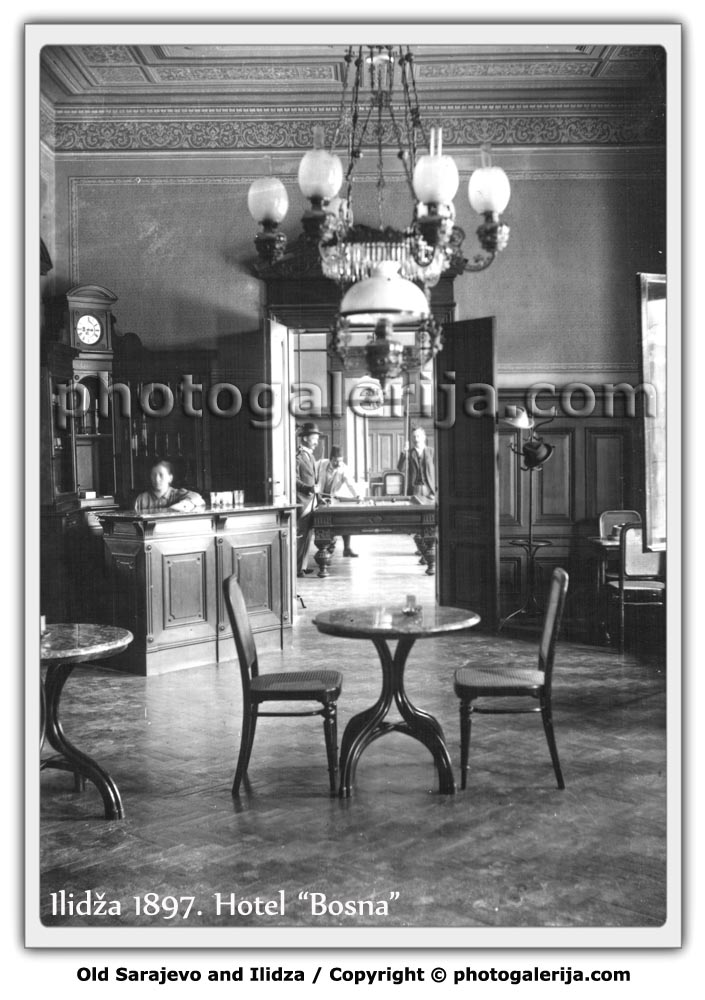
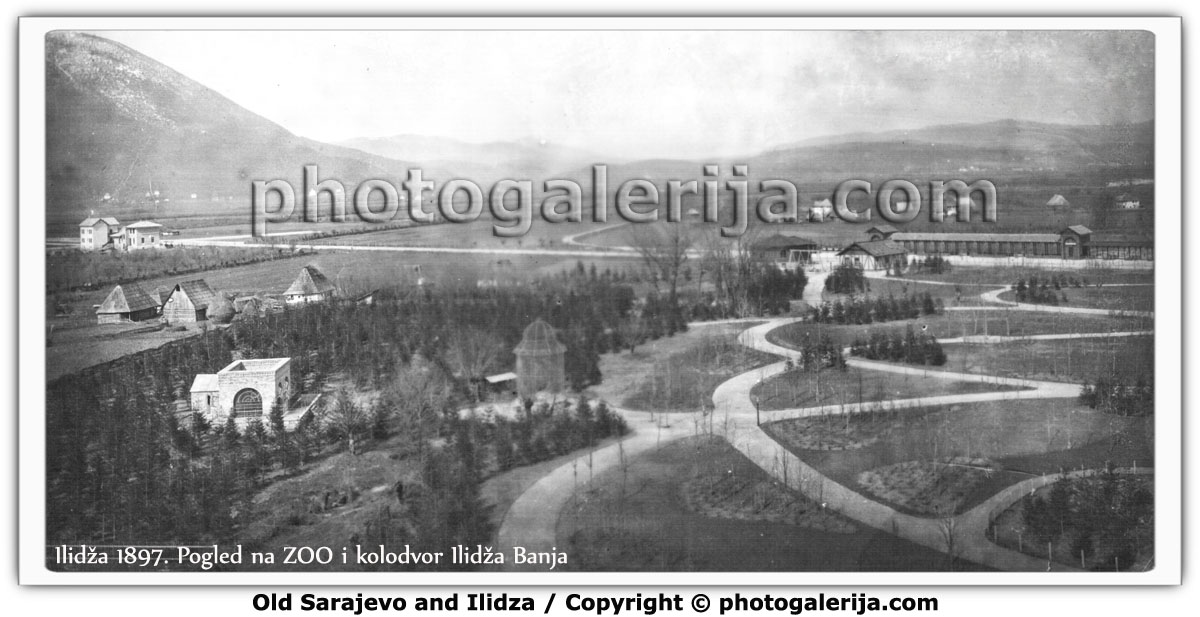
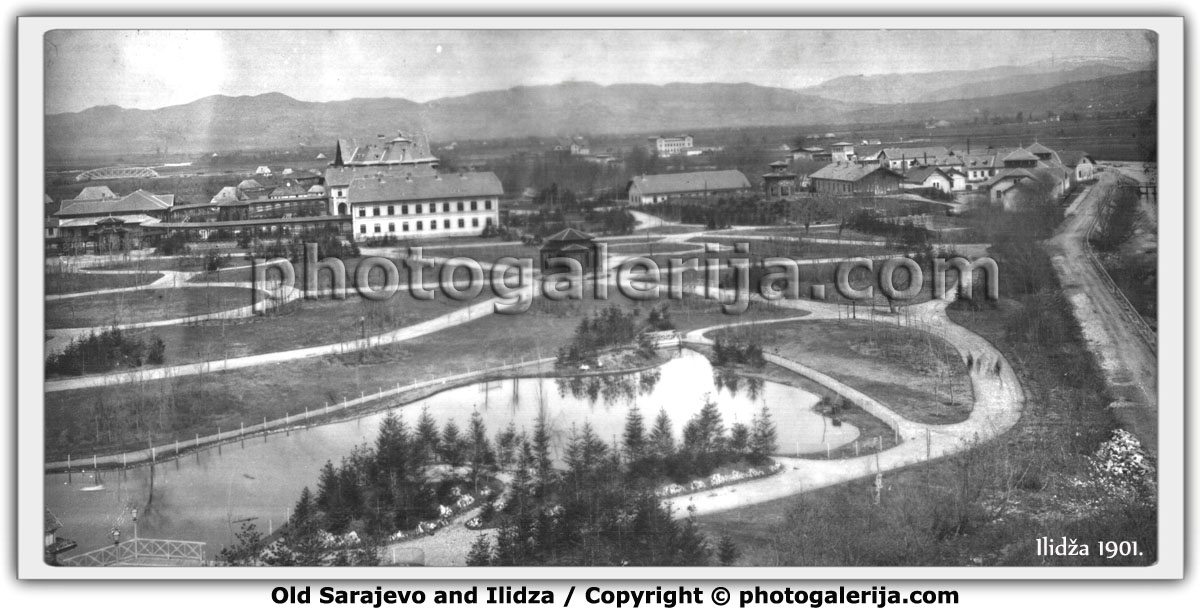
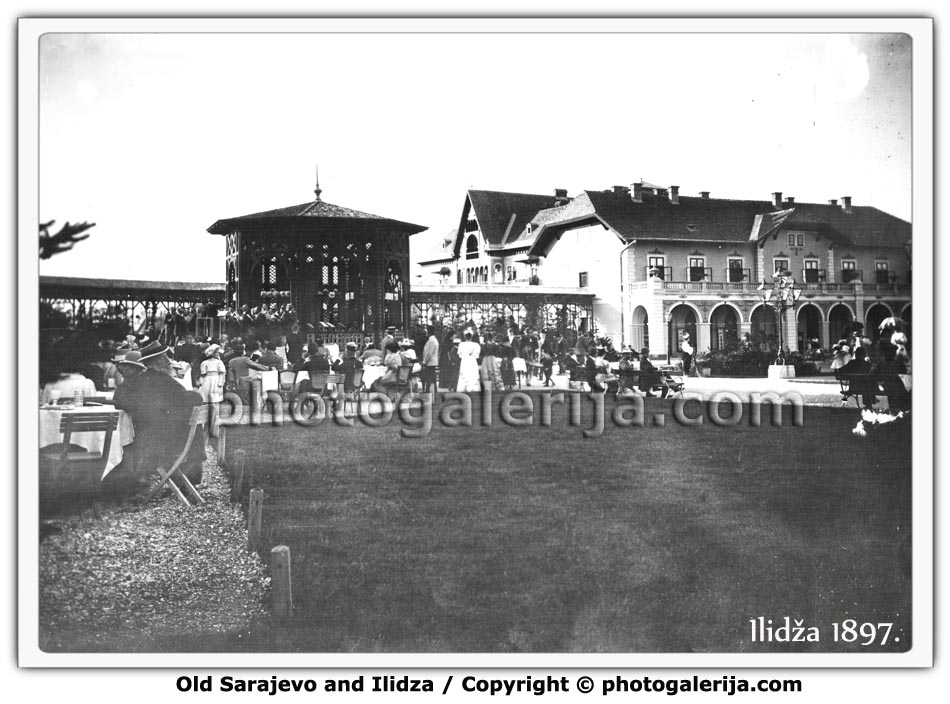
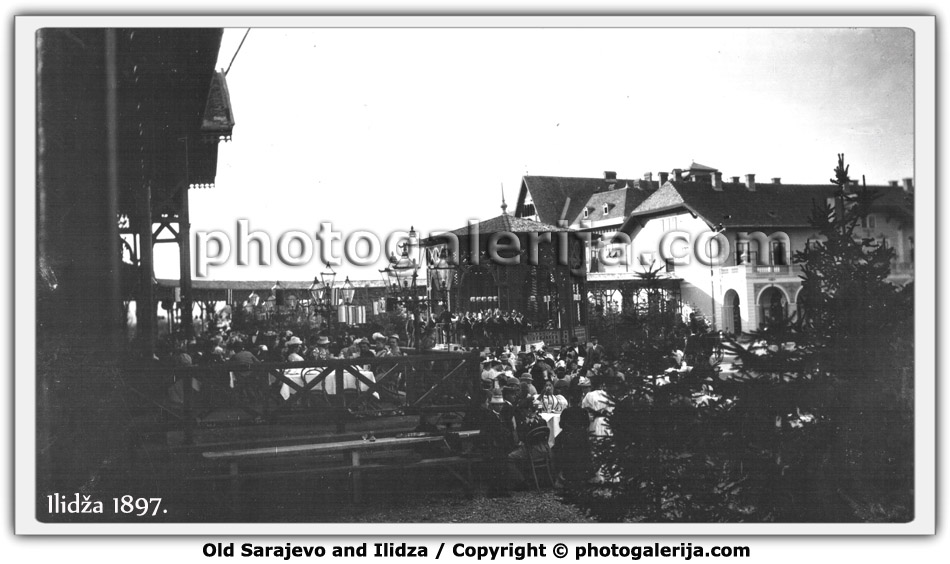
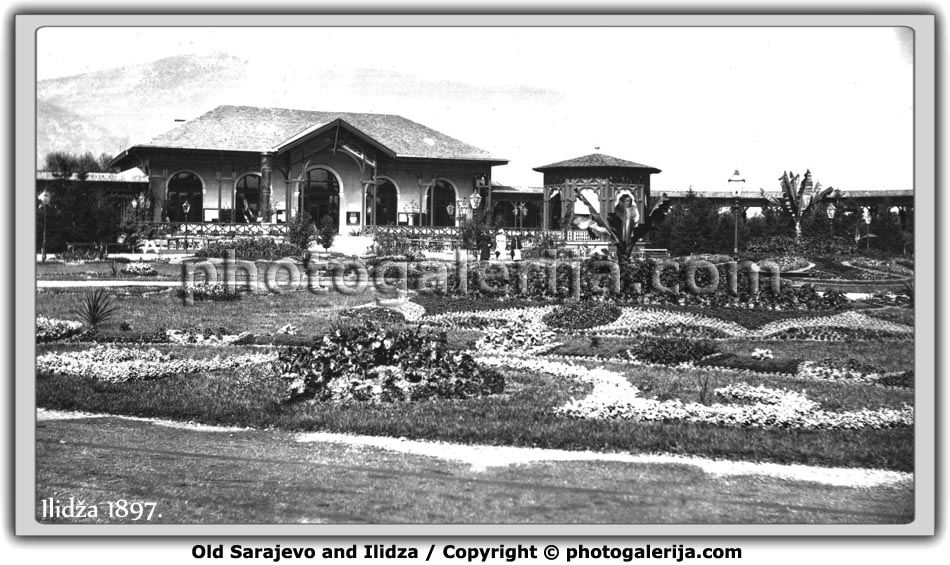
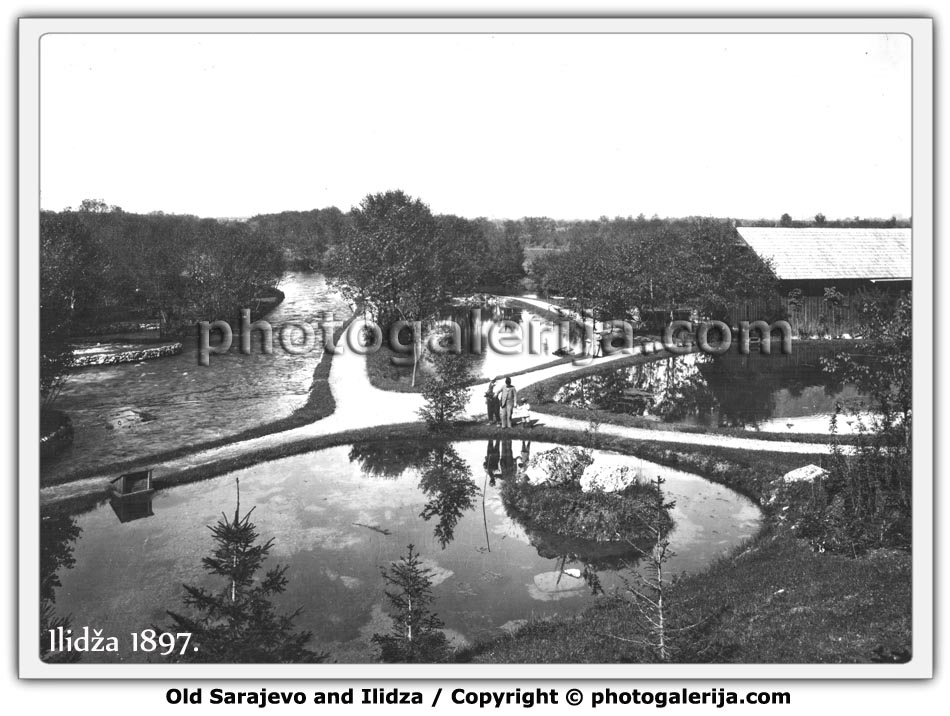
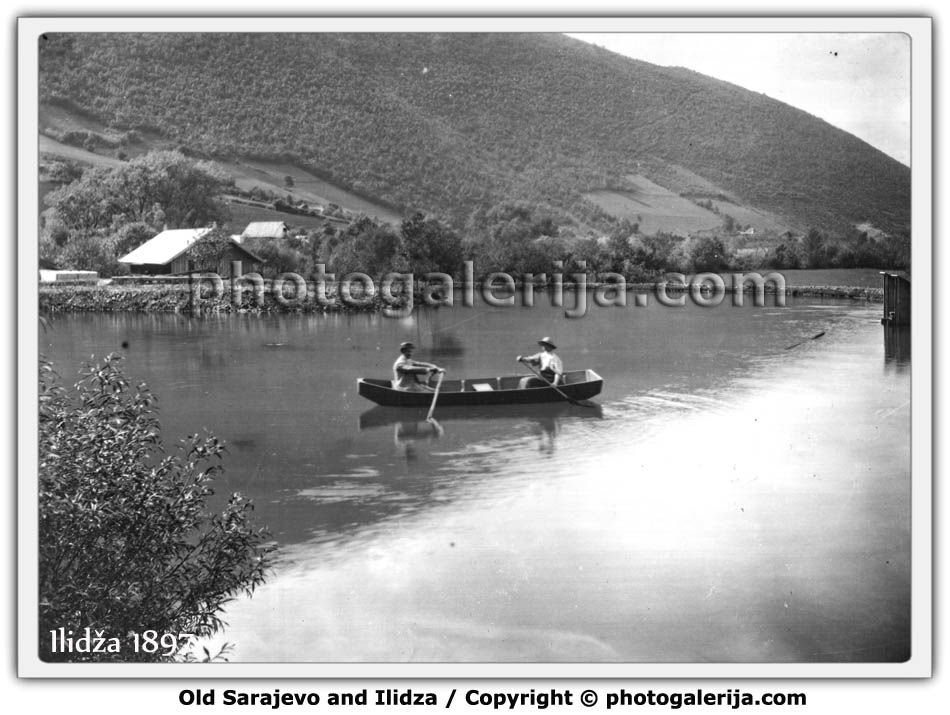
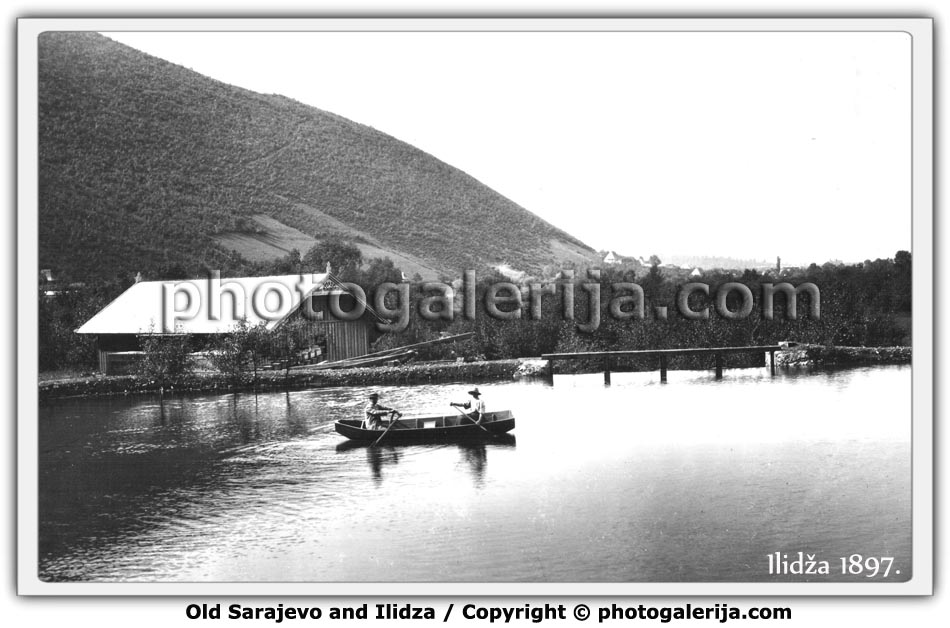
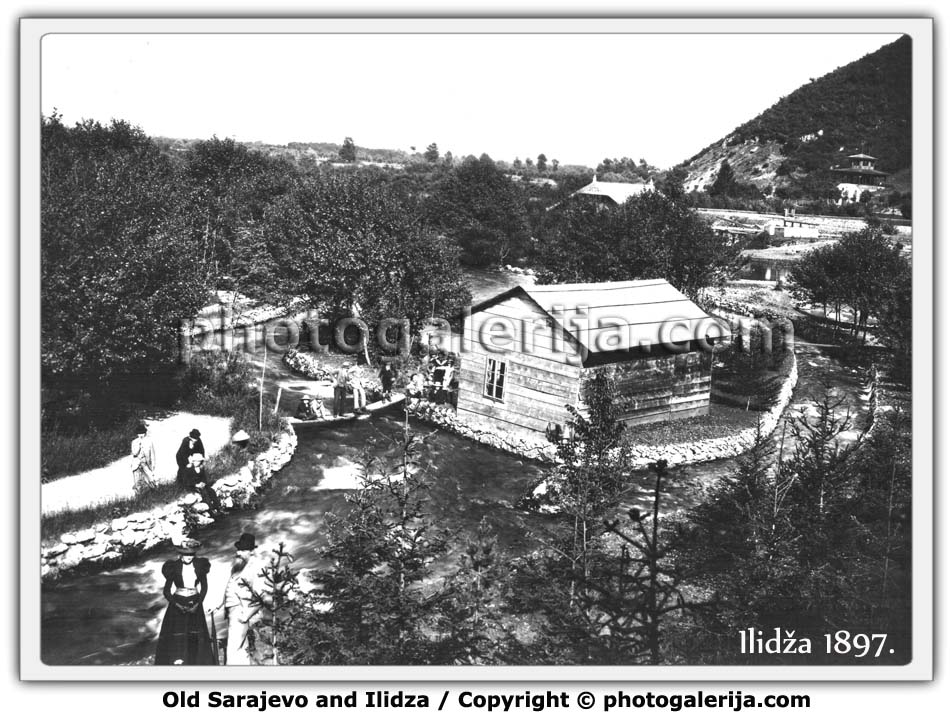
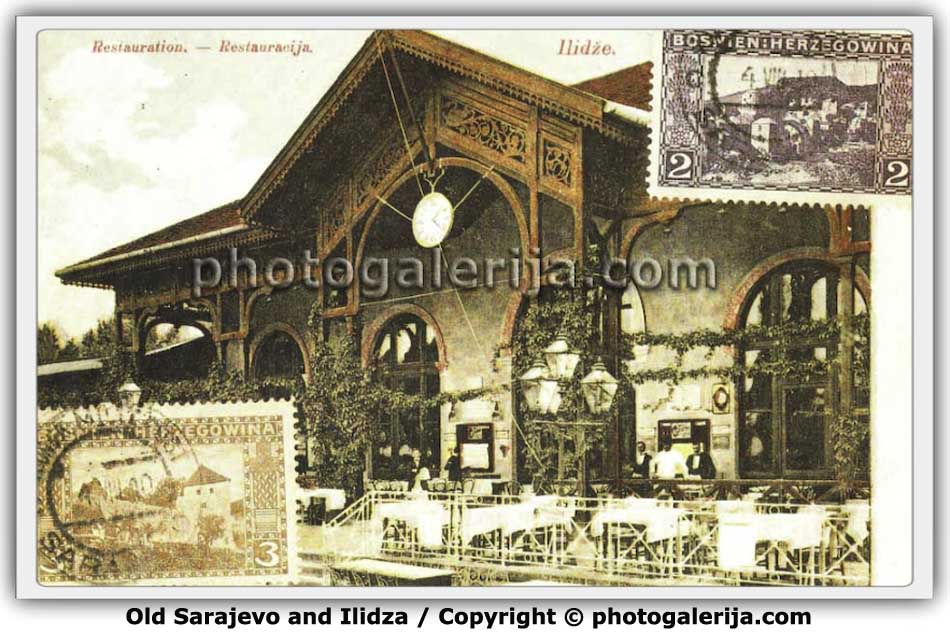
The location of the spa complex was in the middle of a beautiful park on the banks of the Željeznica River, beneath the high, wooded Igman. Visitors could immediately notice three large hotels, “Austria,” “Hungaria,” and “Bosnia,” with over a hundred rooms for foreigners. There are elegant taverns with terraces facing the promenade, covered walkways, bowling alleys, stables, and drying rooms. From the park itself, a promenade runs three and a half kilometers, with a tree-lined drive for carriages and riding, alongside which a stream flows all the way to the romantic spring of Bosne at the foot of Igman. Around the spring, an entire complex of accommodation buildings and entertainment areas for guests arose, surrounded by a lovely park where swans glide in its waters. Beneath magnificent old trees are Turkish taverns, where guests can enjoy the true mountain nature. Numerous springs erupt from the earth with incredible force, with temperatures up to 56 degrees Celsius, flowing into a powerful river that continues downstream toward the Željeznica River. At the end of the road, a tower was built for viewing, and a zoological garden was established with large cages featuring the main attraction of three bears caught in the surrounding mountains. Half an hour from the spa is a hippodrome with a racetrack where traditional horse races were organized weekly.
It is worth mentioning that every summer, Countess Kallay spends time in Banja Ilidža, the wife of the Austrian Minister of Finance, Benjamin Kallay. Their reputation, status, money, and kindness are responsible for bringing the top local elite from Vienna and Budapest, who are also accustomed to vacationing in Ilidža. With patriotic enthusiasm, no one remained indifferent to the question: “Do you like Bosnia-Sarajevo and Ilidža?” The interlocutor, eager to elevate Sarajevo and Ilidža even above Vienna and Istanbul, enthusiastically replies: “It is good to live here. I will come down and settle here.”
Parts of the article that testify about life in Sarajevo are taken from the book “Sarajevo during Austro-Hungarian administration 1878-1918.”
Attached is a gallery with photographs of beautiful old Sarajevo and Ilidža, exclusive material from the author’s private collection, who also notes that visitors and readers cannot download or further publish the images without prior permission.
Thank you in advance,
Your Srećko Ignjatović