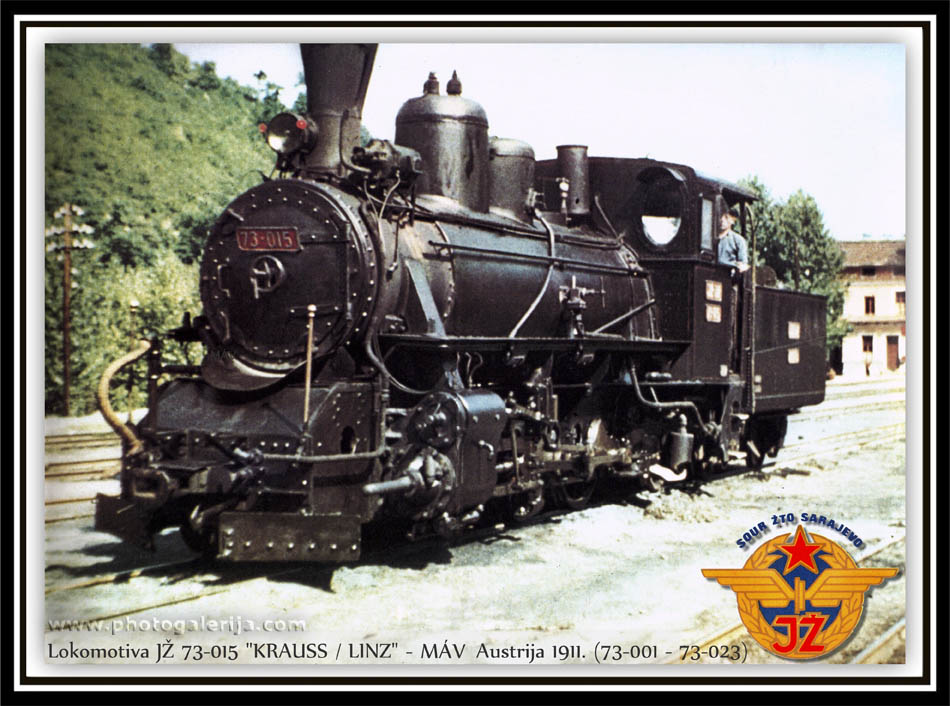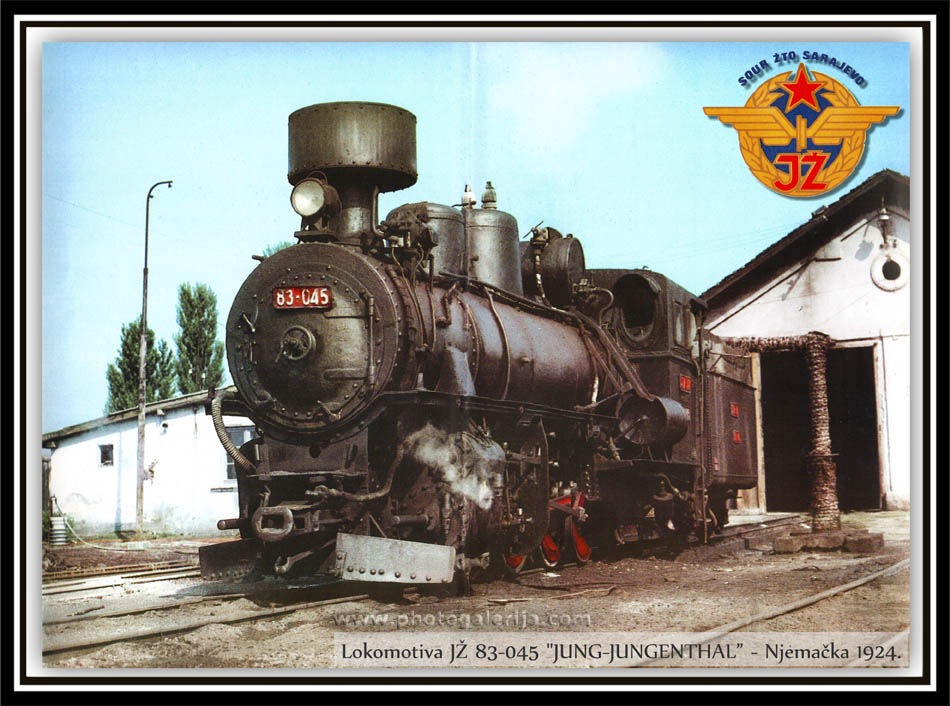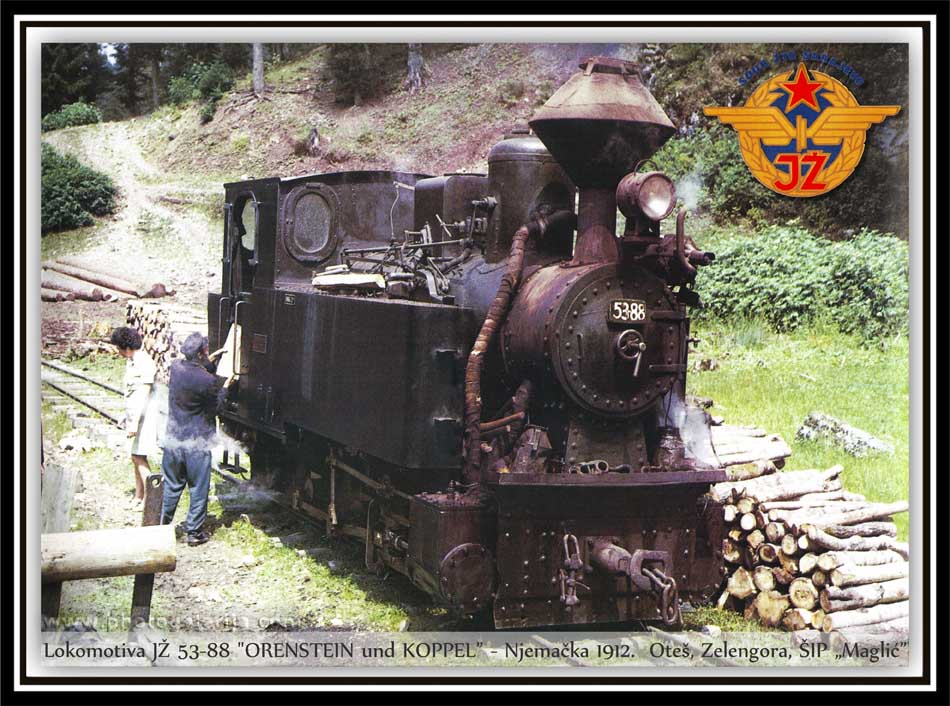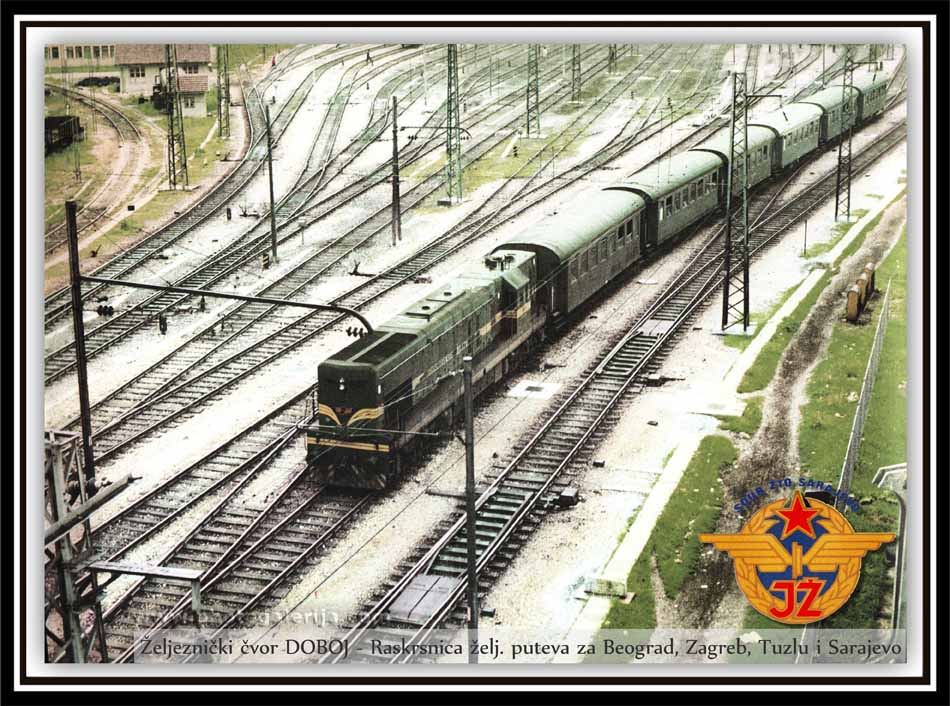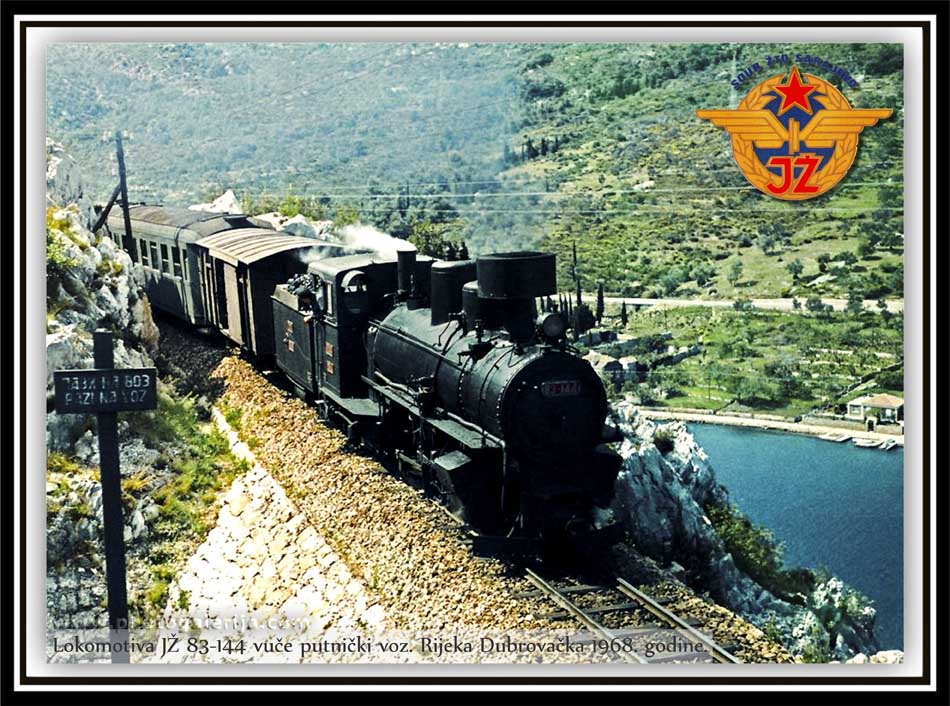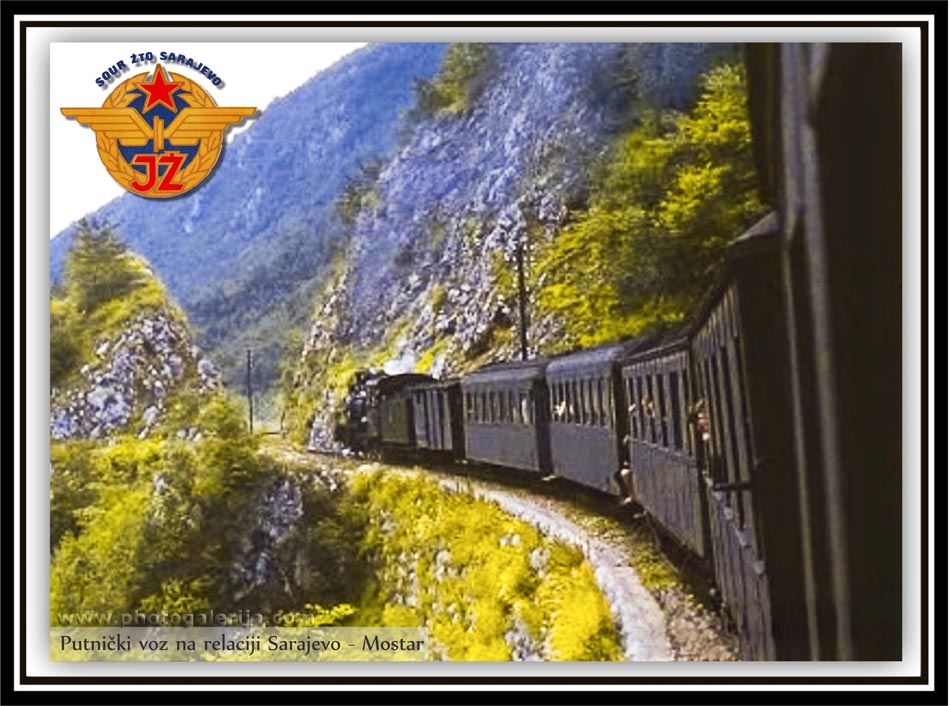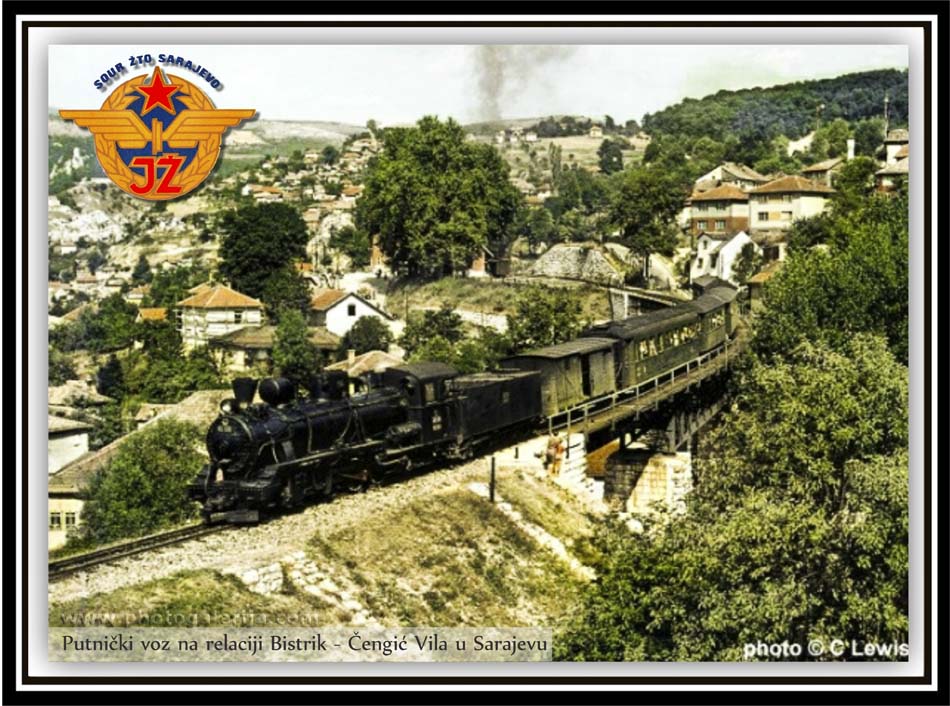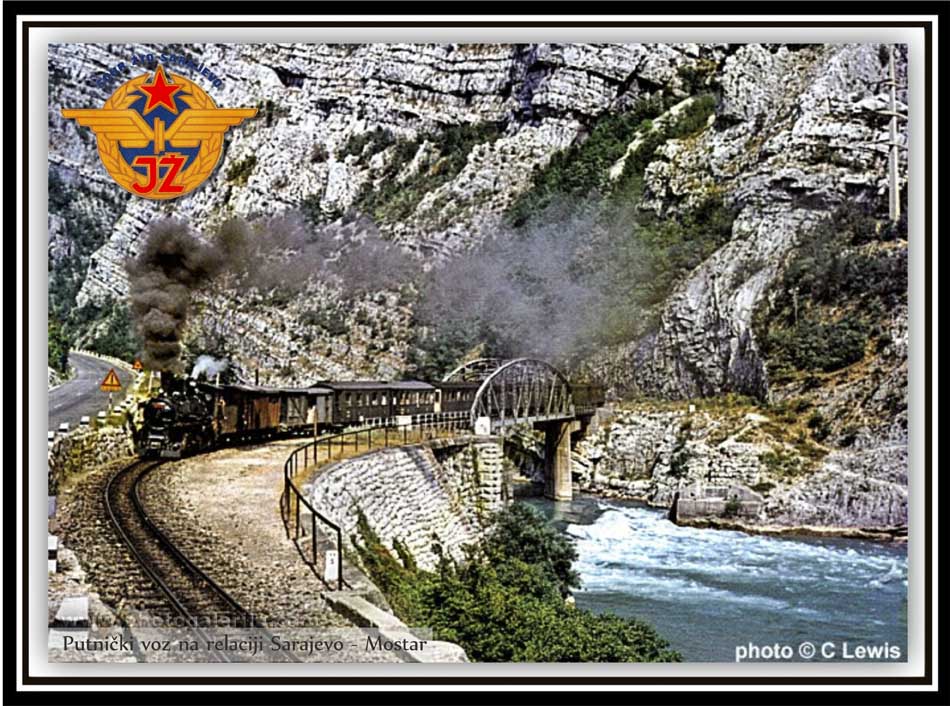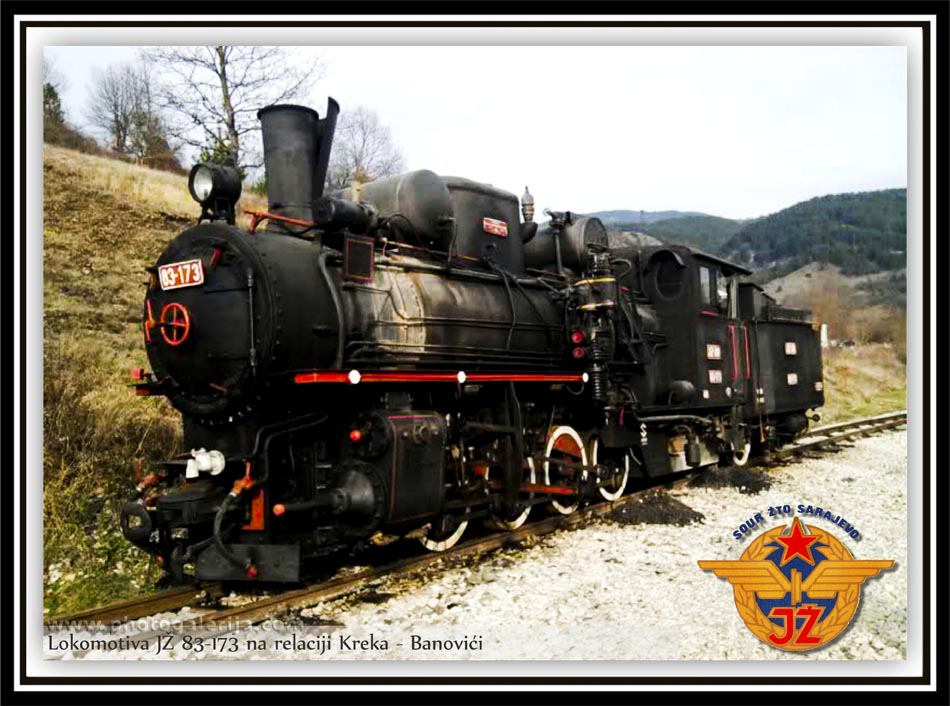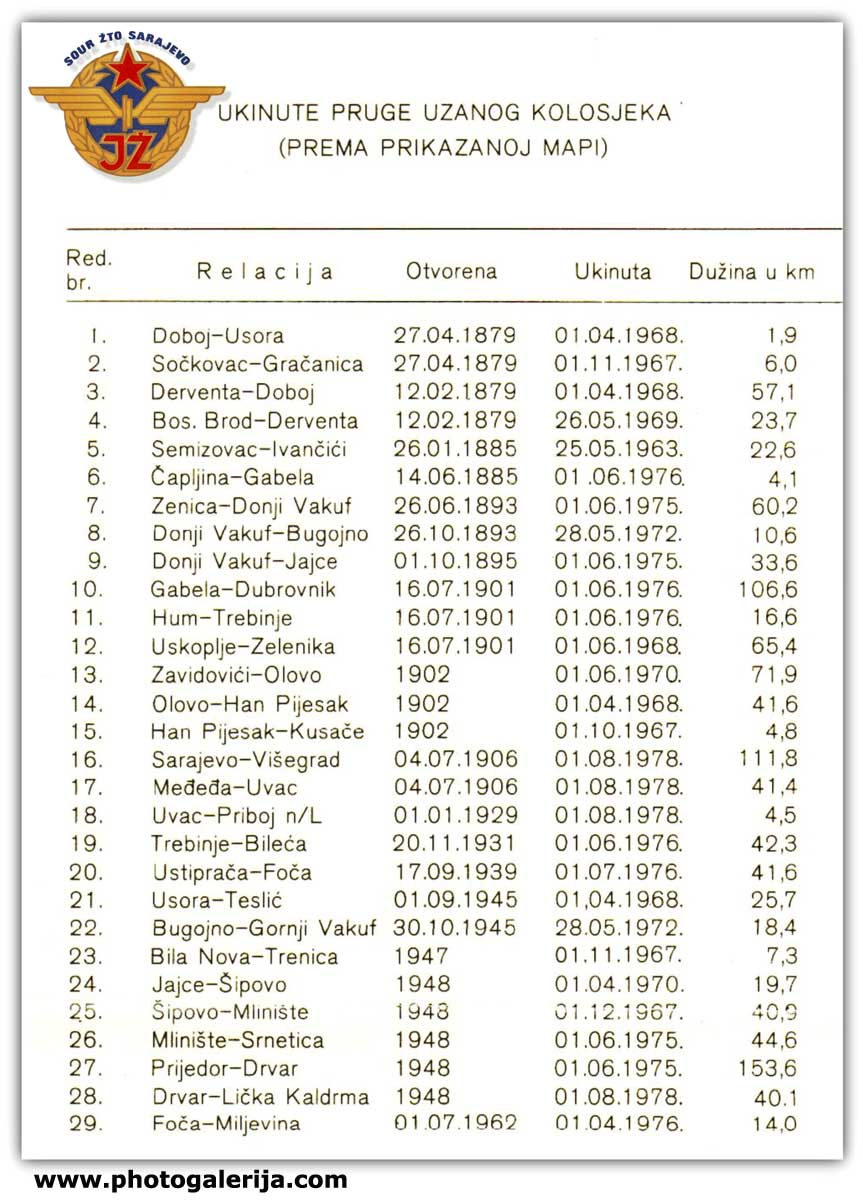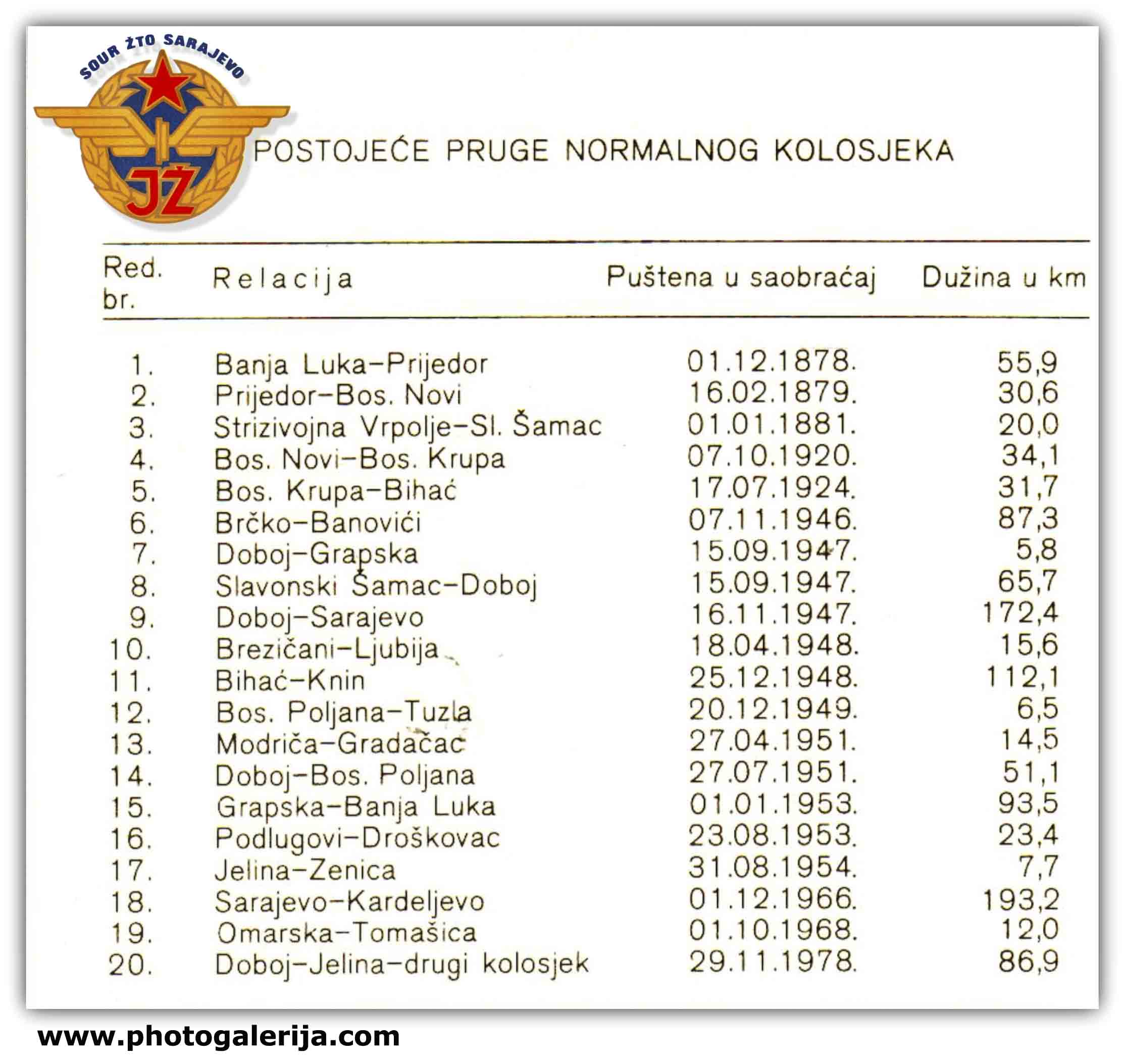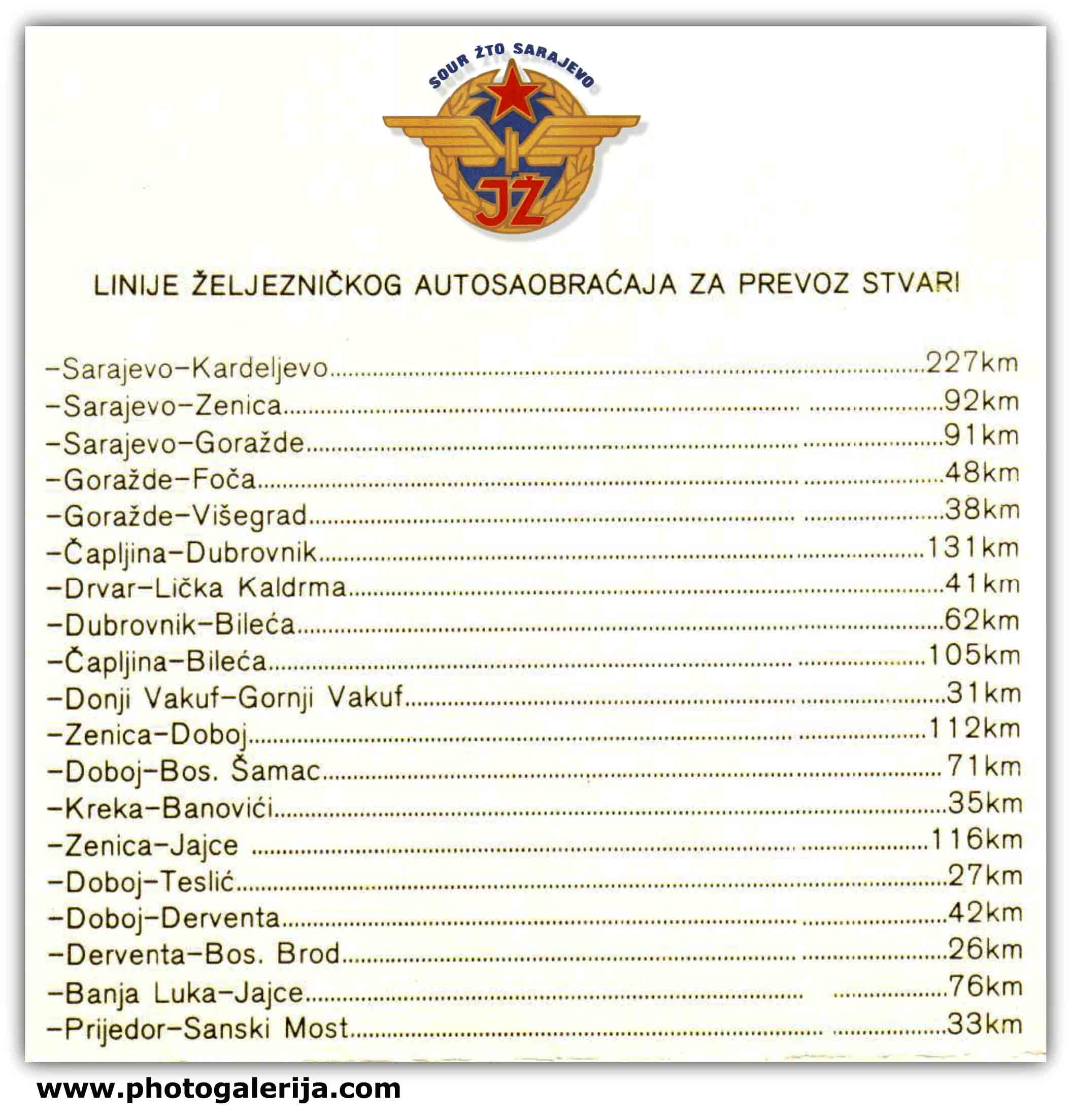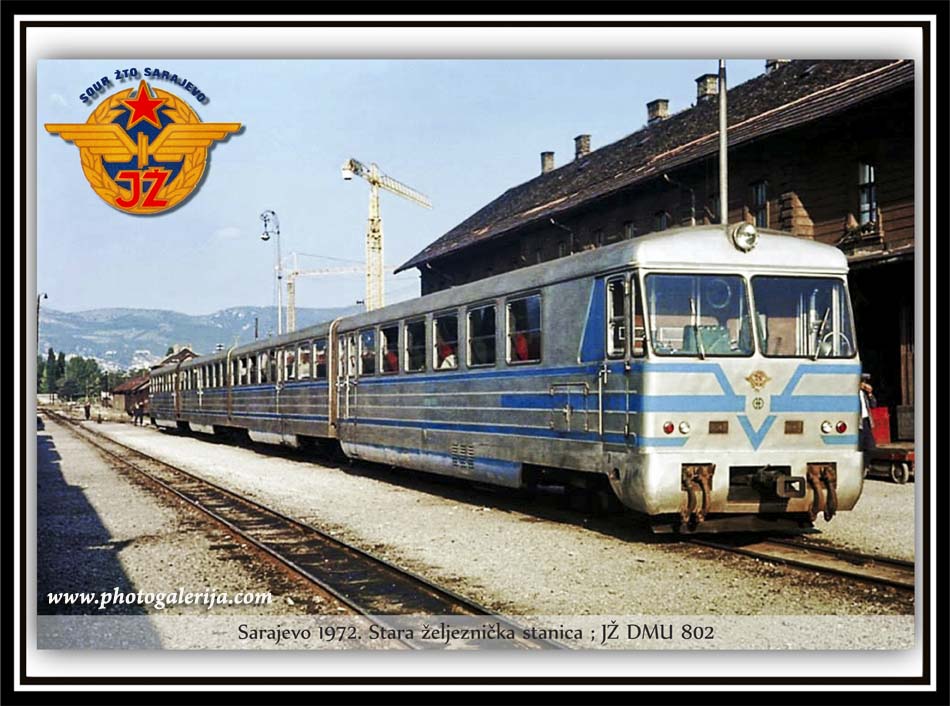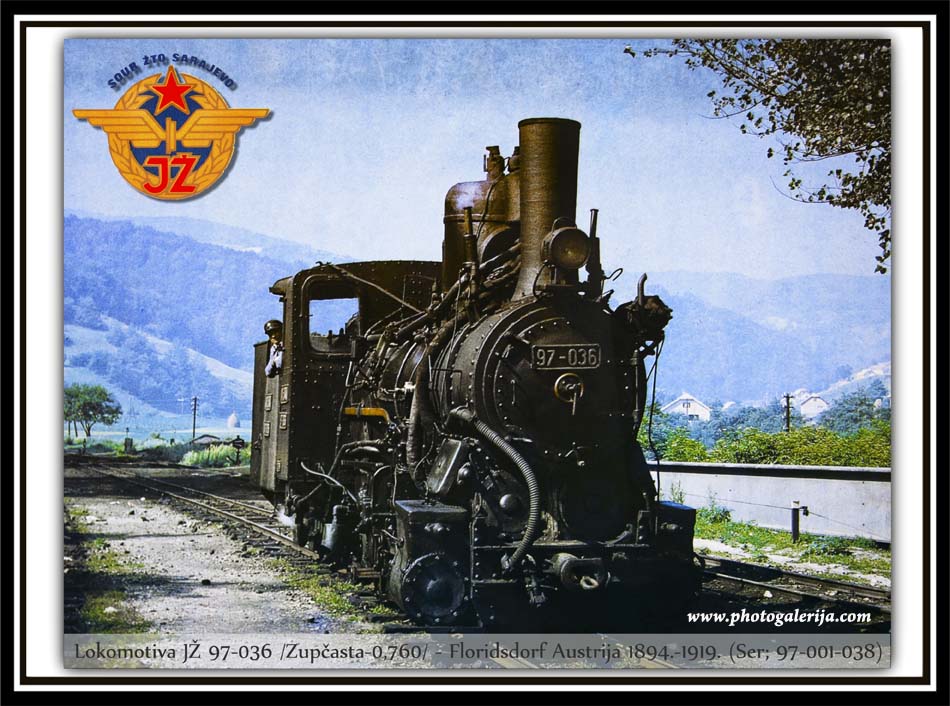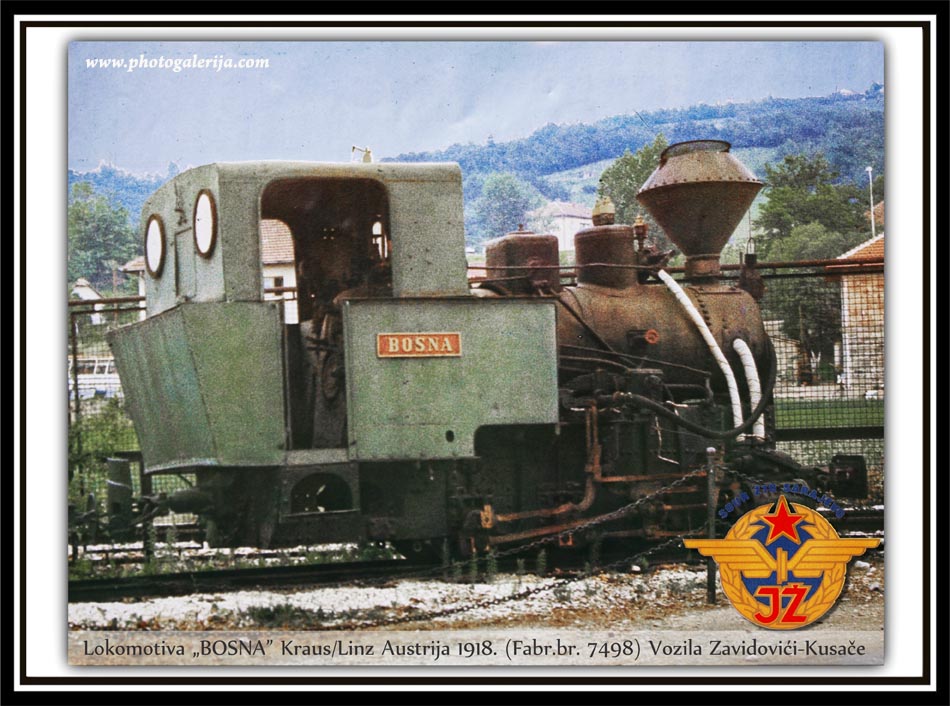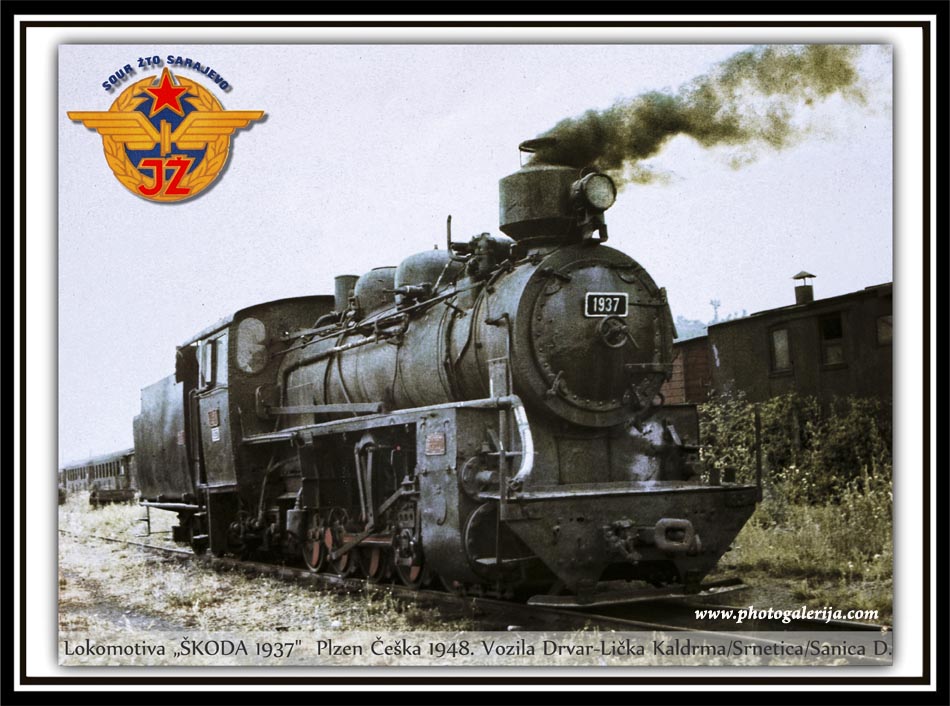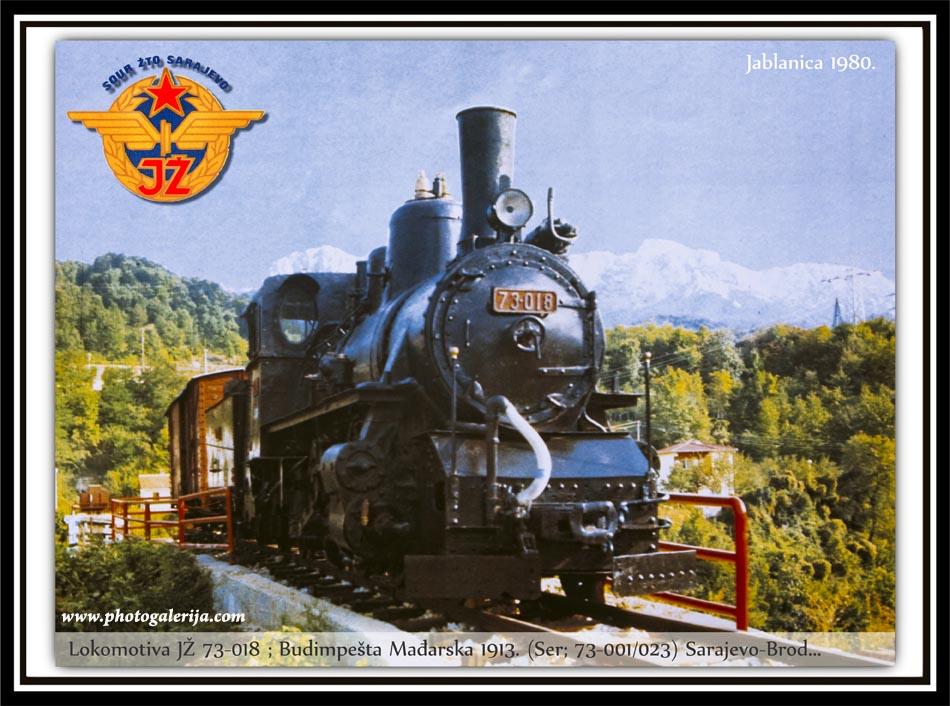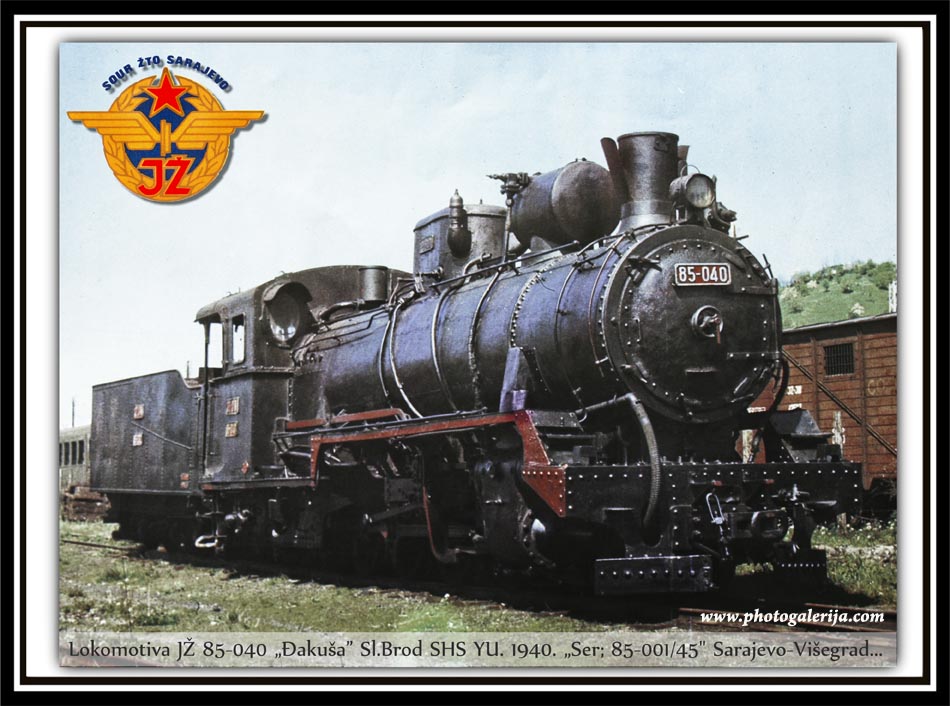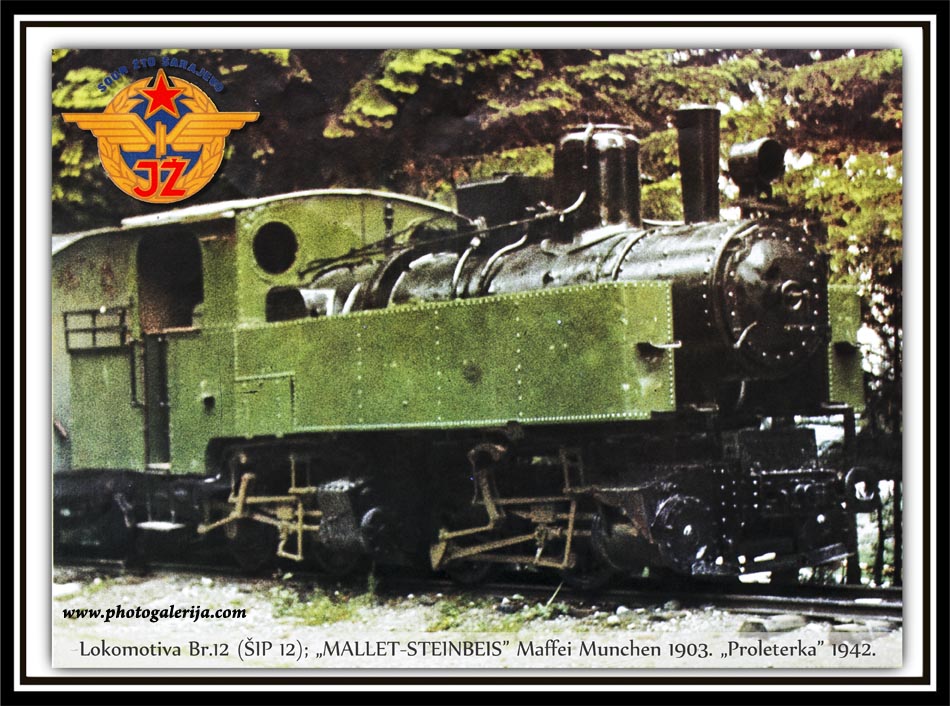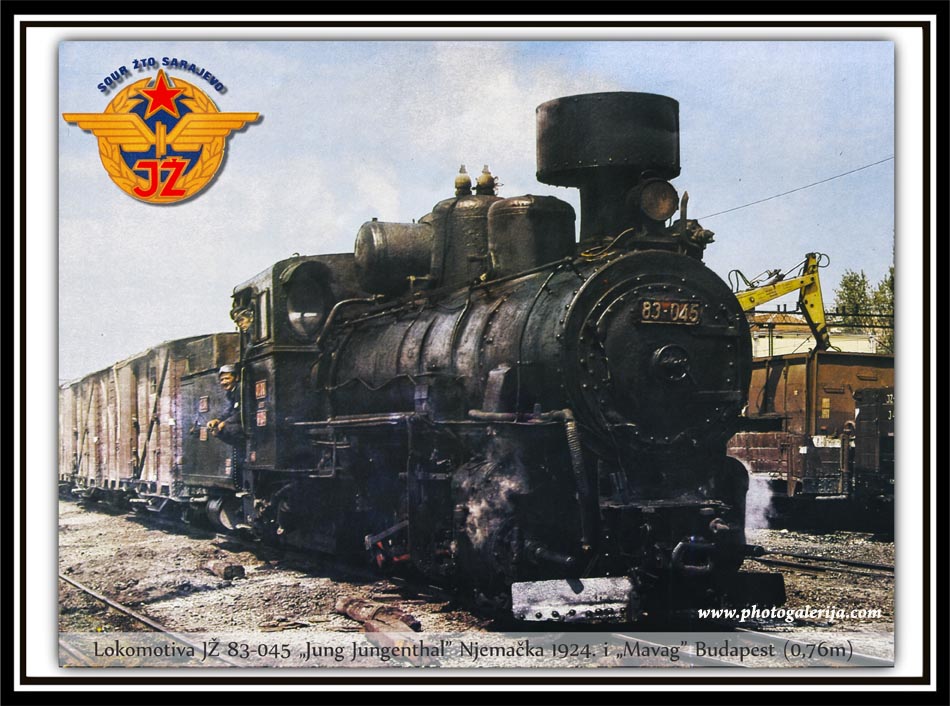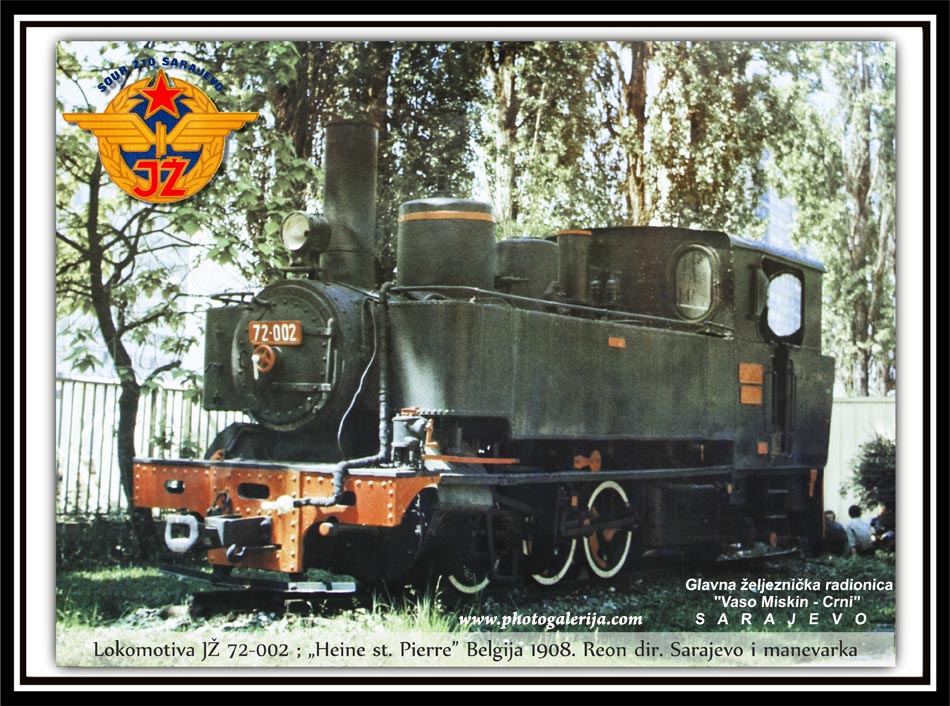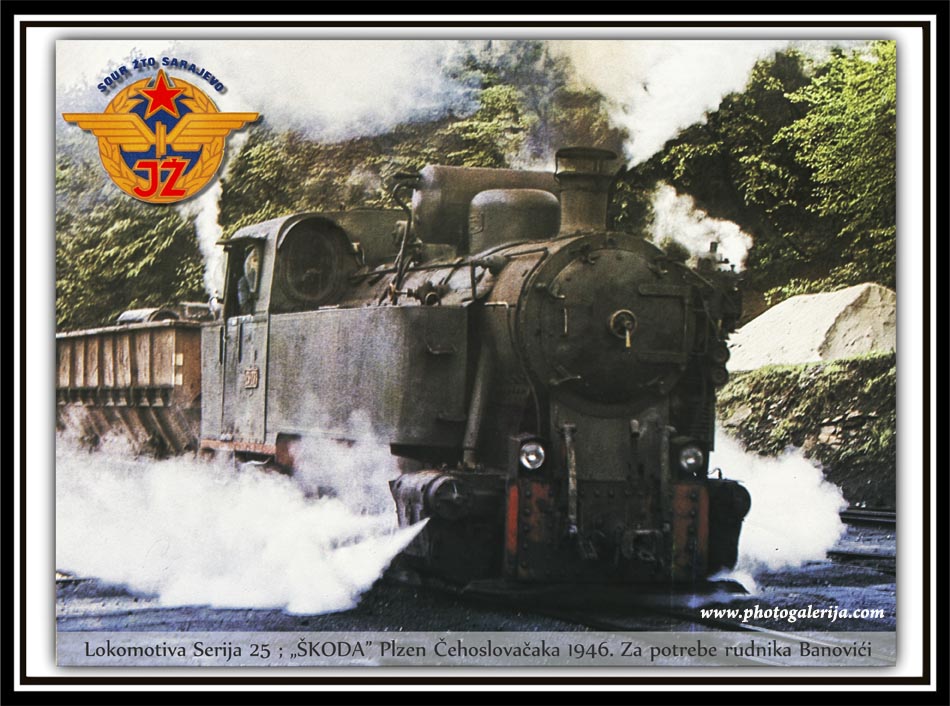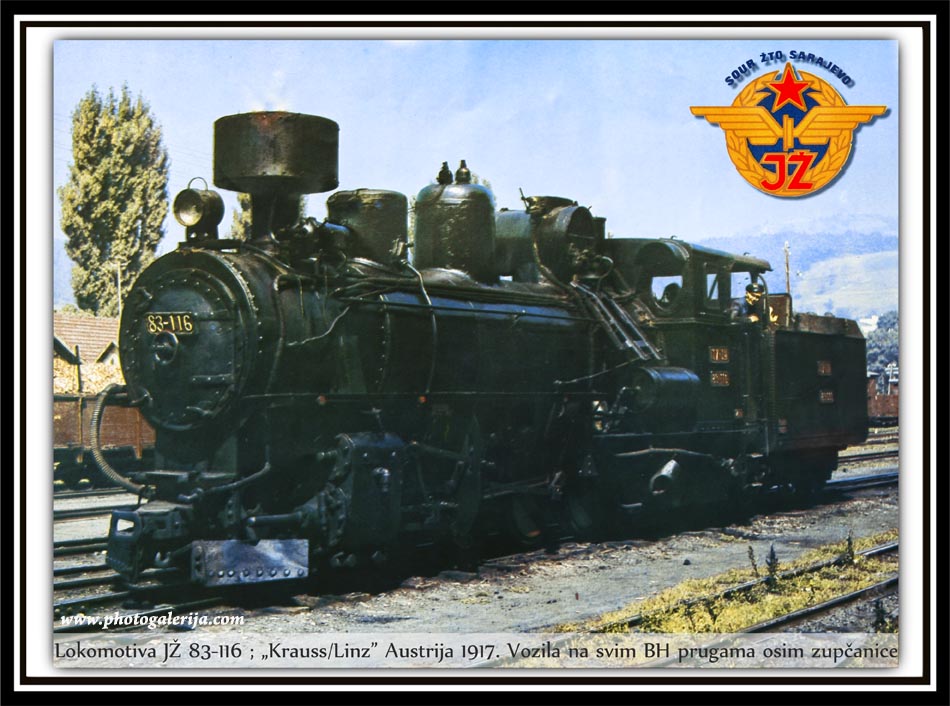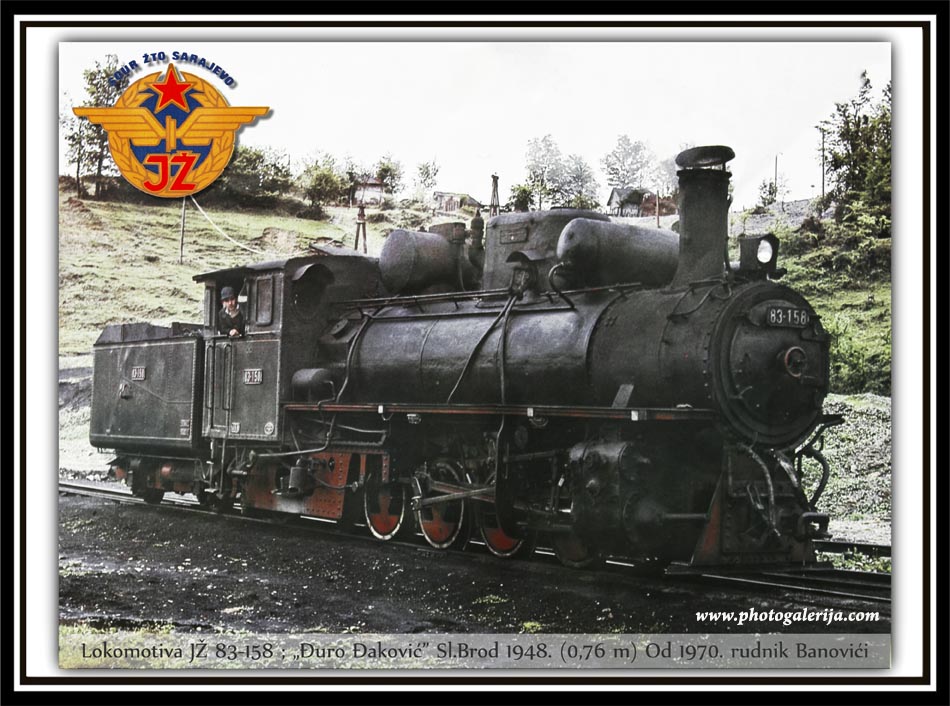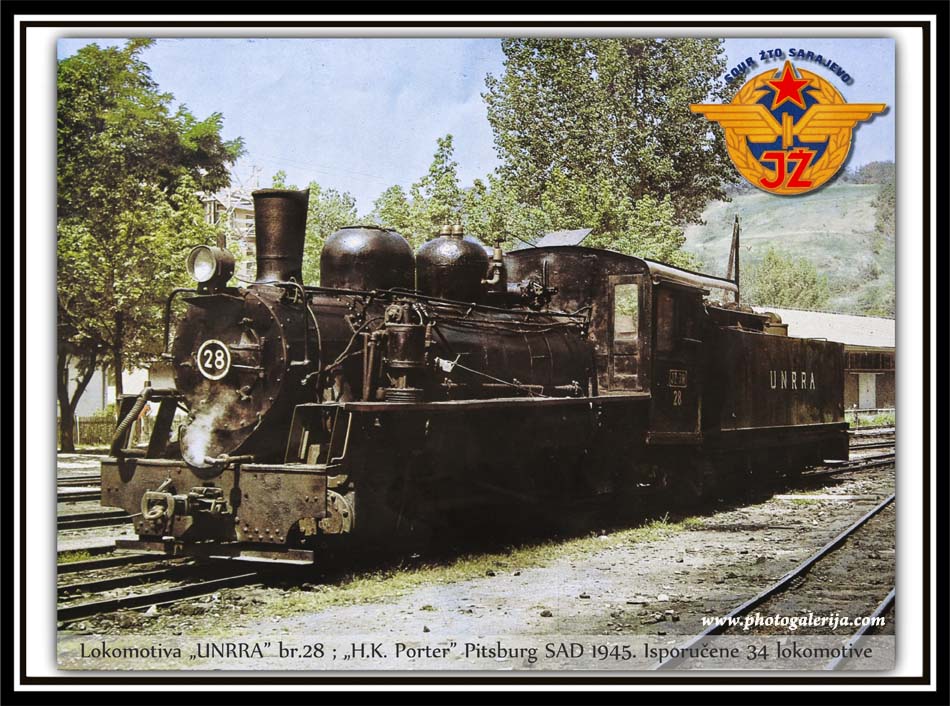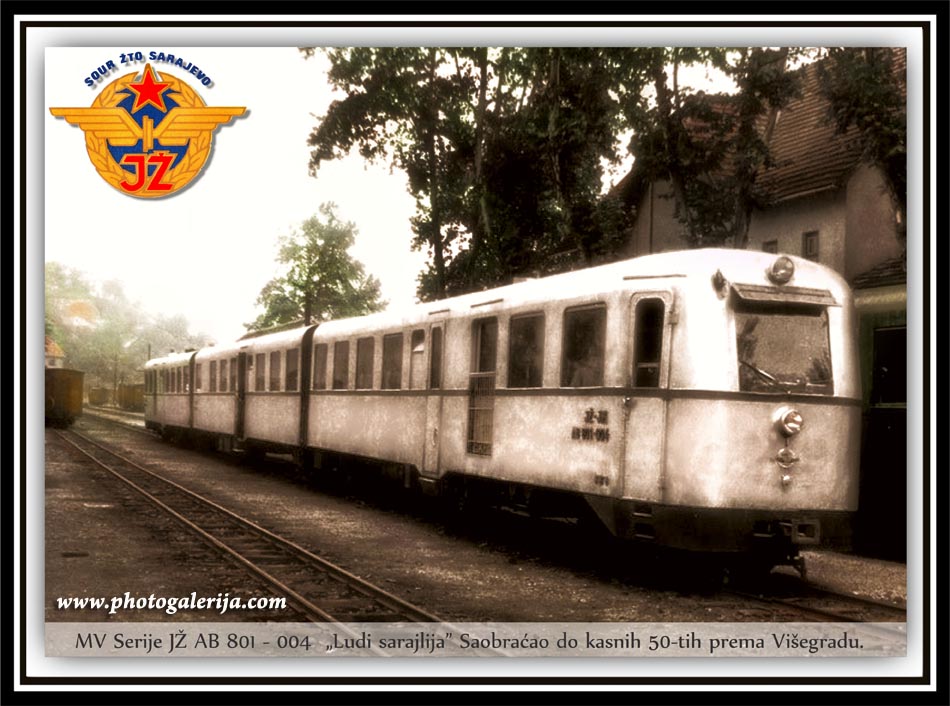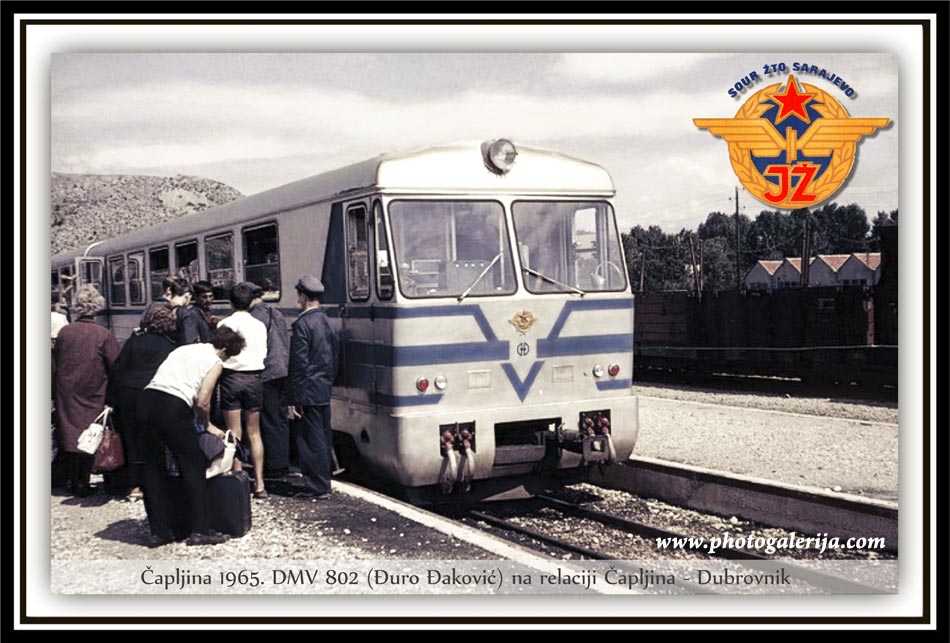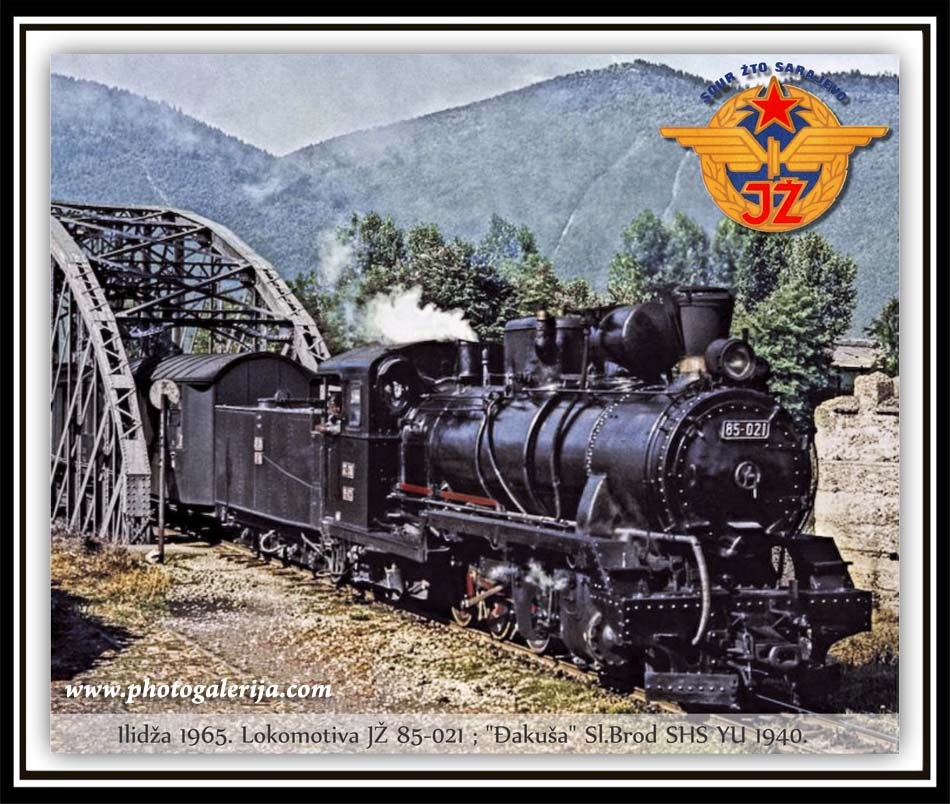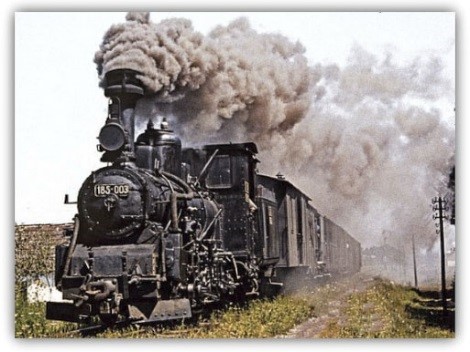
Between 1879 and 1916, the Austro-Hungarian Empire was largely responsible for building the narrow-gauge railway network that windingly traced the mountains and valleys of our Bosnia and Herzegovina. During the Kingdom of Yugoslavia era, the railway infrastructure for a 760 mm gauge was further expanded and improved, and its deliberate destruction began in the mid-1960s. Our memories of trains are countless. They connect us to shared times and events. Memories, varied for each person but somehow similar—especially for the older generations—here we try to preserve them from oblivion and to evoke common recollections of the hissing steam locomotives and the creaking wooden benches of passenger carriages.
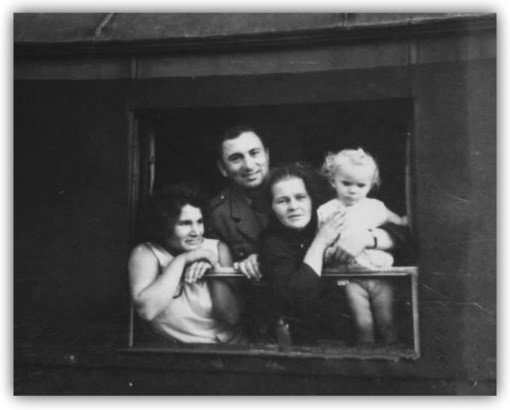
Many who grew up alongside the narrow-gauge railway vividly remember hundreds of trains rumbling through our neighborhood tracks, accompanied by the irresistible blast of the locomotive’s whistle, the hiss of steam, fire and sparks flying, clattering sounds, and smoke rising into the sky. As Zuko (Zulfikar Zuko Džumhur, 1920–1989, a Bosnian-Herzegovinian travel writer, painter, and caricaturist) once said: “From Konjic, with a loud roar and the shrill whistle of the locomotive, we set out towards the city of Sarajevo, and just before Brđani, the engine began to groan and pant slowly, and shortly after, it started to splutter.”
During the best years and full of vitality, the people who used the railway still talk today about how the train provided them with employment and gave them their “white bread.” Many students used these trains to commute to their local schools and get educated, and later, to larger cities to obtain university diplomas — all thanks to the creaky trains and third-class wagons. It was enjoyable to ride in them, together with peasants carrying all sorts of things, from chickens to potatoes, drunken guys singing along to tunes with a finger in their ear, singing songs for “their soul,” smugglers and carters offering kitsch of European quality, boasting about events like a cow giving birth to a calf weighing a hundred kilos while the audience congratulates with “mašala” and giggles, winking in the company of a new acquaintance soaked in “pitralon” through greasy hair and a greasy face, which made the other passengers feel queasy. With the conductor’s piercing voice: “Tickets, please,” a brief silence would follow. In that moment, only the clattering of wheels and the dull sound of the conductor’s pliers breaking through could be heard. These were real people, simply “lads,” where, alongside the strings, you could hear: “Conductor, my dearest brother, here I am, riding without a ticket.” There were stories about how the mustached conductors were good people, while the clean-shaven ones were strict and official.
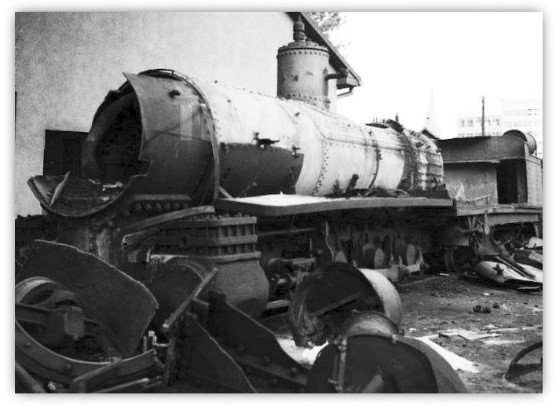
Eh… as I just wrote earlier, those were beautiful years. Everyone who traveled by train or returned late at night used to say that nowhere and never was more beautiful than falling asleep in a steam-heated carriage, complaining about their own stove at home. All in all, a book could be written in memory of these experiences, which without any embellishment should be titled: “The train was and remains our nation’s mother.”
Throughout the country, freight trains roared in both directions, loaded with coal, timber, planks, and agricultural products. The route was stable and safe because, as others say: “What the Austrian built, honestly, could have served for another hundred years without major investments.” At that time, the railway was a well-organized system, where order and work were known — from switchmen, brakemen, conductors, to locomotive engineers and drivers. Most of the railway service rules were adopted and adapted from regulations dating back to Austro-Hungarian times.
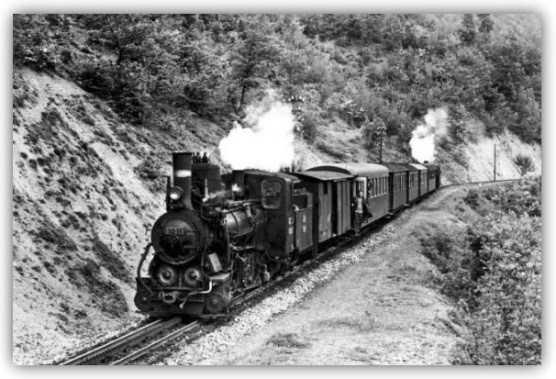
It is utterly unbelievable: in the mid-1960s, under the pretext of unprofitability and technological obsolescence, its systematic destruction began. The last 760 mm gauge track in Bosnia and Herzegovina was discontinued in May 1979, and the only remaining artifacts of the narrow-gauge railway system today are a few steam locomotives, station buildings, and bridges, long eroded by the ravages of time. During the closure of the narrow gauge, around a thousand workers lost their jobs, and their families were left without means of support. It was a government move that could not be justified by any reason. Many railway workers were prematurely retired, while those who “knew how to read and write” were reassigned to the “standard” track for administrative service.
The days of dismantling the railway were truly days of mourning, so even after forty years, many still mourn when they recall the last train on “their” railway. Many cried secretly and openly, cursed the authorities who went against their people because they destroyed the nation’s “breadwinner” and “benefactor.” Even today, stories are told about how plums, apricots, and pears from eastern and central Bosnia, peaches and cherries from Herzegovina, and suburban orchards—almost through gardens—alongside rails with carbines, quinces, and figs, no longer bear fruit the way they did during the time of “spraying,” when the god-given, sooty smoke from the chimneys of coal-powered steam locomotives filled the air. When the authorities ordered the machines to be turned off, that’s exactly what happened. Many ended up melting in the ironworks, wagons were sold for weekend houses, chicken coops, sheds, and storage rooms. The rails were cut up to make fence posts, and oak sleepers served to build pigsties and small private bridges over local streams.
I still remember the song by the group “Proarte” — “Sad Are the Green Fields” — sung by thousands of vacationers traveling to Zelenika by the sea. As children, we tirelessly hovered by the train window, competing to see who would spot the blue sea first, because we had “sate” — an endless appetite — for watching the lush Bosnian landscapes. And so, beautiful memories of train rides along the narrow gauge track pulled by steam locomotives always come flooding back, especially with Čiro, who comes to mind every time you encounter the heating stove and the smell of carbon monoxide wafting into your nose.
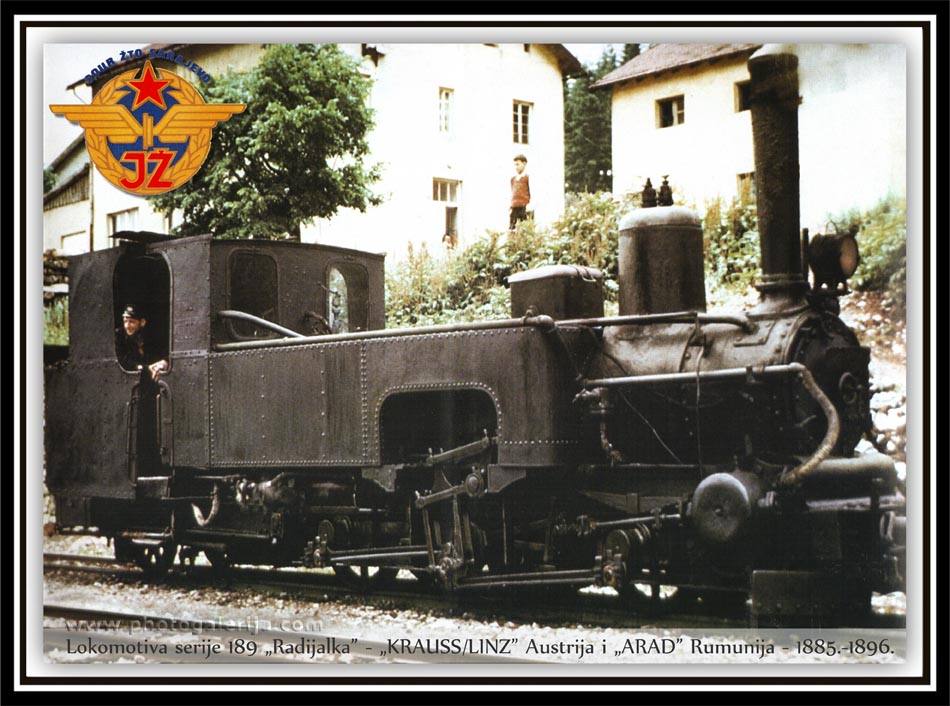
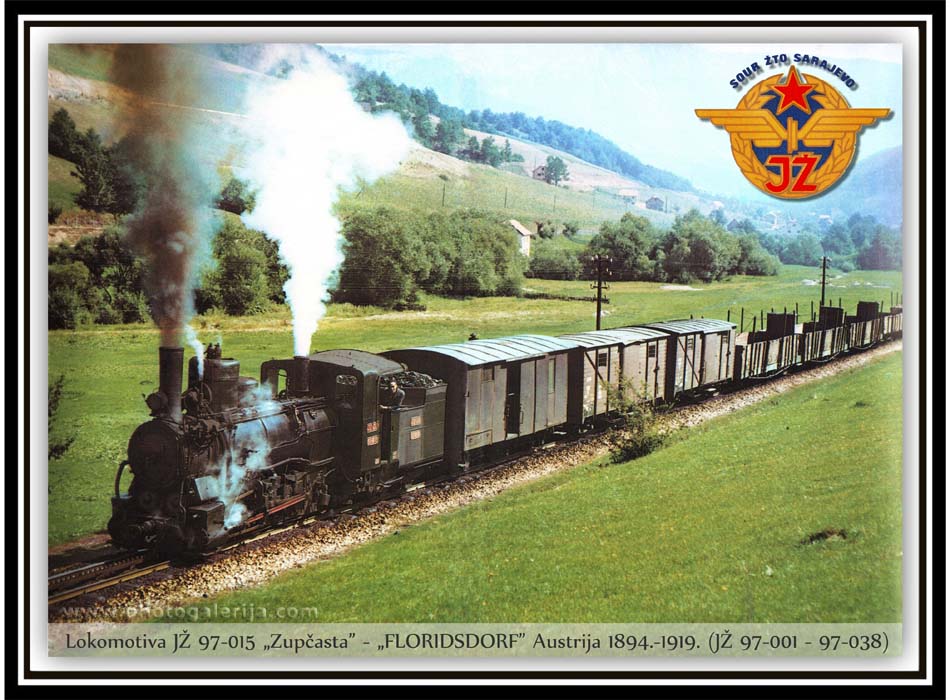
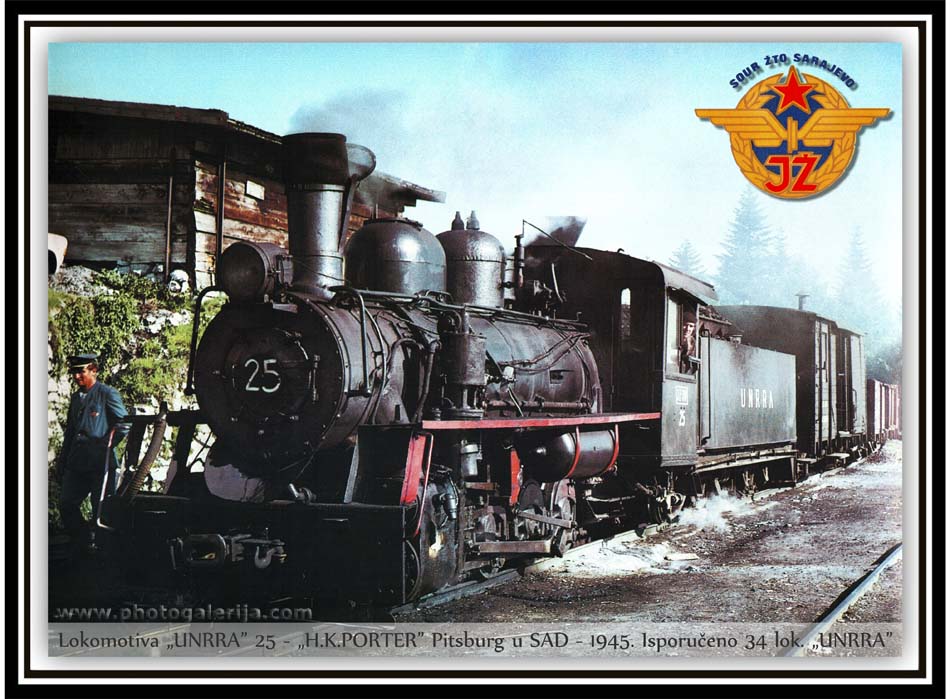
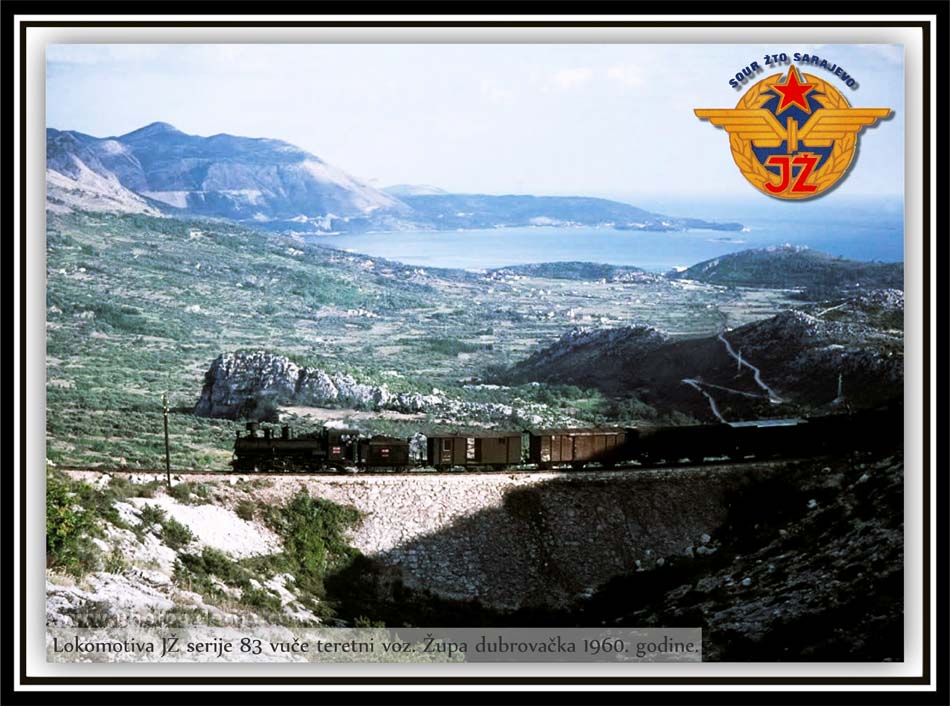
Attached is a photo gallery as proof of some of our shared memories from the past steam trains, to keep them from being forgotten.
Your Srećko!