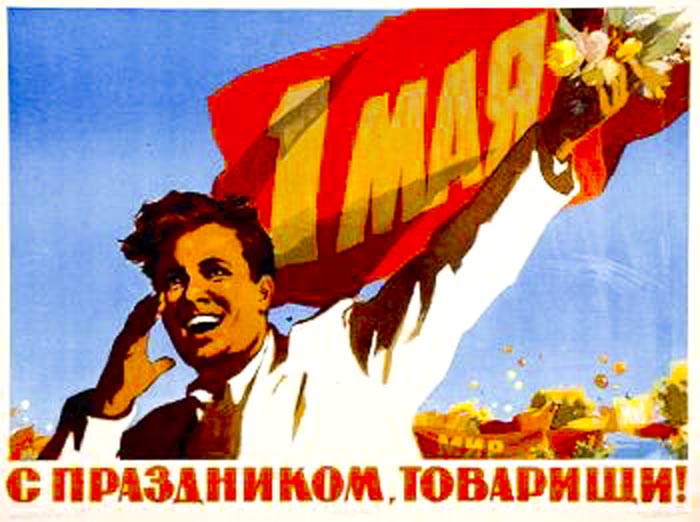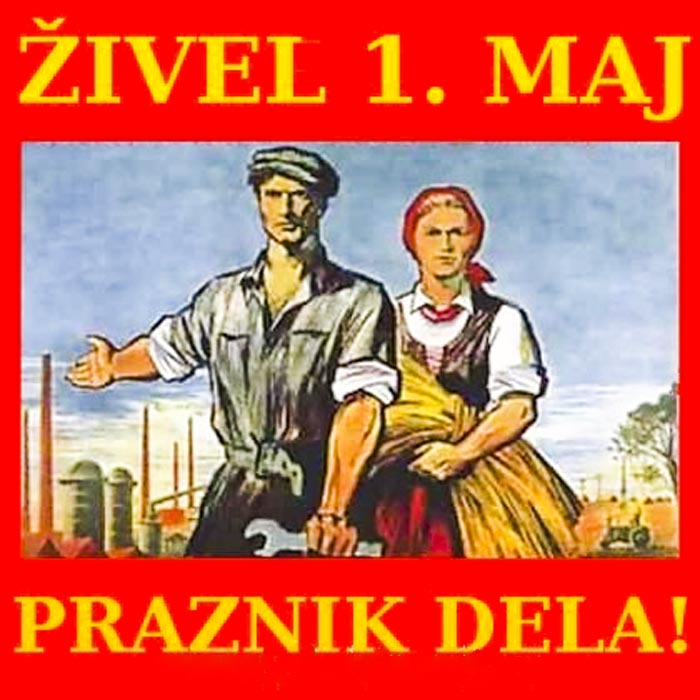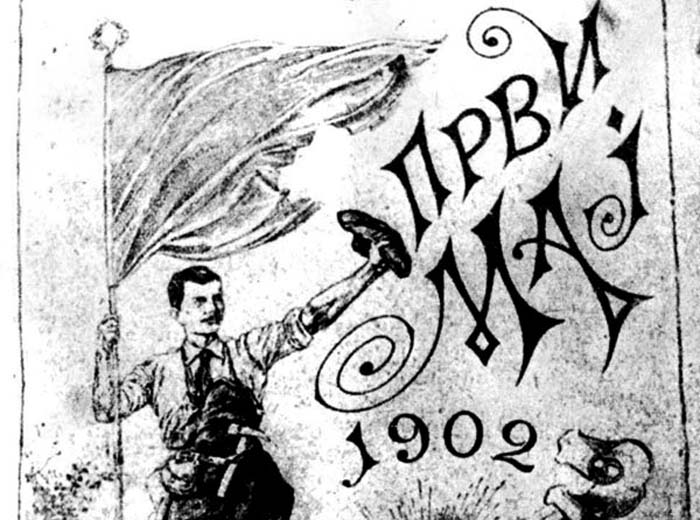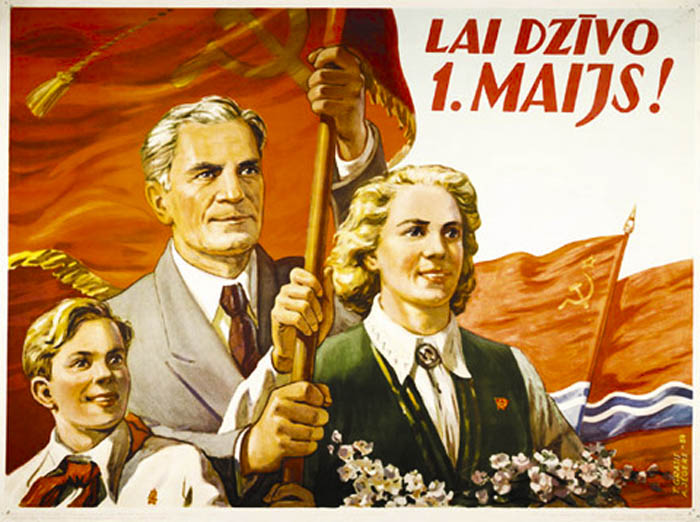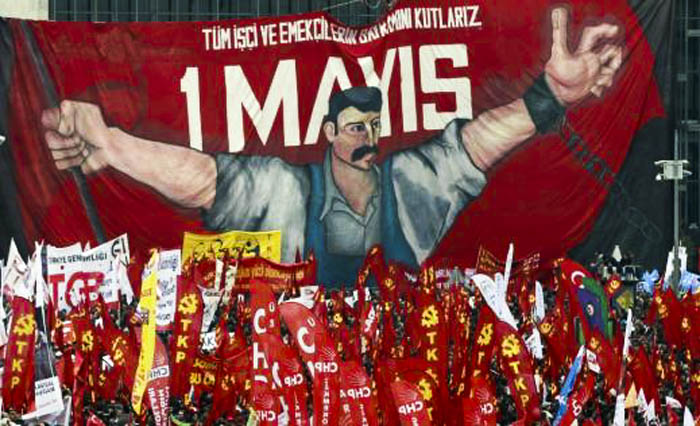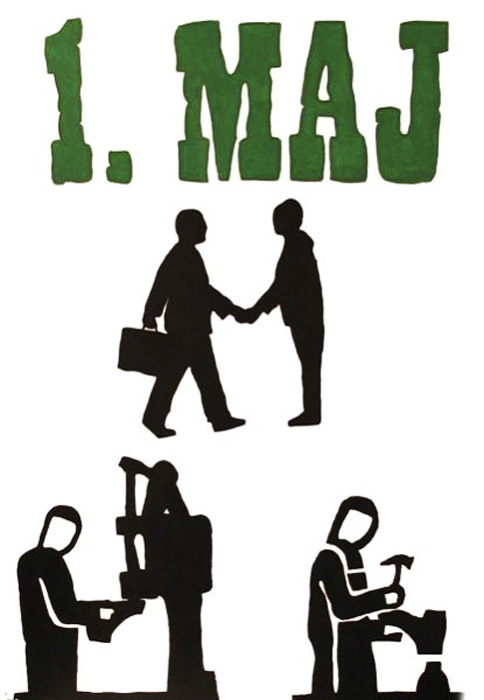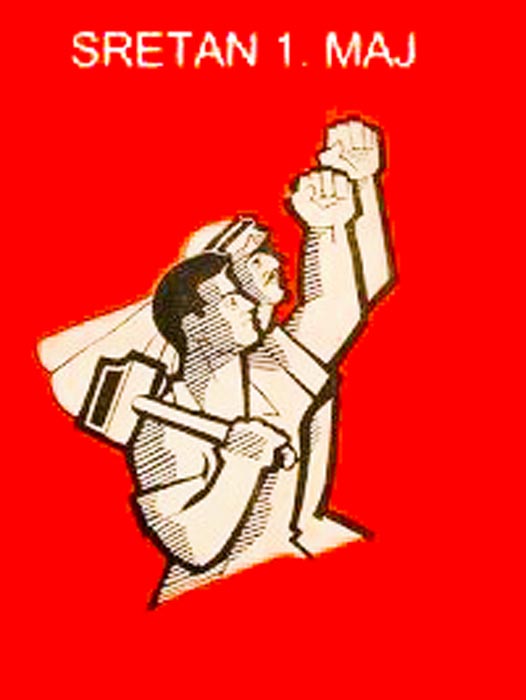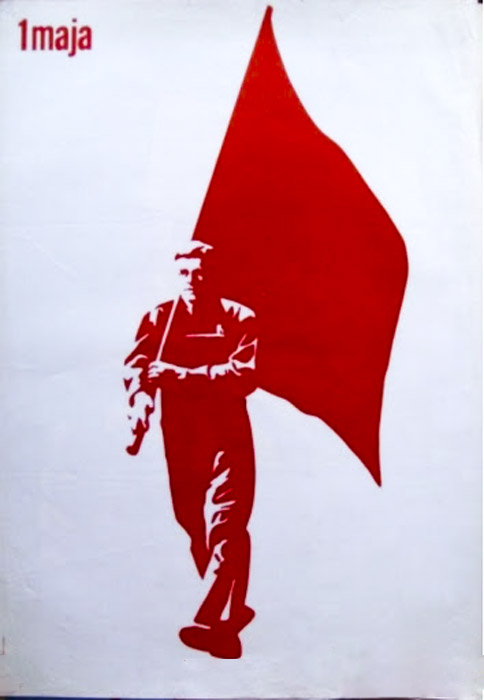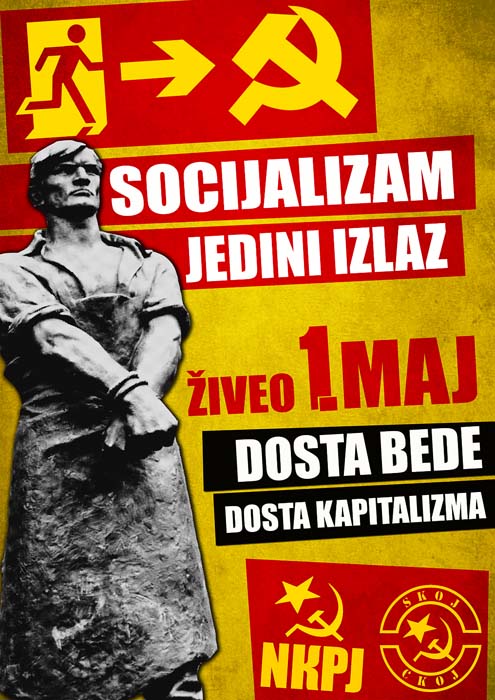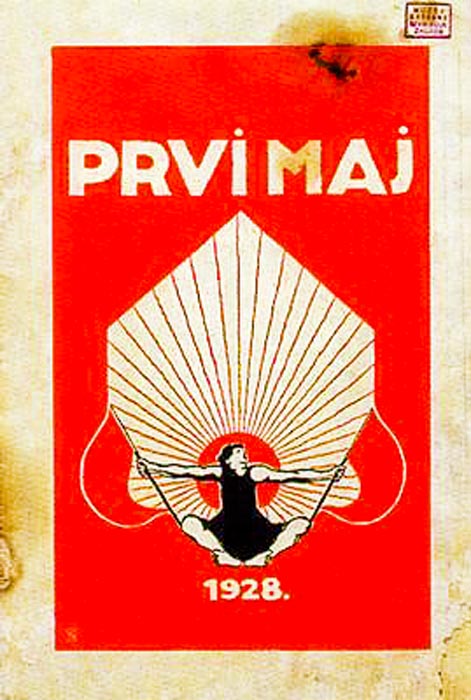
To all citizens, all workers, all members of Bosnia and Herzegovina’s unions, and to everyone still fighting for workers’ rights, I wish you a HAPPY MAY DAY – INTERNATIONAL WORKERS’ DAY!
[TRANSLATEDToday is a day rooted in fundamental humanism toward working people and a day of remembrance for the years-long struggle of workers worldwide—a fight that has managed to secure some of the basic rights for today’s workers: shorter work hours, better working conditions, and health protections.
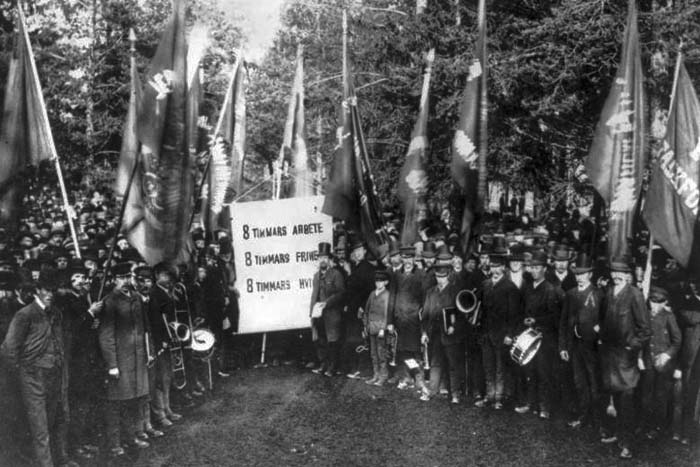
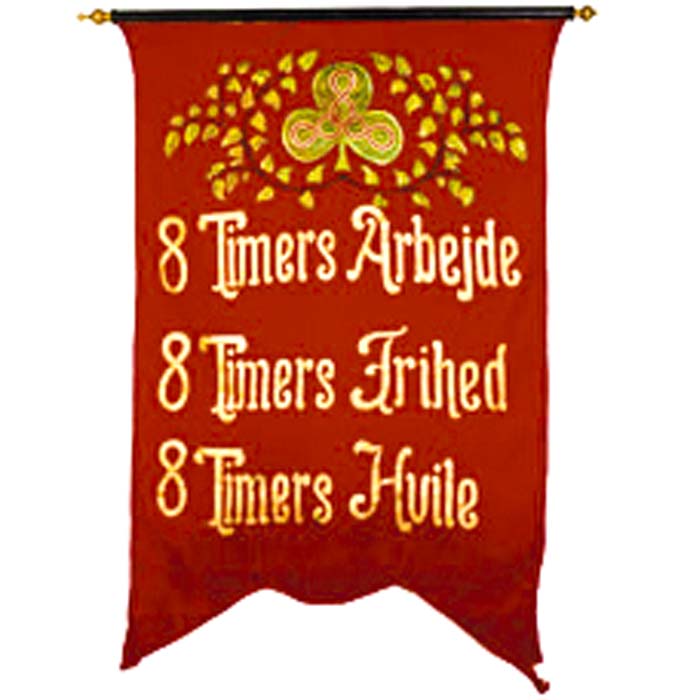
May 1st is observed as a day of struggle for the fundamental human rights of every worker, or, in free translation, a day of fight for the right to a life worthy of a human being. Throughout history, many have lost their lives fighting for workers’ rights, so May 1st is a day honoring those who fell and those who fought so that our 24-hour workday would be divided into 8 hours of work, 8 hours of rest, and 8 hours of cultural education.
The fight for workers’ and human rights continues to this day, and it is very likely that our children and the children of their children will carry on the struggle for their rights in their own way.
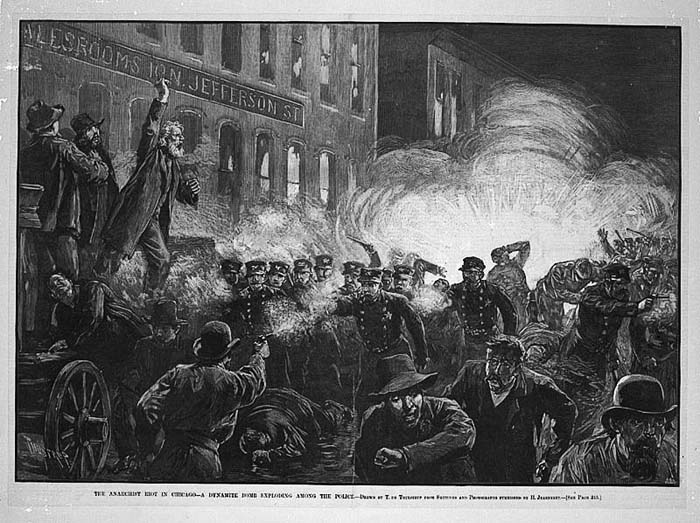
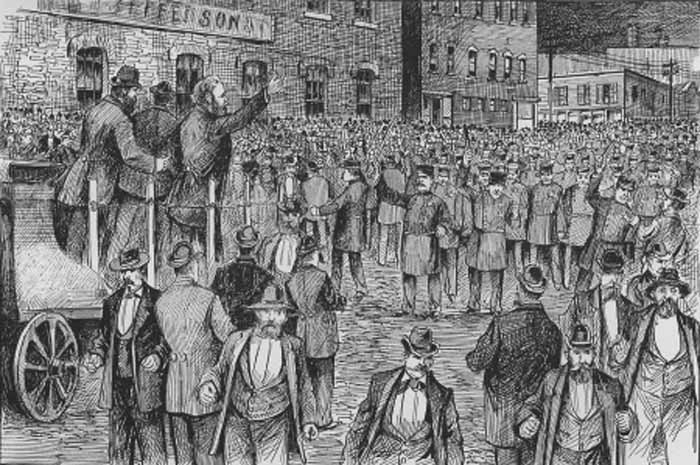
Chicago, May 1, 1886
How things used to be in the past, because as they say, history tends to repeat itself regularly.
In Chicago, in 1886, a general strike broke out as workers fought for their dignity and rights, including an eight-hour workday. During protests that impacted over 1,200 factories nationwide, between 350,000 and 400,000 workers walked off their jobs and marched through the streets demanding an eight-hour workday based on the 8:8:8 principle—8 hours of work, 8 hours of rest, and 8 hours of free time.
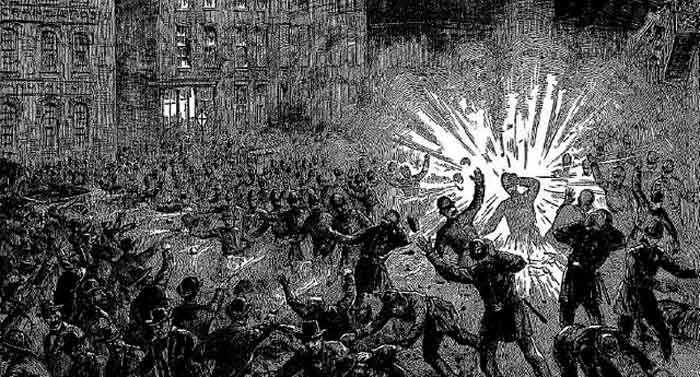
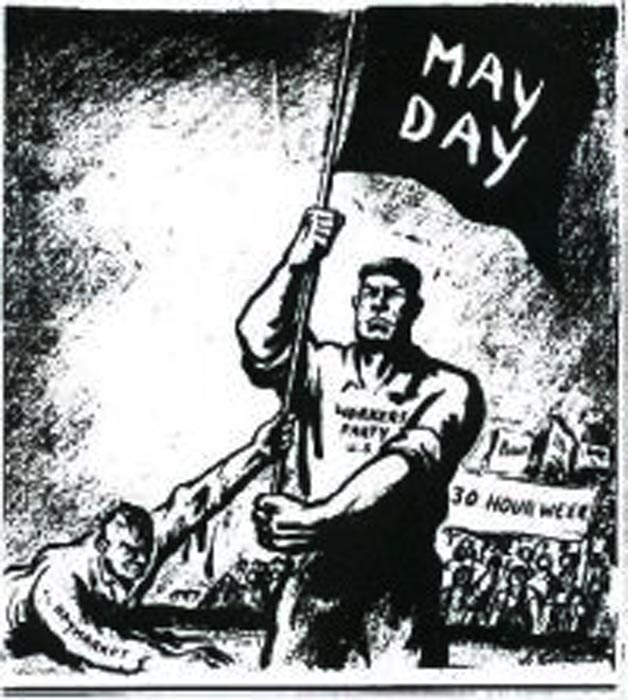
On May 3rd, the employers sent some of their “strikers” among the workers. A conflict arose between the workers and them, and the police intervened, wounding many and killing four workers. In response to this event, on May 4th, at 8:30 PM, labor activists called for a peaceful assembly at Haymarket Square to discuss the future direction of the struggle and how to respond to police actions. Around 10 PM, as the gathering was nearing its end, the police demanded that the assembly be disbanded. However, someone from the crowd, which had about 200 people remaining, threw a bomb, killing one person and injuring several police officers. The police then opened fire, resulting in the deaths of seven police officers and many workers, the exact number of whom remains unknown to this day.
Many protesters were arrested, and the strike leaders were brought before the court. Despite the lack of evidence, seven of them were sentenced to death. One of them committed suicide in prison, two were pardoned, and the remaining four were hanged on November 11, 1887, singing the Marseillaise at the execution site. One of them (August Spies) said his last words: “The time will come when our silence will be more powerful than the voices you have silenced today.”
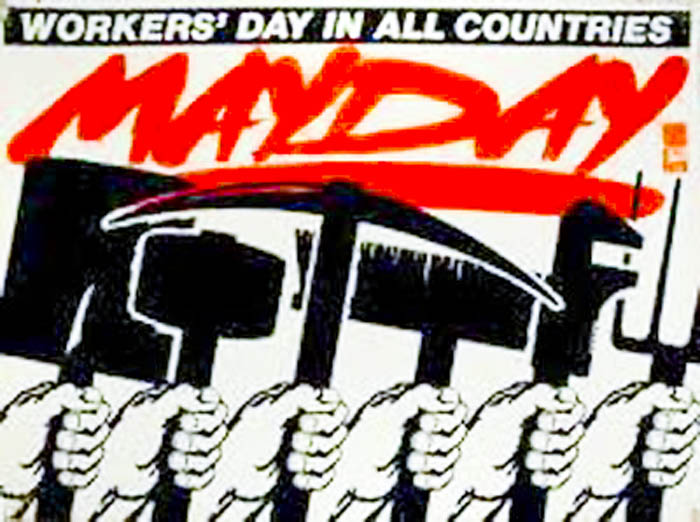
MayDay
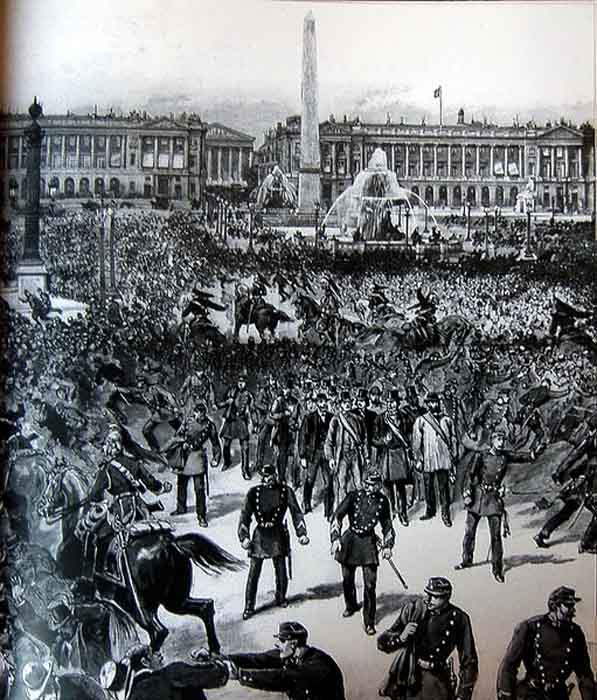
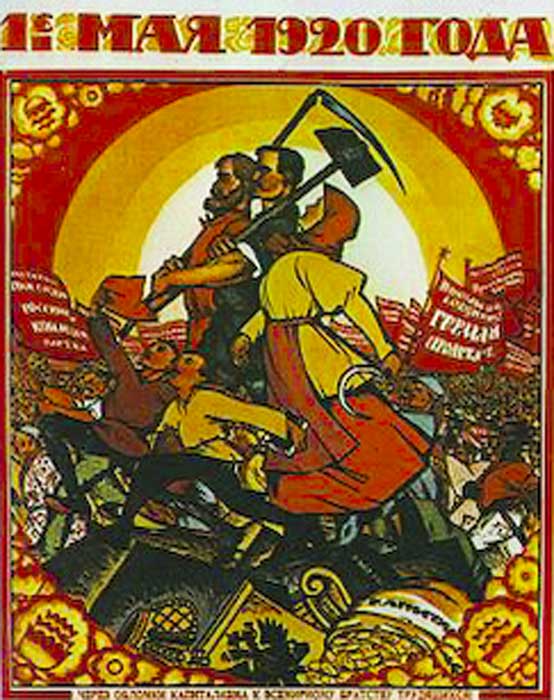
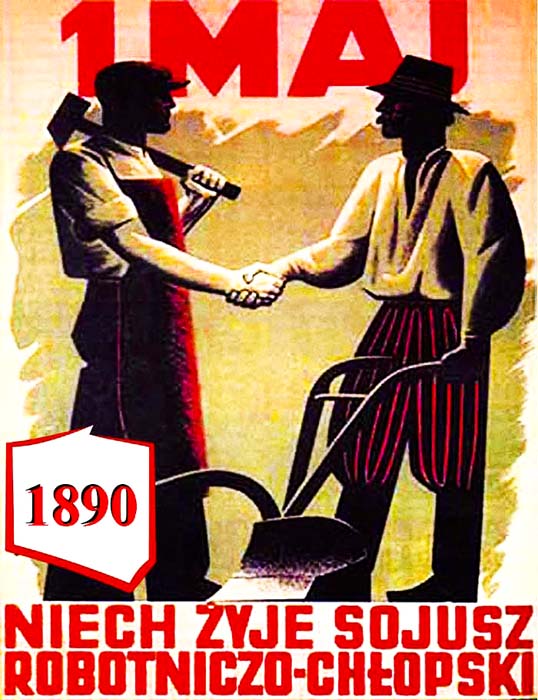
In Paris, in 1889, at the Congress of the Second International (the international community of workers’ and socialist parties), May 1st was declared an International Workers’ Day, and in memory of the massacre of workers in Chicago, in 1886.
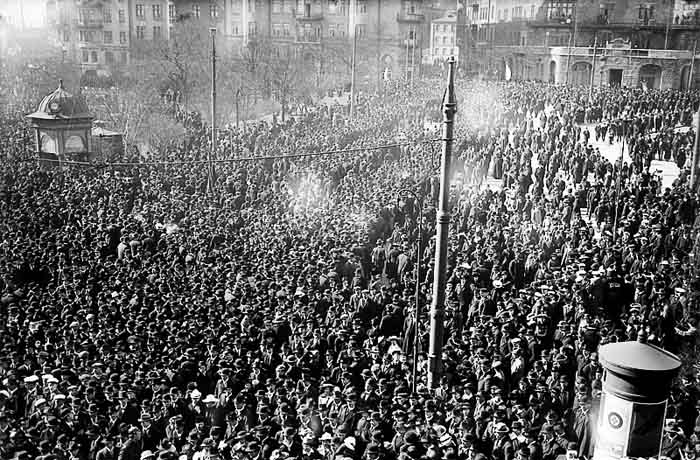
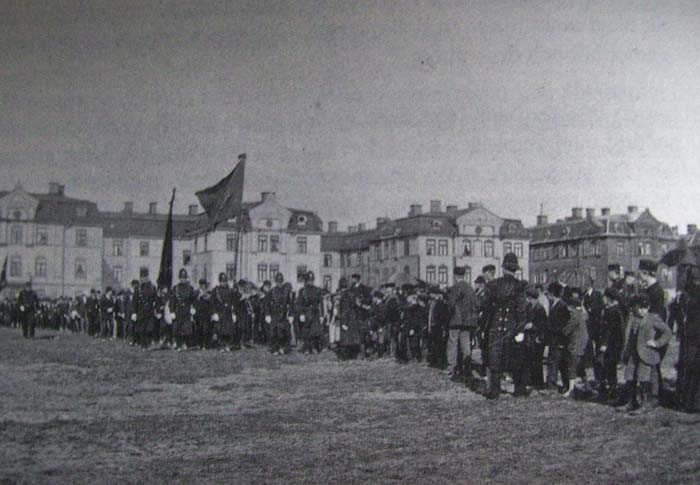
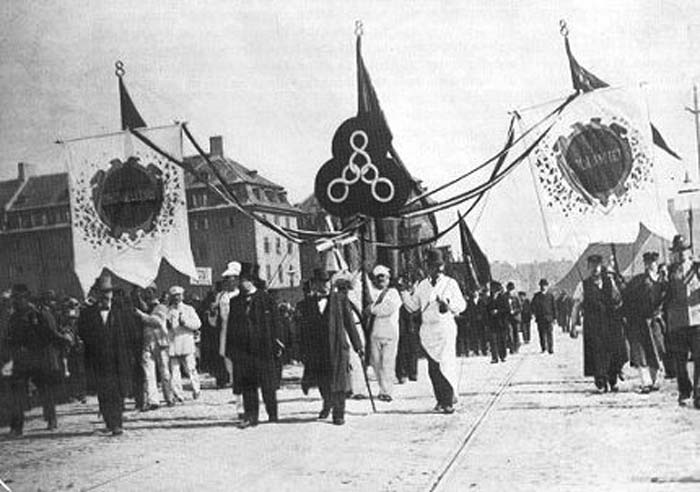
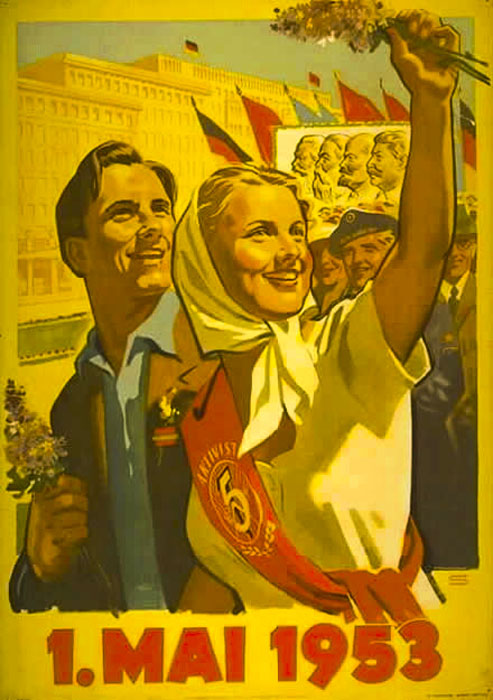
International Workers’ Day, better known as May Day, is celebrated by workers around the world. It is most commonly marked by street demonstrations involving unions, workers’ organizations, and numerous leftist movements. May 1st is also recognized as an official holiday in over 80 countries worldwide and is unofficially celebrated in nearly the entire world.East parades, West protests
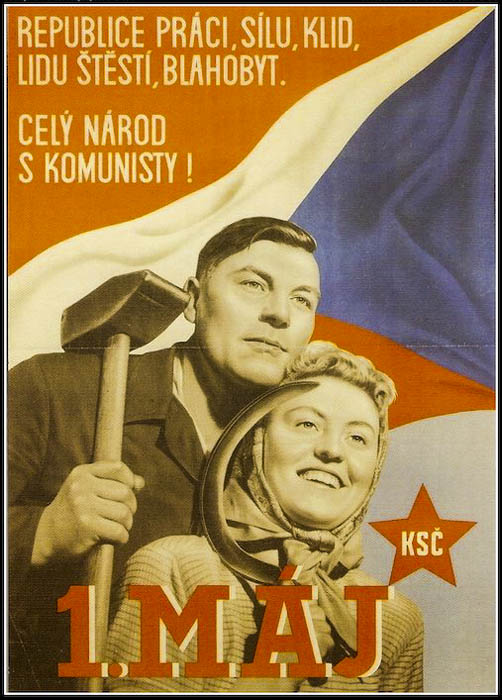
In recent years, workers in Western countries, through union mediation and negotiations with employers or the government, have achieved significant successes in their fight for rights, which over time helped reduce social tensions. In Eastern countries, workers’ movements were monitored by communist parties that officially promoted social justice, but due to alleged national interests, low wages, and long working hours, workers there were more exploited than in the West.
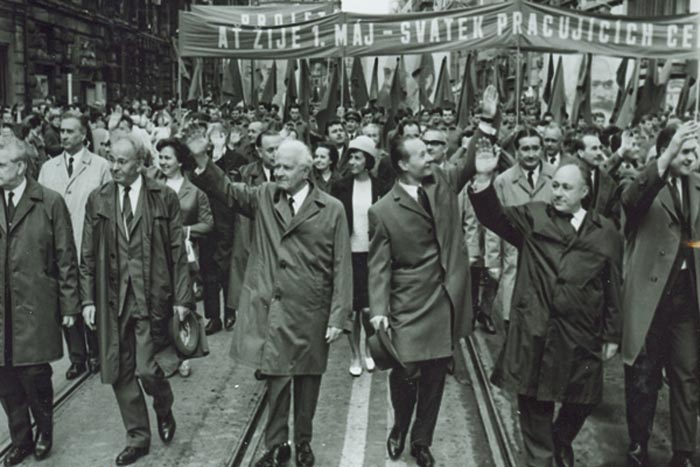
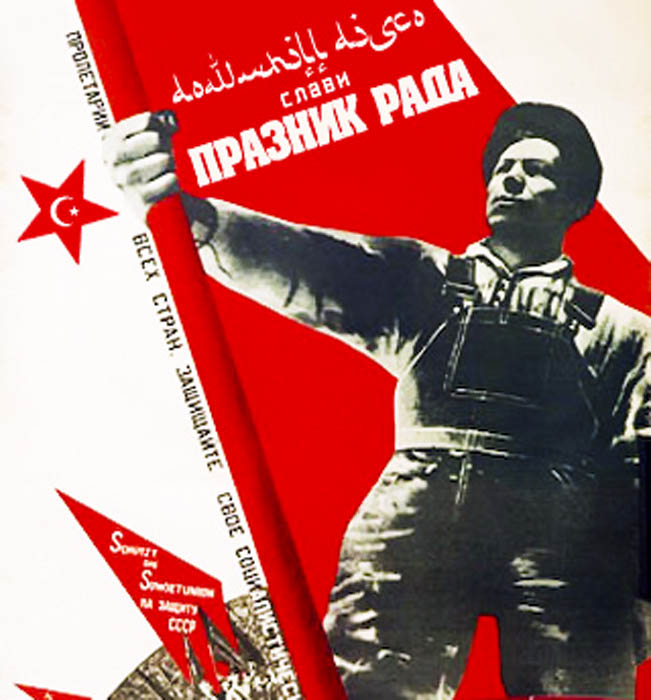
Over time, and even to this day in some countries, Labor Day celebrations have been transformed into grand state events and parades designed to showcase how the working class fully supports the state-party bureaucratic structures. In cases where there are aspirations for change and improved social status, these have been suppressed with government force and tanks. The complete degradation of Labor Day has been further exemplified by the inclusion of military parades in the celebrations, which expressed the power of the socialist state, while workers’ parades served as a decoration for the “regime.”
Unions, tycoons, and politicians
Despite everything, May 1st remains today a bright tradition of International Workers’ Day. A day when the worker shows that he has pride, dignity, and honor because if he bows and serves tycoons, mafia bosses, and corrupt politicians, then why celebrate him?
It is well known that even today there are unions—except for a few honorable exceptions—that have betrayed the workers’ struggle at its core through their activities and have openly collaborated with foreign and domestic capitalists as well as the state machinery that legalizes this exploitation. Union bureaucrats are not ashamed of the positions they have taken within the economic hierarchy, as they have turned the workers’ fight (workers’ rights and strikes) into a “profitable business,” profiting from the suffering of the working class.
Today, in Bosnia and Herzegovina, there are over 500,000 unemployed people, more than a million citizens live below the poverty line, and a large number find themselves in state servitude. New lines are forming at soup kitchens, wages and pensions are minimal, and payments are irregular—something that seemingly does not concern our politicians much. These same politicians lack a strategic development plan—neither long-term nor sustainable—and make slow or no important decisions or laws that directly affect the lives and well-being of everyone. Instead, they wisely offer and impose short-term solutions that usually end in disaster. Why not acknowledge that among them, during this period of transition and accelerated privatization in Bosnia and Herzegovina, there are those who have become wealthy through misconduct, illegal speculation, and criminal privatizations? They appoint pliant (party) people at the head of companies—people who often have no connection to their field but are experts at disrespecting workers’ rights, evading obligations to the state, being selfish and lacking vision. They skillfully avoid direct participation in social dialogue and partnership relations.
Tradition through picnics and barbecues
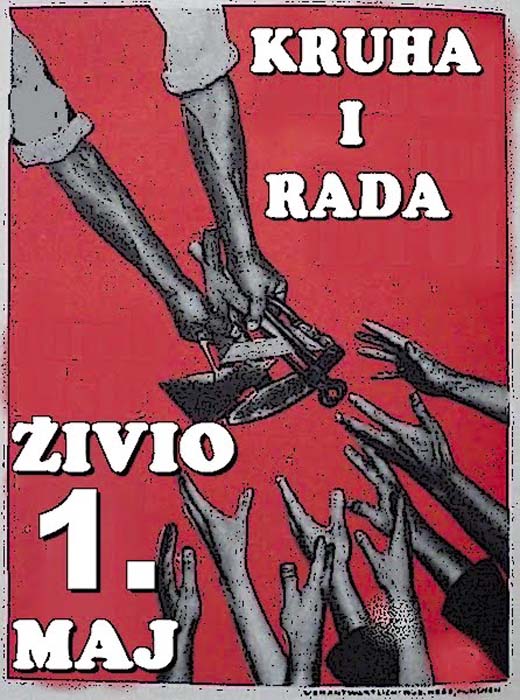
Traditionally, once again this year, workers’ protests will be organized nationwide with the mediation of unions, featuring messages advocating for the right to work, not poverty and hunger, dignity, and paid labor—aiming for a bright future for young people and a peaceful old age for seniors. We support work, but we also want to live as humans. Many citizens will also, as usual, celebrate International Workers’ Solidarity Day with May Day gatherings, enjoying picnics, barbecues, recreation, singing, dancing, and socializing.
As long as the holiday of labor lives, hope lives too! Long live May Day!