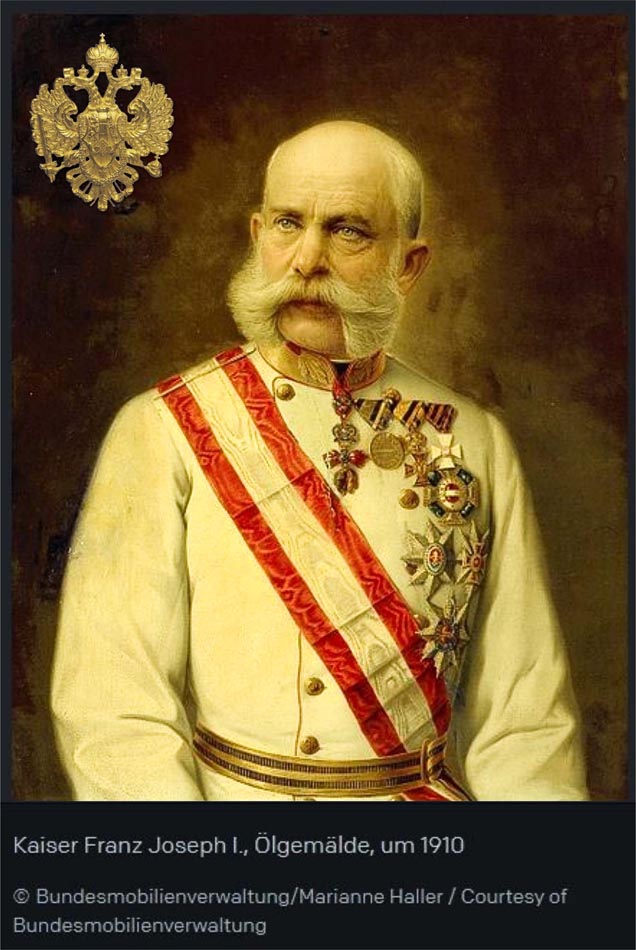
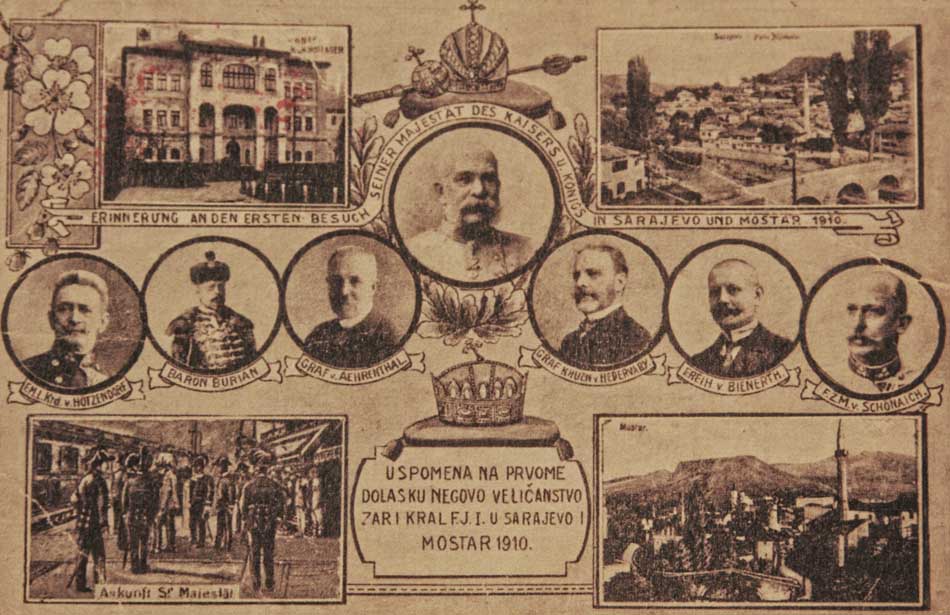
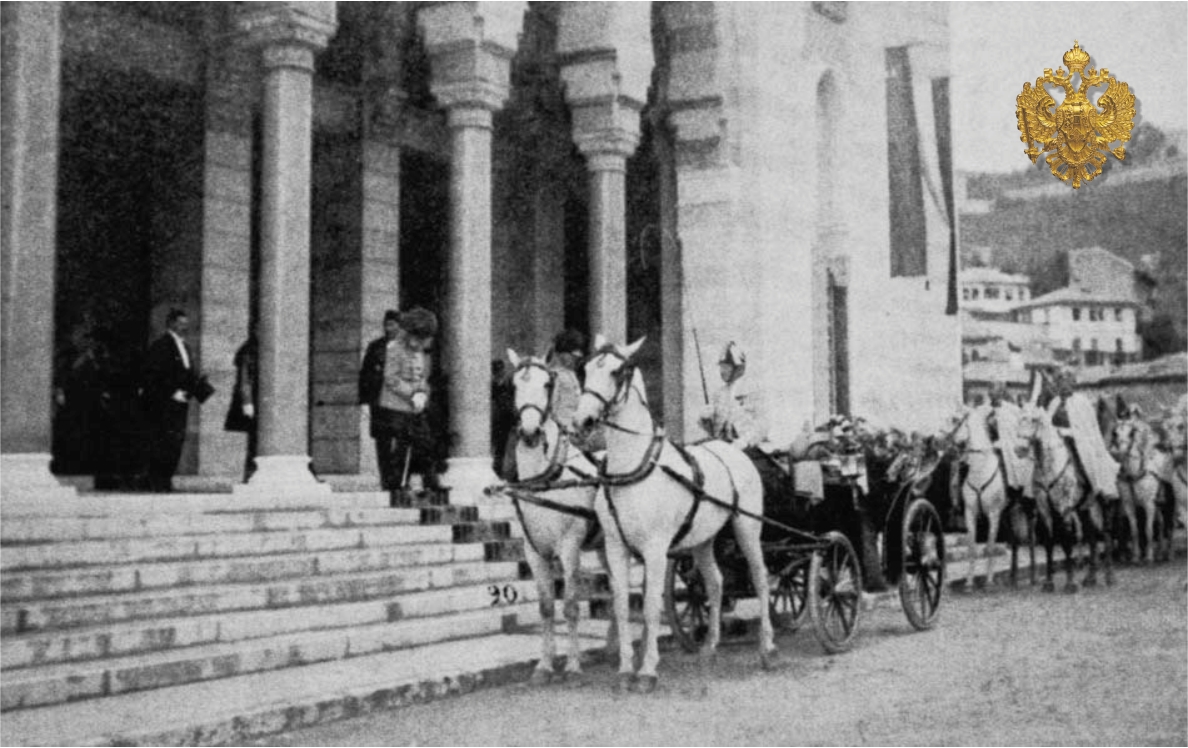
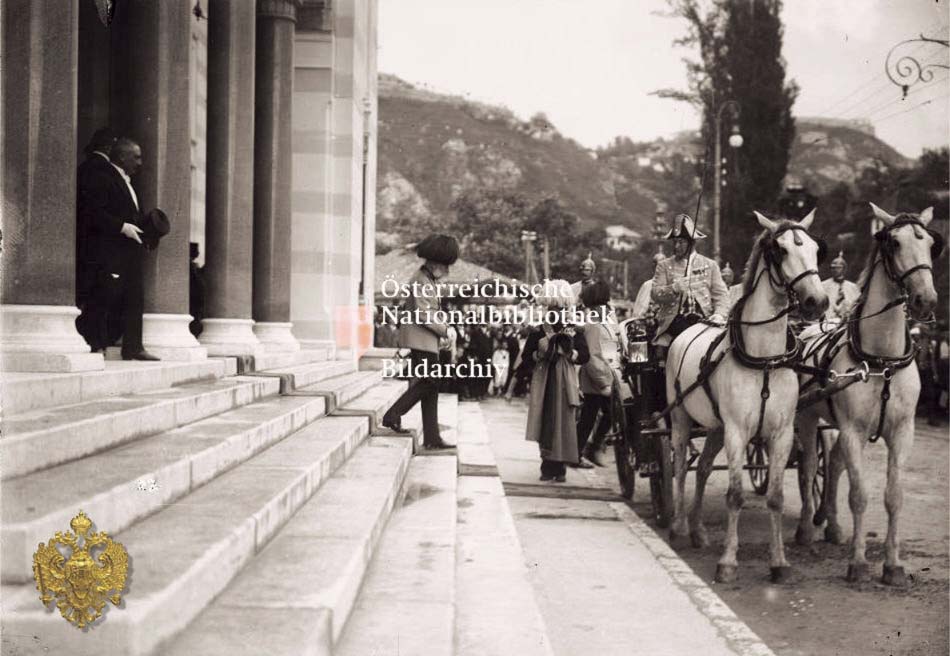
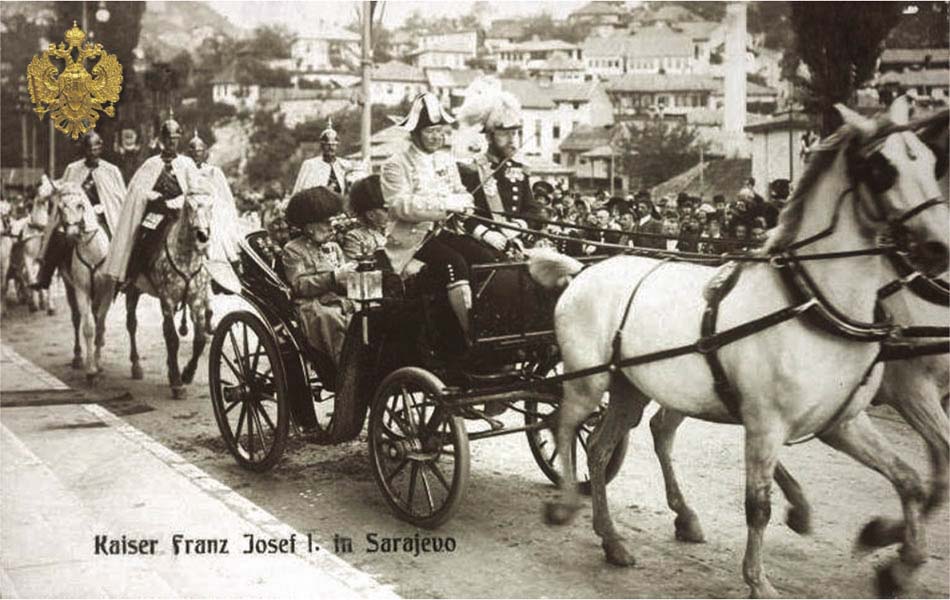
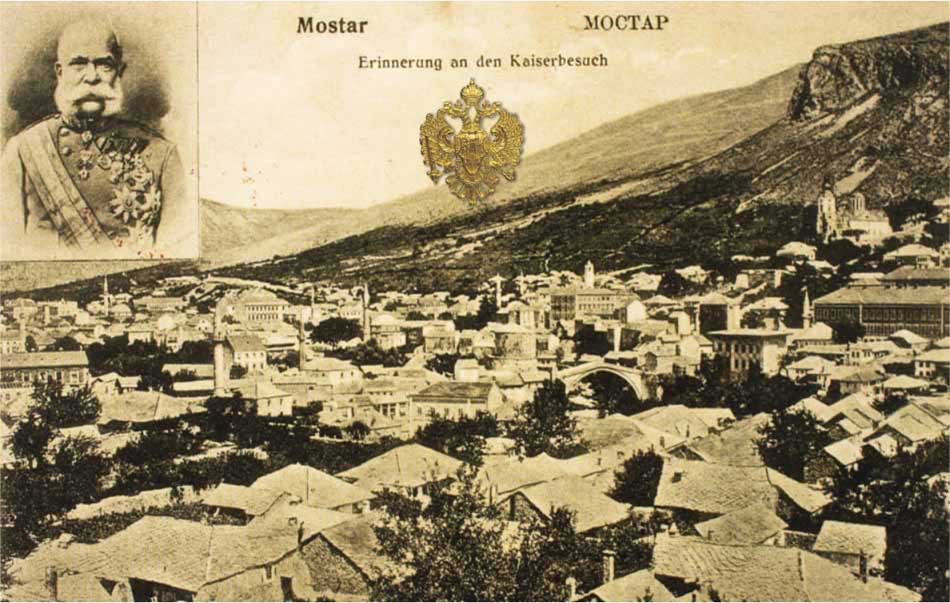
Visit of Emperor Franz Joseph I to Bosnia and Herzegovina / May 30 – June 4, 1910.
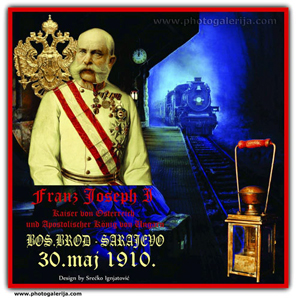
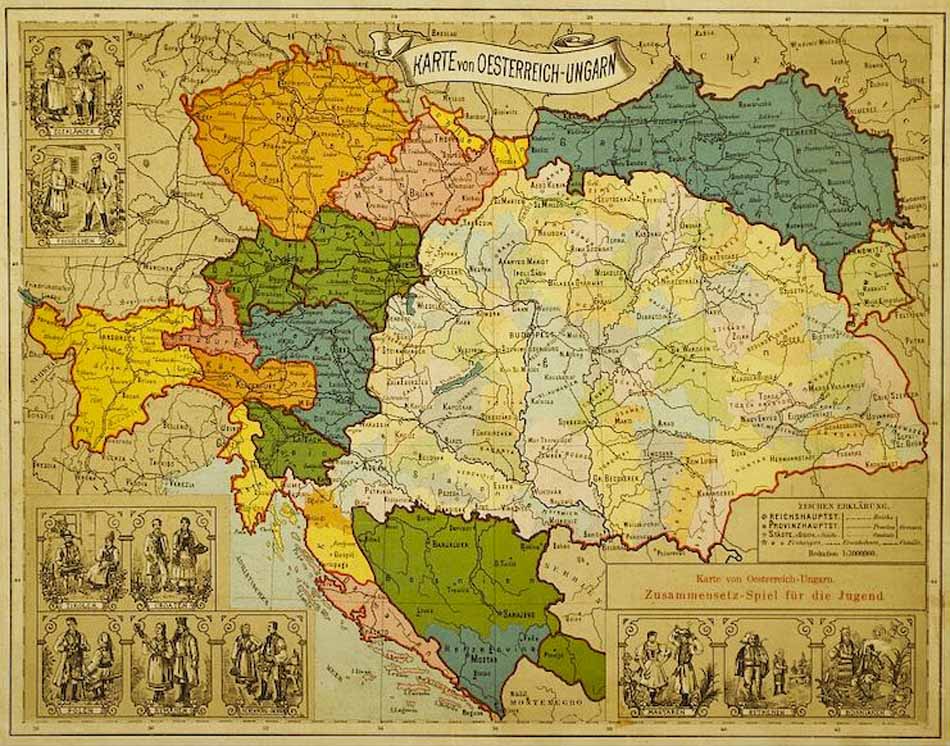
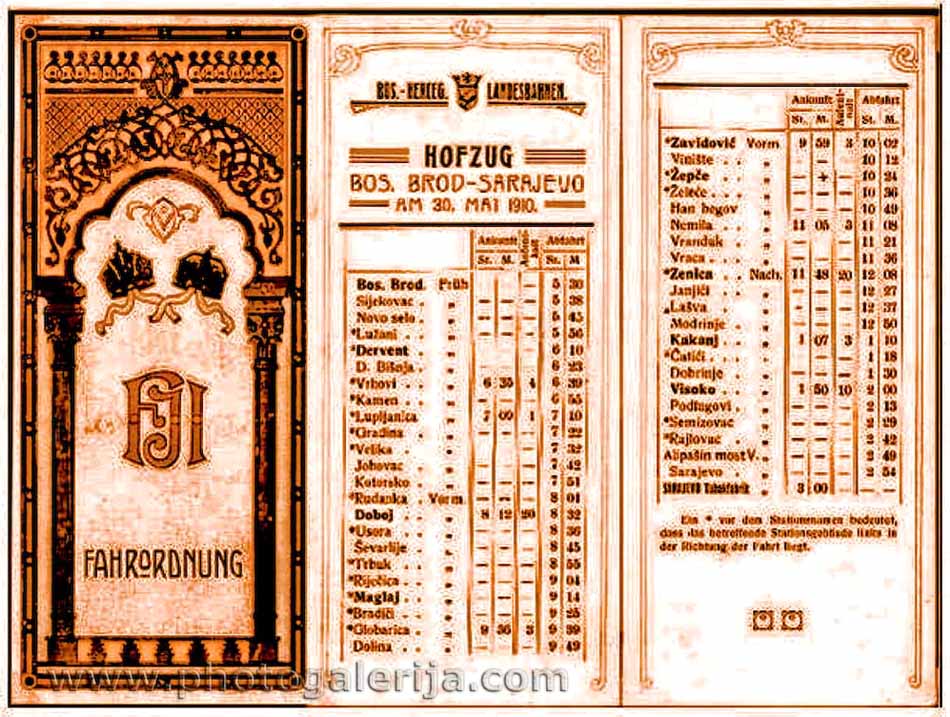
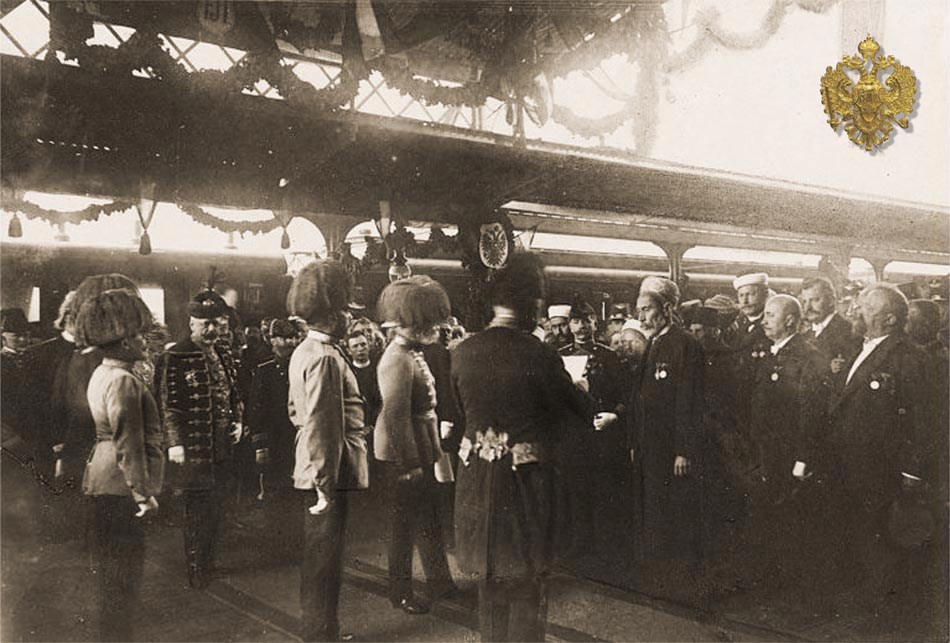
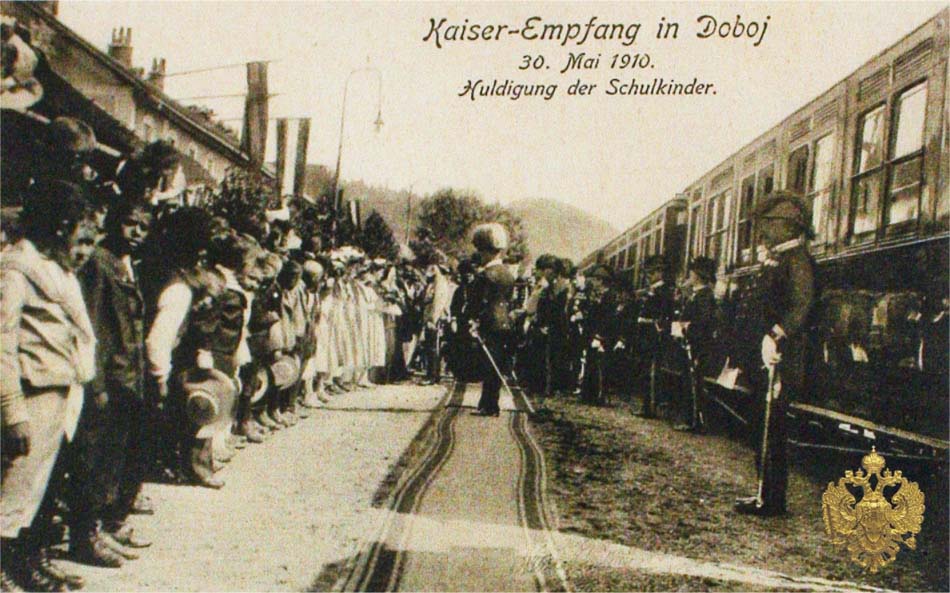
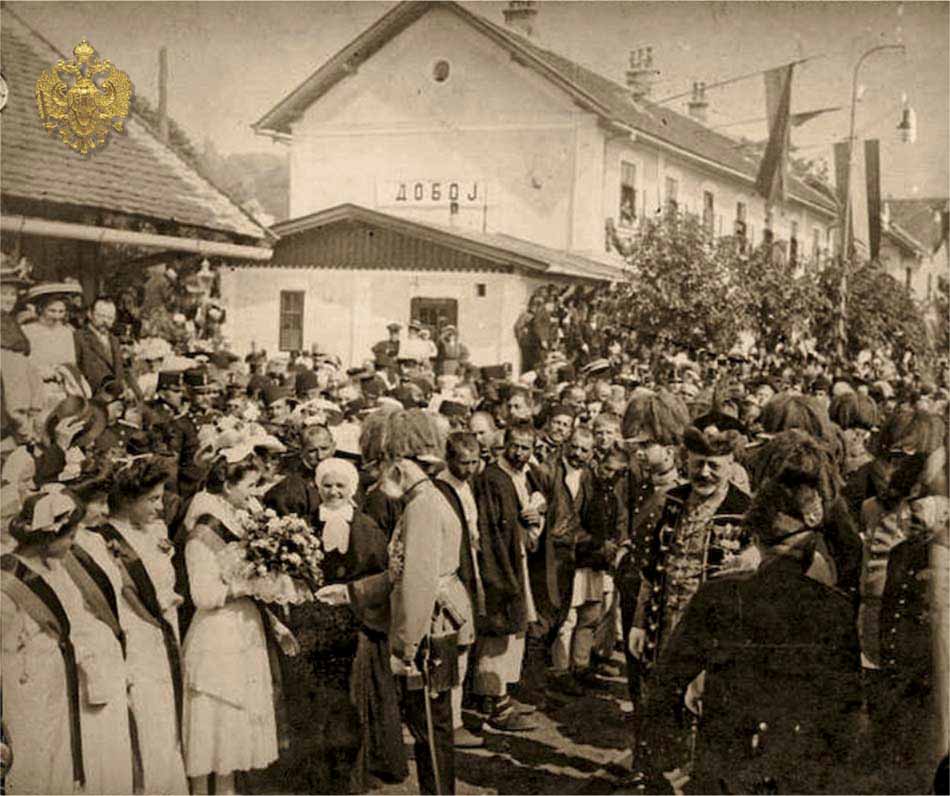
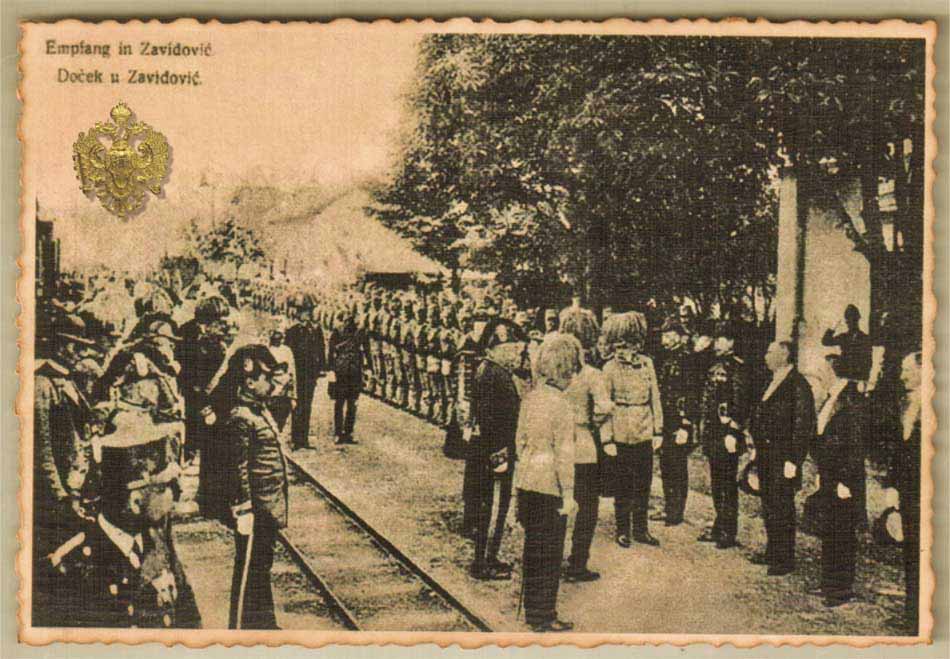
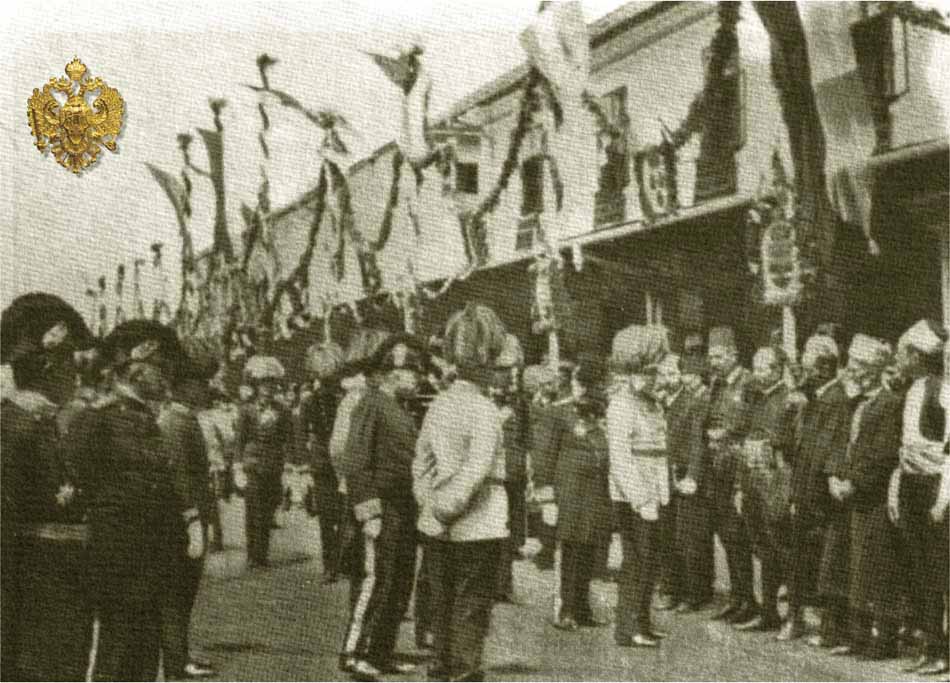
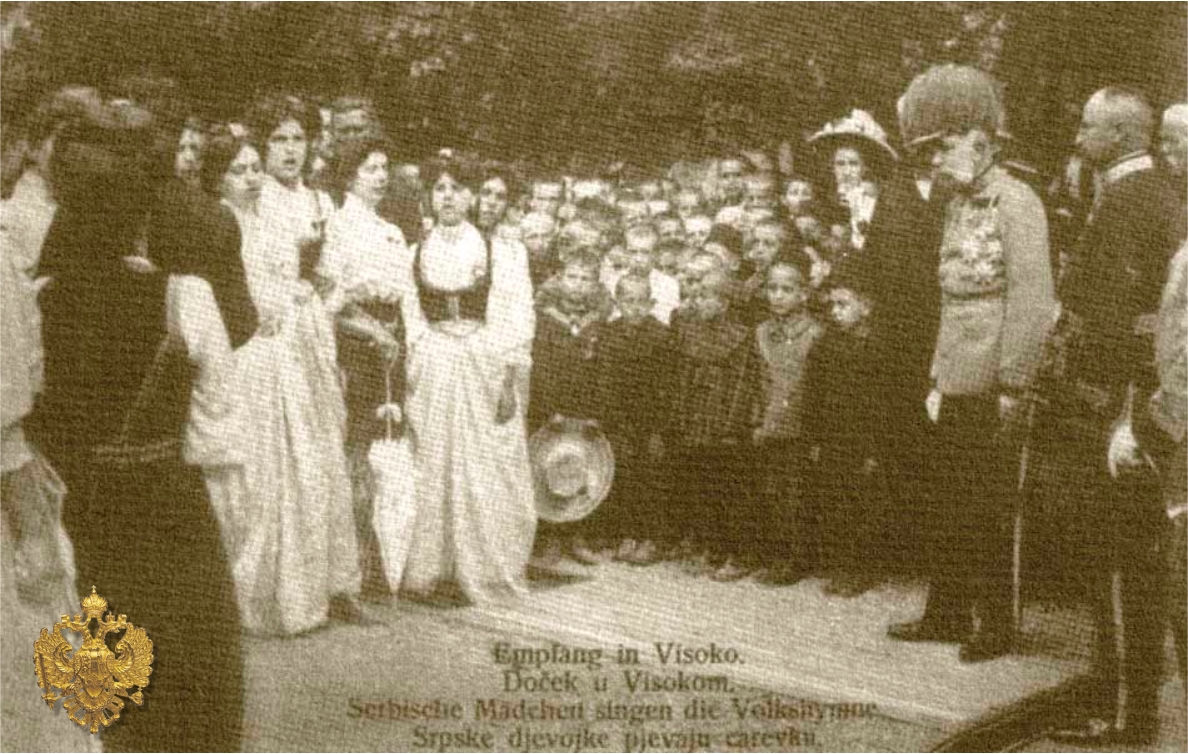
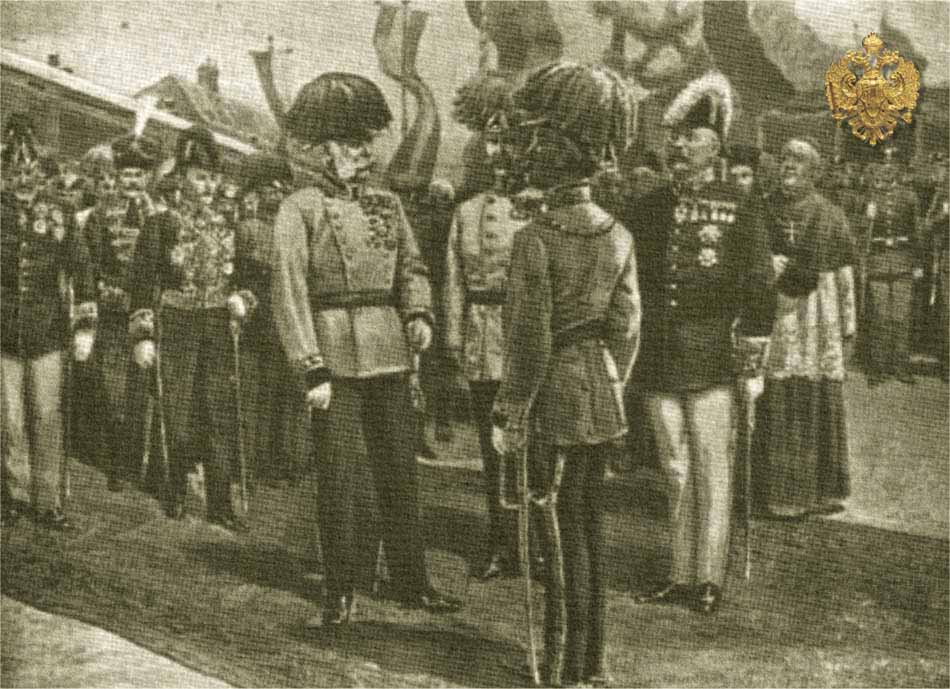
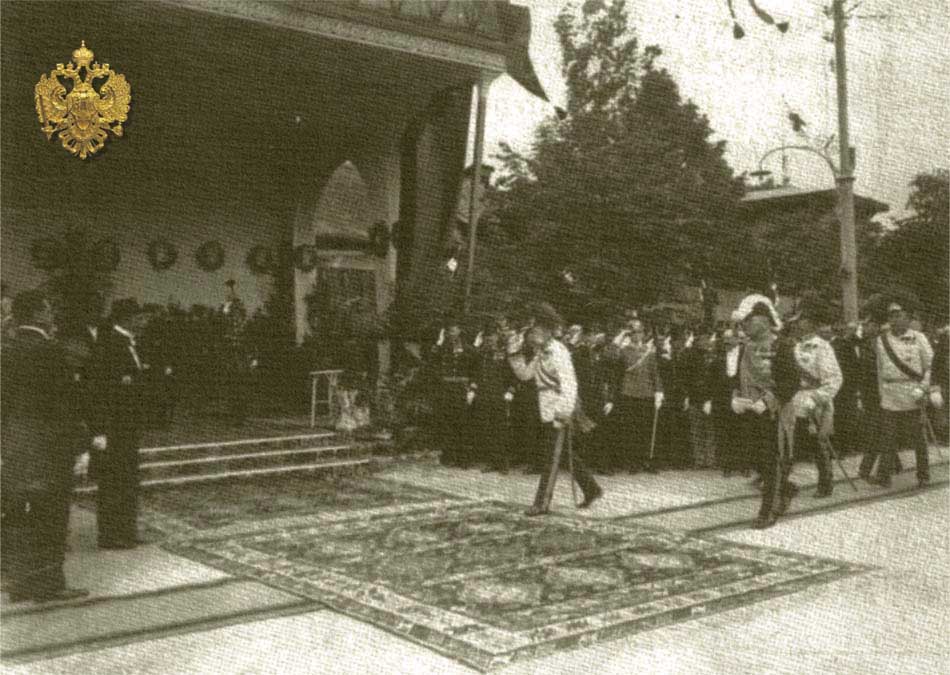
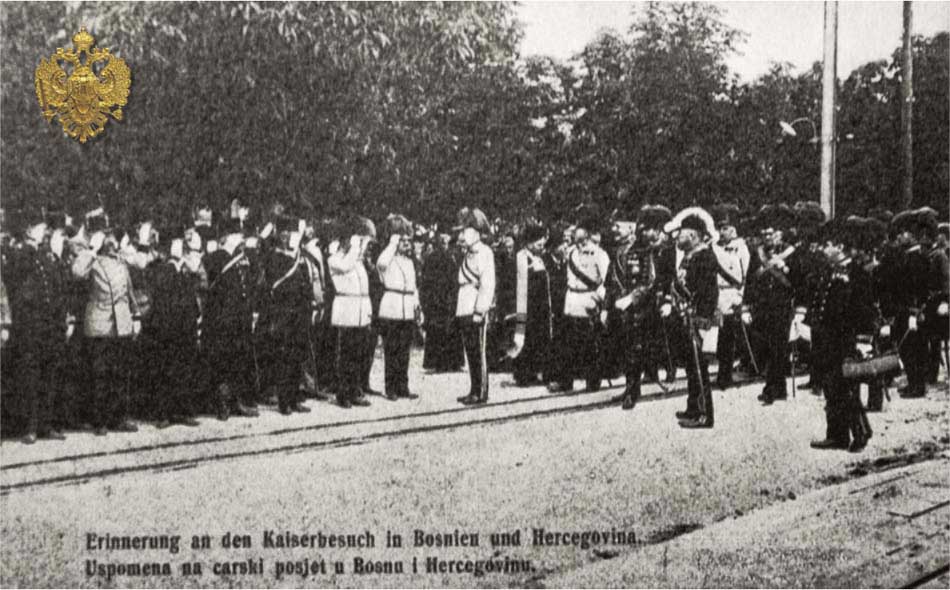
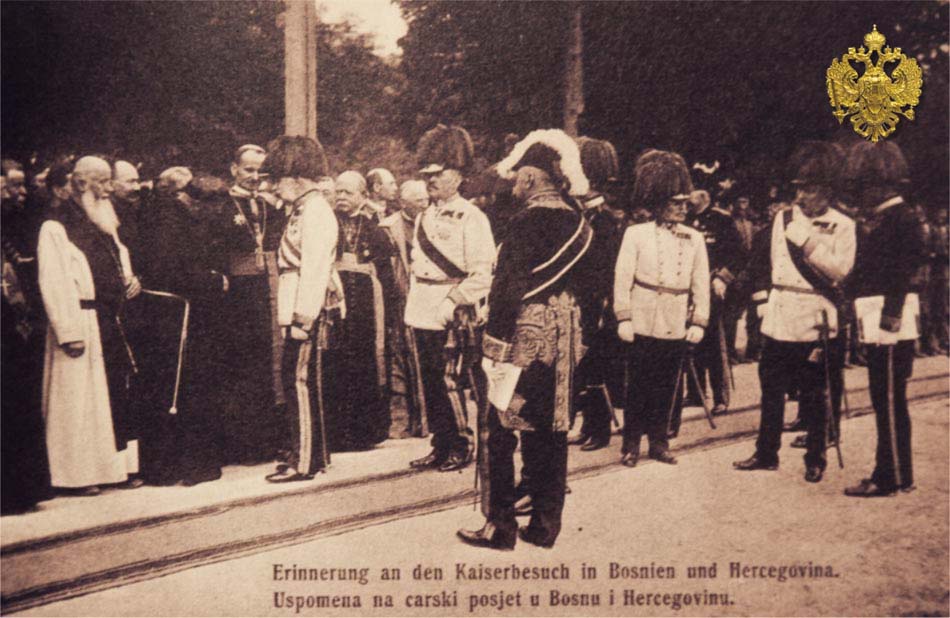
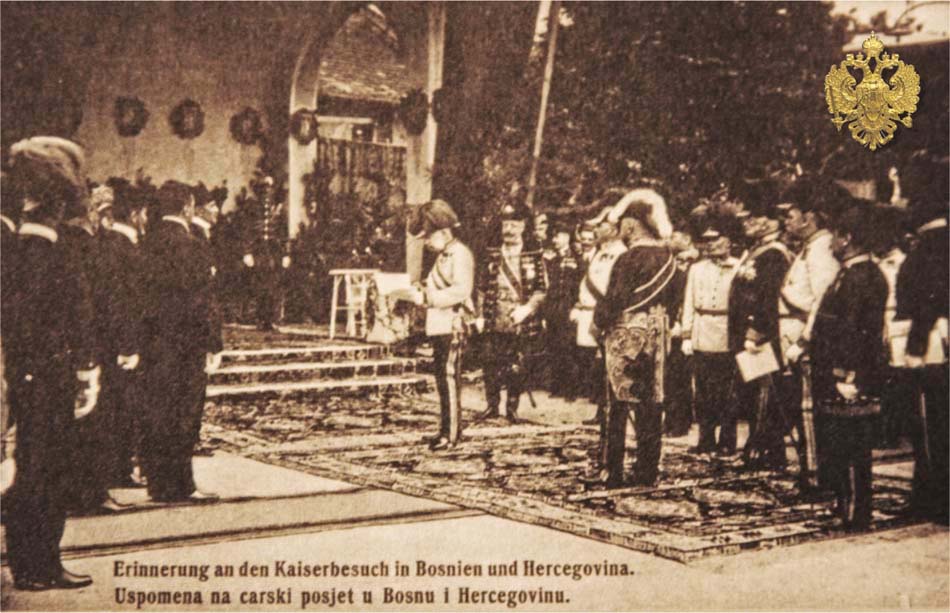
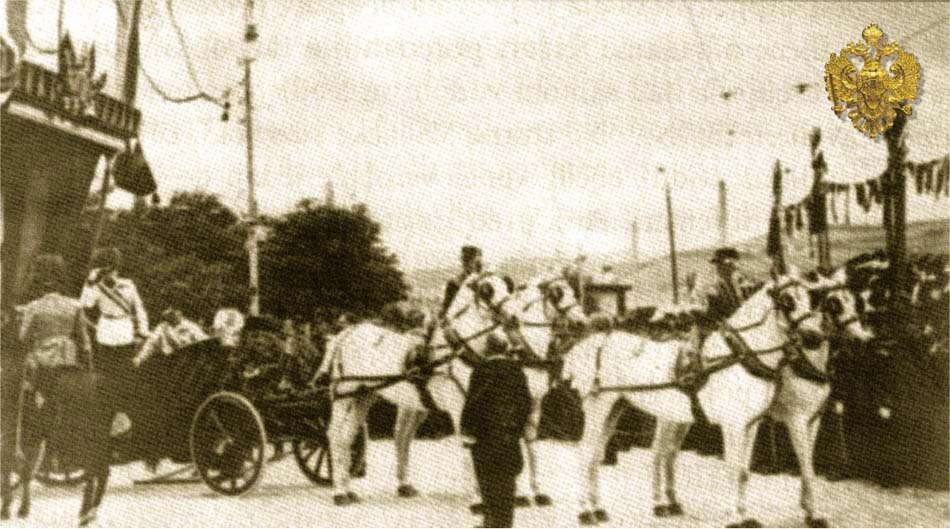
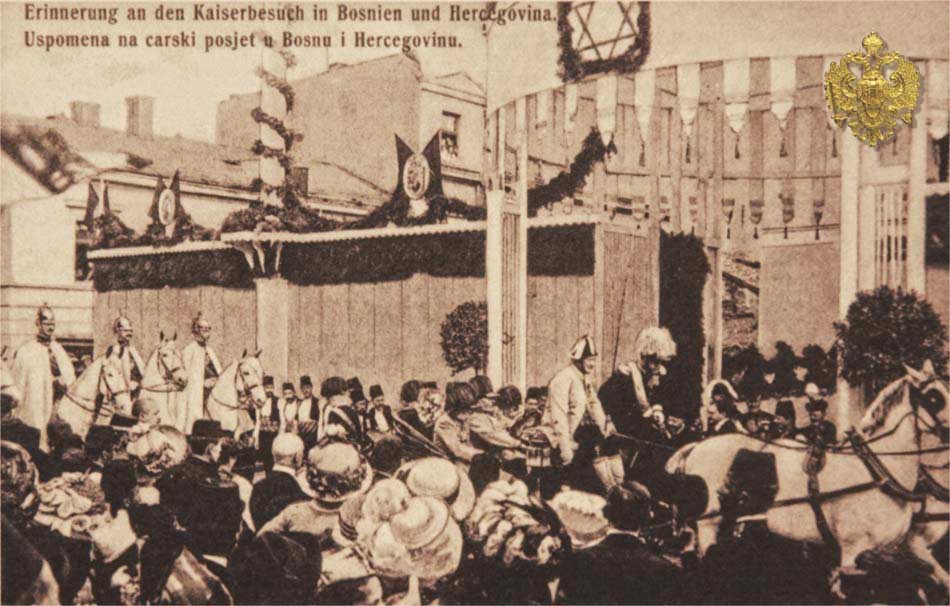
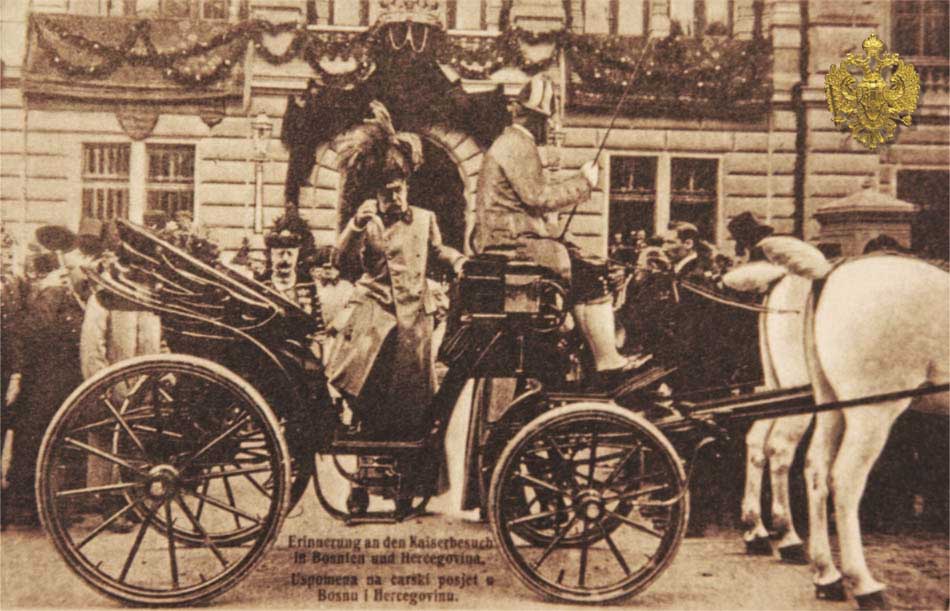
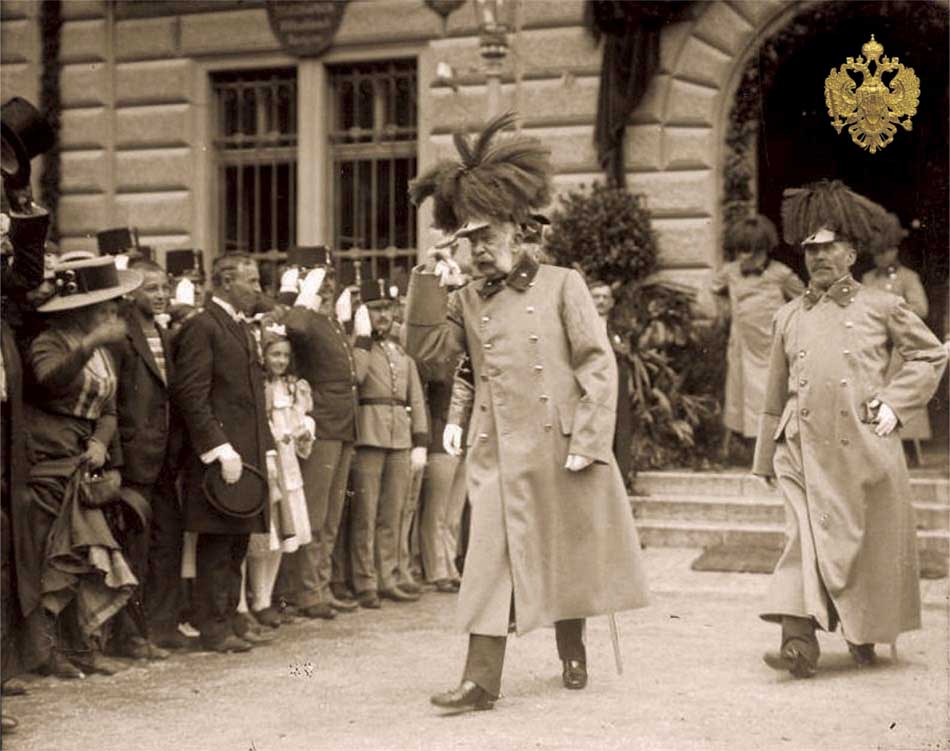
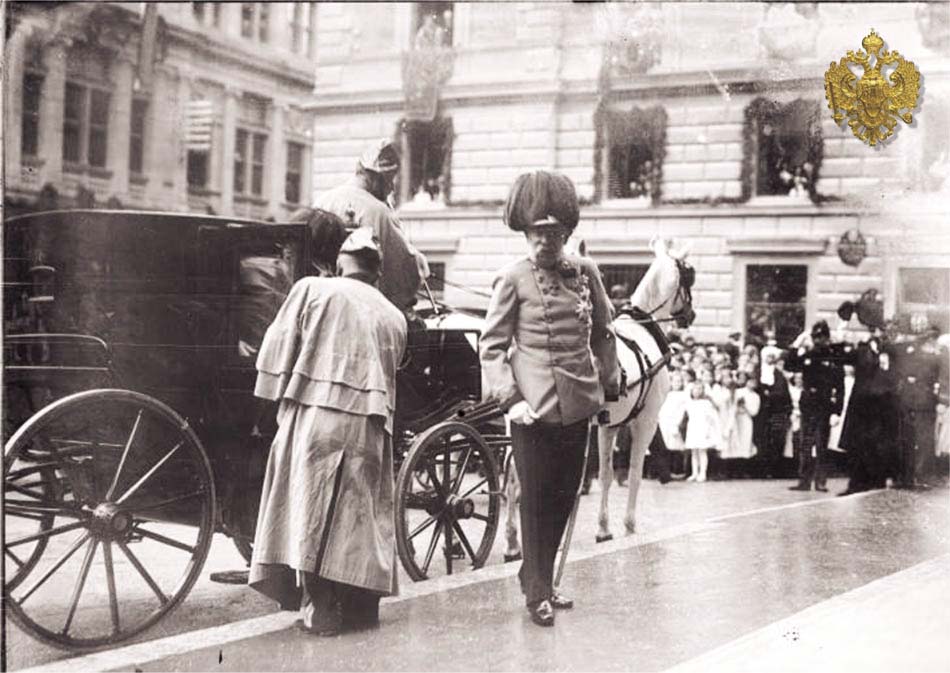
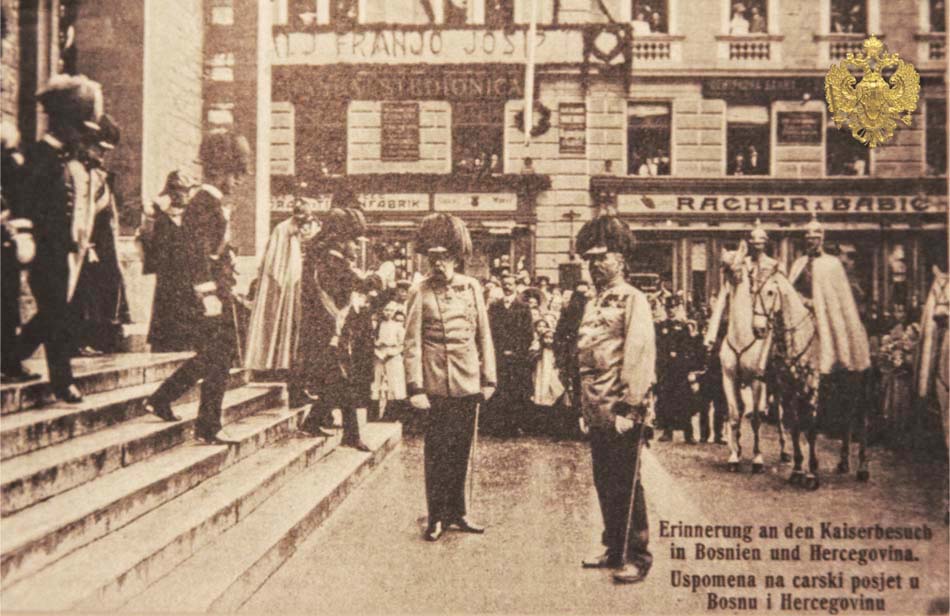
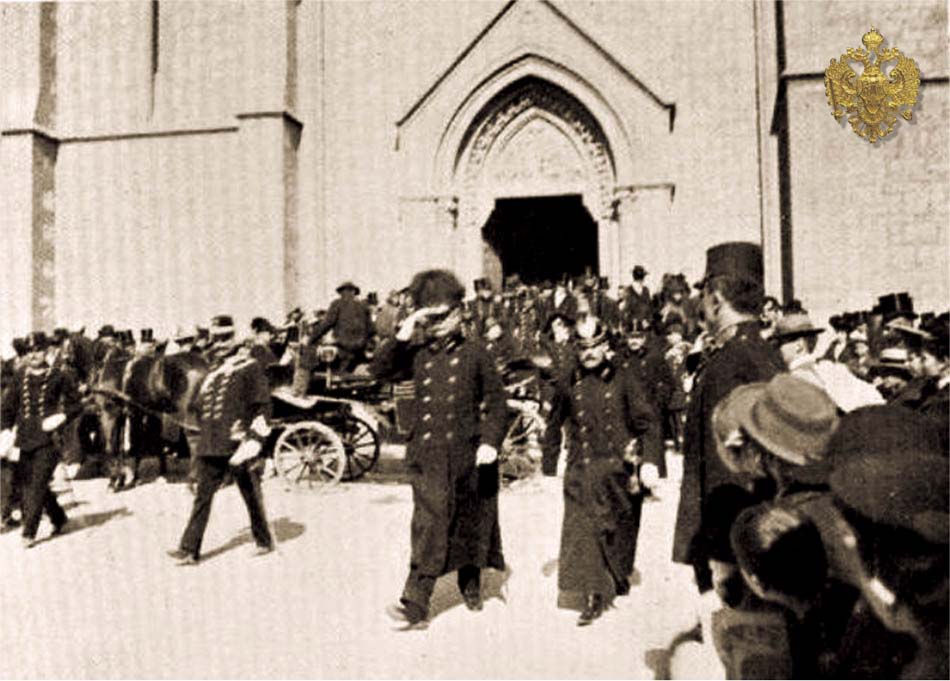
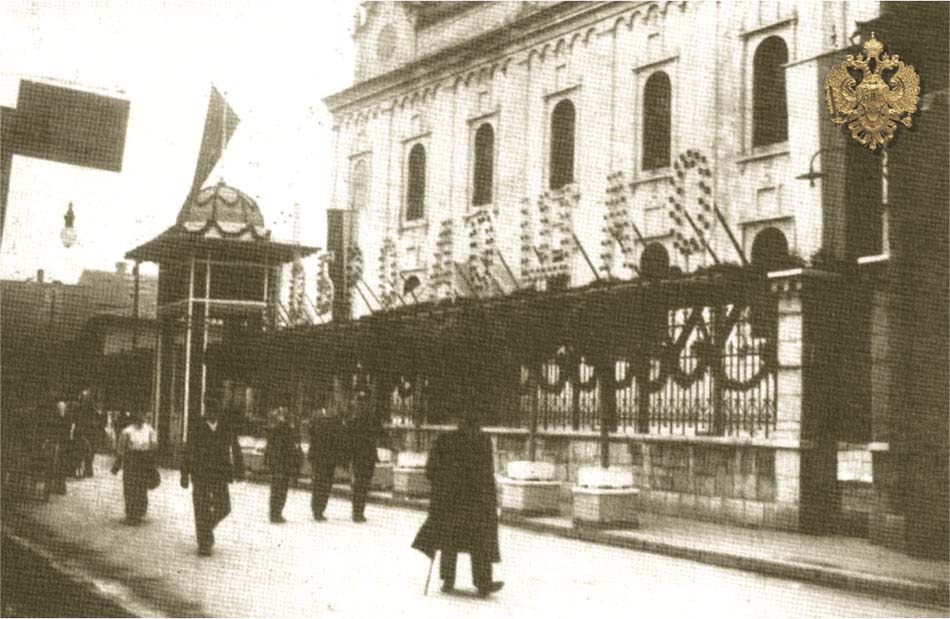
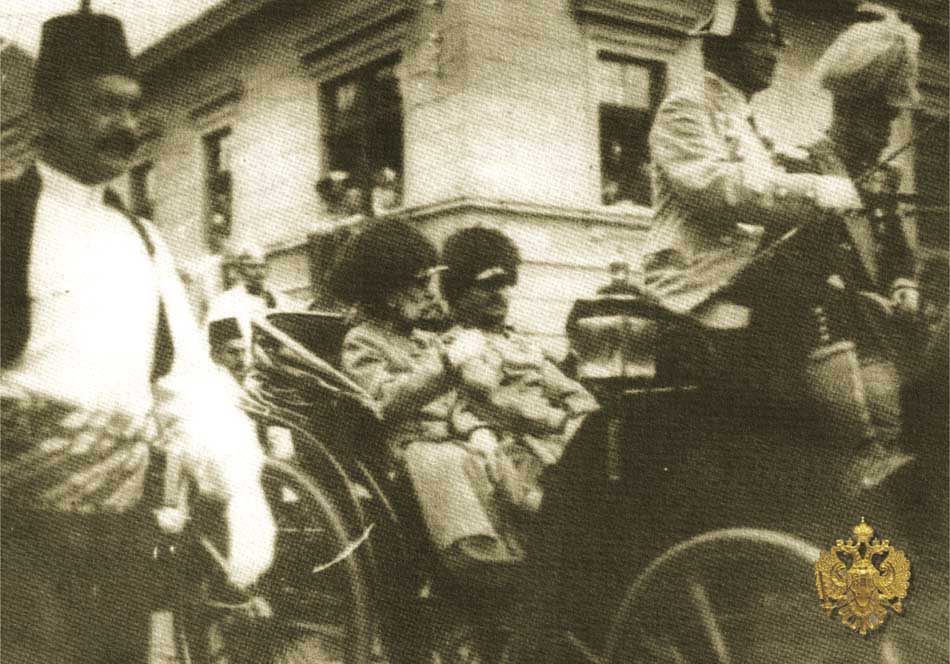
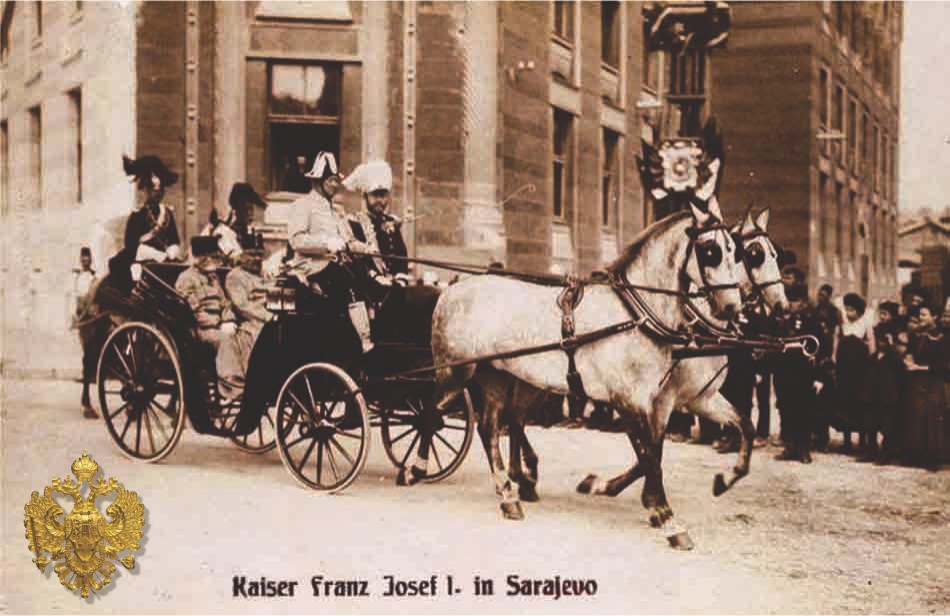
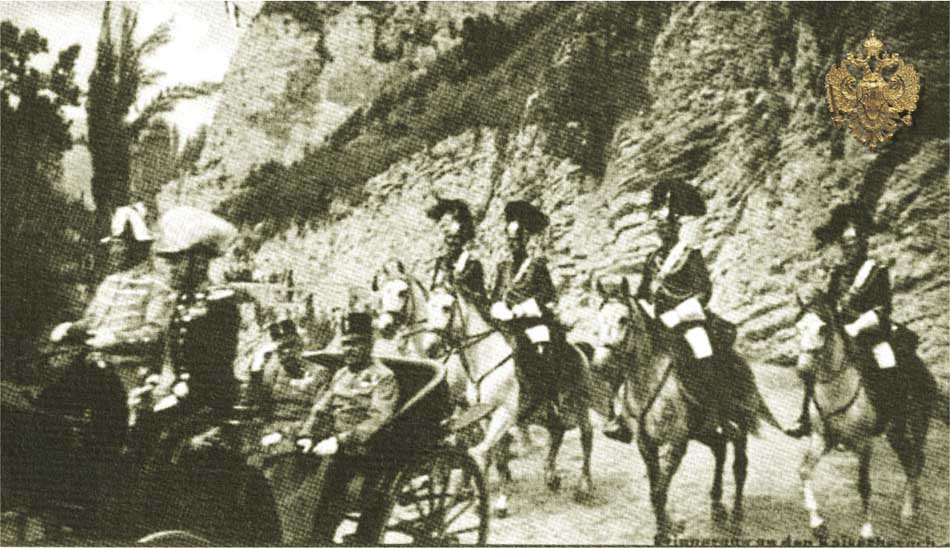
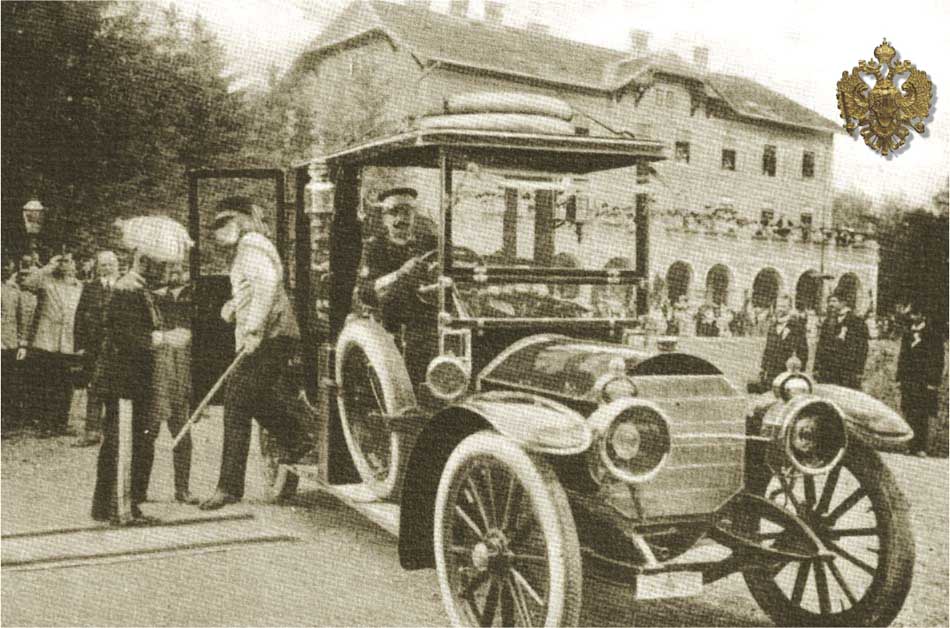
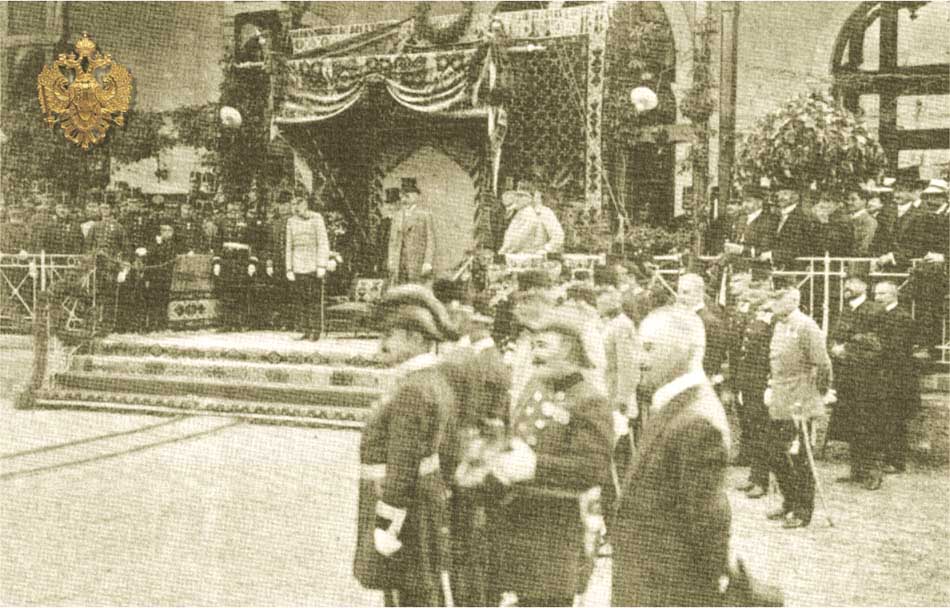
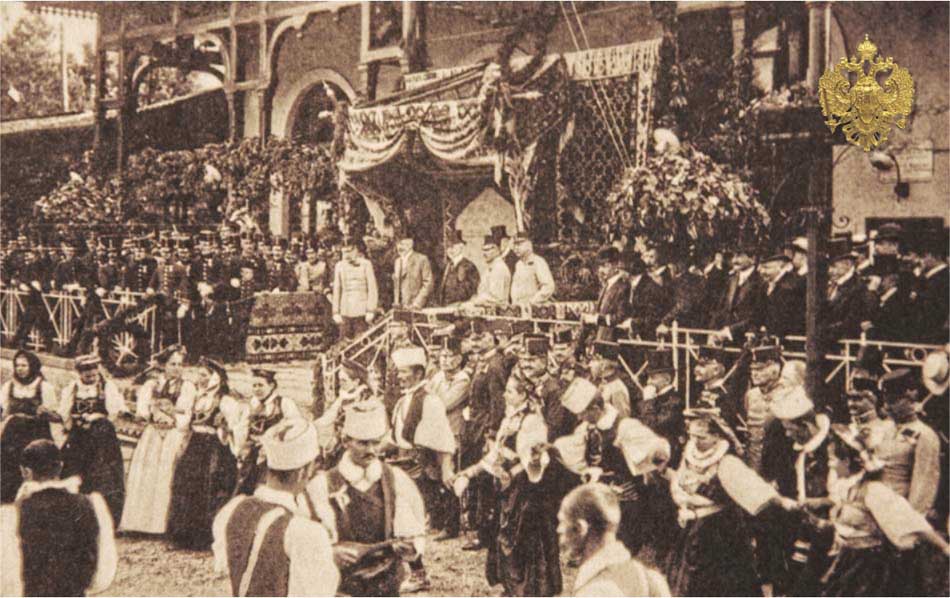
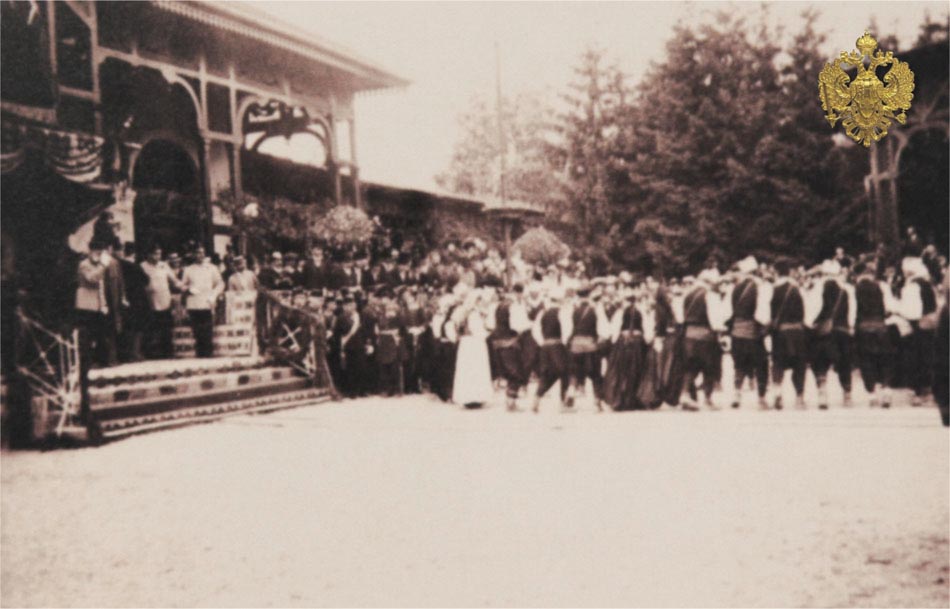
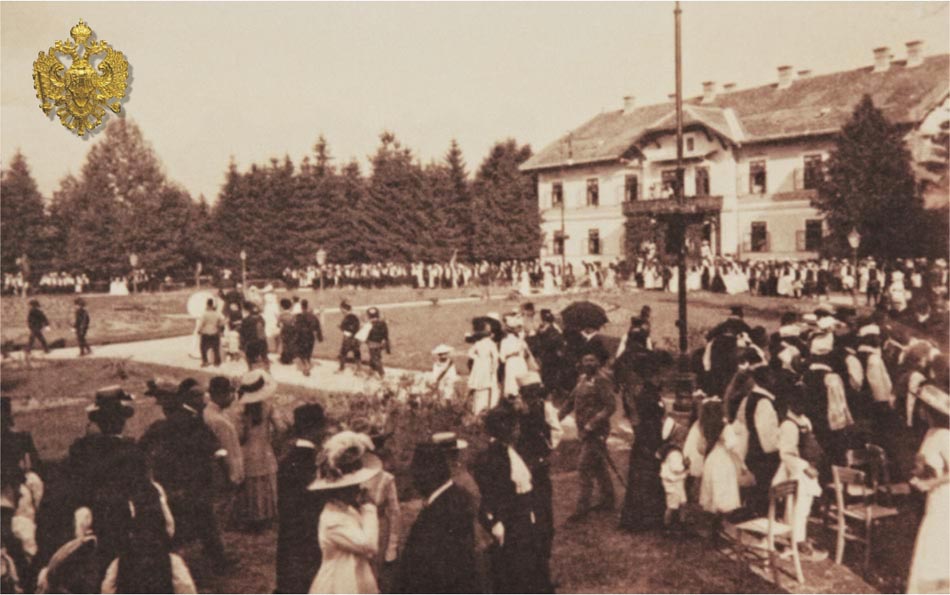
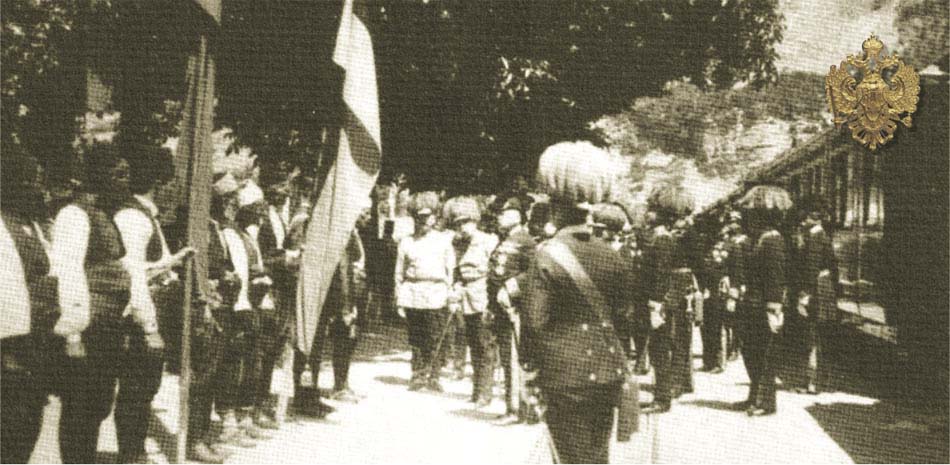
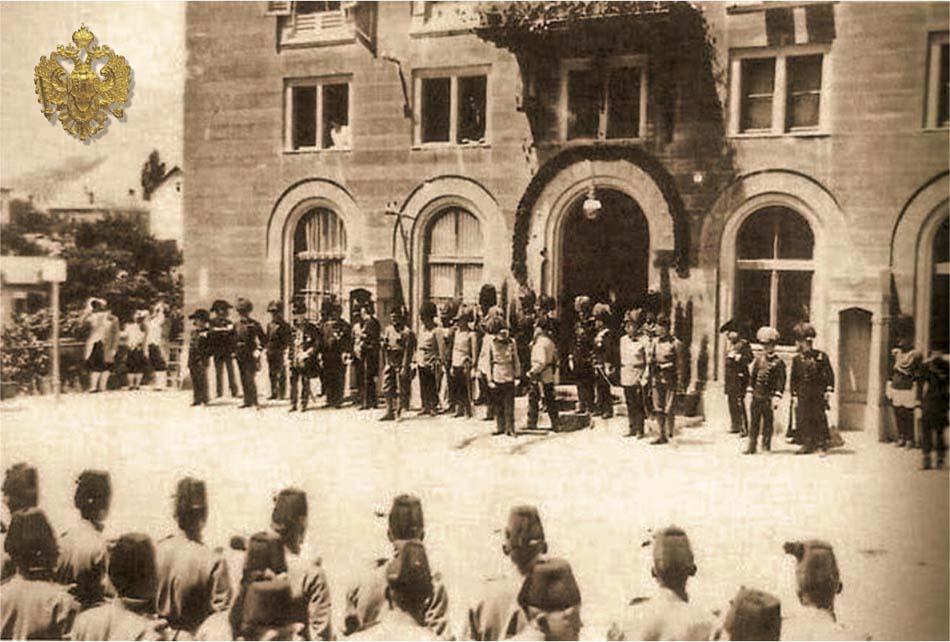
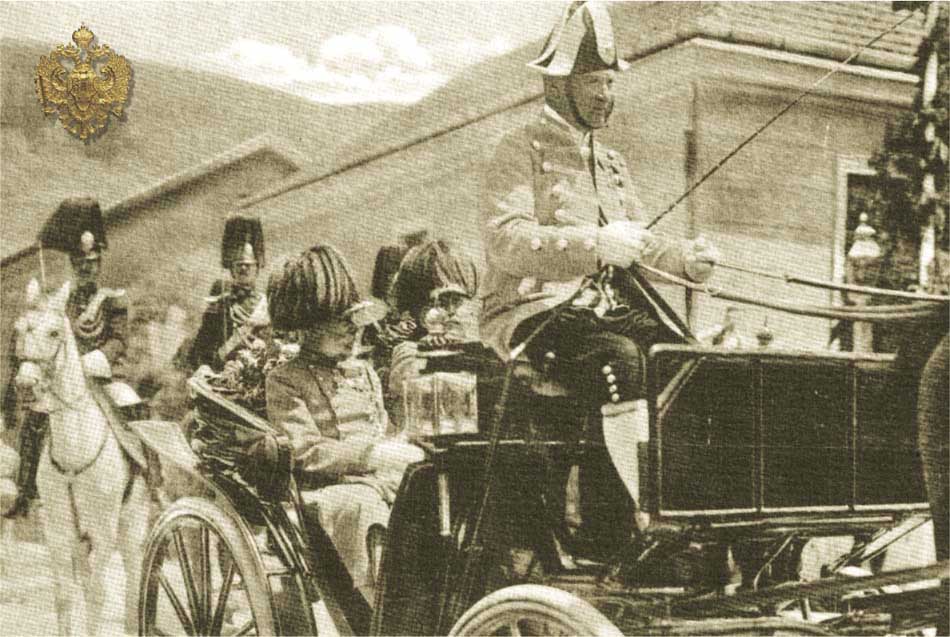
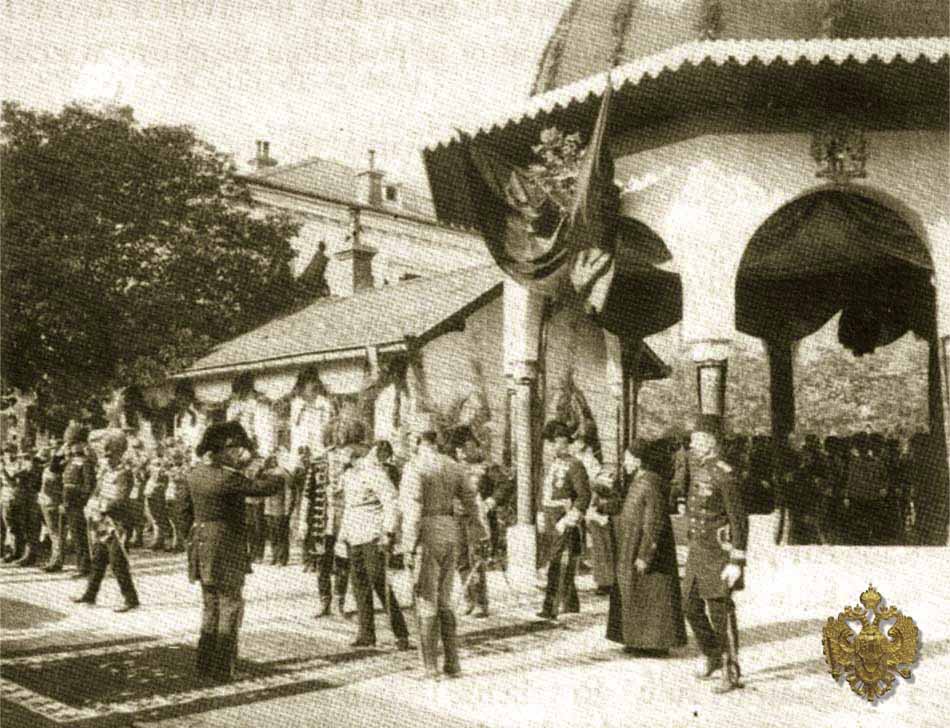
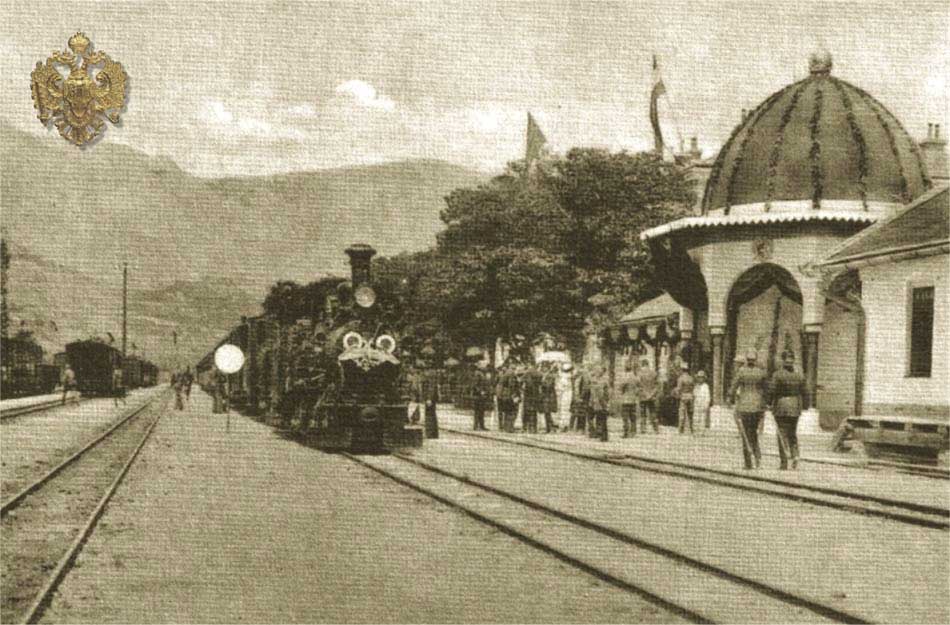
During the period between the proclamation of the Bosnian Constitution in Sarajevo on February 20 and the opening of the National Assembly on June 15, 1910, one event attracted exceptional attention. During this time, Emperor Franz Joseph I visited Bosnia and Herzegovina. On the morning of May 30, he began his journey to Sarajevo aboard a separate train operated by the Bosnian-Herzegovinian Railways from Bosanski Brod. At 8:12 AM, he arrived in Dober and stayed there for about 20 minutes. In Zavidovići, the train stopped for only three minutes before continuing to Zenica, where it arrived at 11:48 AM and remained for about 20 minutes. In Visoko, the imperial train arrived at 1:50 PM and stayed for 10 minutes. At 3:00 PM, the emperor reached the station near the Tobacco Factory in Sarajevo amid the sounding of cannons. The ceremonial entry of the emperor into the city was completed flawlessly. The splendid escort in carriages, the golden uniforms of many high officials, impressive figures of guardsmen, elegant uniforms of court officials, and the magnificent horses from the imperial stables—all left an impressive impression on those present.
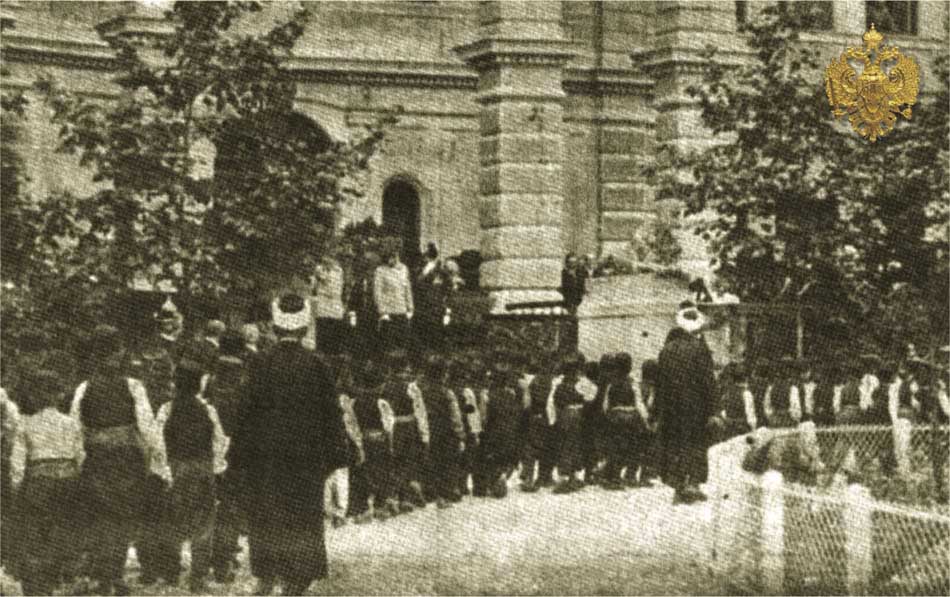
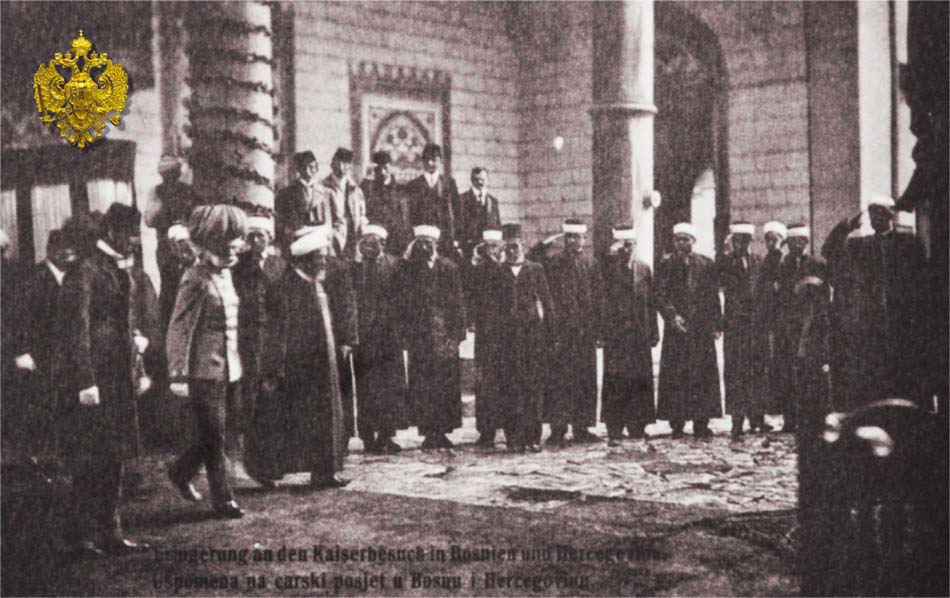
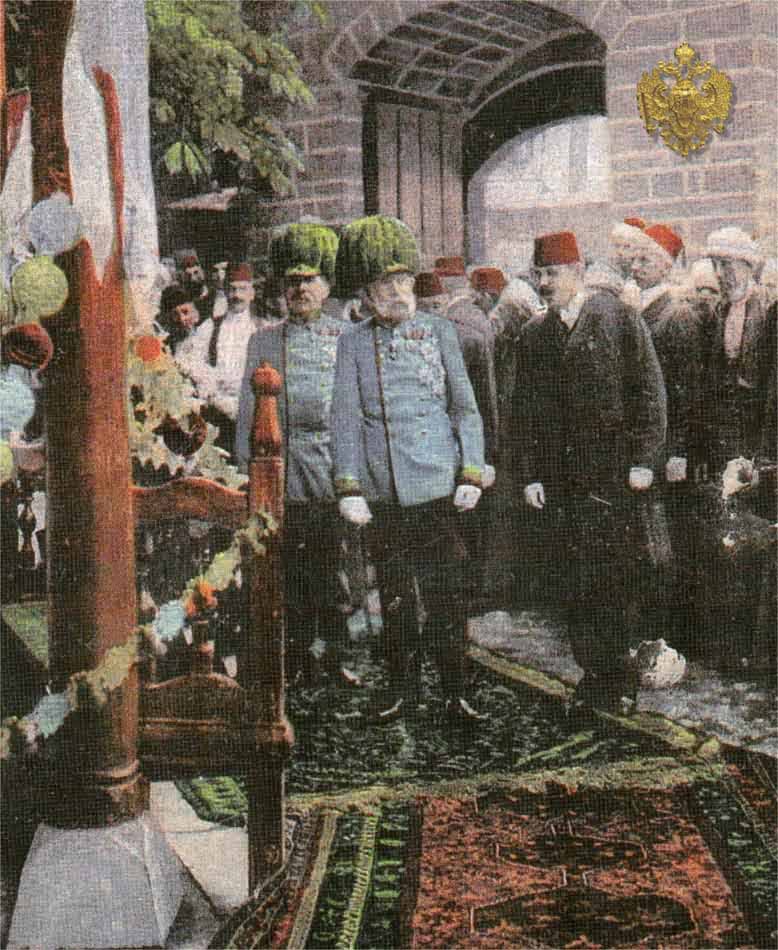
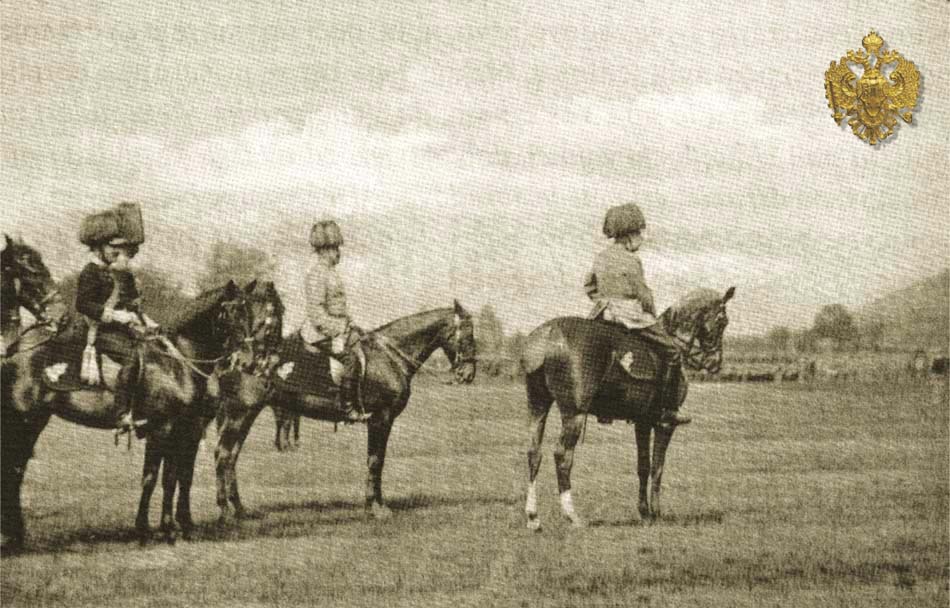
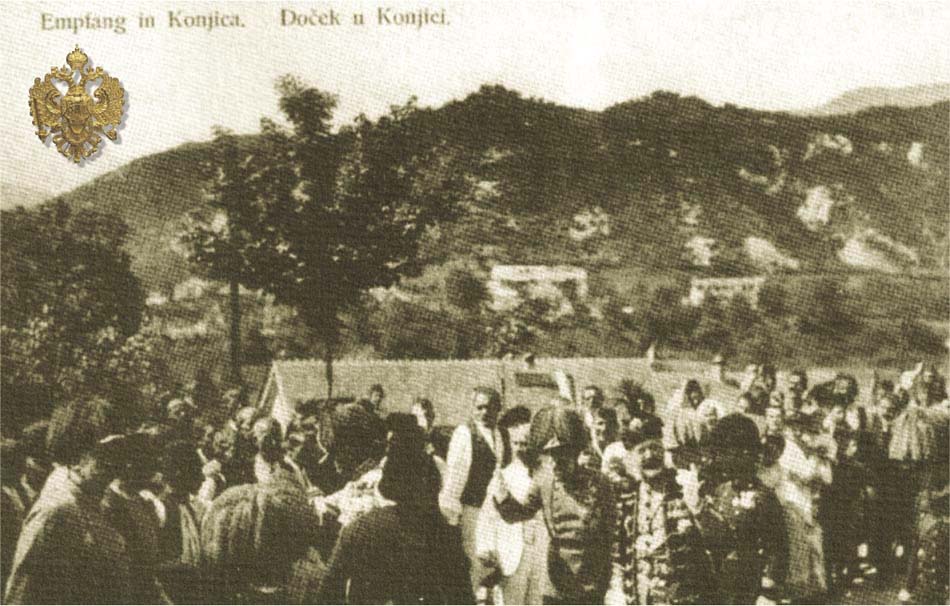
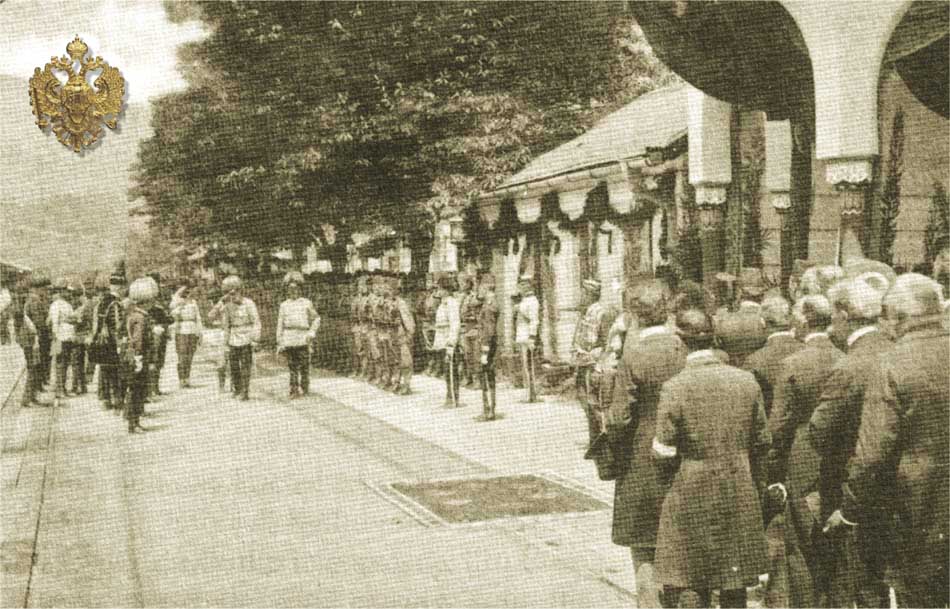
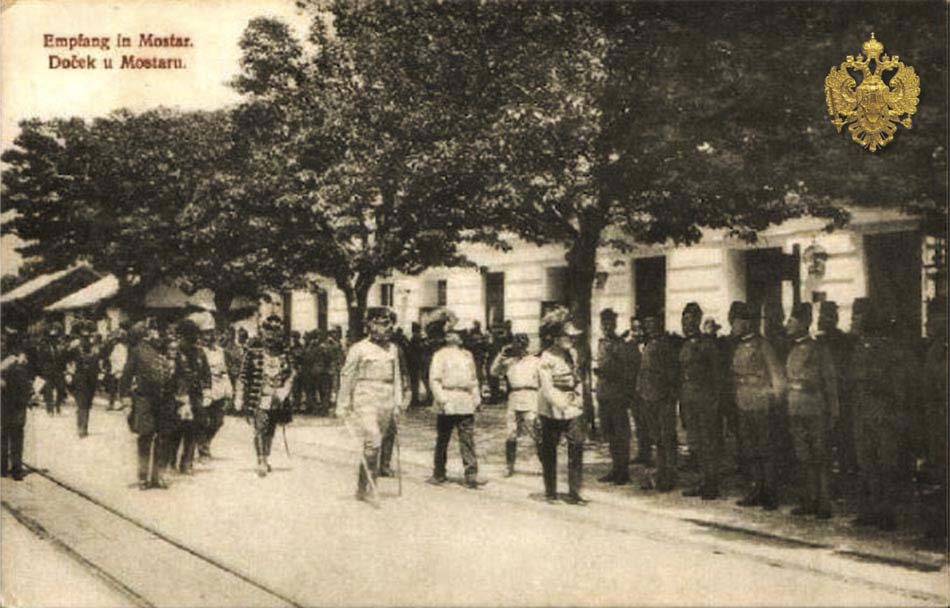
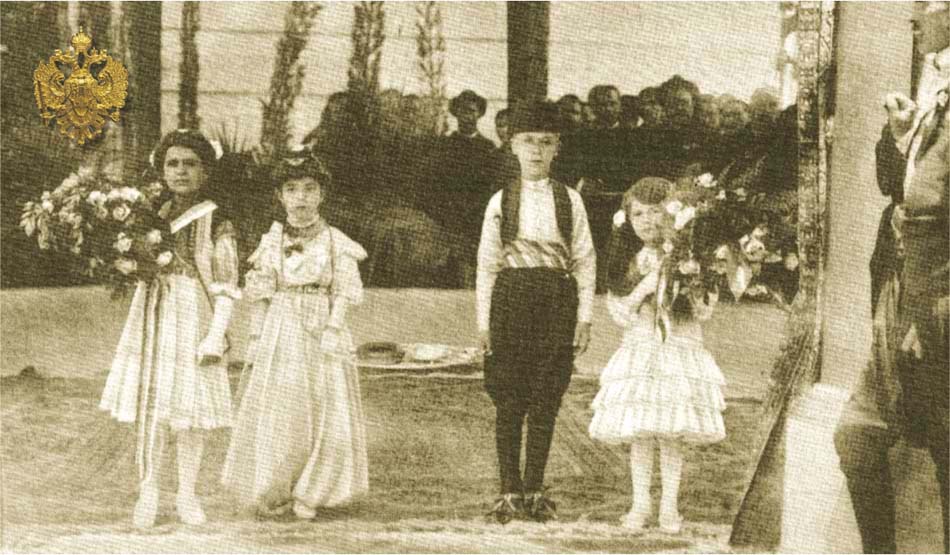
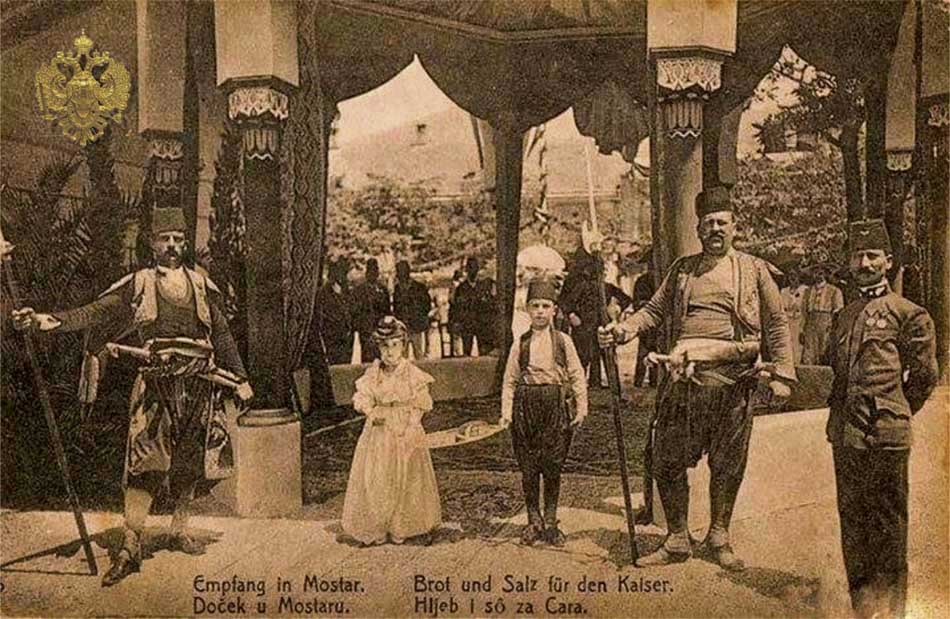
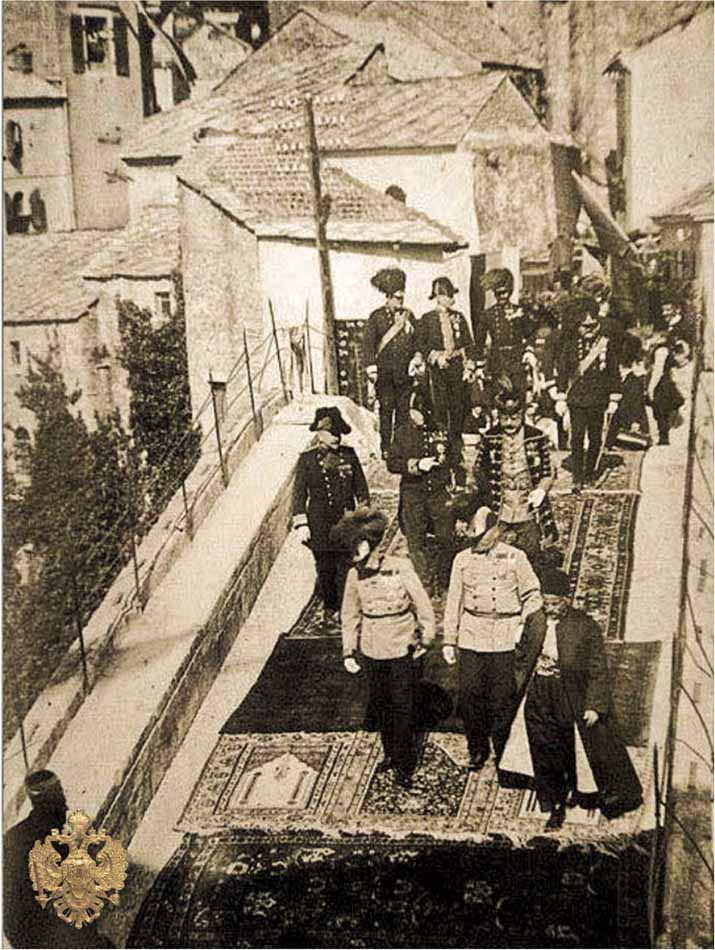
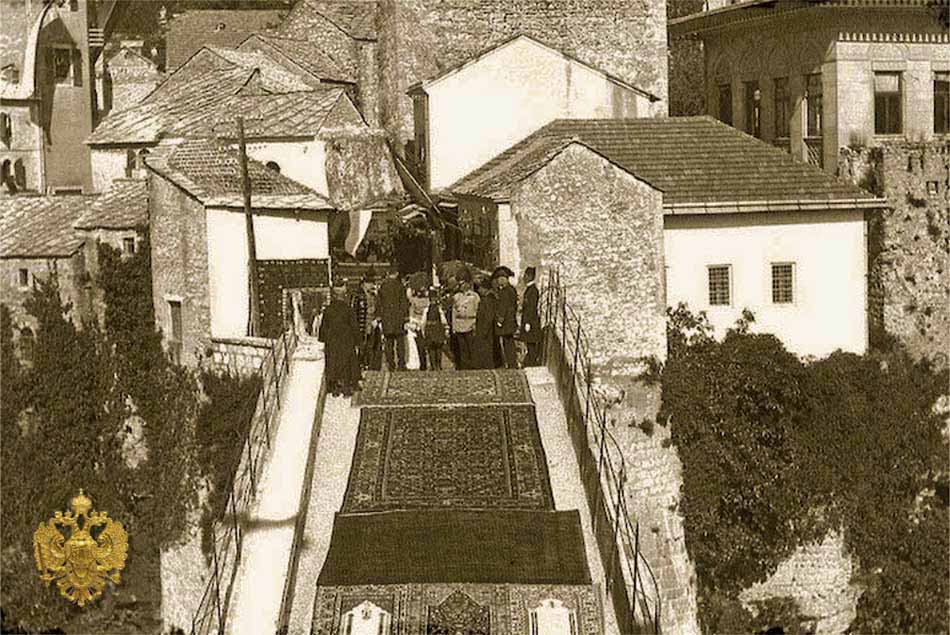
On June 31st, the emperor visited the government palace, the main religious sites of all denominations in Sarajevo, and the City Hall. On June 1st, he visited the State Monastery, from where he mounted a horse and headed to the parade ground, where he inspected the military units. On June 2nd, the emperor drove across Bentbaša and Mošćanica to Pasina Hill, and later returned to the city via Koševo and headed to the Konak. Around noon, he traveled by royal carriage to Ilidža, and later to the Vrelo Bosne springs. The next morning, June 3rd, the emperor set out on a journey to Mostar, briefly stopping in Konjic and Jablanica. He arrived in Mostar around 12:00 PM amidst artillery salutes from the Humska plain. Everything in Mostar — from the finest Persian silk rugs to ordinary woven folk textiles, flags, greenery, triumphal arches — made the city look like never before. The emperor rested and had lunch at the Narenta hotel, then later sat in a carriage and began a drive through Mostar. He visited the Old Bridge, which was covered with carpets, and then headed toward the Radobolja spring. From there, he returned to the railway station, where the attendees gathered for farewells. Around 4:00 PM, with artillery salutes, the royal train departed from Mostar back toward Vienna, passing through Sarajevo, Dober, and Bosanski Brod. It arrived in Vienna the following day at 8:45 PM.
In his telegram addressed to the provincial leader Marjan Varešanin, Emperor Franz Joseph I shares his impressions from his stay in Bosnia and Herzegovina, expressing satisfaction with the loyalty and devotion he encountered everywhere along his journey in this beautiful Bosnia. He happily notes that the sense of loyalty towards himself and the Monarchy has taken deep root in all circles of Bosnian and Herzegovinian society.
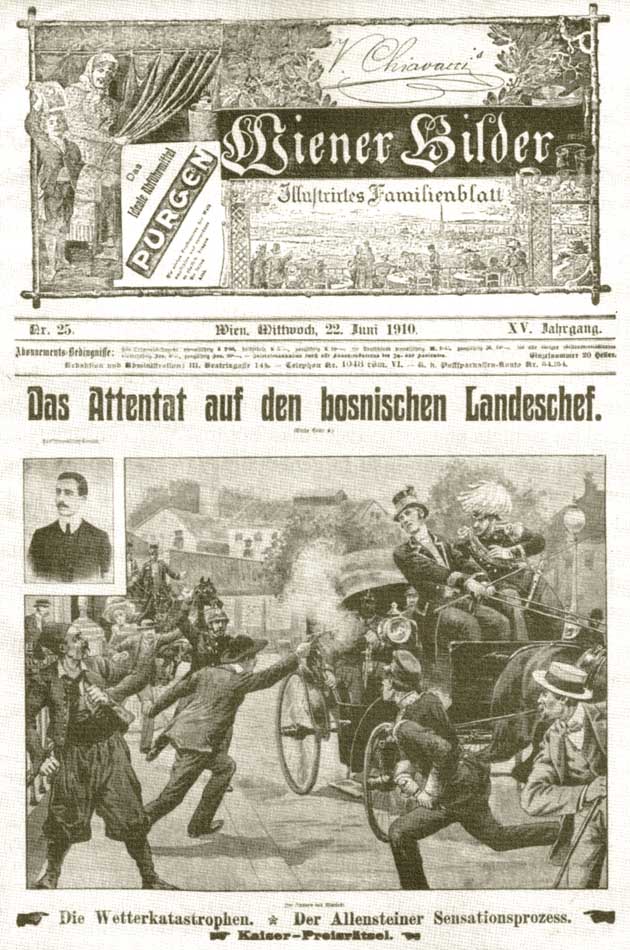
On June 15, 1910, Bogdan Žerajić carried out an assassination attempt on the provincial governor, Marjan Varešanin. Despite five shots fired (the sixth he used to kill himself), General Varešanin remained unharmed. Four years later, on June 28, 1914, Gavrilo Princip assassinated Archduke Franz Ferdinand. It was the spark that ignited the world — the path to World War I.