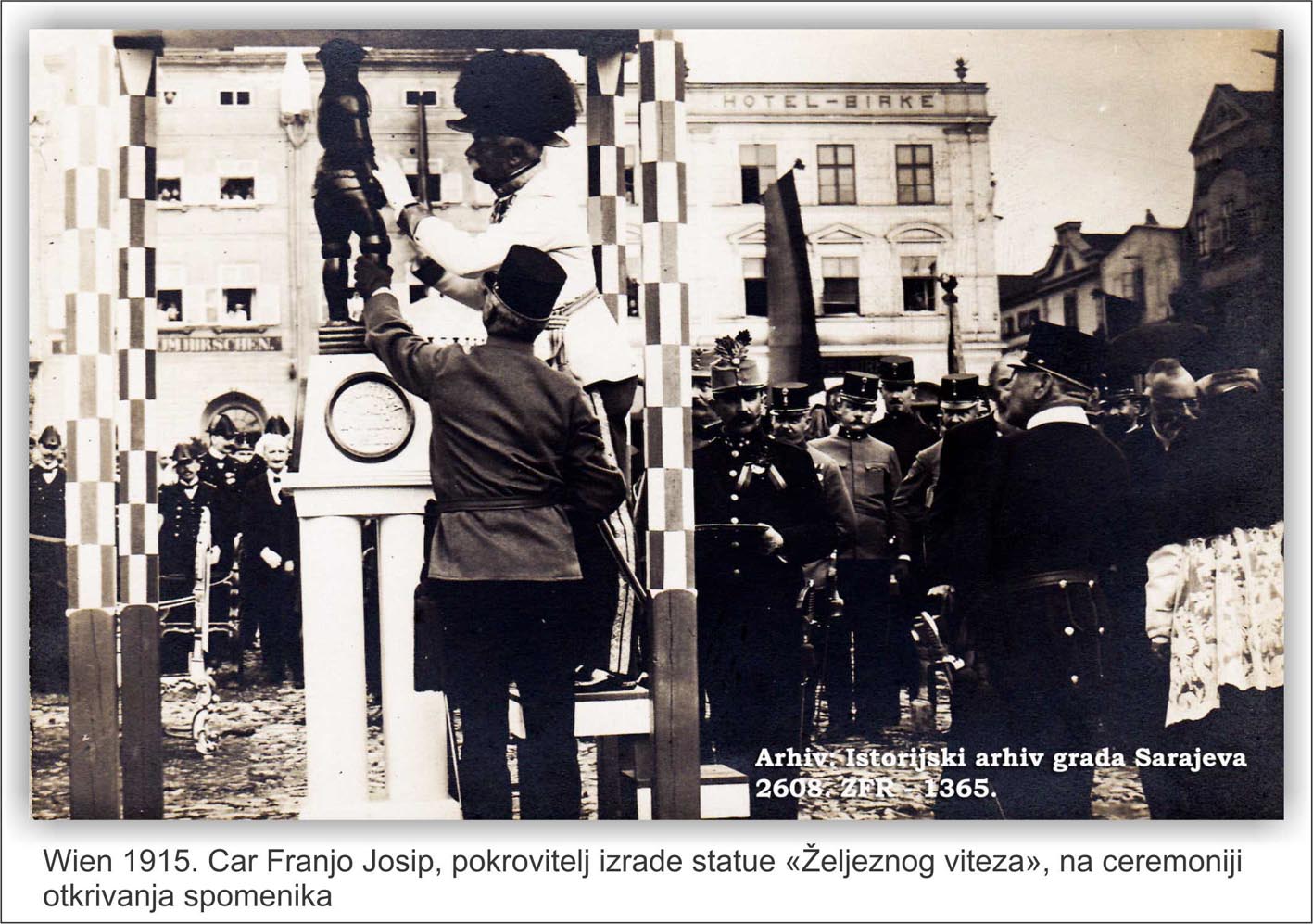
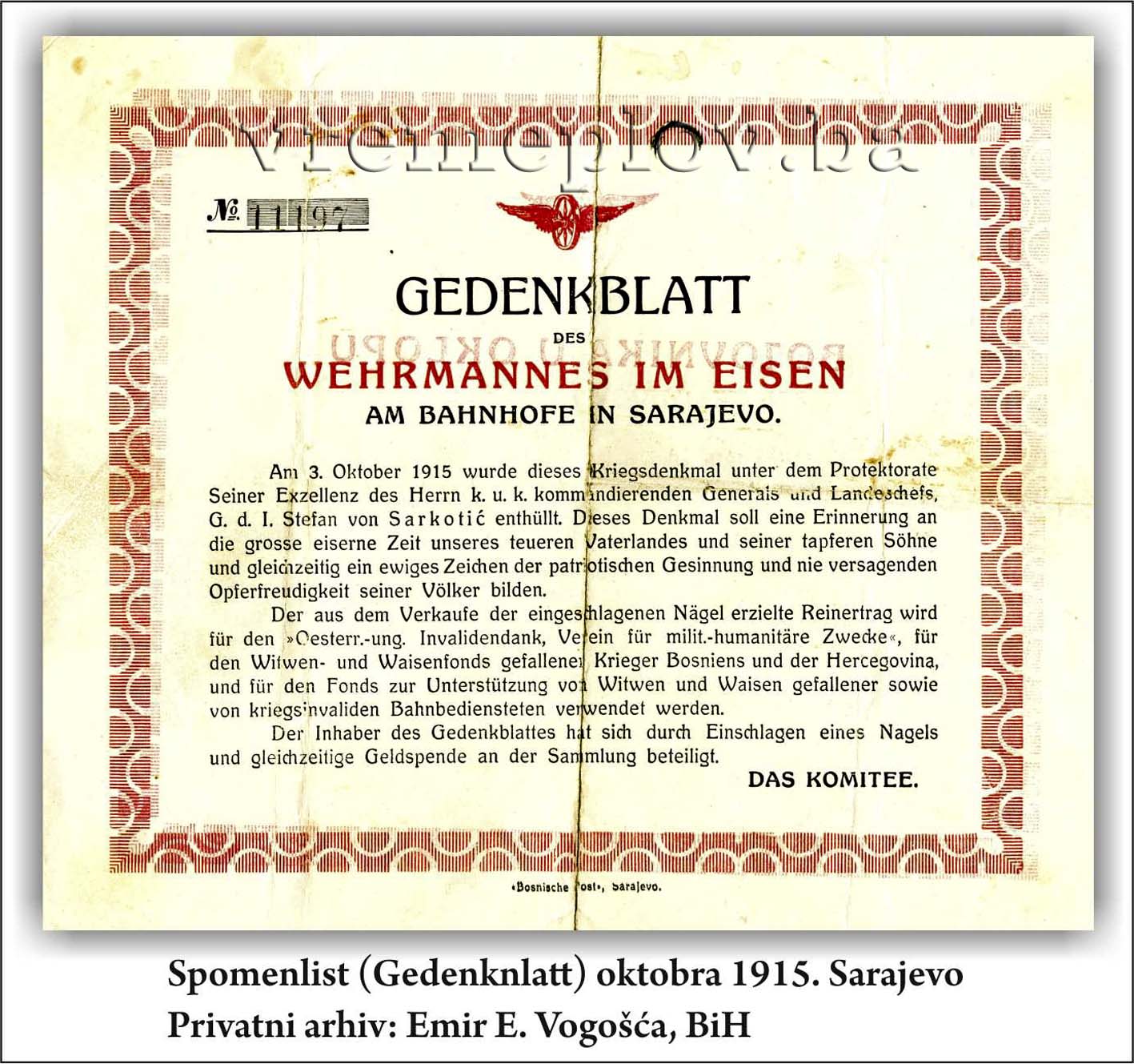
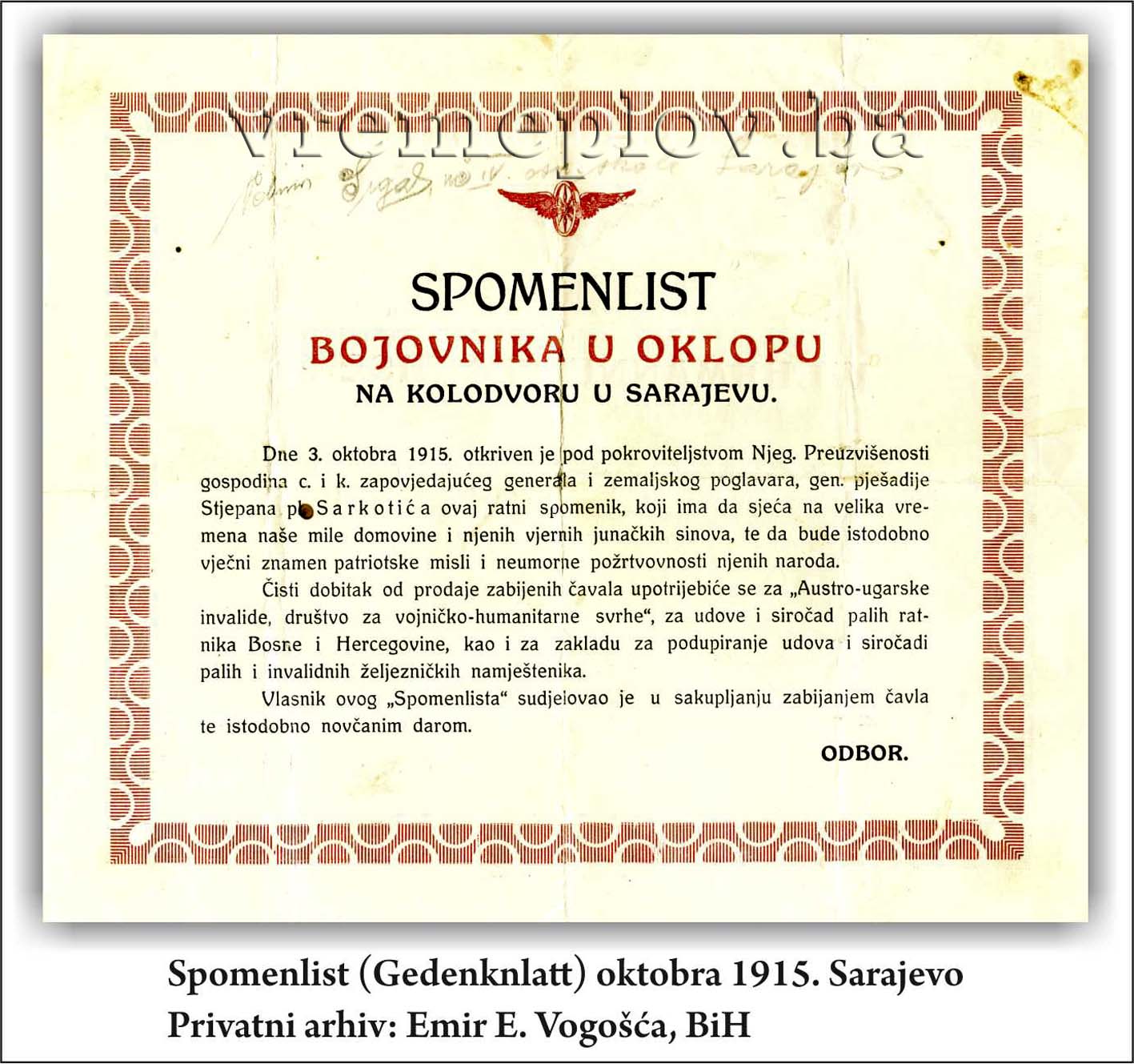
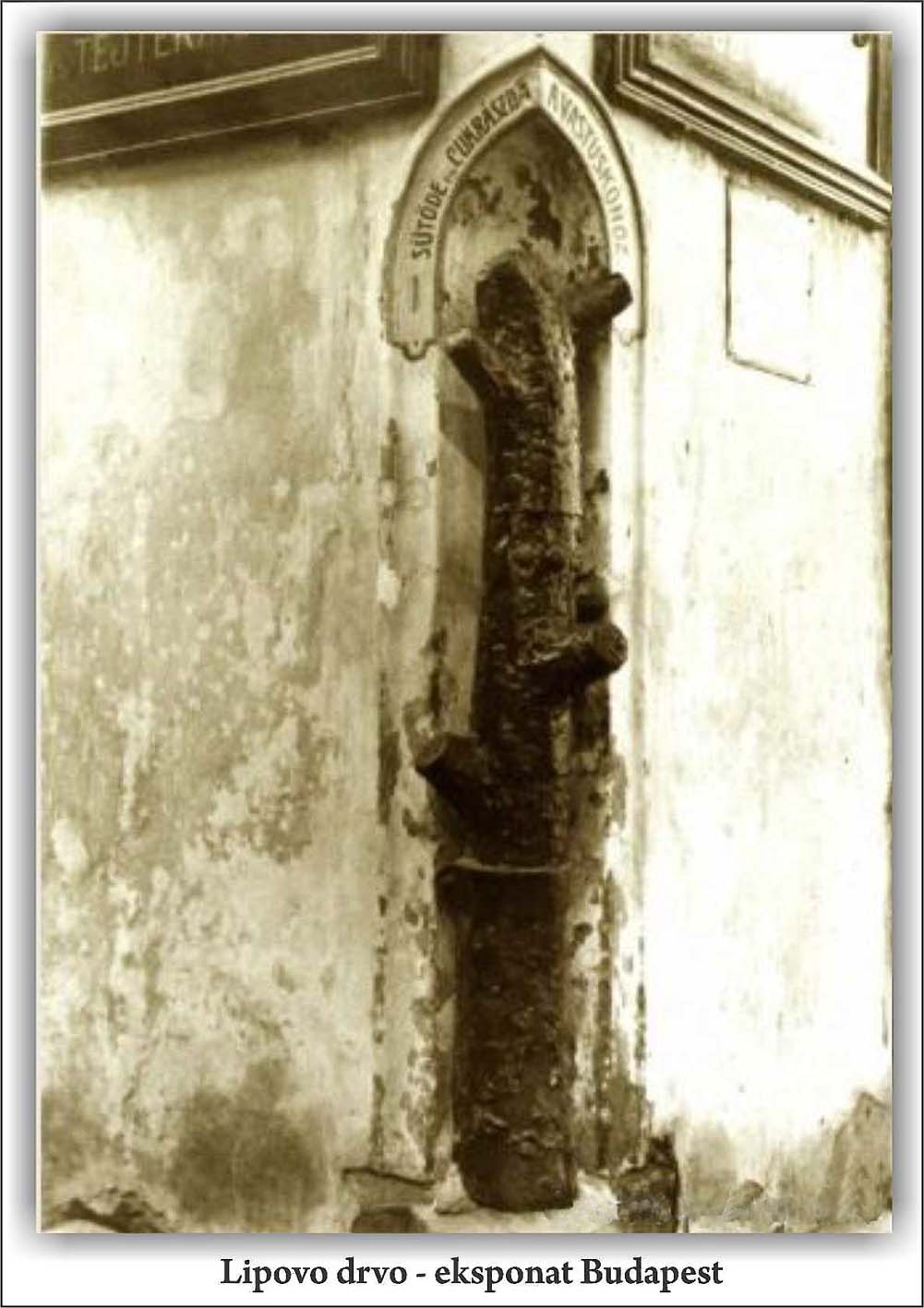
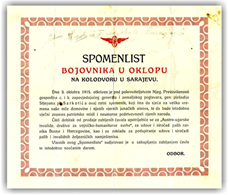
We quote: “On October 3, 1915, this war monument was unveiled under the patronage of His Excellency, the General and Land Commander, Prince Stjepan Sarkotić, by His Imperial and Royal Highness, which is to serve as a reminder of the glorious times of our dear homeland and its loyal heroic sons, and to be simultaneously an everlasting symbol of patriotic thought and the tireless sacrifice of its peoples.”
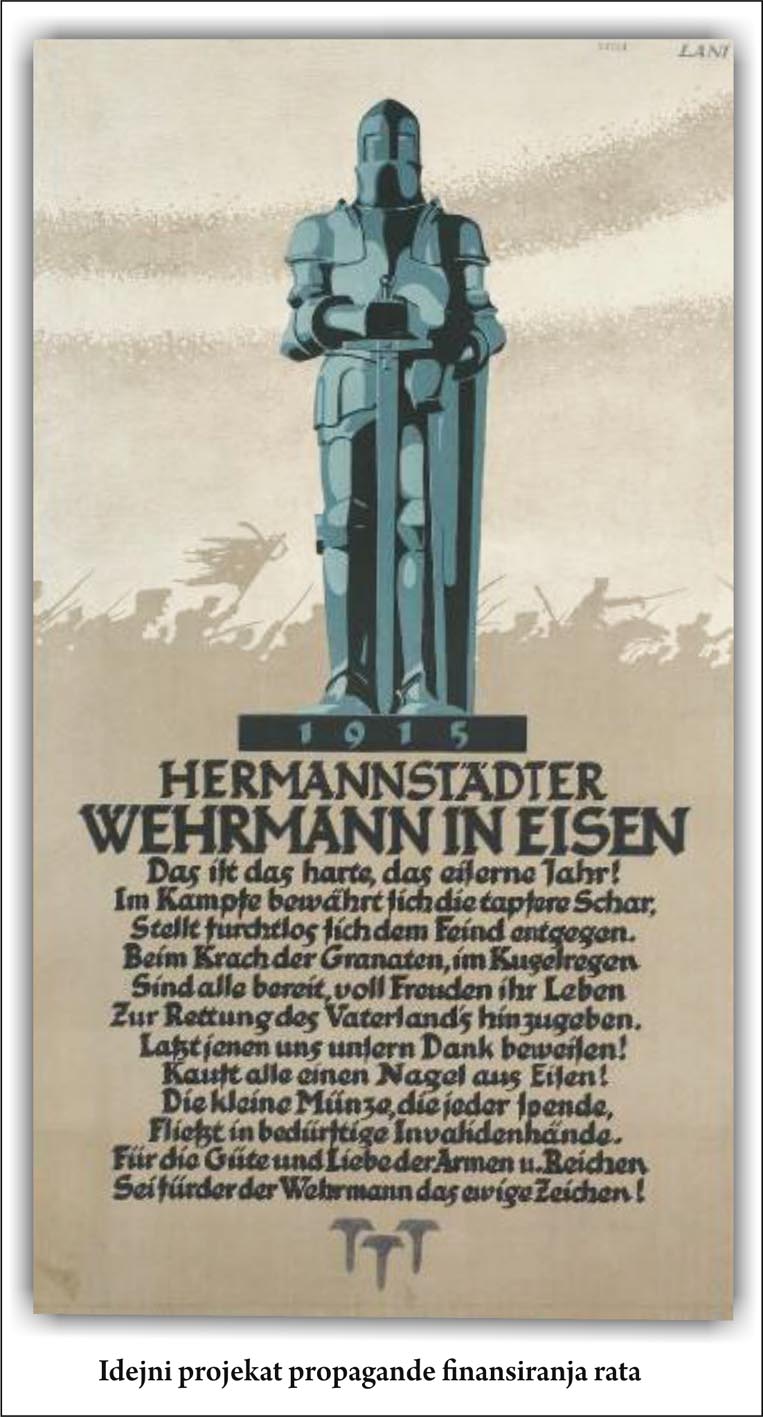
The net profit from the sale of hammered nails will be used for “Austro-Hungarian invalids, a society for military-humanitarian purposes,” for widows and orphans of fallen and disabled railway officials.
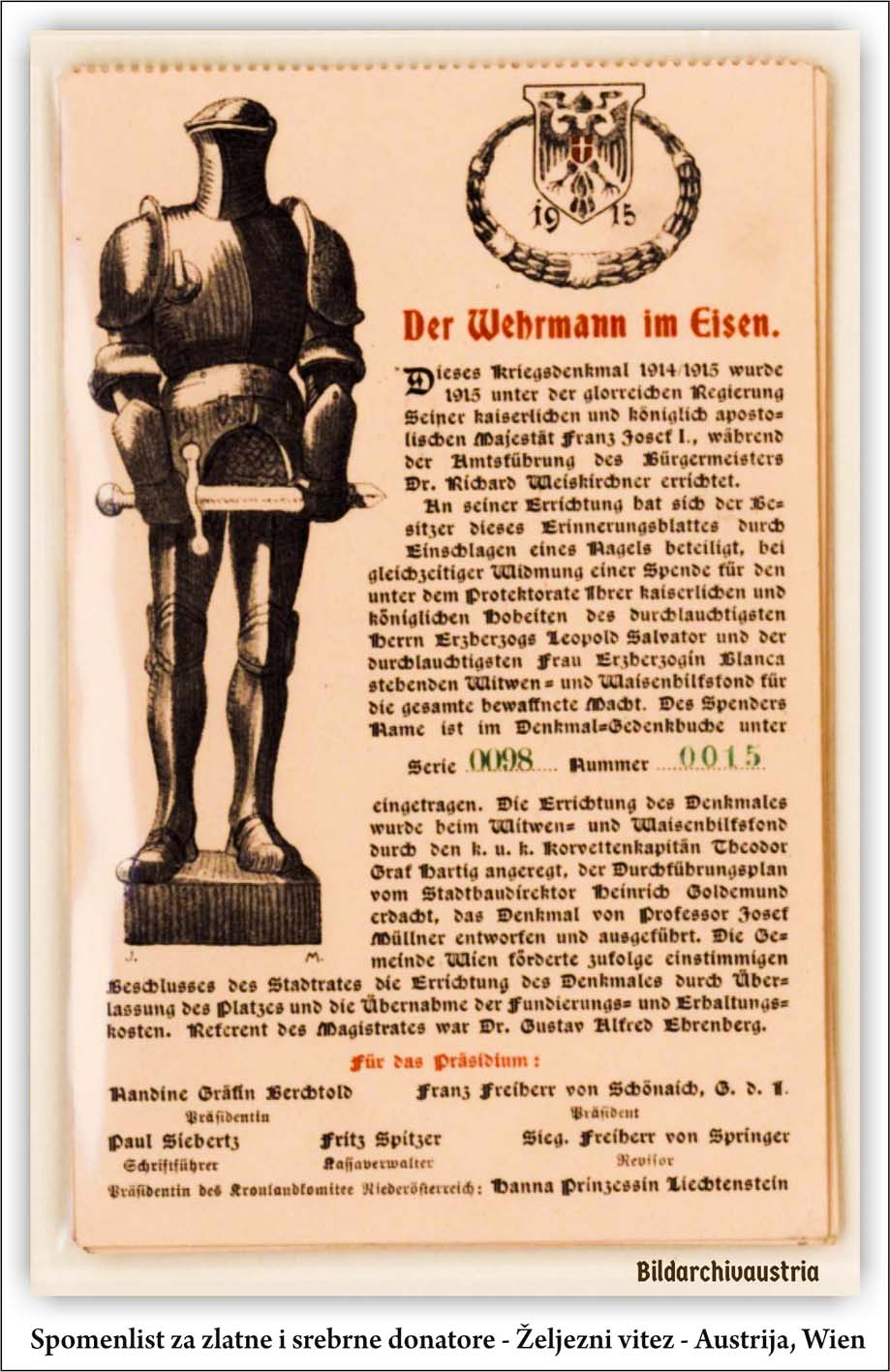
The owner of this “Memorial Page” participated in collecting by driving nails in and simultaneously making a monetary donation.
From History – How It All Began
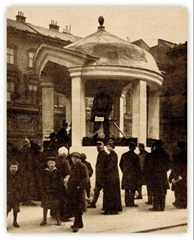
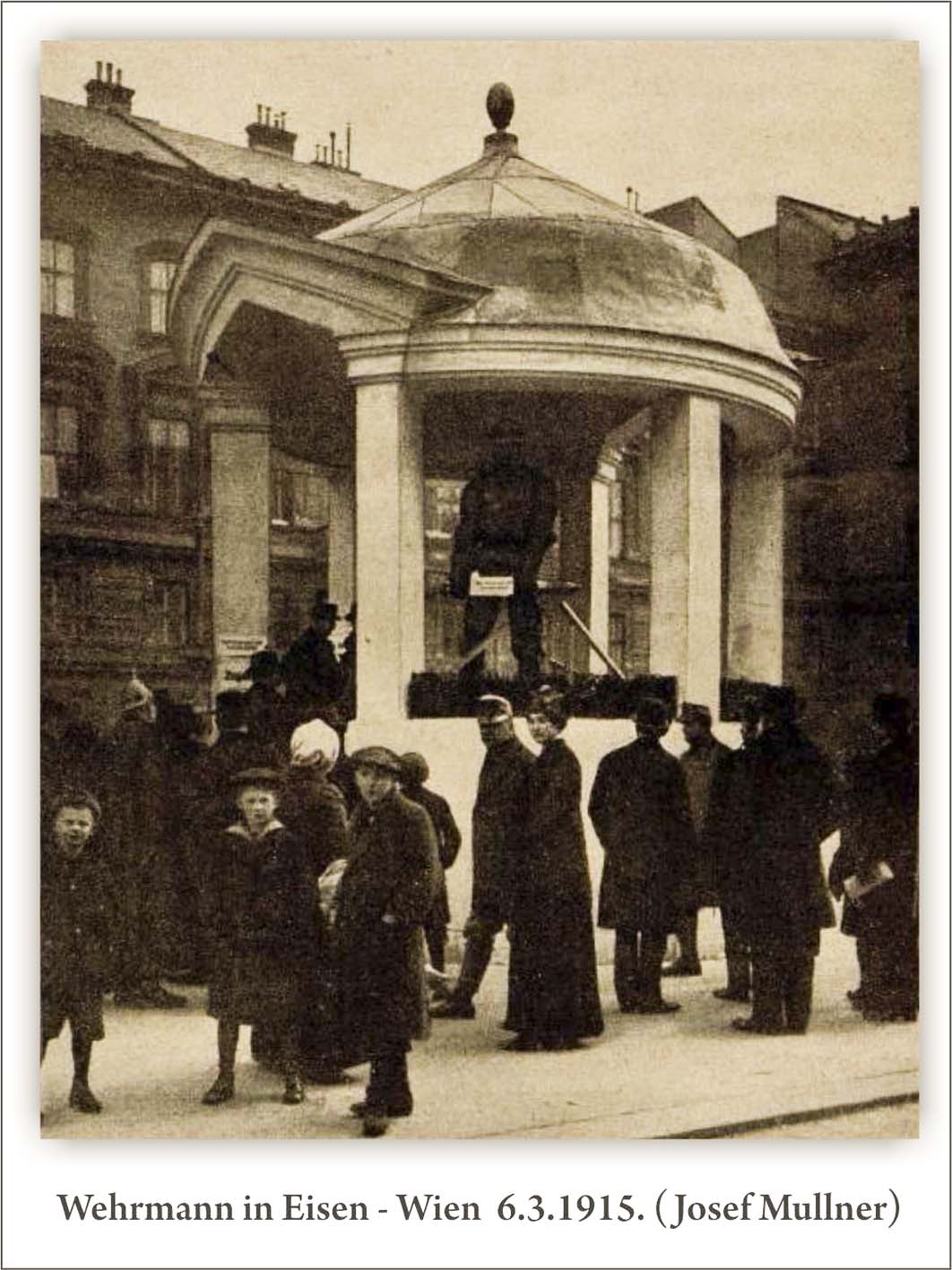
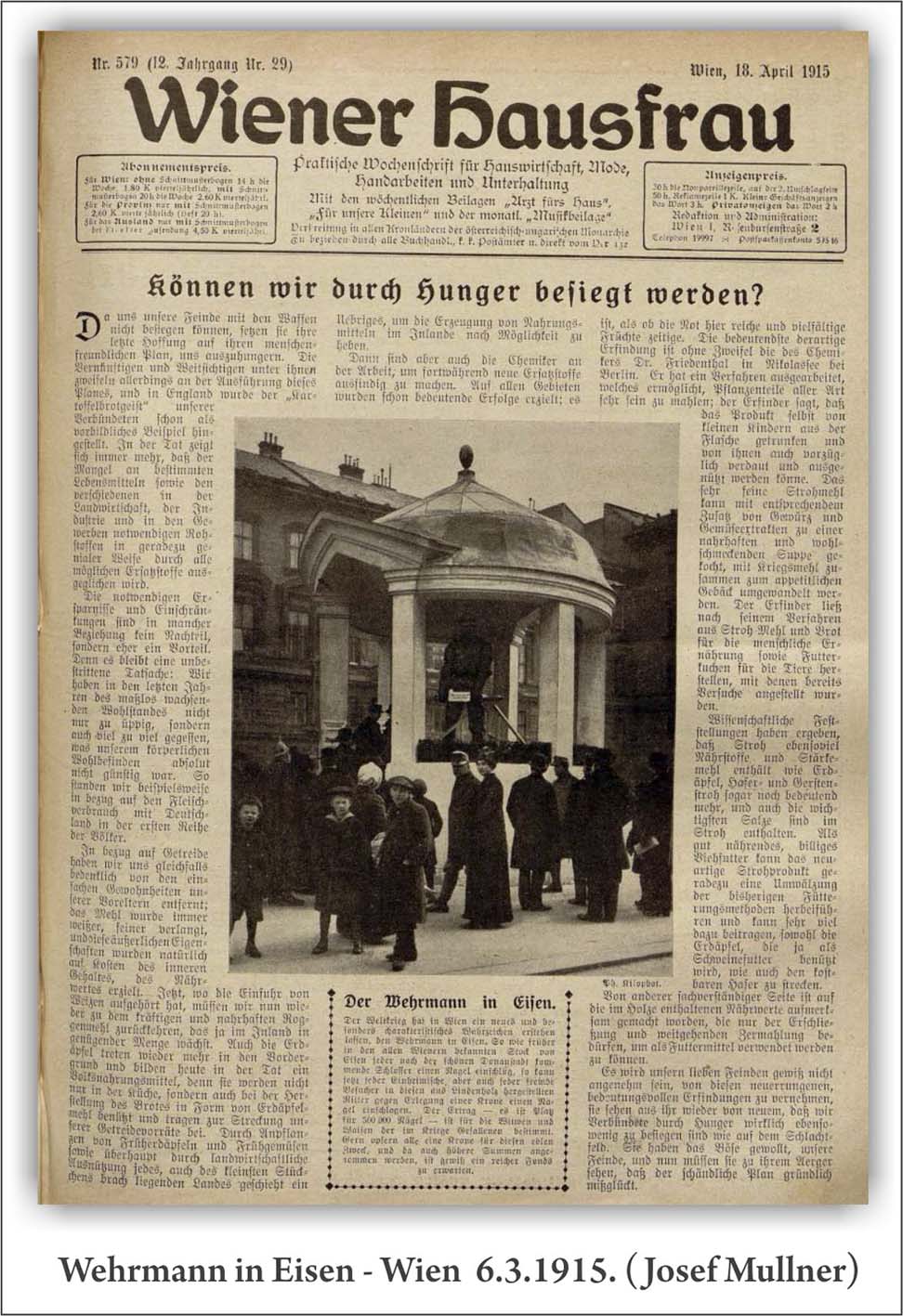
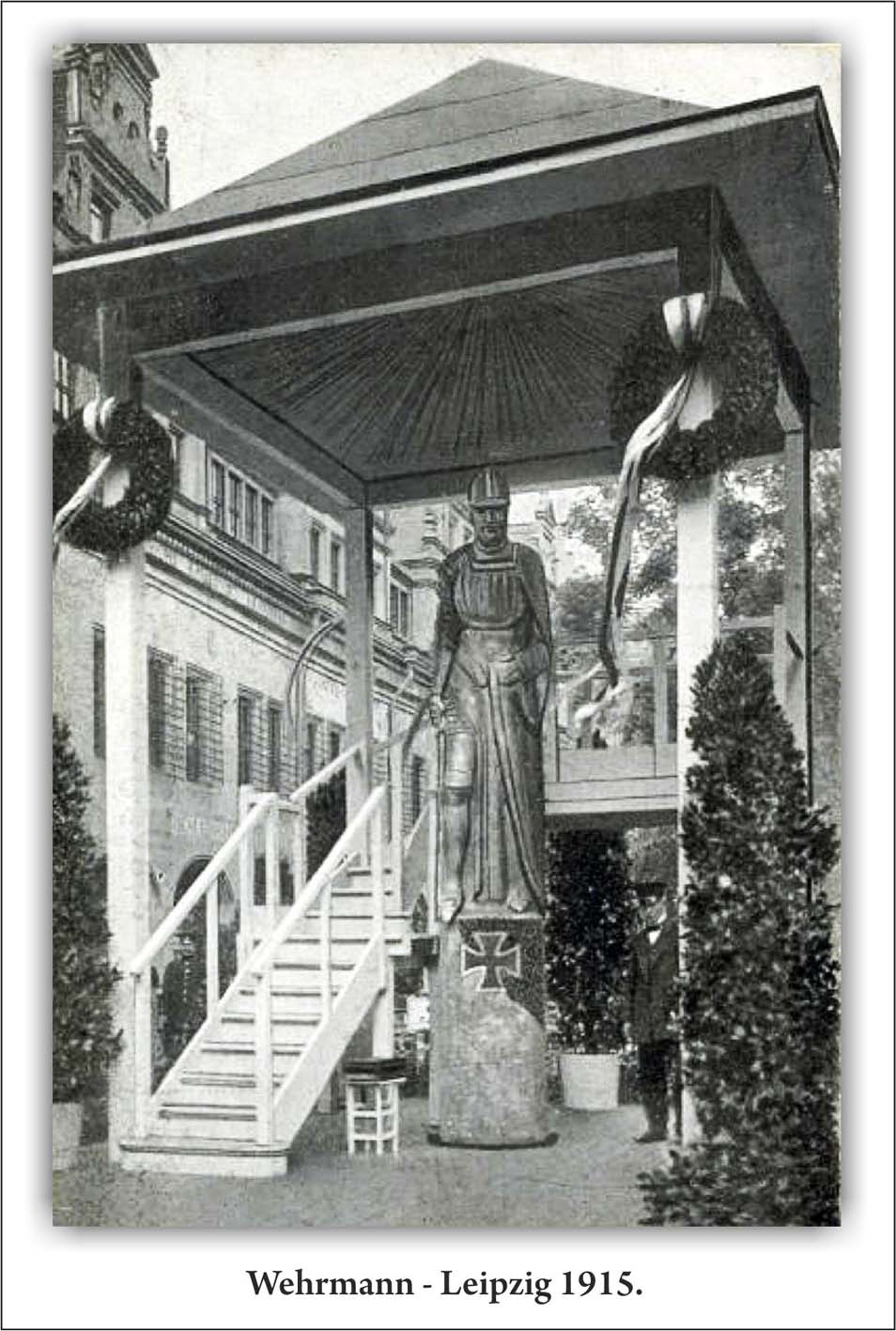
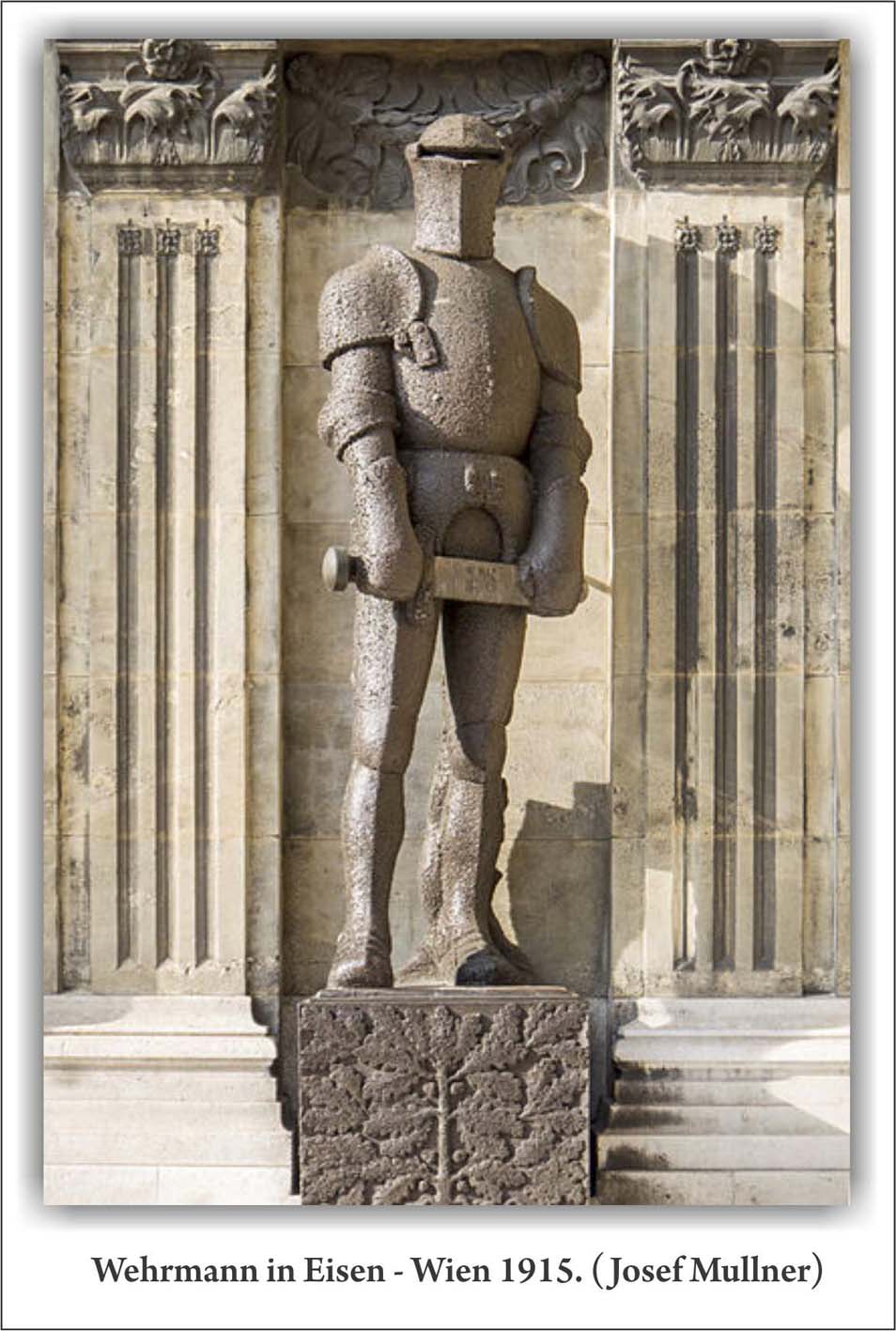
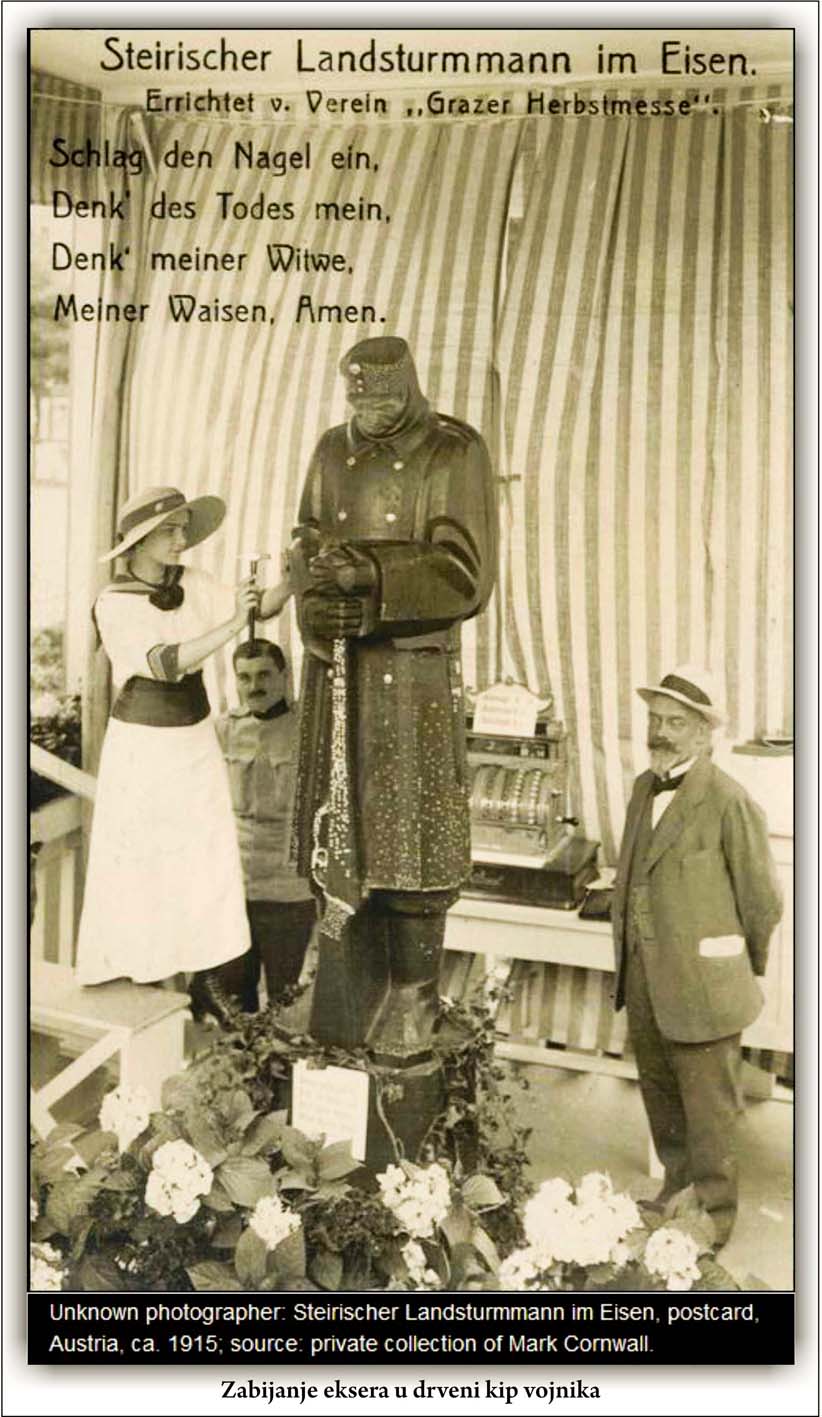
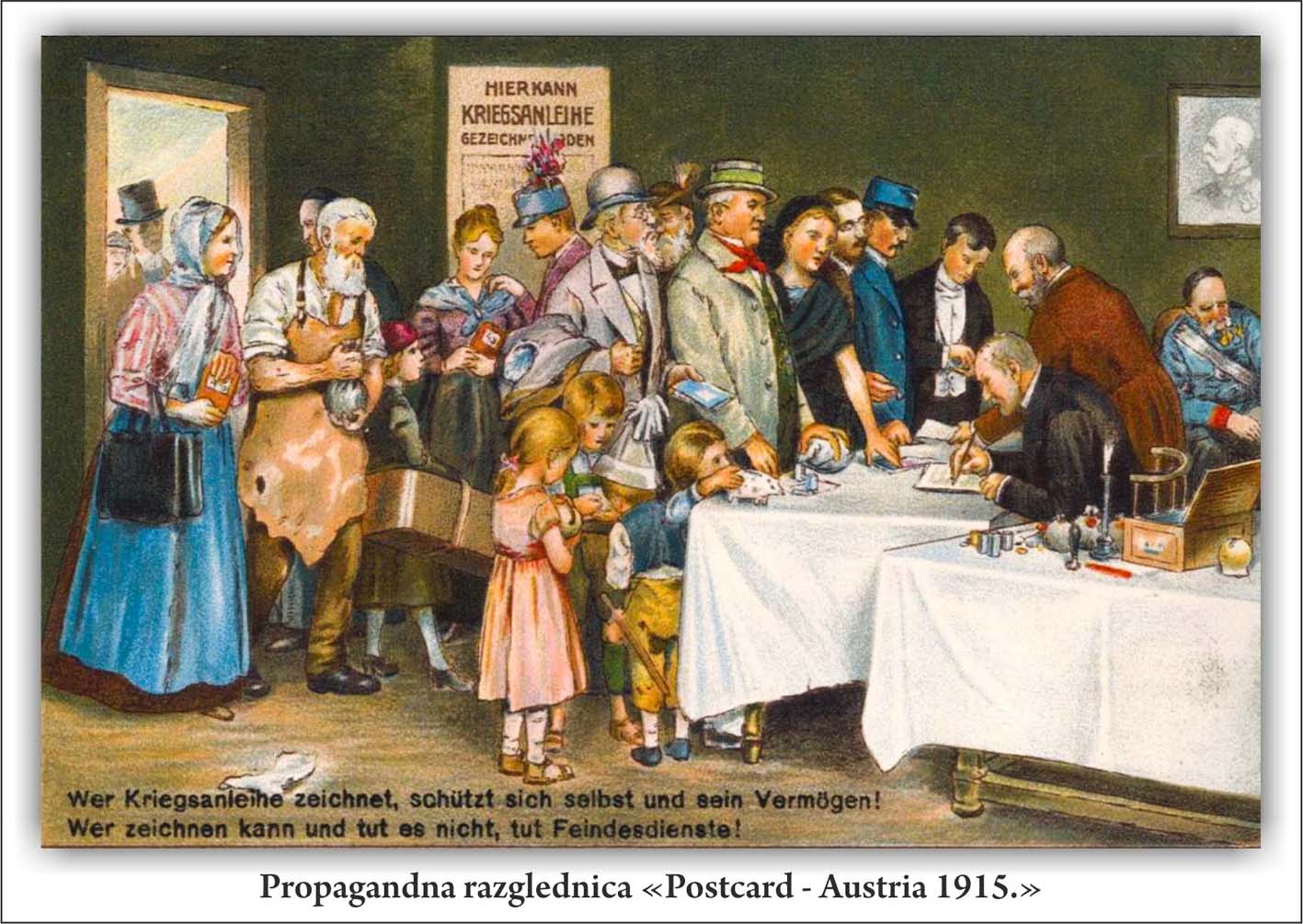
After the outbreak of World War I, wooden statues called “The Iron Knight” or “Soldier in Iron” (Wehrmann im Eisen) were placed in larger cities of Germany and Austro-Hungary (accounts mention around 700 cities). The first such monument was erected on March 6, 1915, in Vienna, where benefactors could, depending on the size of their donation, drive in gold, silver, and iron nails. This, let’s call it, war memorial symbolized an element of war propaganda, all in the service of remembrance and patriotic thought for soldiers on bloody battlefields across Europe. Likewise, the civil authorities of the cities where such a monument was located used it for “military and humanitarian purposes” in collecting funds to aid in the care of the wounded, war invalids, widows, and war orphans. In places where the statue was made of iron (copper and similar materials), the purchased nails were hammered into wood (mainly linden wood), while where a carved wooden statue was located, the nails were driven into the surface of the statue itself.
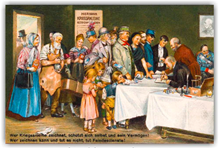
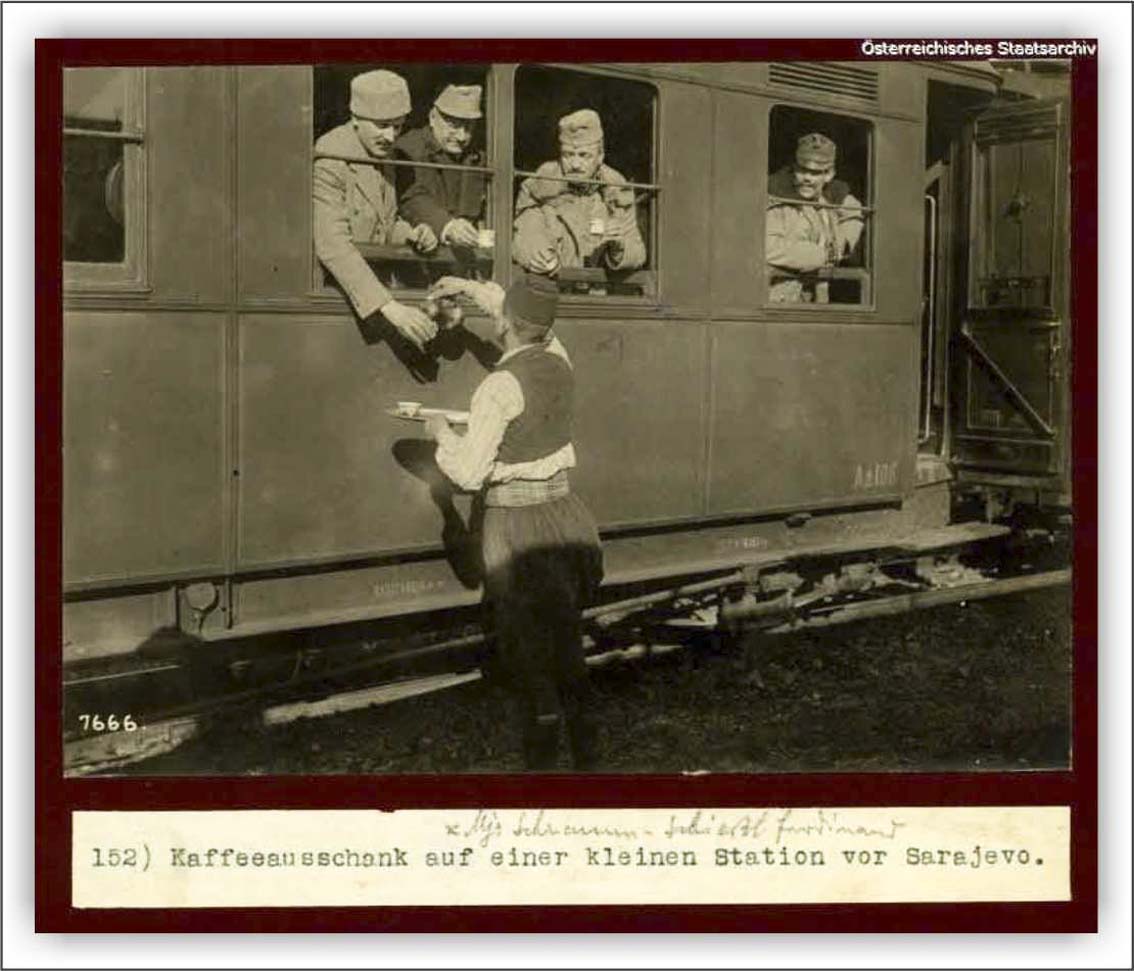
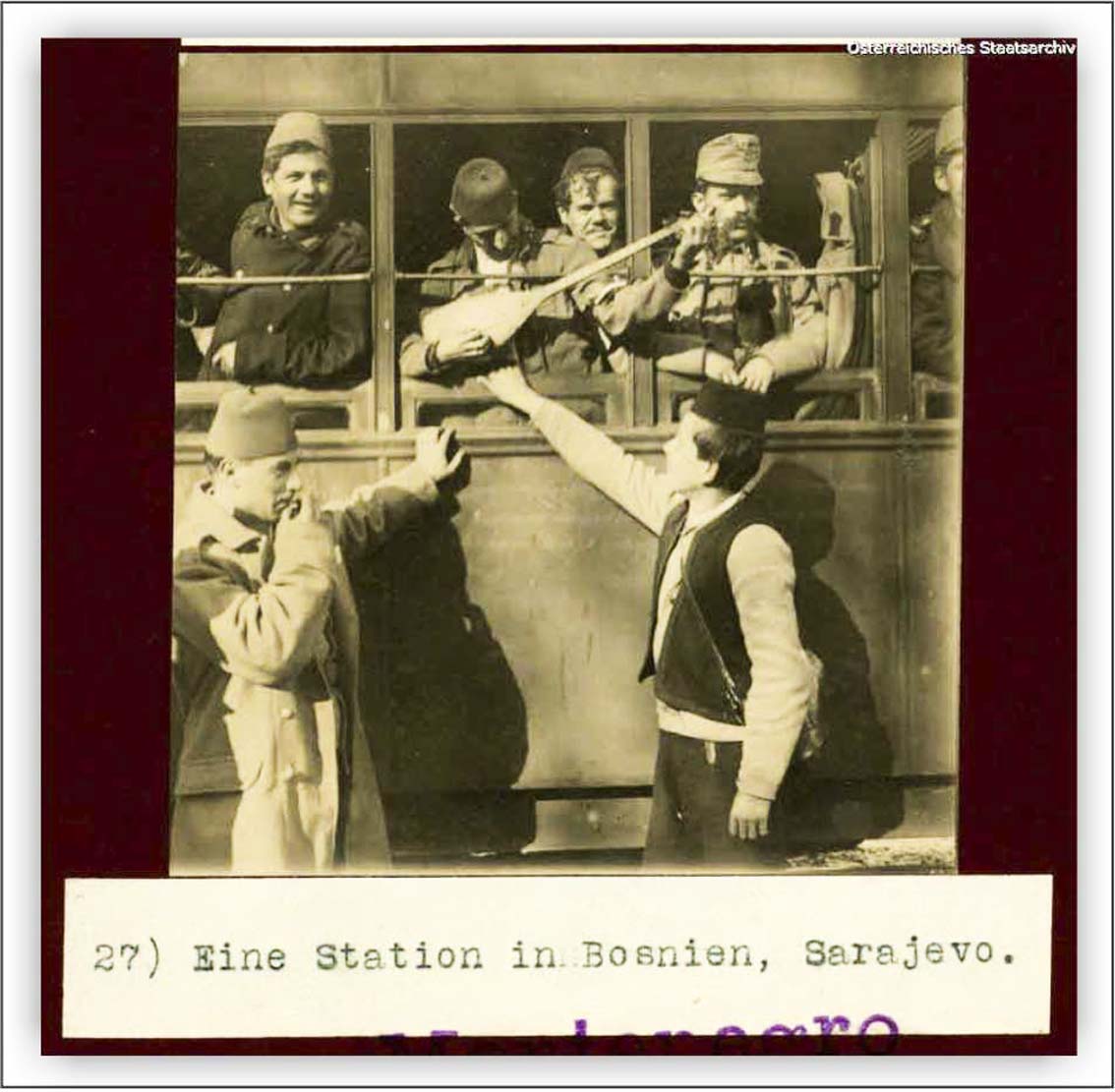
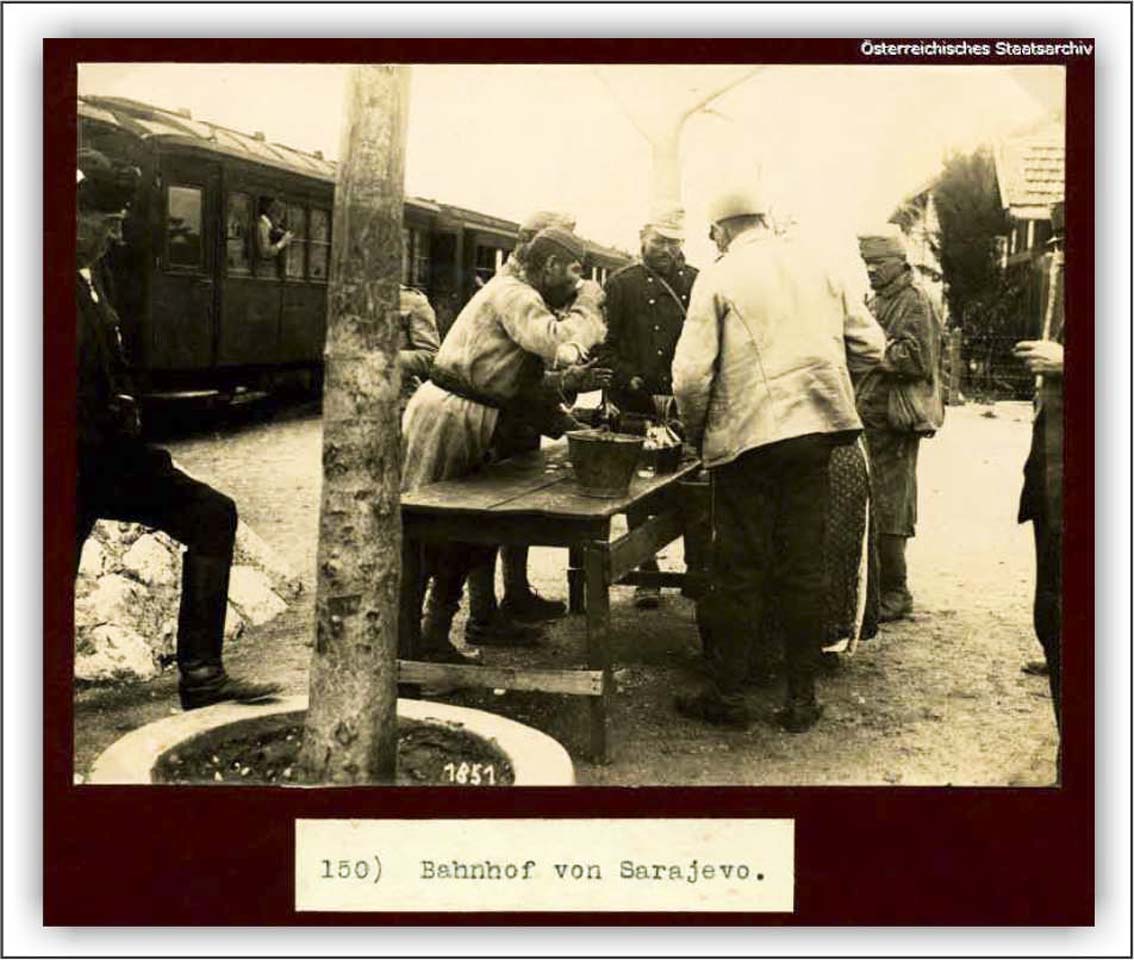
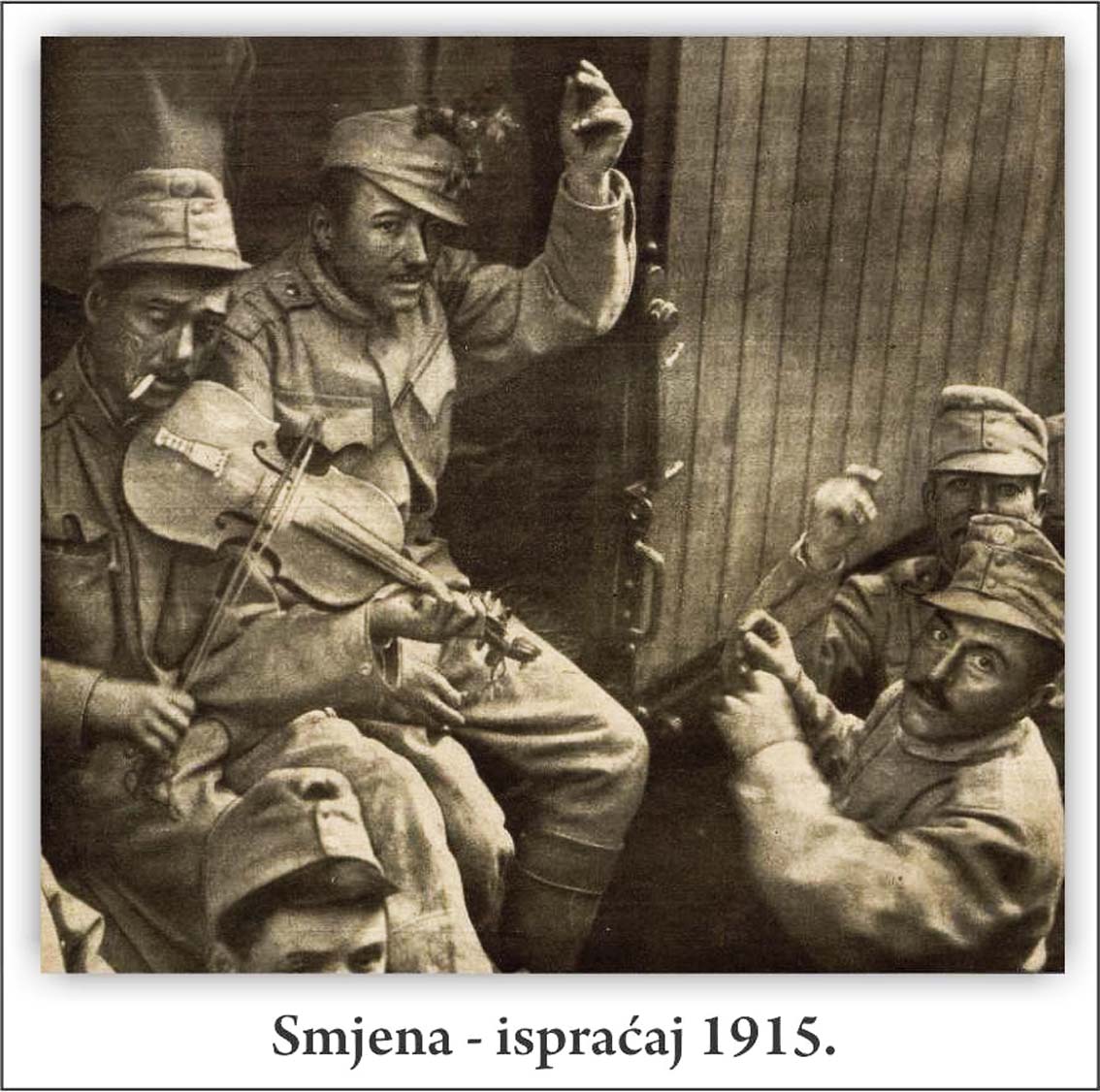
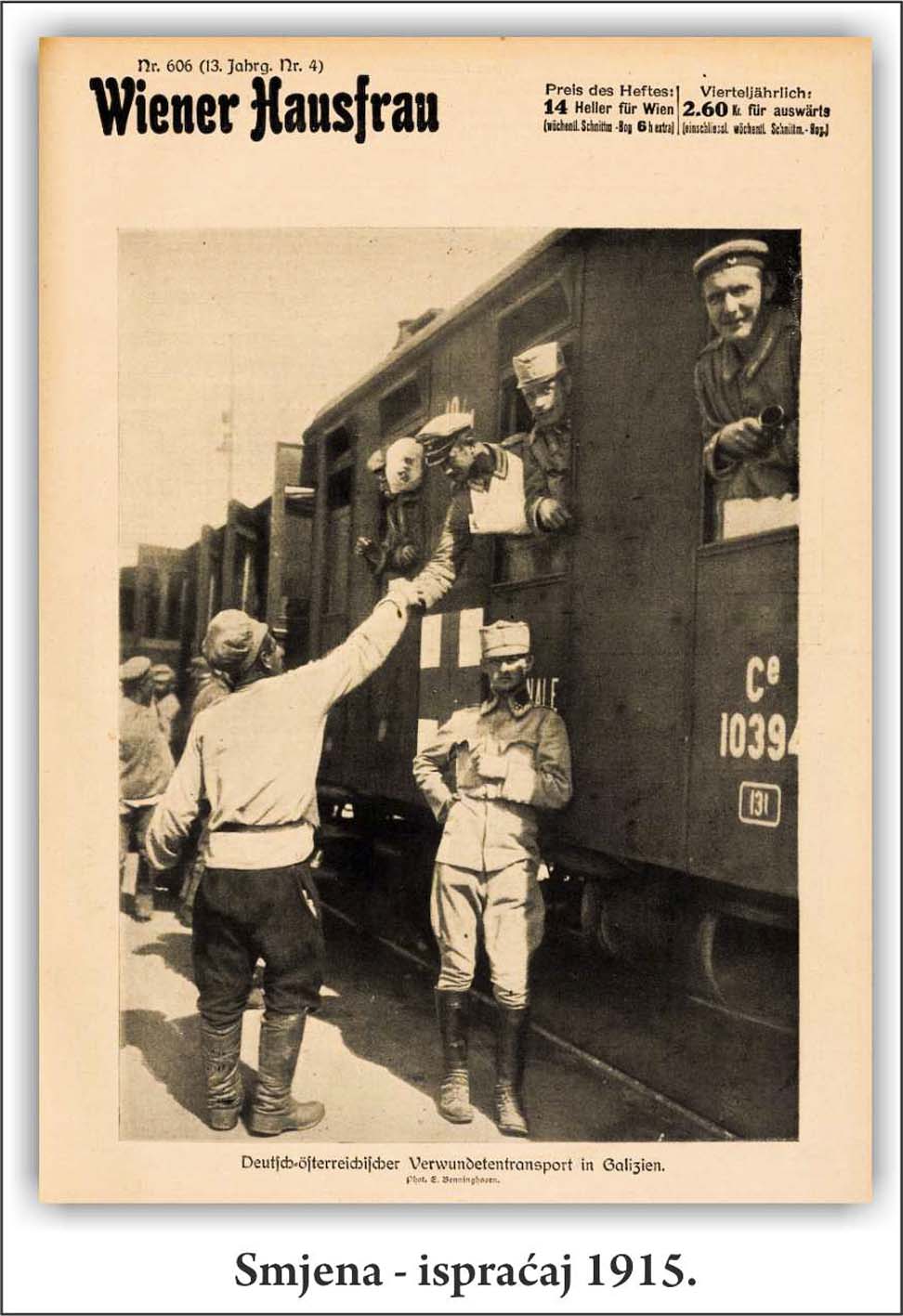
Following the example set by the initiated campaign, which was launched in Vienna and many cities of the Monarchy, and thanks to the first substantial donations from the residents of Zagreb, a humanitarian effort was organized to welcome trains carrying wounded soldiers from the front lines. They were offered warm drinks, clothing, and words of support for a swift recovery.
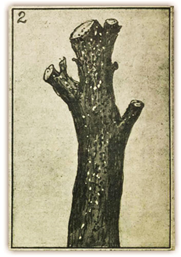
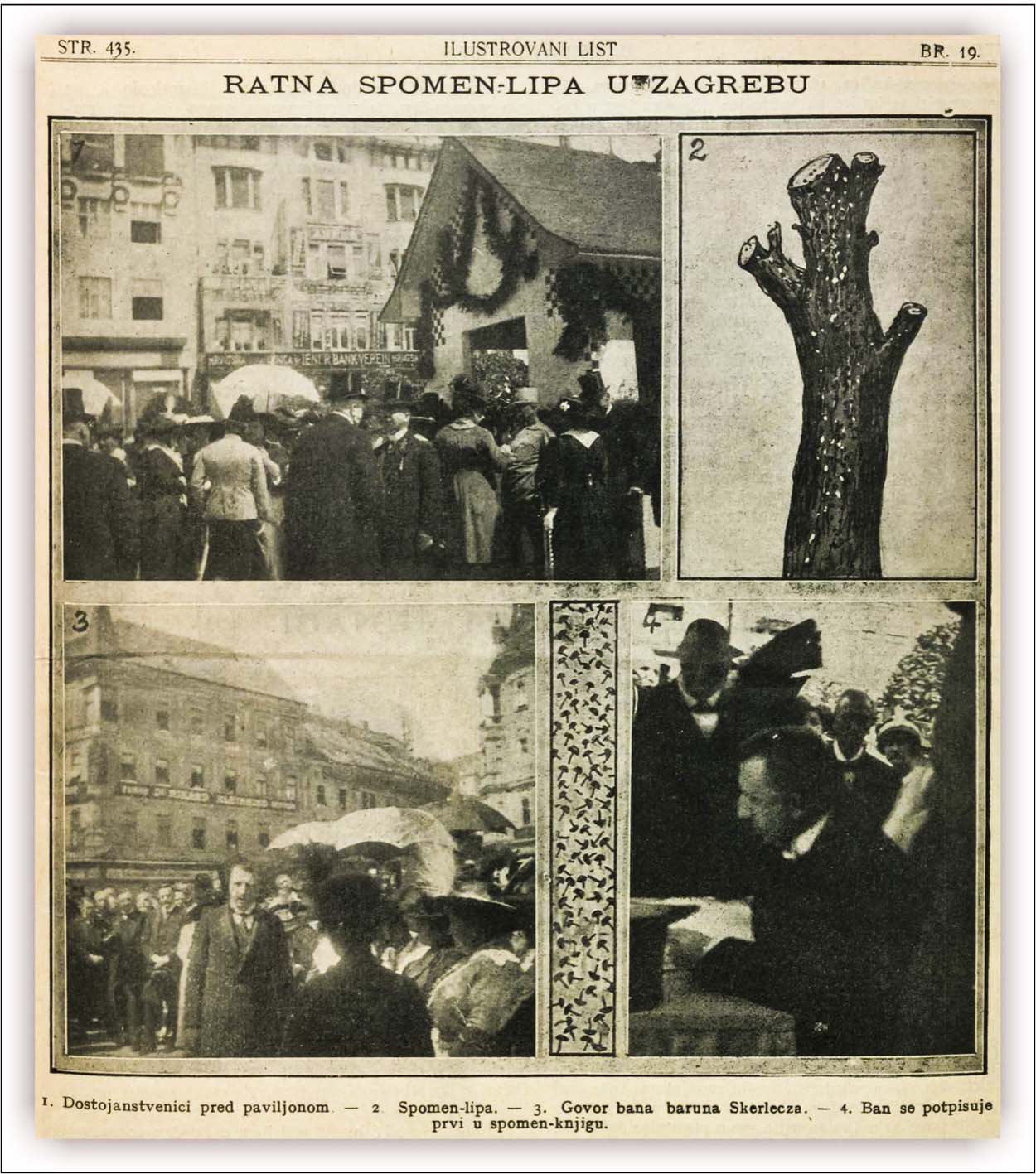
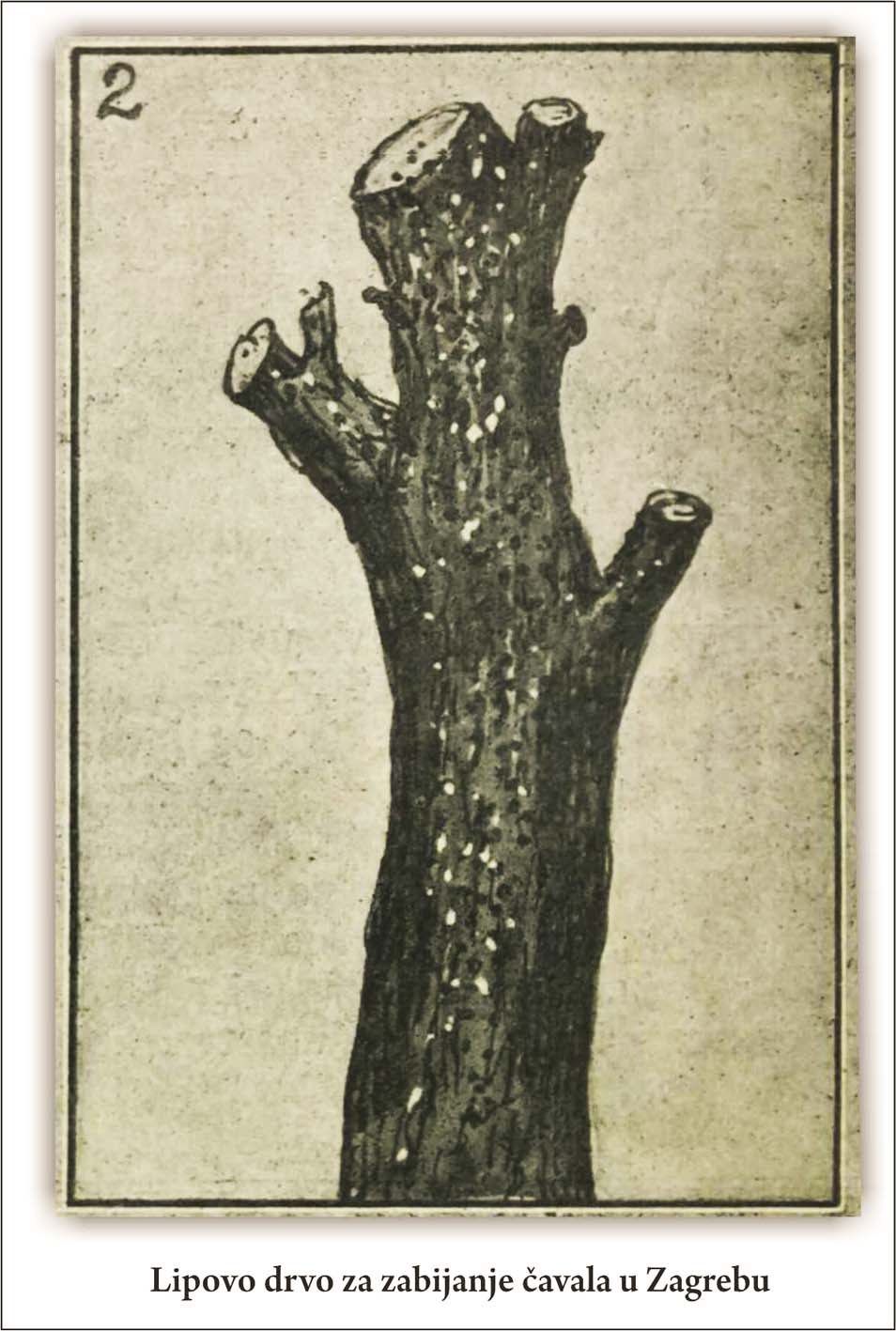
On May 2, 1915, the Organizational Committee of Zagreb Ladies for War Assistance set up a pavilion on Zagreb’s main Jelačić Square as part of the “Memorial Linden” initiative, which involved a log of linden wood where passersby could drive nails with the slogan: “Let’s take care of the future of the orphaned children of our fallen heroes.” The ceremonial program, which included the formation of veterans and military band music from the 25th Home Guard Infantry Regiment, was opened by Ban Ivan Škrlec. For every nail hammered in, one crown was charged. If attendees (members of noble families, civil servants, merchants, and other prosperous citizens) wished to donate more, they would be recorded in the memorial book.
Knight in Iron in the city of Banja Luka
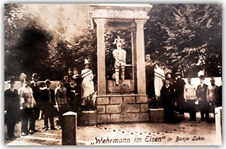
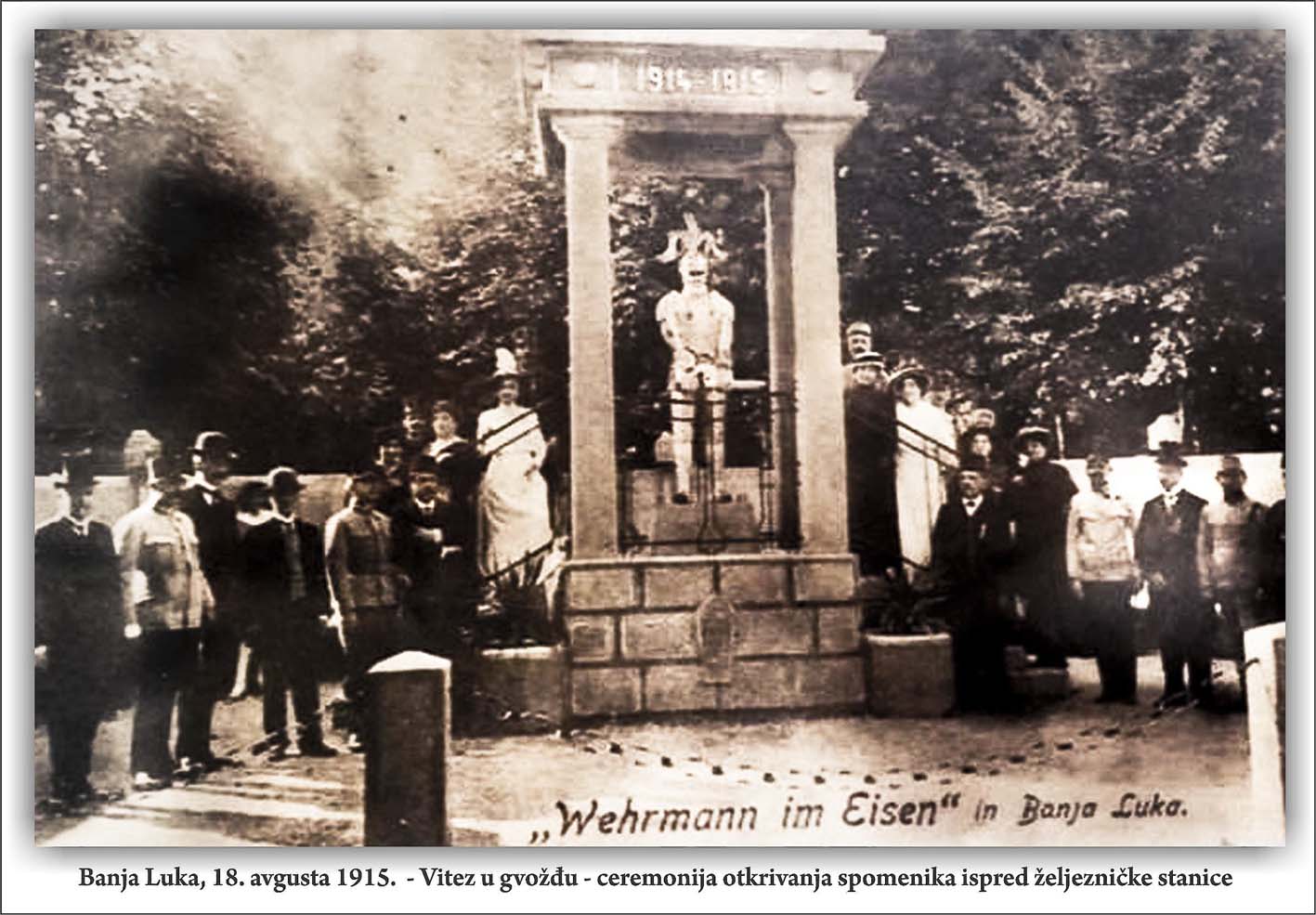
The first monument of the “Medieval Knight” in Bosnia and Herzegovina at the “Imperial Celebration” was erected in Banja Luka on August 18, 1915. The statue was made of wood, painted silver, approximately two meters tall, and was placed in front of the railway station building. Besides serving as wartime propaganda, the main goal was to collect funds to finance the war. By selling steel nails, each donor was enabled to drive a nail into the wooden statue. The Organizing Committee arranged to print a postal (touring) card featuring a picture of the statue (Verlag des komitees für den „Wehrmann im eisen“ in Banja Luka), and on the back was stamped with a Red Cross seal so that anyone purchasing this card would directly aid in financing and assisting the families of fallen soldiers and war orphans.
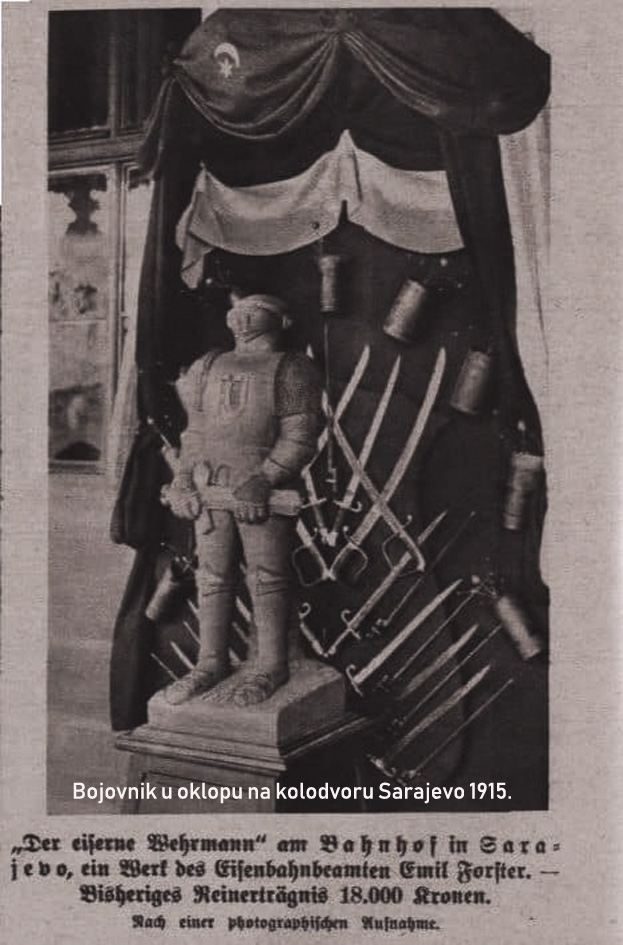
Warrior in Armor at the Sarajevo Railway Station
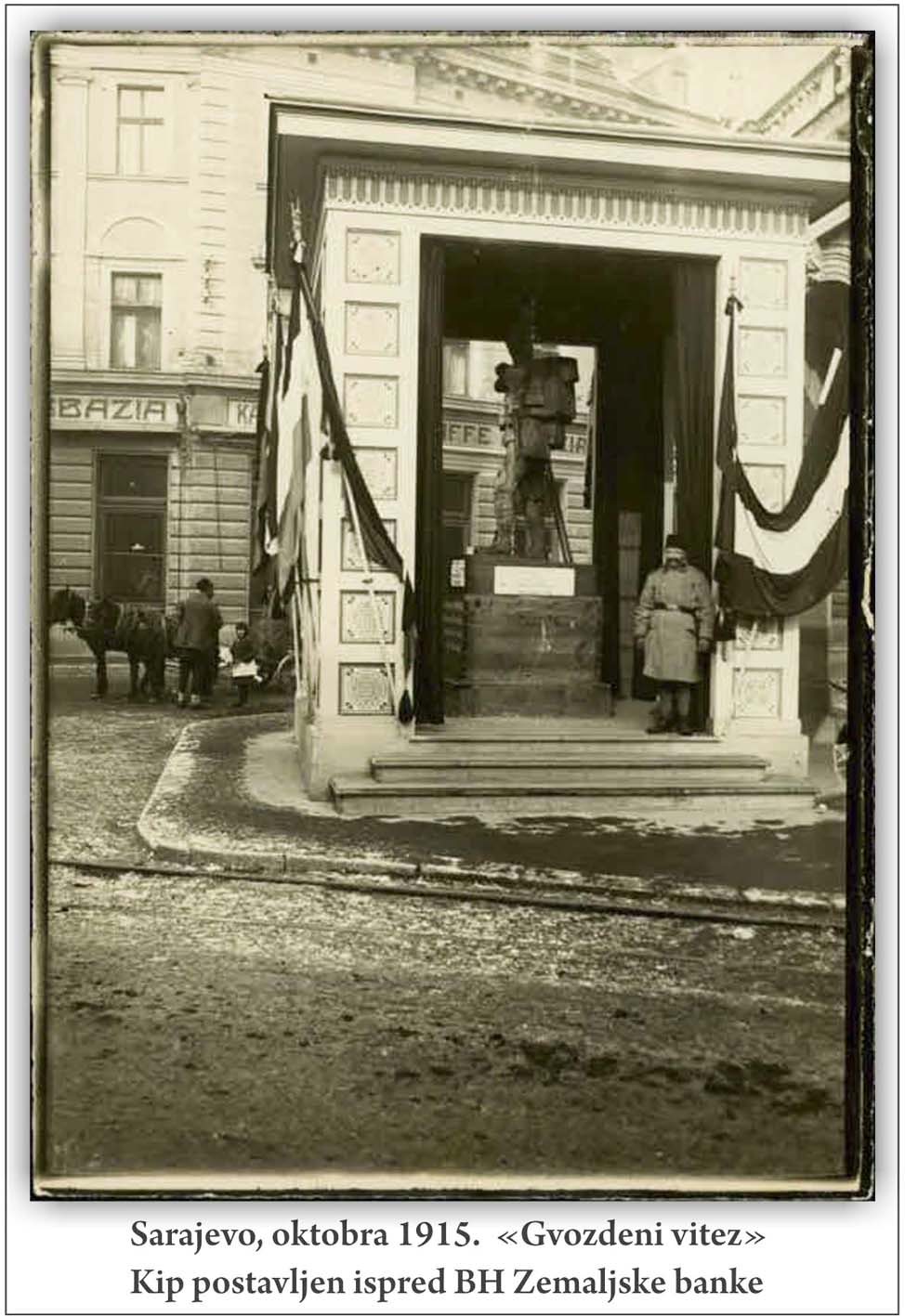
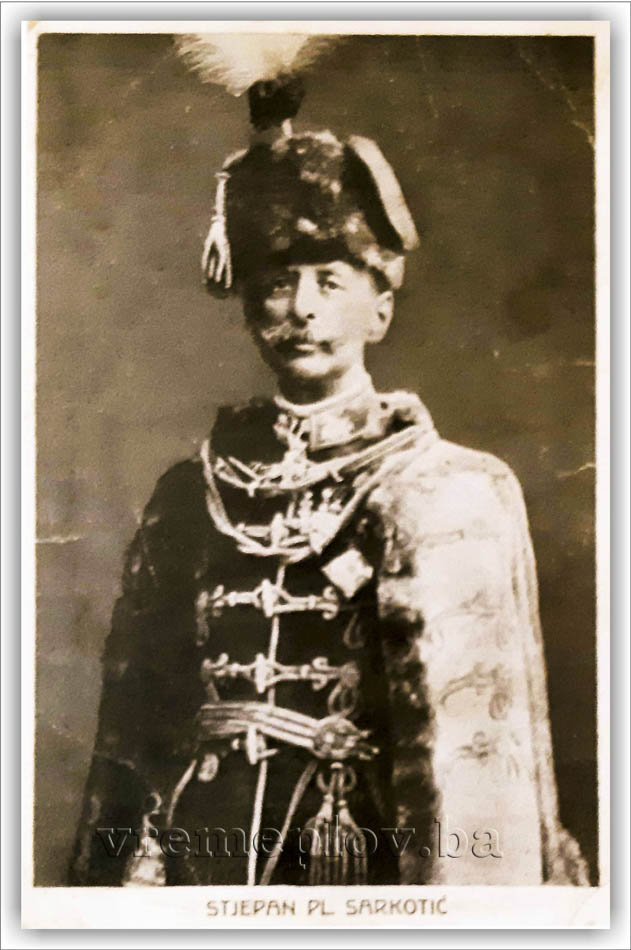
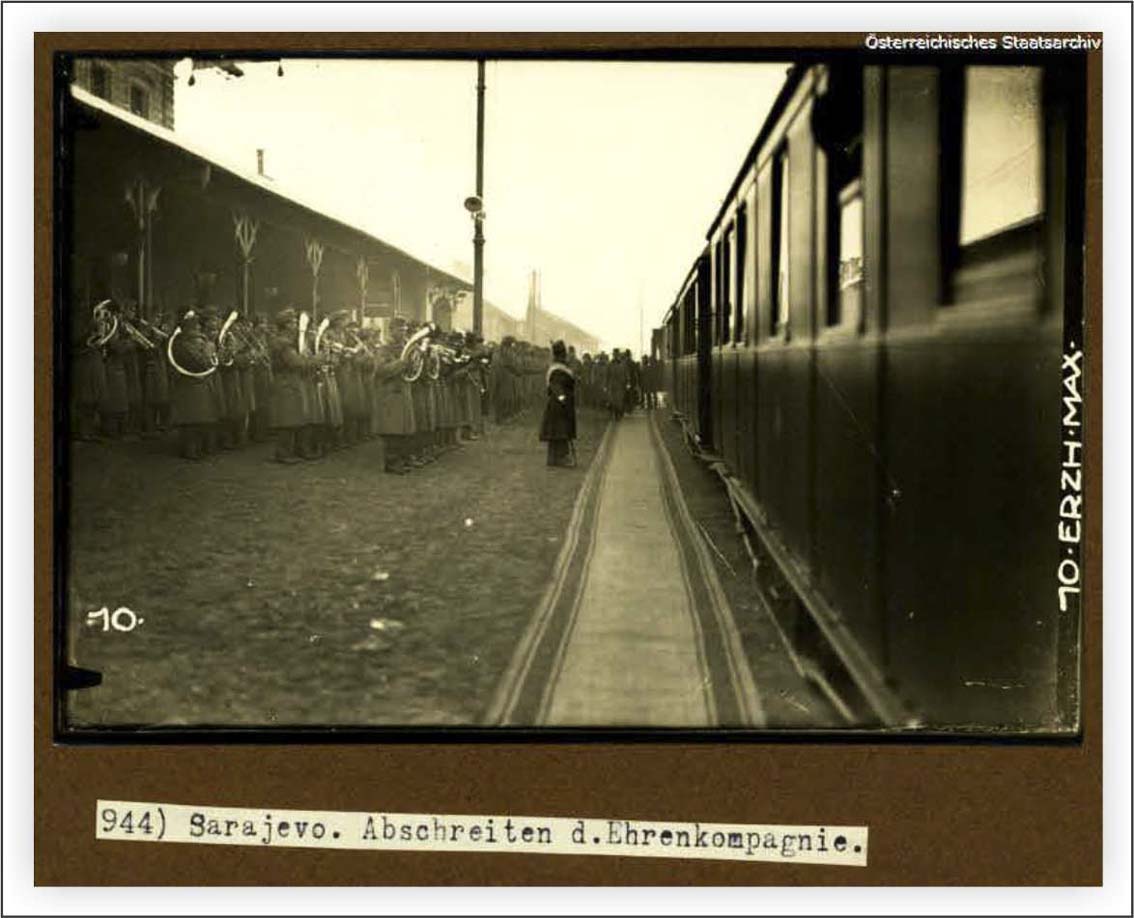
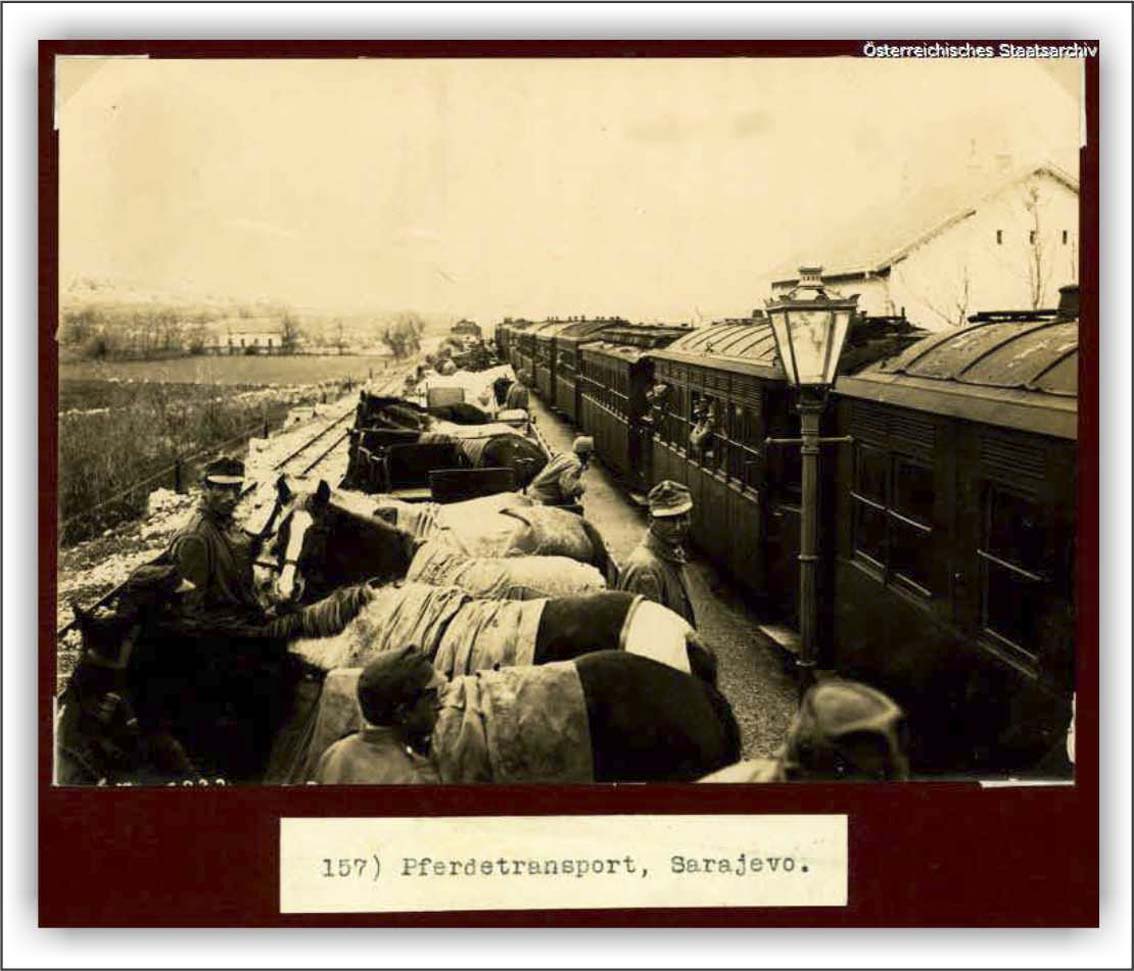
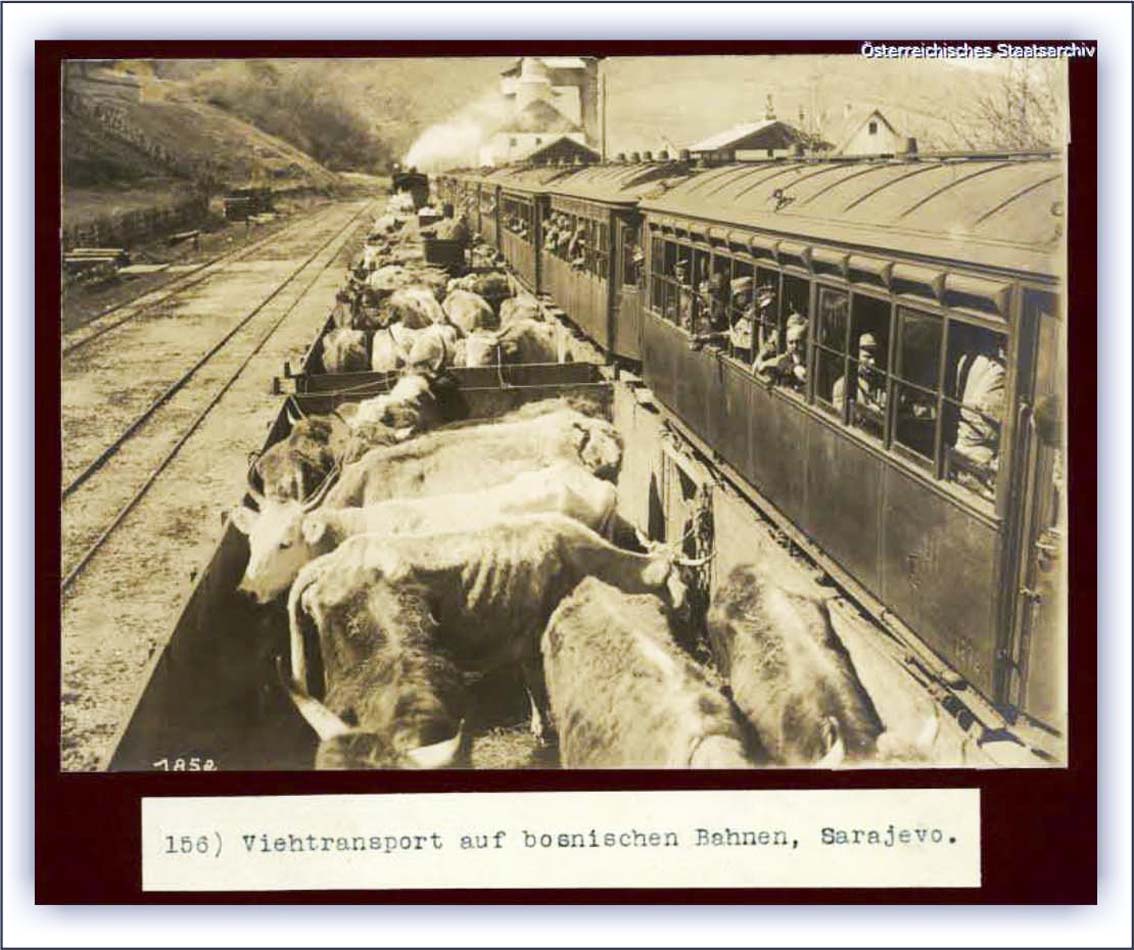
Initiated by actions in Vienna, Zagreb, and Banja Luka, the city of Sarajevo, under the patronage of the regional leader, Baron and Field Marshal Stjepan Sarkotić, on October 3, 1915, in the square in front of the railway station in Sarajevo, a wooden statue called “Warrior in Armor” was unveiled. The organizing committee did not choose this location by chance. The first reason was the high volume of travelers; the second was during the departure of soldiers to the front lines; and the third was the arrival of trains from the battlefield carrying wounded and fallen, with hundreds of citizens or their family members gathering for each expected train.
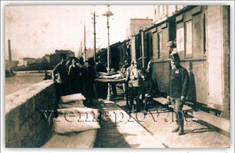
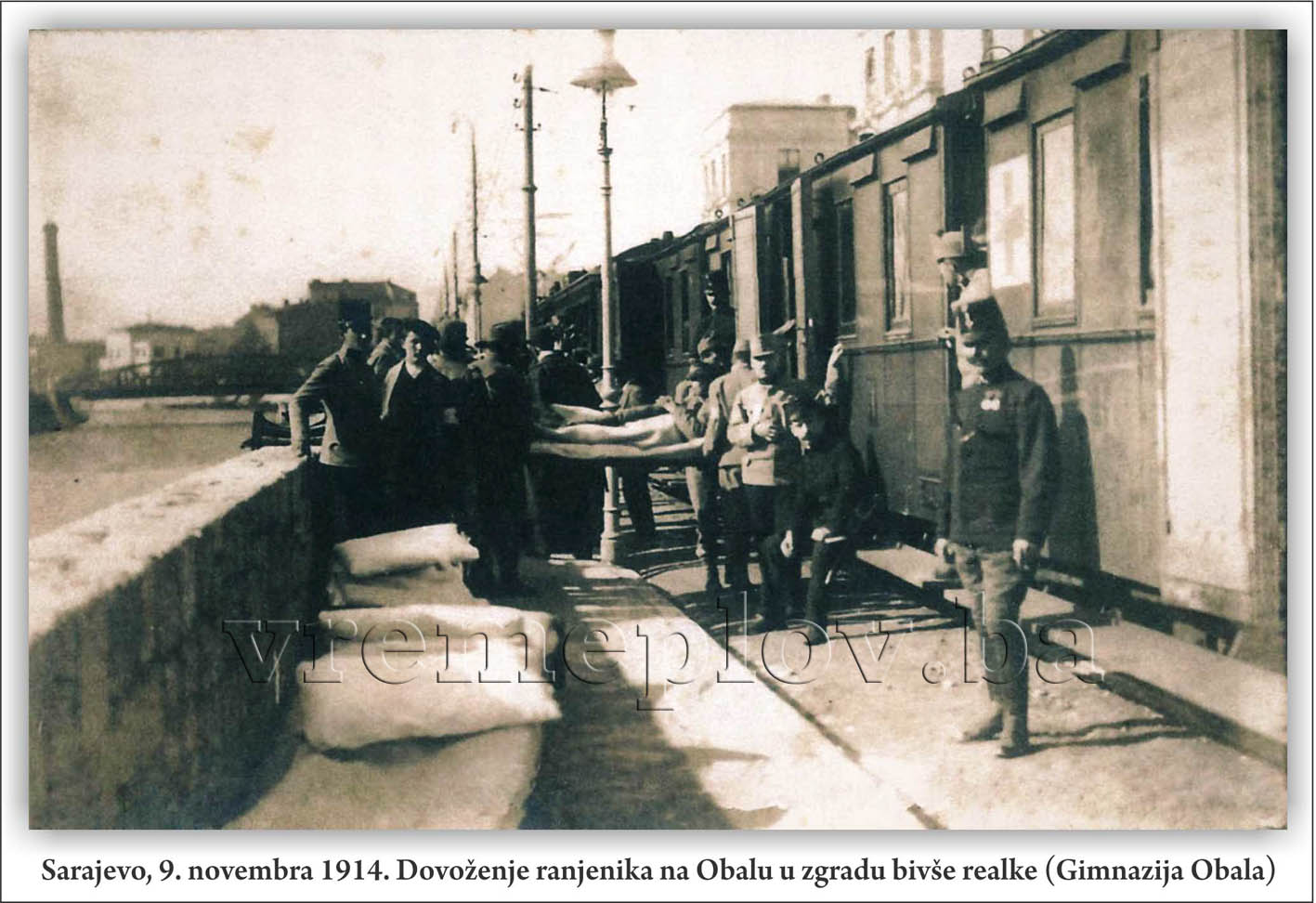
Namely, the more severely injured were directly transported by the “Electric Railway” to the Garrison Hospital (Astahana), while the less seriously injured were taken by transportation to the temporary rehabilitation center on the Coast in the building of today’s High School on the Coast near the Skenderija Bridge (Eiffel Bridge). At that time, as a gesture of “patriotism,” generous monetary donations were given in the form of purchasing iron nails (brads), and in the case of larger donations, a “Memorial List” was issued along with the possibility of being inscribed into the Memorial Book. You can view the image of the preserved “Memorial List” document in the photo gallery of this article. Additionally, we take this opportunity to thank Mr. Emir E., a collector from Vogošća, for providing the archive and publicly showcasing this valuable document from Sarajevo’s history.
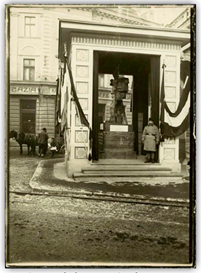
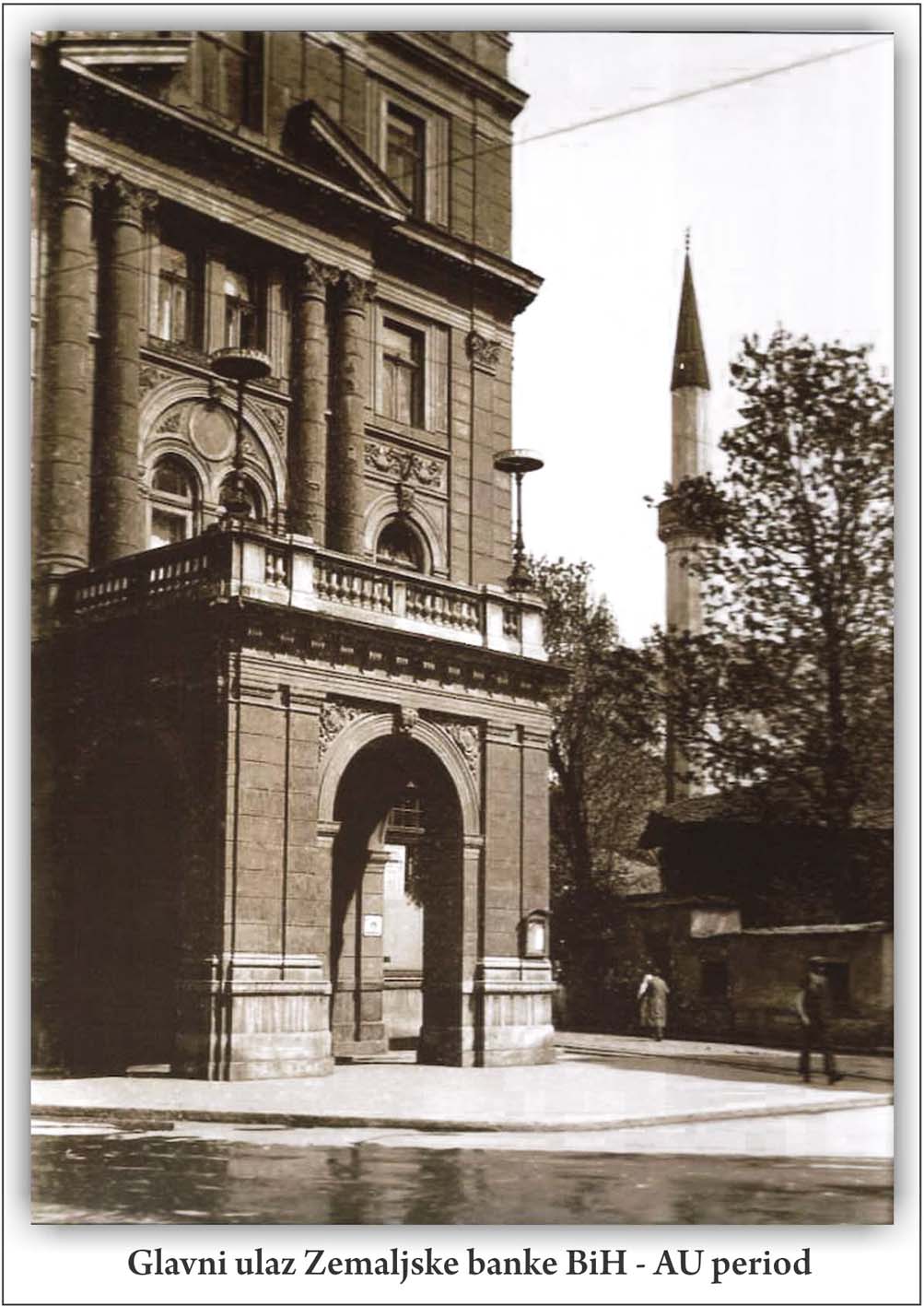
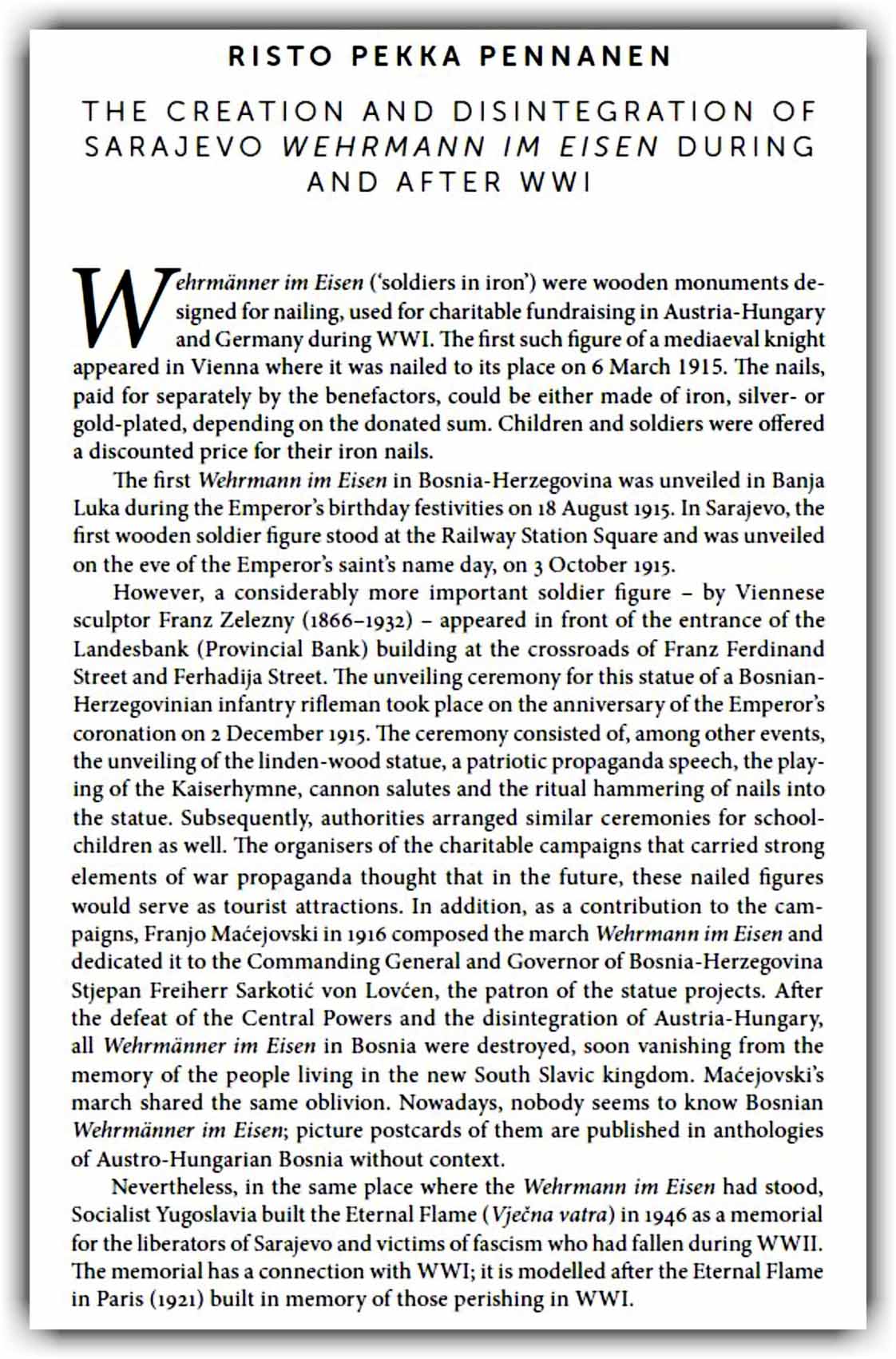
Austrian sculptor Franz Theodor Železni (1866-1923) created a figure of a Bosnian-Herzegovinian infantry soldier that was placed in front of the entrance to the State Bank (Landesbank) at the intersection of what was then Franca Ferdinanda Street and Ferhadija Street in Sarajevo. The ceremonial unveiling of this statue, the “Iron Warrior,” accompanied by a propaganda speech, the Imperial anthem, and artillery salutes, took place on December 2, 1915. On the same day, a ritual began of hammering redeemed iron nails into a pre-installed linden tree. On this occasion, Franjo Mačejovski (1871-1938), Czech composer and conductor in Banja Luka and Sarajevo, and founder of his own music school in Sarajevo, composed in 1916 the “March Wehrmann im Eisen,” primarily dedicated to the project’s patron, the army general and governor of Bosnia and Herzegovina, Stjepan Sarkotić. The fate of the wooden “Soldier in Armor” located in the square in front of the Sarajevo train station is unknown.
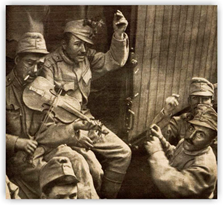
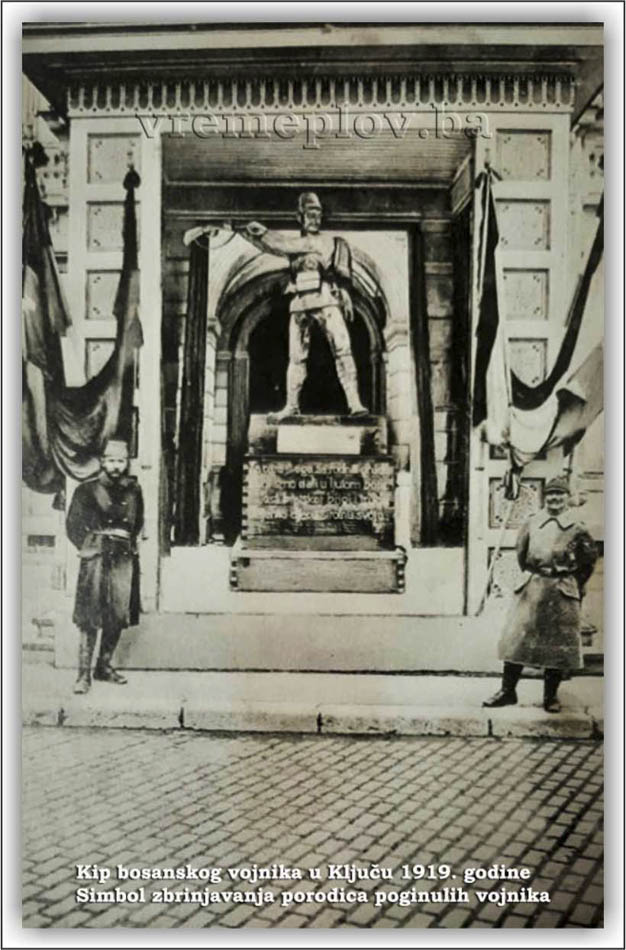
Afterward, many humanitarian organizations and charitable associations from Sarajevo and the interior of the city, along with local authorities and school children, organized similar ceremonies at the site of the “Iron Soldier” as part of a campaign to collect monetary contributions. Following the defeat of Germany and the Austro-Hungarian Monarchy, all “Iron Knights” or “Wehrmann im Eisen,” as they were called throughout the empire and in Bosnia and Herzegovina, were destroyed and quickly faded from the memories of all citizens, now in the new South Slavic kingdom.
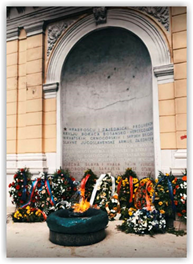
Following the example of the Eternal Flame built in Paris (1921), as a memorial to those who died in World War I, the city authorities (People’s Committee) of Sarajevo on April 6, 1946 (the first anniversary of Sarajevo’s liberation from German occupation) erected a commemorative plaque with the “Eternal Fire” at the same site where the “Iron Soldier” once stood. This served as a monument to the liberators of Sarajevo and as a remembrance of all the victims of fascism who perished during World War II. The design of the Eternal Flame (the work of architect Juraj Najthart 1901-1979) consists of a copper hearth shaped like a laurel wreath with an open flame that is constantly burning. Due to a lack of necessary fuel, the flame was extinguished during the Sarajevo siege from 1992 to 1995. Even today, after 1995, April 6 holds a strong symbolic significance for Sarajevo, historically connected to the beginning and end of World War II and the siege of the nineties. The city authorities organize visits to this monument, where, amid a short speech, flowers and wreaths are laid. Similarly, on Independence Day, November 25, in the presence of numerous delegations from all levels of government, a moment of silence is observed at the Eternal Flame memorial site, with flowers and wreaths laid in honor of all the victims of fascism who died during World War II.
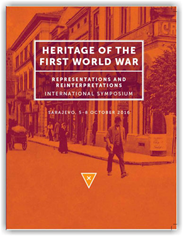
In Sarajevo, an international forum entitled “Heritage of the First World War – Presentations and Reinterpretations” was held from September 5-8, 2016, organized by the Center for Research in Science and Culture from Ljubljana. One of the speakers, university professor Risto Pekka Pennanen from the University of Tampere – Finland, discussed the topic “The Creation and Disintegration of the Sarajevo Wehrmann im Eisen During and After WWI.” The full article can be found in the photo gallery of this article.
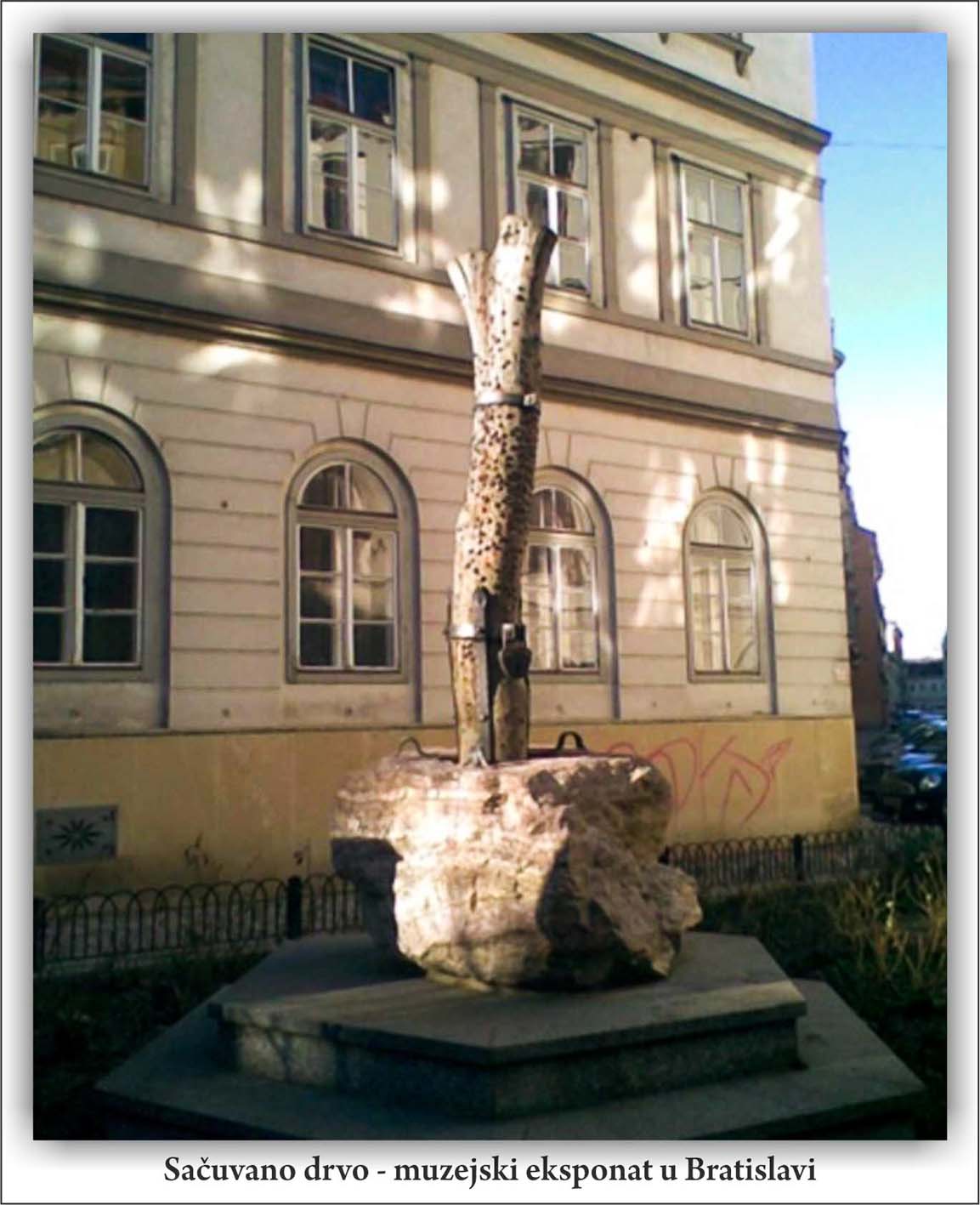
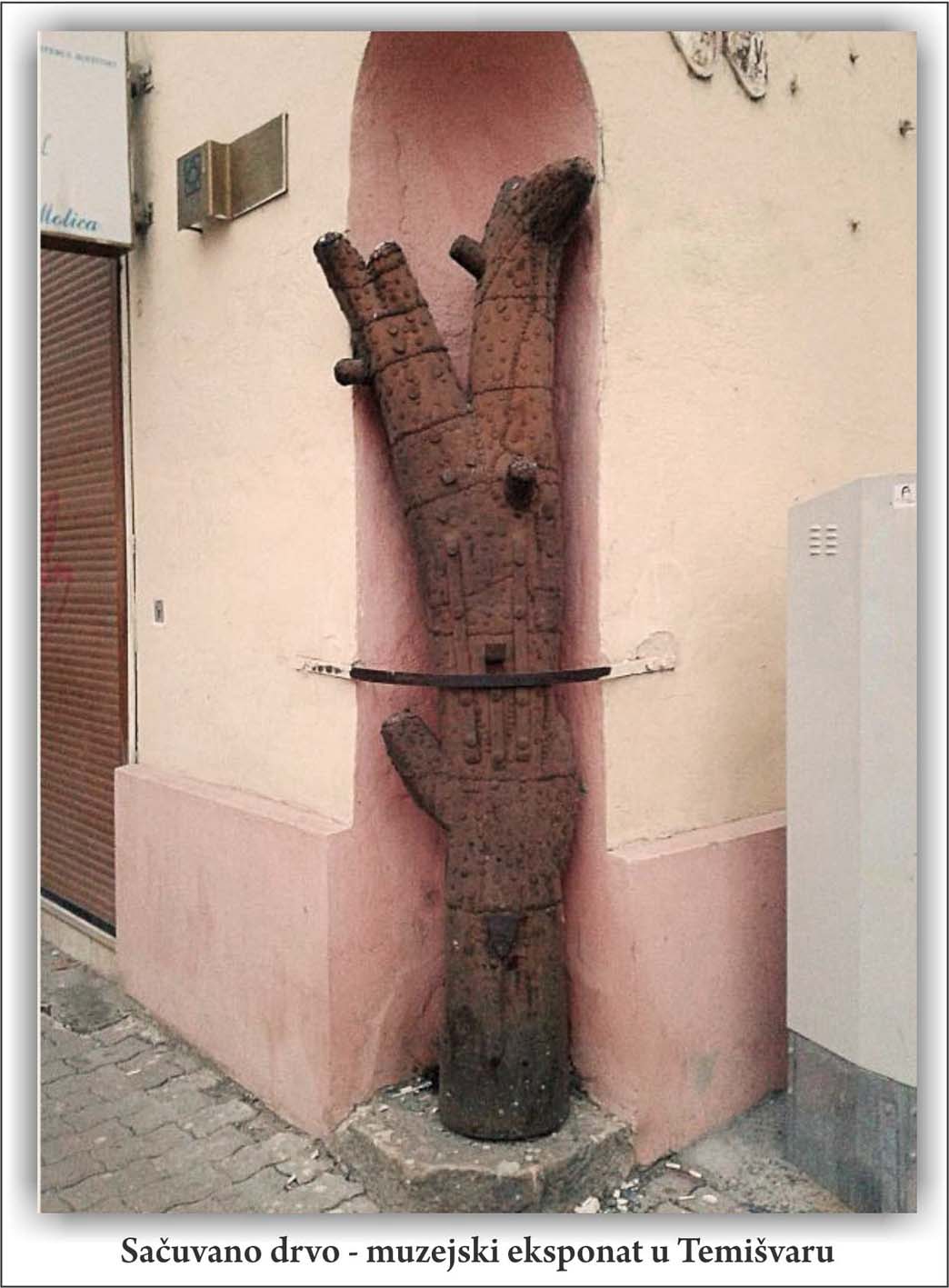
It is interesting that in the newly formed countries of the former Austro-Hungarian Empire, during the era of reintegration and fundamental changes in thinking from the old philosophy of “Great Empires,” the approach of the “culture of memory” and remembrance of the Iron Knight was different. For example, in the newly established state of the Kingdom of Serbs, Croats, and Slovenes, all material evidence was ruthlessly destroyed, while in Austria, Germany, the Czech Republic, Hungary, and Romania, many “knights” and “Lipovo Tree” were stored in the basements of cultural institutions. These monuments were “revived” in the 1930s during the rise of Nazism as the dominant ideology in Germany. Today, in major European tourist centers (Vienna, Leipzig, Budapest, Bratislava, Timișoara, etc.), these preserved monuments are significant museum exhibits representing a distant past for us. If today’s and even much older generations in our regions happen upon them by chance through illustrated postcards published in anthologies of Austro-Hungarian Bosnia and Herzegovina, they remain in doubt because they lack context and sufficient expert explanation.