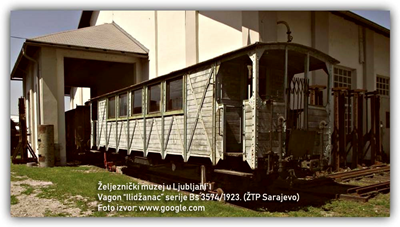
During research into the history of Bosnian-Herzegovinian railways, information about wagons known as the “Ilidžanci” often appeared in documents or old photographs. The question arises: when did they originate, where did they operate, and how did they get this name? For all of you who love trains, we would like to share an interesting story and attempt to solve the mystery through brief research based on scarce archival documents.
Period from 1918 to 1945
With the end of World War I, three great empires disappeared from the map of Europe. Among them was the Austro-Hungarian Monarchy, where the territory of the province of Bosnia and Herzegovina was under its control. The creation of the state Kingdom of Serbs, Croats, and Slovenes (SHS) / Yugoslavia resulted in the former Austro-Hungarian province of Bosnia and Herzegovina being administratively assigned to the new kingdom.
In the newly established state, a law is enacted regarding the transfer of all property of the former Austro-Hungarian Empire to the ownership of the Kingdom/Kingdom of SHS, such that all movable and immovable property (the former war and state imperial and royal treasury and the BH regional treasury) is considered general state property. As such, it will be registered in land registry books, which the Government of the Kingdom of SHS will manage and allocate. With this law, Bosnia and Herzegovina remains without its property as one of the elements of BH’s special features and sovereignty. Namely, through this law, the Government of the Kingdom of SHS aims to emphasize that all existing economic assets in the former Austro-Hungarian provinces are considered “assets of former enemies’ subjects.”
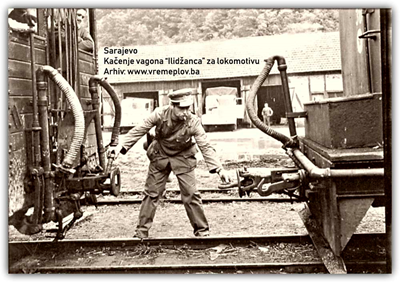
At the peace conference in Versailles (Versailles, France), the Allied Powers declared Germany as the sole culprit, despite other countries also having conquistar objectives, and it was decided that Germany must pay a huge war reparations. International circumstances caused by the great (world) economic crisis led to a unilateral declaration of a moratorium on the payment of German obligations, which resulted in a complete halt to the payment of debts related to war damages.
However, the Kingdom of SHS received war reparations from member countries of the former Central Powers mainly in kind and an advance in cash, which was negligible, during the period from 1921 to 1931. The war reparations in kind from Germany included locomotives, wagons, agricultural machinery, construction materials, and live cattle. From Hungary, approximately 420,000 tons of coal and 10,000 various livestock items were supplied through trade. The established debt from Bulgaria was fully paid in kind. It should be noted that Germany only completed the payment of reparations from World War I in 1992, as mandated by the Treaty of Versailles in 1919.
Opportunities in Sarajevo and the First Contingent of Repairs
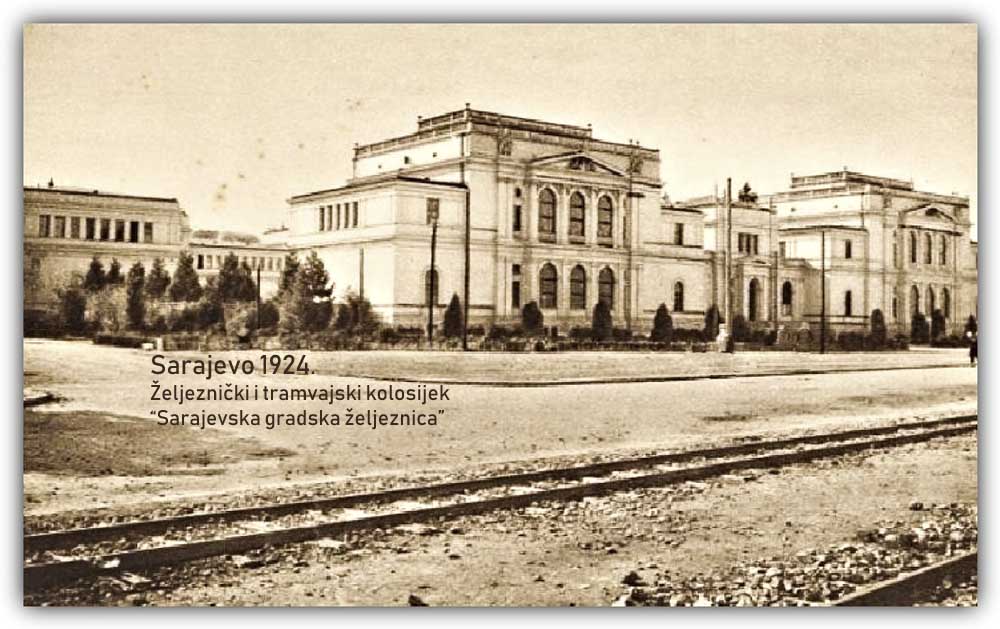
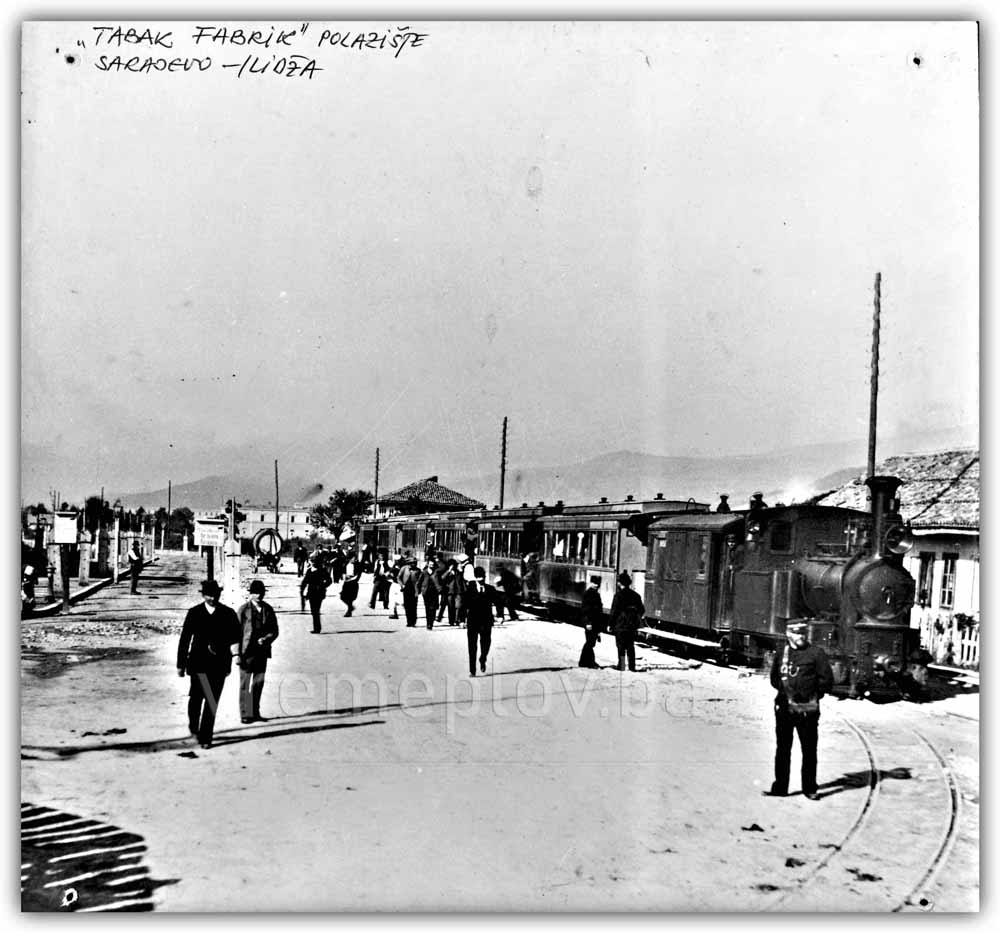
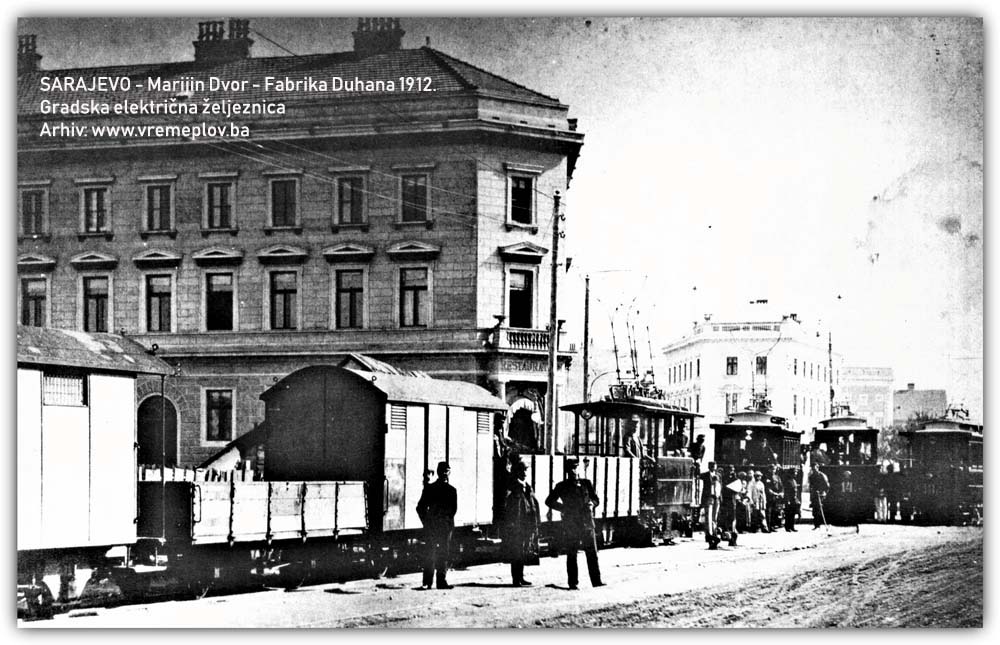
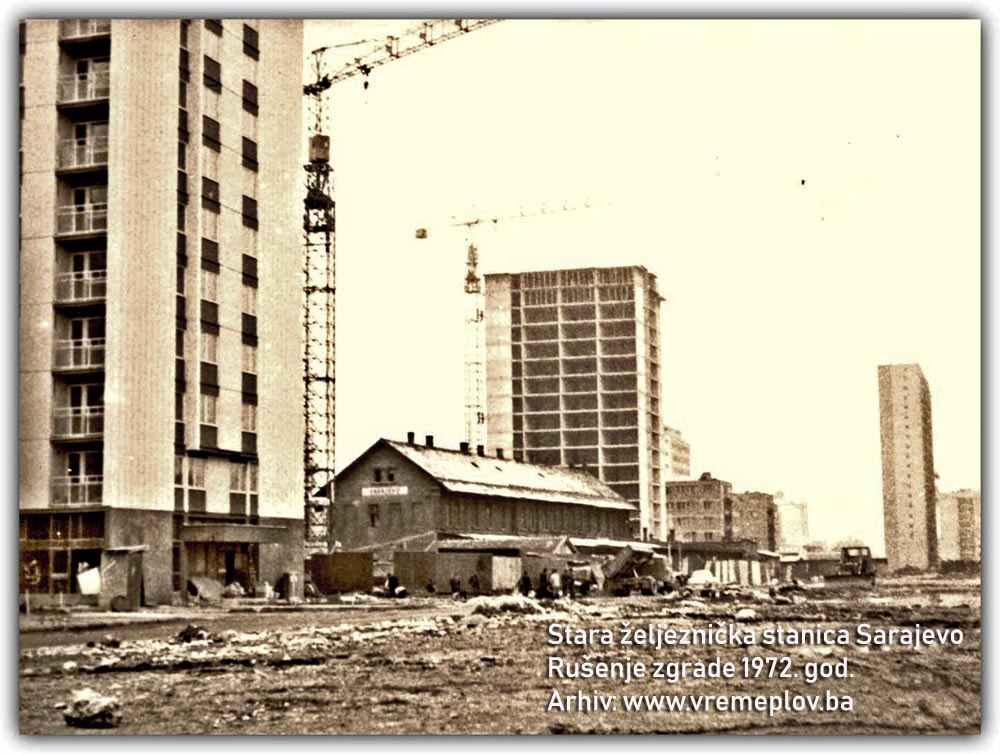
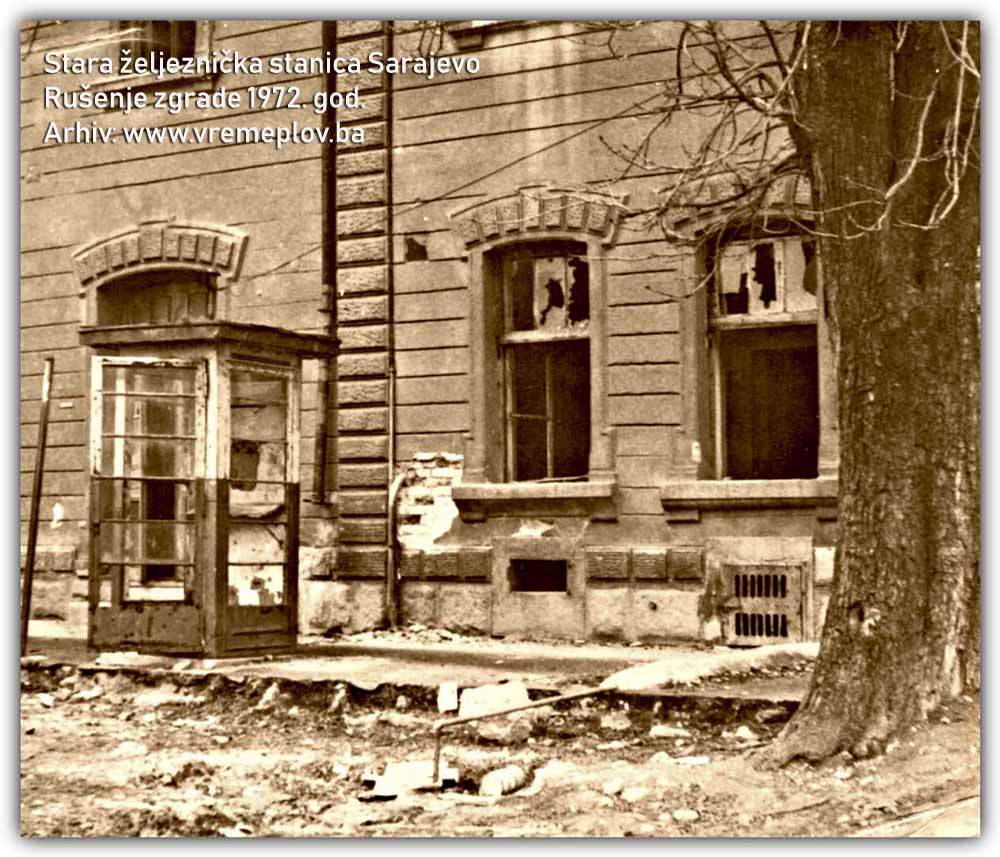
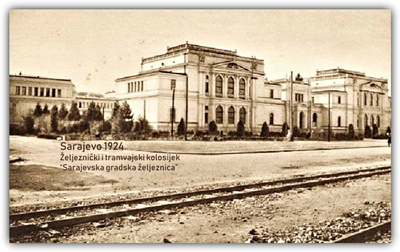
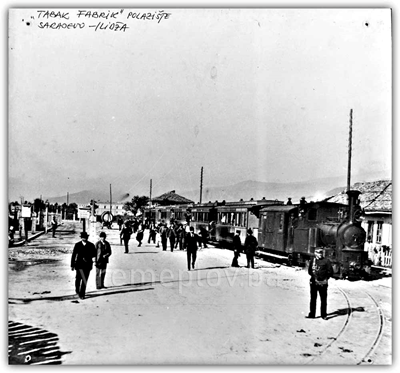
In the city of Sarajevo, during 1923, a section of the tramway line from the Cathedral to the Town Hall was constructed, and in 1924 a second track (parallel to the tram line, ed.) from Marijin Dvor to the Old Railway Station was built. This investment enabled the city to reduce the intervals between passenger and freight trains, especially on the track from the railway station to the city. The passenger train services of the “Sarajevo City Railway” on the route from Tobacco Factory to Banja Ilidža and back had a “free” corridor independently of tram traffic. Likewise, with the construction of the second track, the bottleneck in the rail communication from the branch lines towards the tobacco factory and the city power plant in Hiseti was eliminated.
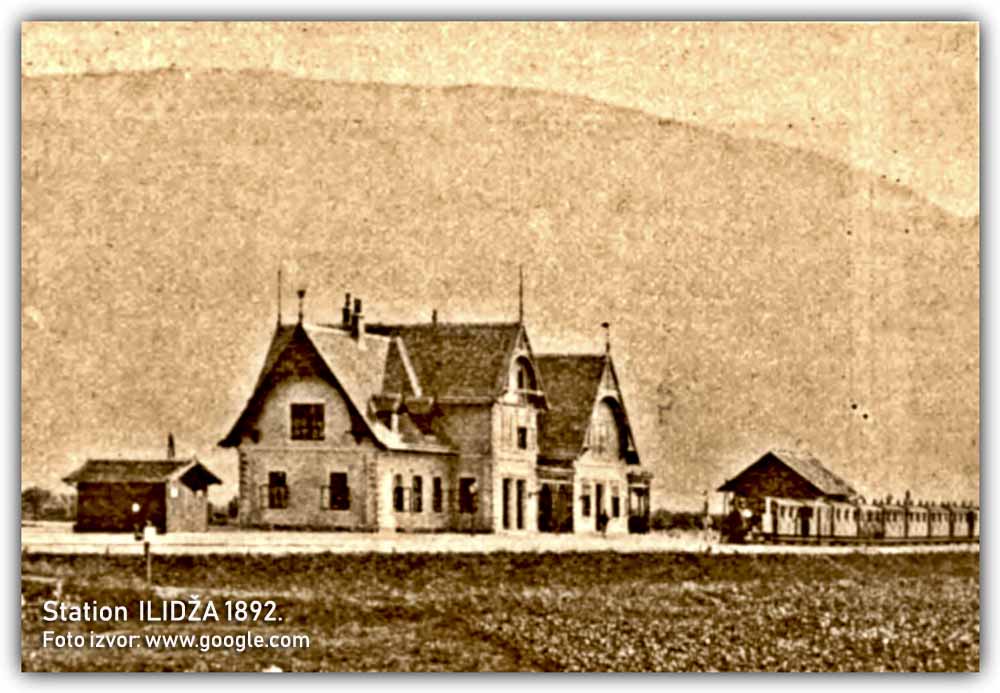
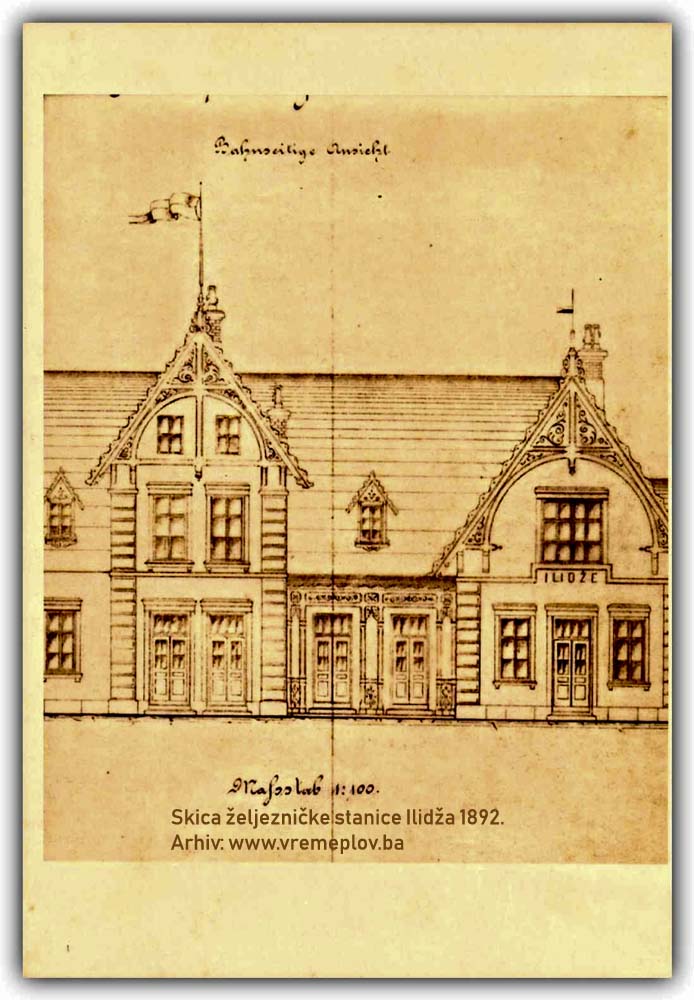
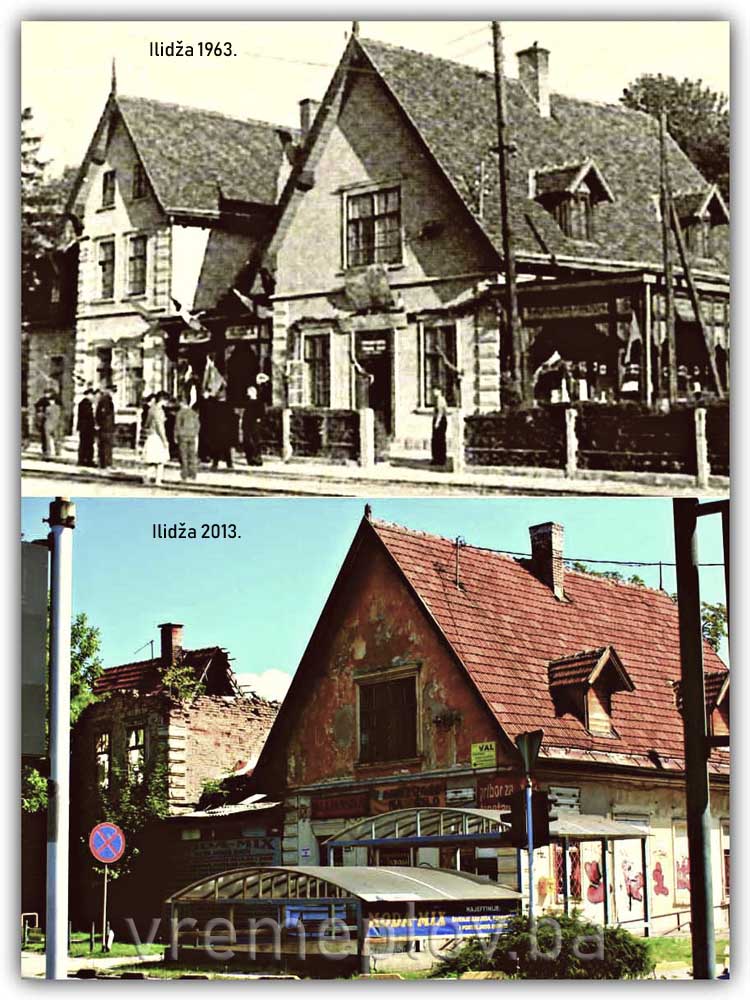
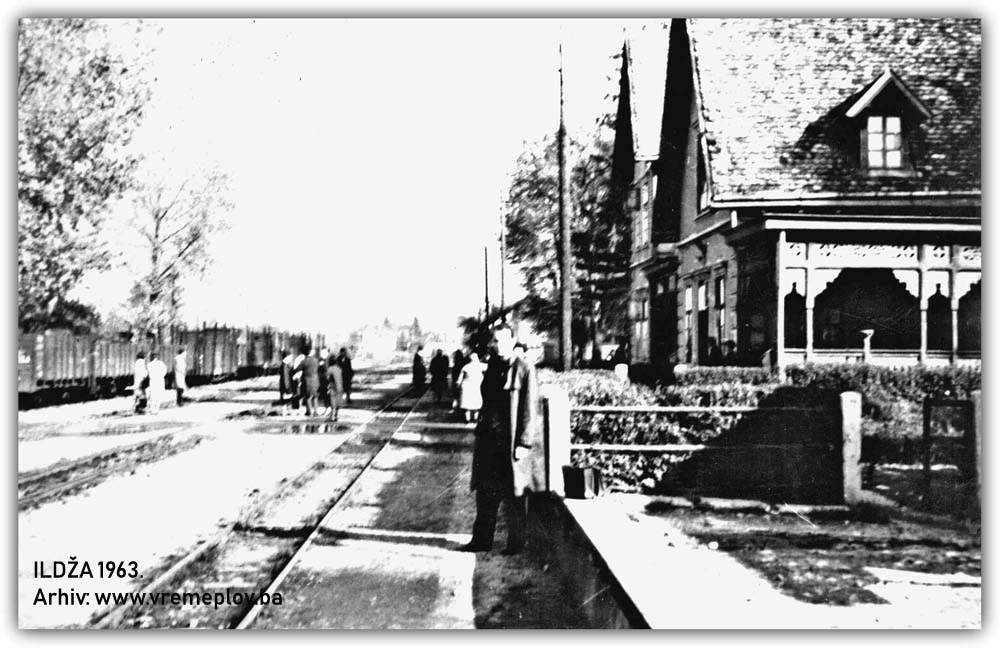
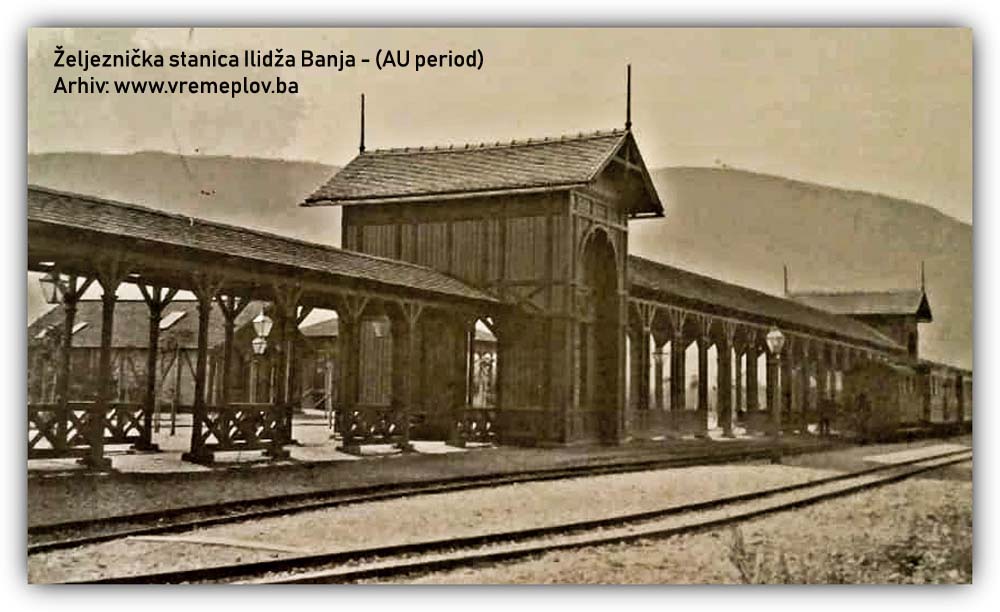
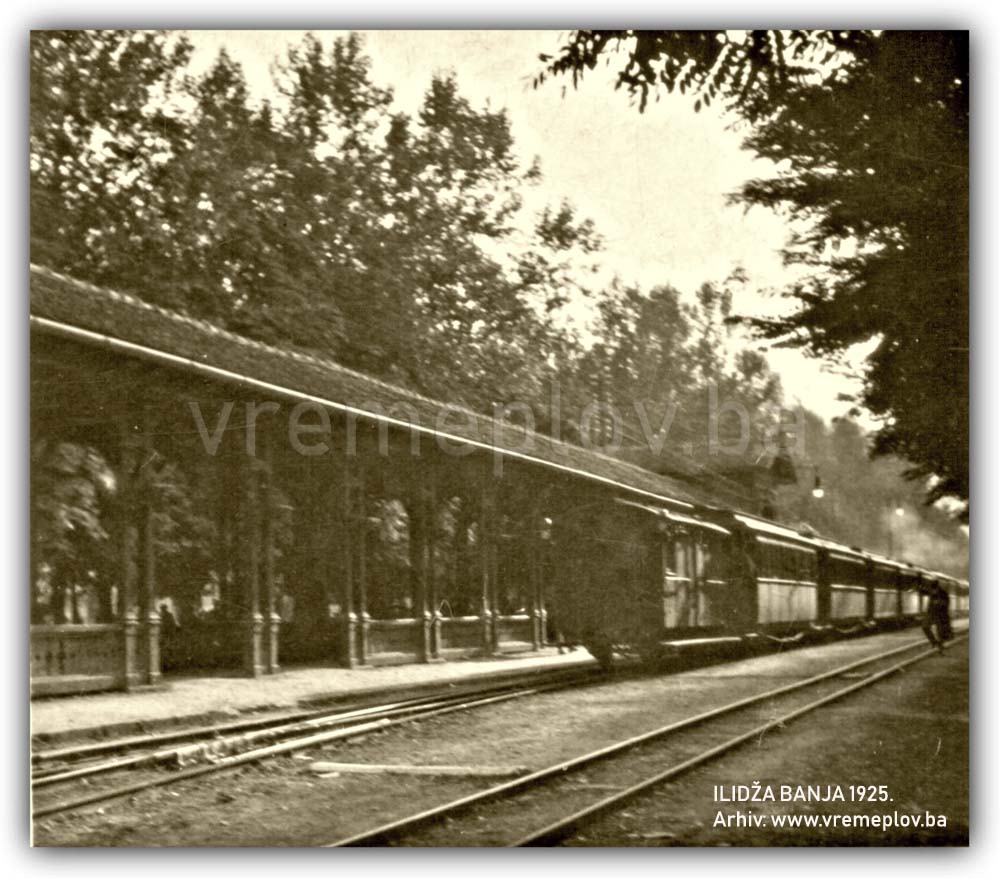
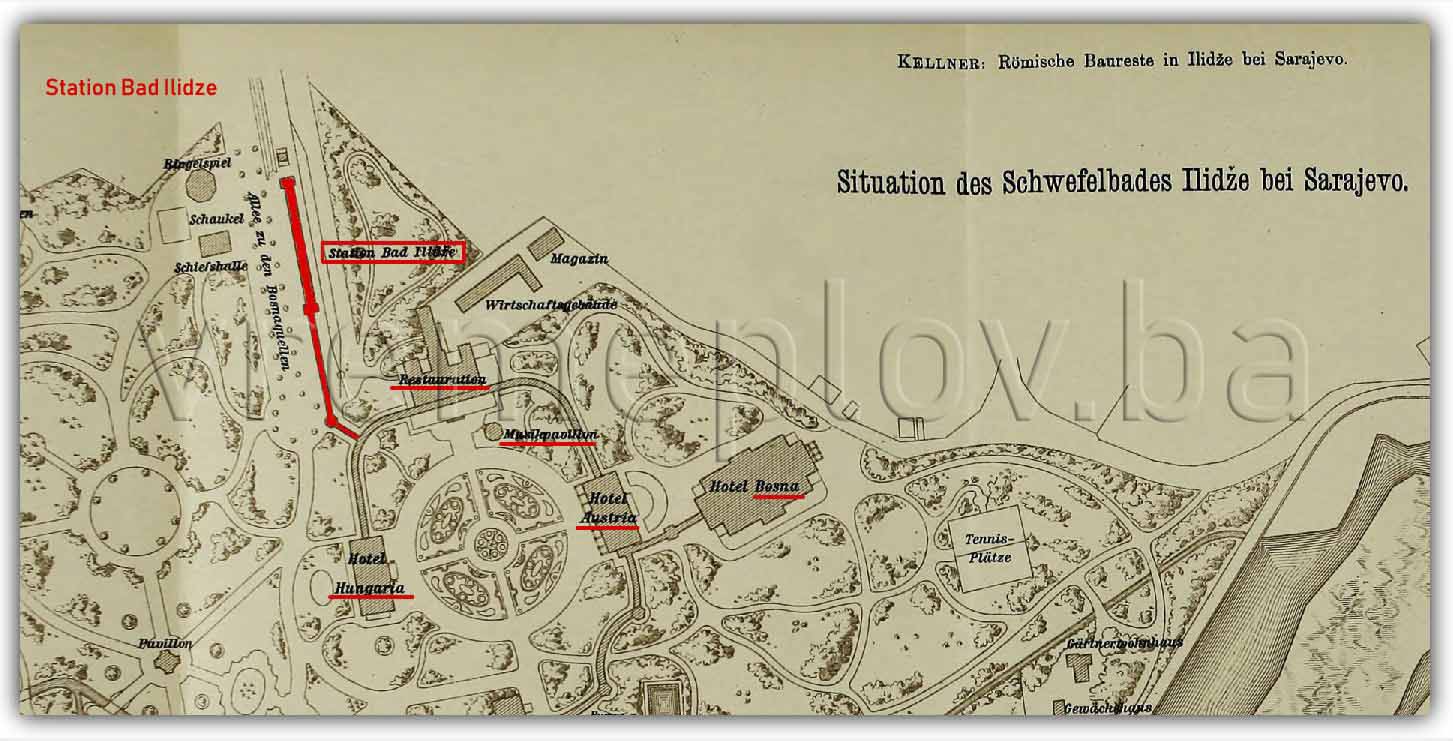
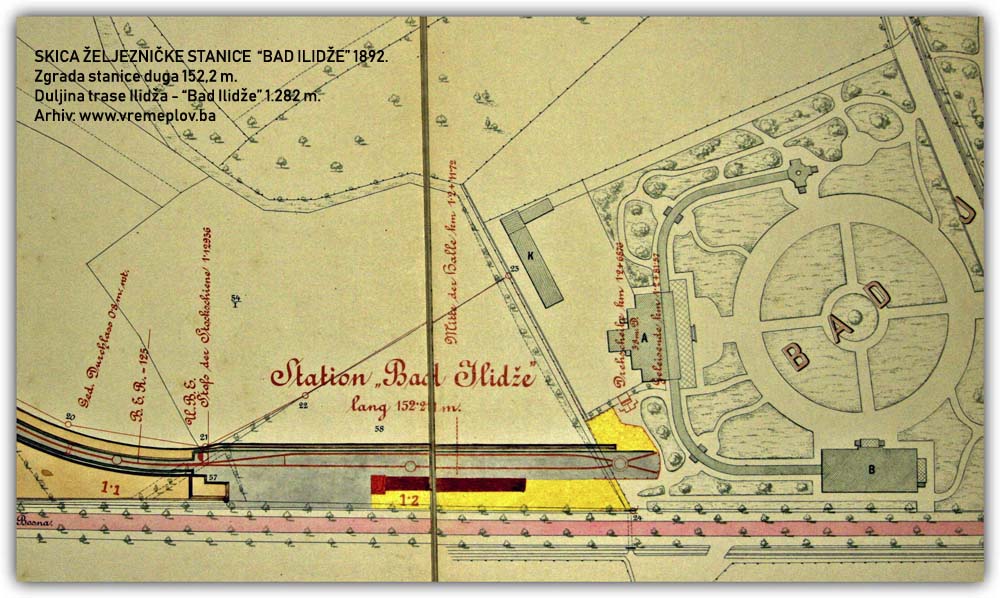
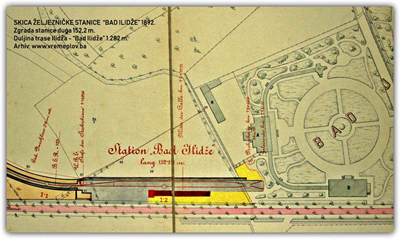
Otherwise, the route of the “Tobacco Factory – Ilidža Spa” railway line was put into operation a long time ago, on June 28, 1892, which is when a branch of the railway (1.282 km) was built from the so-called “turnouts” near the Ilidža railway station (on the left bank of the Željeznica River near the iron bridge, op. a.) to the Ilidža Spa station. This branch was connected with the main line of the Sarajevo – Ilidža – Konjic railway by a switch device, and it was built on August 1, 1891.
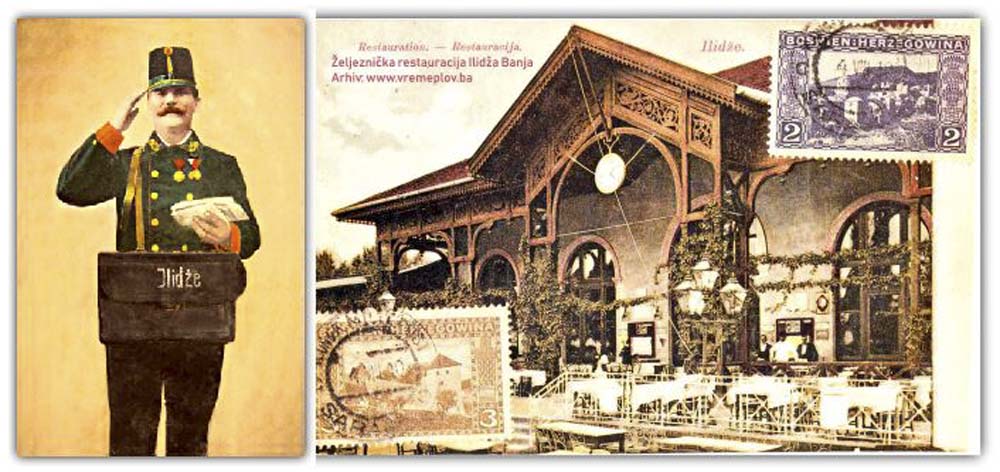
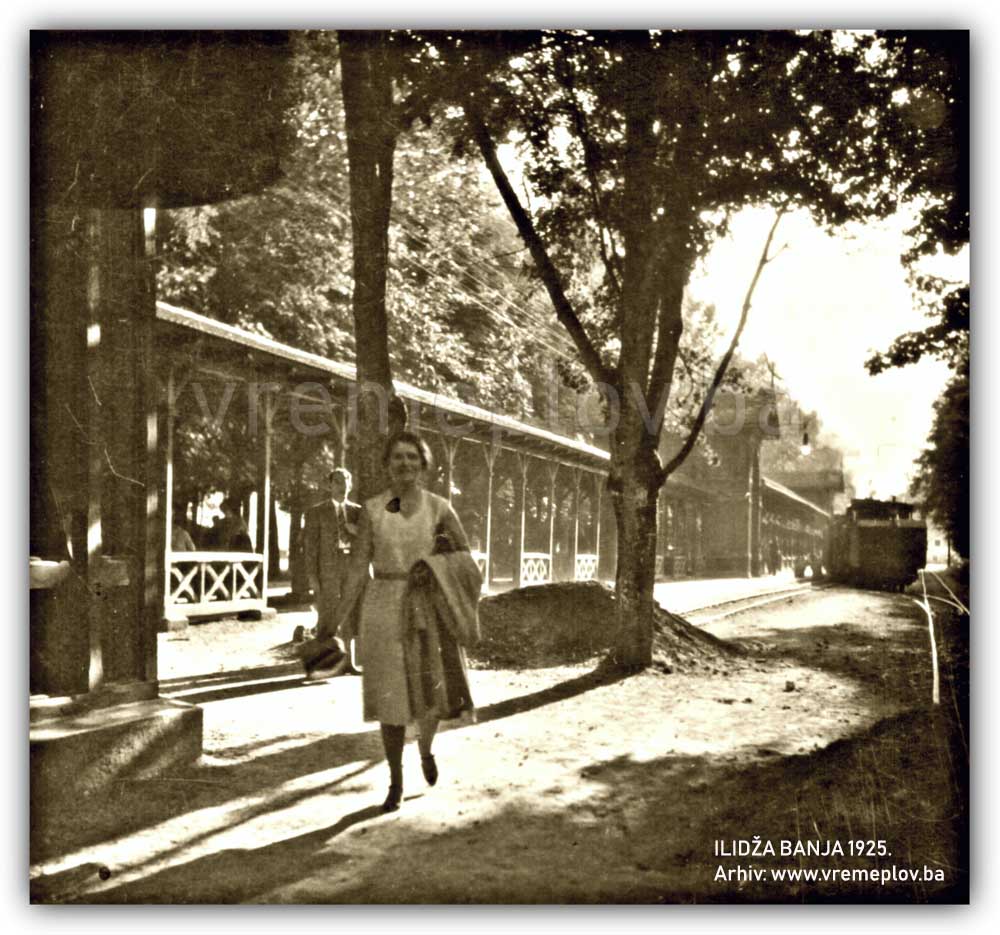
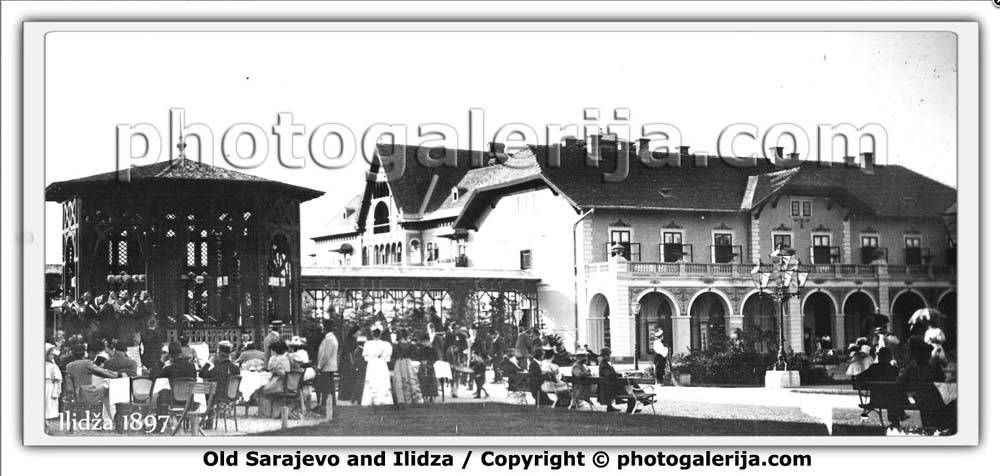
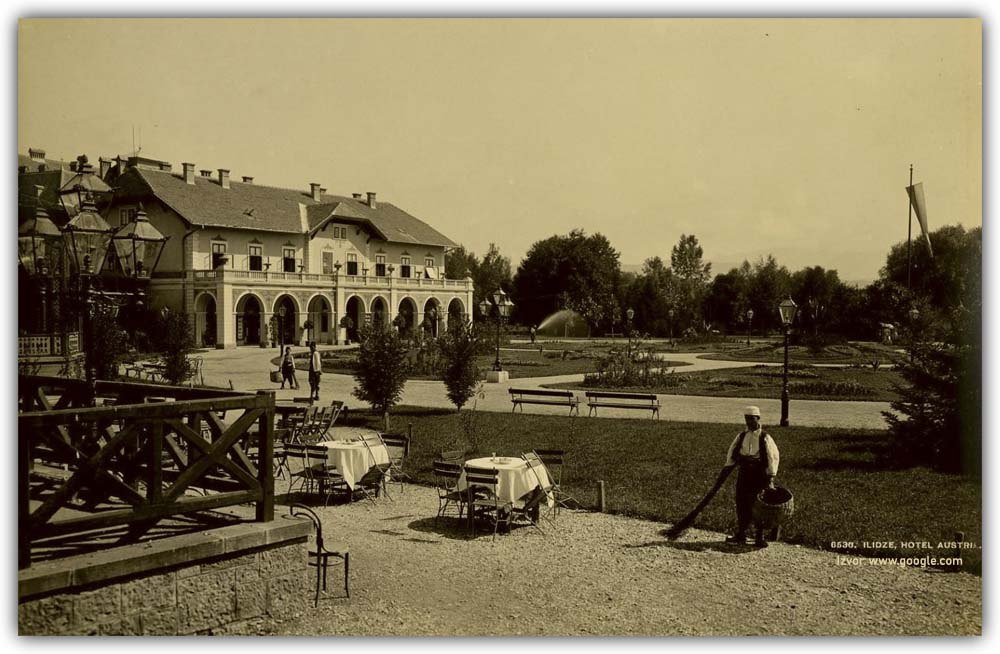
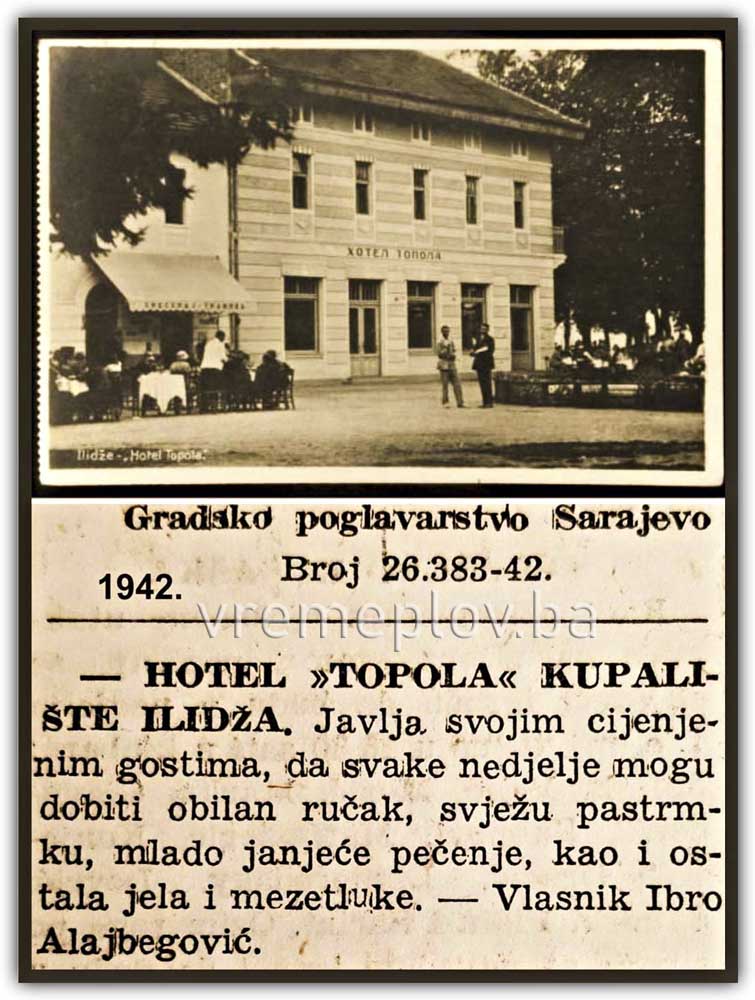
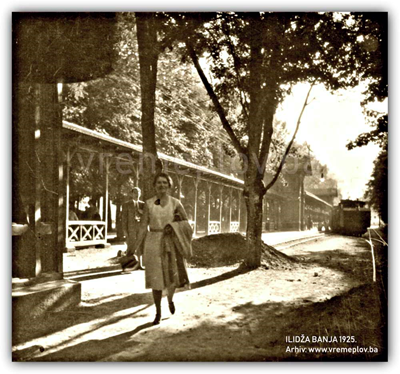
The best place for the residents of Sarajevo to enjoy was Banja Ilidža, especially on Sundays. Being close to Sarajevo, it was rightly considered a part of the city as well. Most often, visitors traveled to the spa by local railway trains, and the journey took about fifteen minutes, while by car (bus or carriage) it took about an hour. The complex of the spa was situated in the middle of a beautiful park on the shore of the Željeznica River, beneath the high, wooded Igman mountain. Visitors could immediately notice three large hotels, “Austria,” “Hungary,” and “Bosnia,” with over a hundred rooms for foreigners. There were elegant taverns with terraces facing the promenade, covered walkways, bowling alleys, stables, and drying rooms. From the park itself, a promenade extends for three and a half kilometers, lined with trees for driving and riding, alongside which a stream flows along the entire length towards the romantic source of Bosnia in the foothills of Igman.
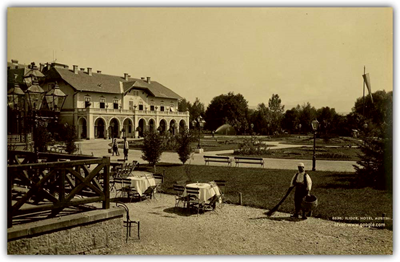
It is worth noting that every summer, Countess Kallay, the wife of the Austrian Minister of Finance Benjamin Kallay, spends her time in Banja Ilidža. Their reputation, status, wealth, and kindness are responsible for bringing top local elites from Vienna and Budapest, who are also accustomed to vacationing in Ilidža. Elegant royal carriages with guests such as emperors, kings, princesses, archdukes, dukes, barons, artists, and gentlemen from the fields of science and culture would arrive at the Ilidža Banja train station. Despite its long-standing tourist tradition, Ilidža still remains a very popular “Sarajevan” excursion site as a place for entertainment, enjoying nature, and fresh air.
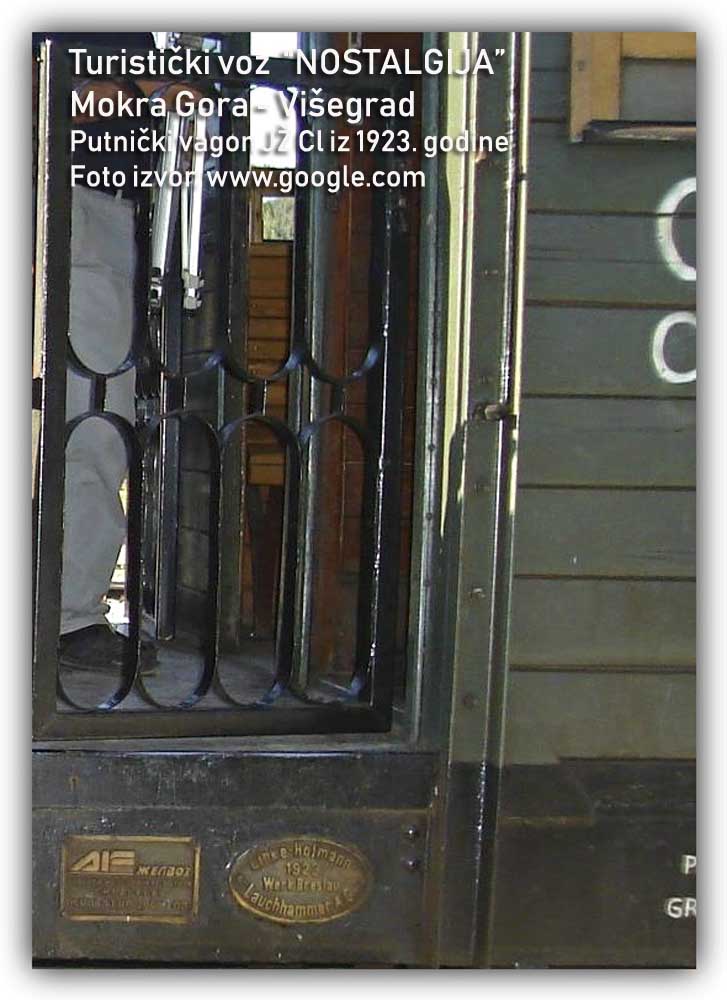
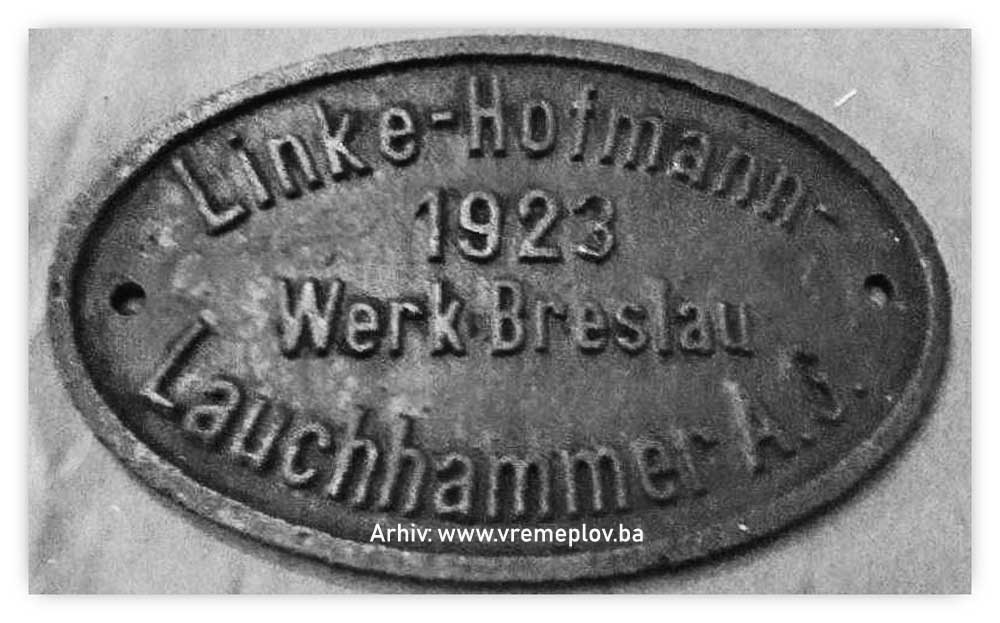
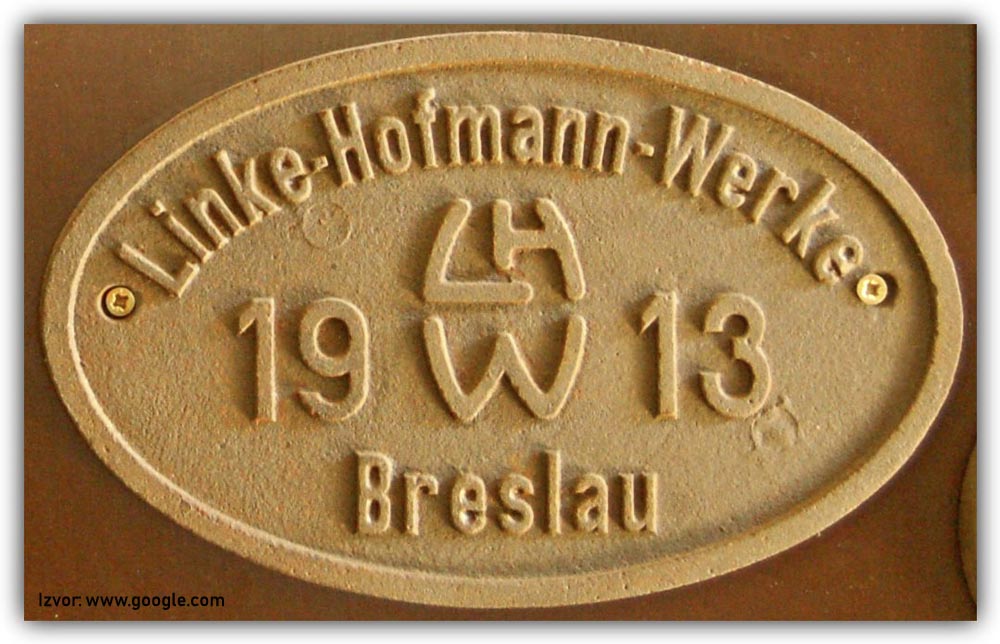
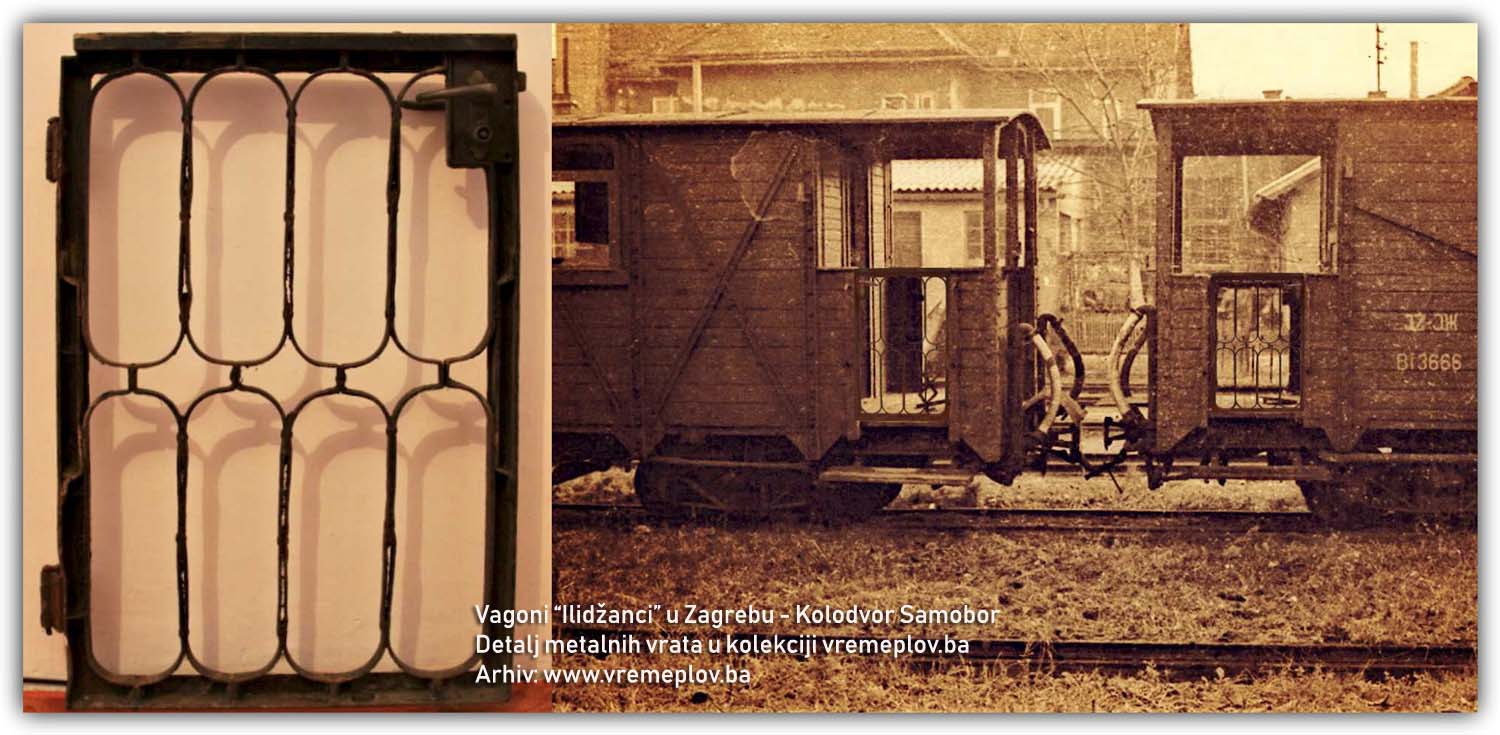
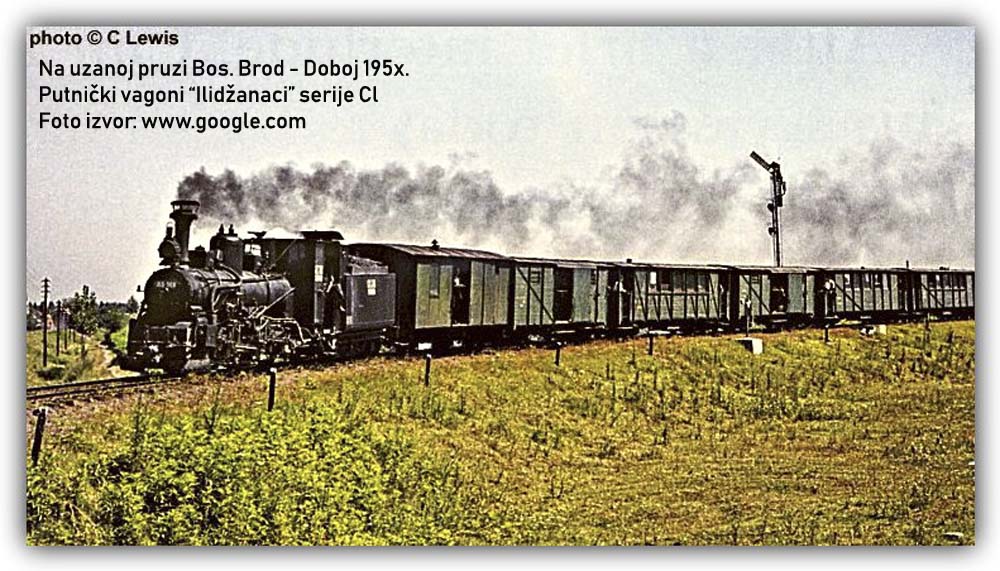
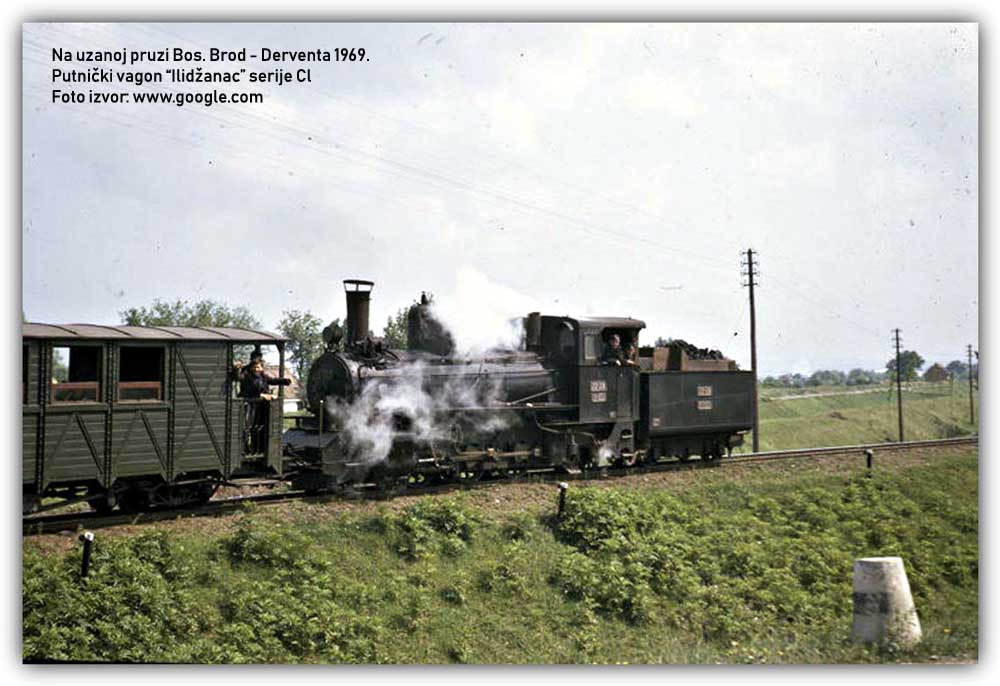
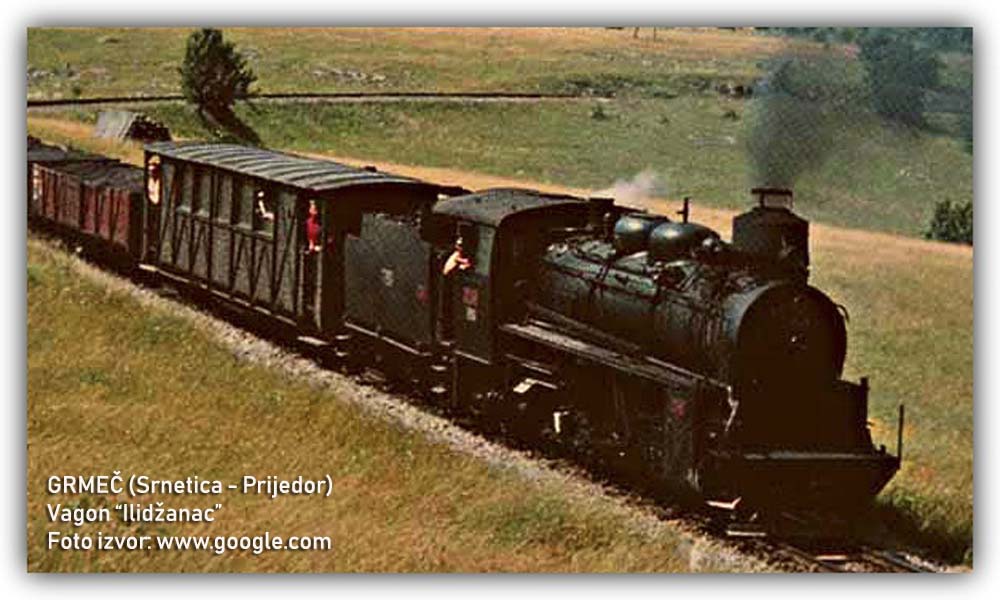
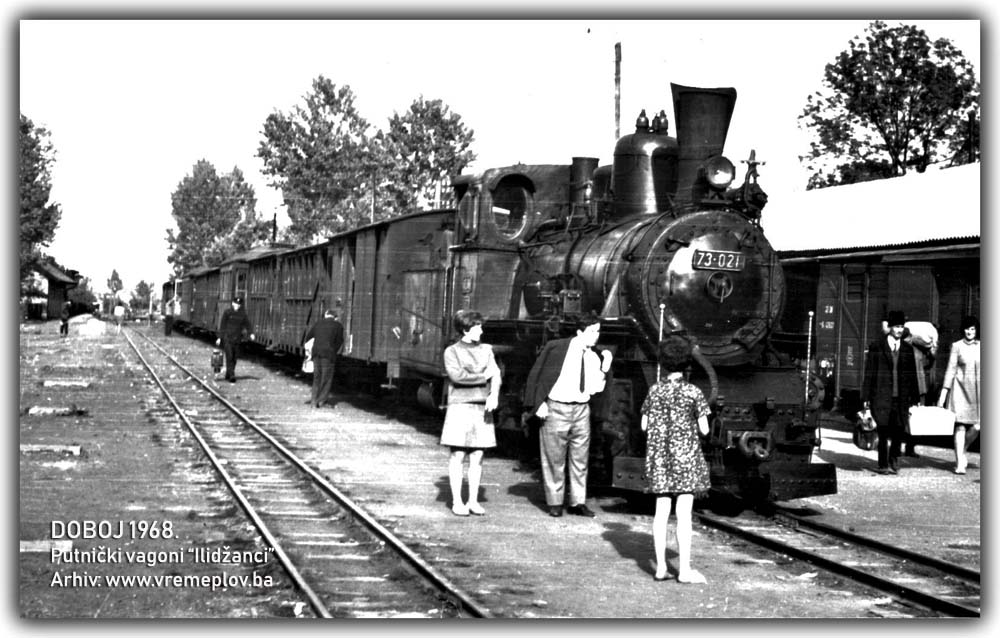
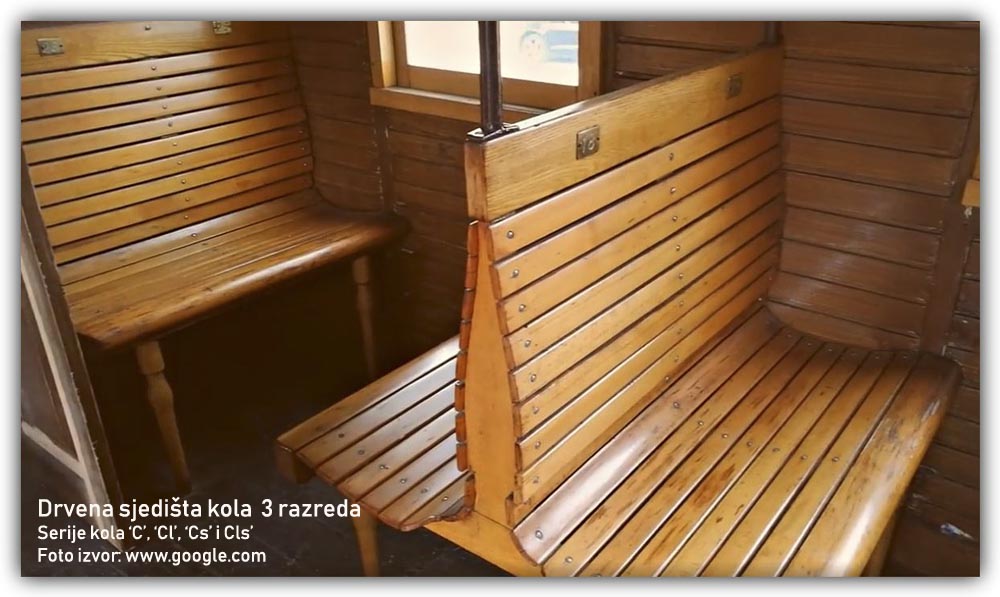
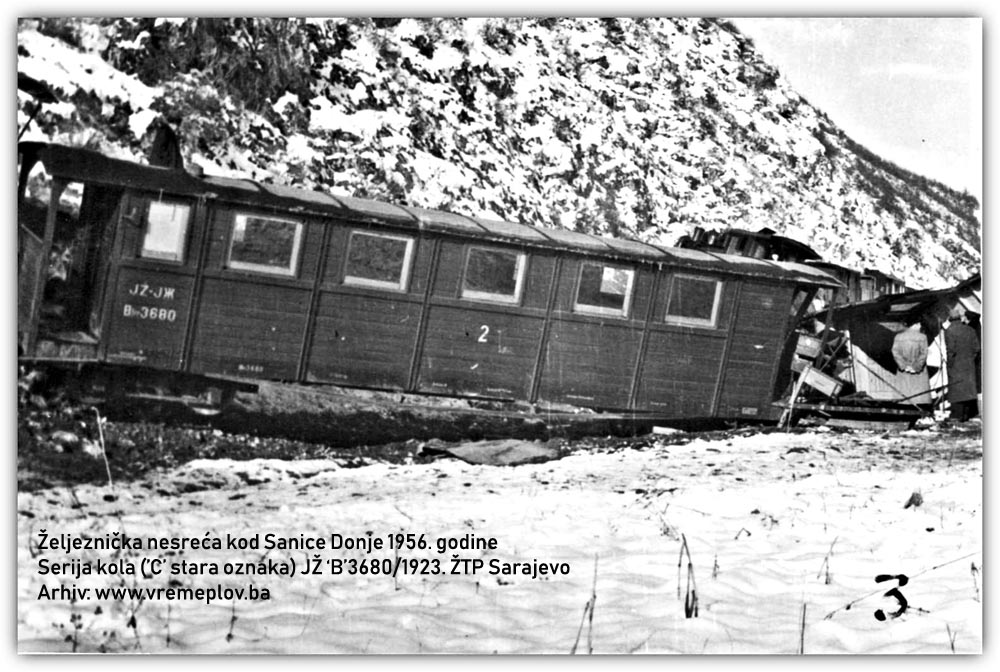
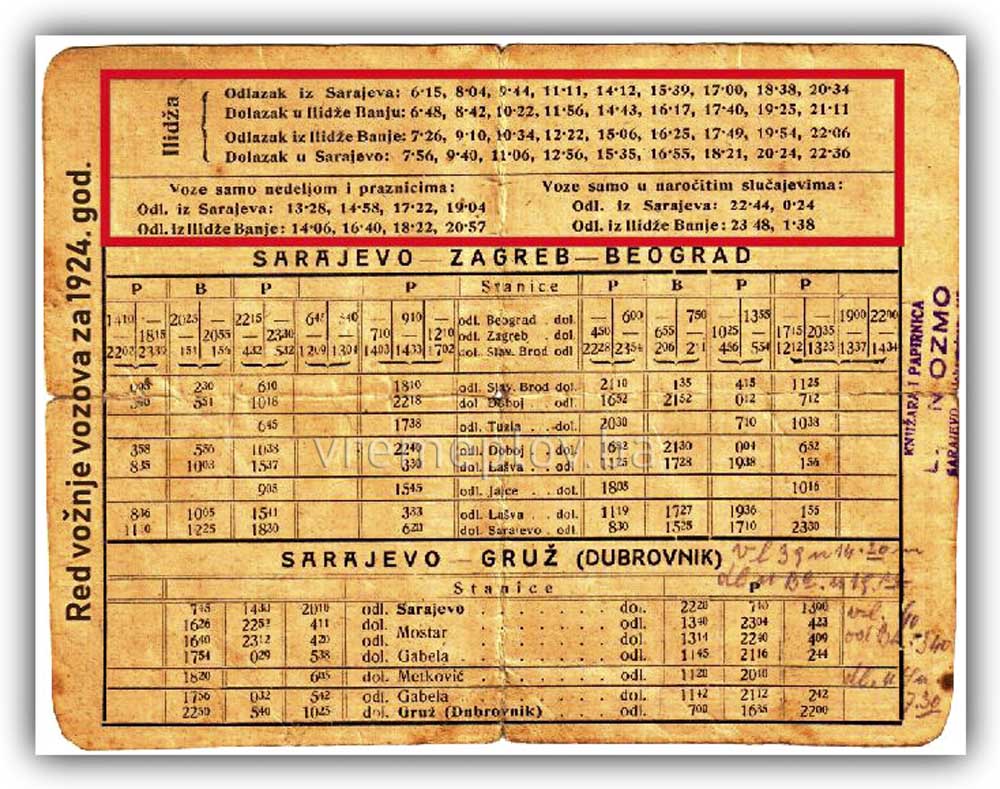
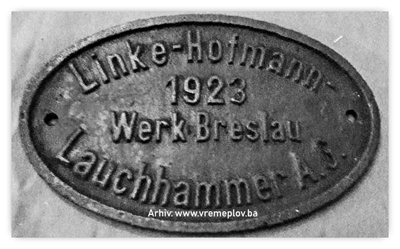
In mid-1924, alongside the construction of a second track and a wider platform for transferring, the City Railway management added new passenger cars to their service. These new passenger cars were part of a contingent delivered from Germany as part of the payment for war reparations in kind. For the city of Sarajevo and future passengers, this would serve as a kind of promotion, but also for the new authorities, who perceived it from their perspective as a “political” showcase of power and governance. Namely, according to the economic slogan “There is no production without capital, and no capital without credit,” the Kingdom of Serbs, Croats, and Slovenes (Yugoslavia) planned some of its financial sources based on “anticipated” war reparation payments. In relation to this, the state issued one of the largest internal loans, i.e., bonds for war damages. Through these and similar “social progress” promotions, excellent advertising was provided to the masses and a call to patriotism and to fully accept the issued loan was made. A total of 50 cars were delivered, half of which had wooden frames, with the rest featuring steel skeletons (cages). The manufacturer of these cars was the company ‘Linke-Hofmann-Lauchhammer AG Breslau,’ produced in 1923. The cars had four-axle rotating mounts (“American” or diamond-type, respectively). The weight of each car ranged from 9.5 to 10.8 tons, depending on the distance between the axles of the rotating mount, which ranged from 1.1 to 1.3 meters, with a spacing of 7 meters between the support pillars of the rotating mount. Each car accommodated 28 seats. About twenty cars were equipped with electric lighting, while in later years, others had gas lighting installed. The heating system was powered by high-pressure steam. All cars carried the series designation ‘C’, subseries ‘l’ (‘Cl’, third class, local traffic) numbered from 3570 to 3599 and ‘Cl’ from 3650 to 3669. When direct railway traffic was established in 1925 on the route Belgrade – Sarajevo – Dubrovnik, part of this contingent was transferred to the use of the railway district (DŽK SHS) in Belgrade. Passenger cars of series ‘Cl’, received by the first and second contingents of reparations, were exclusively used for local traffic, e.g., Sarajevo – Ilidža Banja, Sarajevo – Hadžići, and Sarajevo – Visoko. Between 1923 and 1927, the Sarajevo railway district received another 51 cars of series ‘B,’ ‘BC,’ and ‘C,’ and only from 1937 to 1943 did it get an additional 20 passenger cars produced domestically and reinforced (with steel panels) for faster passenger trains. These listed passenger cars were used exclusively for fast trains. Also, from the 1923–1927 reparations contingent, freight cars with four-axle mounts from factories in Luxembourg, Dortmund, and Augsburg-Nürnberg were delivered. For example, the timetable for local trains from the Tobacco Factory to Ilidža Banja in 1924 included nine pairs of trains, with four pairs operating on Sundays and holidays. The first train from Sarajevo departed at 06:15 a.m., and the last at 8:34 p.m. From Ilidža Banja, the first train left at 07:26 a.m., and the last at 10:06 p.m. The journey took about 35 minutes. Similarly, in the 1937/38 timetable, 26 pairs of trains ran on the Sarajevo – Ilidža Banja route, marked ‘L’. The first train from the Tobacco Factory left at 05:55 a.m., and the last from Ilidža – Banja at 10:26 p.m. The interval between departures ranged from 60 to 70 minutes, with journey times between 30 and 33 minutes depending on possible crossings at Stup and Alipašin Most stations. After the end of World War II, the railway network in Bosnia experienced significant destruction. The main task for the newly established Federal Republic of Yugoslavia (later FNR/SFR Yugoslavia) was to restore the railways and road communication. The country’s reconstruction was proclaimed complete in 1946, when the railway network was reestablished throughout Bosnia and Herzegovina. No new narrow-gauge passenger rolling stock was acquired during the post-war rebuilding, so the Sarajevo railway district relied on the cars it had at liberation. The construction of standard gauge lines (e.g., Brčko – Banovići, Šamac – Sarajevo, Banja Luka – Doboj, Dobo – Tuzla, etc.) prompted procurement of new passenger cars for the newly built lines. The only assistance came from UNRRA (United Nations Relief and Rehabilitation Administration), which provided Bosnia and Herzegovina with new steam locomotives for narrow gauge and
A total of 50 cars were delivered, half of which had wooden bodies, while the others had steel skeletons (cages). The manufacturer of these cars was the company ‘Linke-Hofmann-Lauchhammer AG Breslau,’ and they were produced in 1923. The cars had four-axle rotating bogies (“American” or diamond type, author’s note). The cars’ own weight ranged from 9.5 to 10.8 tons depending on the spacing of the axles of the rotating bogie, which were from 1.1 to 1.3 meters, while the distance between the kingpins of the bogie at a length of 7 meters. All cars had 28 seats each. Electric lighting was installed in about twenty cars, and in later years, the remaining cars were equipped with gas lighting. The cars were heated with high-pressure steam. All cars bore the serial mark ‘C,’ sub-serial ‘l’ (‘Cl’, third class, local traffic), numbered from 3570 to 3599 and ‘Cl’ from 3650 to 3669. When direct rail traffic was established in 1925 on the route Belgrade – Sarajevo – Dubrovnik, part of this contingent was handed over for use to the railway Regional Directorate (DŽK SHS) in Belgrade. The passenger cars of the ‘Cl’ series, delivered by the first and second reparations contingents, were exclusively used for local traffic, for example Sarajevo – Ilidža, Sarajevo – Hadžići, and Sarajevo – Visoko.
The Sarajevo Railway Directorate received a total of 51 new carriages from the ‘B’, ‘BC’, and ‘C’ series between 1923 and 1927. Only from 1937 to 1943 did the Sarajevo Regional Directorate acquire an additional 20 passenger cars, which were produced domestically and reinforced (with a steel plate, ed.) with steel sheets. These passenger cars were exclusively included in express passenger trains. Additionally, from 1923 to 1927, a reparations contingent was delivered, including freight wagons with four-axle underframes from factories: AG Luxembourg; Huten Union Dortmund; and Maschinenfabrik Augsburg Nürnberg.
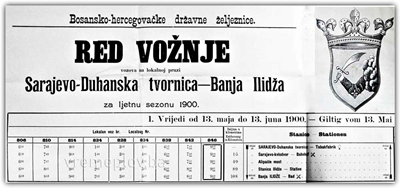
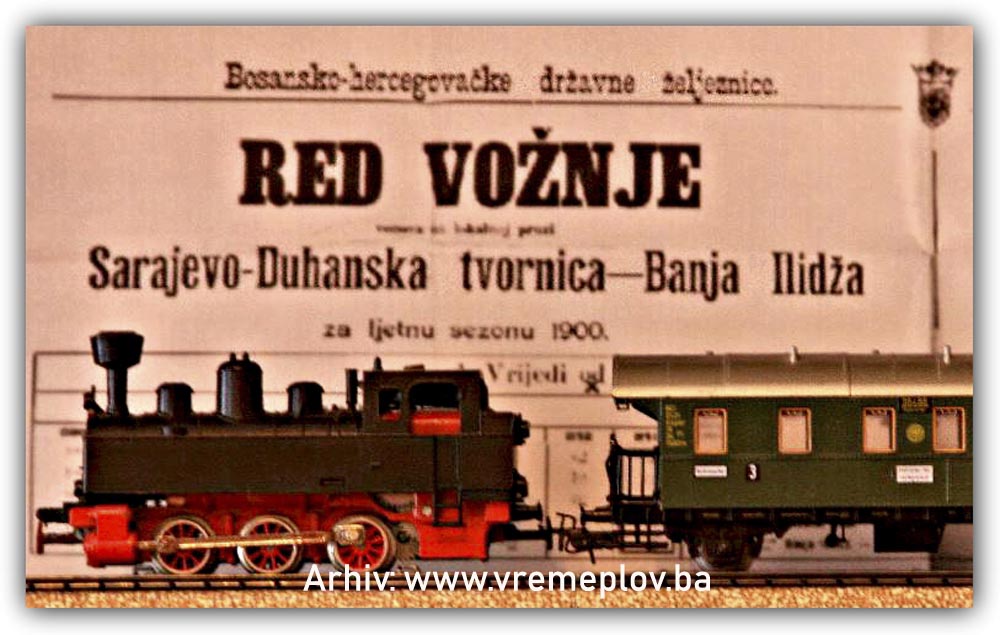
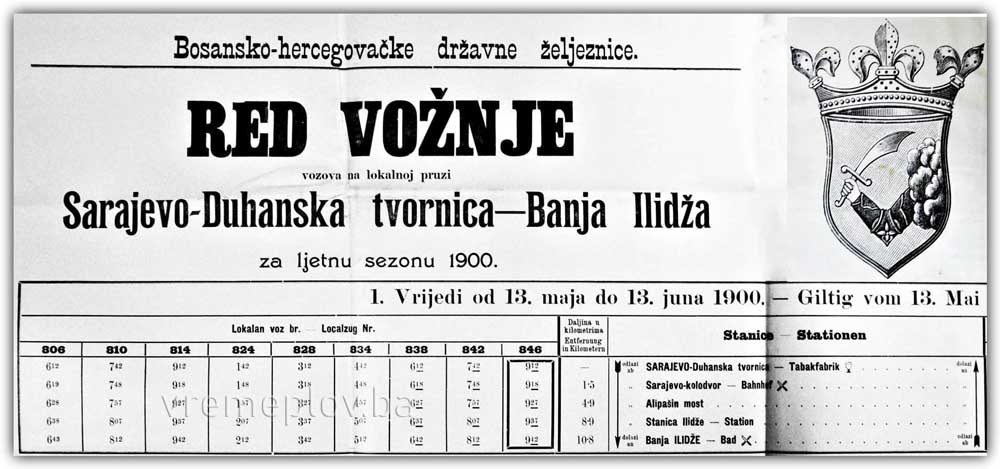
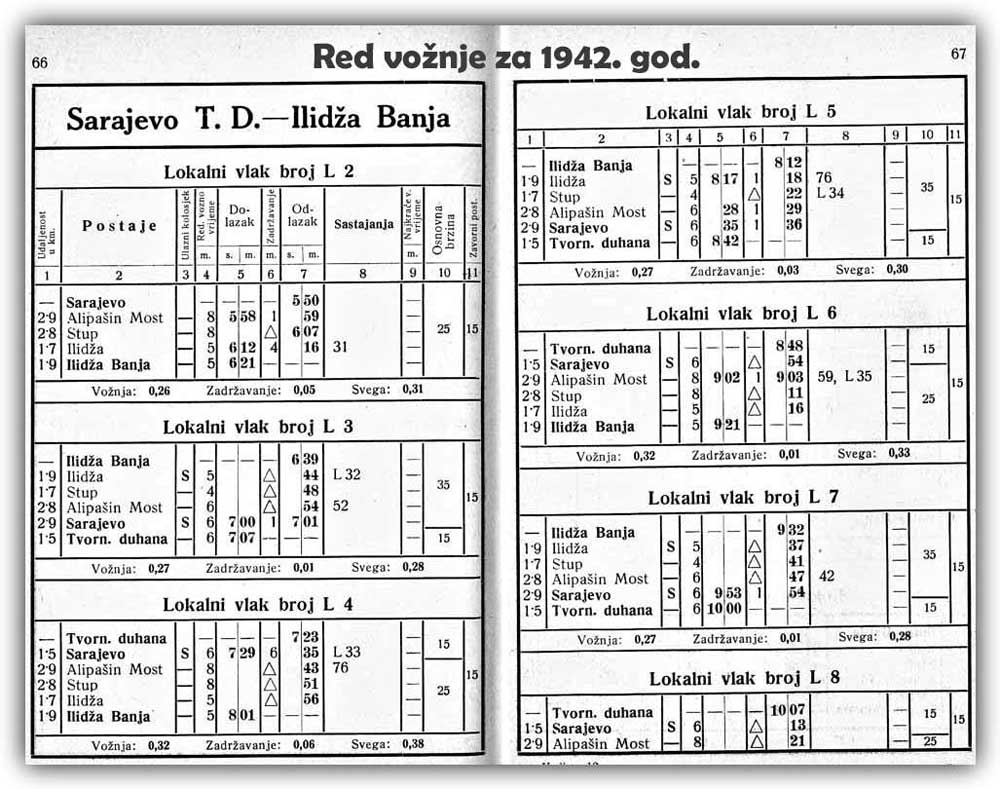
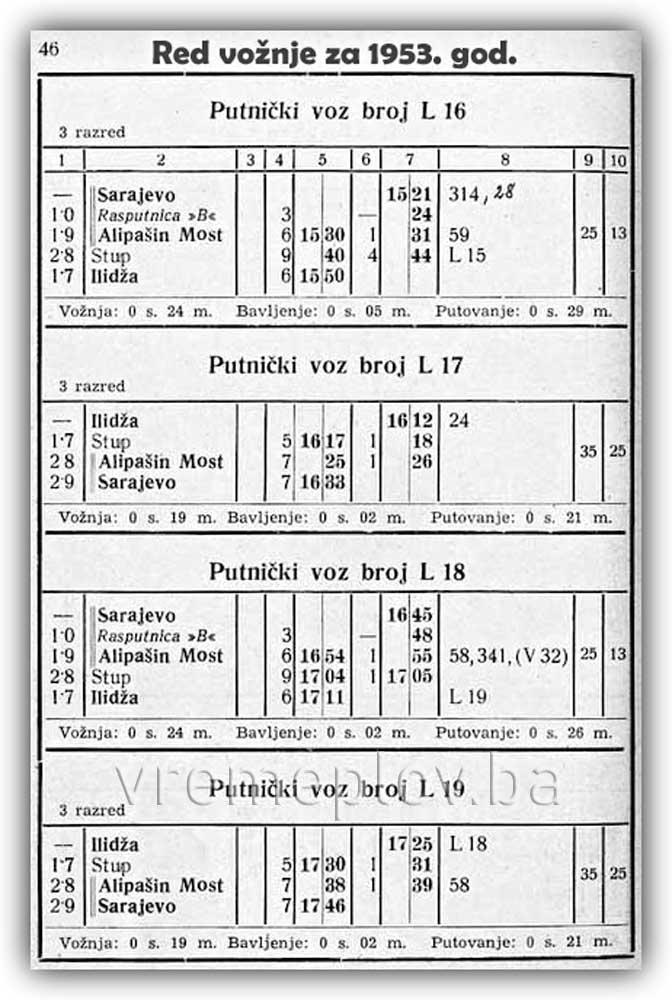
We will provide the transportation times for local trains between Sarajevo (Duvana Factory) and Ilidža Banja, according to the timetable booklet for the year 1924. The schedule included nine pairs of trains, with four pairs operating on Sundays and holidays. The first train from Sarajevo departed at 06:15, and the last at 20:34. From Ilidža Banja, the first train left at 07:26, and the last at 22:06. The journey took approximately 35 minutes.
Additionally, we provide information about the operation of local trains between Fabrika Duvana and Ilidža Banja from the timetable booklet for the 1937/38 year. The schedule included 26 pairs of trains, marked with the letter ‘L’. The first train from Fabrika Duvana departed at 05:55 a.m., and the last from Ilidža – Banja at 10:26 p.m. The departure intervals between trains ranged from 60 to 70 minutes. The travel time lasted from 30 to 33 minutes, depending on possible crossings at stations Stup and Alipašin Most.
**Period from 1945 to 1965**
After the end of World War II, the Bosnian railway network suffered extensive damage. The key task, now under the newly formed state, the Democratic Federative Yugoslavia, (later the Federal People’s Republic/Socialist Federal Republic Yugoslavia), was to restore the rail lines and road communication. The country’s reconstruction was declared complete in 1946, when the railway network was reestablished throughout Bosnia and Herzegovina.
There was no refurbishment of the passenger rolling stock on narrow-gauge tracks, so the Sarajevo Directorate relied on the cars it found at the time of the country’s liberation. With the construction of standard-gauge lines (“Bračko – Banovići,” “Šamac – Sarajevo,” “Banja Luka – Doboji,” “Doboji – Tuzla,” etc.), prioritized was the procurement of new passenger wagons for the newly built routes. The only assistance came from UNRRA (United Nations Relief and Rehabilitation Administration), through which Bosnia and Herzegovina received new steam locomotives for narrow-gauge tracks as well as broad-gauge locomotives and freight wagons.
The Sarajevo Railways Station had a stock of a total of 300 passenger cars up to 1955 (including 72 cars with a steel skeleton, and the remaining cars with steel frames with wooden skeletons) of narrow gauge 0.60, 0.75, and 0.76 meters, while all other railway stations collectively had 298 passenger cars of narrow gauge 1.00, 0.76, and 0.60 meters. The condition of passenger cars at Sarajevo Railways Station accounted for over 50% of the total number of all cars in the territory of Yugoslav Railways. Similarly, regarding the origin or age of the cars, about 66% of the cars in the Sarajevo Railways area were produced between 1885 and 1918 (during the Austro-Hungarian Monarchy), and approximately 33% from 1919 to 1945 (during the Kingdom of SHS/Yugoslavia and NDH), including repair cars.
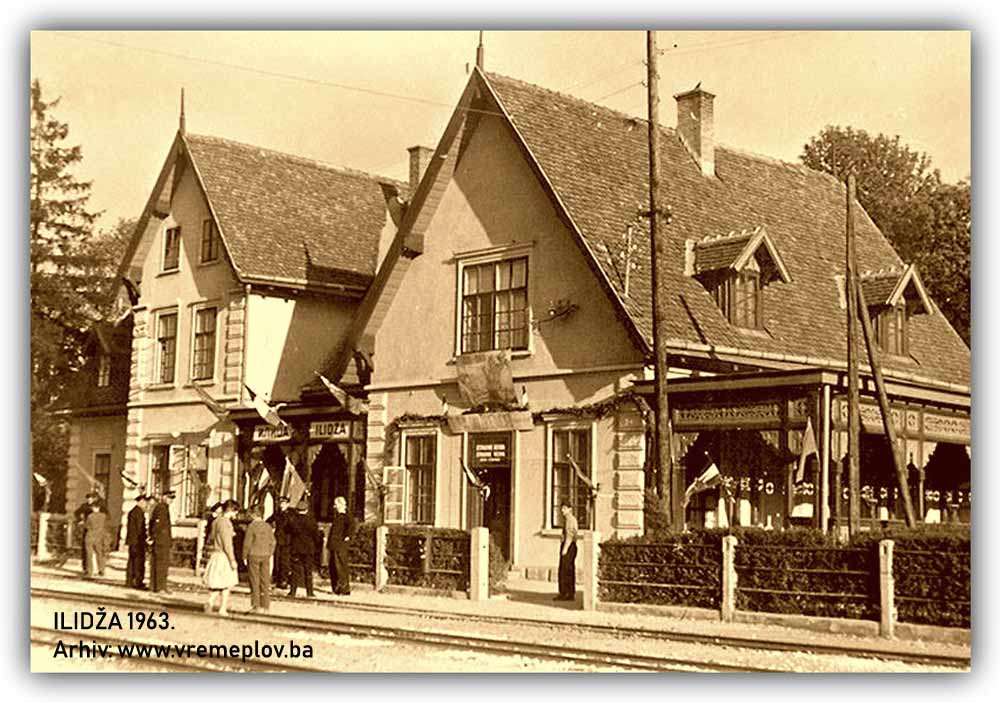
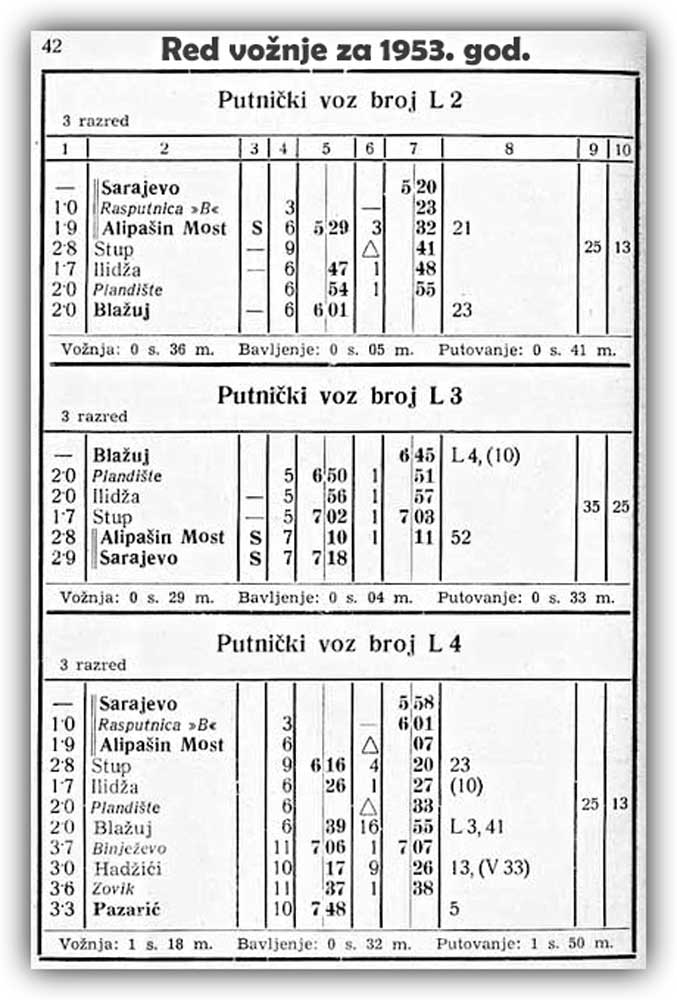
On certain routes, the narrow gauge rails were dismantled and replaced with standard gauge rails, making the operation of many passenger cars on the discontinued track obsolete. Double-axle cars and cars with wooden baskets (baskets) were mainly removed from service. Passenger carriages on the factory of Tobacco line – Banja Ilidža, with included repair cars, continue to operate but on a reduced scale. By reviewing the timetable booklet for 1949, an interesting fact emerges: local trains with “Ilidžan” wagons departed from Sarajevo station and traveled only to Ilidža, totaling twelve pairs of trains. The first train from Sarajevo left at 05:01 hours, and the last from Ilidža at 22:45 hours. Similarly, on the Sarajevo – Blažuj route, three pairs of trains operated. Users from the urban area to the Sarajevo railway station also used tram transportation.
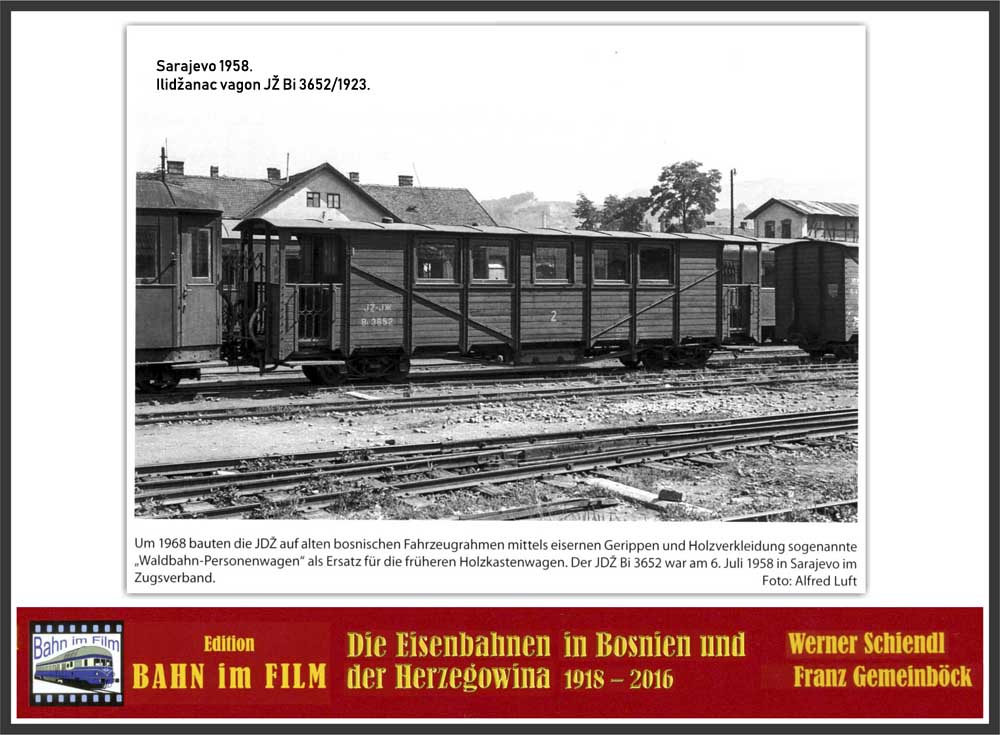
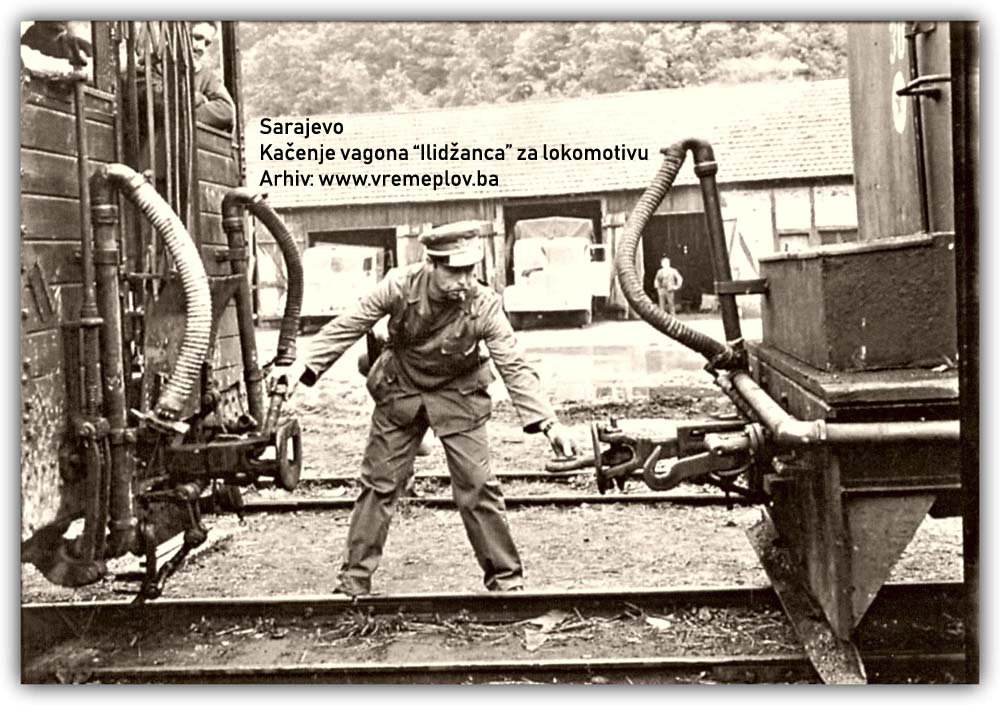
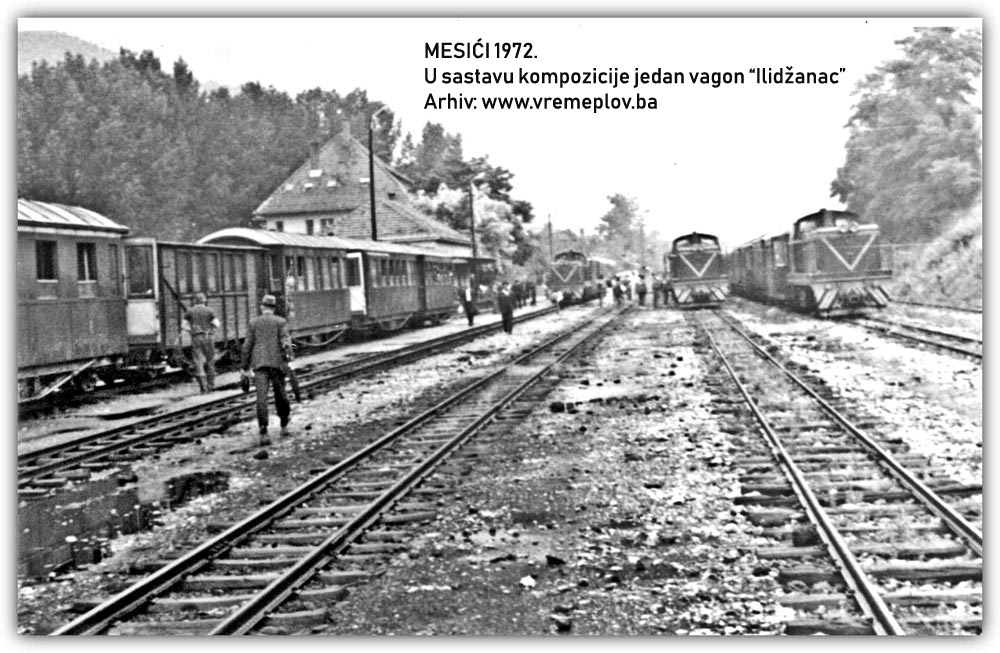
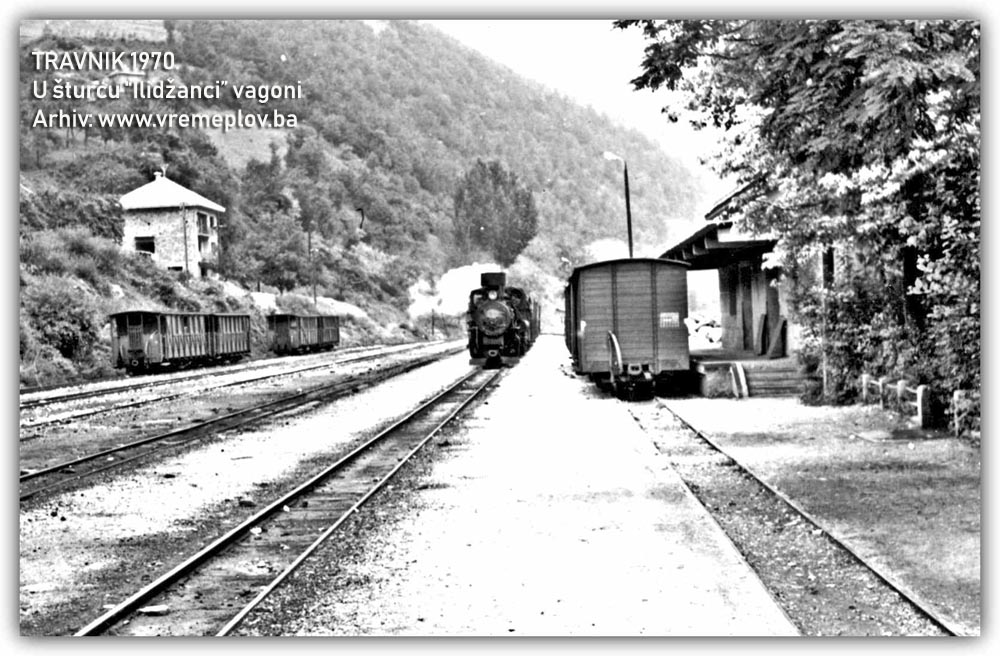
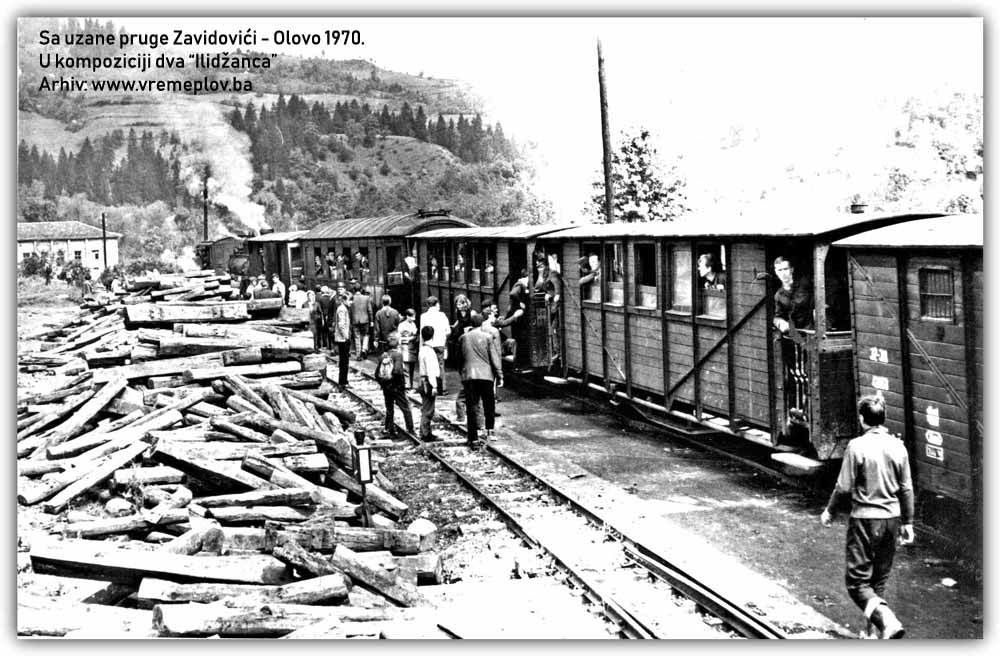
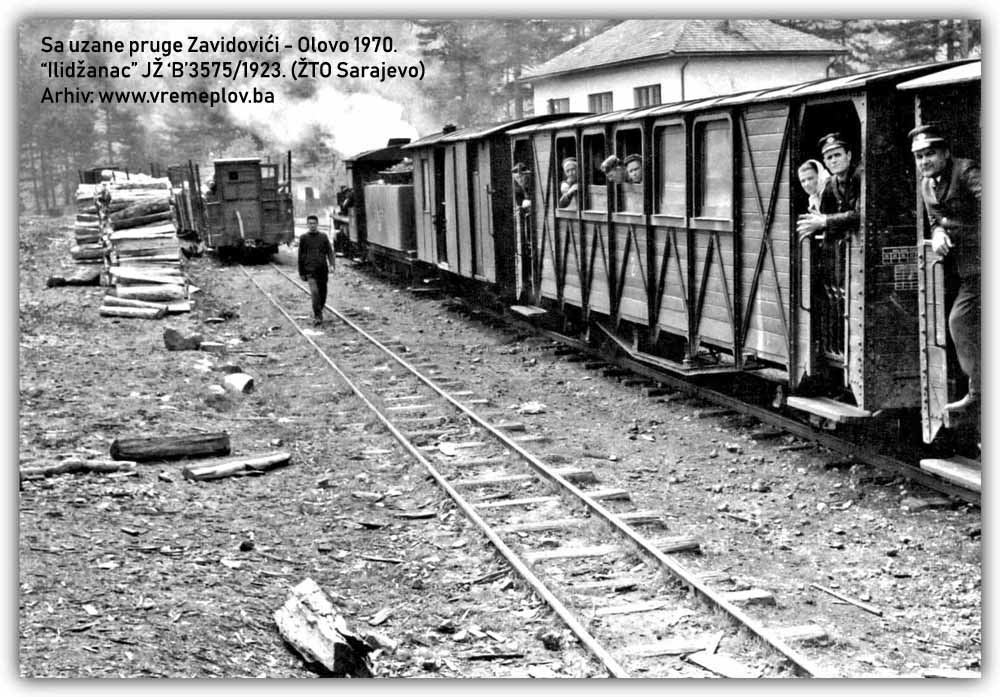
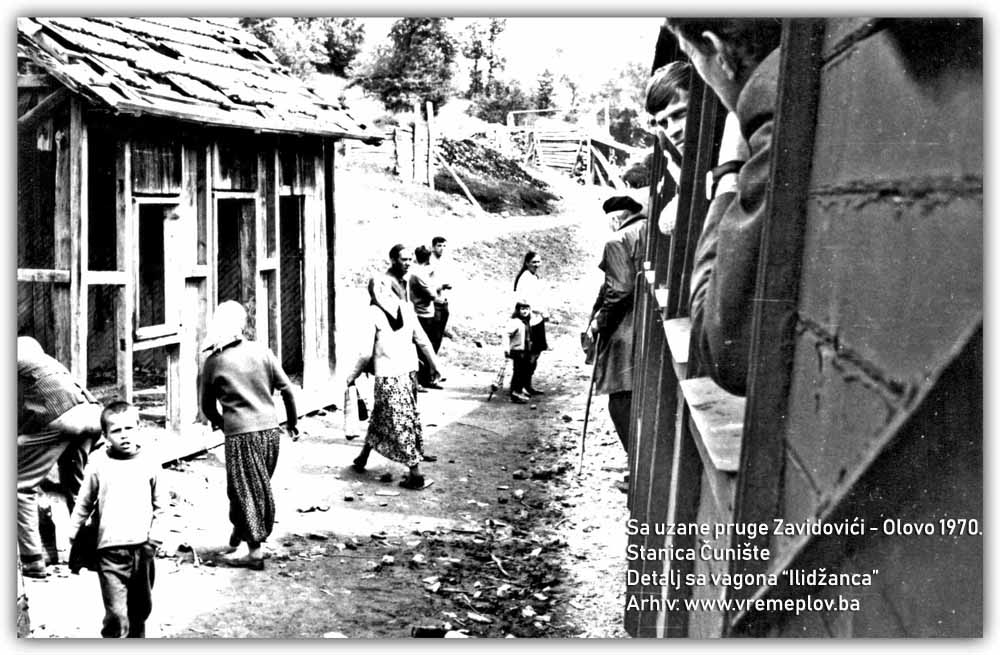
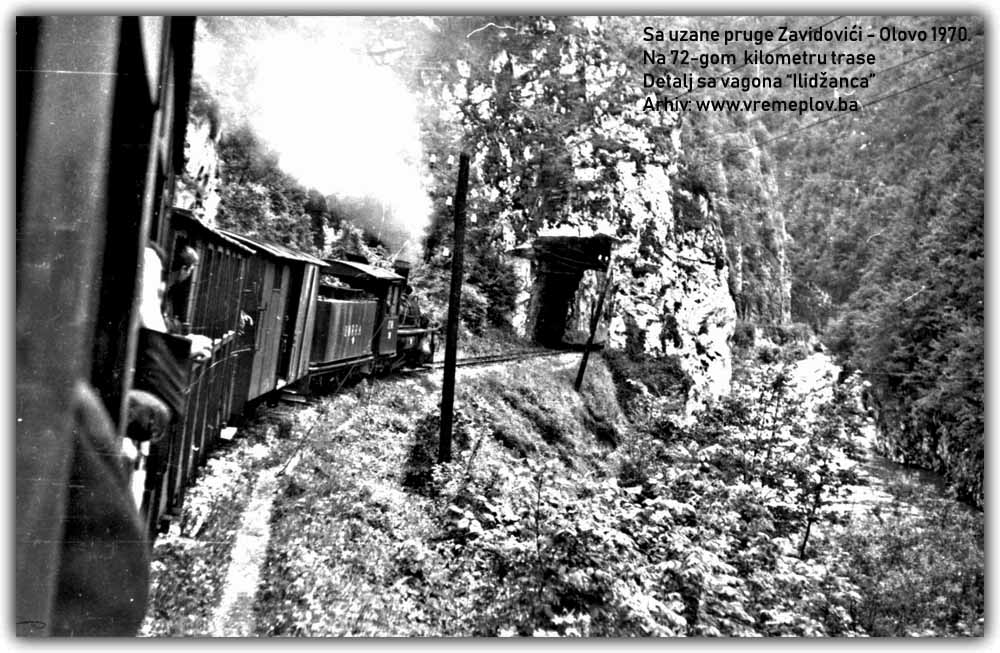
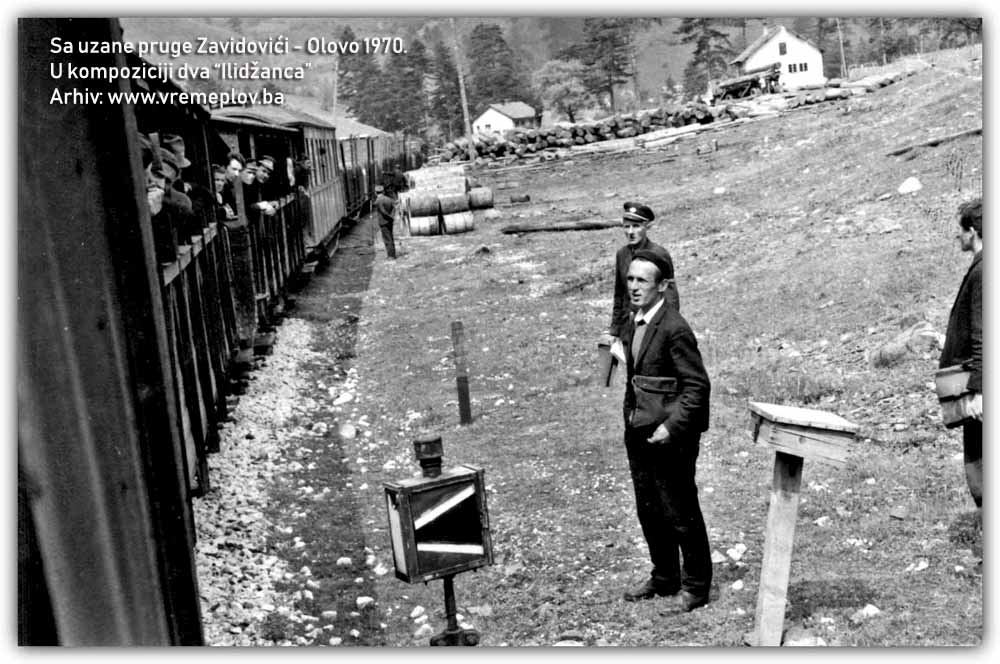
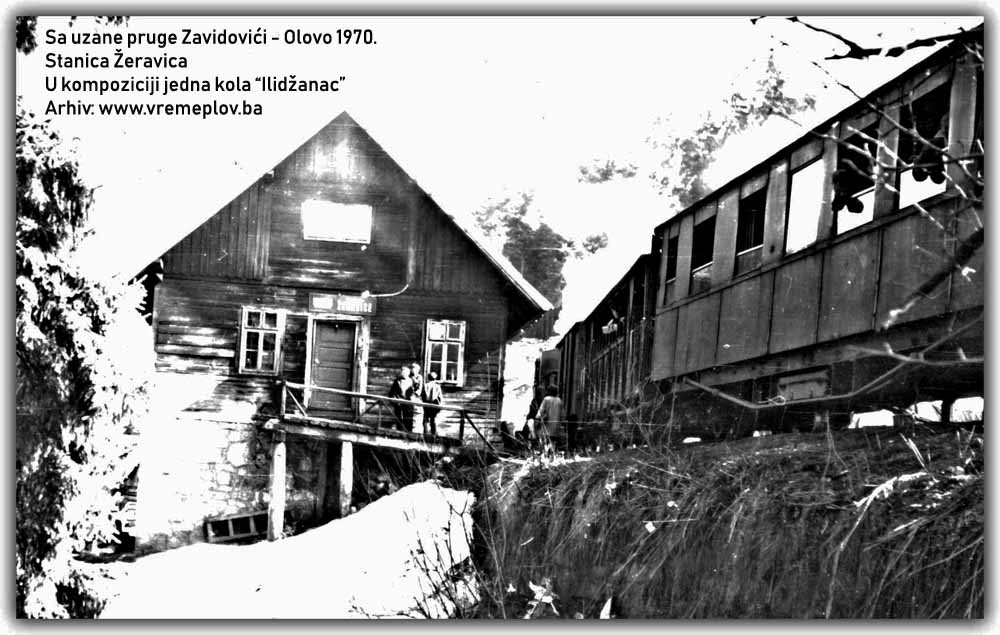
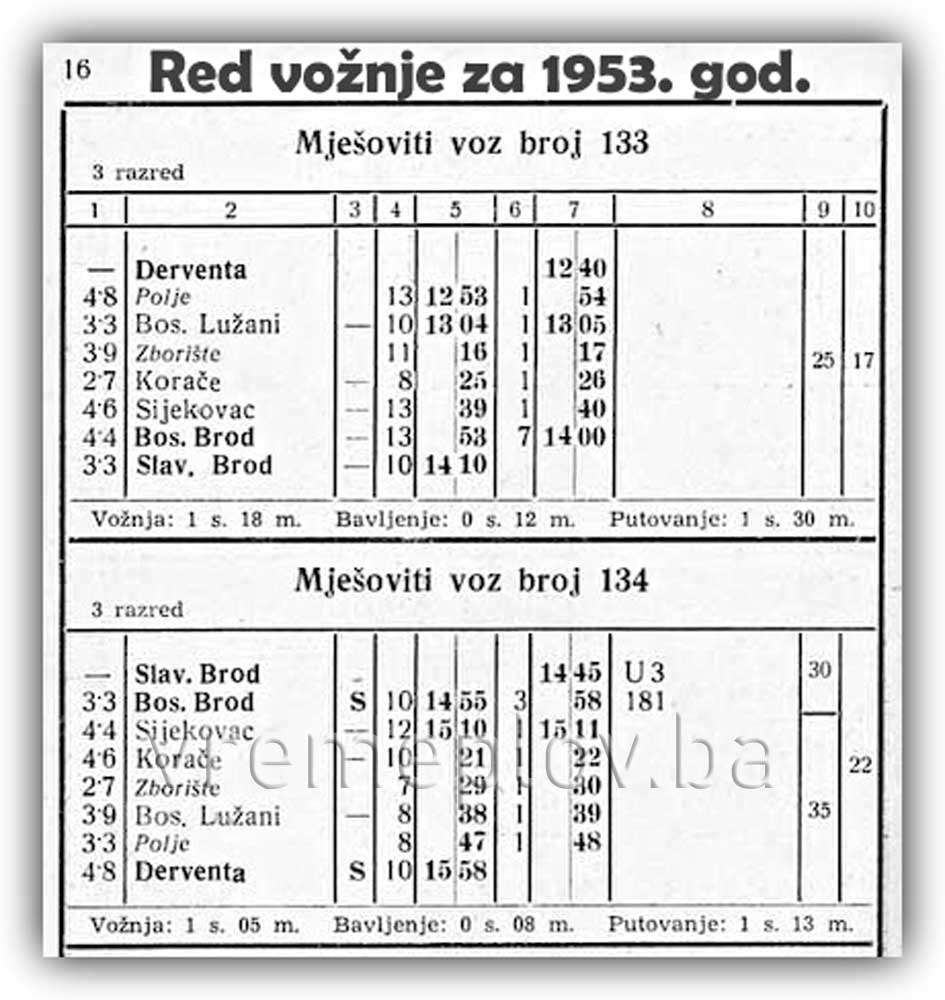
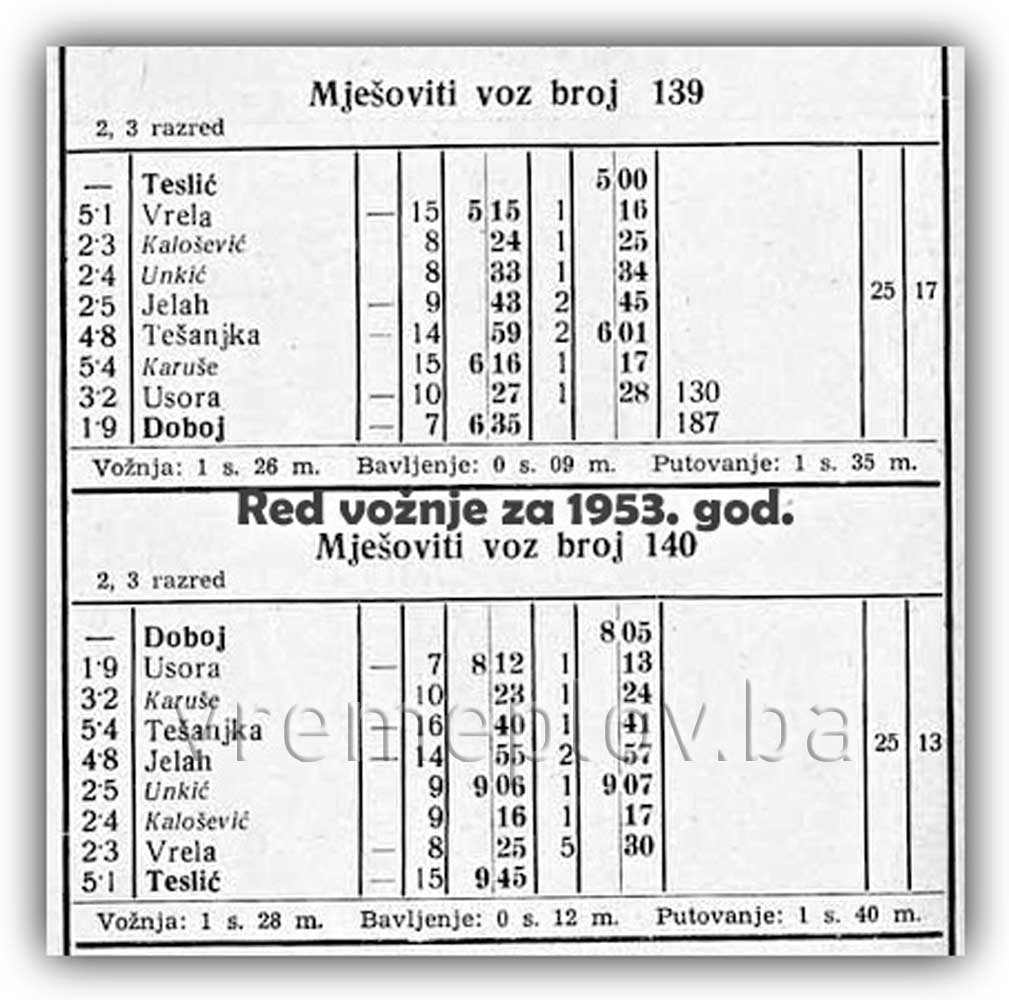
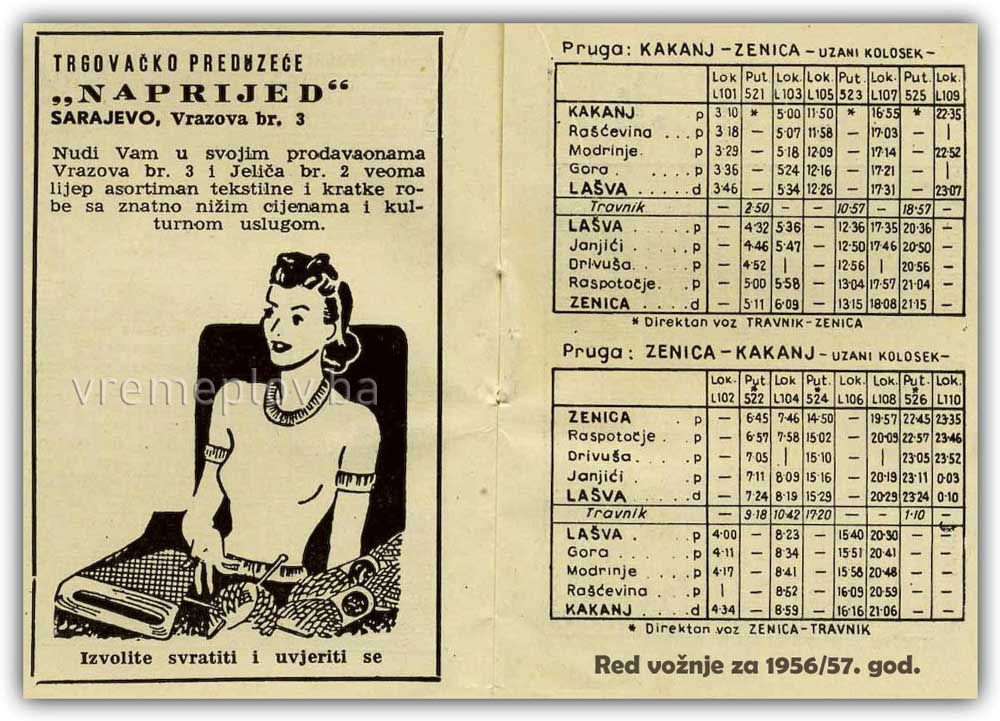
After 65 years of regular operation, the fate of this “city” railway line was sealed with its discontinuation in 1957. During those years, reconstruction work began on the new Sarajevo-wide tram network with broad gauge tracks, a roundabout from Ilidža to Baščaršija and back. The Sarajevo Railway Directorate made a decision to “extend the life of Ilidža residents” and reassign them to new domiciles across the country. According to data from the timetable booklet for 1958, in Sarajevo, 6 “Ilidža” cars continued to operate on the route Sarajevo – Tarčin – Bradina; in Bosanski Brod, 6 cars on the route Bosanski Brod – Duga – Usora – Teslić; in Zavidovići, 7 cars on the route Zavidovići – Olovo – Han Pijesak; in Travnik, 6 cars on the route Travnik – Lašva – Zenica; in Zenica, three cars on the route Zenica – Lašva – Kakanj; and at the Gračanica station, two cars on the route Gračanica – Karanovac.
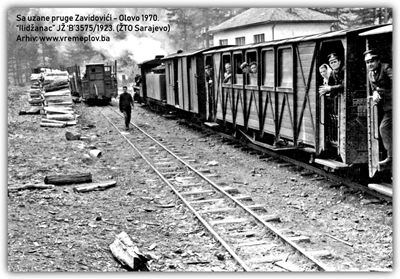
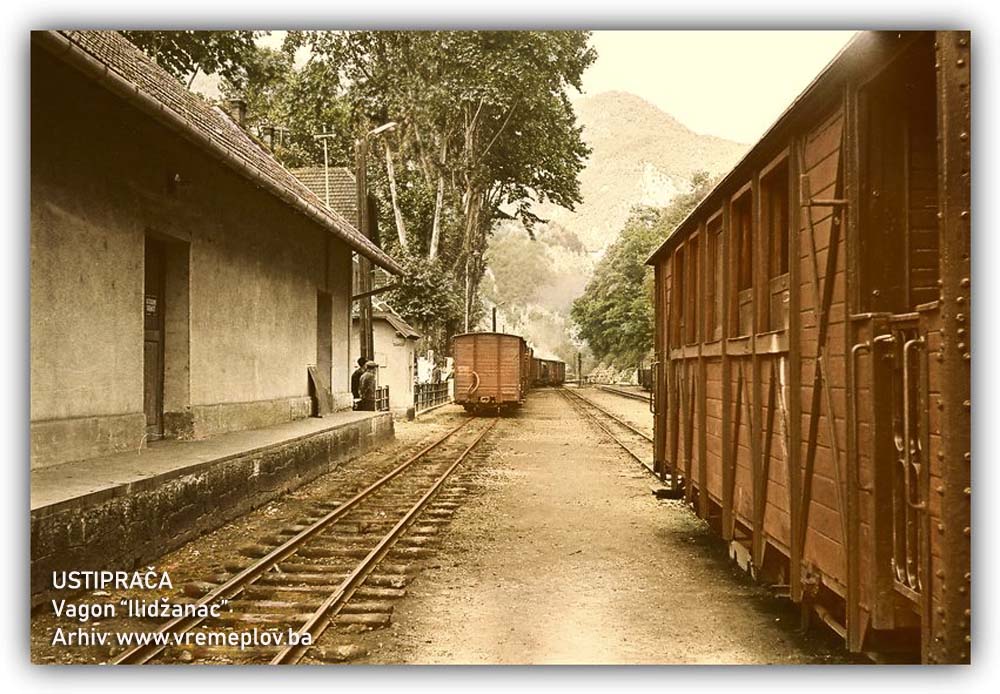
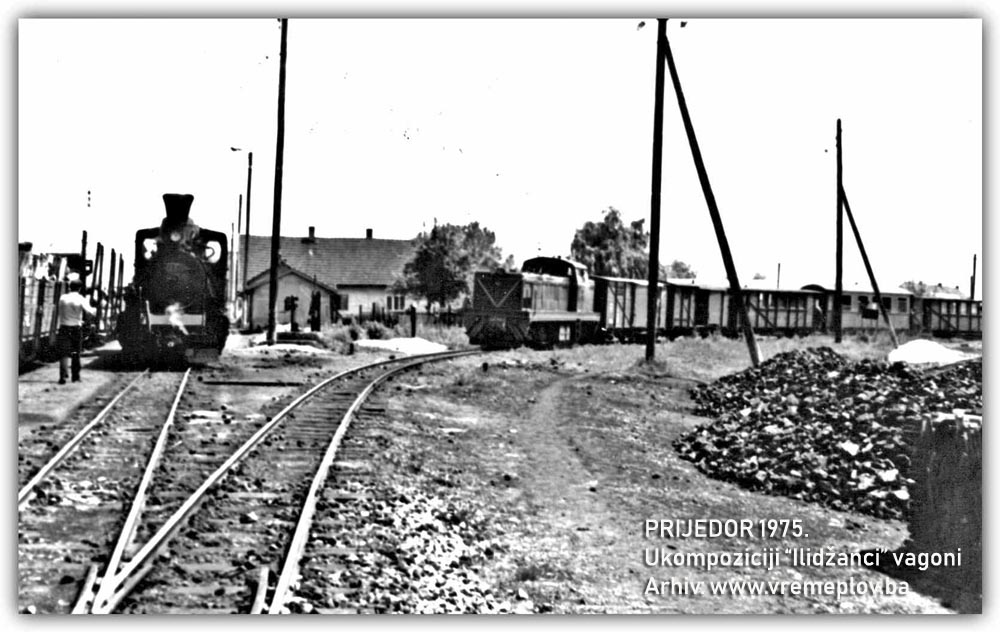
All 30 vehicles (op. a.) will undergo a main overhaul at the Central Workshop “Vaso Miskin Crni” and instead of the series designation ‘Cl’, they will be marked with series ‘B’, subseries ‘l’ – ‘Bl’ with the same (old) numbers. After the construction of the standard gauge Sarajevo – Ploče line, the service life of the “Ilidžanac” vehicles, in addition to the previously mentioned routes, will also end on the local traffic lines Ustiprača – Foča, Prijedor – Drvar – Lička Kaldrma, and Bijeljina – Bosanska Mezgraja.
How the wagons arrived at their new destinations (un)officially received the name “Ilidžanci,” or “Ilidžanac” wagon. With this name, both railway personnel and travelers of all ages developed great sympathy, and for many generations, it remained a cherished memory and a fond recollection.
Period from 1965 until the abolition of narrow gauge tracks.
For narrow-gauge lines, the key year is 1965, when measures regarding Socio-economic reforms in Bosnia and Herzegovina were introduced. The adopted reforms affirmed a new role for the market through accounting and cost principles, which implied that unprofitable narrow-gauge railways were to be abolished or restructured. Over the next ten years, almost all narrow-gauge lines in Bosnia and Herzegovina were discontinued for rail traffic, except for the Sarajevo – Višegrad and Drvar – Lička Kaldrma lines, which were abolished in mid-1978. The Bijeljina – Bosanska Mezgraja narrow-gauge line, which was located within Bosnia and Herzegovina, was discontinued in mid-1979 and was operationally managed by JŽ ŽTP Belgrade.
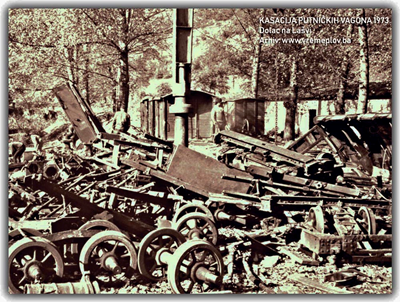
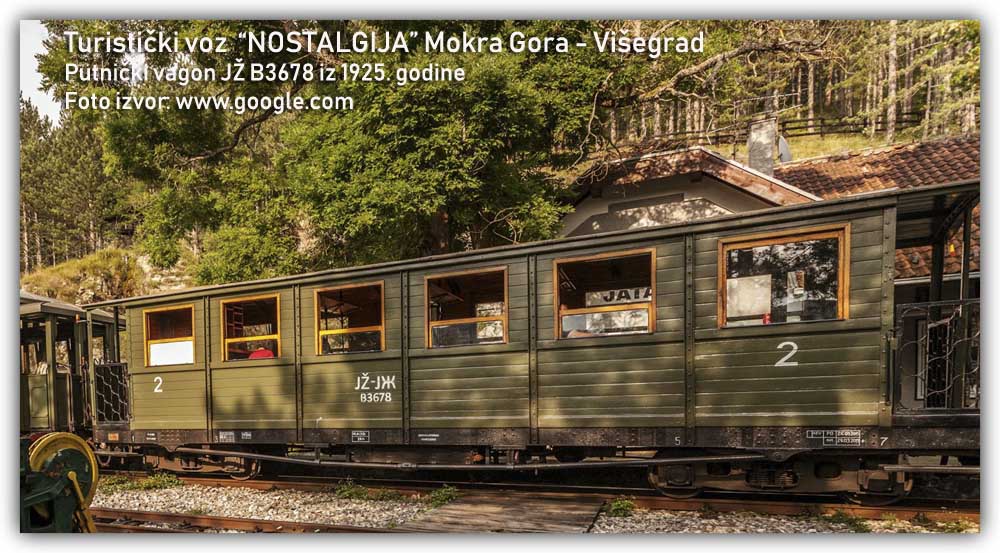
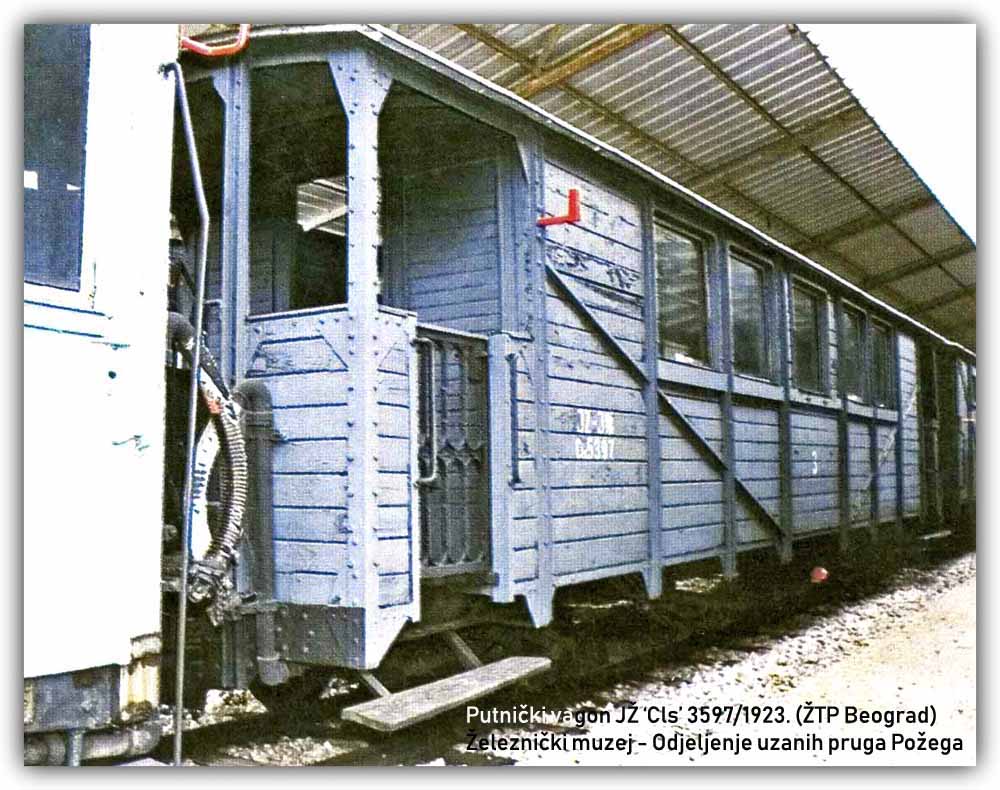
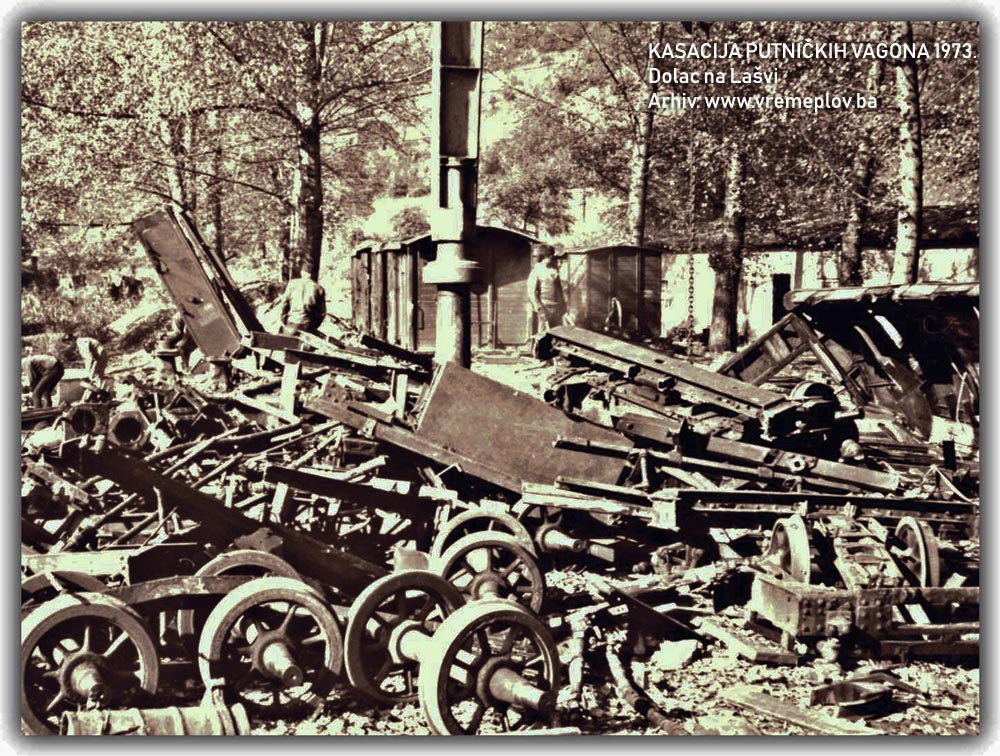
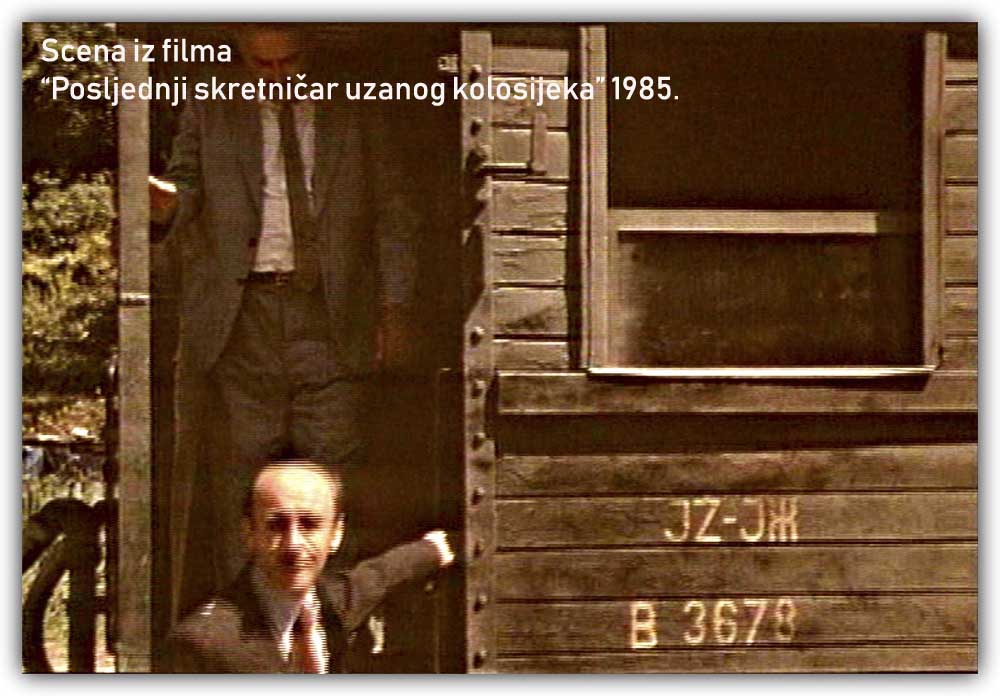
The entire narrow-gauge rolling stock has been written off and transported to nearby smelters. Like they were born in the smelters, so they also ended their lives—albeit briefly. They continued living in a new form as steel products in construction and in the production of tools for industry and household use. Very few have been preserved for the needs of railway, city, and regional museum exhibits. One preserved carriage from this story is still part of the permanent display at the Railway Museum in Požega (Serbia) with the designation Cls 3597, manufactured in 1923, and was owned by the Regional Directorate of DŽK SHS, later JŽ ŽTP in Belgrade. Additionally, on the revitalized track of the narrow-gauge railway Mokra Gora – Višegrad (“Šarganska osmica”, September 1, 2003), used for tourist rides, one carriage from series ‘B’ 3678 (an older series ‘C’ with 33 seats, op. a) produced in 1925, is in operation. It was owned by the Regional Directorate of DŽK SHS, later JŽ ŽTP in Belgrade.
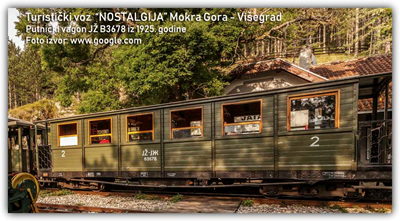
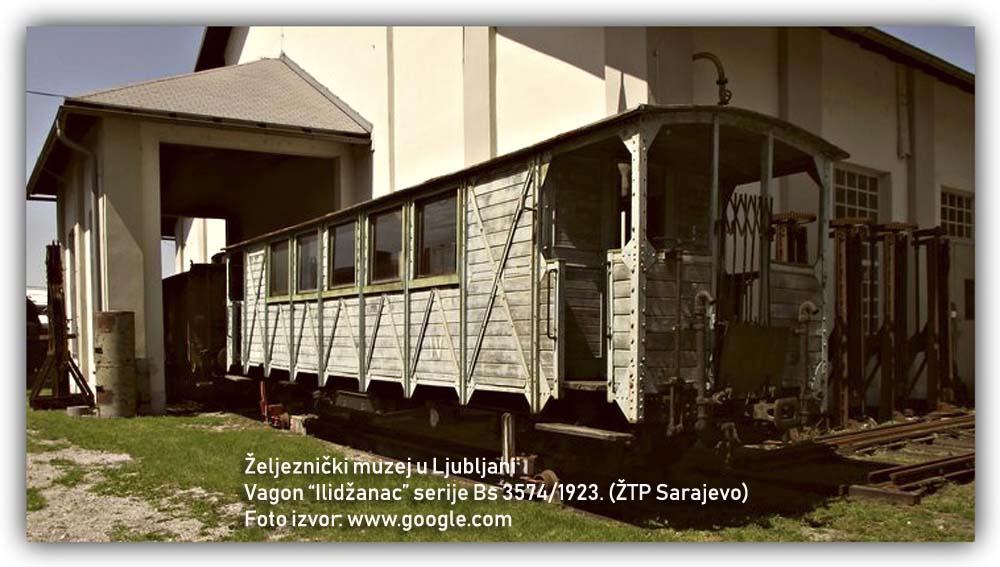
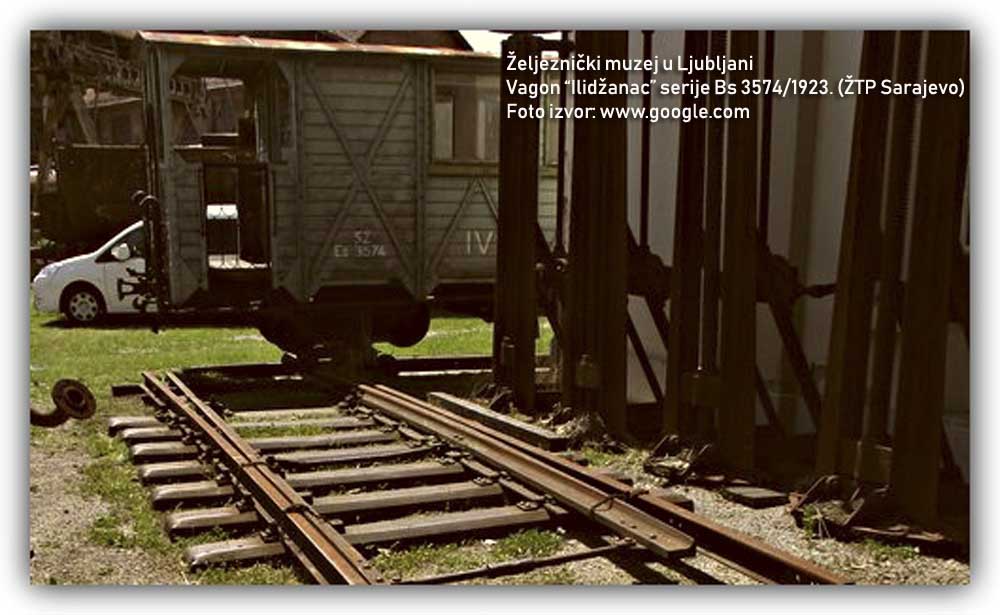
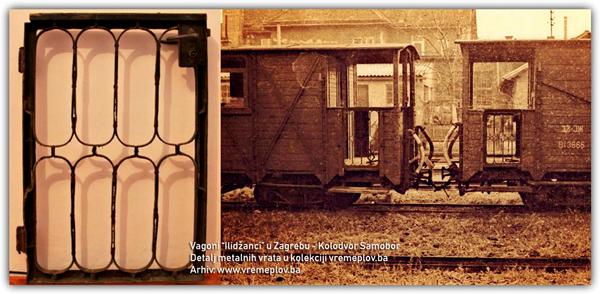
In the permanent exhibition of the Ljubljana Railway Museum (Slovenia), there is one “Ilidžanac” car from series ‘Cs’ 3574, produced in 1923, which was owned by the District Directorate of DŽK SHS, or JŽ ŽTP Sarajevo. In the mid-1970s, three “Ilidžanac” wagons and one steam locomotive (JŽ 71-006) were delivered to Zagreb, at the Samobor station, for the purpose of revitalizing the tourist narrow-gauge railway Samobor – Zagreb. According to some testimonies, it was labeled on the wagons that the revision was performed at the station Alipašin Most, proving that they were owned by JŽ ŽTP Sarajevo. This project was never realized, and the fate of the “Ilidžanac” remains a mystery for two wagons; however, one wagon from series ‘Bl’ 3666 and a steam locomotive (without a chimney and tender) are on permanent outdoor display in Samobor as a monument, even though they never operated on that line.
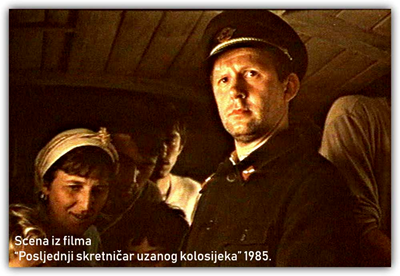
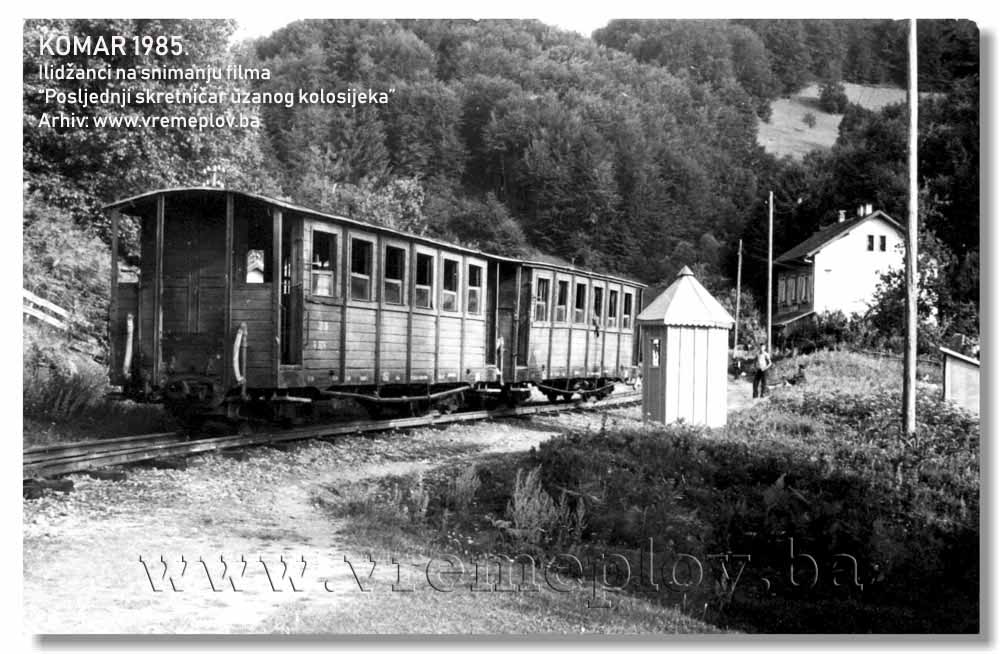
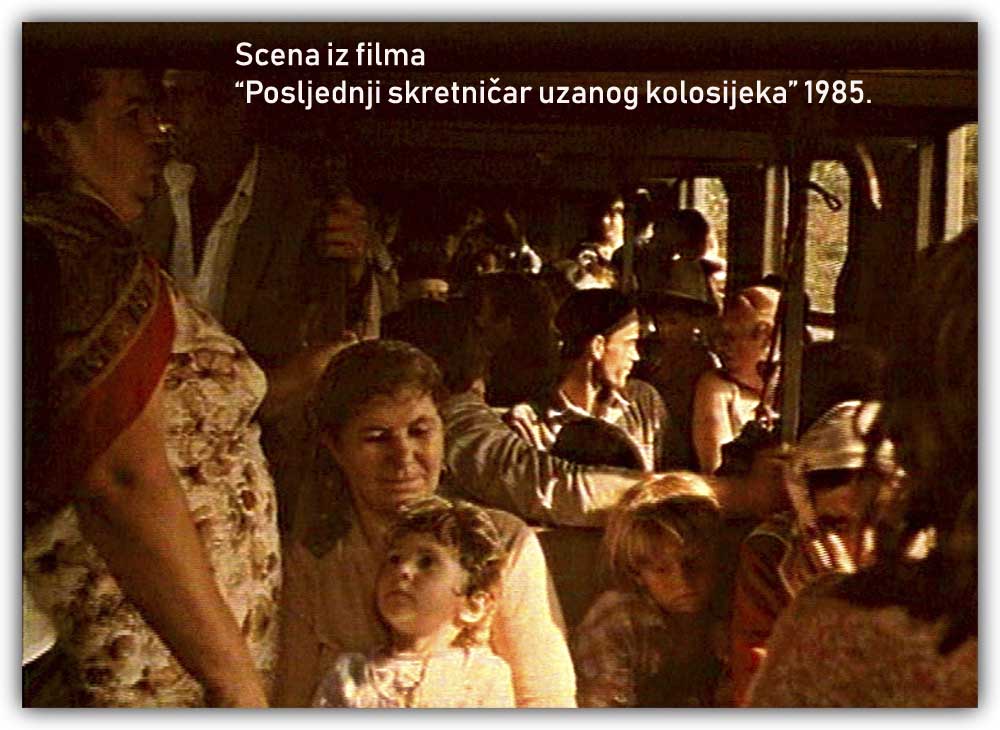
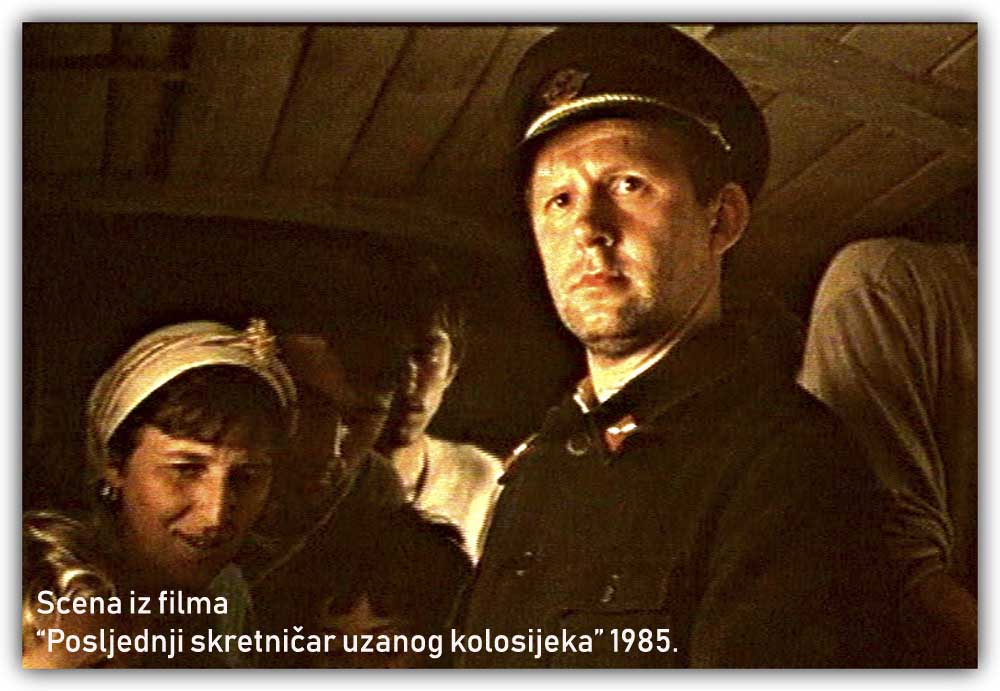
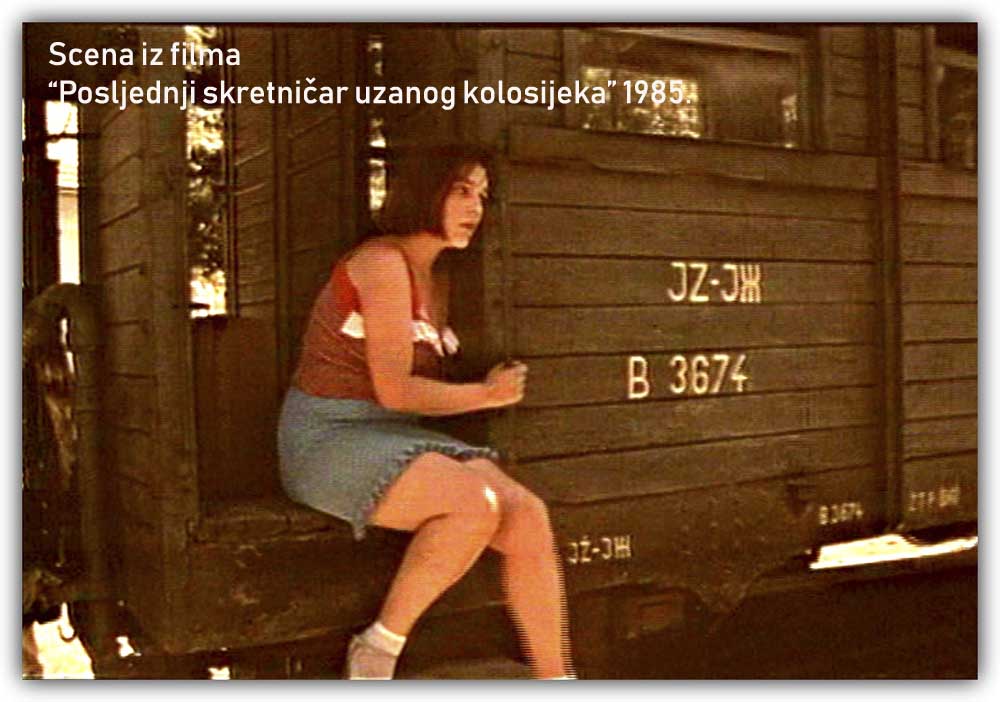
As a permanent memory of the wagons from our story, it will remain recorded through a film strip. Namely, in 1985, the film “The Last Narrow-Gauge Switchman” was shot by the film’s creator, well-known film worker, screenwriter, and director Vesna Ljubić, produced by “Sutjeskafilm” from Sarajevo. The film was shot at the former narrow-gauge station Komar, near Donji Vakuf. For the purposes of filming, a steam locomotive from the JŽ 83-156 series (manufactured by Đuro Đaković in 1948) and one official carriage from the ‘De’ series 5386 (produced in 1908 for the Bosnian Railways at the time) were obtained and loaned by RMK Banovići. Additionally, one freight wagon from the hometown museum in Mlinista and two “Ilidža” series wagons, ‘Bl’ 3674 and 3678 (produced in 1925, owned by ŽTP Belgrade), were delivered from the local museum in Bijeljina. By the way, these two wagons operated for many years on the Bijeljina – Bosanska Mezgraja route. Watching this film, current generations can see the appearance, construction, and interior design of the “Ilidža” wagons, preserved from as far back as 1925, in which our (great)/(great) grandparents, parents, and many other travelers of all ages traveled until the narrow-gauge tracks were discontinued in 1978/79.
Photos from the filming of this iconic movie can be viewed through the link: https://vremeplov.ba/2025/?p=17047

Despite serious efforts to investigate using documentation from the Bosnia and Herzegovina Archive, we were unable to obtain the requested documents. Specifically, the archive workers, with great effort, have been organizing archival materials from the year 1920 onward, all due to the partially destroyed materials caused by the fire in February 2014 during civil demonstrations in Sarajevo. The data source was derived from personal archival and photographic documentation from vremeplov.ba.
How much we have achieved with this story, which has guided us through life and the different fates of the main characters of the “Ilidžanci,” judge for yourself. We aimed in our attempt to keep our “Ilidžanci” remembered, as they left an indelible mark during their turbulent historical journey, working for the needs of the “Sarajevo City Railway,” and later in the service of passenger rail transport throughout Bosnia and Herzegovina.
Related Articles:
- „Osvrt na gradsku željeznicu za vrijeme Austro – Ugarske uprave“, https://vremeplov.ba/2025/?p=4248
- „Historija razvoja putničkog saobraćaja uzanog kolosijeka u Bih“, https://vremeplov.ba/2025/?p=17404