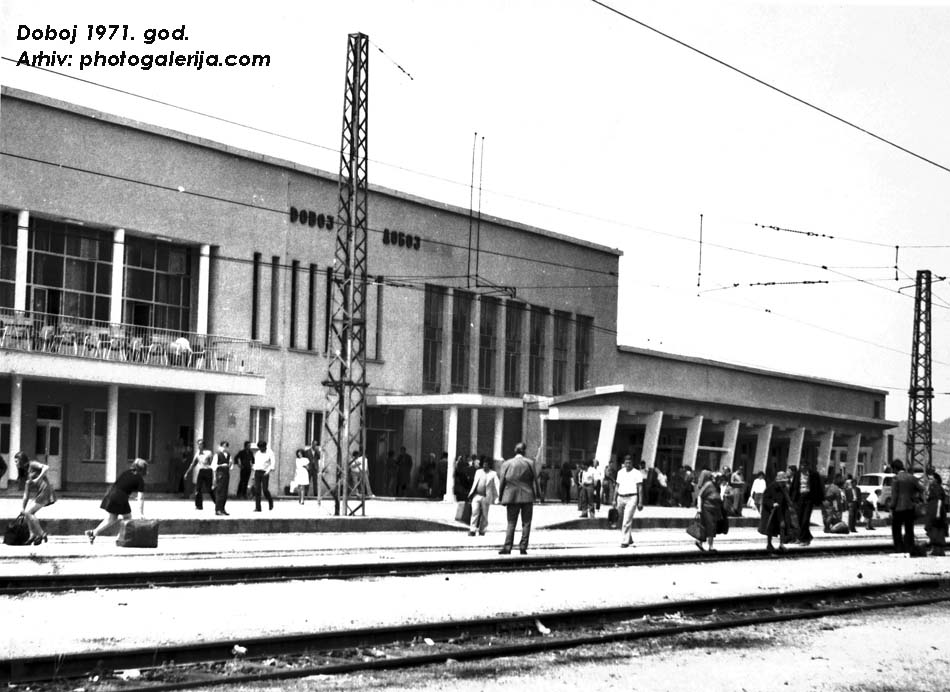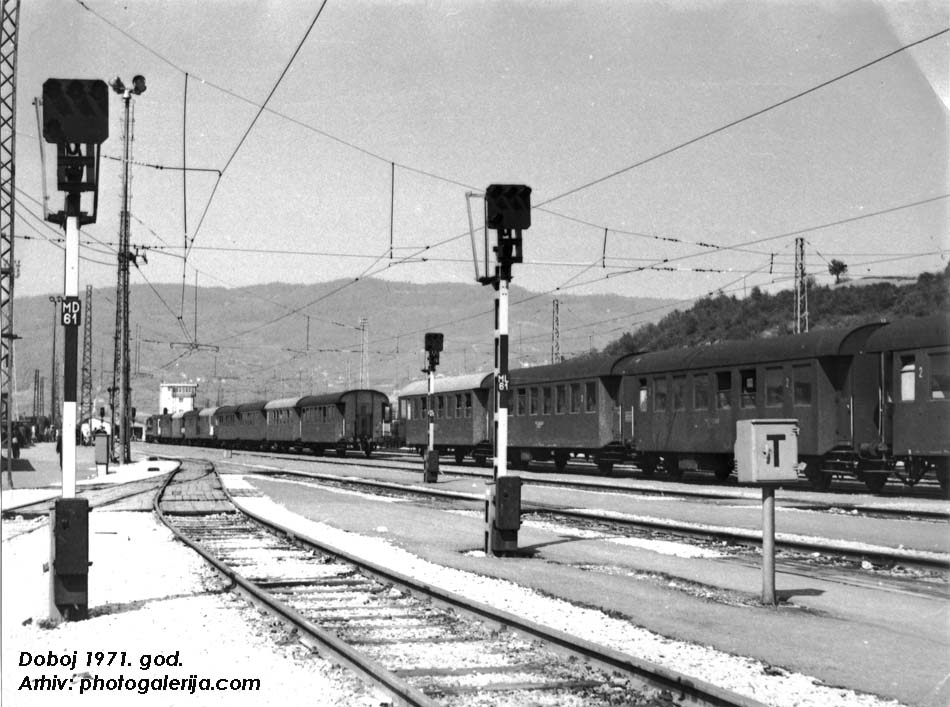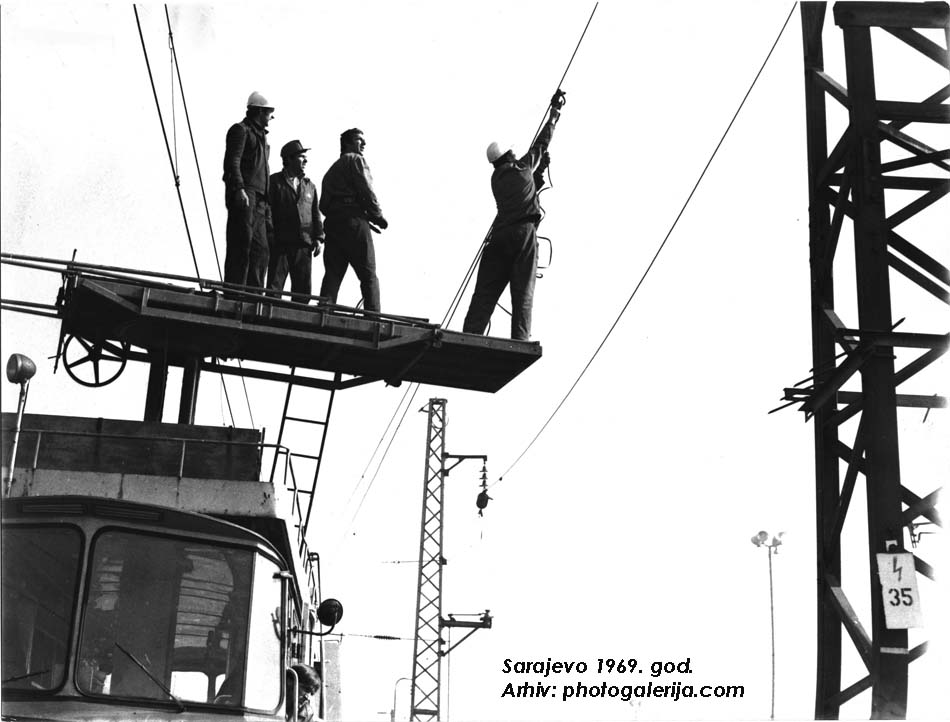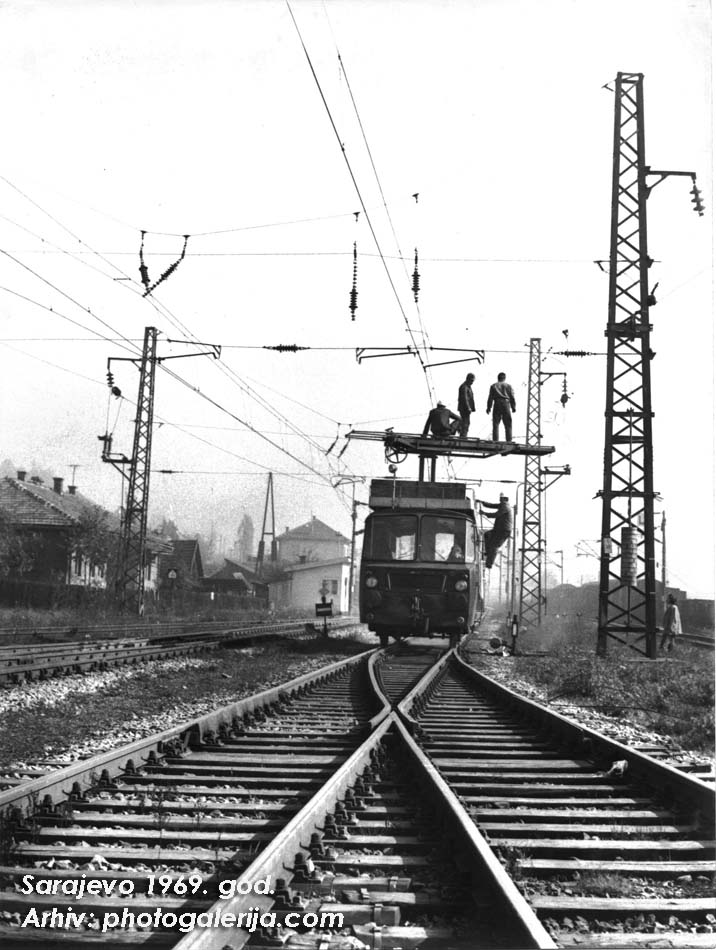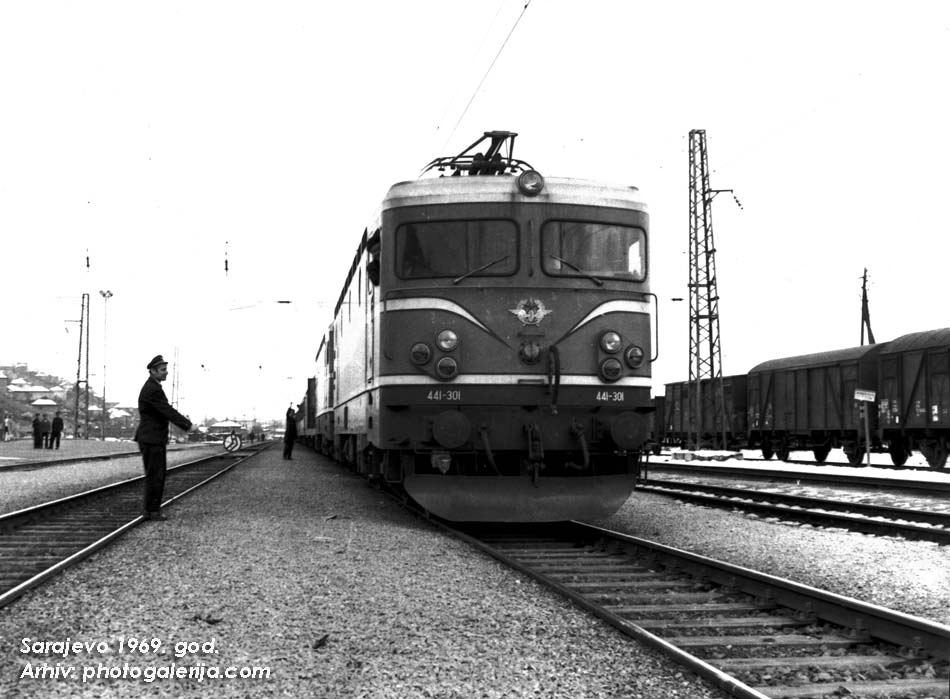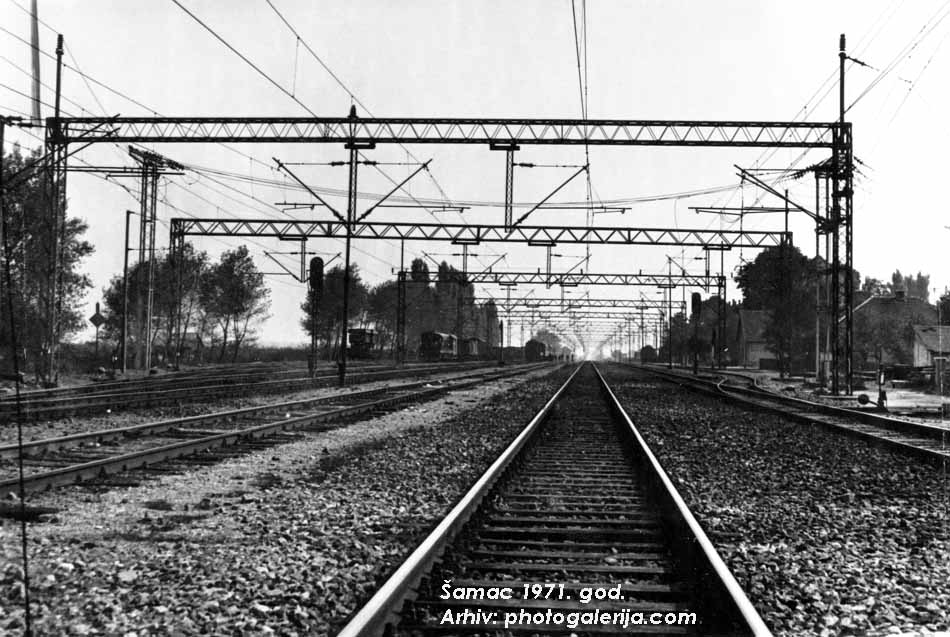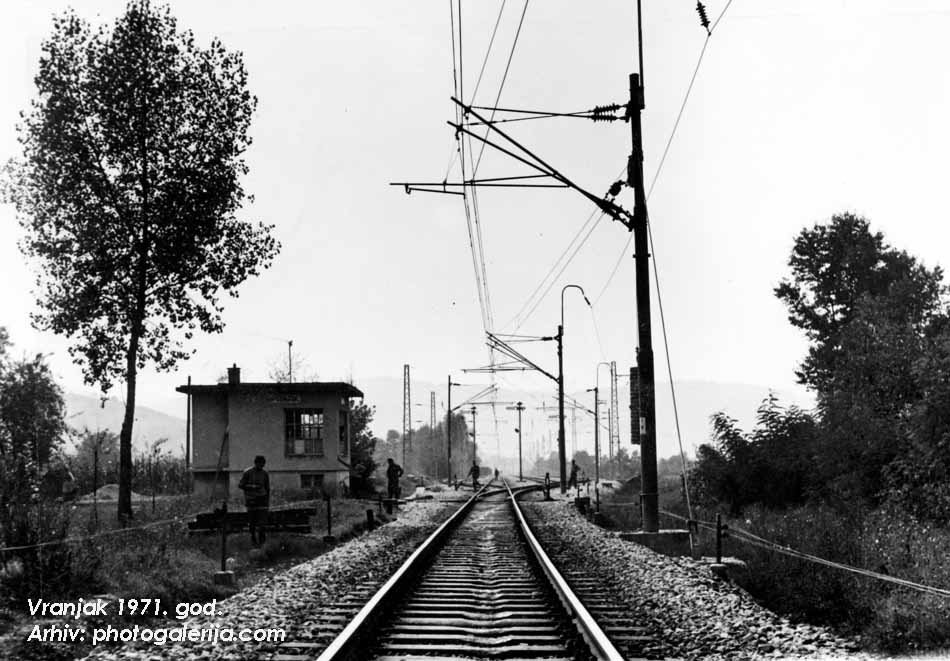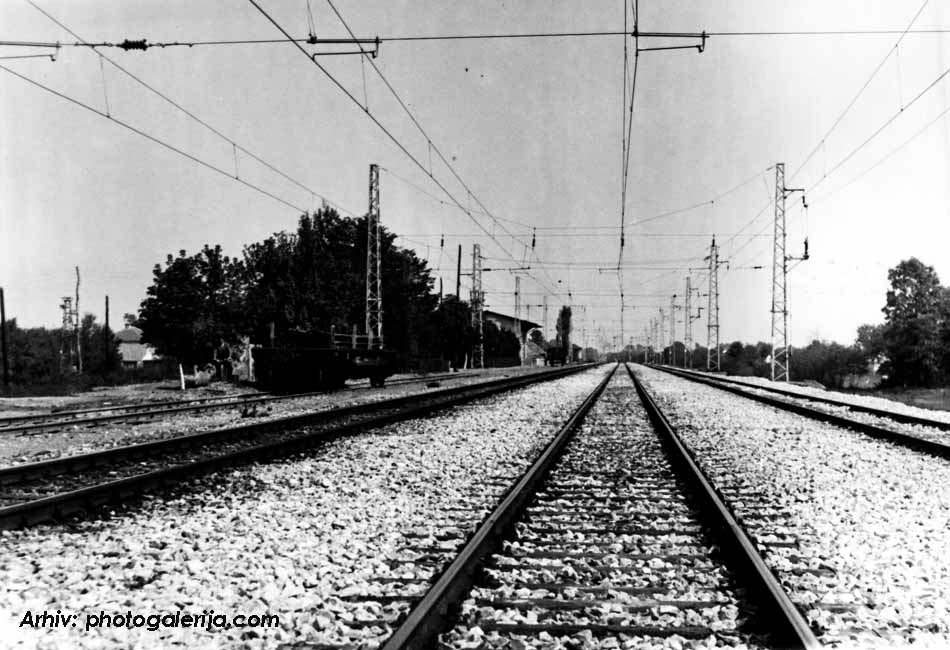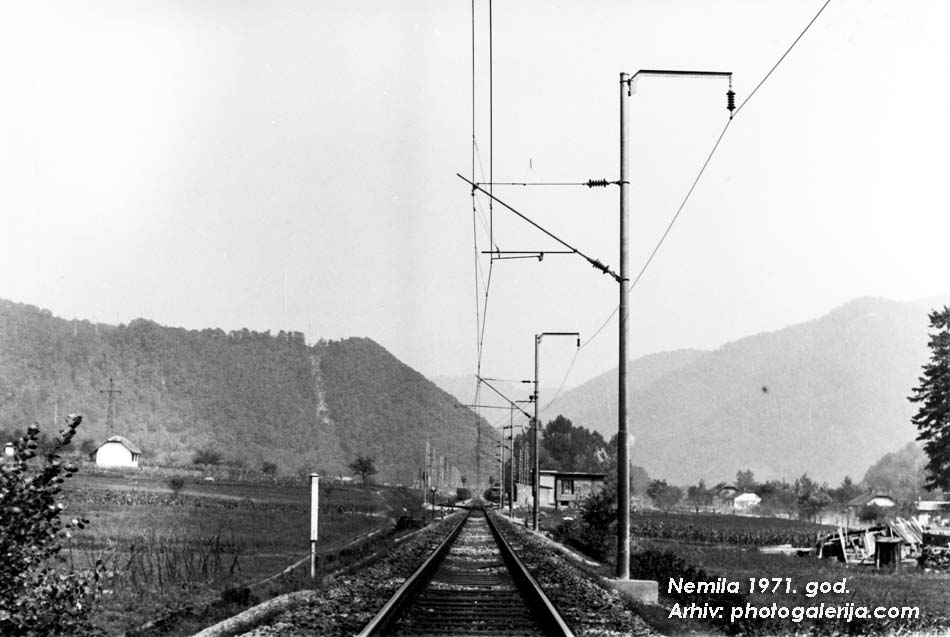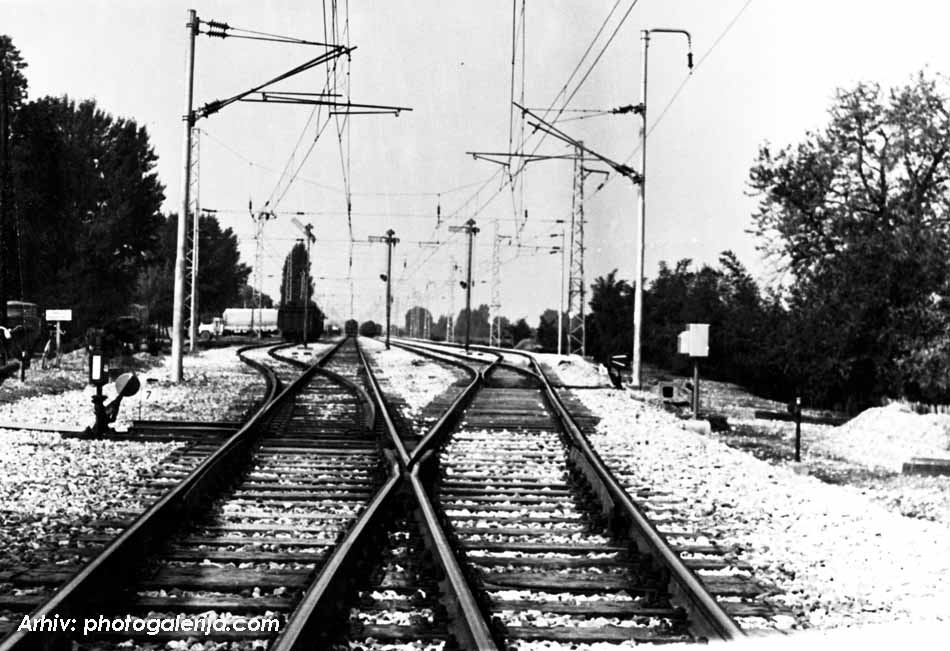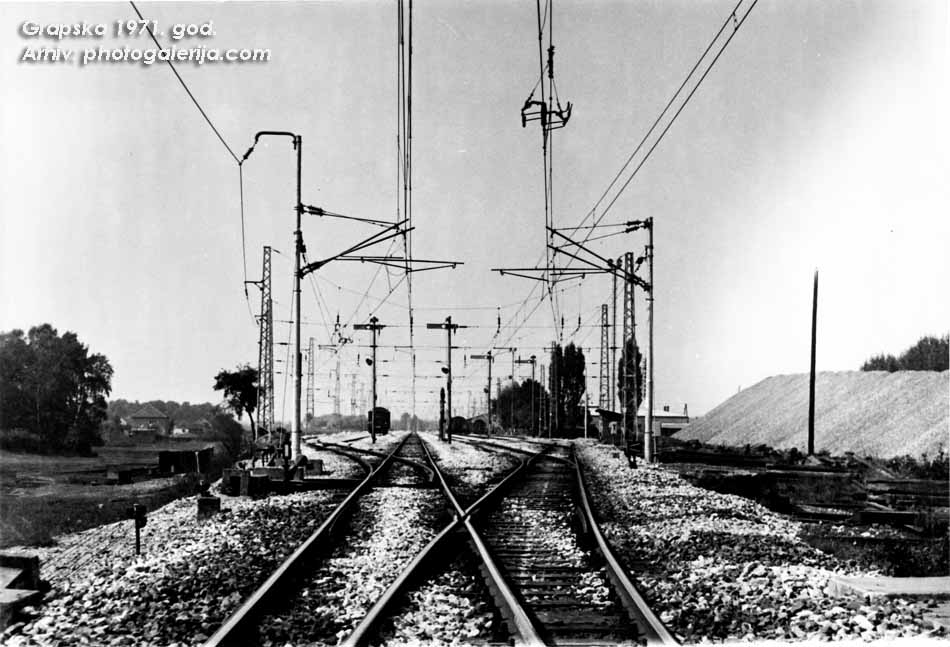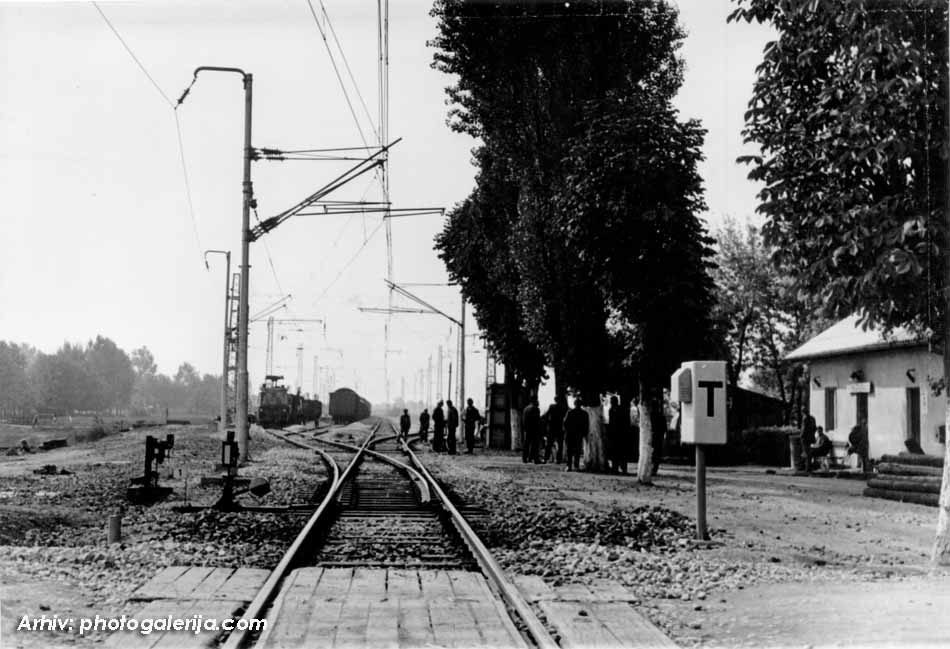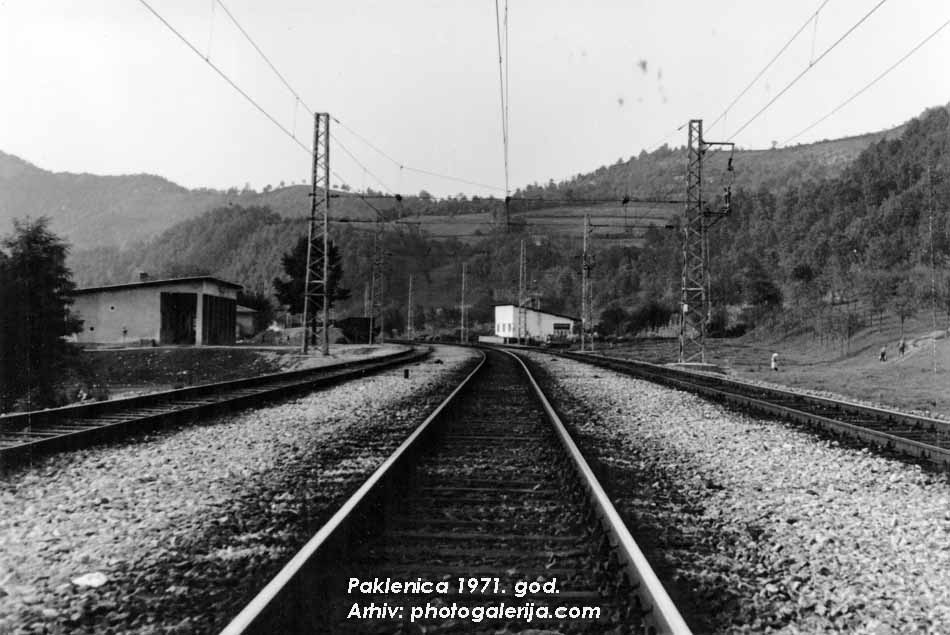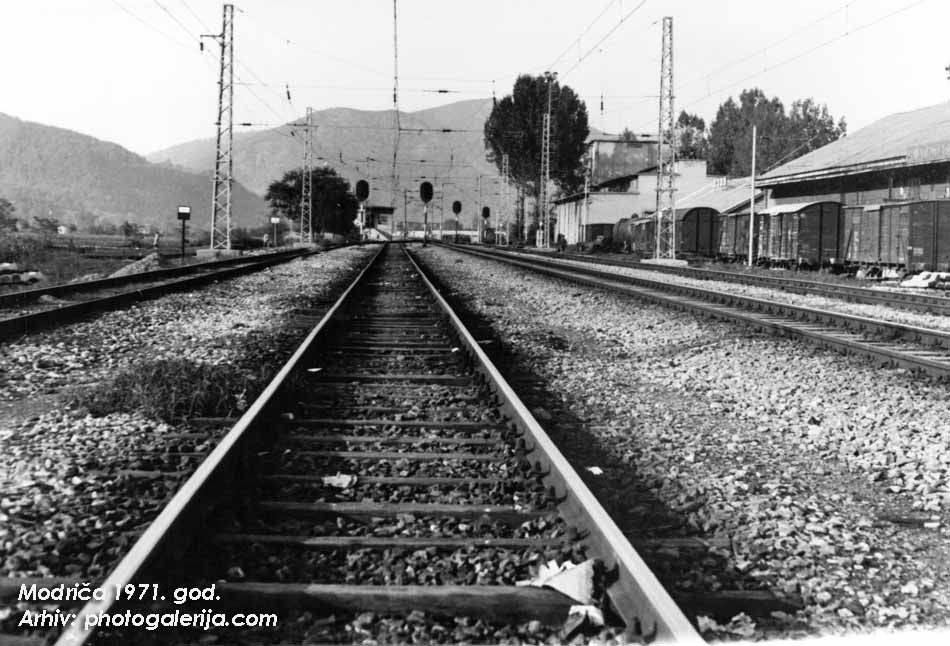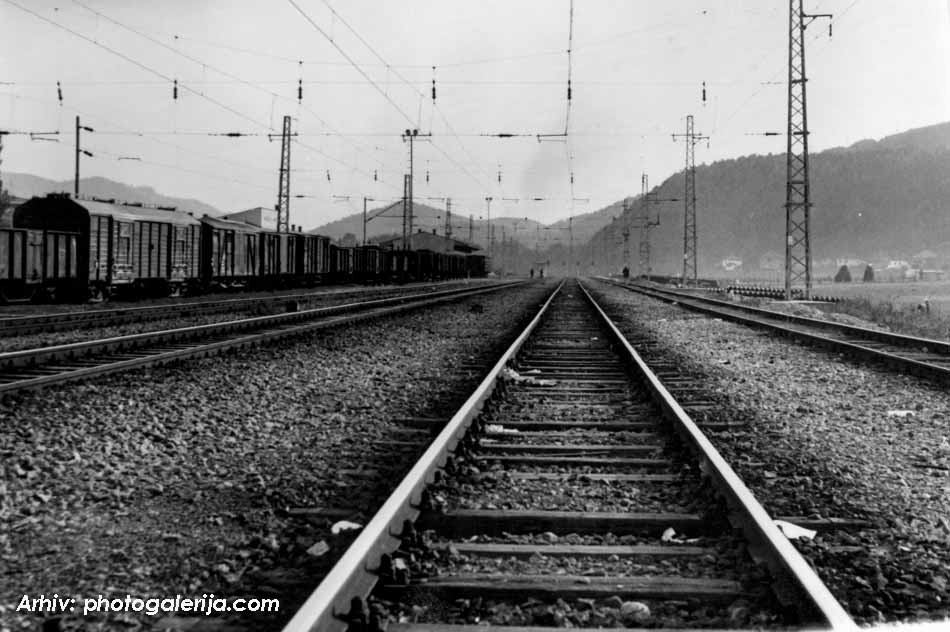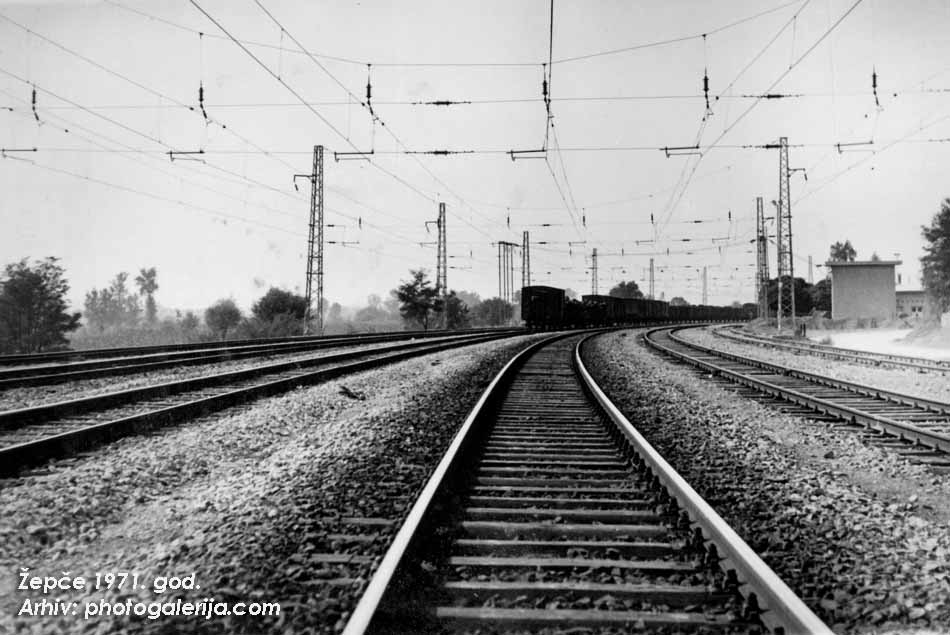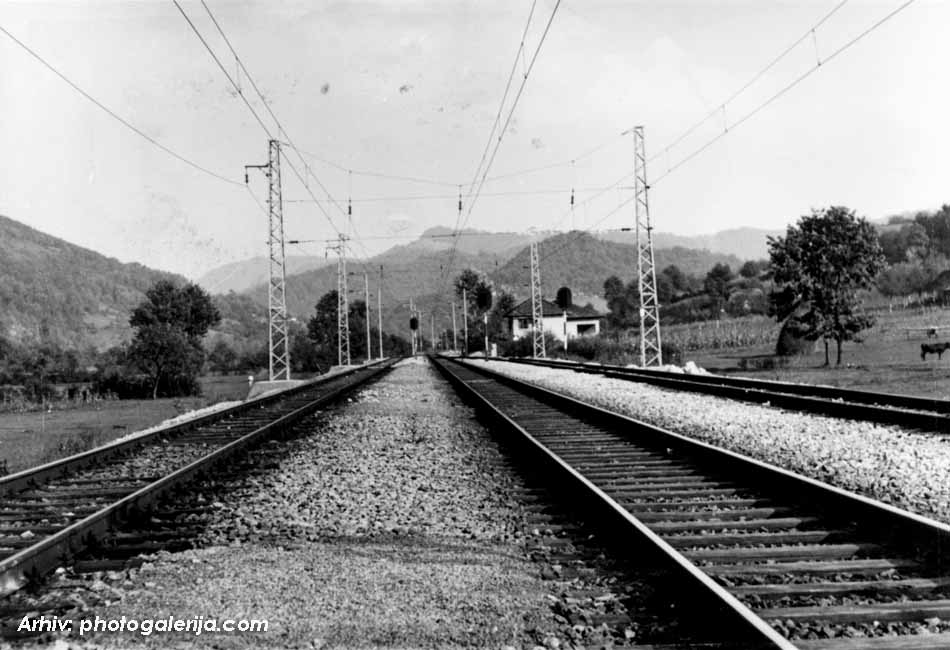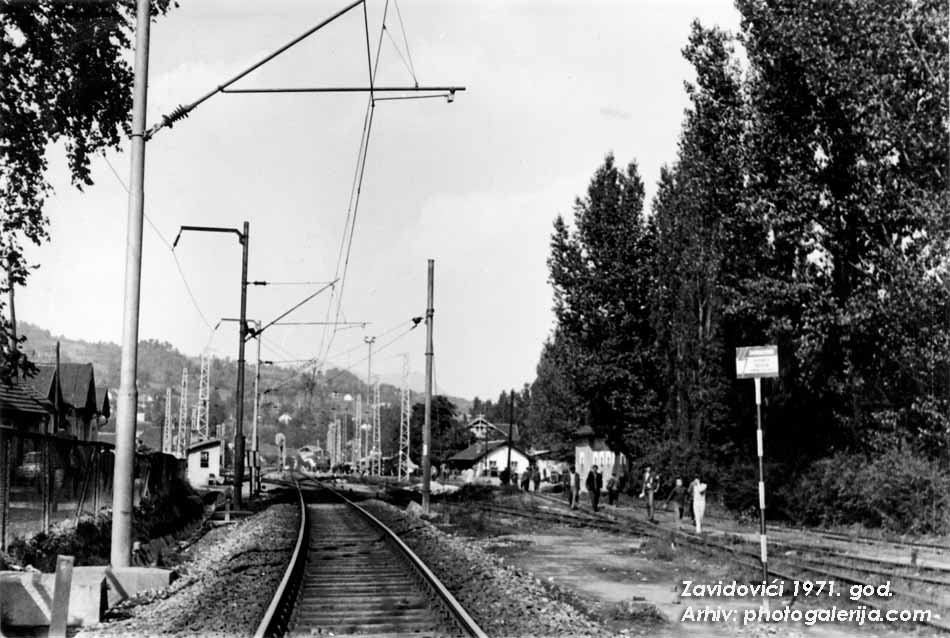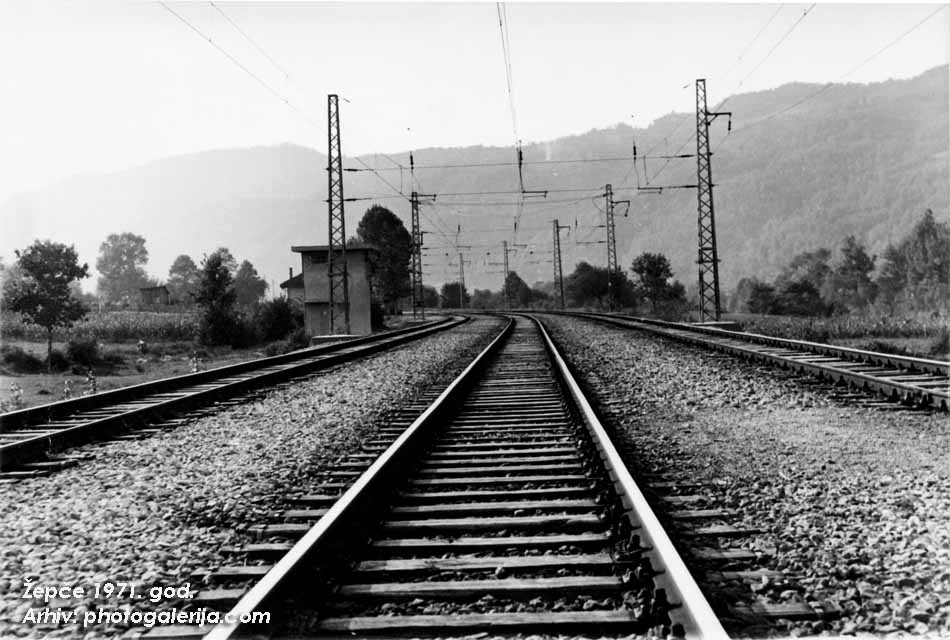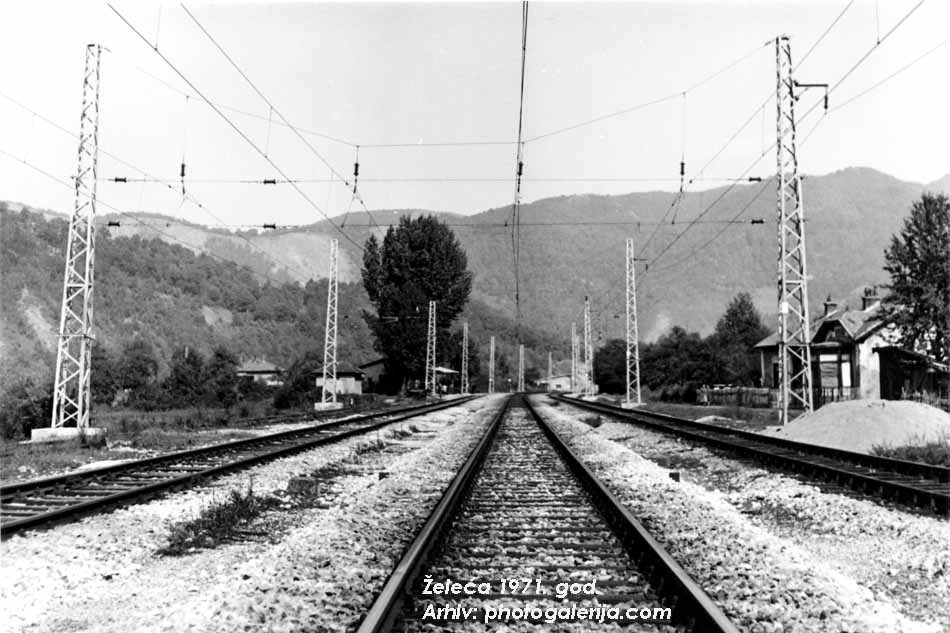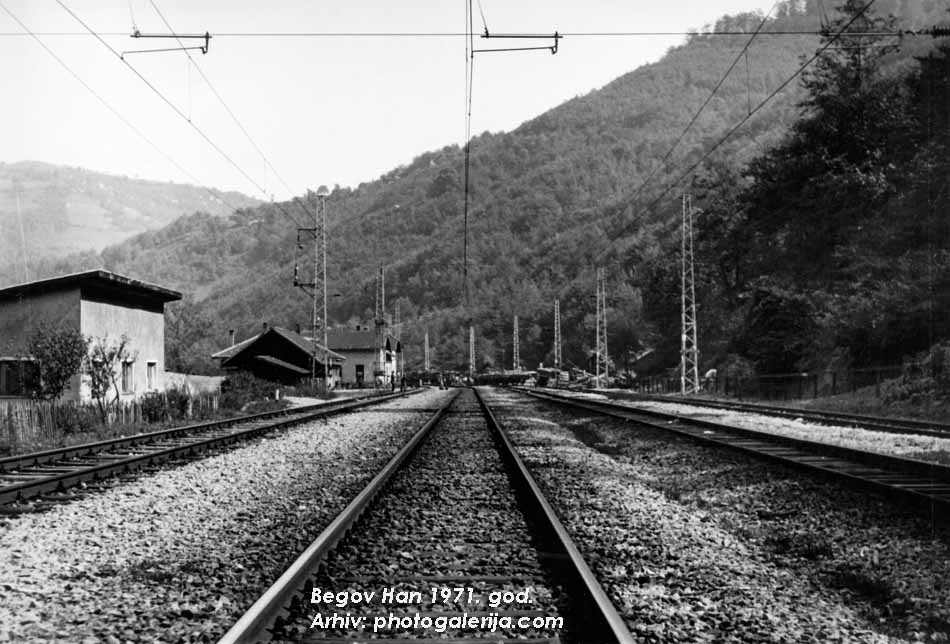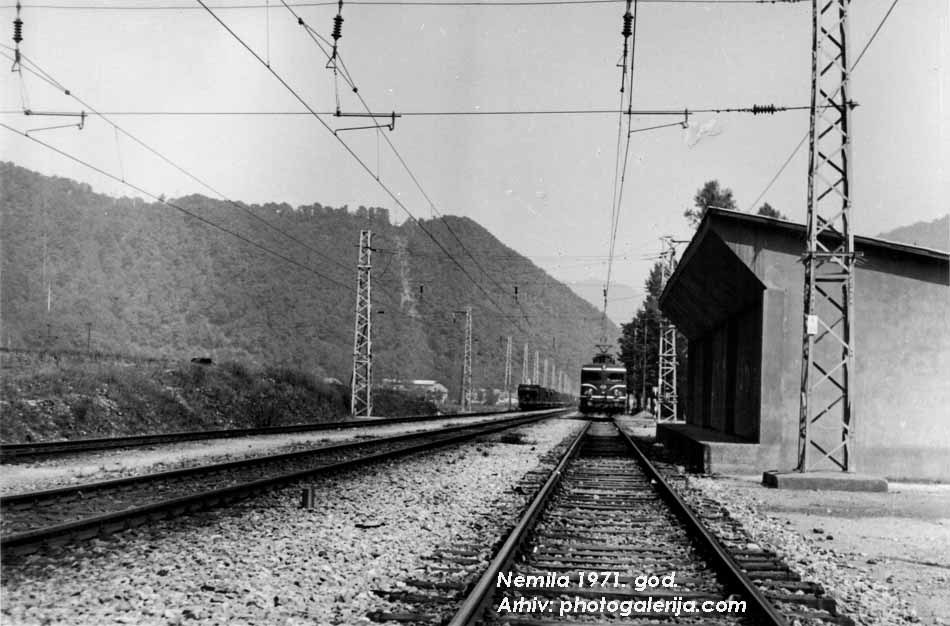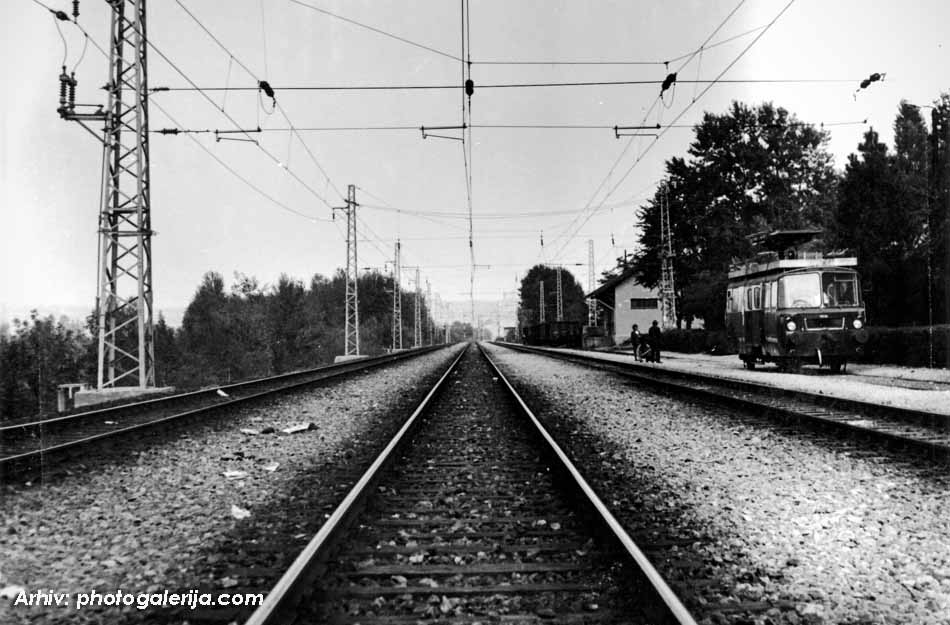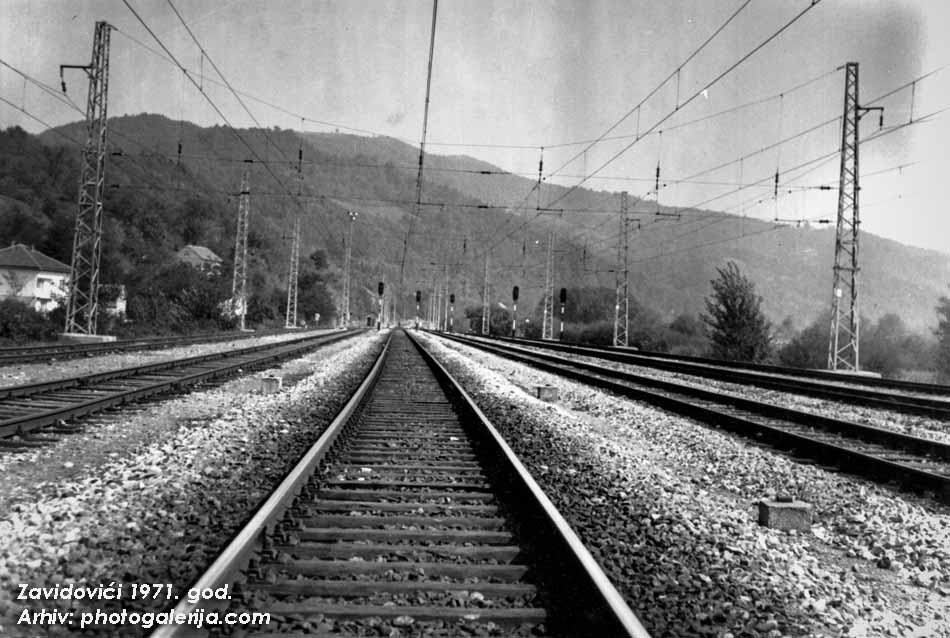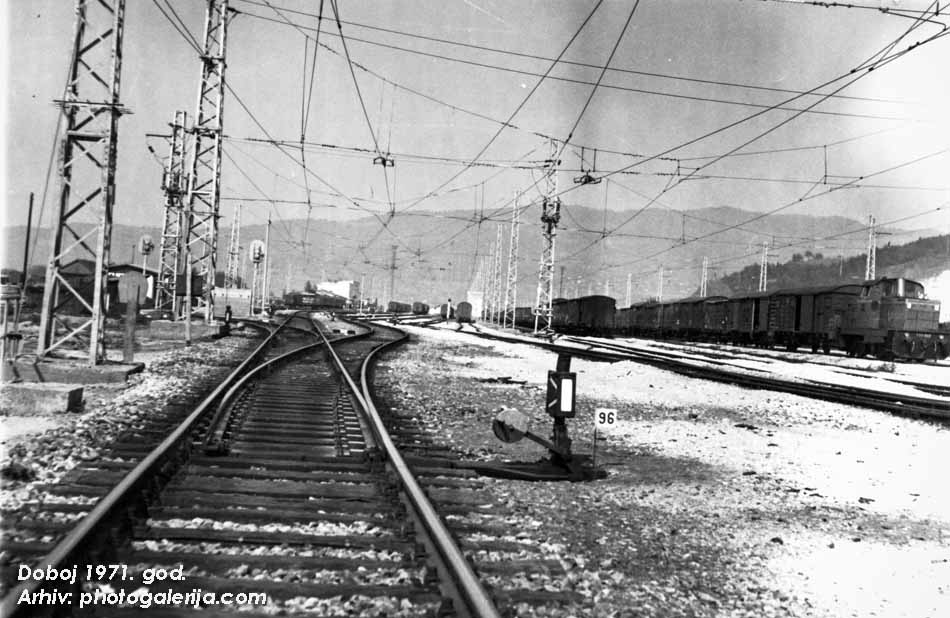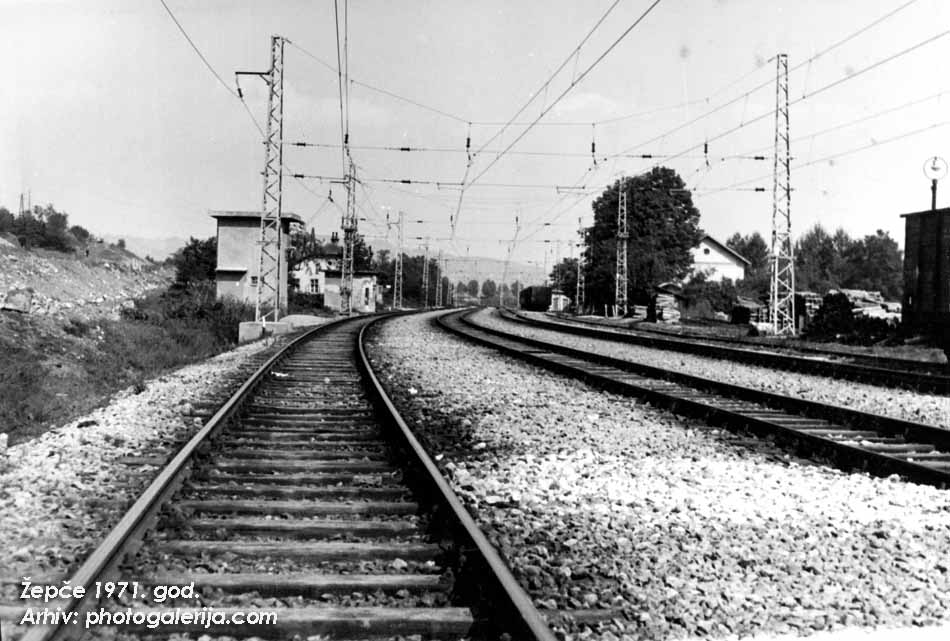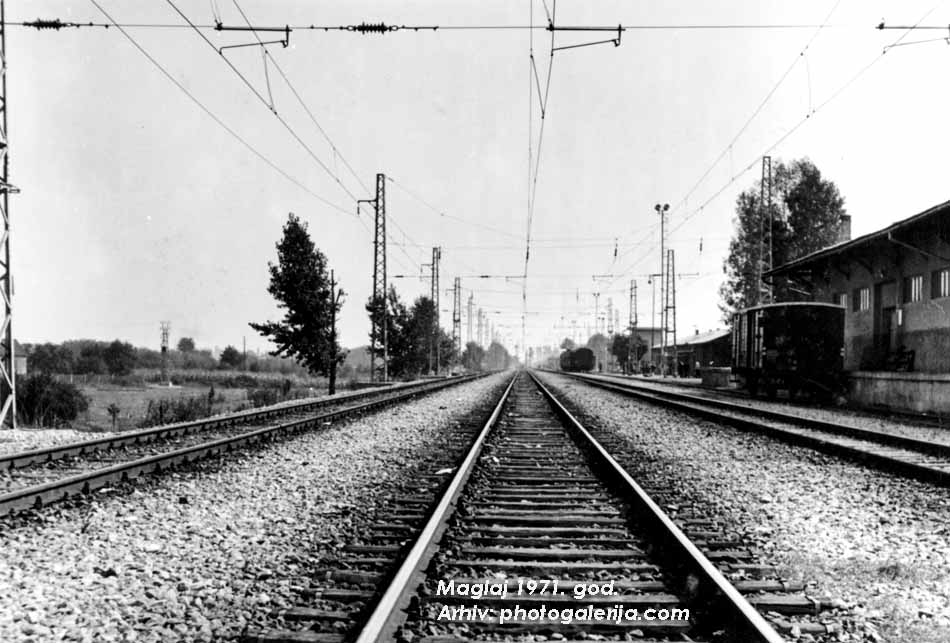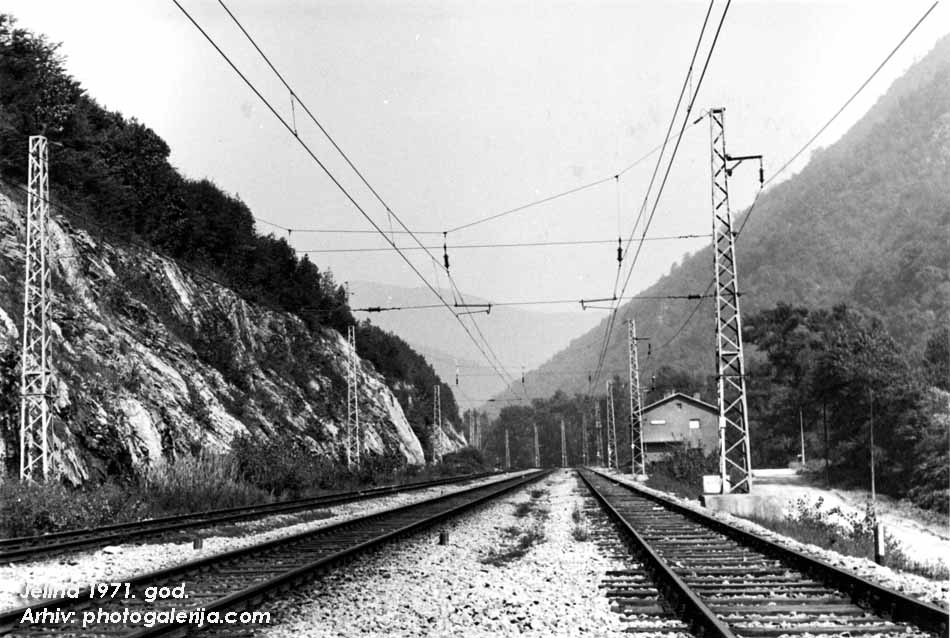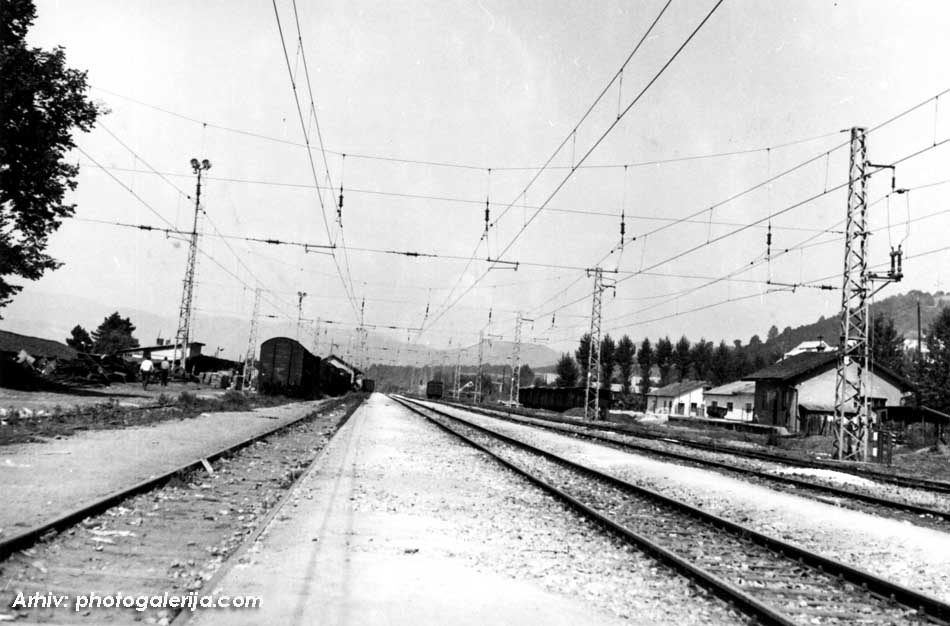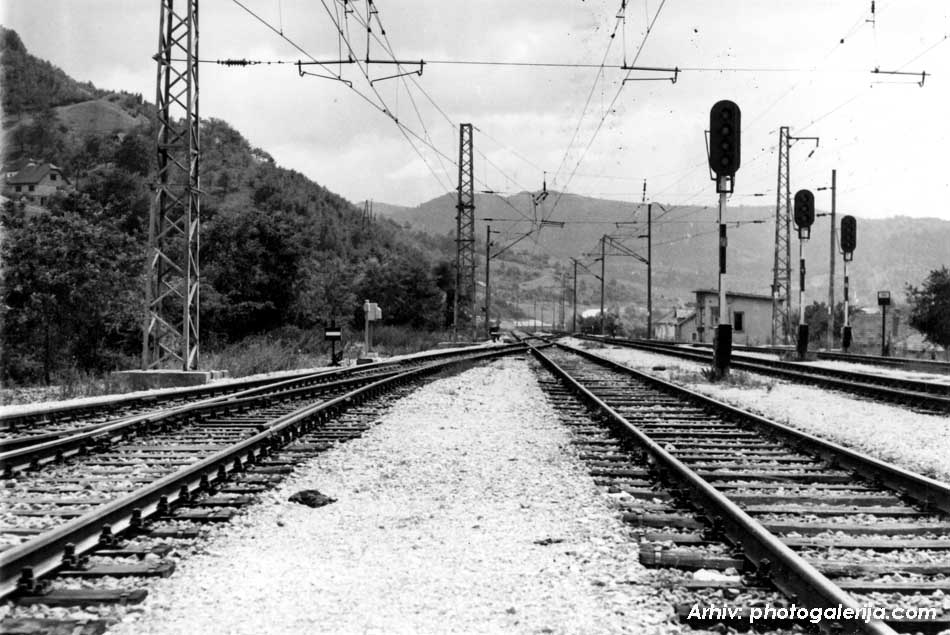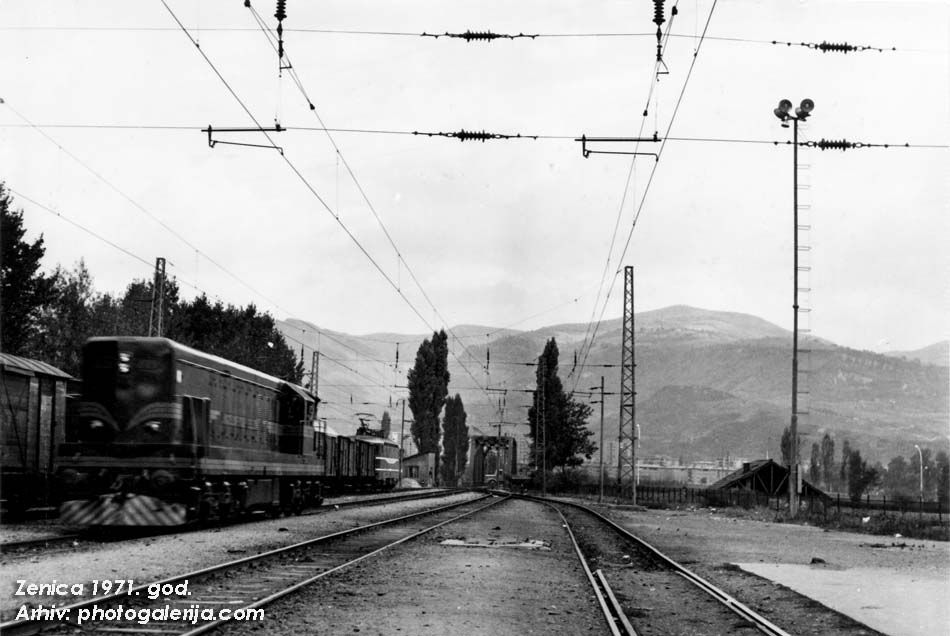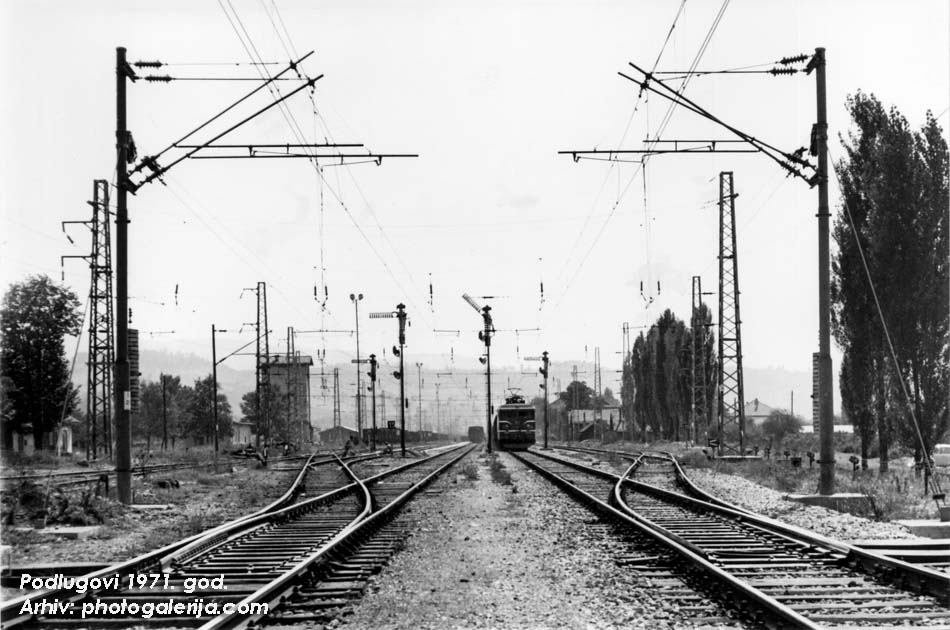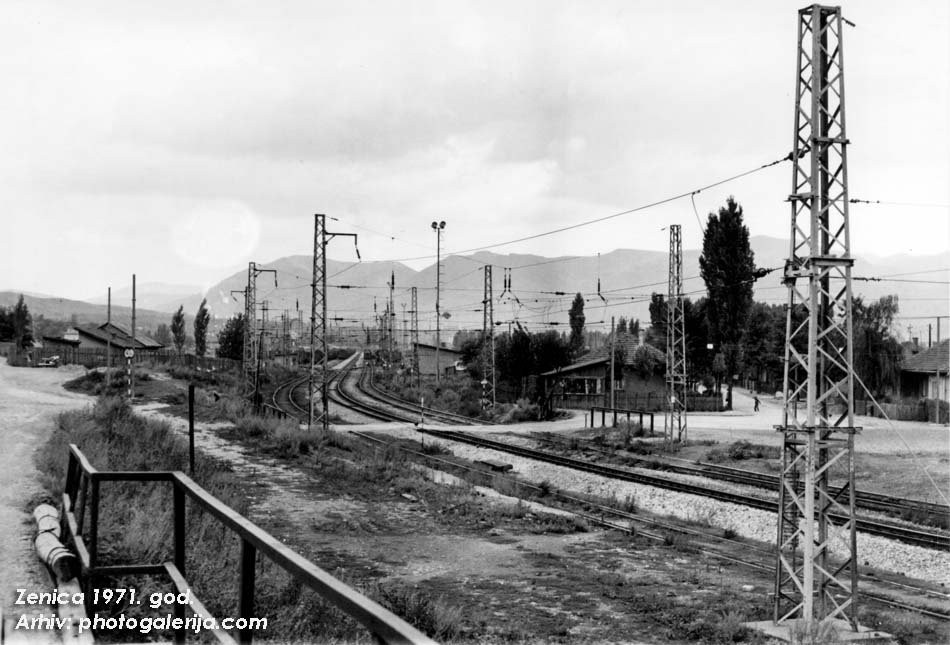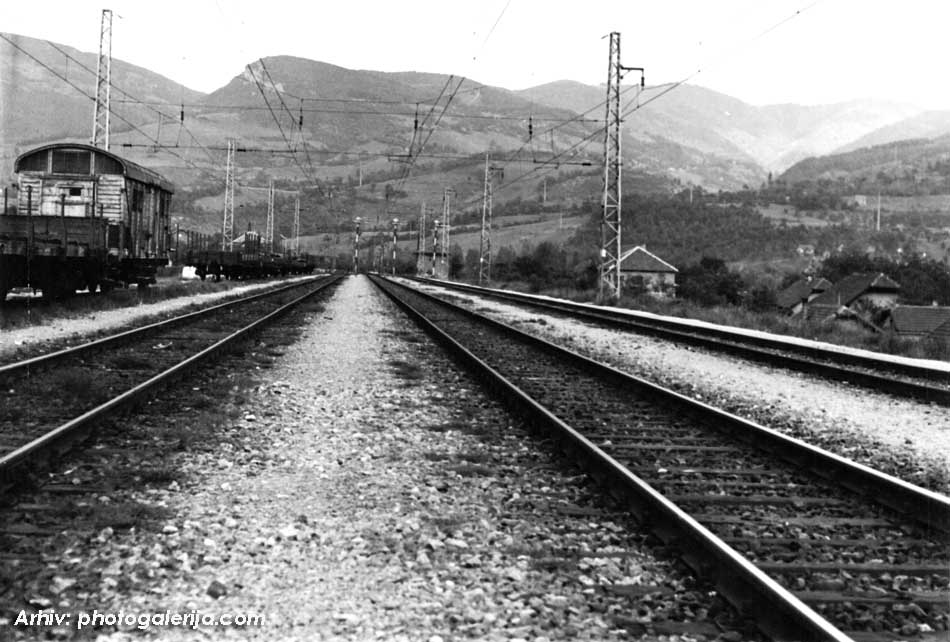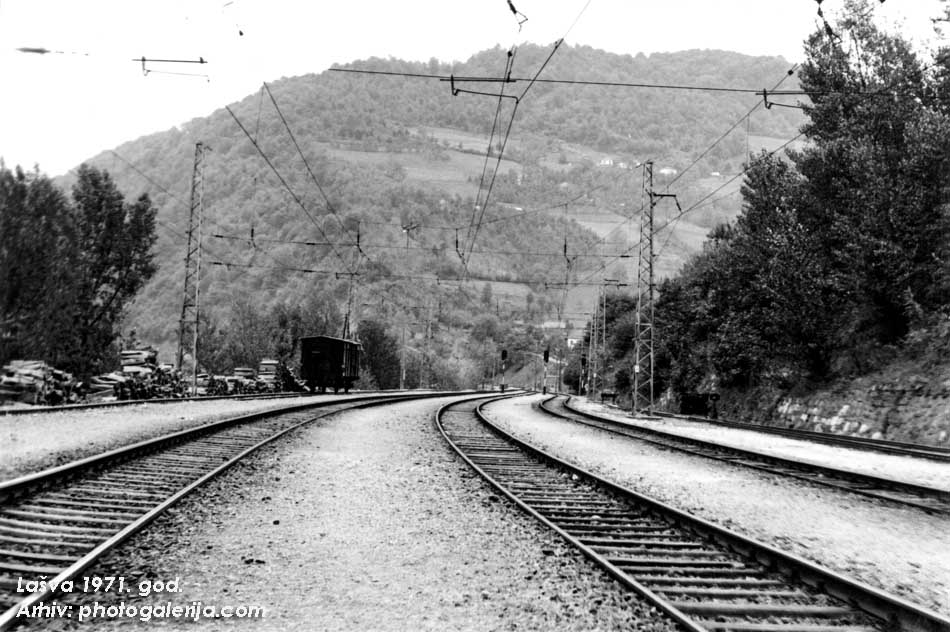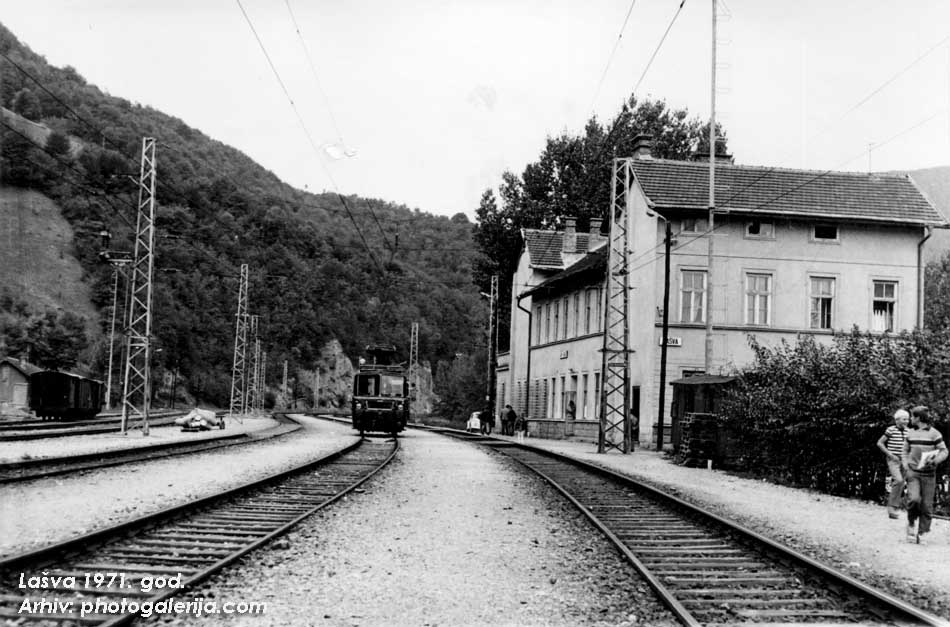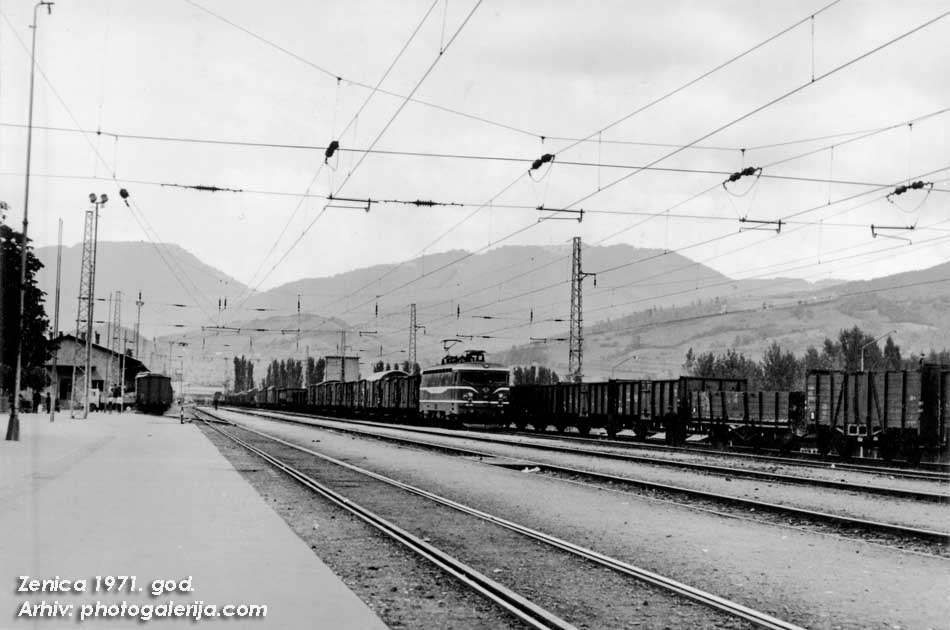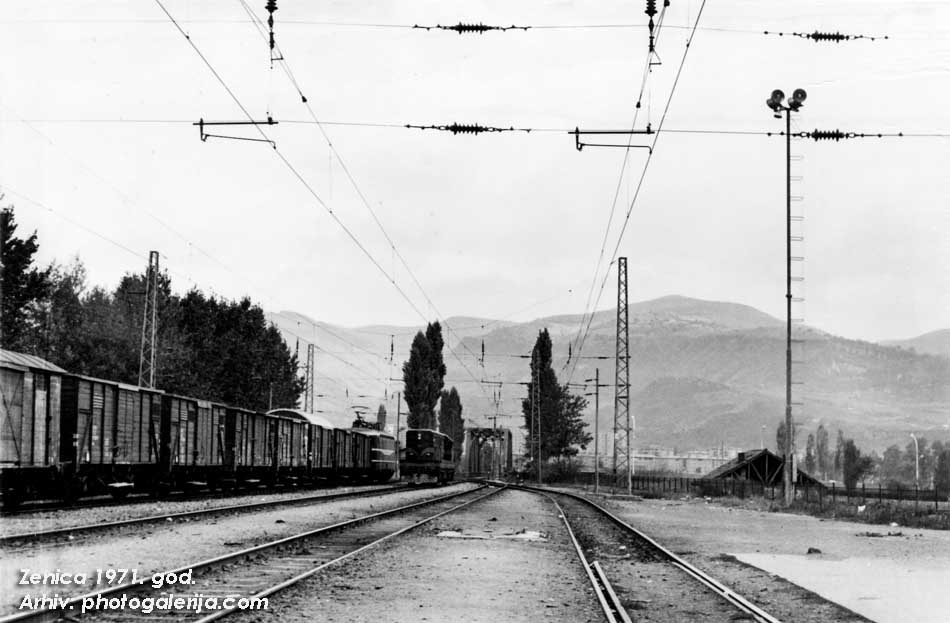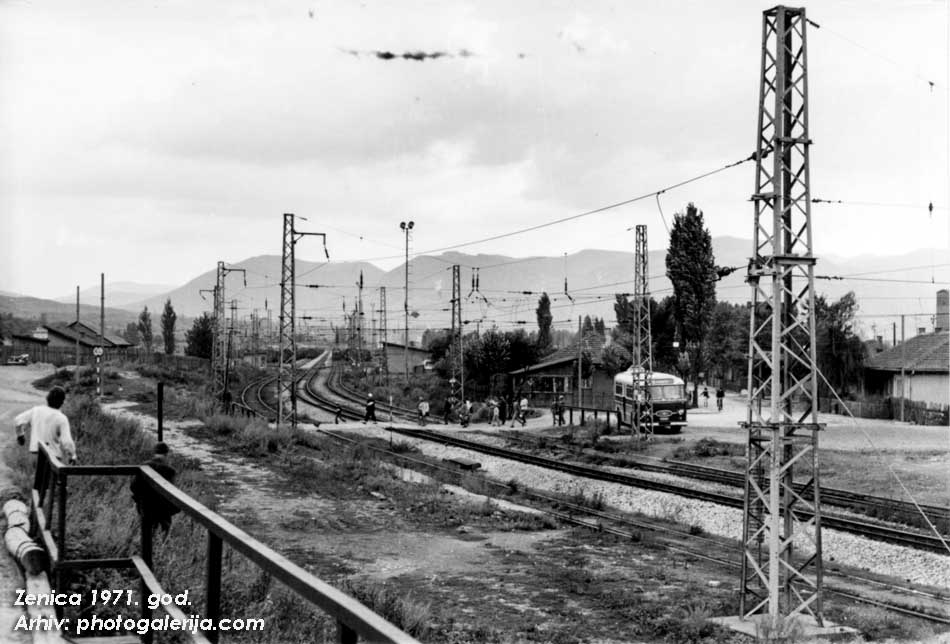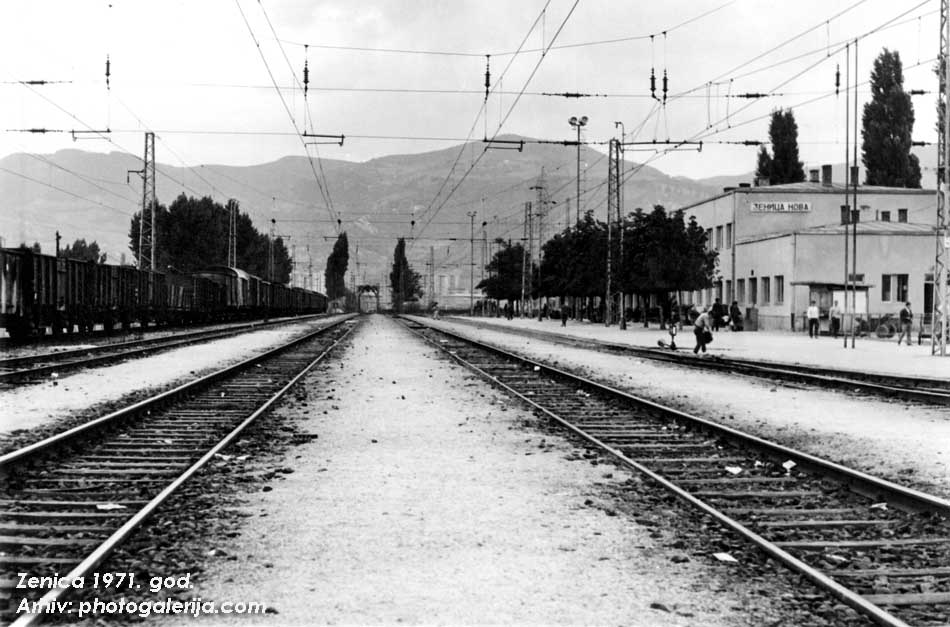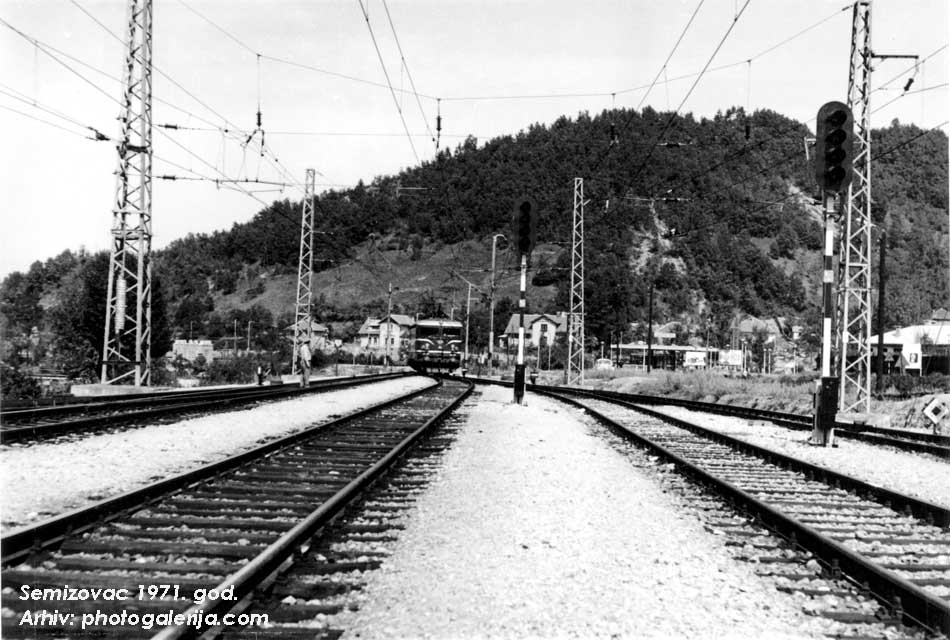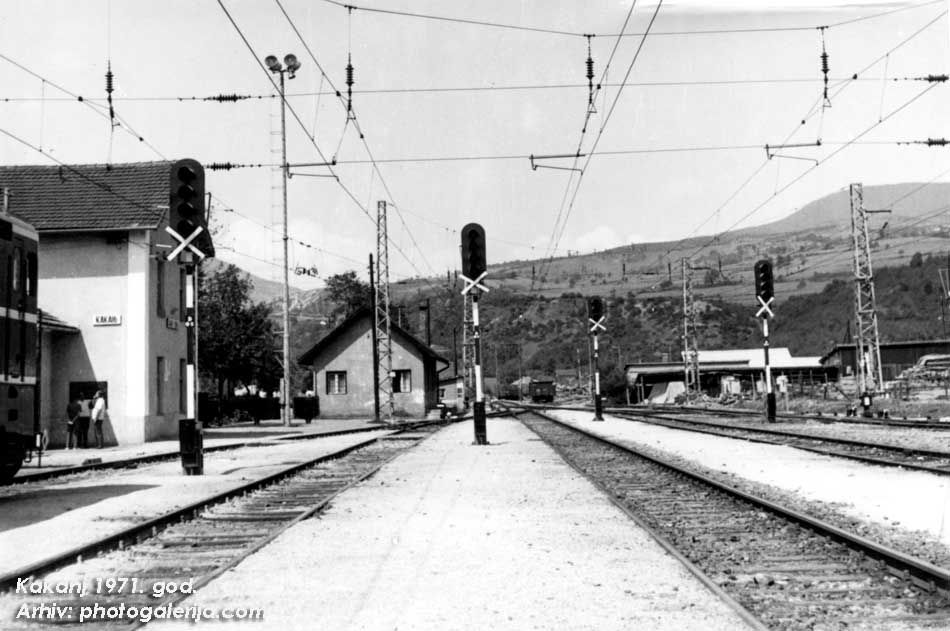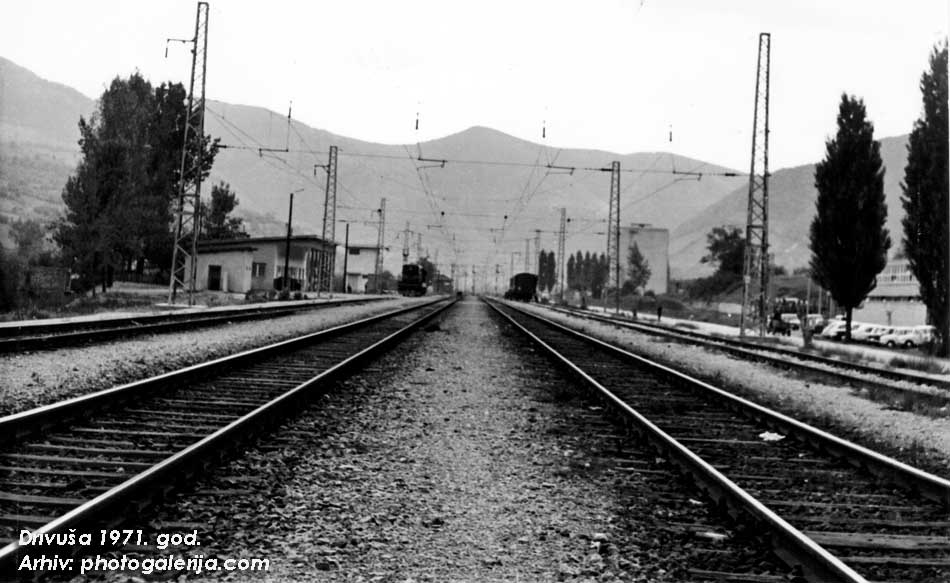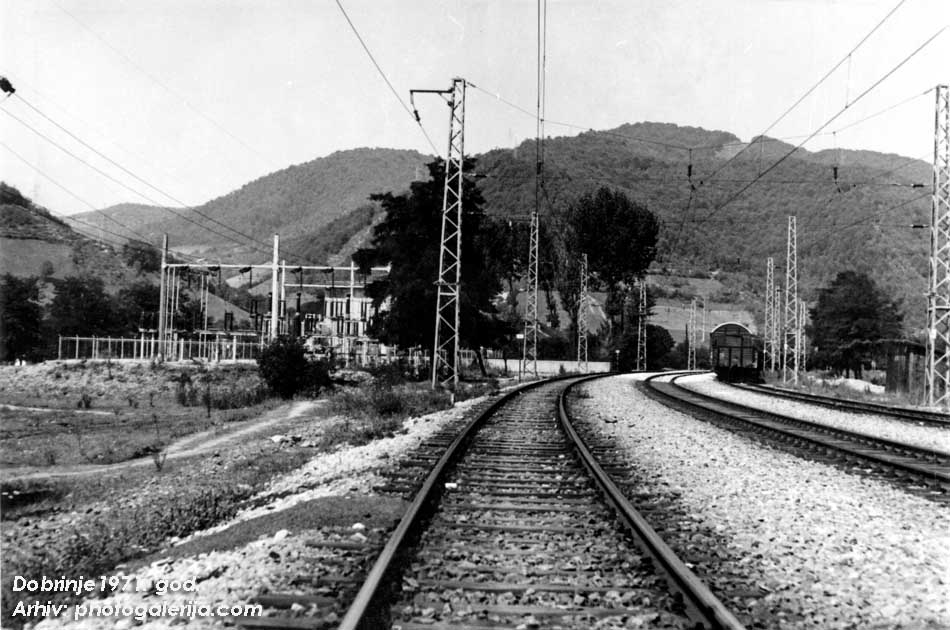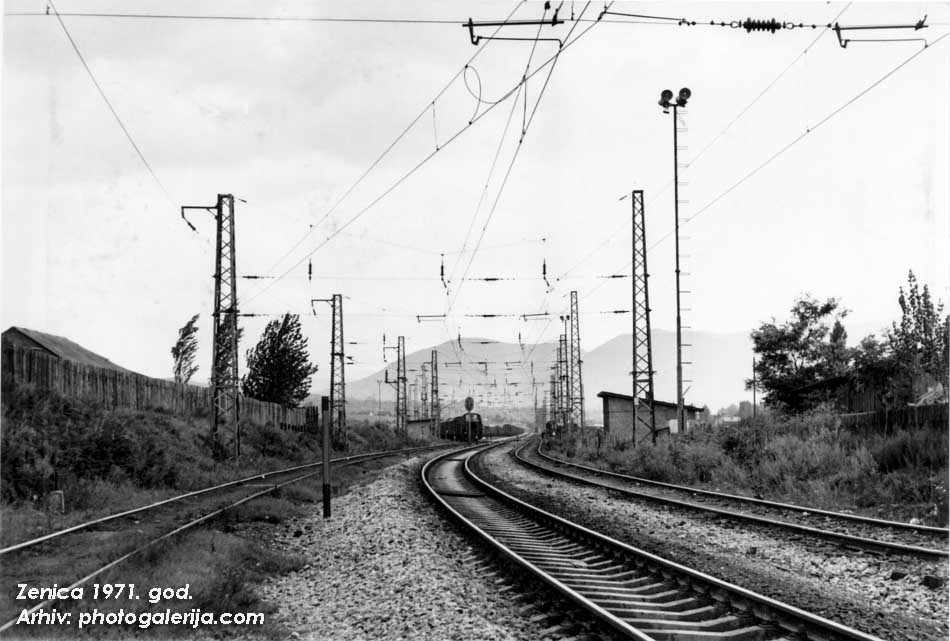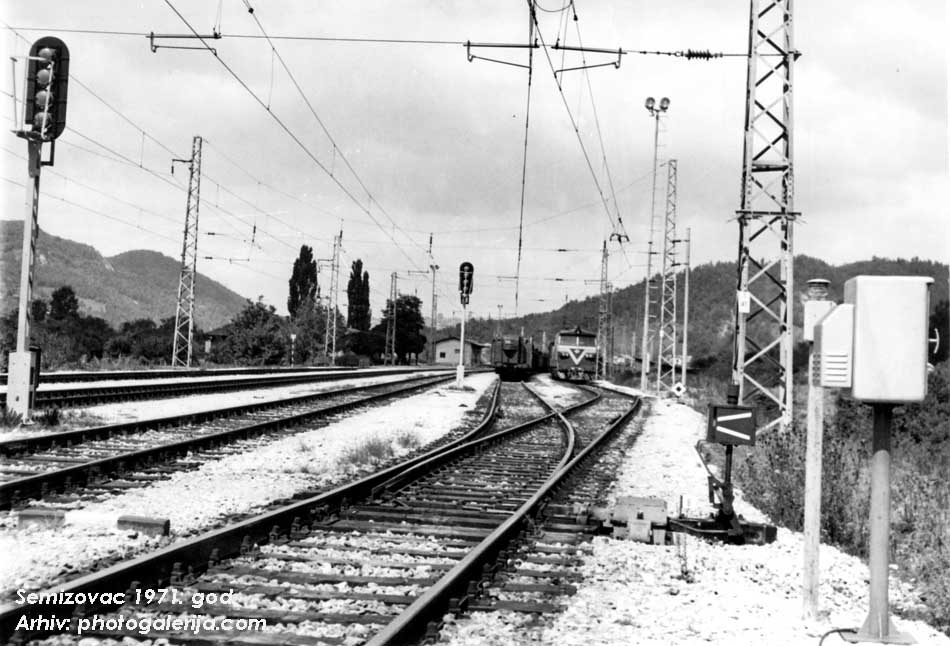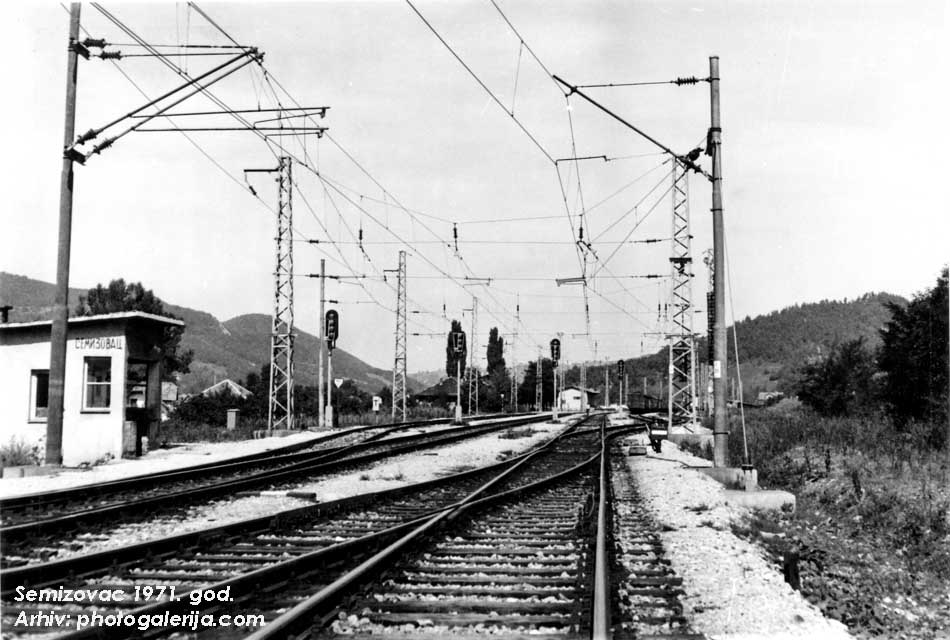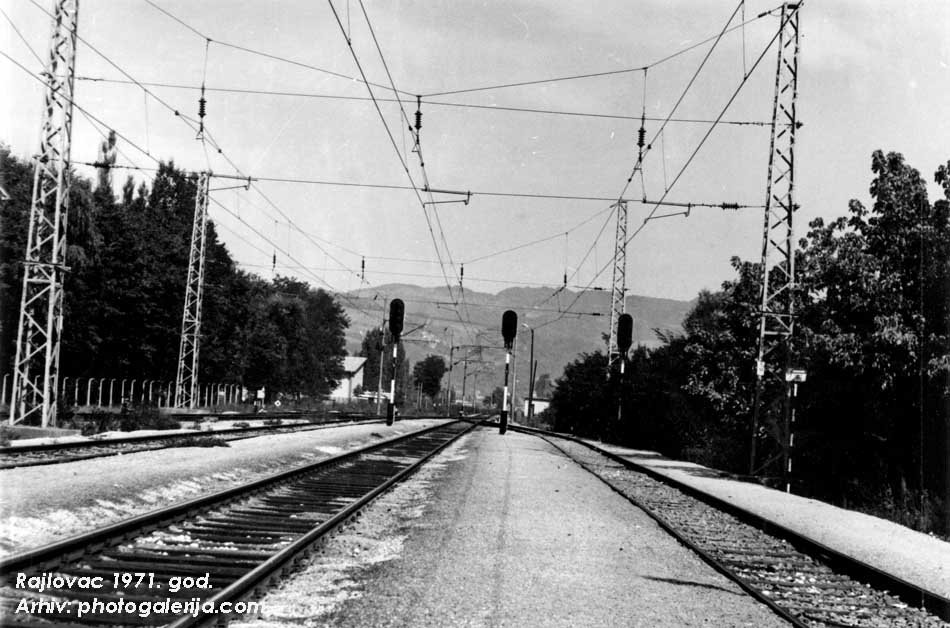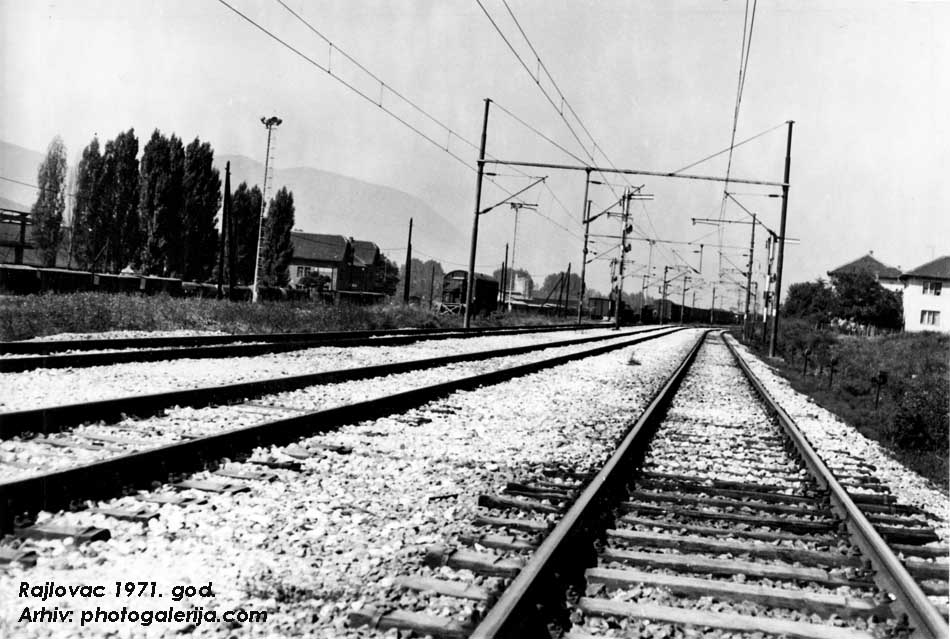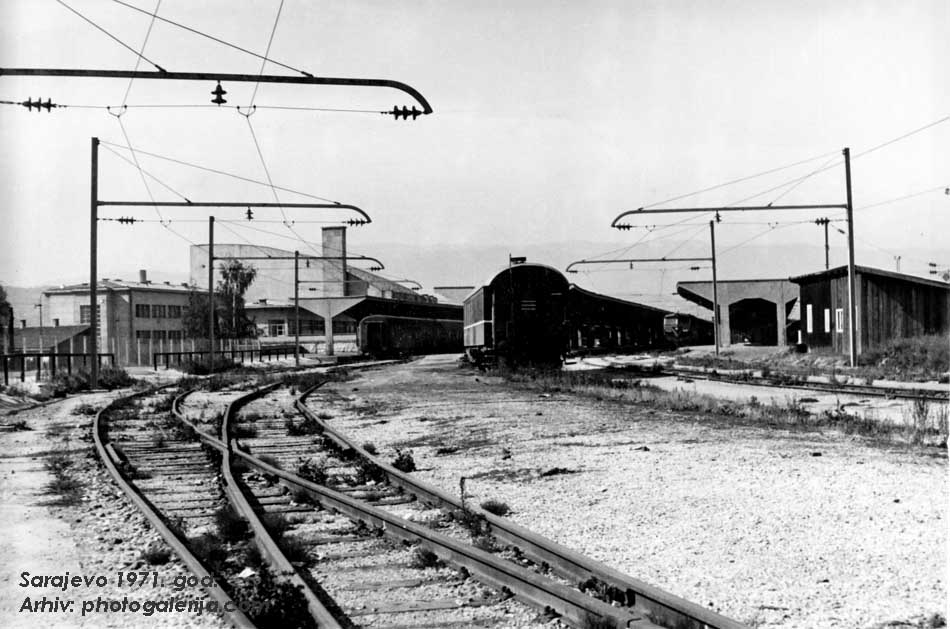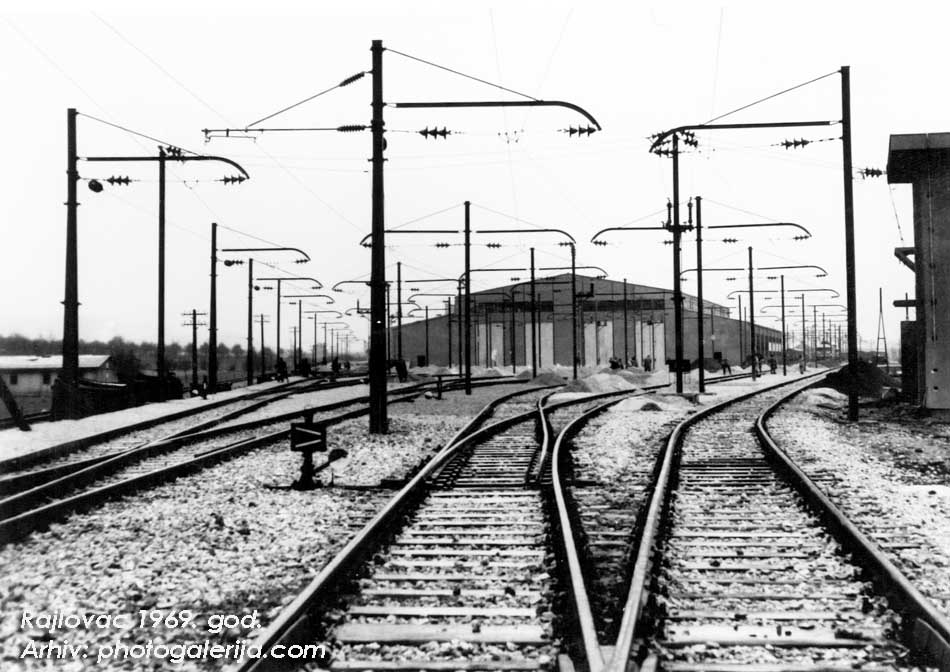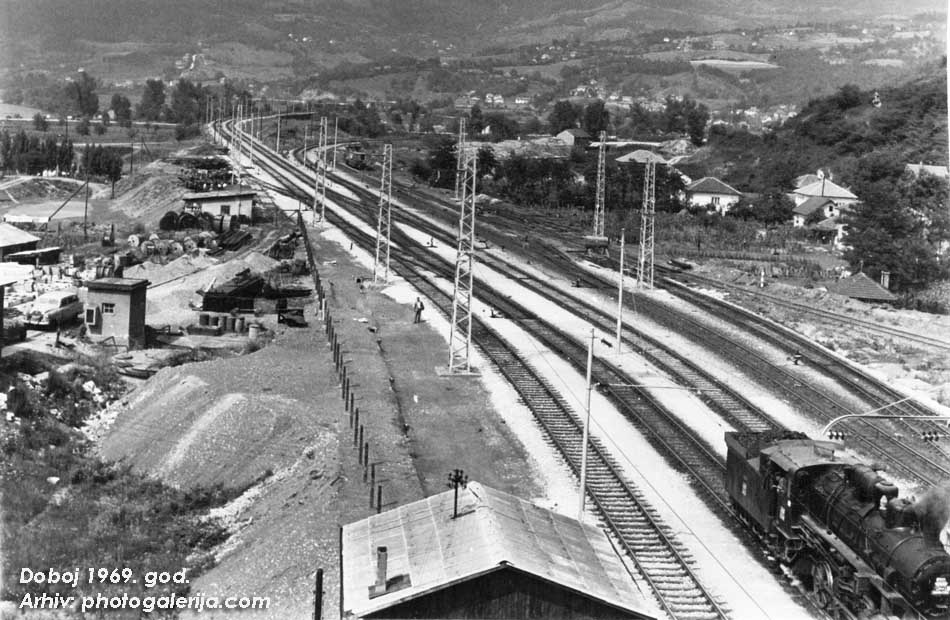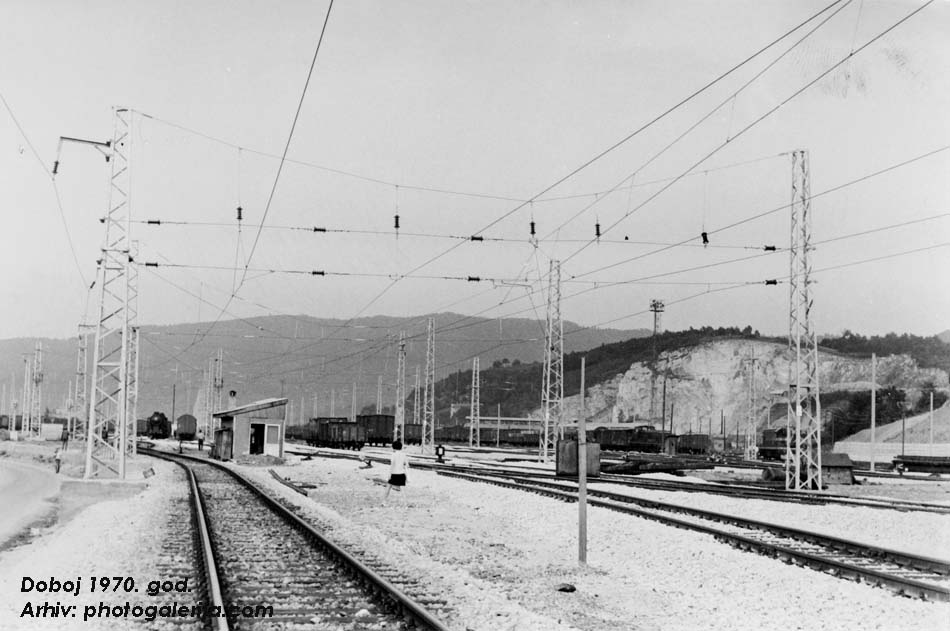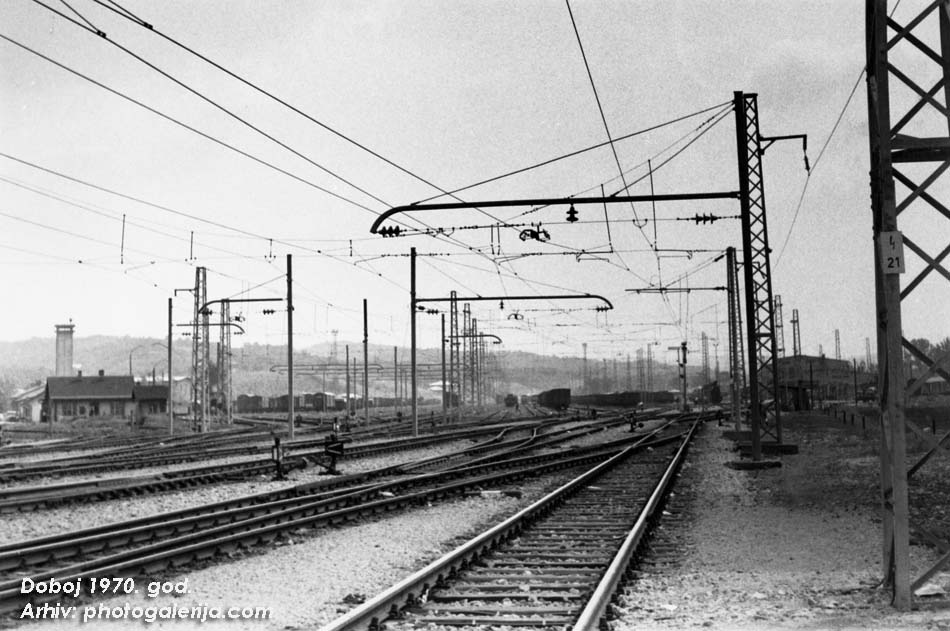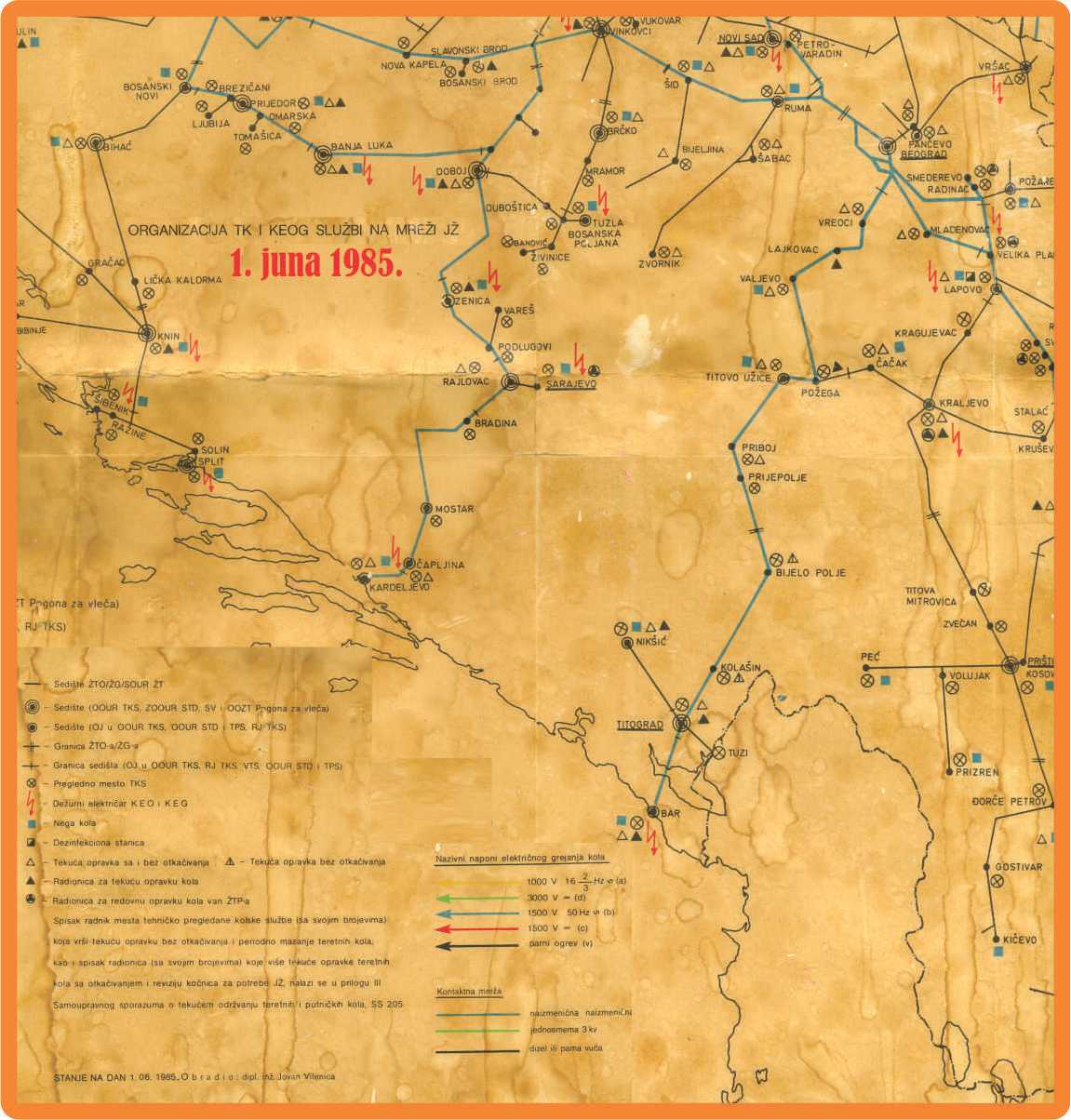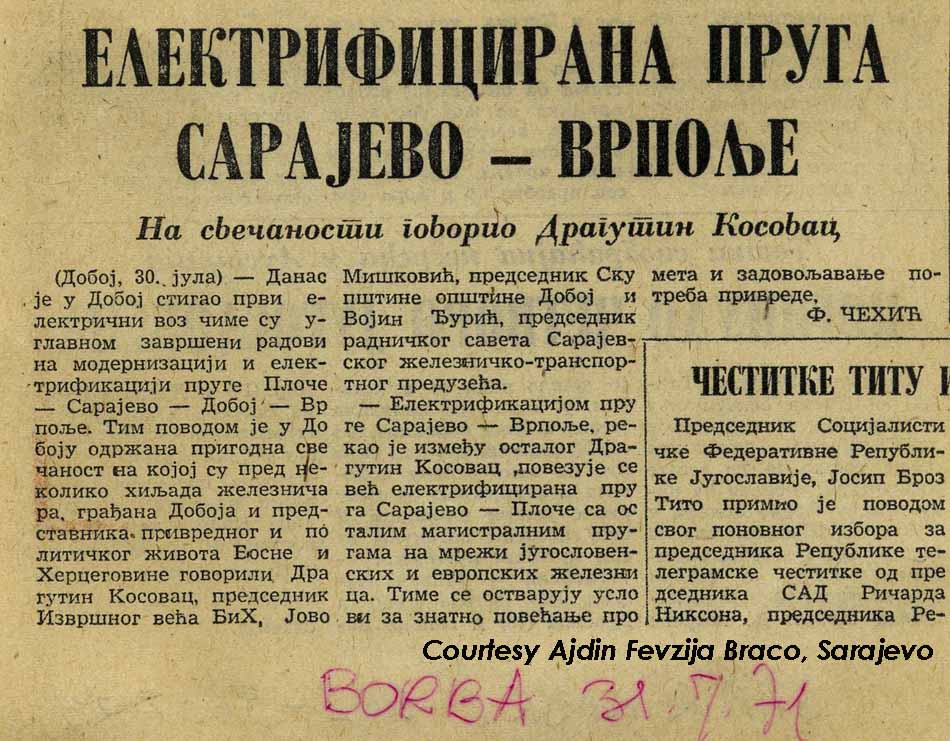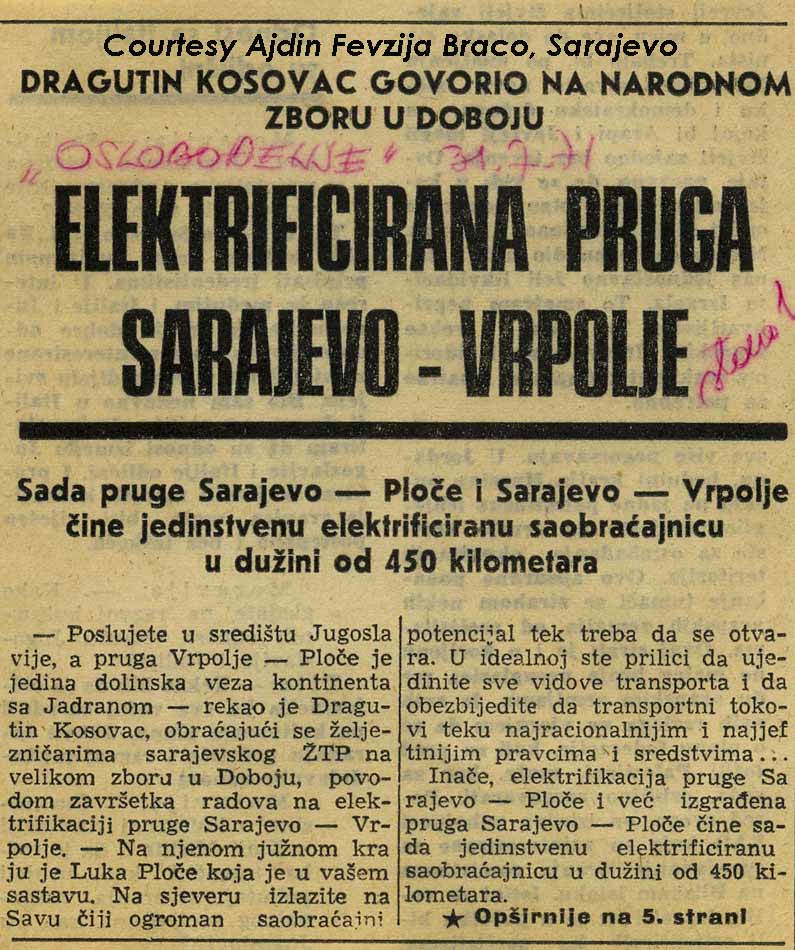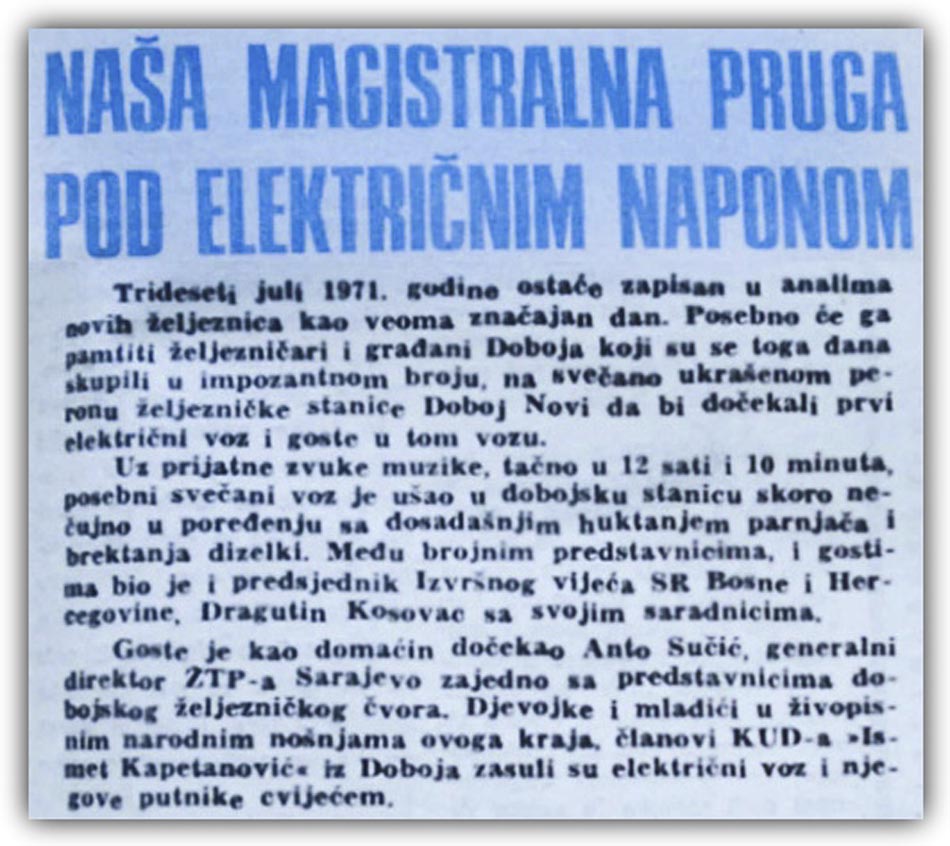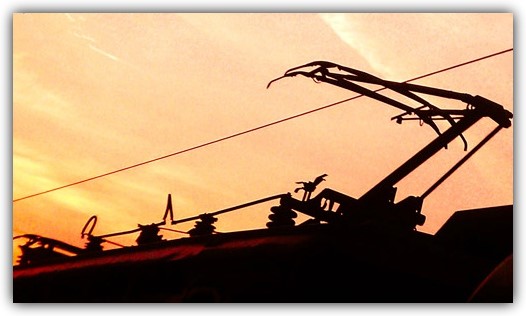
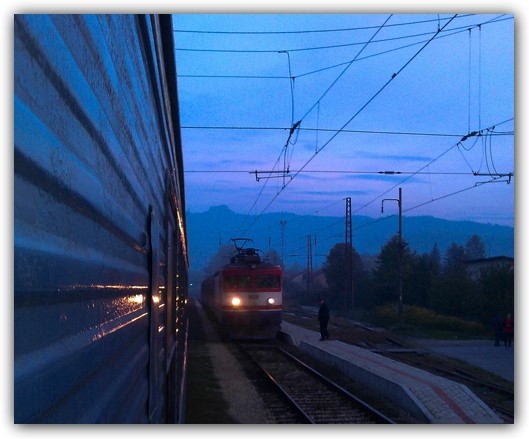
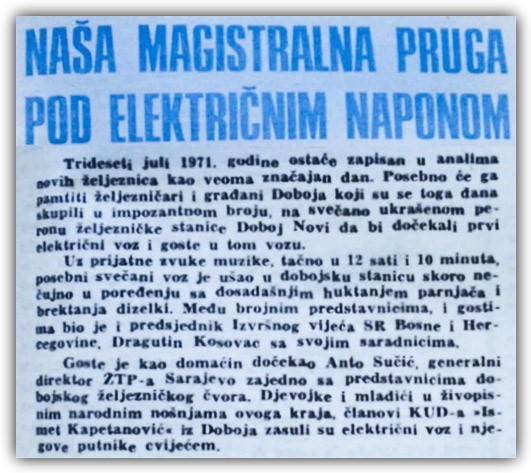
The history of electrification of the Bosnian-Herzegovinian railways begins with the project to electrify the Sarajevo – Metković line in 1912. The most important prerequisites for the profitability of electrifying this route, as indicated in the project (by the company František Křižík from Prague), include: the exploitation of this railway over two decades from its commissioning (August 1, 1891), which became a bottleneck in transportation; the route passes through extremely difficult terrain along the watershed between Osenik (Pazarić-Tarčin) and Ivan Sedlo (Raštelica-Konjic), including the Bradina Ramp, with steep slopes/climbs and descents of about 63‰ where the cogwheel system of Swiss engineer Karl Roman Abt was used; and ultimately, the unbearable breathing difficulties of the crew and passengers due to the large number of tunnels with ascents. Electrification of this line was planned to be carried out with single-phase alternating current at 11 kV (11,000 volts) and a frequency of 16 ⅔ Hz, with the necessary electric power to be supplied by a hydroelectric plant projected to be built in Jablanica around 1915/16. This electrification was not implemented due to the approaching wartime circumstances that soon arose with the start of World War I. The Ministry of Transport of the Kingdom of Yugoslavia began serious consideration of railway electrification only from 1932, and studies were conducted for the electrification of narrow-gauge lines on a 76 cm track gauge, specifically on the Užice – Sarajevo – Konjic route (Ost and Naretna Bahna), approximately 240 km long. A project titled “Plans for the Electrification of the Užice-Sarajevo-Konjic Line” was completed in 1935 by the Austrian Siemens-Schuckert factories. No further work was done on electrification due to the outbreak of World War II and the material shortages, as well as strong lobbying by local and foreign mine owners. With the construction of the Jablanica hydroelectric plant— a giant and the first of such electrical facilities in the first Five-Year Plan for Yugoslavia (1947–1951)—a serious project to electrify the Sarajevo – Ploče (Croatia) route was undertaken. The first pylons for transmitting electricity via an 25 kV~ 50 Hz alternating system began installation in 1964, simultaneously with the construction of a modern standard-gauge railway. This section was opened for traffic on November 25, 1966, and was fully electrified by mid-1969, with the first electric train arriving at Ploče station (Croatia) on May 30, 1969. In 1968, along with maintenance works, electrification of the Sarajevo – (Strizivojno) Vrpolje line began. The operation for major repairs of the route (the Youth Line Šamac – Sarajevo, 1947) was carried out by the Rolling Stock Maintenance in cooperation with the ZOP units of Dobo and Sarajevo. The entire contact network was built by the Electrification Department of the ŽTP in cooperation with the electrical engineering units of Dobo and Sarajevo. The signaling and telephony systems were installed by “Iskra” from Kranj. The completion of repair and electrification works on the Sarajevo – Vrpolje railway and its connection with the Belgrade – Zagreb mainline occurred in mid-1971. It is important to note that this mainline was electrified a year earlier, on May 31, 1970. Electric locomotives numbers 441-306 and 441-309, along with their freight, arrived at Doboj station on July 30, 1971, thus officially marking the historic event and the ceremonial commissioning of this electrified section.
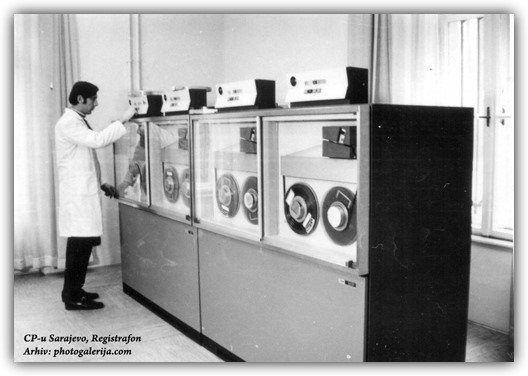
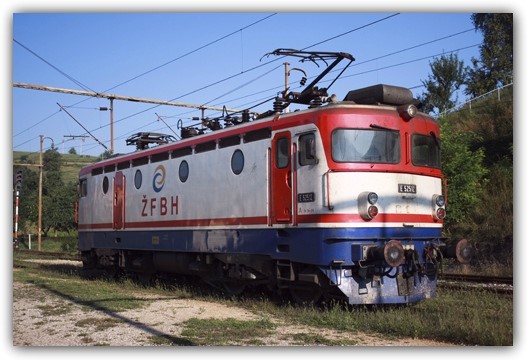
The complete electrification of the Vrpolje – Sarajevo line and the nearly constructed Sarajevo – Ploče line make up a unique 450 km electrified railway route with a planned total monthly freight volume of 1,500,000 tons of various goods. By the end of 1988, the planned electrification work on the track segment from Doboj – Banja Luka – Bosanski Novi (Novi Grad) towards Zagreb, and from Bosanski Novi (Novi Grad) to Bihać – Martin Brod towards Knin and Split, was completed. Simultaneously, the most modern technology was introduced by building remote control centers in Rajlovac, Doboji, and Bosanski Novi (Novi Grad), APB (automatic block signaling) – remote control for traction and traffic signaling, which at that time ensured a high level of safety in railway operations in Bosnia and Herzegovina. After the end of the war (1992–1995), the Bosnia and Herzegovina Railway Directorate inherited most of the destroyed railway capacities and infrastructure. Immediate efforts were made to restore tracks, bridges, track facilities, and the contact network so that by the late 1990s, normal traffic was reestablished throughout the country. The only note regarding the restoration of the damaged contact network is that (as of the date of writing this publication), the electrification repairs and renewal on the track segment from Bosanski Novi (Novi Grad) to Bihać – Martin Brod have not been carried out.
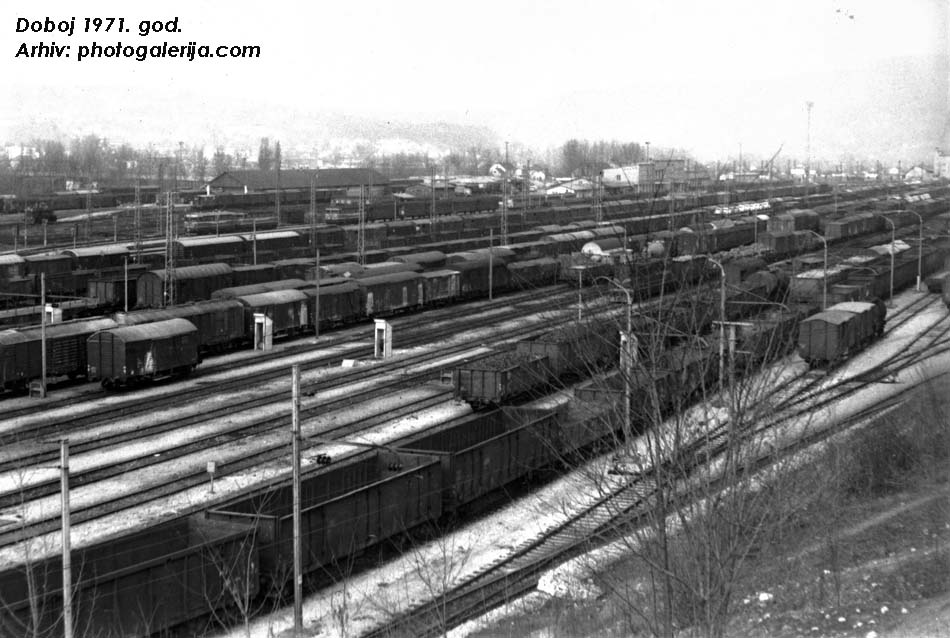
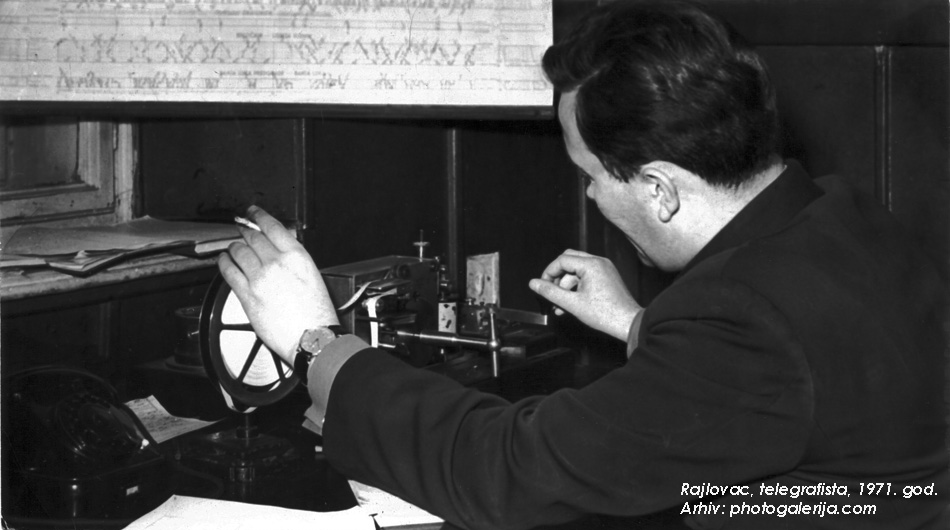
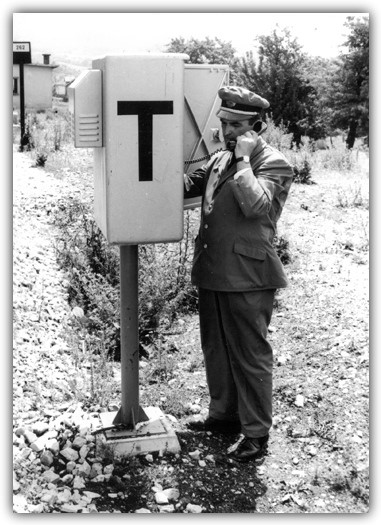
In the attachment, you can view a gallery of photographs related to this topic, taken during the period of 1969/71.